Beginning Sounds Worksheets for Ages 3-8
19 filtered results
-
From - To
Welcome to our collection of Beginning Sounds Worksheets designed for children ages 3-8! These engaging worksheets are perfect for young learners to explore phonics and language skills. Our resources help kids identify and practice the initial sounds of words, laying a solid foundation for reading readiness. With a variety of fun activities, including coloring, matching, and tracing, children will enjoy learning while developing their auditory discrimination and vocabulary. Ideal for both homeschooling and classroom settings, these printable worksheets are easy to use and enhance early literacy skills. Start your child’s journey to successful reading today with our captivating beginning sounds materials!
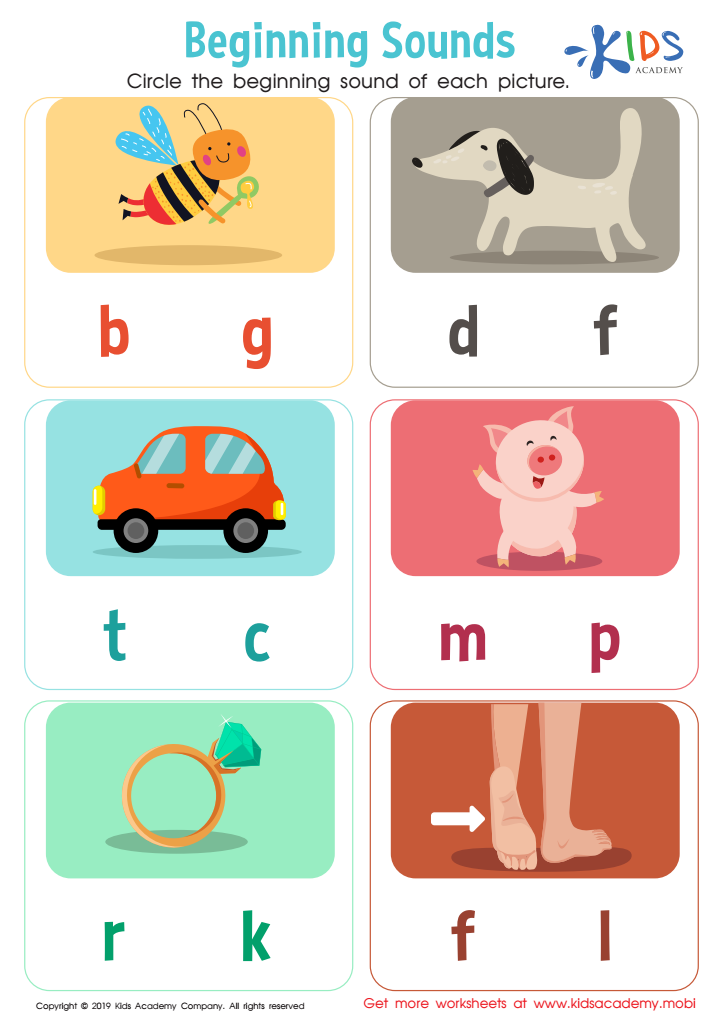
Beginning Sounds Worksheet
 Assign to My Students
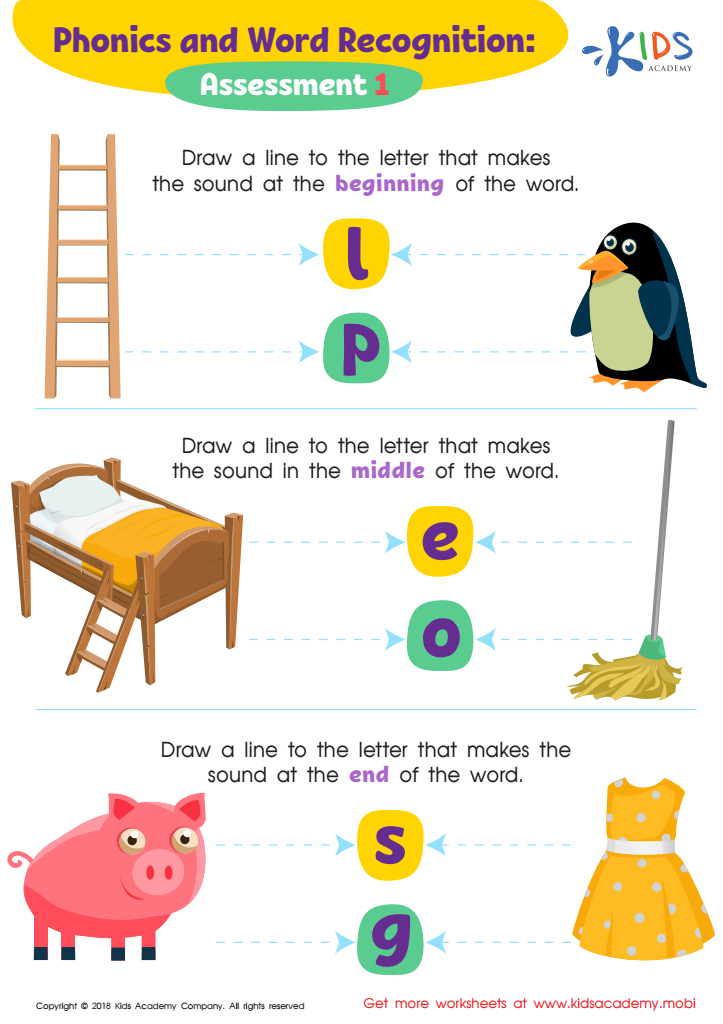
Phonics and Word Recognition: Assessment 1 ELA Worksheet
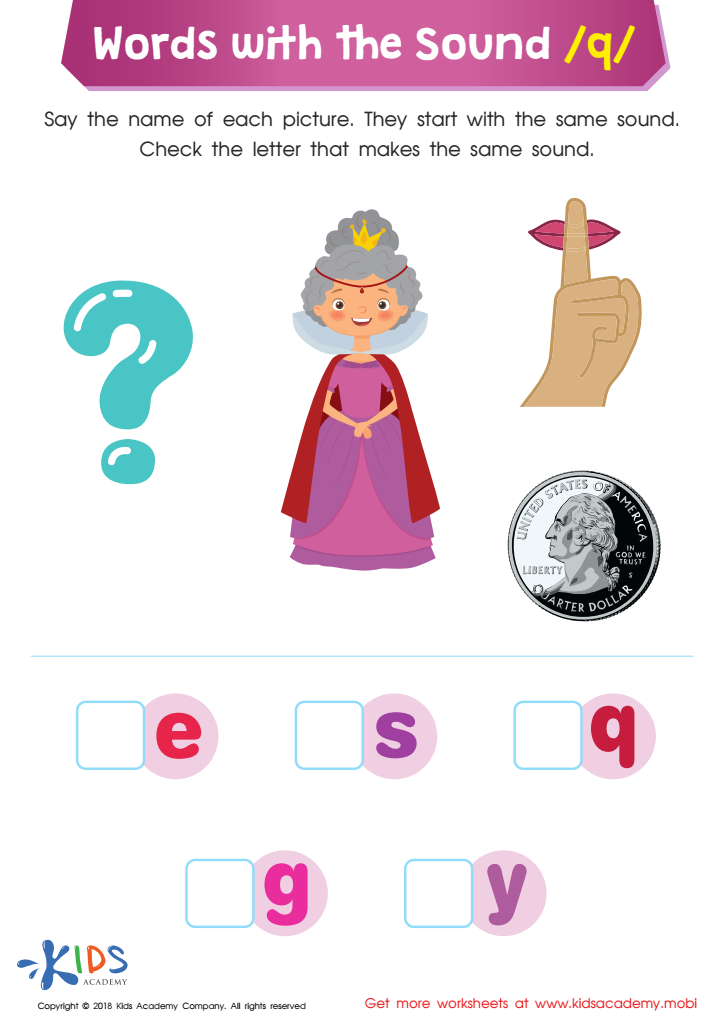
Words with Sound Q Reading Worksheet
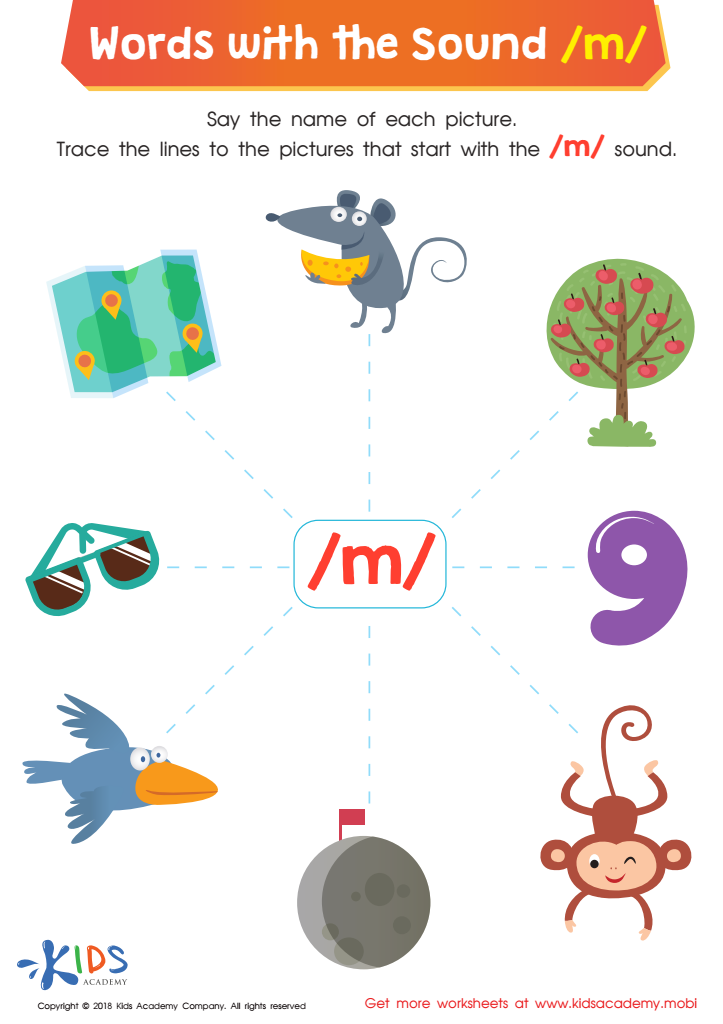
Words with Sound M Reading Worksheet
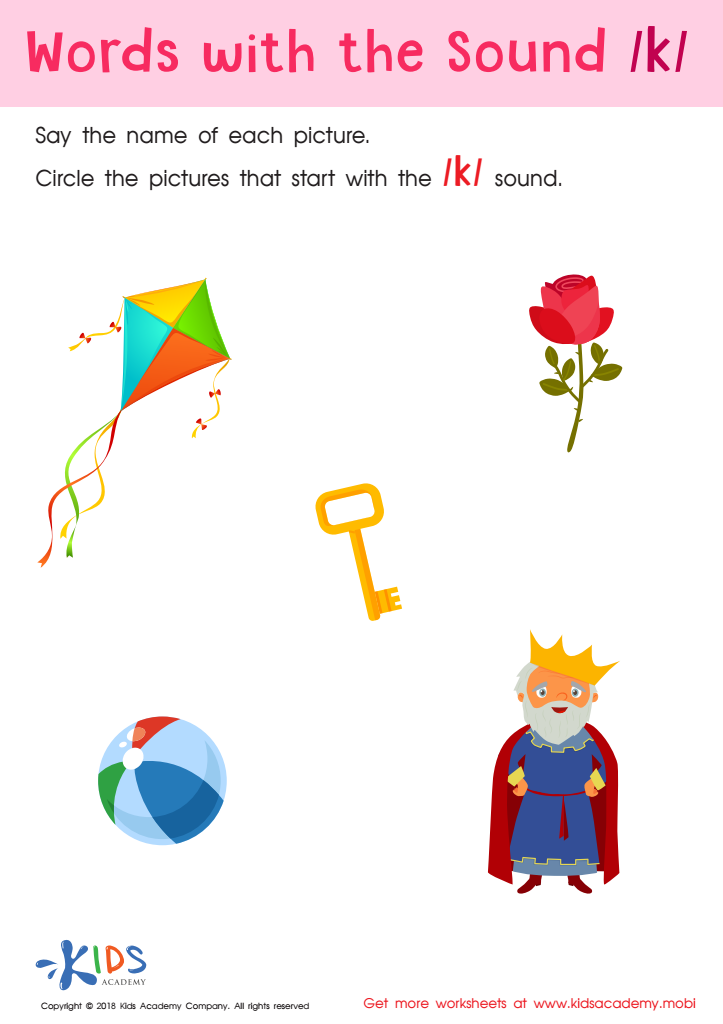
Words with sound k Reading Worksheet
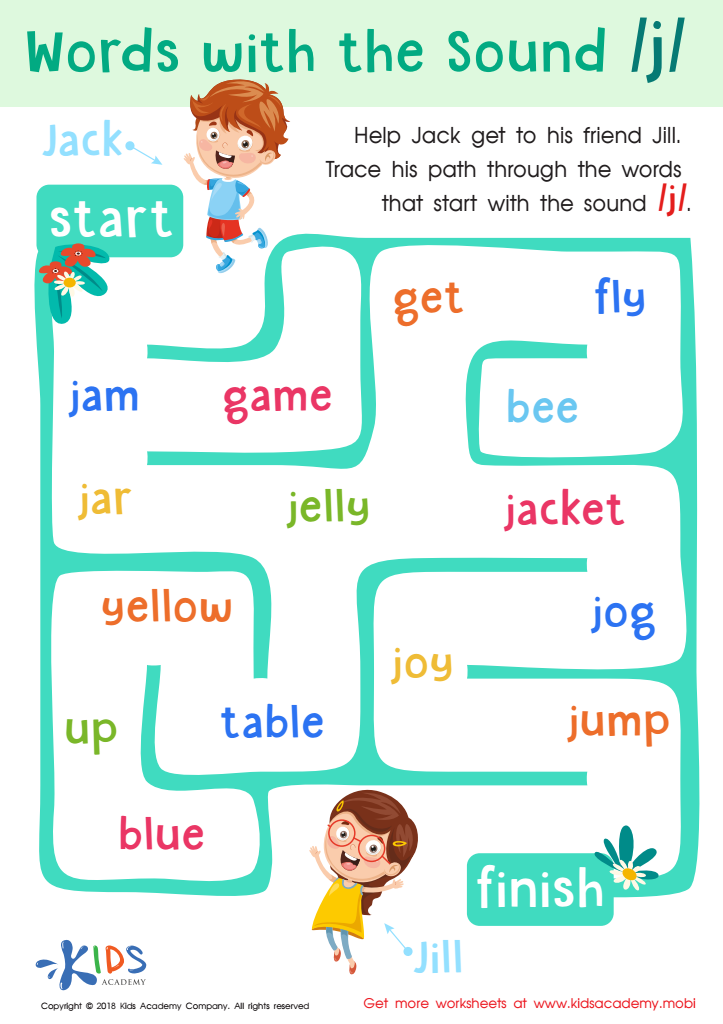
Words with sound j Reading Worksheet
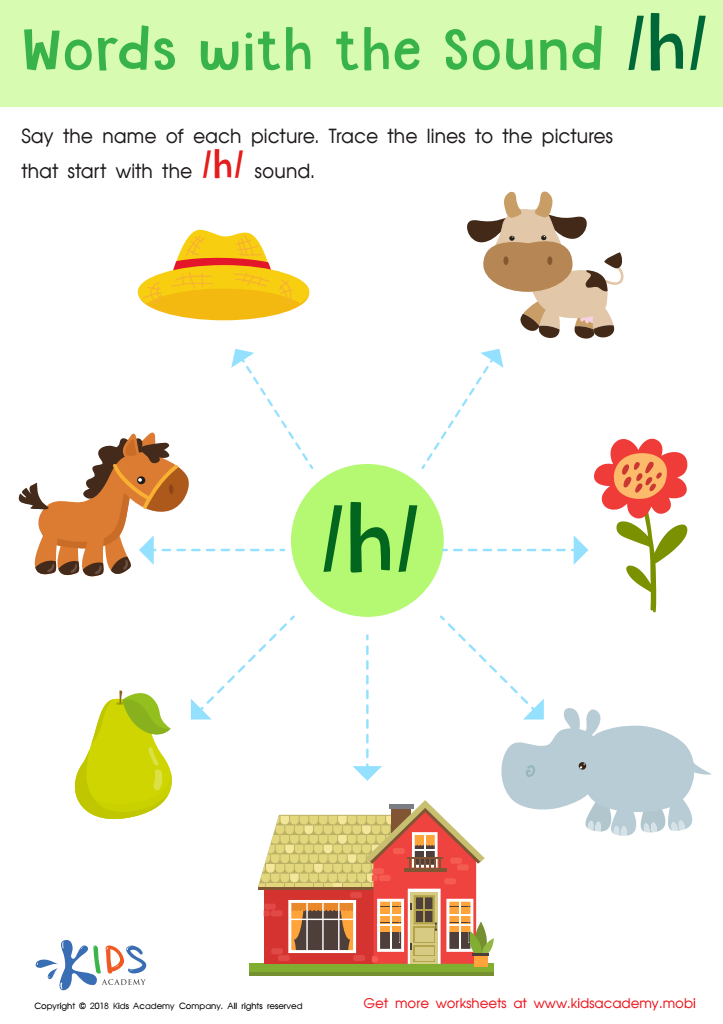
Words with sound h Reading Worksheet
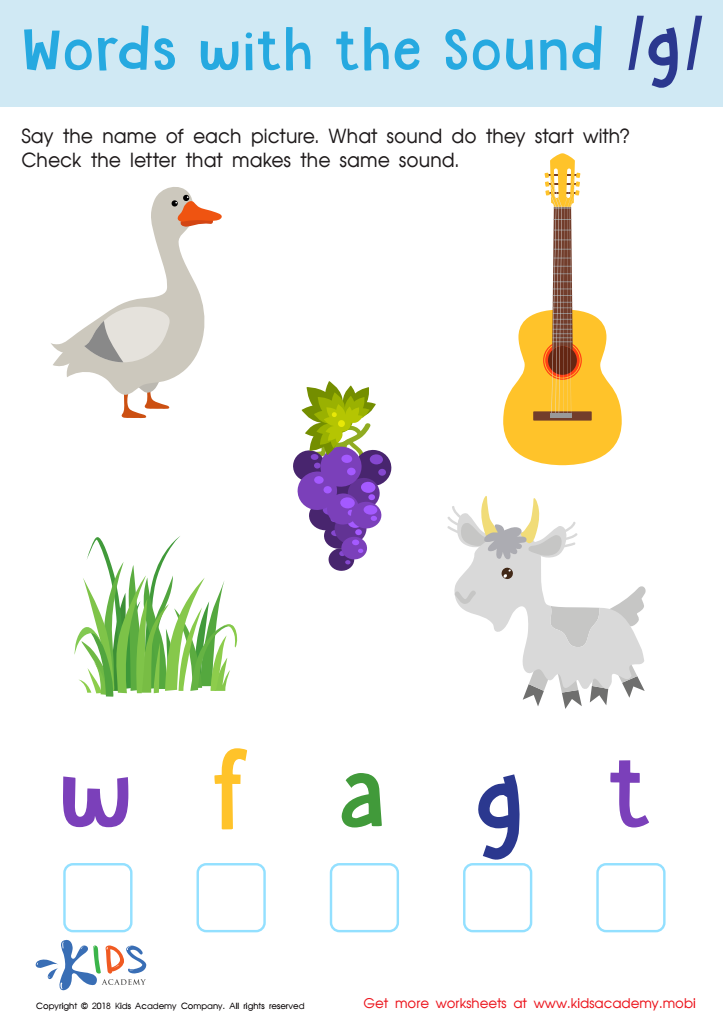
Words with sound g Reading Worksheet
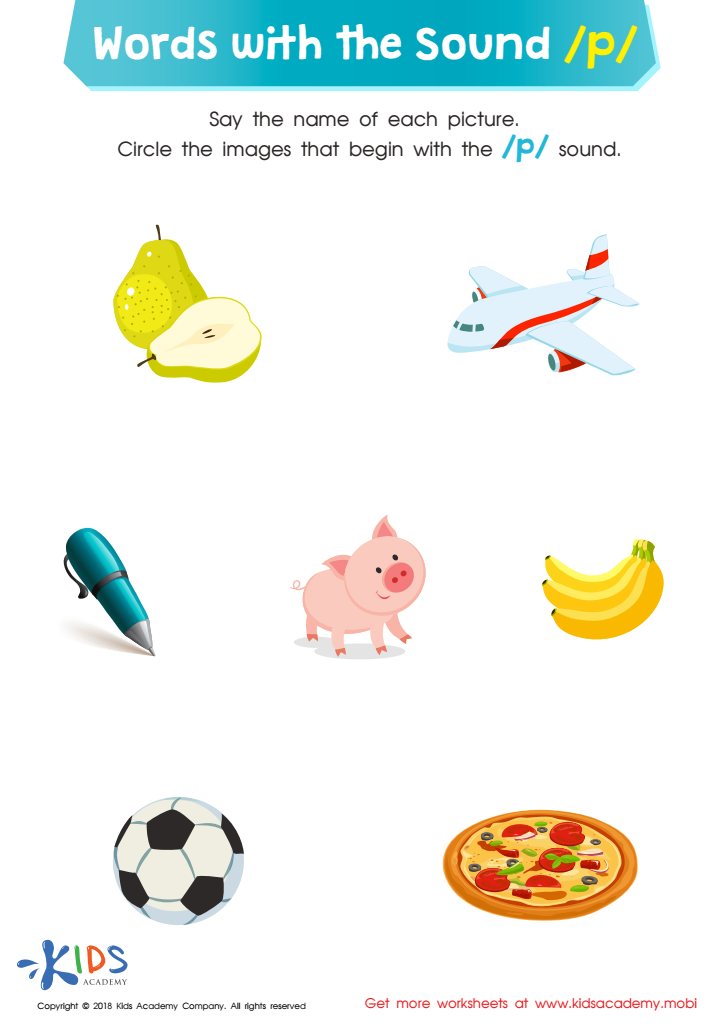
Words with sound p Reading Worksheet
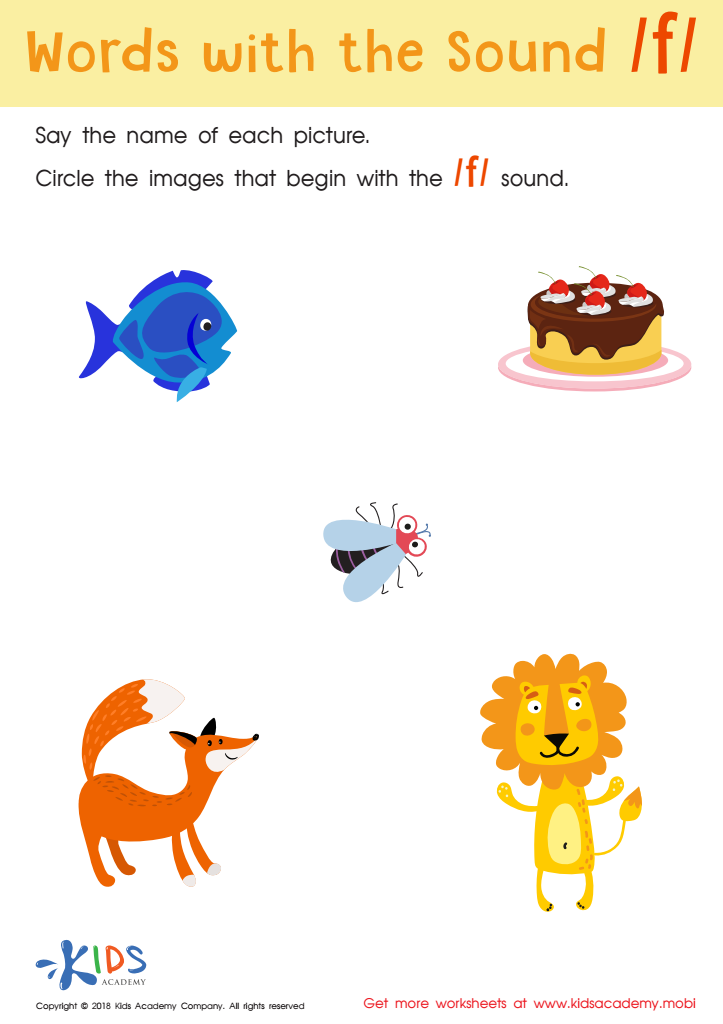
Words with sound f Reading Worksheet
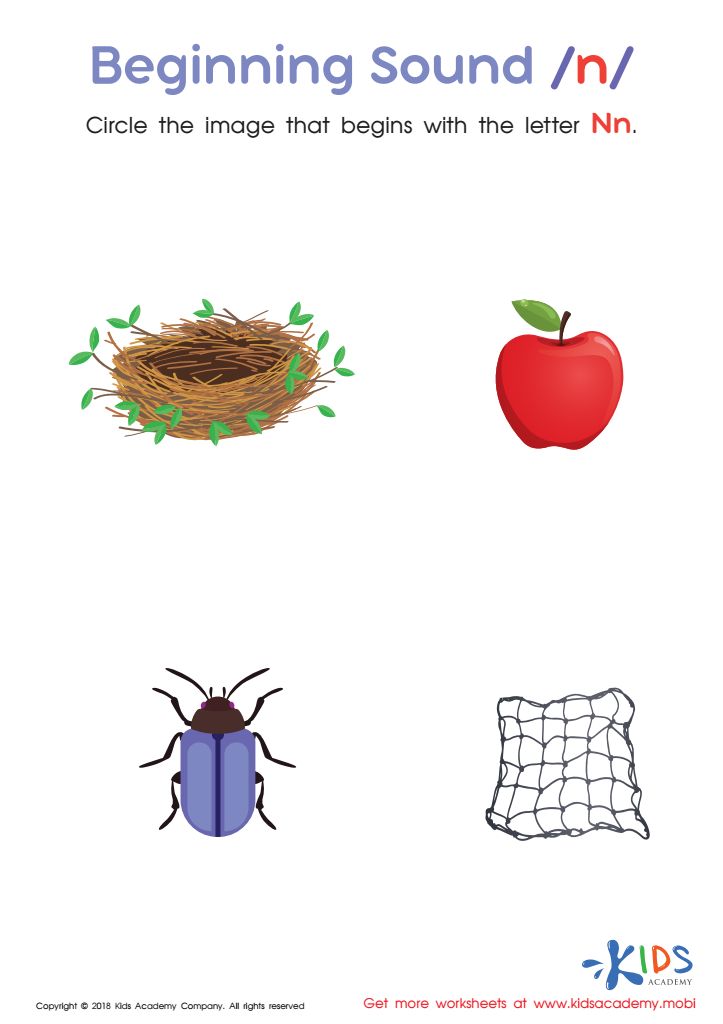
Beginning Sound «n» Worksheet
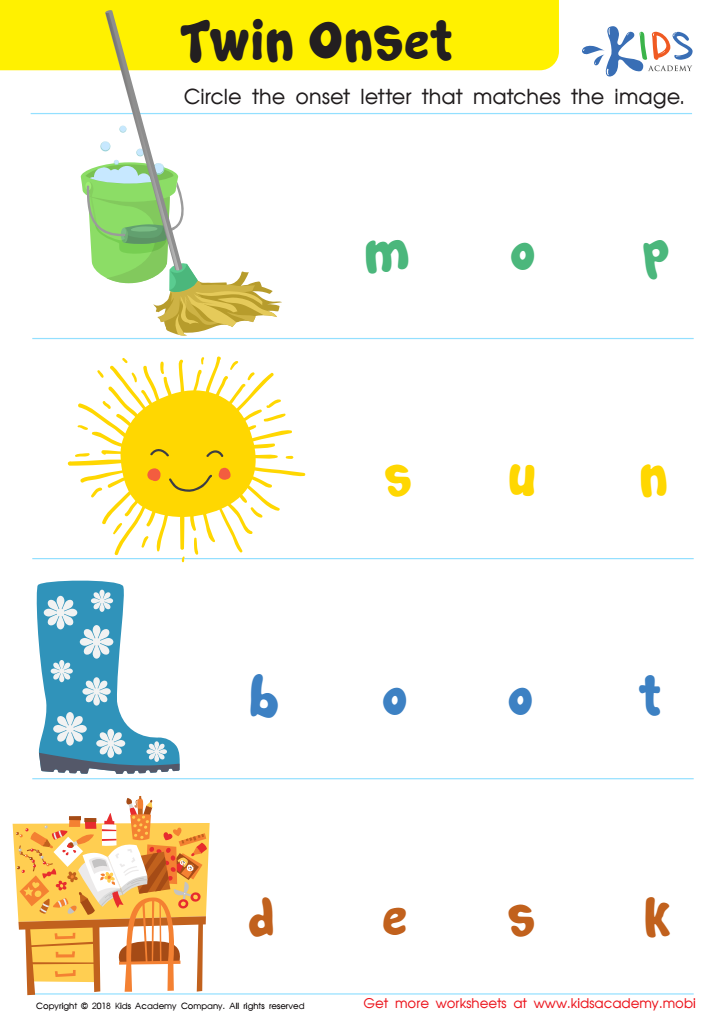
Twin Onset Worksheet
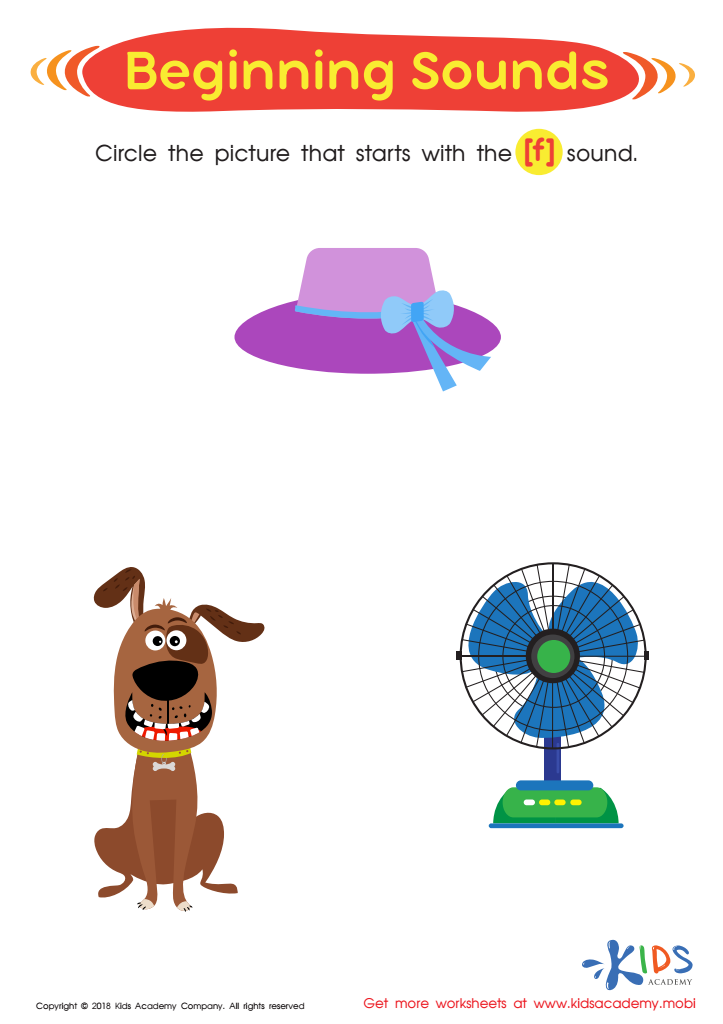
Beginning Sounds Assessment Printable
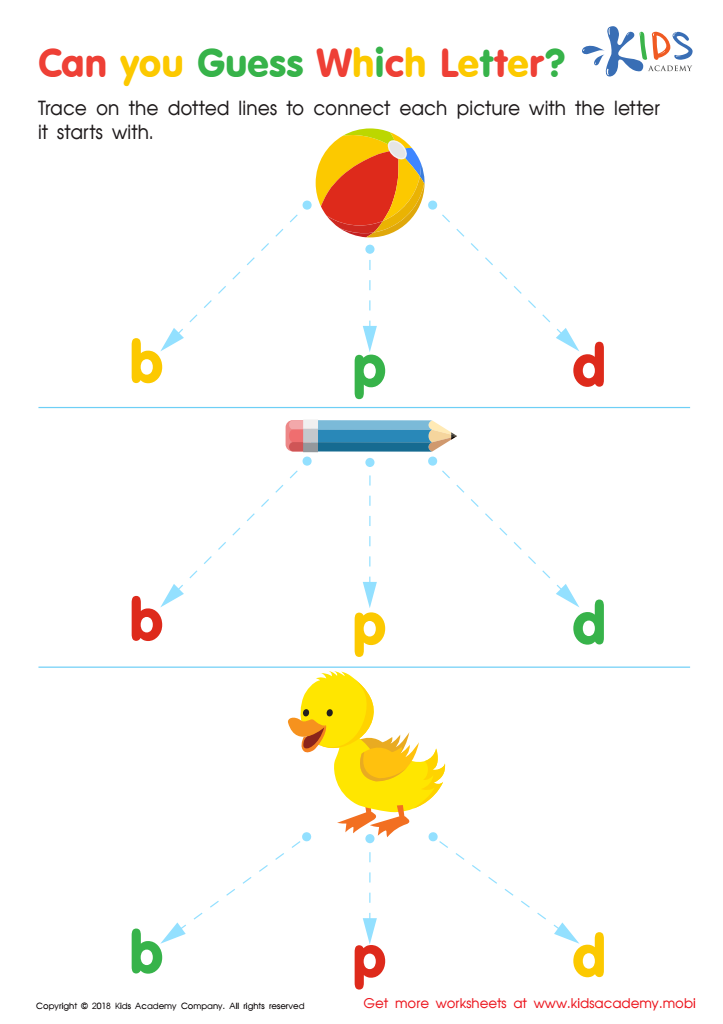
Can you Guess Which Letter? Worksheet
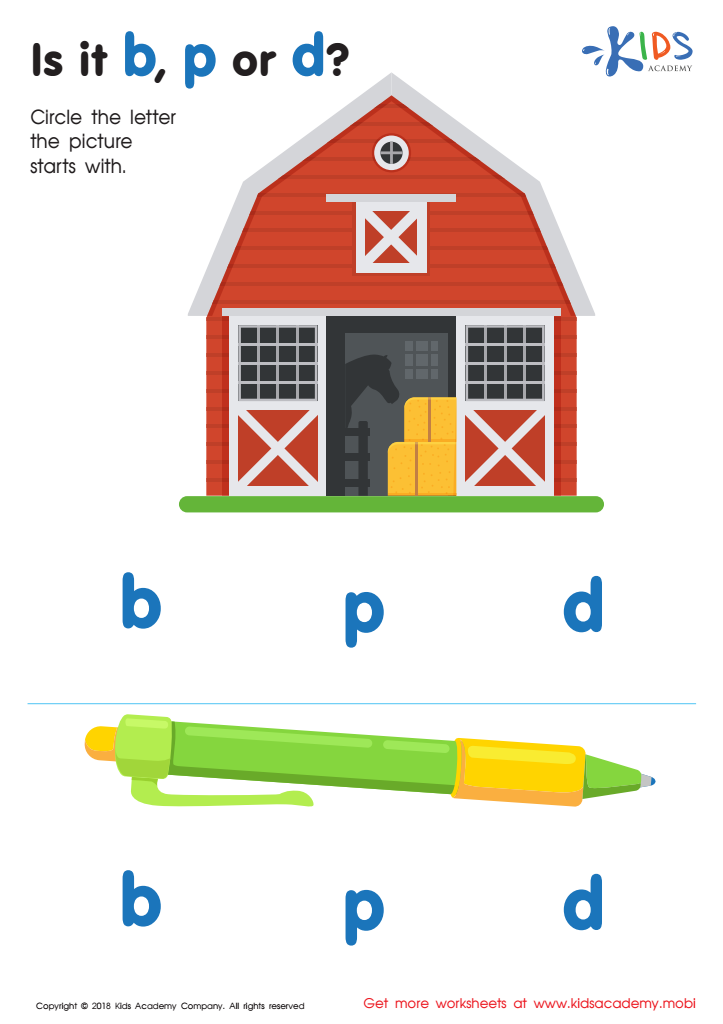
Is it b, p or d? Worksheet
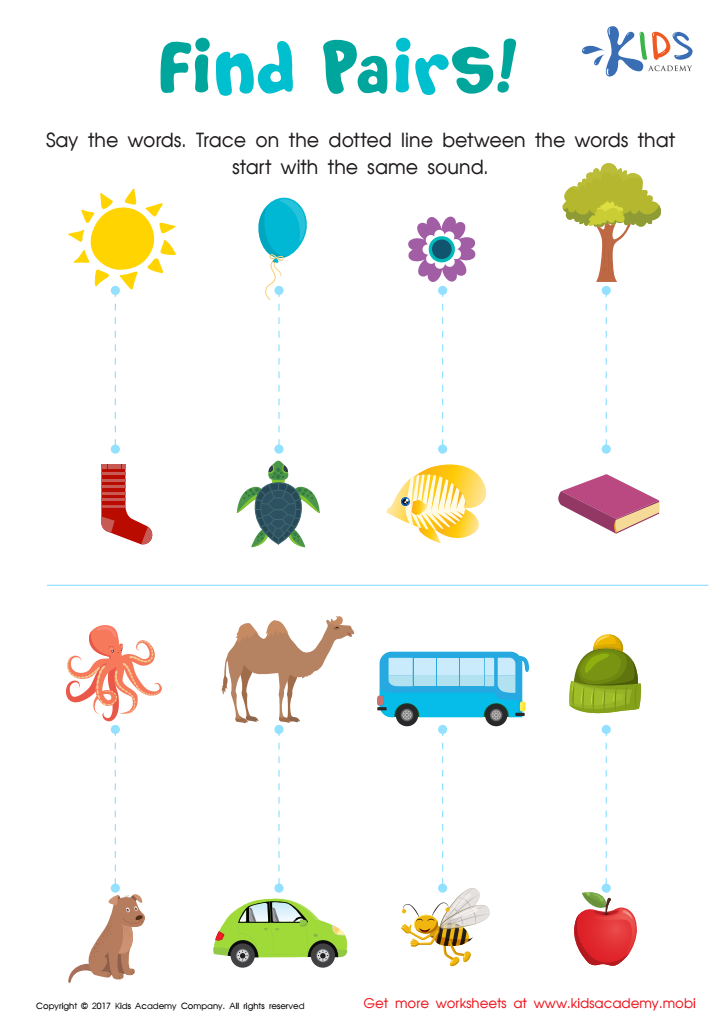
Beginning Sound: Find Pairs Worksheet
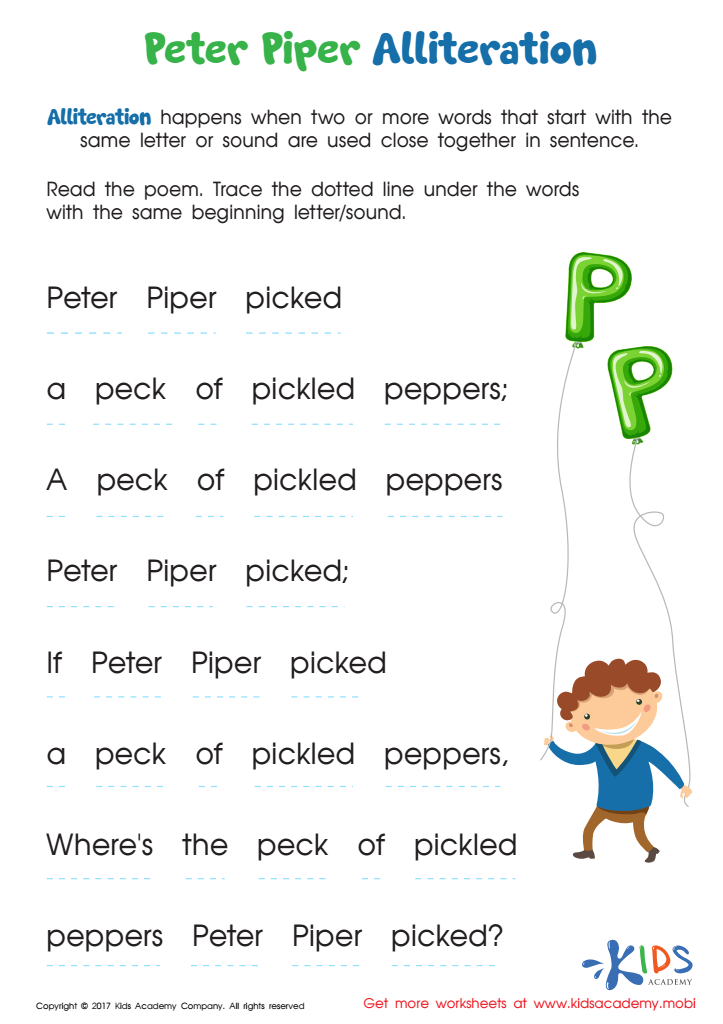
Peter Piper Alliteration Worksheet
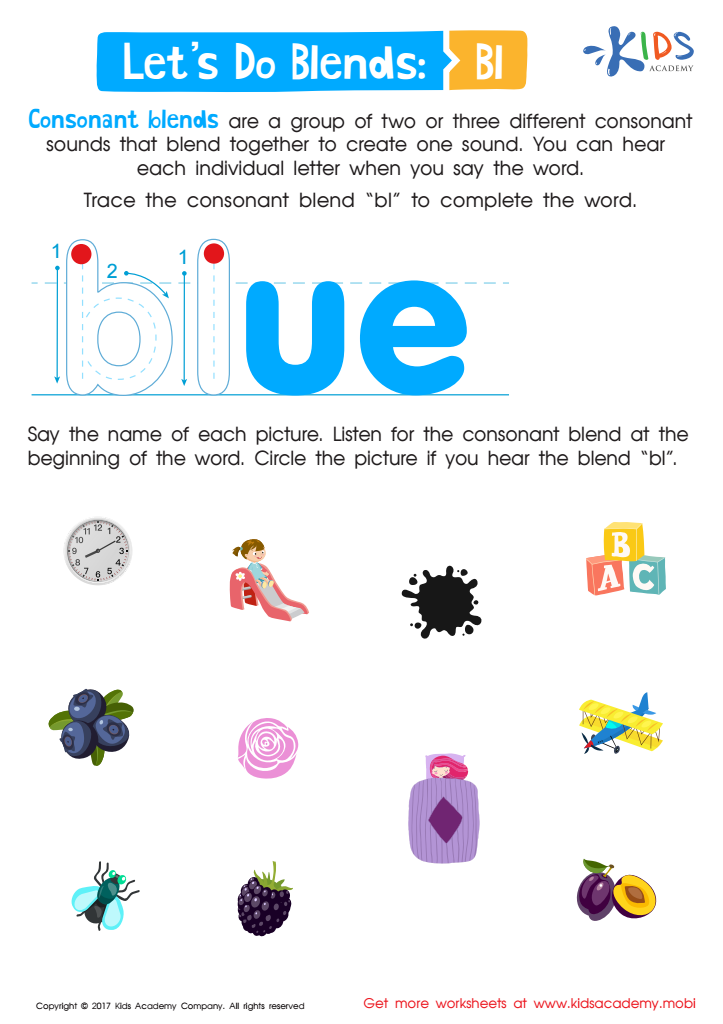
Beginning Blends: "Bl" Words Worksheet
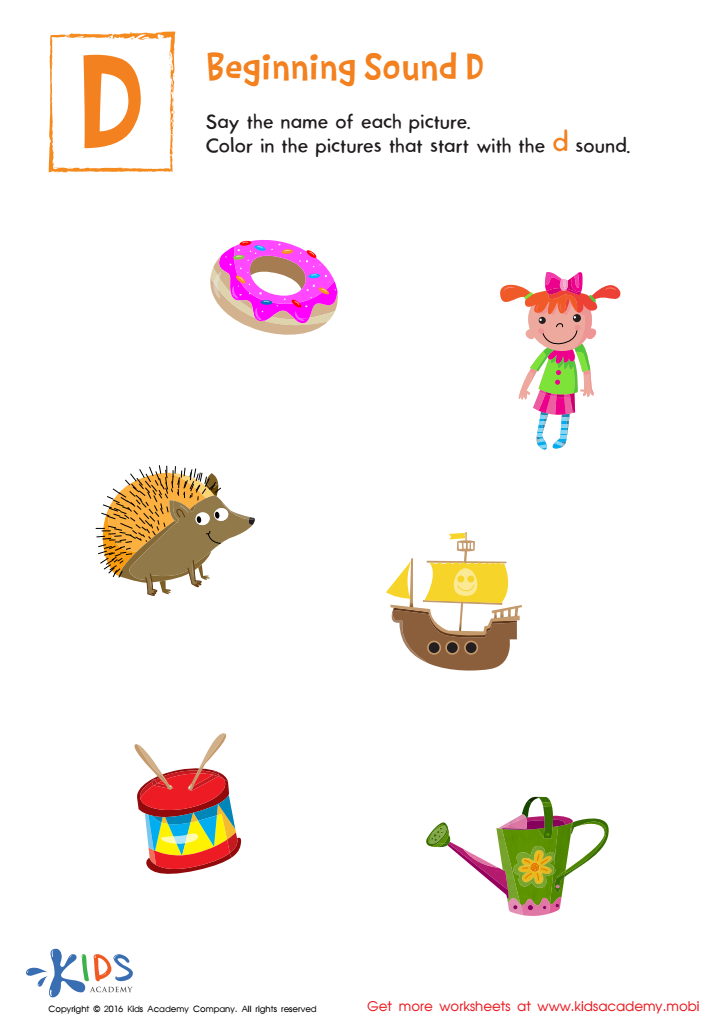
Beginning Sound D Worksheet








Beginning sounds, or the initial phonemes of words, are a foundational aspect of early literacy skills crucial for children aged 3-8. Recognizing these sounds is integral to reading development; it sets the stage for decoding skills that help children to sound out words in reading. As children learn to associate specific sounds with letters, they build essential vocabulary and comprehension skills which are vital in all areas of learning.
For parents and teachers, fostering an understanding of beginning sounds encourages a child’s confidence and interest in reading. Engaging in playful activities, such as rhyming games, can seamlessly integrate sound recognition into daily interactions. This not only enhances language skills but also strengthens cognitive development by promoting critical thinking and auditory discrimination.
Moreover, early intervention in phonemic awareness can prevent future reading difficulties. Identifying struggles early on allows for timely support, ensuring children develop necessary skills at their own pace. When parents and teachers actively promote an understanding of beginning sounds, they contribute positively to a child’s educational journey, setting them on a path towards reading proficiency and academic success. Prioritizing this skill is investing in a child’s potential, fostering lifelong literacy and learning experiences.







