Letter Recognition Worksheets for Ages 3-8 - Page 5
100 filtered results
-
From - To
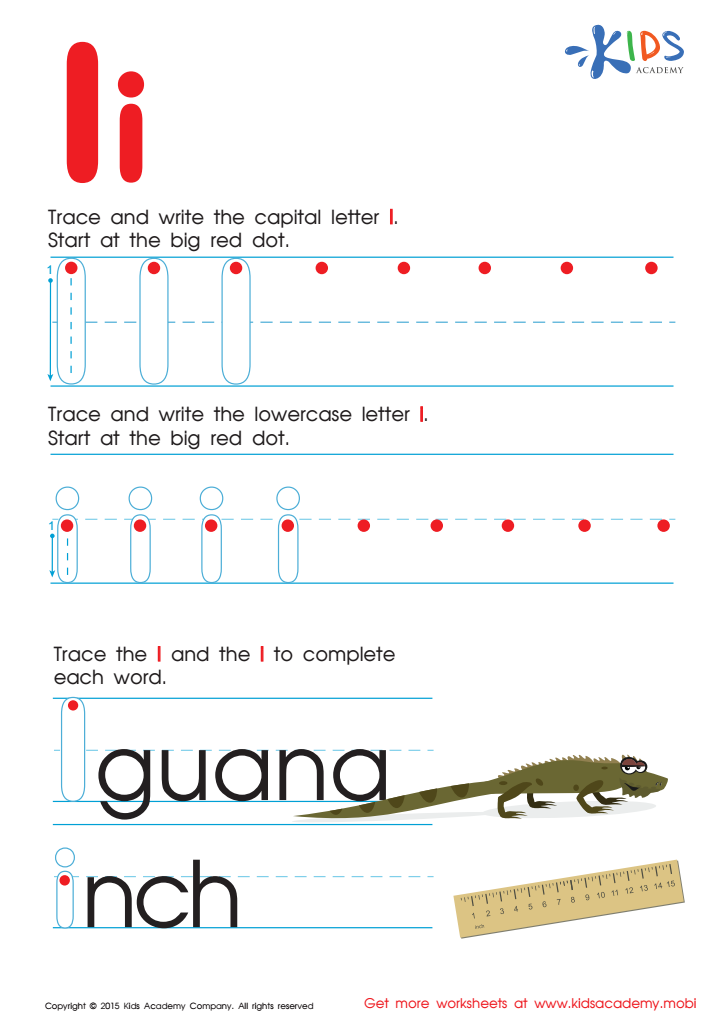
Letter I Tracing Page
 Assign to My Students
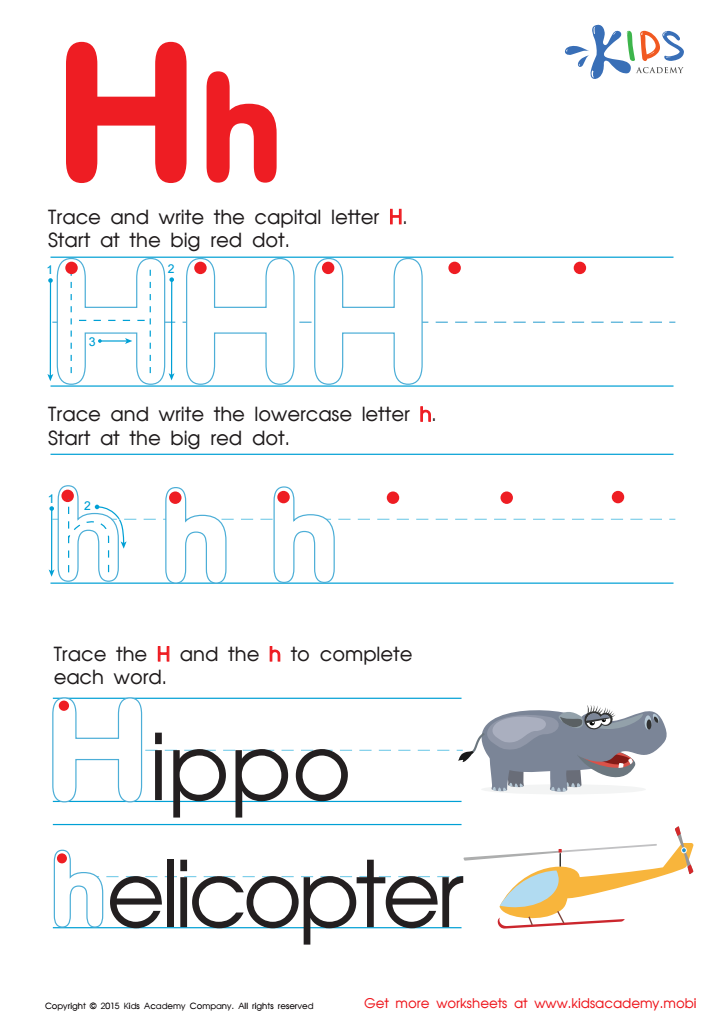
Letter H Tracing Page
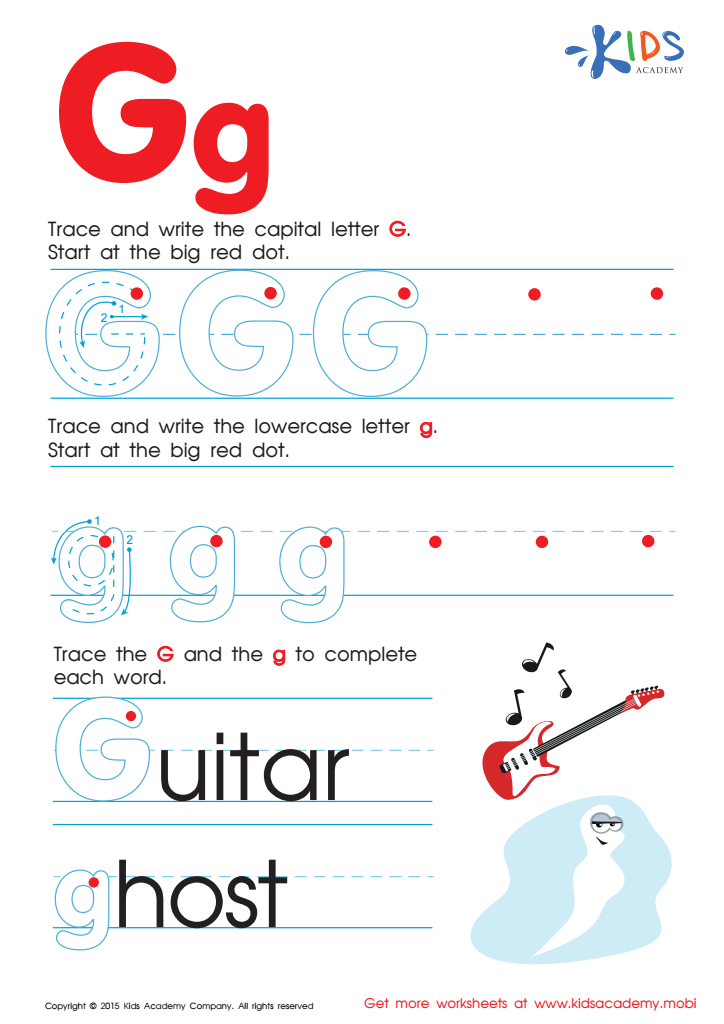
Letter G Tracing Page
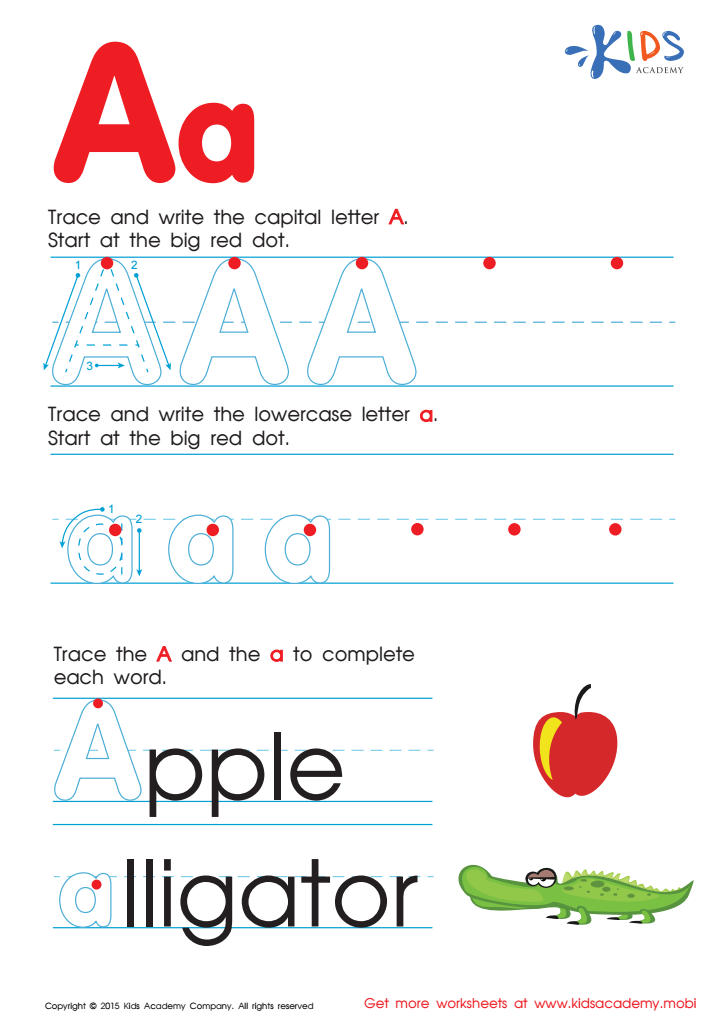
Letter A Tracing Page








Letter recognition is a foundational skill that plays a crucial role in the academic and personal development of children ages 3-8. Understanding letter names and shapes is the initial step in the journey to literacy. At this early stage, children develop the cognitive skills needed to decode words and associate them with their meanings. This skill is closely tied with phonemic awareness, the ability to hear and manipulate sounds in words, which is essential for developing reading and spelling abilities.
Early letter recognition sets the stage for proficient reading as children grow older. Research shows that children who can recognize letters accurately and quickly tend to become more confident readers. This confidence encourages a positive attitude towards learning, reducing frustration and boosting academic success.
Moreover, letter recognition is a key component of language development. It not only aids in reading proficiency but also enhances vocabulary growth and comprehension skills. As children learn to recognize and manipulate letters, they better understand the structure and sounds of their language.
Parents and teachers should care about letter recognition because early intervention and continuous practice can lead to lifelong benefits in literacy. By fostering an environment rich in letters, sounds, and words, adults can support their children's educational trajectory, ensuring they have the essential skills needed for future learning and communication.







