Phonics Worksheets for Ages 3-8 - Page 11
242 filtered results
-
From - To
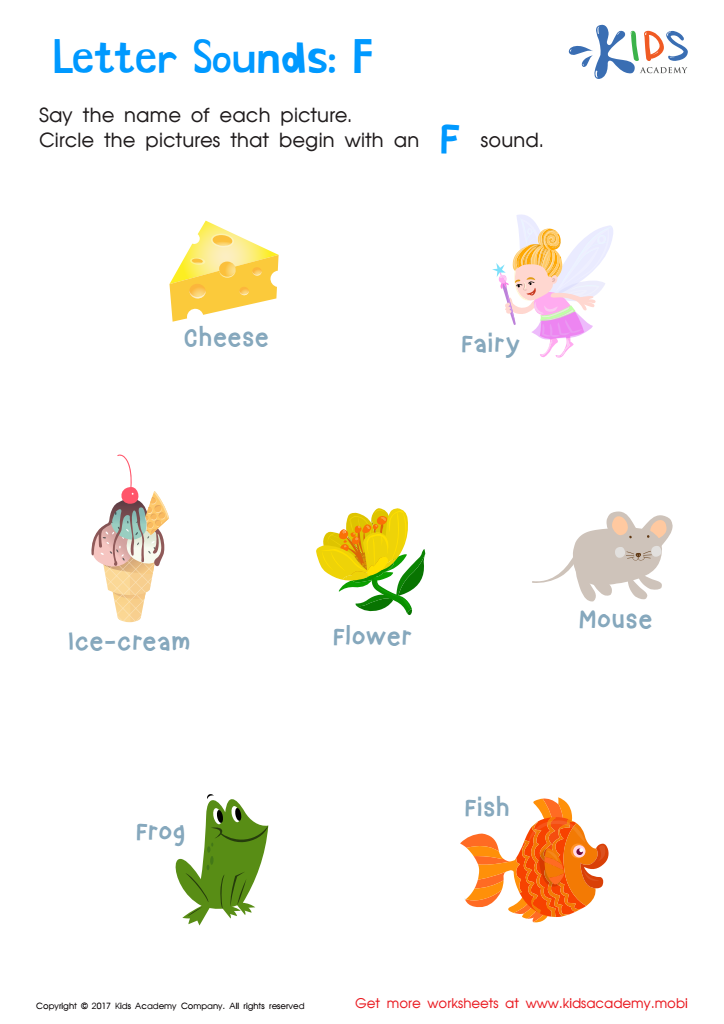
Letter F Sounds Worksheet
 Assign to My Students
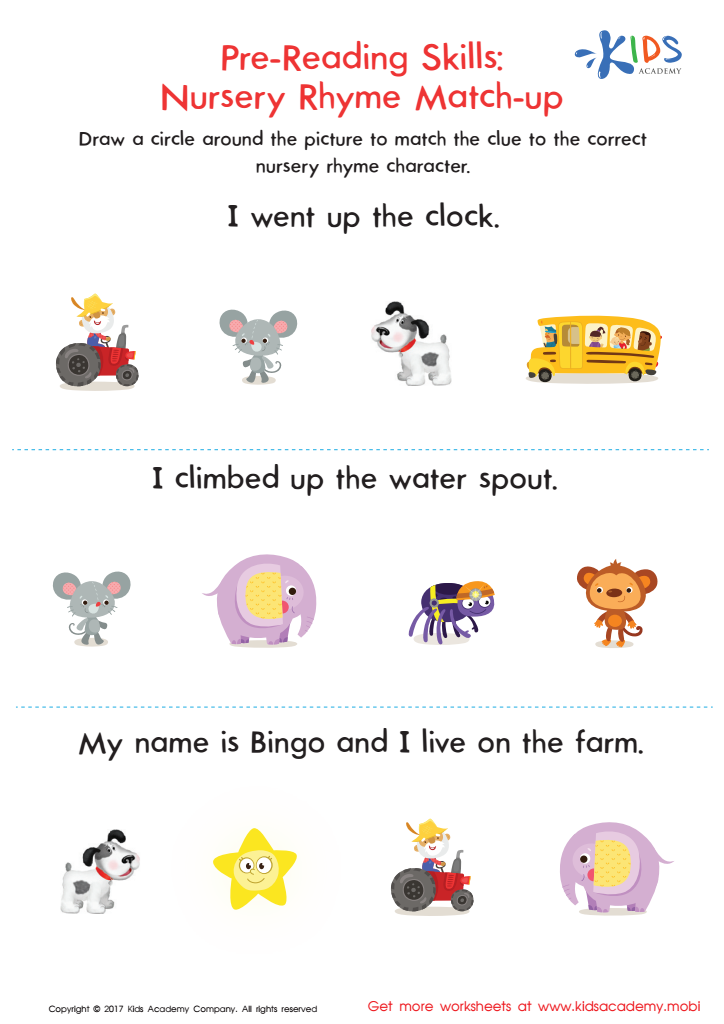
Nursery Rhyme Match–Up Worksheet








Phonics is crucial for children aged 3-8 as it lays the foundation for reading and writing skills, vital for their academic success. At this stage, children are developing their language abilities and understanding that letters correspond to sounds. This understanding helps them decode words, facilitating smoother transitions into reading fluency.
The use of phonics enhances phonemic awareness, enabling kids to segment and blend sounds effectively. Early exposure to phonics not only supports literacy but also fosters confidence in young learners. When children grasp phonics, they are better equipped to tackle unfamiliar words, promoting a love for reading and enhancing their vocabulary.
For parents and teachers, reinforcing phonics instruction can create a supportive learning environment. Interactive phonics activities—such as rhyming games, songs, and storytelling—can make learning engaging and enjoyable. By nurturing these skills early, adults can instill a positive attitude toward education, making children more eager to learn.
Moreover, strong phonics skills can prevent struggles with reading later on, addressing potential literacy challenges early. In summary, prioritizing phonics for children ages 3-8 is essential for developing confident readers who are prepared to thrive academically and socially.







