Place Value Worksheets for Ages 3-8 - Page 4
74 filtered results
-
From - To
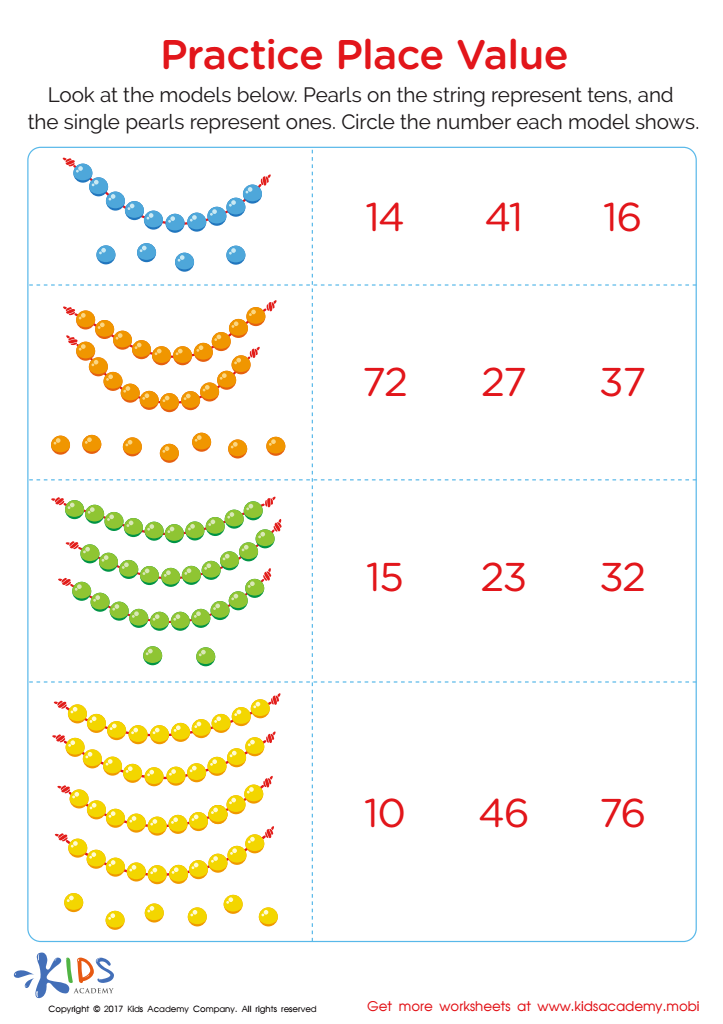
Practice Place Value Printable
 Assign to My Students
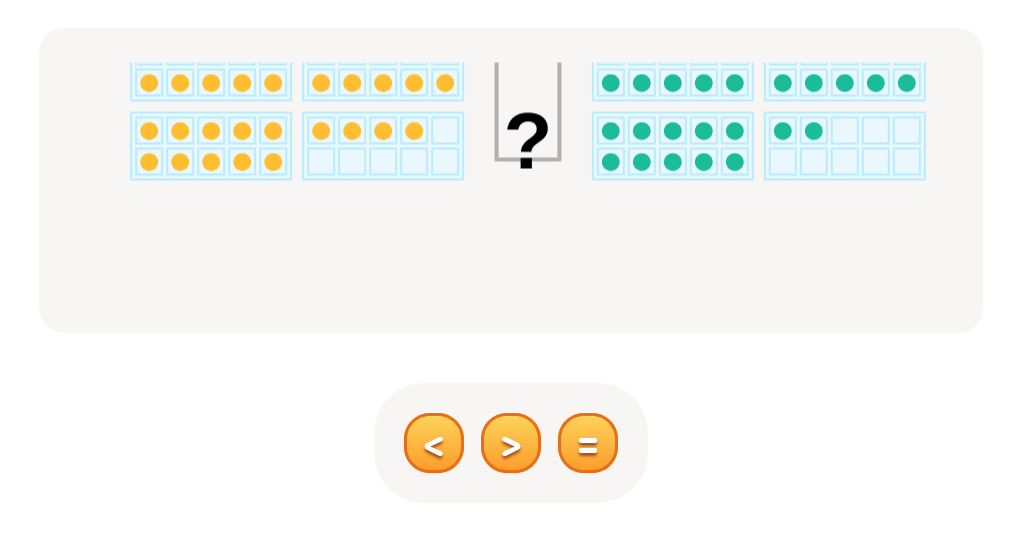

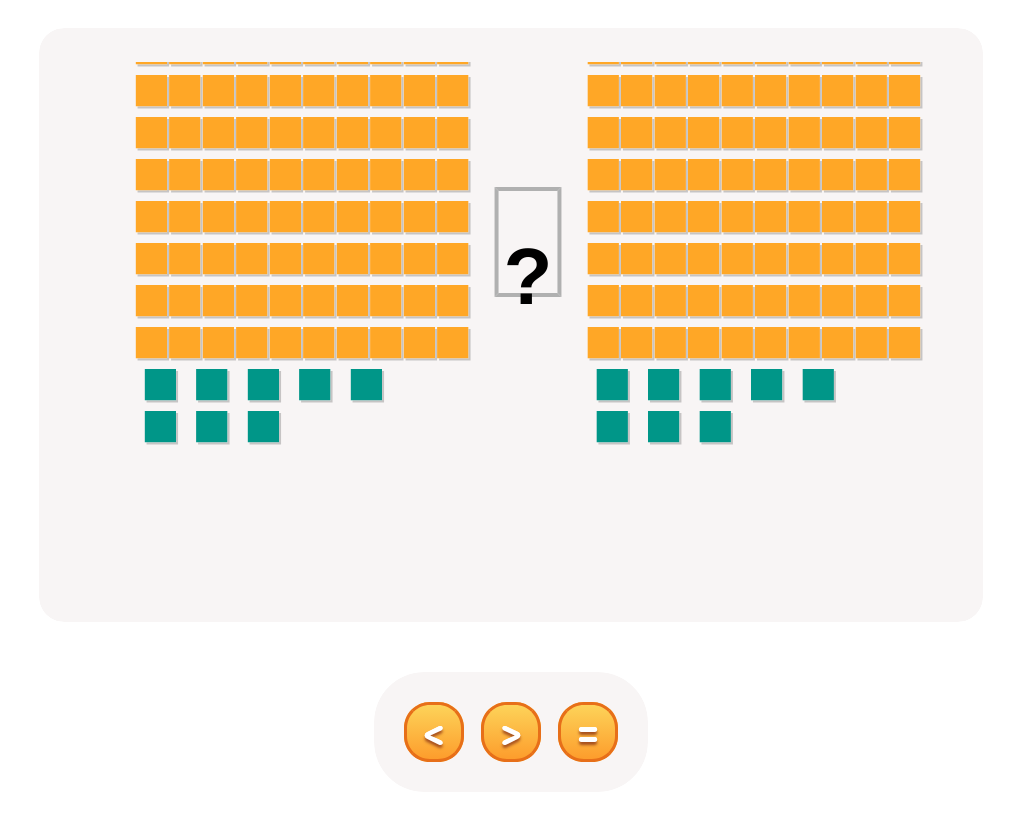
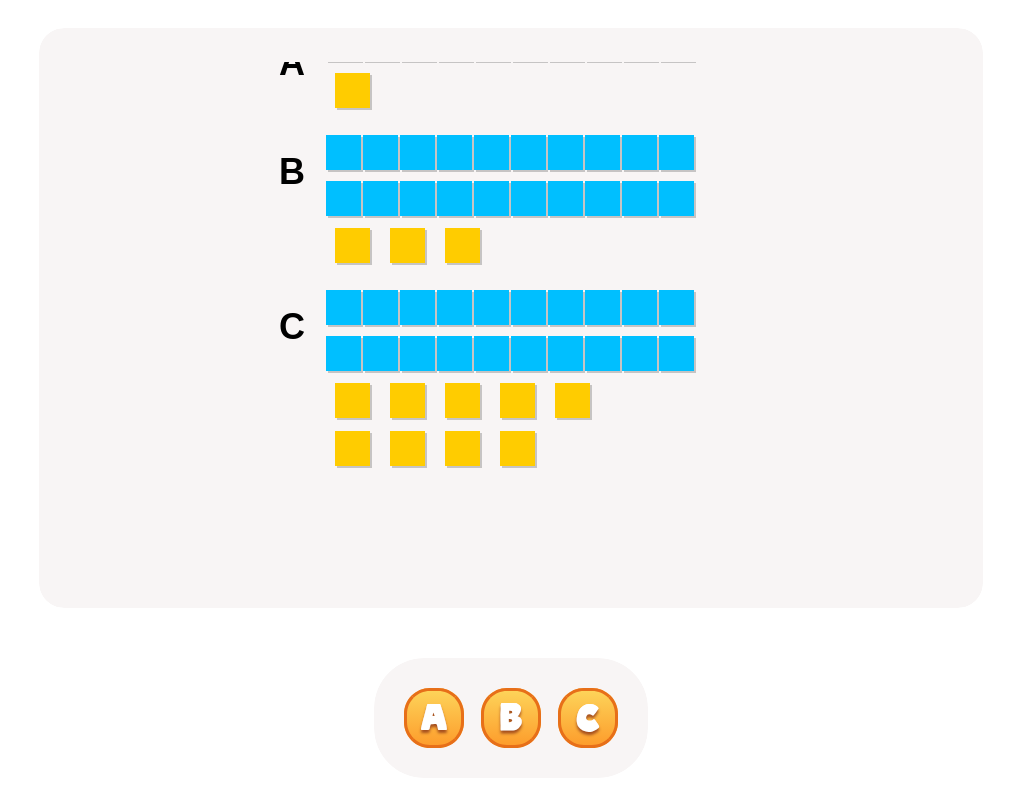
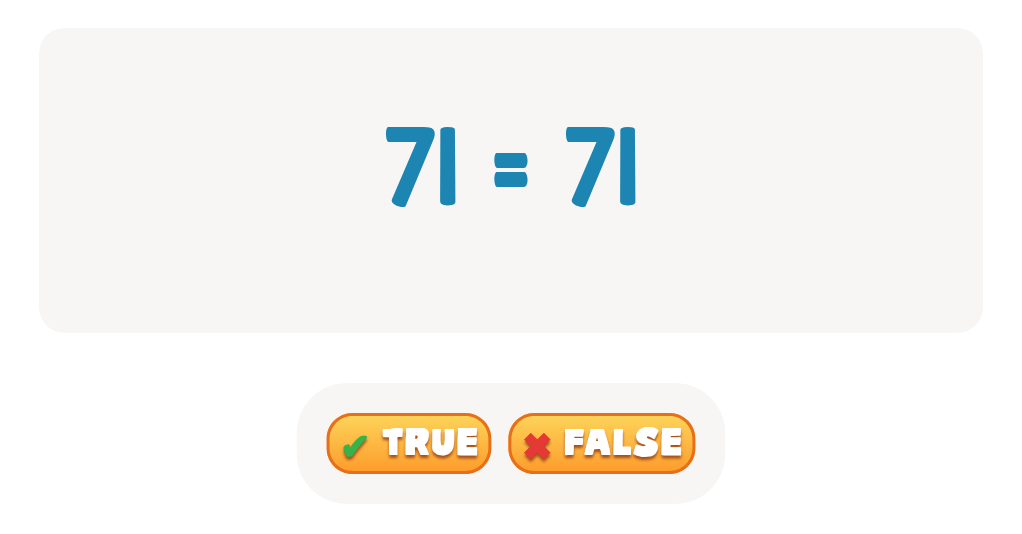
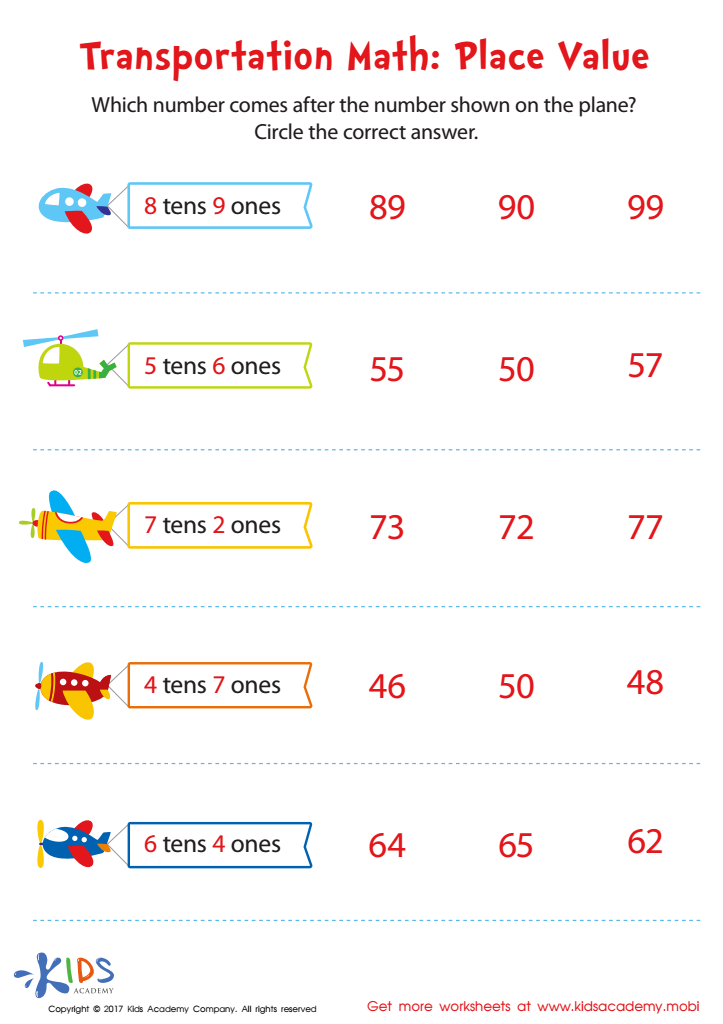
Transportation Math Printable








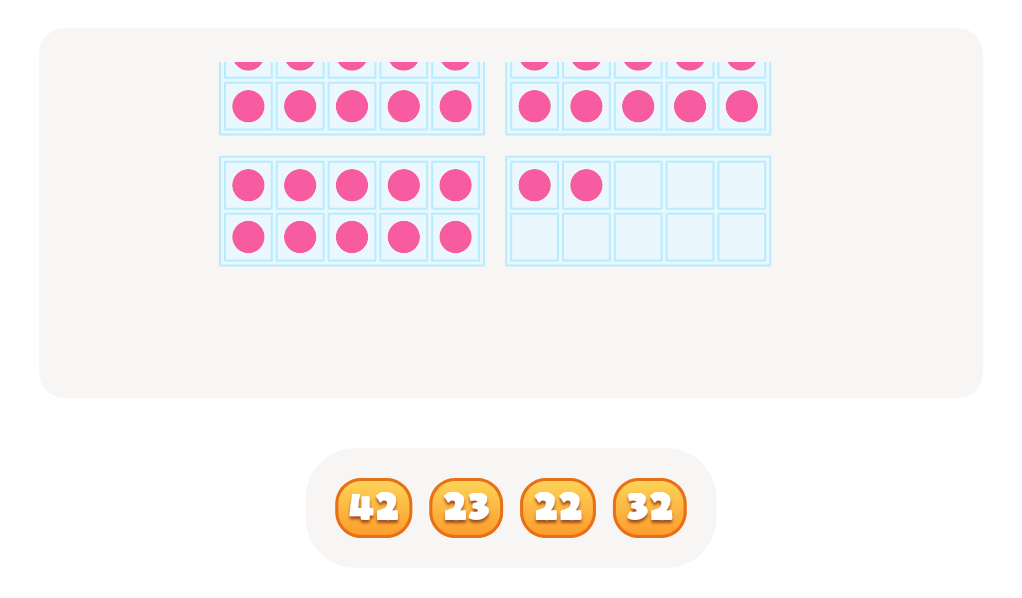
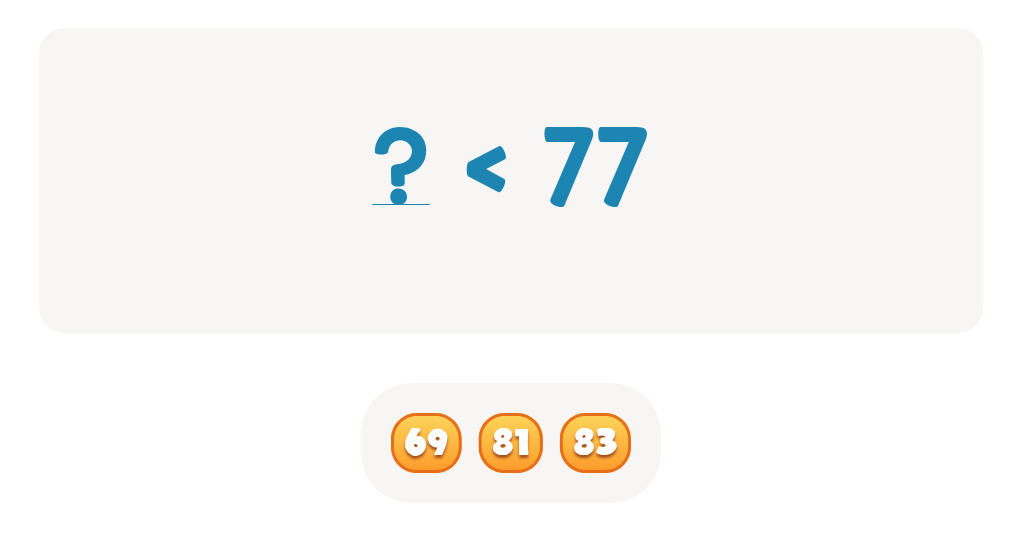
Place value is a cornerstone of early mathematics education for children aged 3-8, playing a vital role in developing numerical understanding and arithmetic skills. At this young age, students are transitioning from basic counting to comprehending larger numbers and more complex operations. Understanding place value helps children realize that the position of a digit in a number determines its value, distinguishing between ones, tens, hundreds, and beyond.
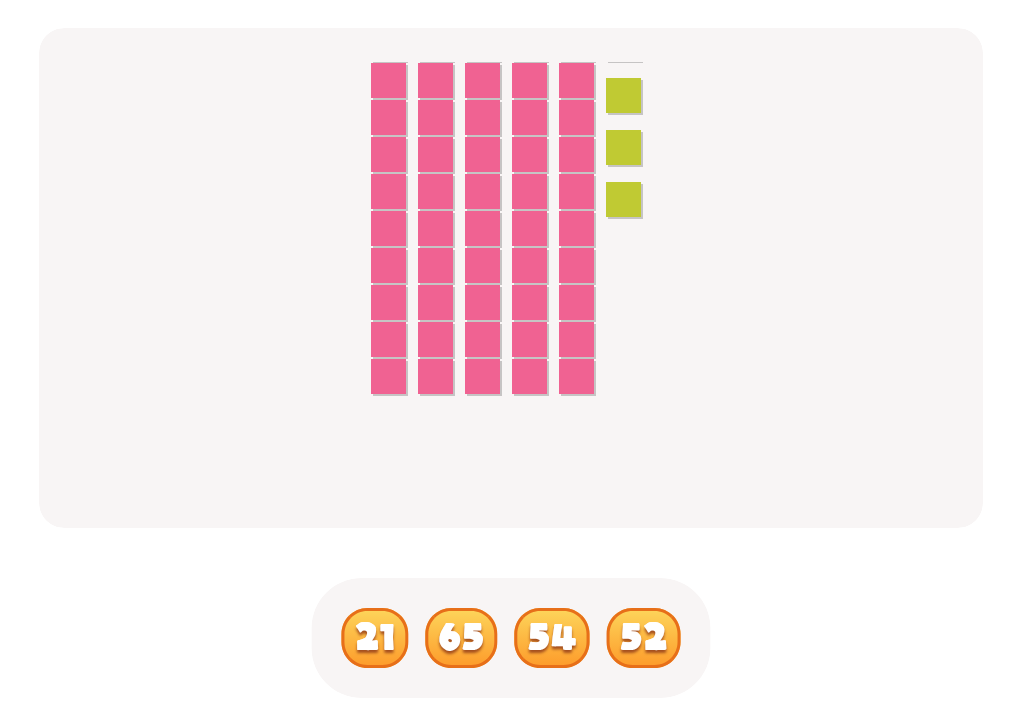
Early mastery of place value fundamentally supports addition, subtraction, and eventually multiplication and division. For example, recognizing that in the number 47, the '4' represents four tens (forty) and not just four ones is crucial for accurate computation and problem-solving. This understanding aids in mental math and making sense of regrouping in arithmetic operations.
Moreover, place value comprehension extends beyond math. It fosters logical thinking and problem-solving skills. Concepts such as reading clocks, understanding money, and measuring length and volume often rely on place value principles. Teachers and parents should prioritize place value in early education to lay a solid, enduring foundation for all future math learning, empowering children with the confidence and competence to tackle more sophisticated mathematical challenges as they progress academically.
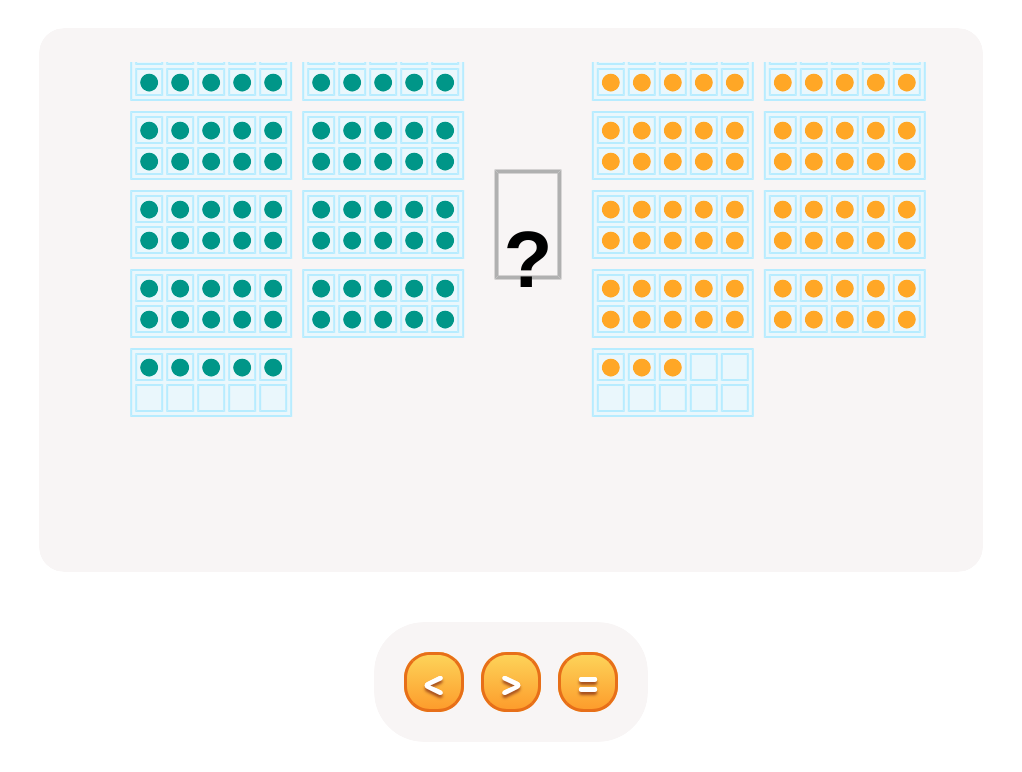
Engaging activities, such as grouping objects and using place value charts, can make learning place value intuitive and enjoyable for young children, ensuring they grasp this fundamental concept thoroughly.