Governance and Civics Worksheets for Ages 3-8 - Page 3
51 filtered results
-
From - To
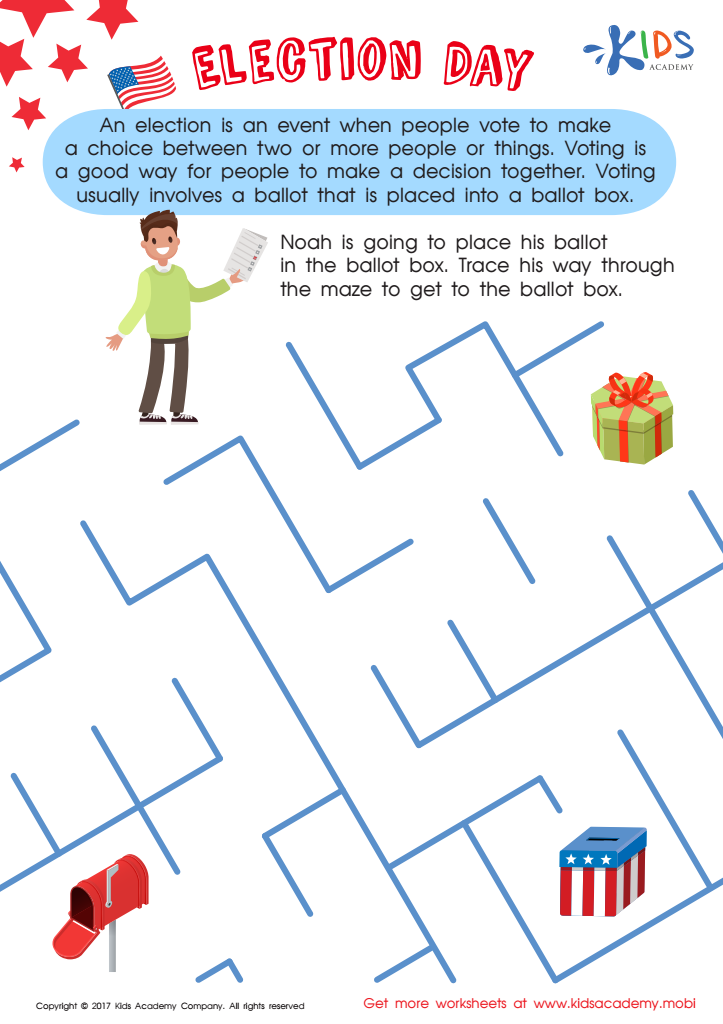
Election Day Worksheet
 Assign to My Students
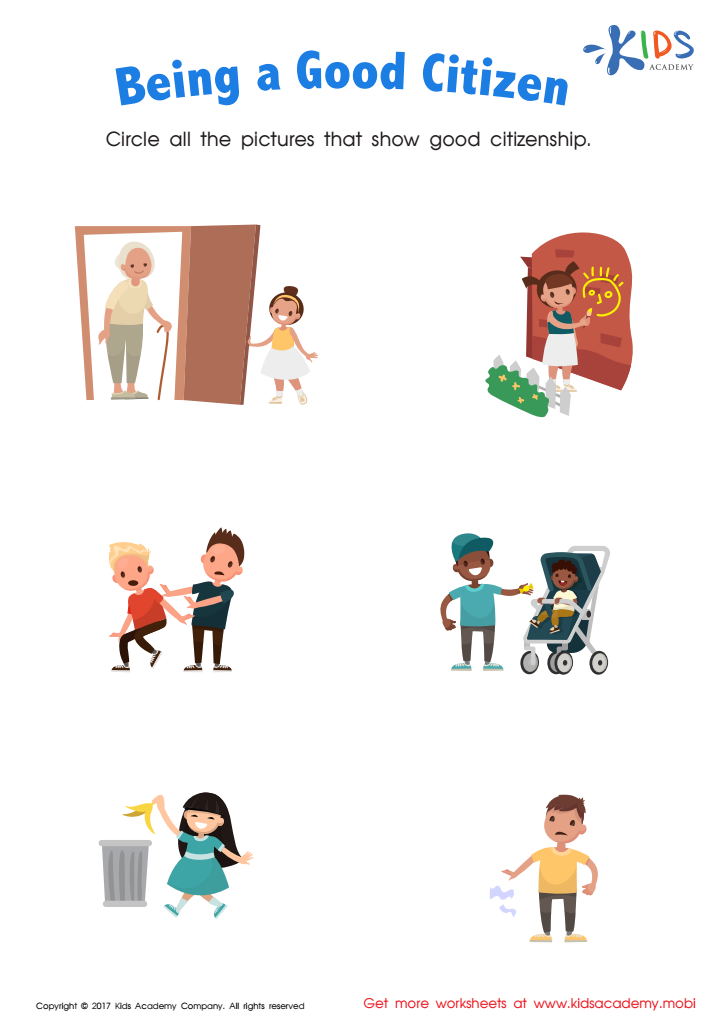
Being a Good Citizen Printable
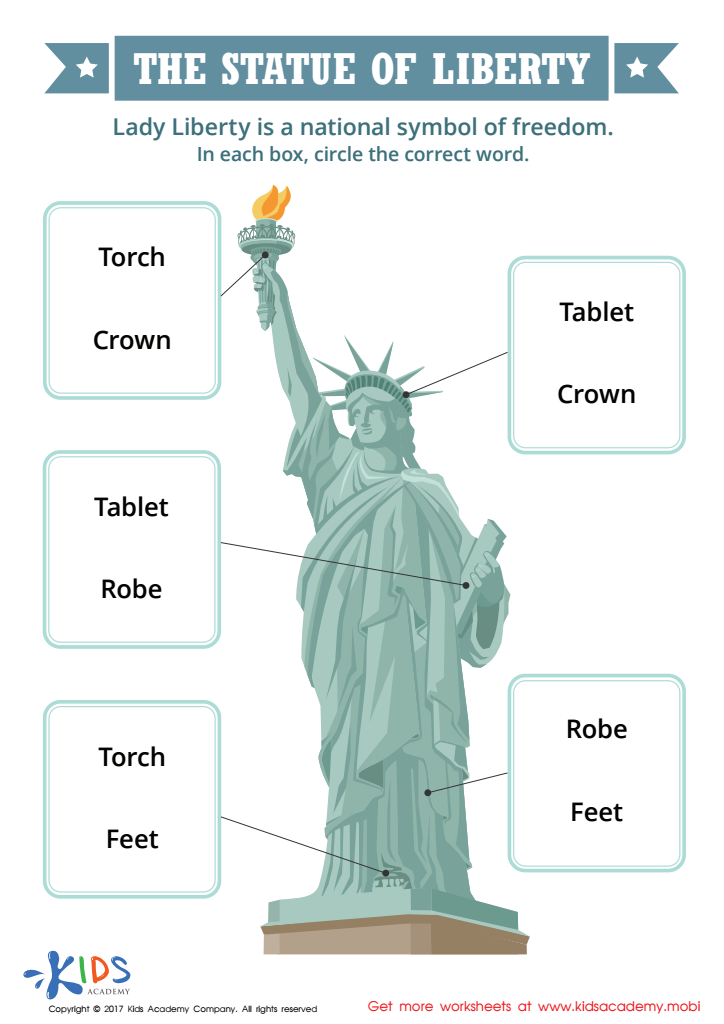
The Statue of Liberty Printable


Parents and teachers should care about governance and civics for children aged 3-8 because it lays the foundation for responsible citizenship and social participation. At this developmental stage, kids are highly impressionable, forming attitudes and understanding about their environment and social norms. Introducing concepts of governance and civics early equips them with values such as fairness, justice, and community service.
Engaging young children with stories, games, and activities about governance can help them understand rules, laws, and the importance of participation in a community. Simple actions like sharing, turn-taking, and understanding the significance of making group decisions can be linked to larger civic values, helping children learn to respect others and work collaboratively.
Moreover, early exposure to governance and civics enhances critical thinking and decision-making skills. Children start to recognize the impact of their actions on others and the community, fostering empathy and ethical responsibility. These foundations are crucial as they progress in their education and social interactions.
For teachers and parents, dedicating time to these themes means nurturing informed, respectful, and engaged future citizens. By embedding governance and civics into early childhood education, we are contributing to a well-functioning, democratic society where individuals understand and value their role within their community.








