World Around Us Worksheets for Ages 3-8 - Page 5
102 filtered results
-
From - To
 Assign to My Students
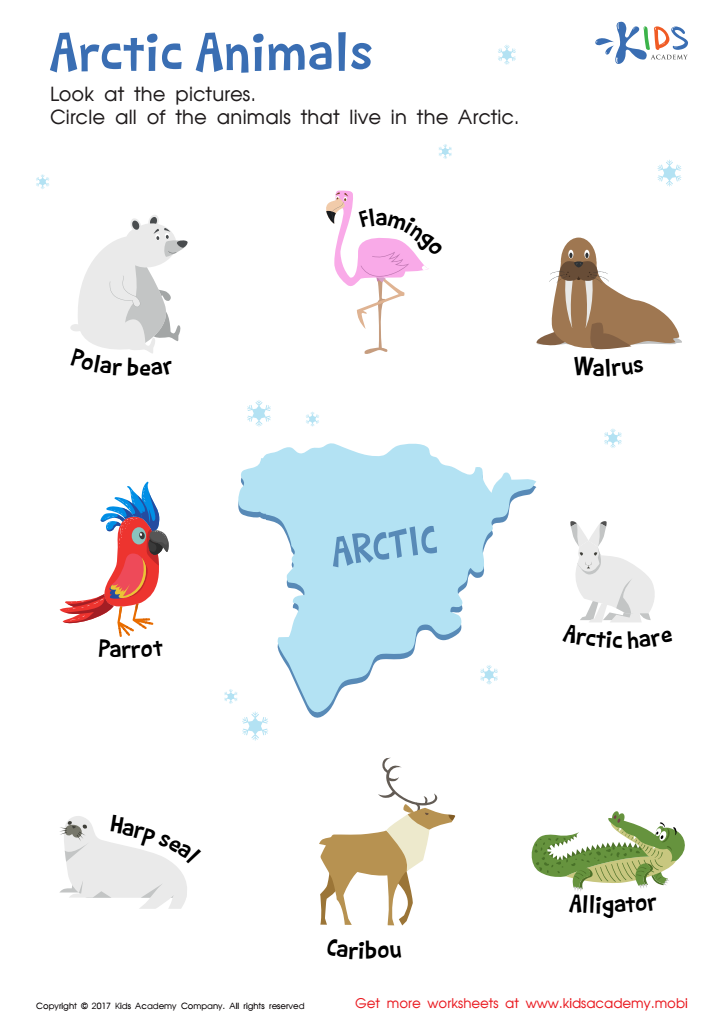
Arctic Animals Worksheet
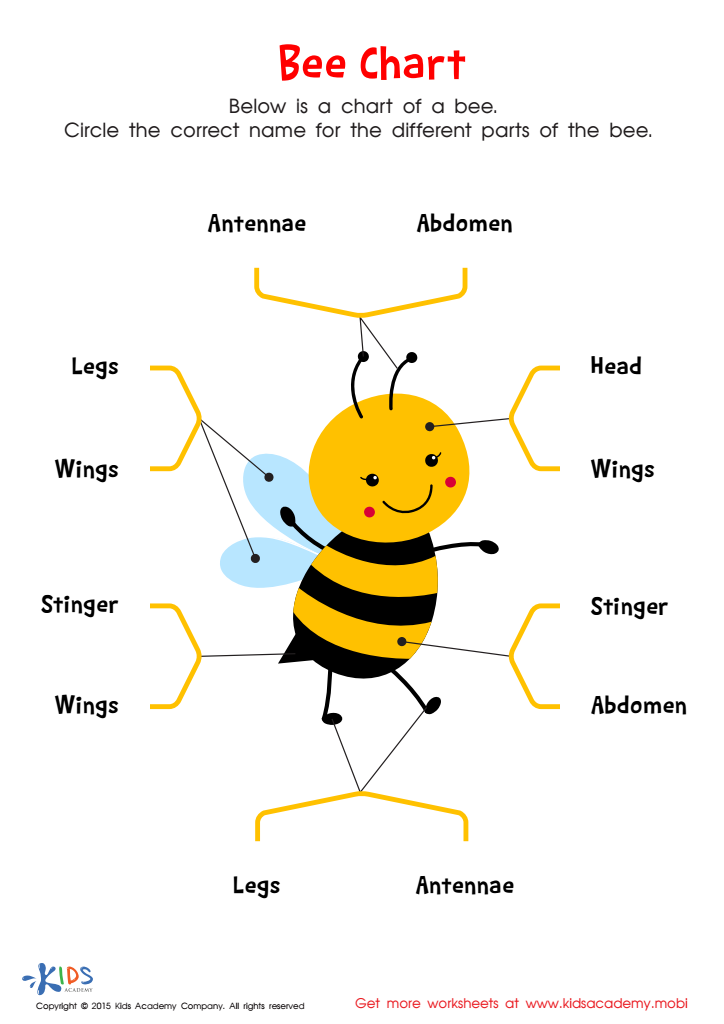
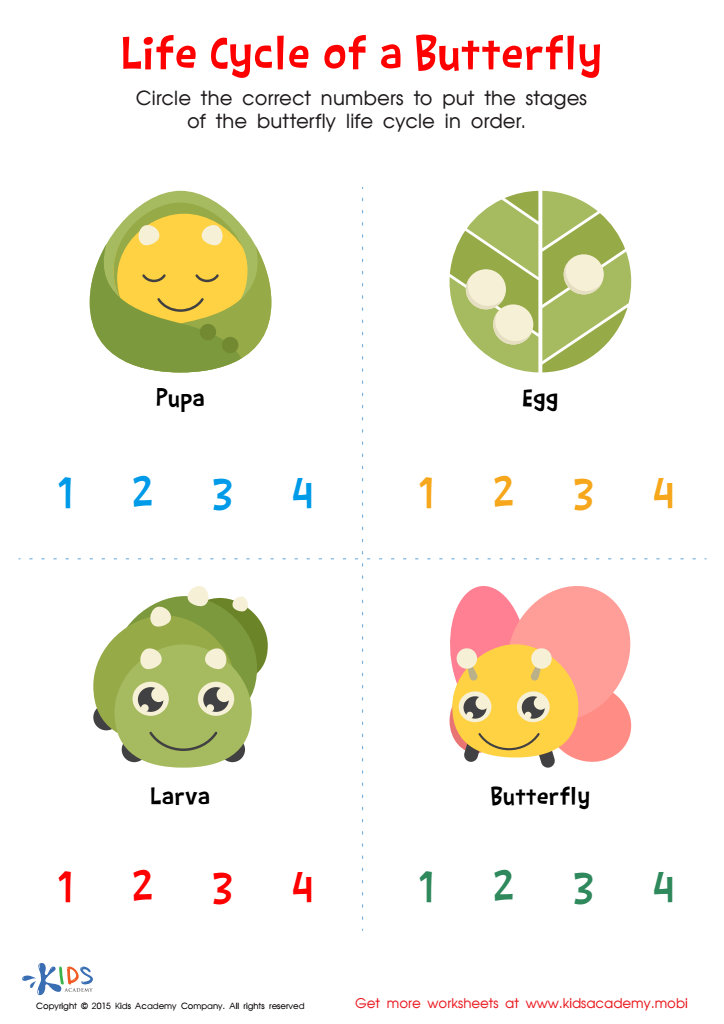
Life Cycle of Butterfly Printable
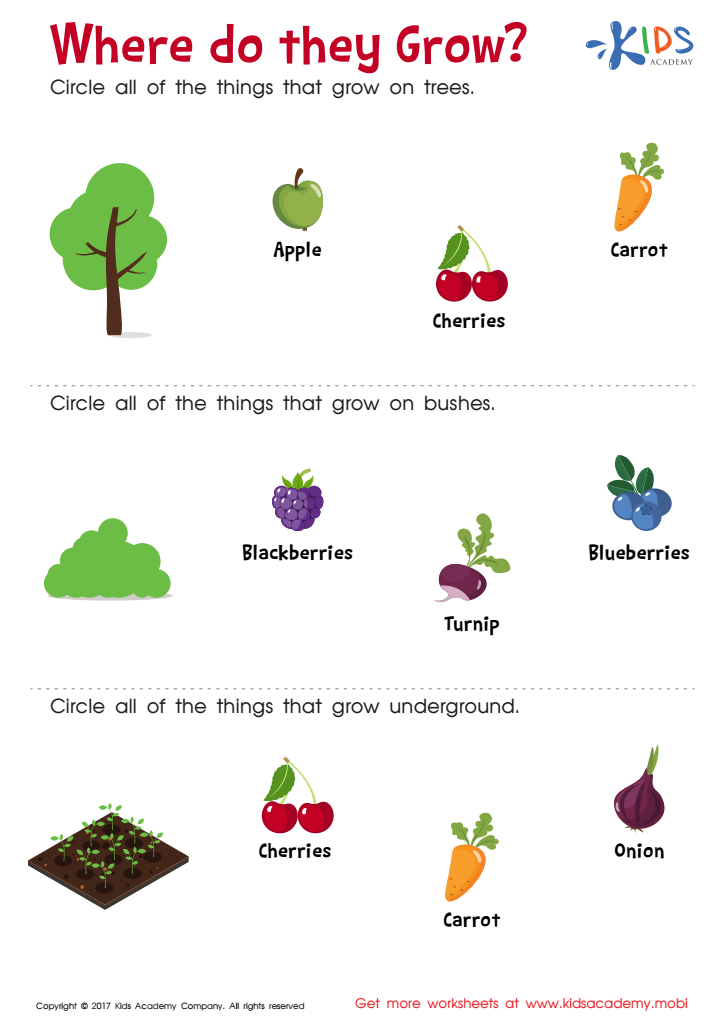
Where Do They Grow Worksheet







Parents and teachers should care about the World Around Us for ages 3-8 because these early years are critical for cognitive, social, and emotional development. During this period, children’s brains are extraordinarily receptive to new information, making it an ideal time to introduce them to various aspects of the world. Engaging with the world around us—nature, different cultures, basic science concepts, and environmental care—fuels curiosity and a lifelong love of learning.
Teaching kids about the broader world fosters empathy and understanding, helping them appreciate diversity and community. When young children learn about different cultures, for instance, they develop respect for others and inclusive attitudes, crucial attributes in our globalized society.
Nature and environmental education encourage physical activity and sensory experiences, which are fundamental for healthy development. Activities like gardening, nature walks, or simple experiments can improve motor skills while teaching responsibility and care for the environment.
Moreover, introducing scientific concepts at an early age builds foundational knowledge, preparing kids for more complex learning later. It also nurtures essential skills like critical thinking, observation, and problem-solving.
In essence, exposing children aged 3-8 to the world around them not only enriches their childhood experience but also builds a strong foundation for future personal, academic, and social success.