Community Worksheets for Ages 3-8 - Page 2
30 filtered results
-
From - To
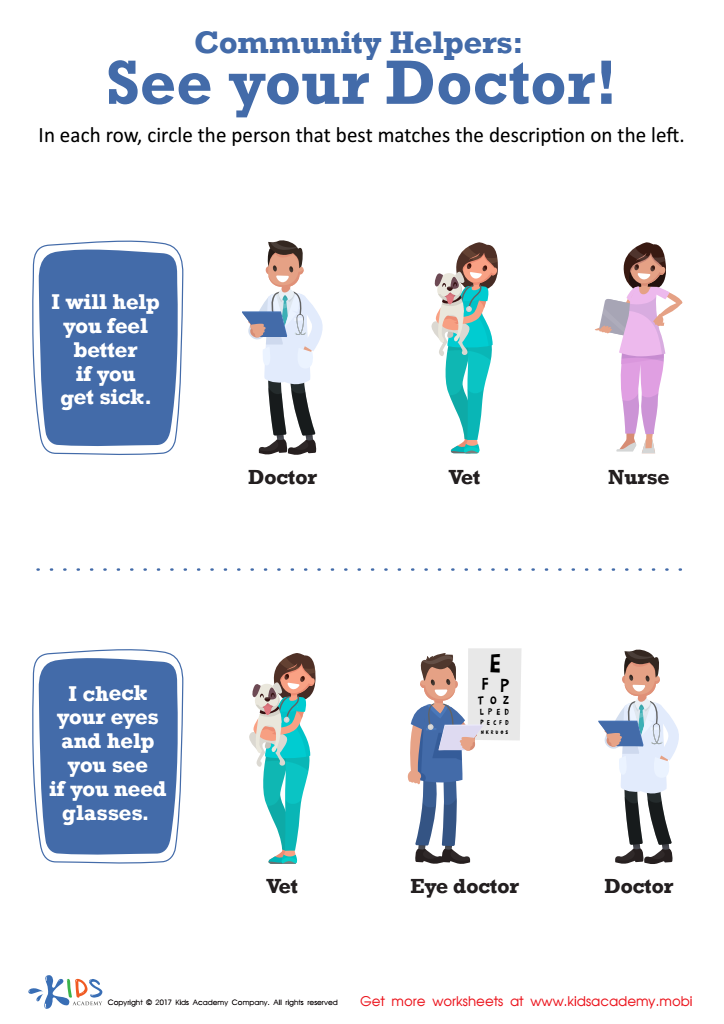
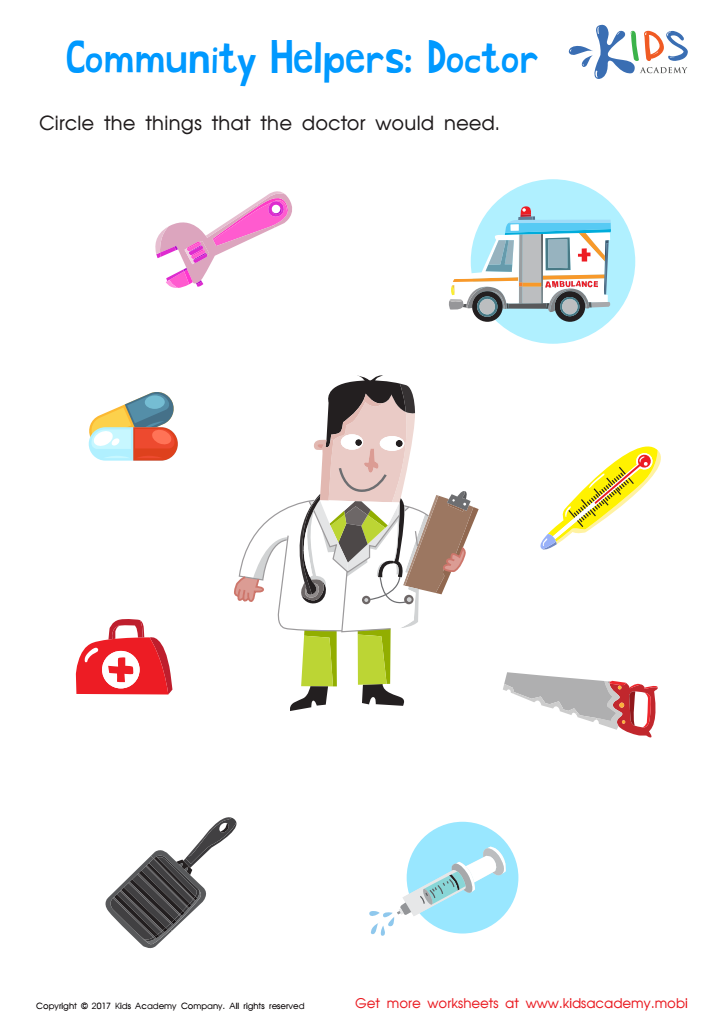
See Your Doctor (Part 1) Printable
 Assign to My Students

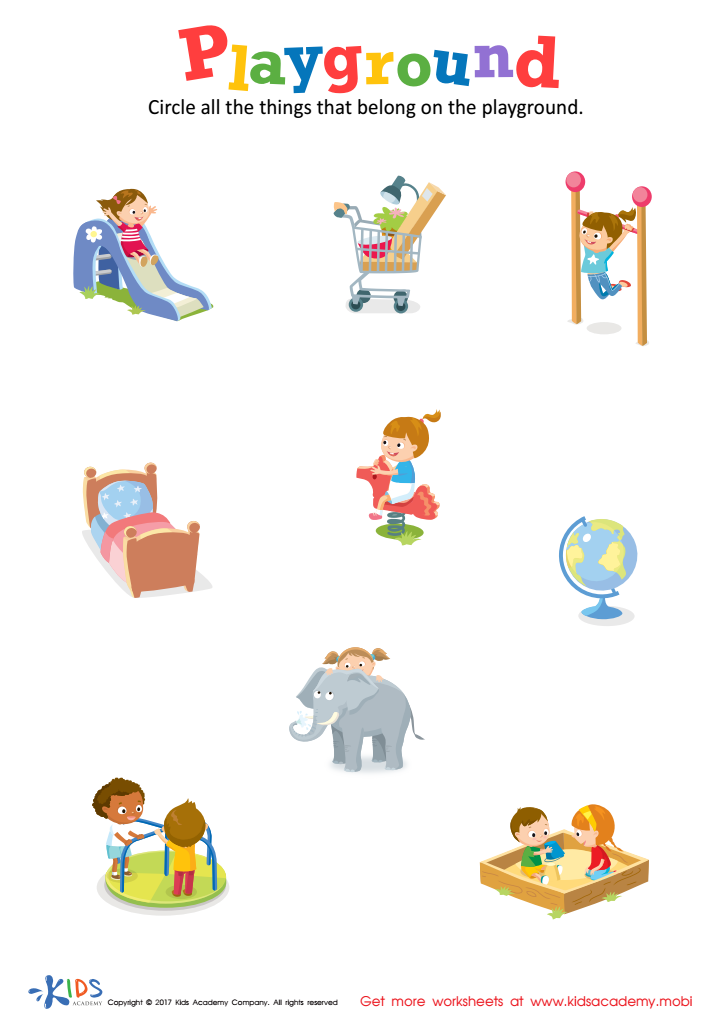
Playground Worksheet
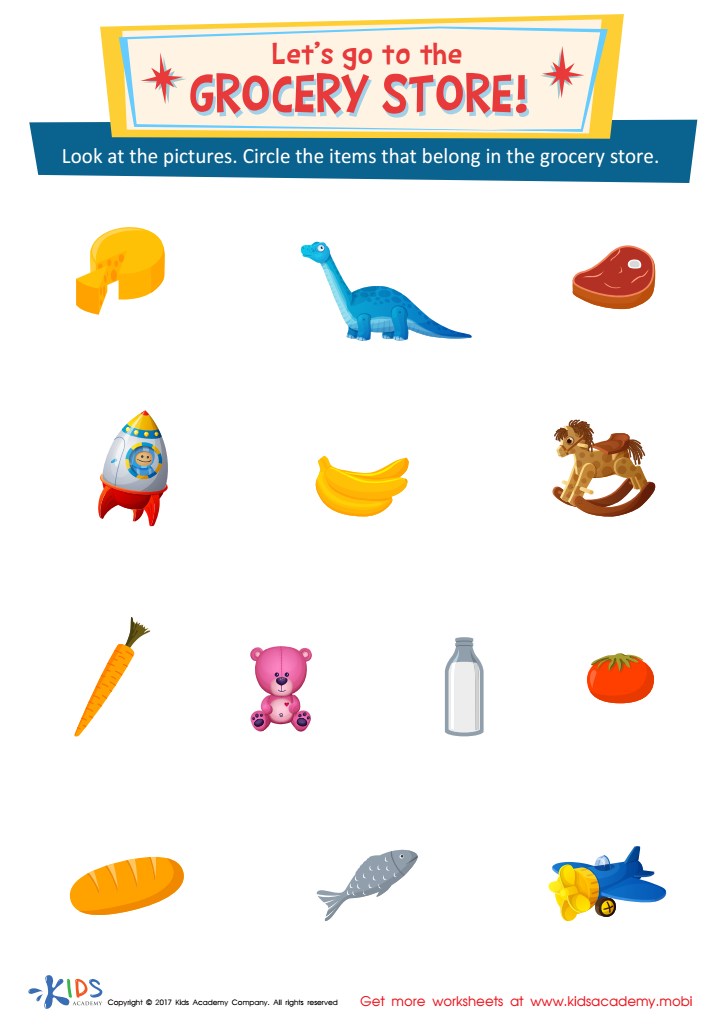
Grocery Store Worksheet
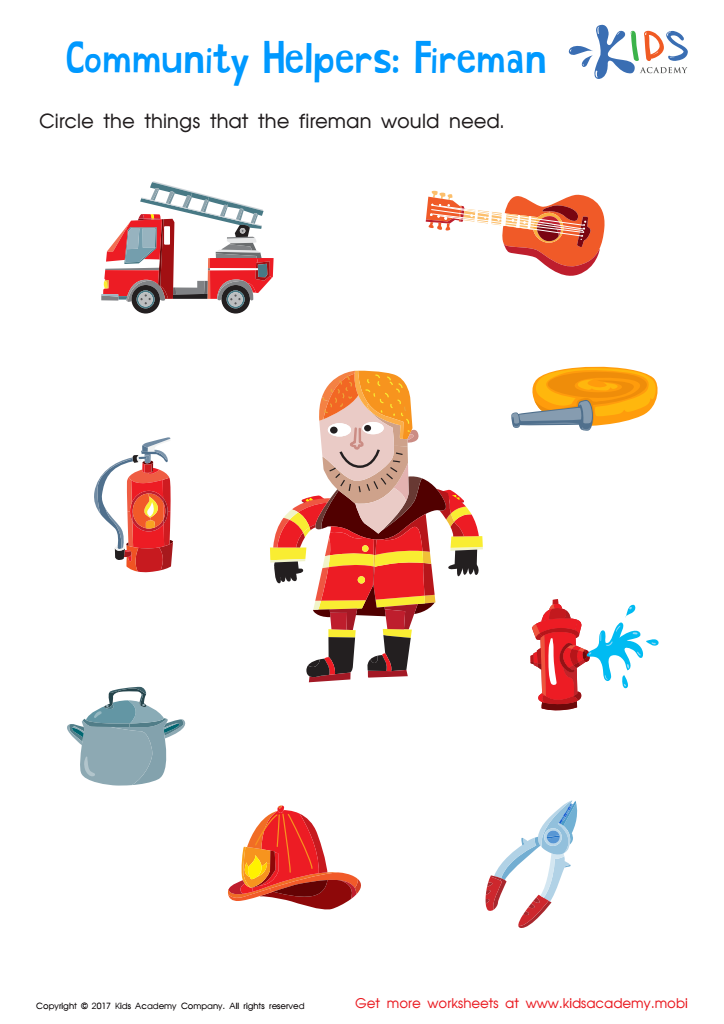
Fireman Worksheet


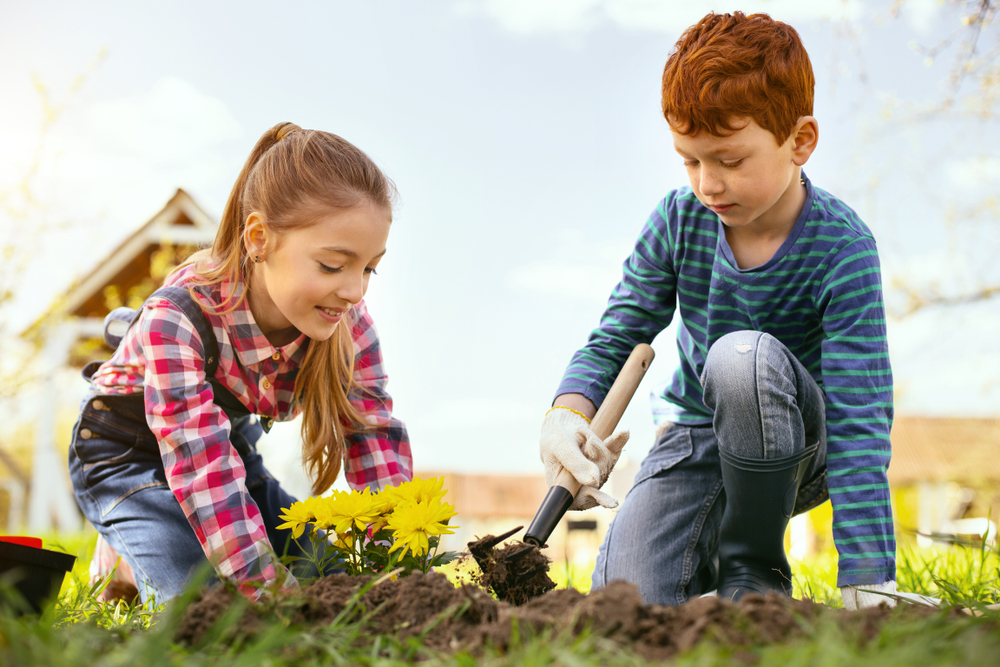





Parents and teachers should care about community for children ages 3-8 because it plays a vital role in their social, emotional, and cognitive development. At this crucial stage, children are learning to navigate their feelings and relationships, and a supportive community fosters positive interactions and friendships. Community engagement promotes valuable social skills, such as sharing, empathy, and problem-solving, which are foundational for later success in life.
Moreover, a strong community around children can provide additional resources, opportunities, and a sense of belonging. By connecting with local groups and activities, children are exposed to diverse experiences and ideas, essential for broadening their horizons and understanding the world.
Additionally, collaborative community efforts can enhance educational outcomes. When parents and teachers partner with local organizations, they create an enriched learning environment that extends beyond the classroom, offering parents greater involvement in their children’s education.
Lastly, a sense of community instills a sense of security and belonging, which is beneficial for mental health. By fostering a connected environment, we create a nurturing atmosphere where each child can thrive, leading to lifelong positive impacts on their well-being and development. Hence, active participation in a community is essential for young children's growth and development.