Phonics Worksheets for Ages 3-9 - Page 11
242 filtered results
-
From - To
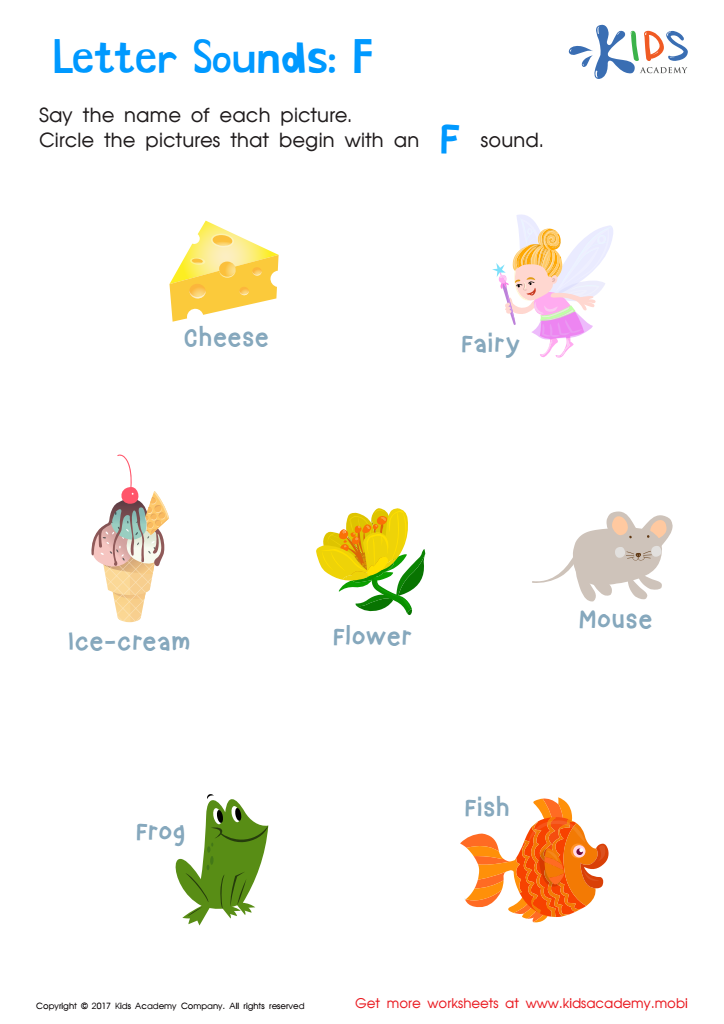
Letter F Sounds Worksheet
 Assign to My Students
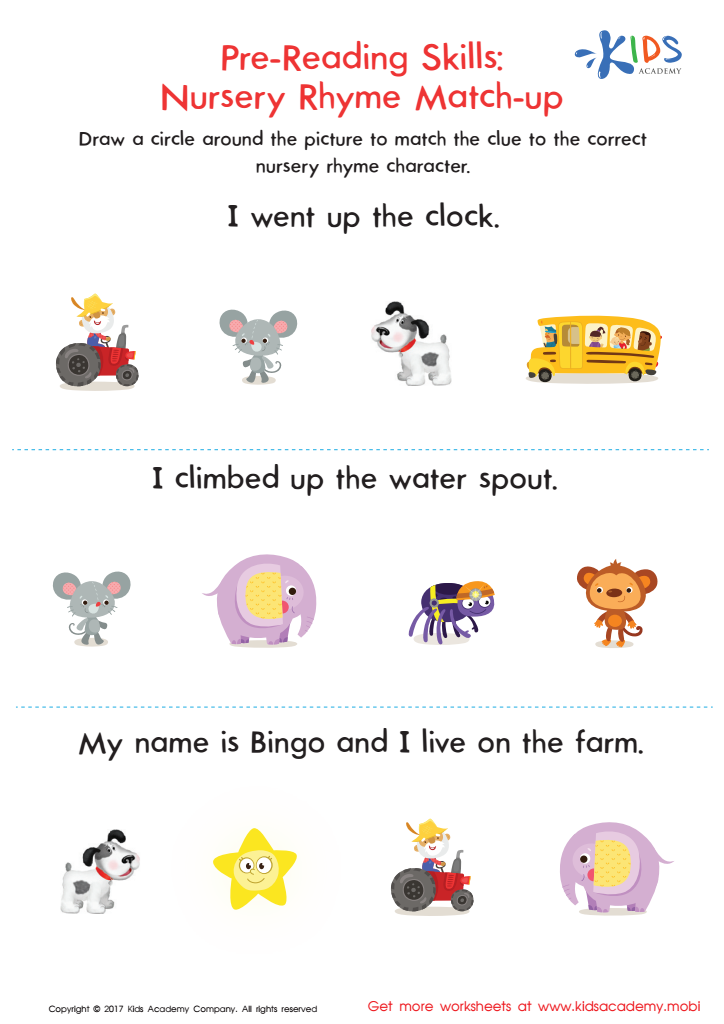
Nursery Rhyme Match–Up Worksheet








Phonics is a fundamental aspect of early literacy development for children aged 3-9, and it is essential for both parents and teachers to prioritize it. Phonics involves teaching children the relationship between sounds and letters, which forms the foundation for reading and writing skills. This method allows children to decode new words by sounding them out, rather than memorizing them, fostering greater independence in reading.
Early phonics education accelerates vocabulary development and comprehension. When children understand how to sound out words, they can more easily understand and enjoy stories, leading to a richer vocabulary and better overall communication skills. This builds a child's confidence and interest in learning, setting the stage for lifelong educational engagement.
Phonics also supports academic success across various subjects. Reading is integral to all areas of learning; children who struggle with reading often face difficulties in other subjects, including math and science. Therefore, strong phonics skills can have a long-term positive impact on a child’s overall academic trajectory.
Moreover, early success in reading can boost self-esteem and motivation, key components for a positive attitude towards school. Parents and teachers play a pivotal role in incorporating phonics into daily activities, ensuring that children develop the strong literacy foundation needed for future educational success.







