Reading Fiction Worksheets for Ages 3-9 - Page 3
161 filtered results
-
From - To
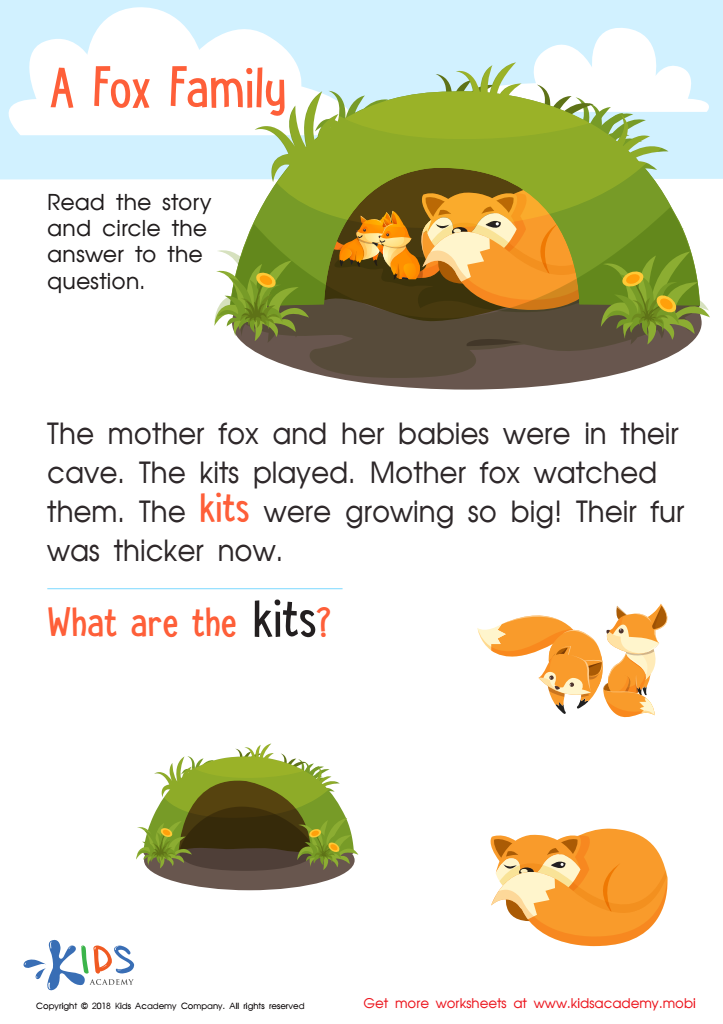
A Fox Family Worksheet
 Assign to My Students
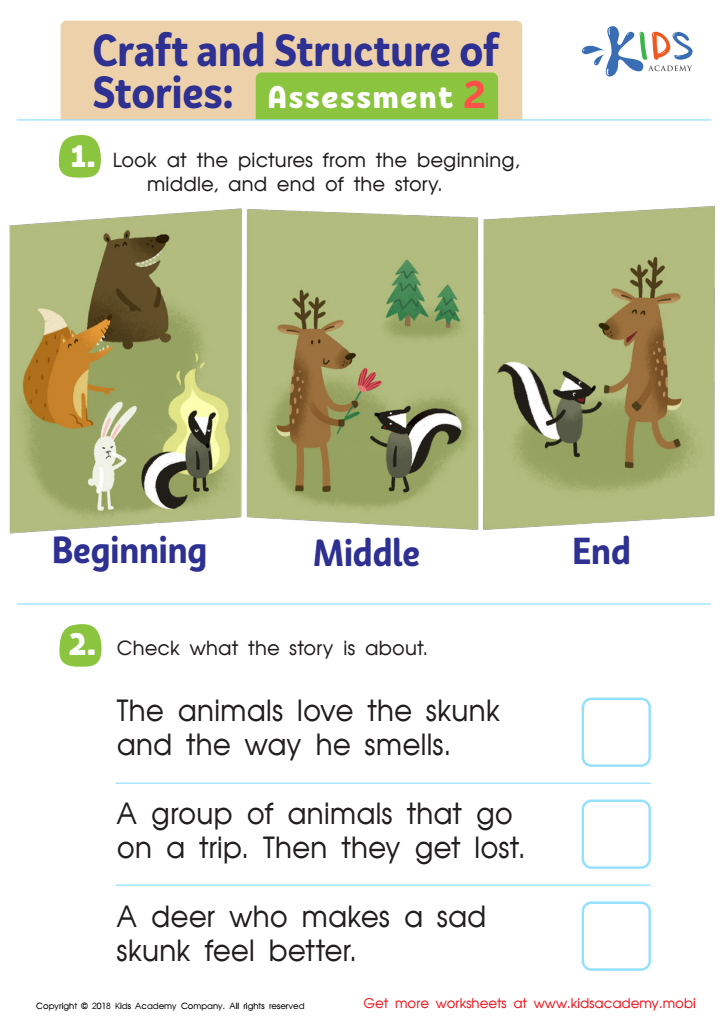
Craft and Structure of Stories: Assessment 2 Worksheet
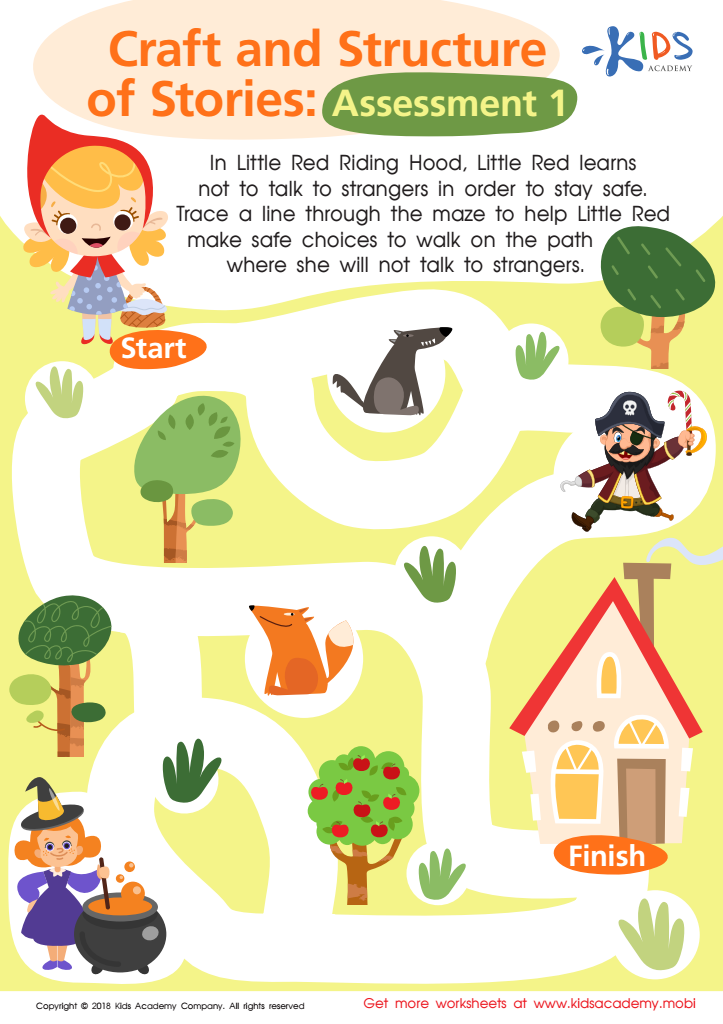
Craft and Structure of Stories: Assessment 1 Worksheet
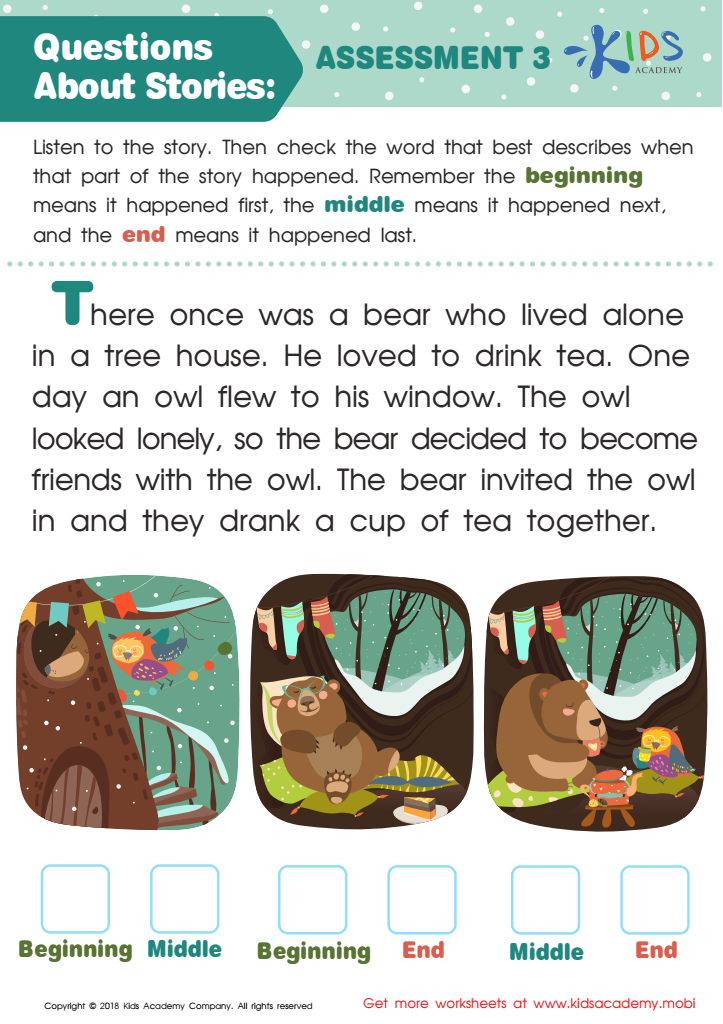
Questions About Stories: Assessment 3 Worksheet
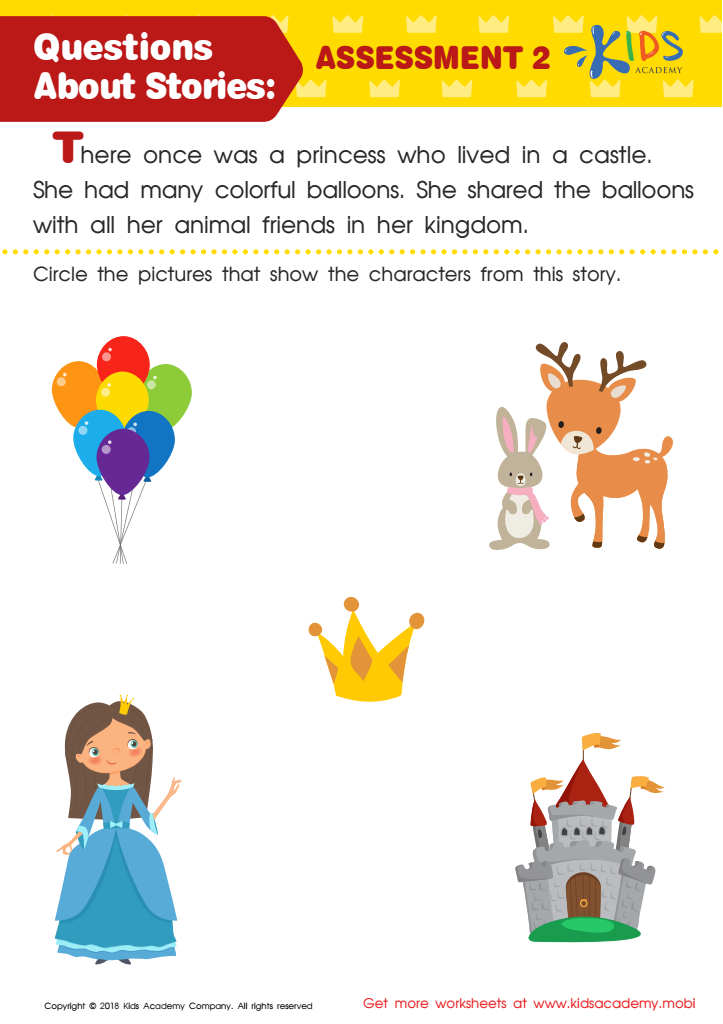
Questions About Stories: Assessment 2 Worksheet
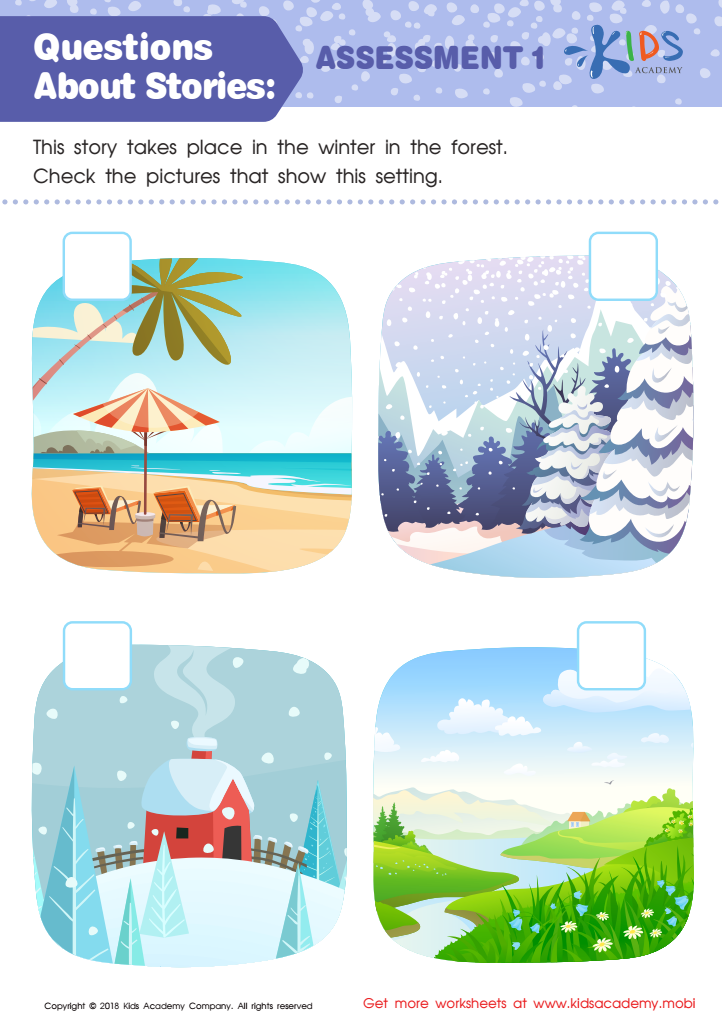
Questions About Stories: Assessment 1 Worksheet
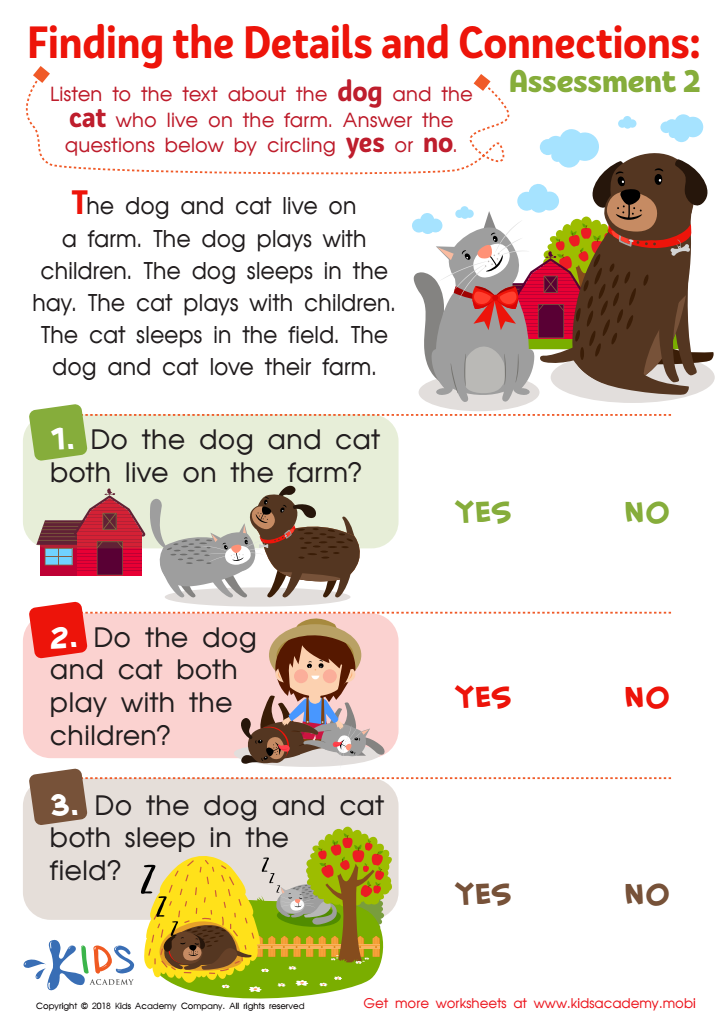
Finding the Details and Connections: Assessment 2 Worksheet
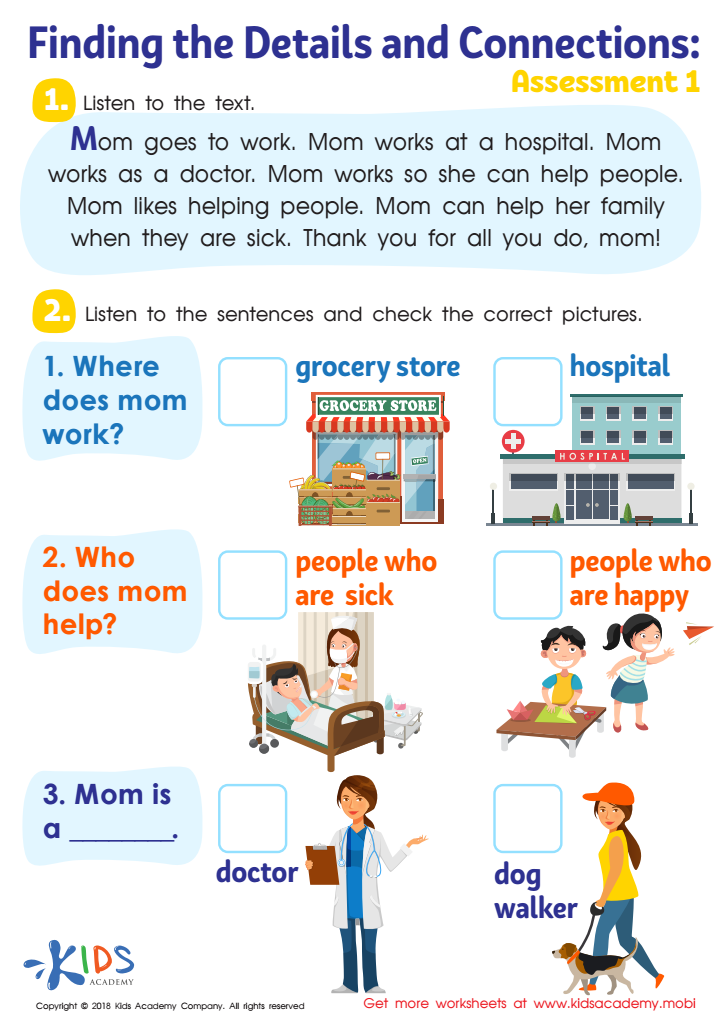
Finding the Details and Connections: Assessment 1 Worksheet
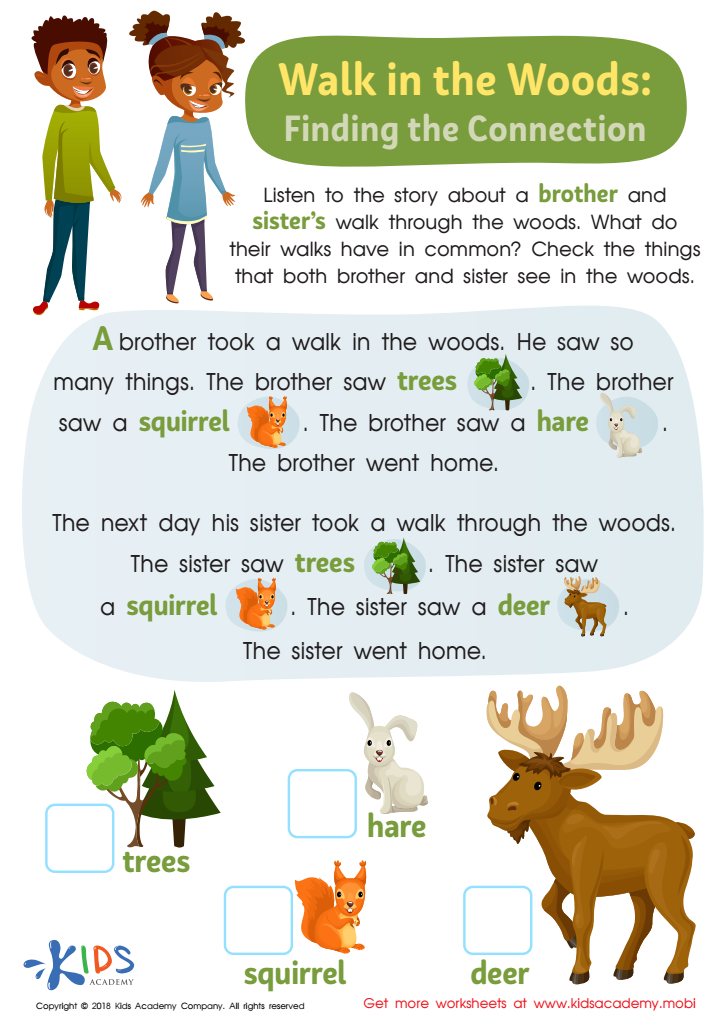
Walk In the Woods: Finding Connections Worksheet
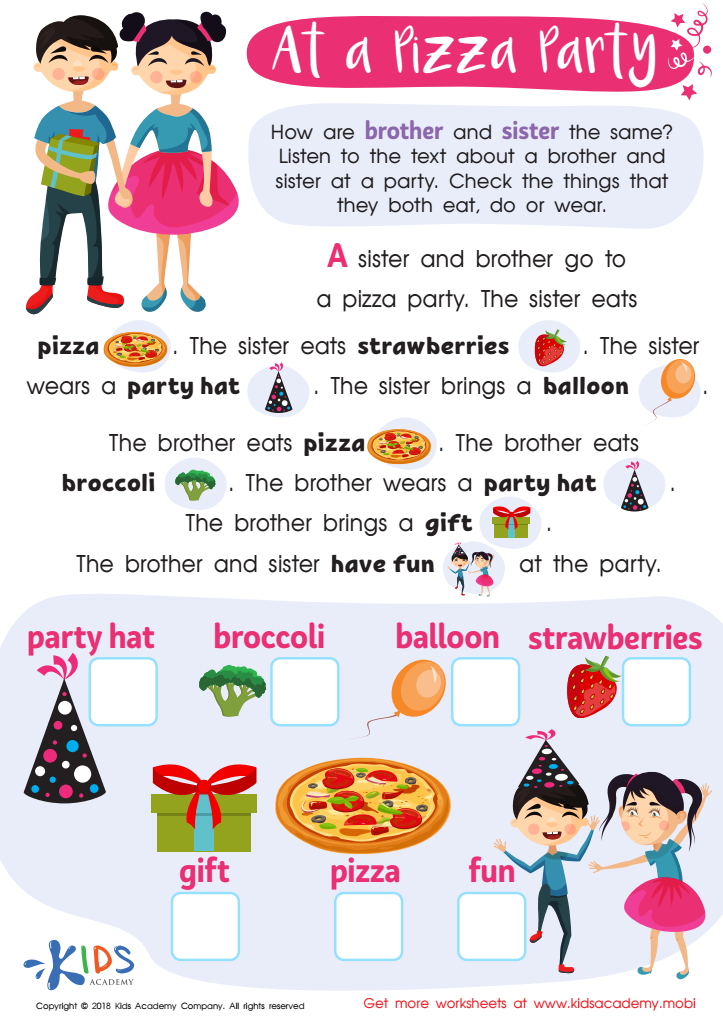
At a Pizza Party Worksheet
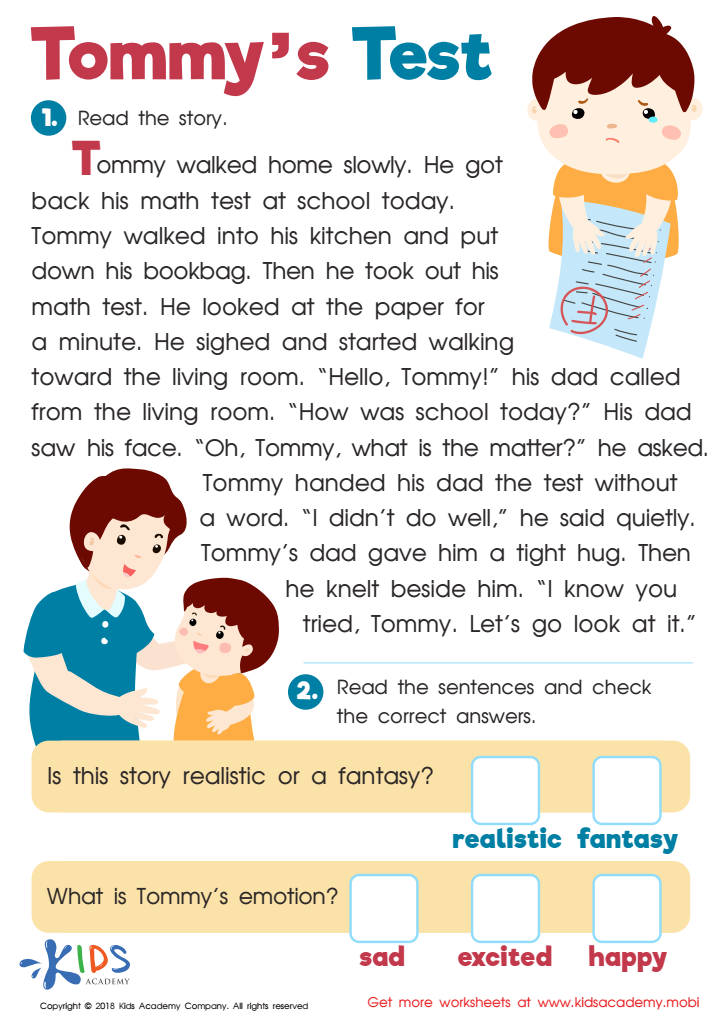
Tommys Test Worksheet
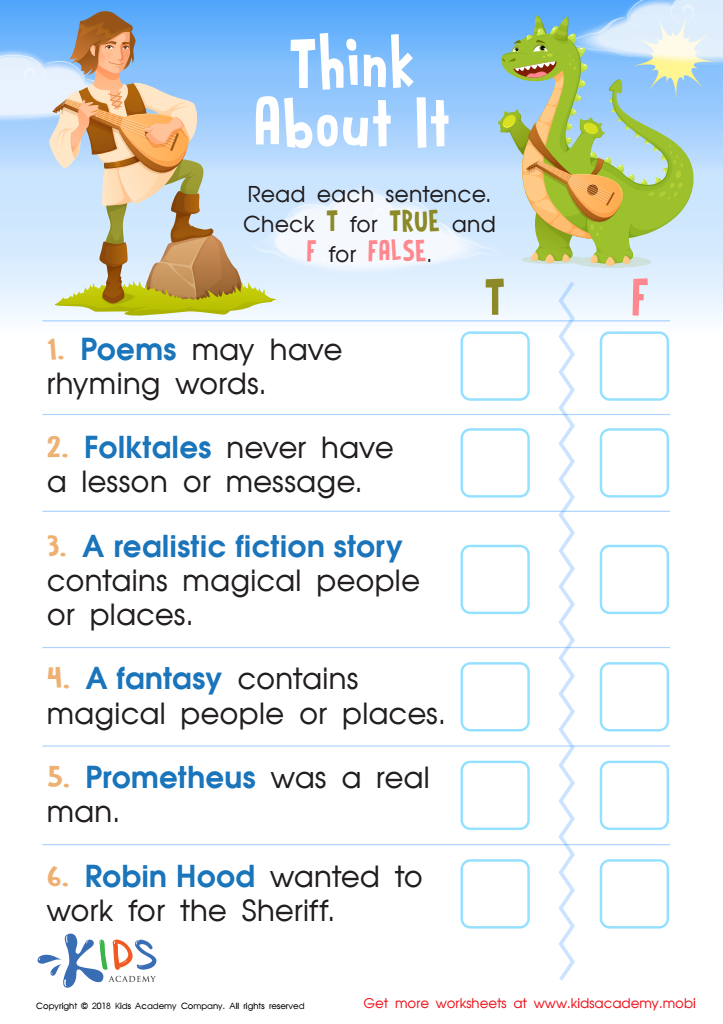
Think About It: Assessment Worksheet
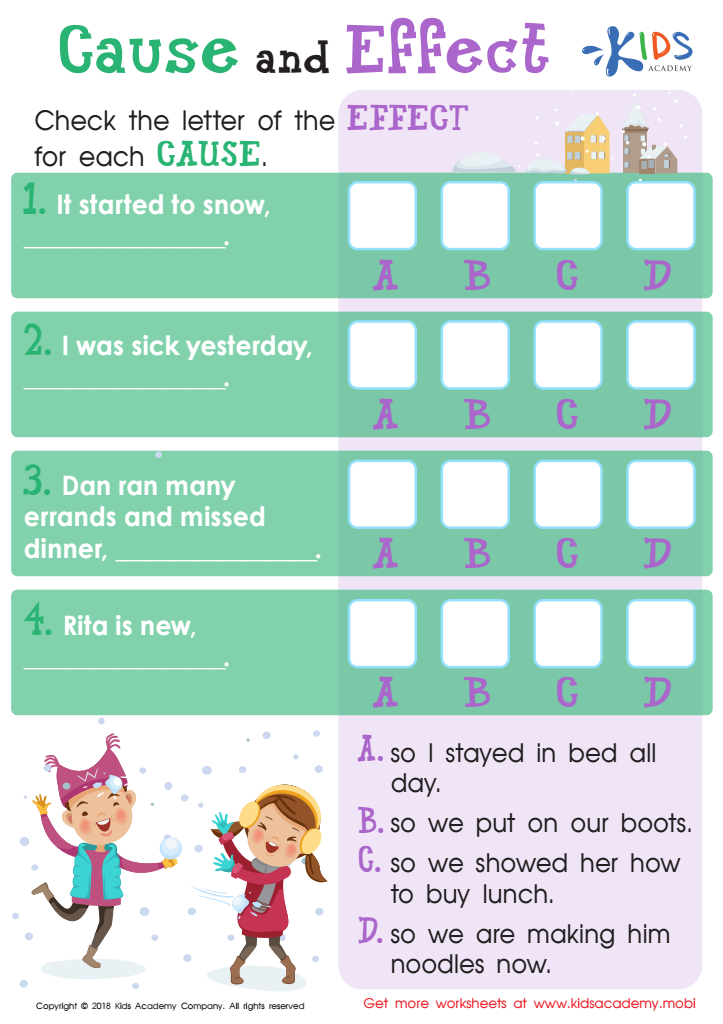
Cause and Effect Worksheet
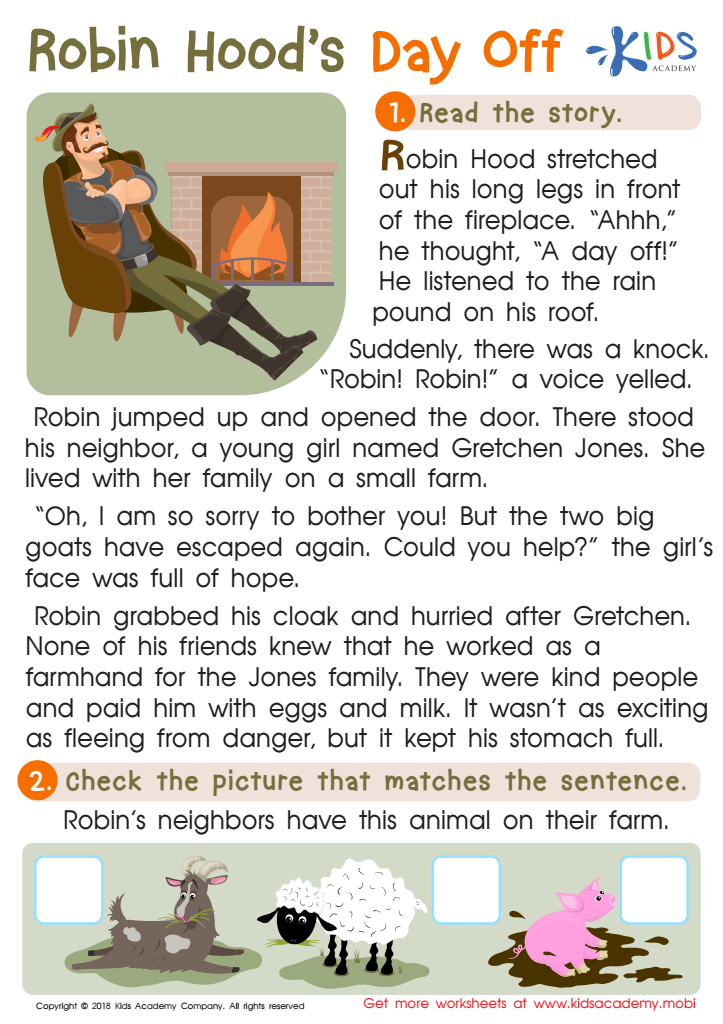
Robin Hood's Day Off Worksheet
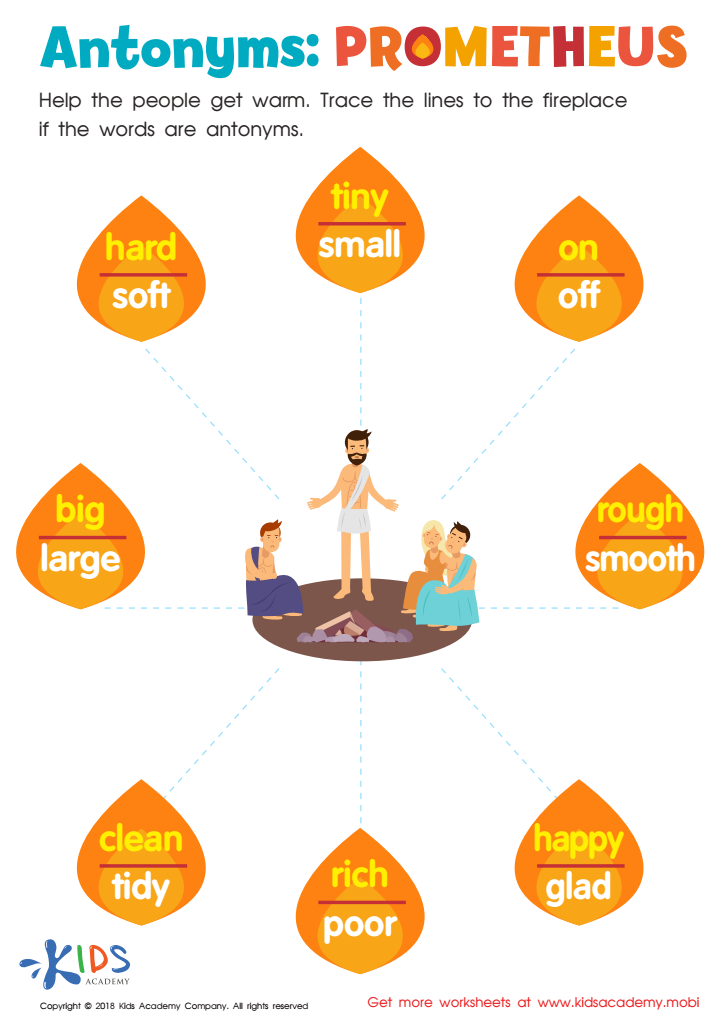
Antonyms: Prometheus Worksheet
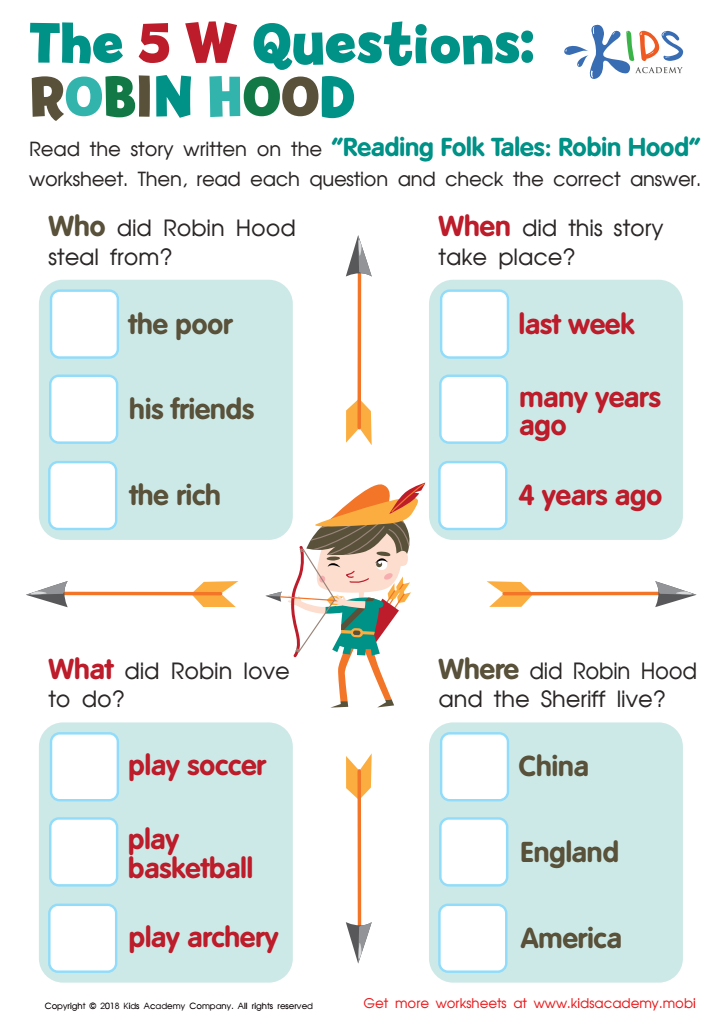
The 5 W Questions: Robin Hood Worksheet
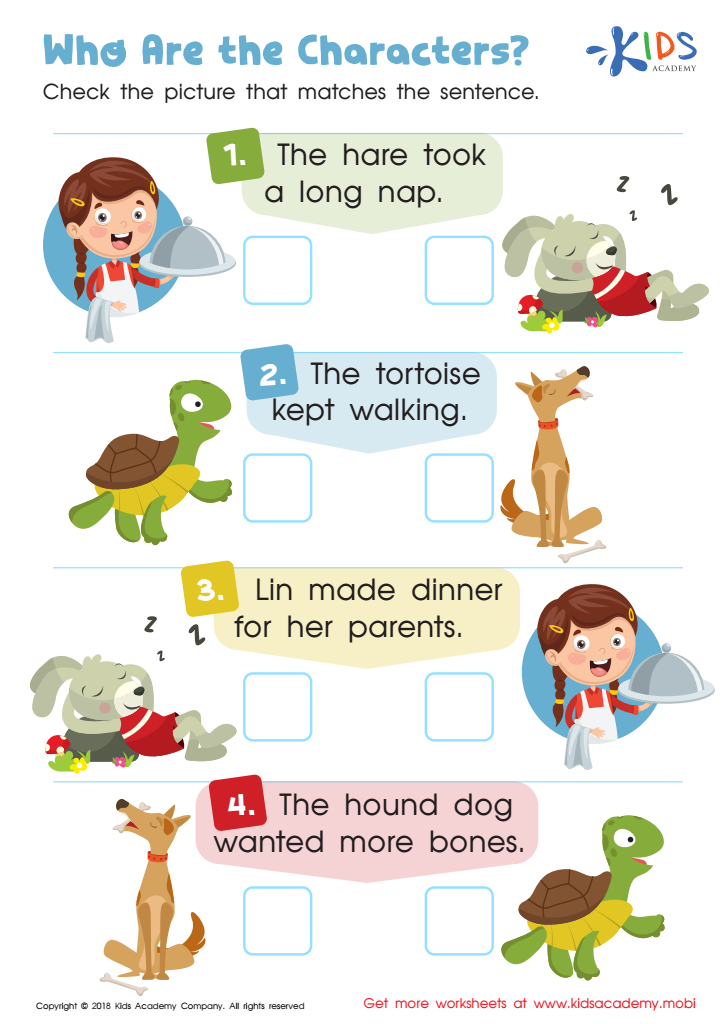
Who Are The Characters Worksheet
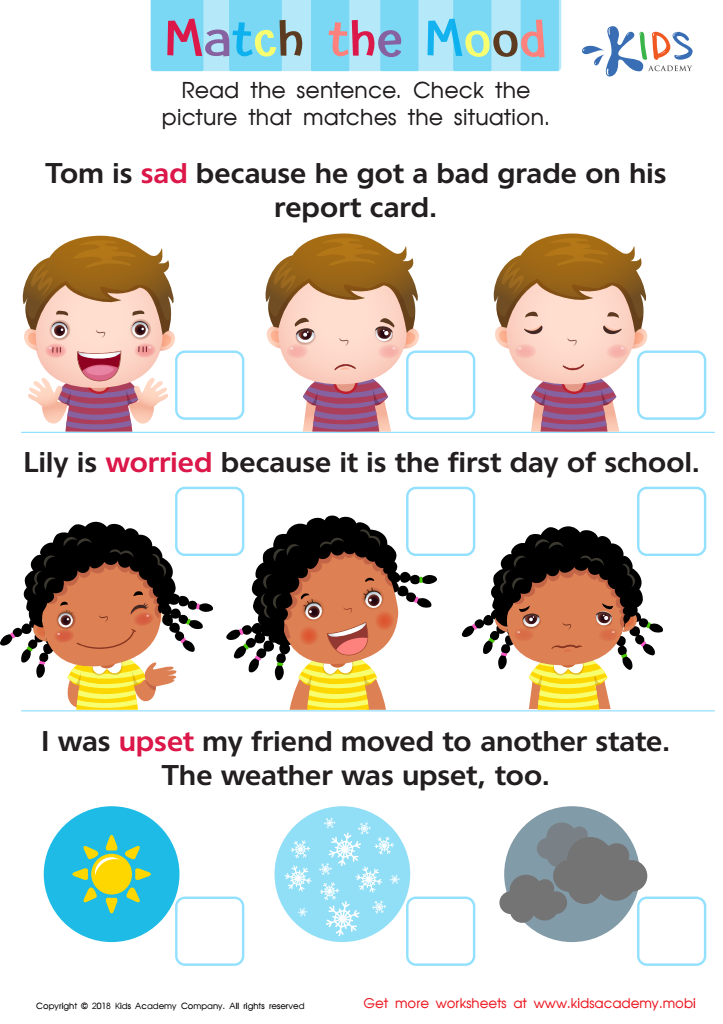
Match The Mood Worksheet
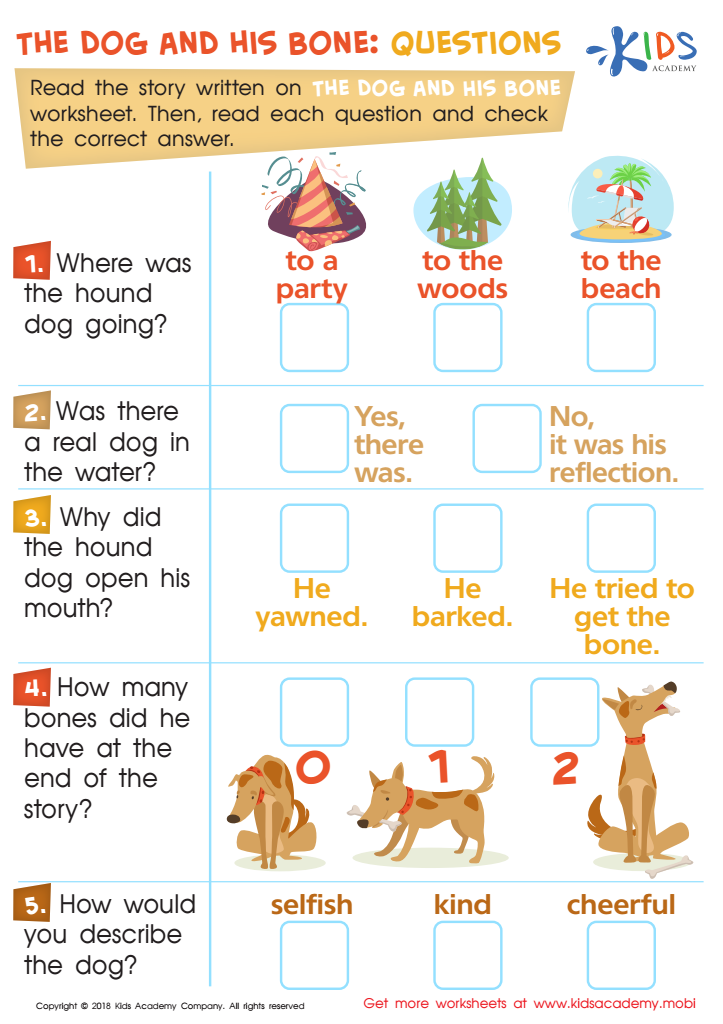
The Dog and His Bone: Questions Worksheet
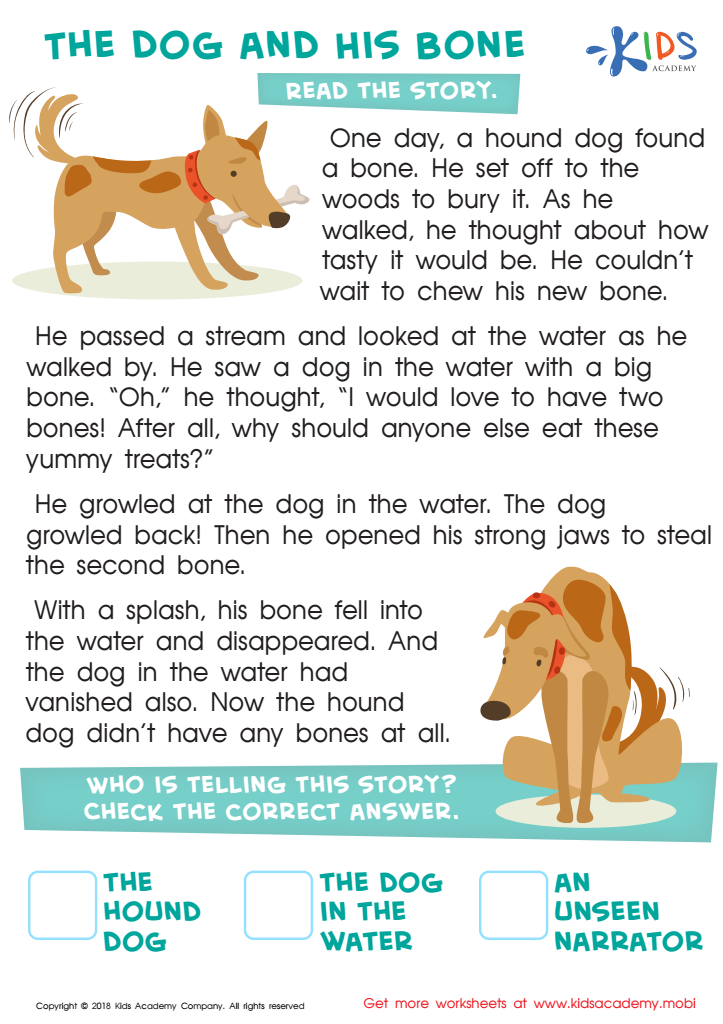
The Dog and His Bone Worksheet
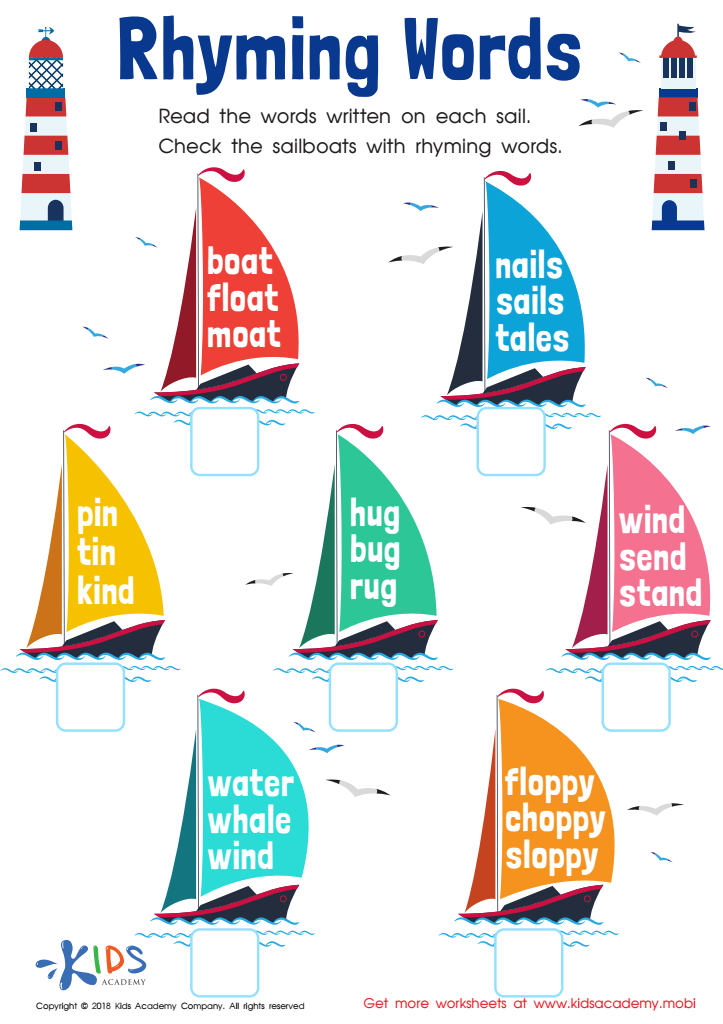
Rhyming Words Worksheet
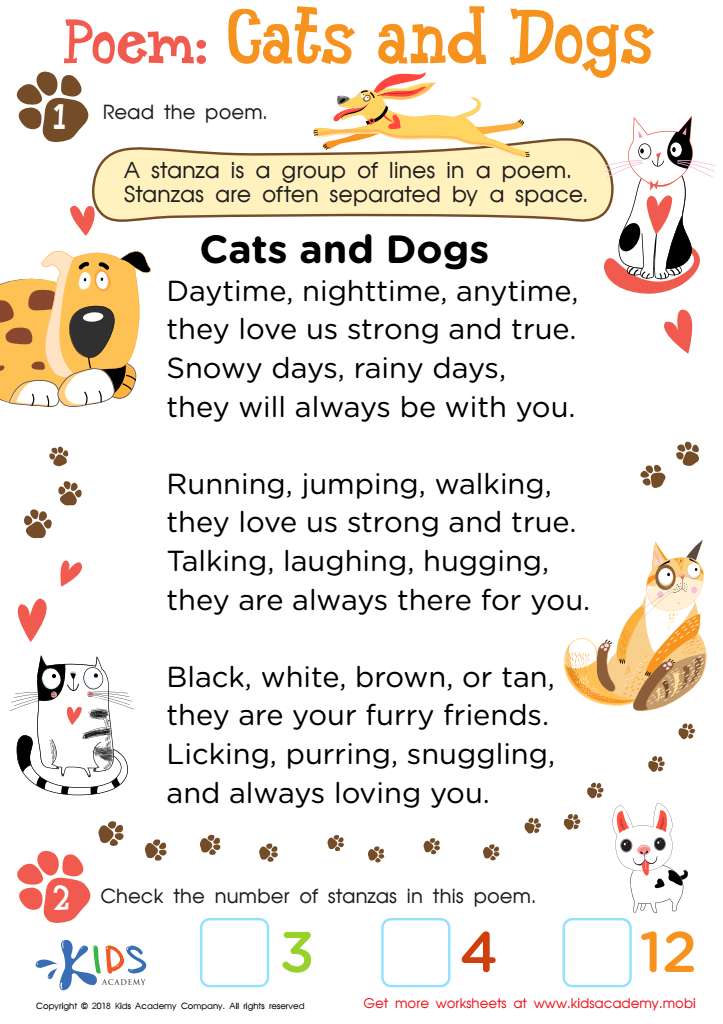
Poem: Cats and Dogs Worksheet
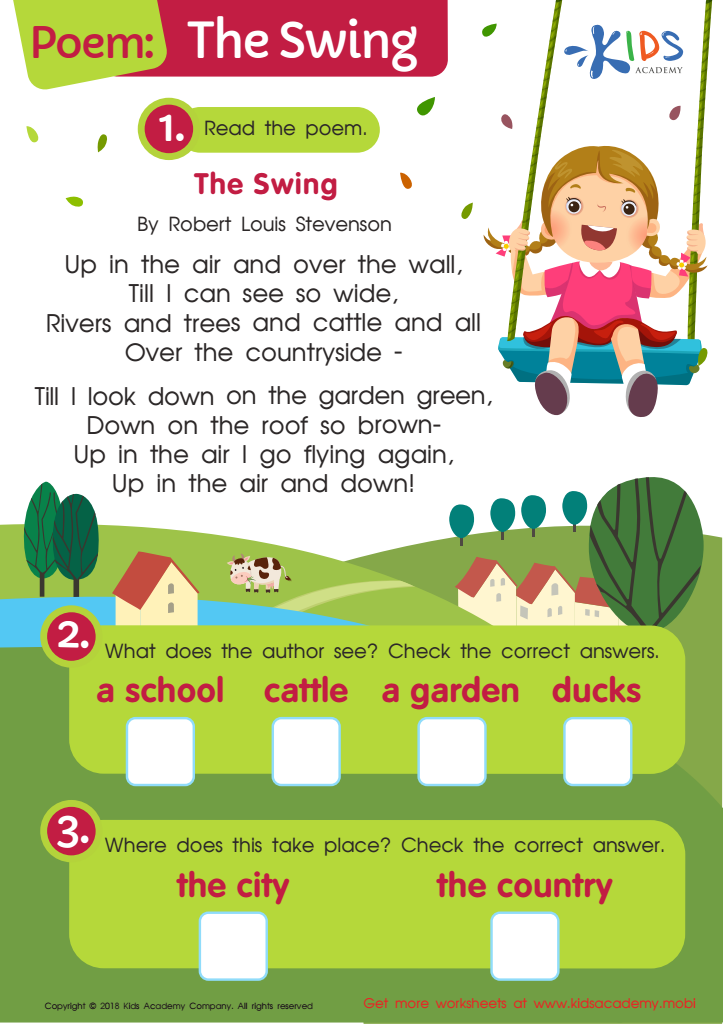
Poem: The Swing Worksheet
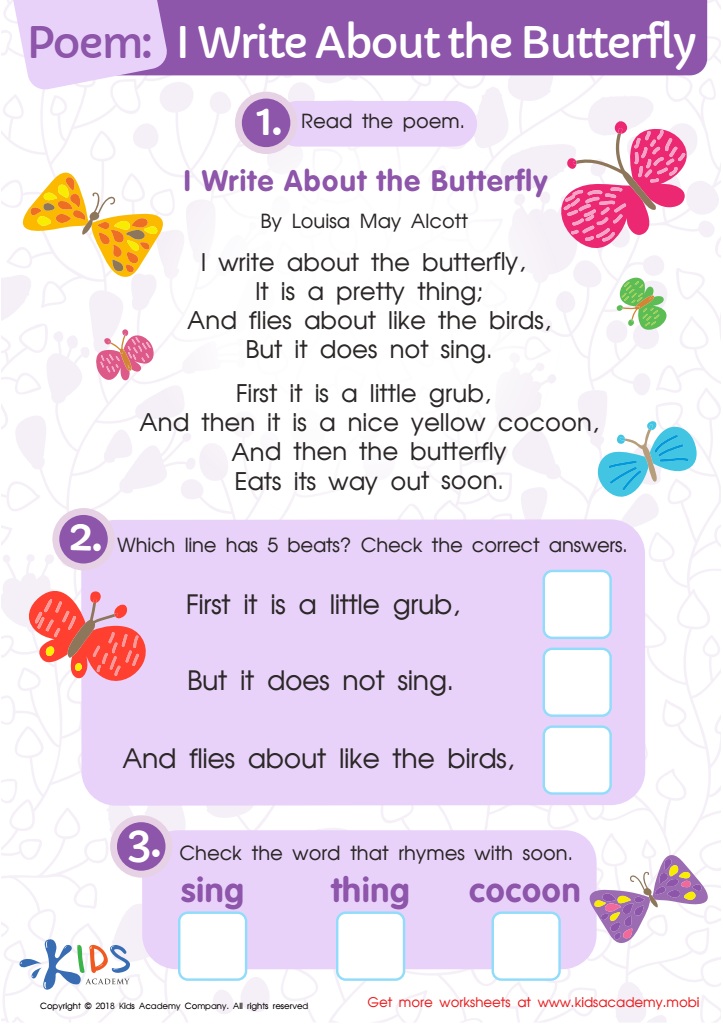
Poem: I Write About The Butterfly Worksheet






Reading fiction to children ages 3-9 is essential for their cognitive and emotional development. This age range is a critical period for language acquisition. Engaging with stories introduces children to new vocabulary, sentence structures, and storytelling conventions, which enhances their linguistic skills and boosts comprehension.
Fiction nurtures imagination and creativity. As children delve into diverse worlds and characters, they learn to think abstractly and empathize with others' experiences. This emotional connection fostered by stories cultivates social skills and emotional intelligence, helping children navigate their own feelings and understand those of their peers.
Moreover, reading fiction supports critical thinking. Children question plot developments, predict outcomes, and analyze character motives, engaging their analytical skills. This lays a foundational understanding for complex concepts in later schooling.
Lastly, creating a habit of reading fosters a lifetime love for literature. Parents and teachers who prioritize reading fiction not only contribute to children's intellectual growth but also invite joy, adventure, and a love of stories into their everyday lives, creating shared bonding experiences. In summary, reading fiction is an invaluable practice that enriches children academically, socially, and emotionally during these formative years.








