Reading Non-Fiction Worksheets for Ages 3-9 - Page 2
97 filtered results
-
From - To
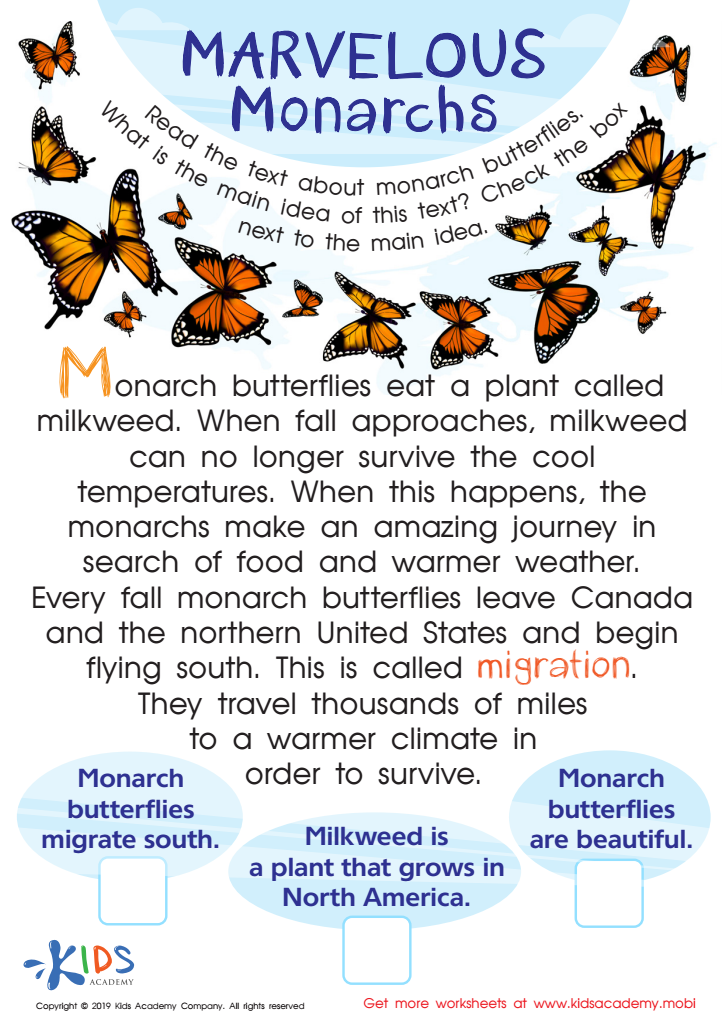
Marvelous Monarchs Worksheet
 Assign to My Students
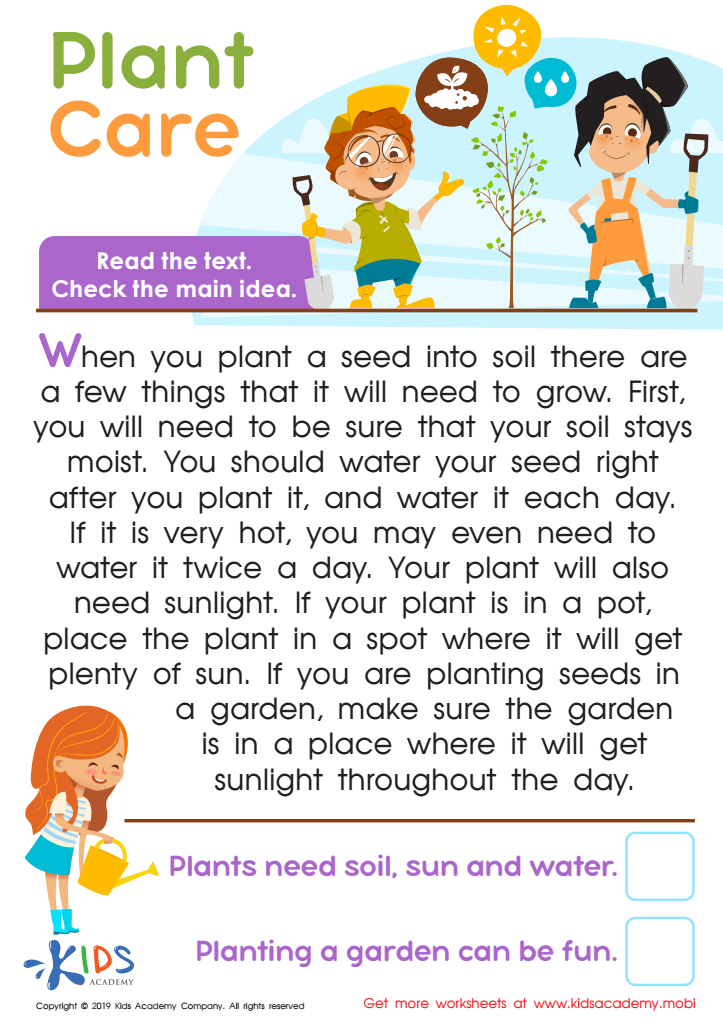
Plant Care Worksheet
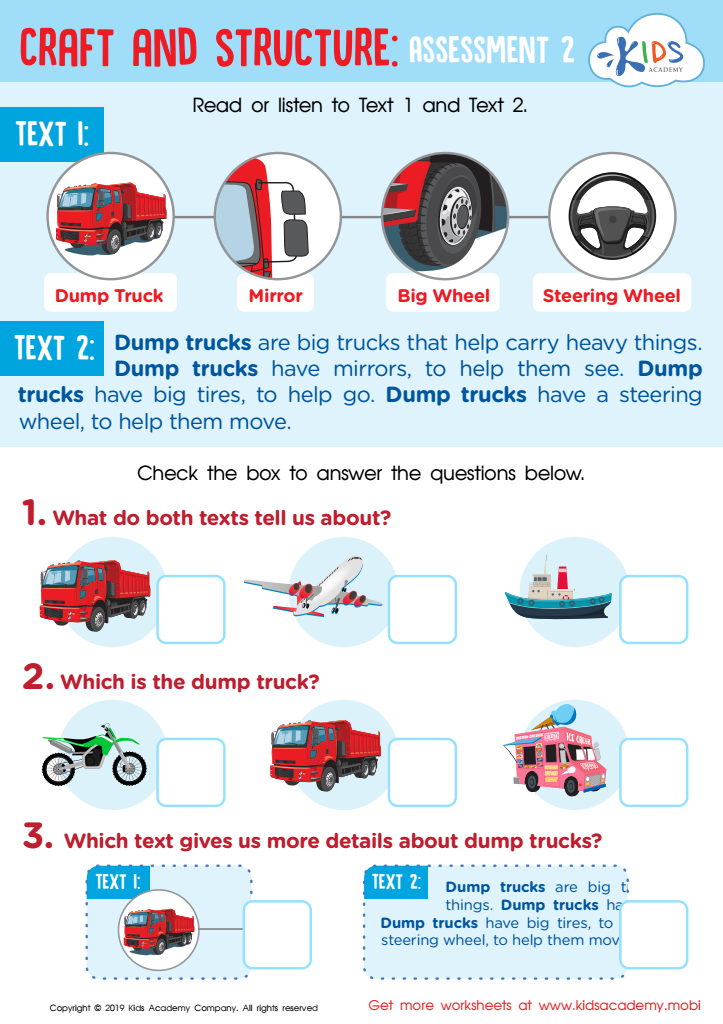
Craft and Structure: Assessment 2 Worksheet
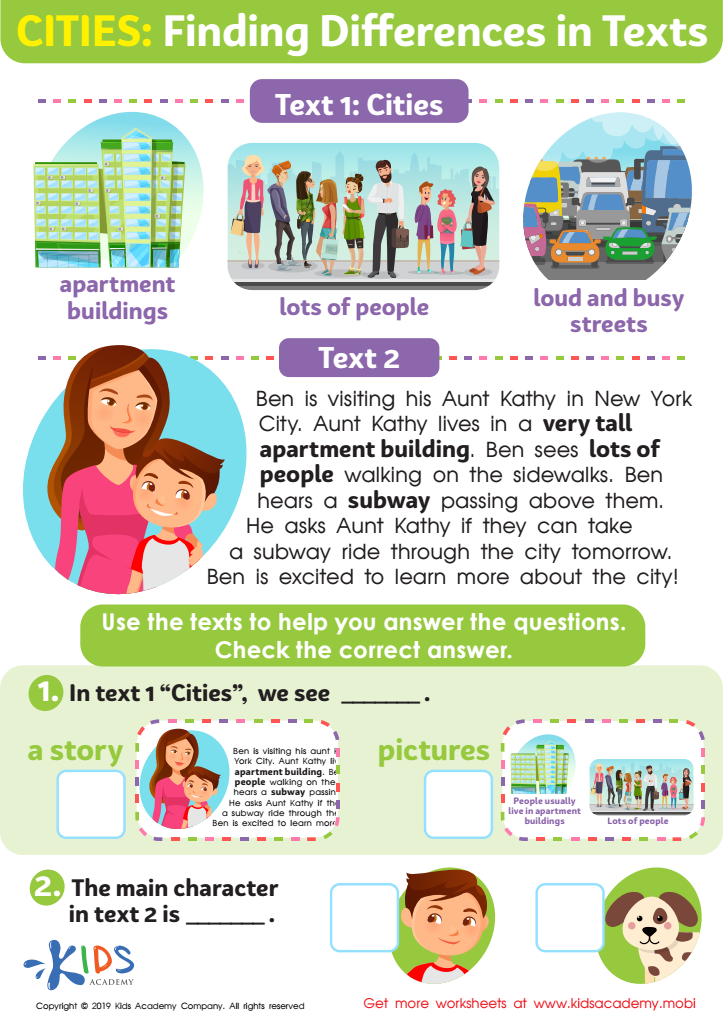
Cities: Finding Differences Worksheet
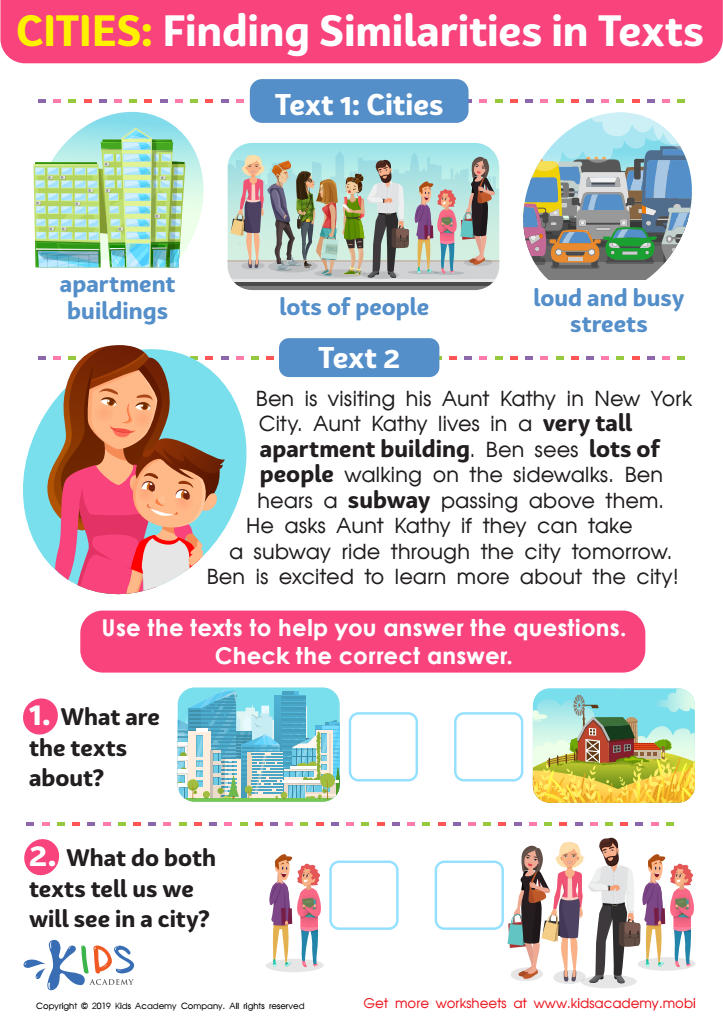
Cities: Finding Similarities Worksheet
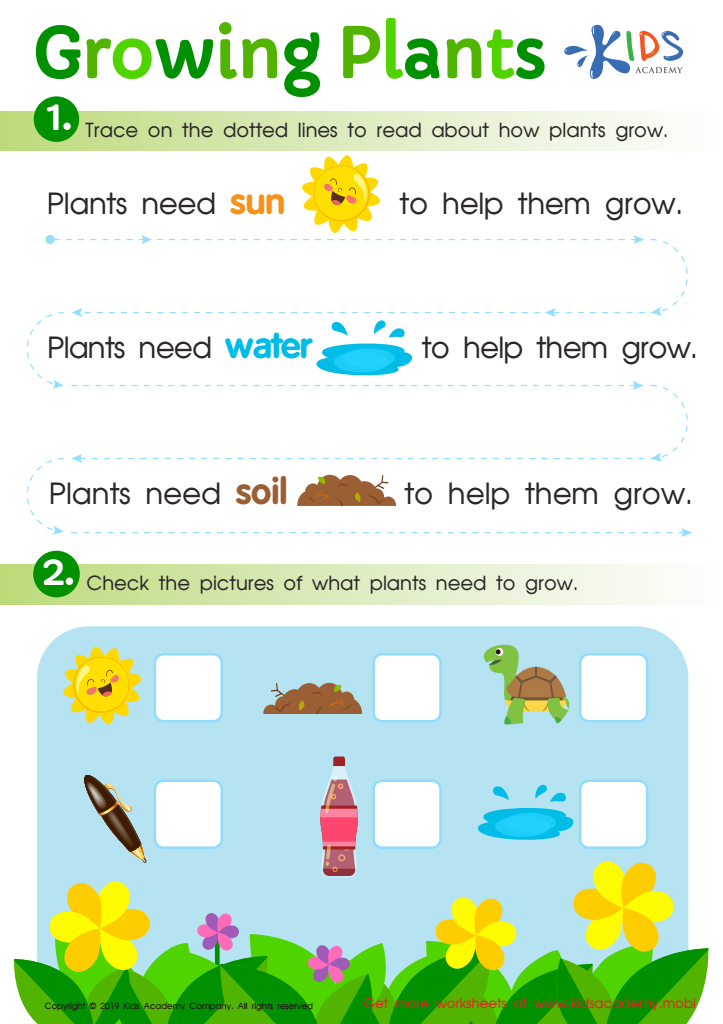
Growing Plants Worksheet
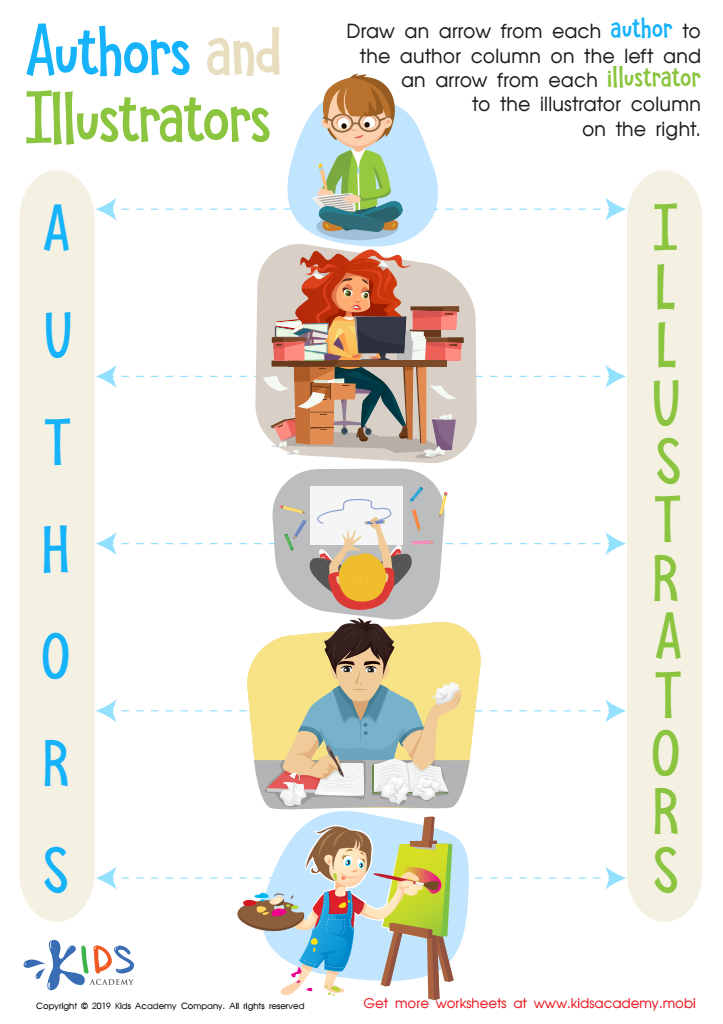
Authors and Illustrators Worksheet
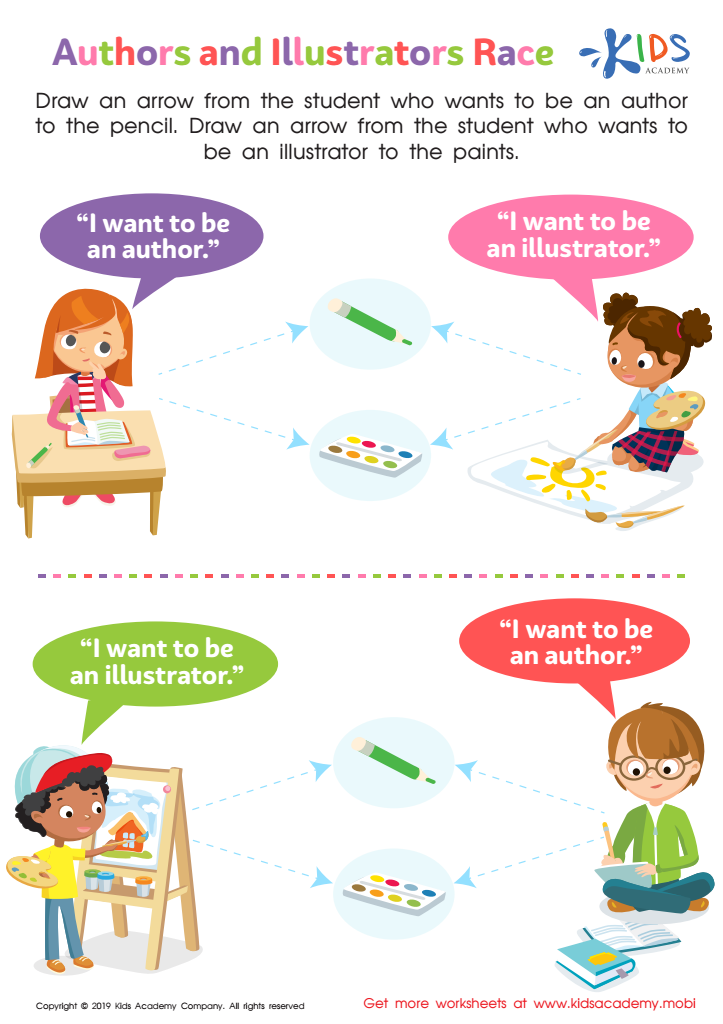
Authors and Illustrators Race Worksheet
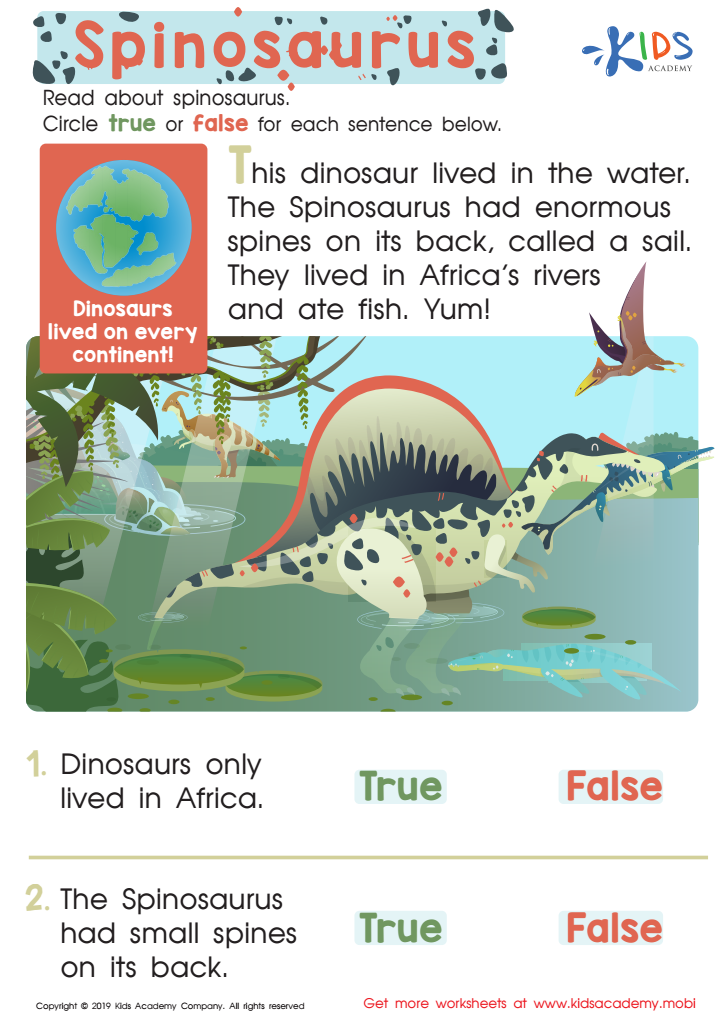
Spinosaurus Assessment Worksheet
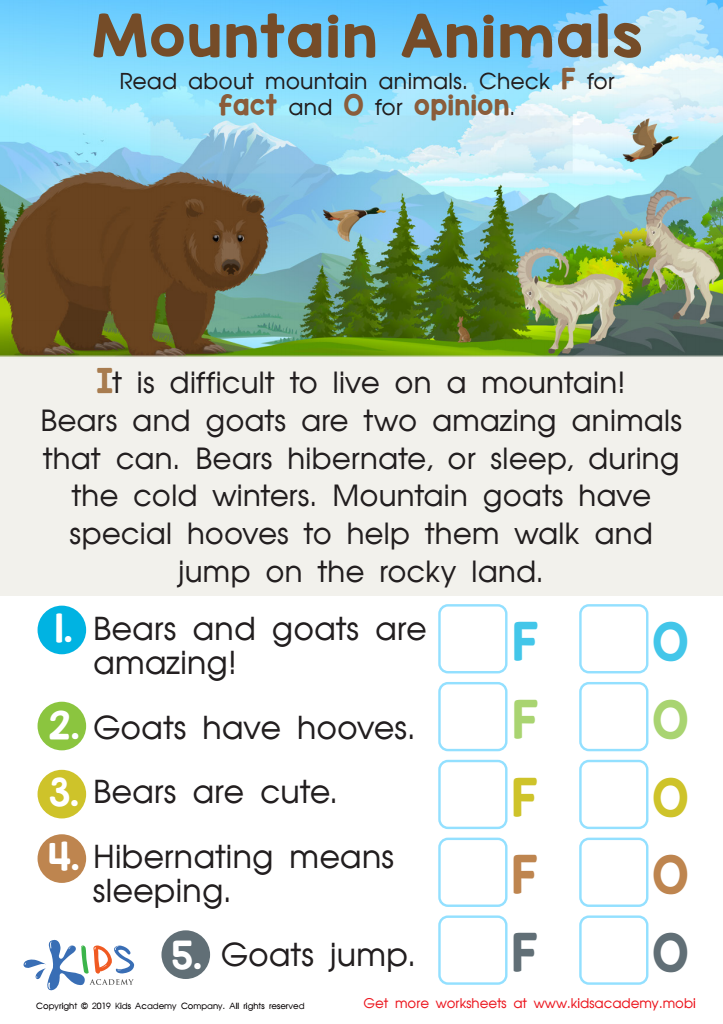
Mountain Animals Worksheet
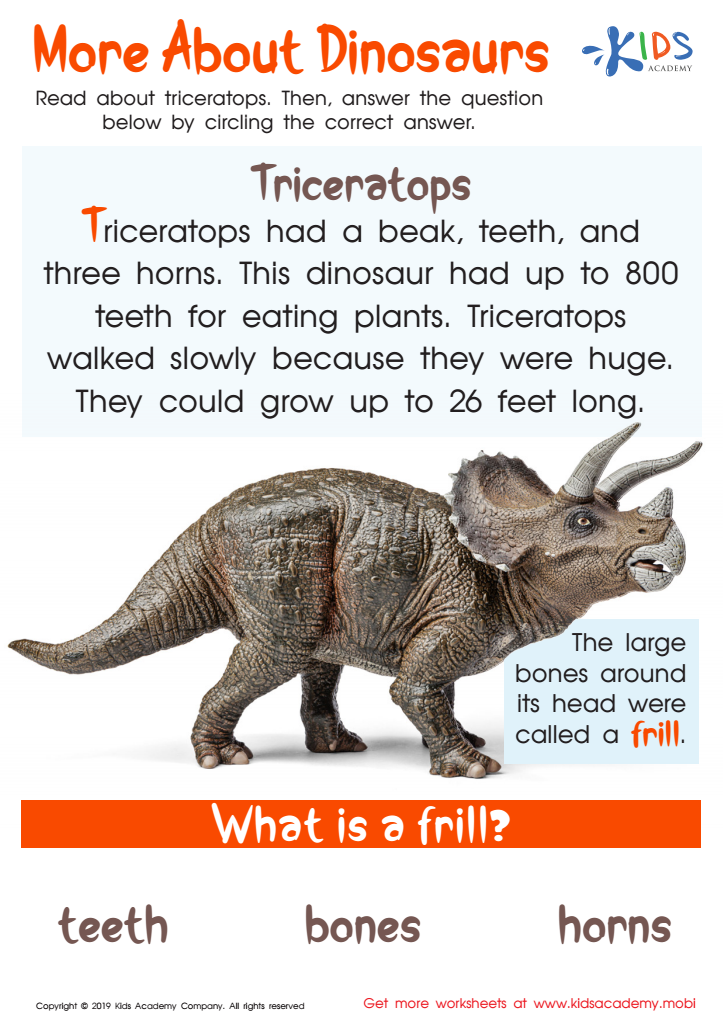
More About Dinosaurs Worksheet
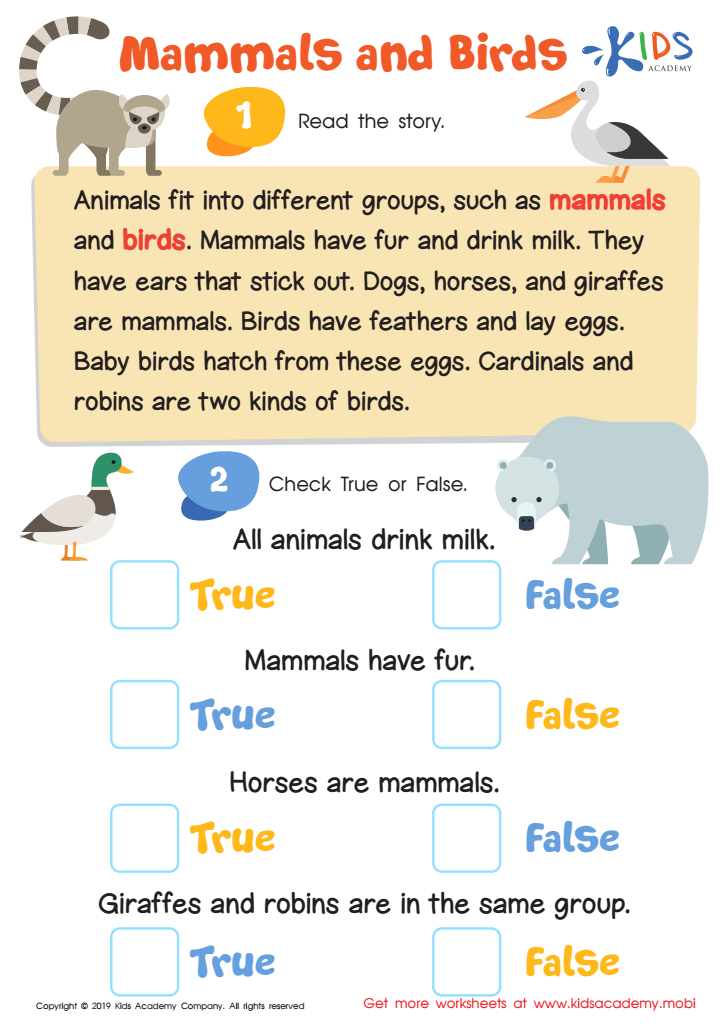
Mammals and Birds Worksheet
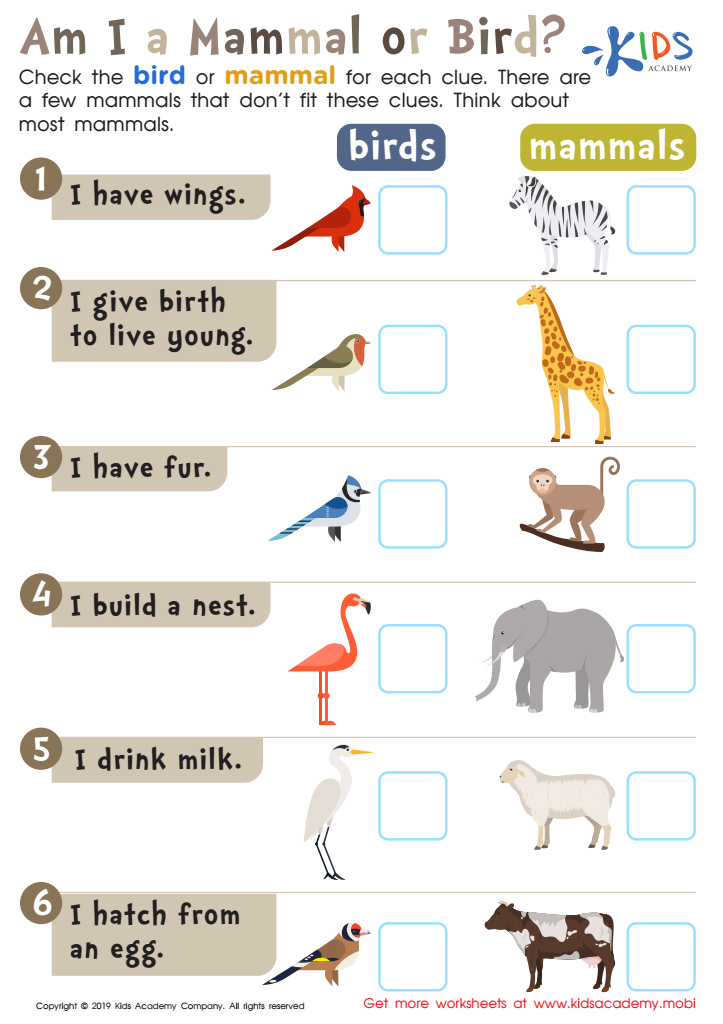
Am I a Mammal or Bird? Worksheet
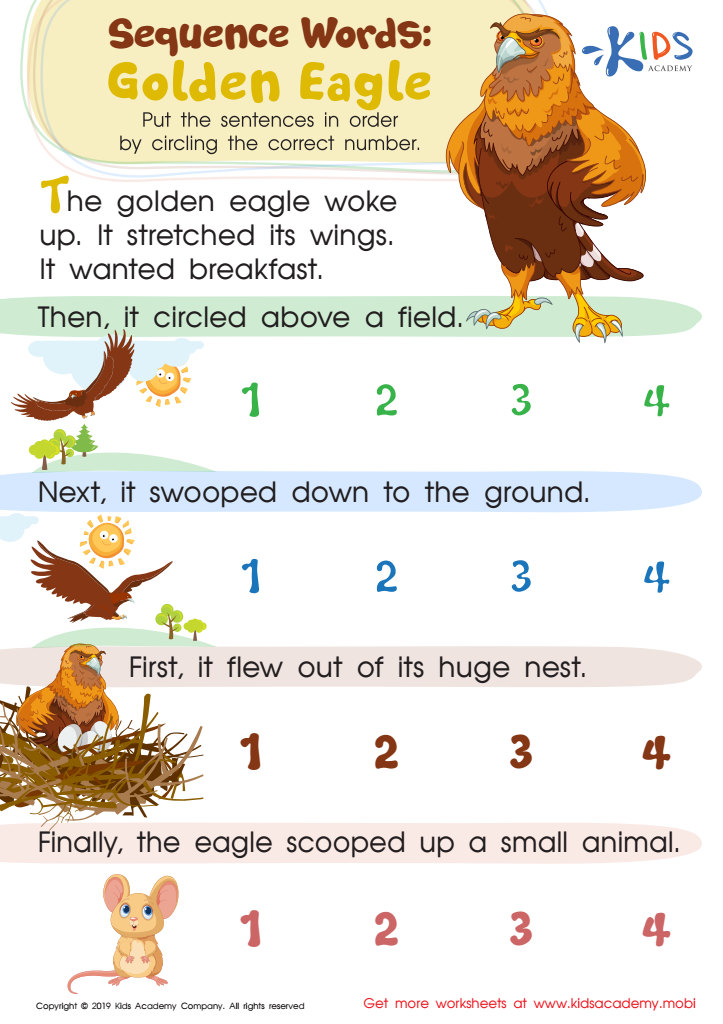
Sequence Word Eagle Worksheet
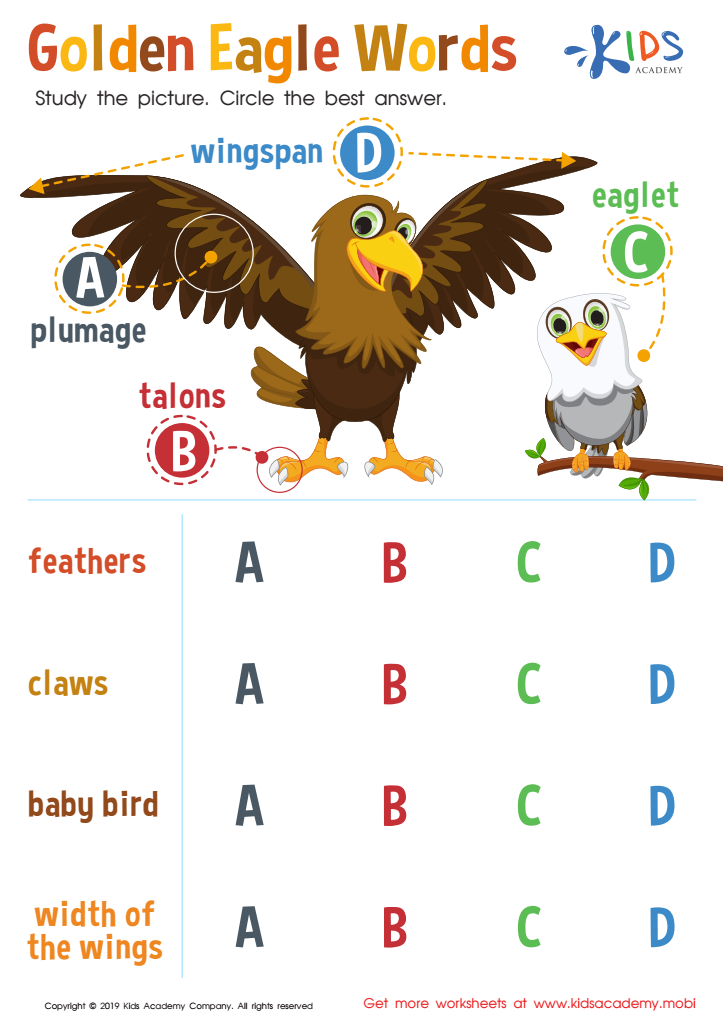
Golden Eagle Words Worksheet
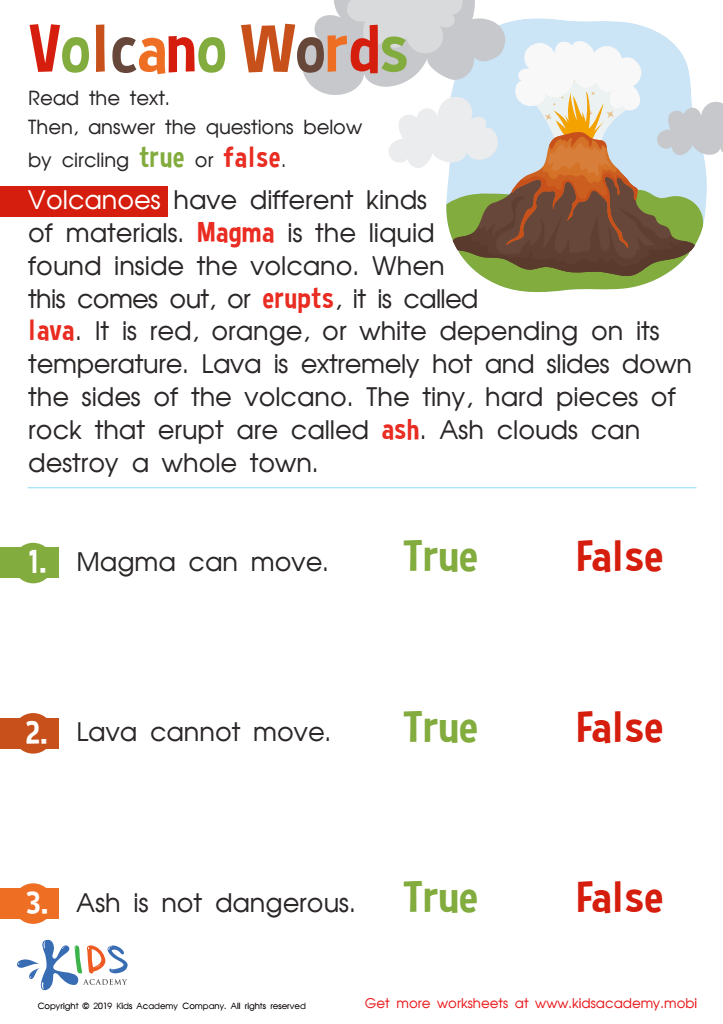
Volcano Words Worksheet
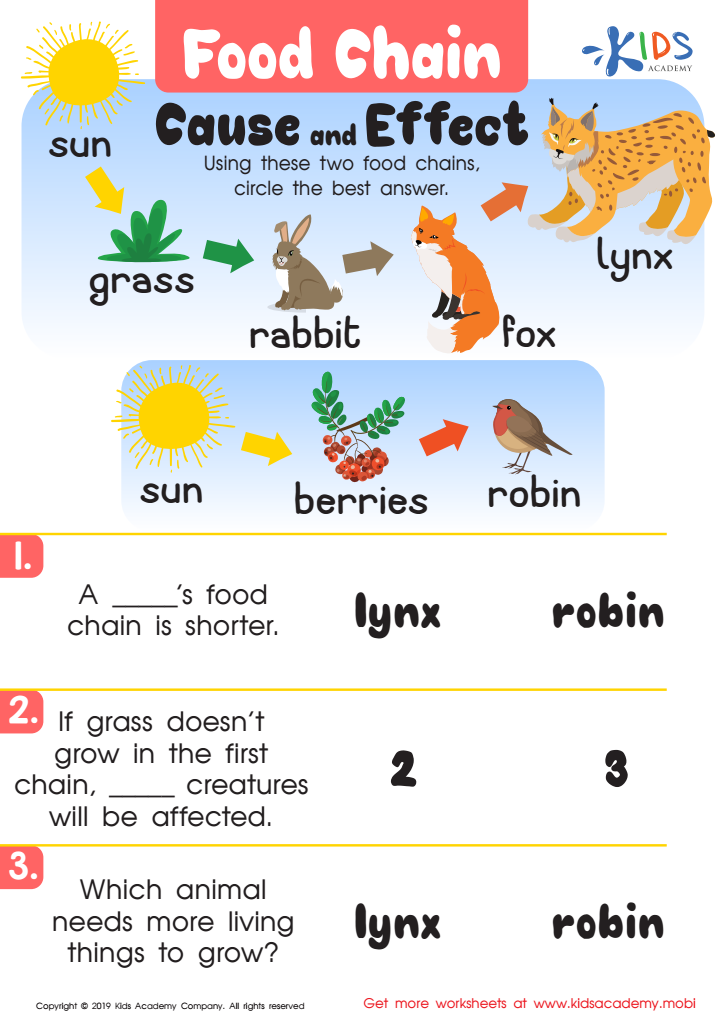
Food Chain Cause Worksheet
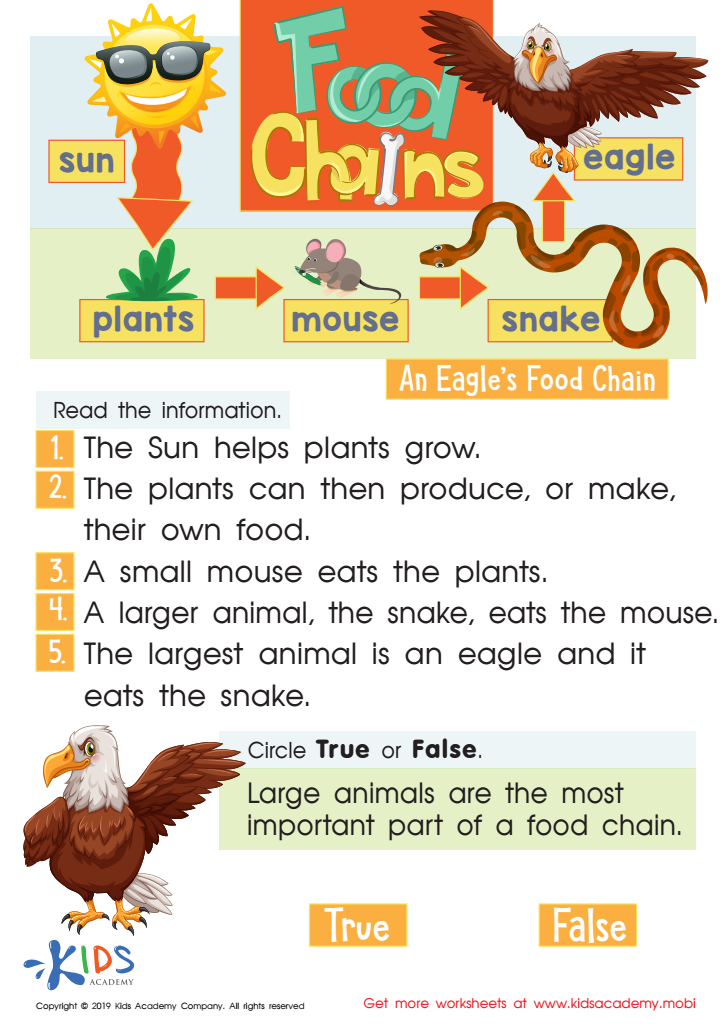
Food Chains Worksheet
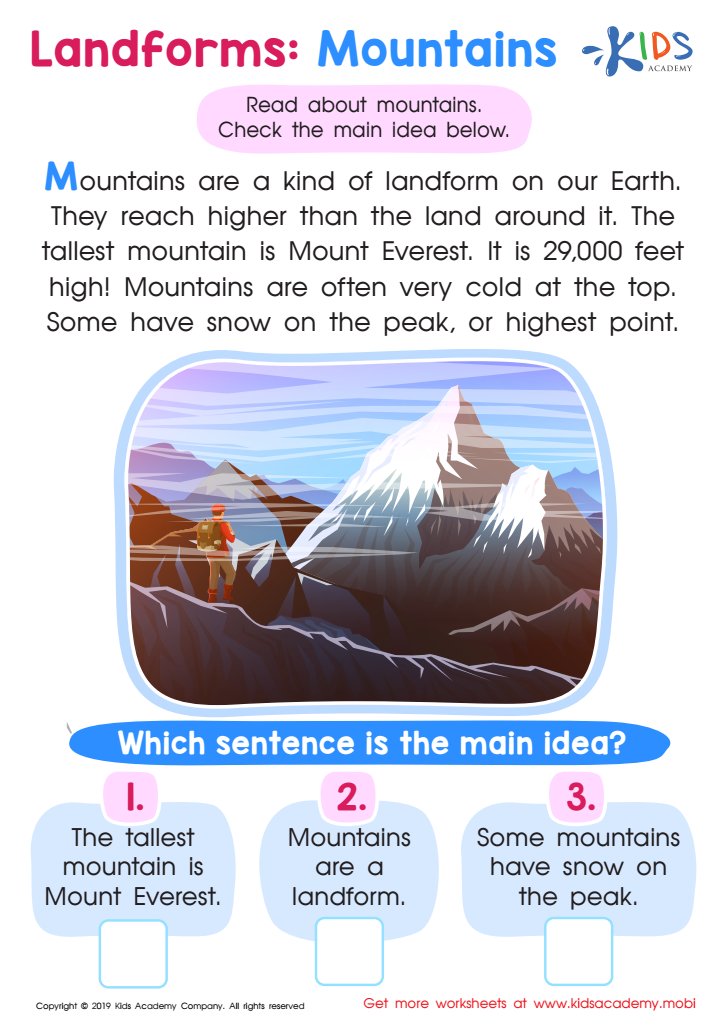
Landforms: Mountains Worksheet
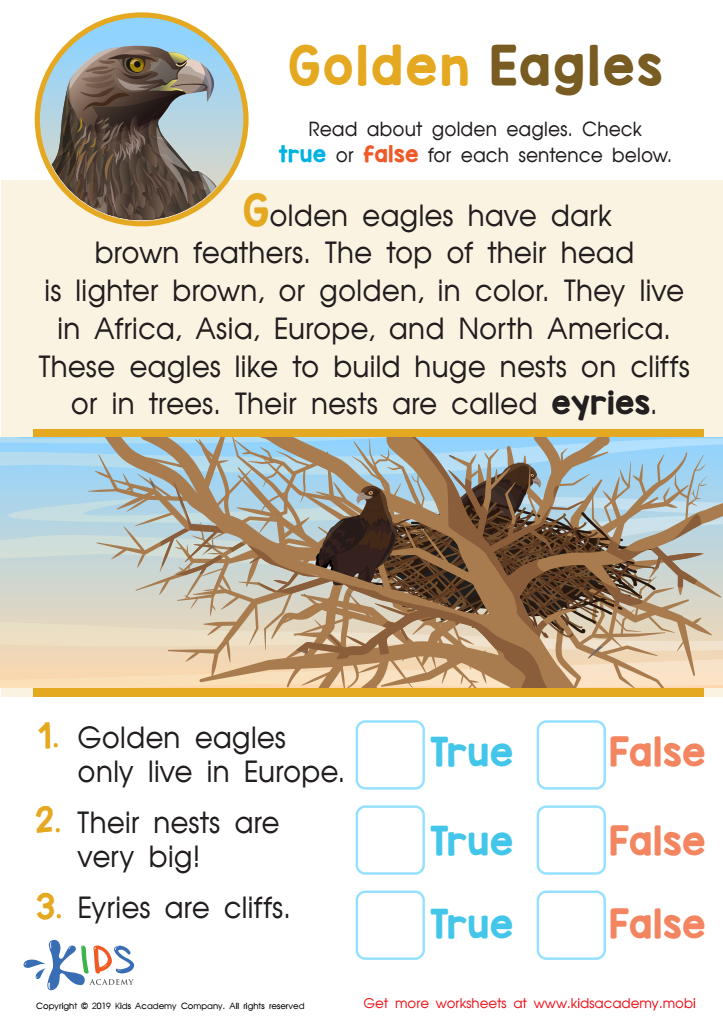
Golden Eagles Worksheet
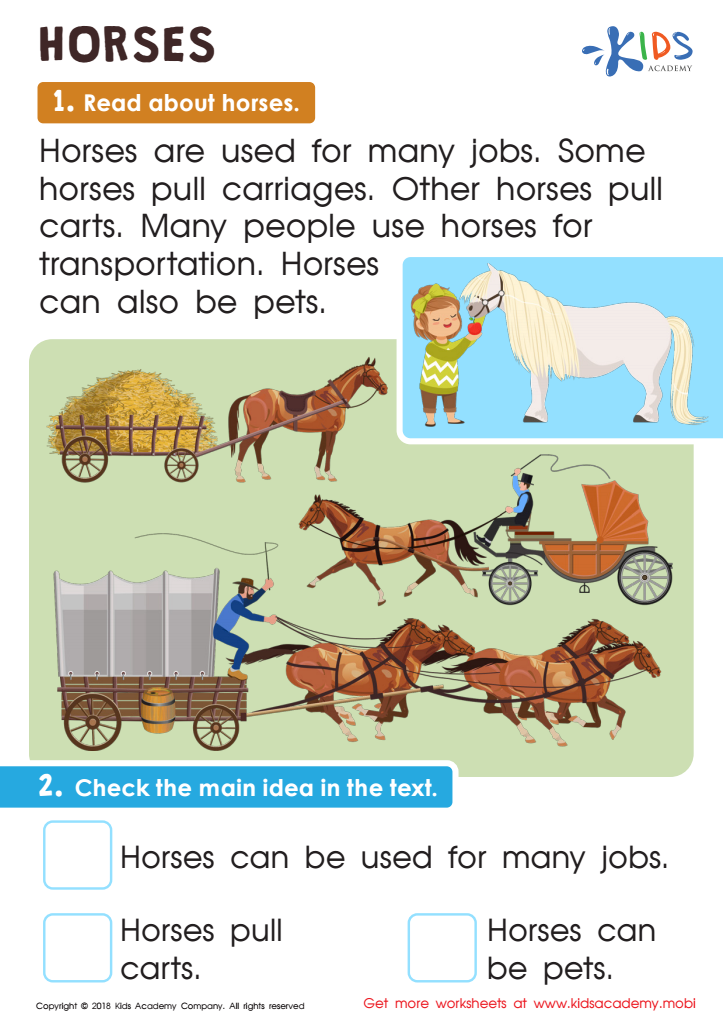
Horses Worksheet
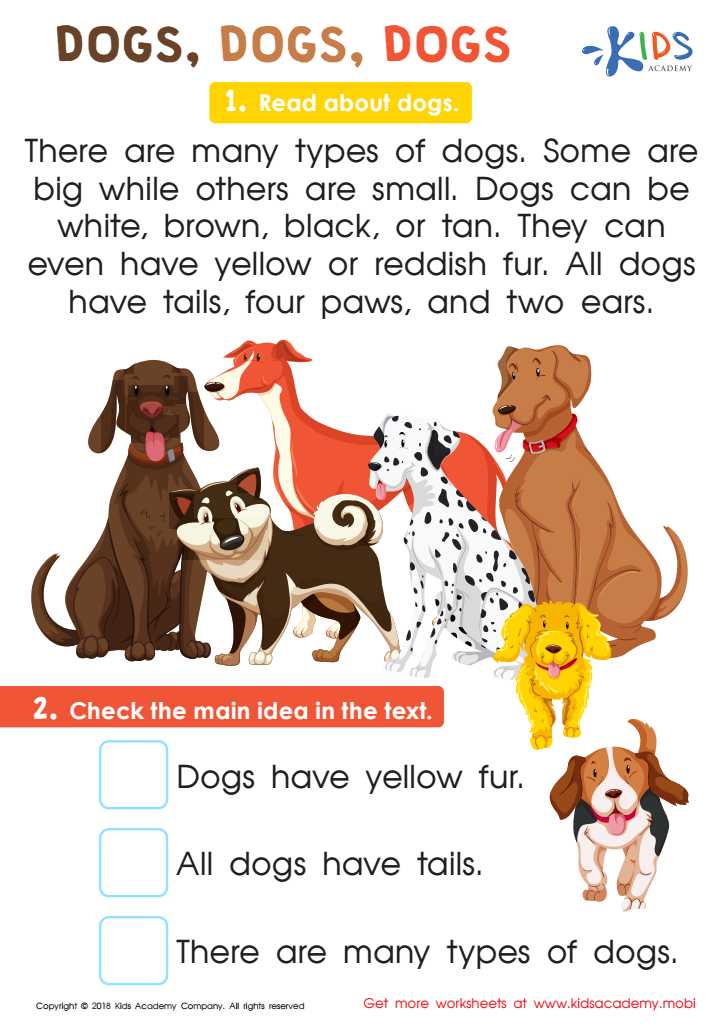
Dogs, Dogs Worksheet
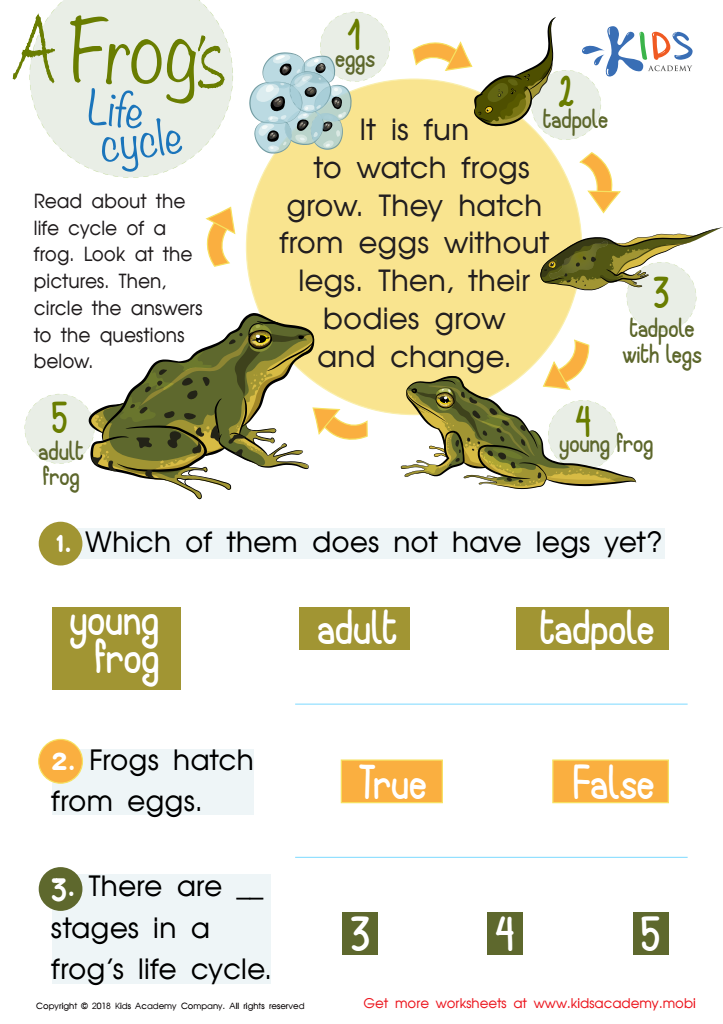
A Frog’s Life Cycle Worksheet
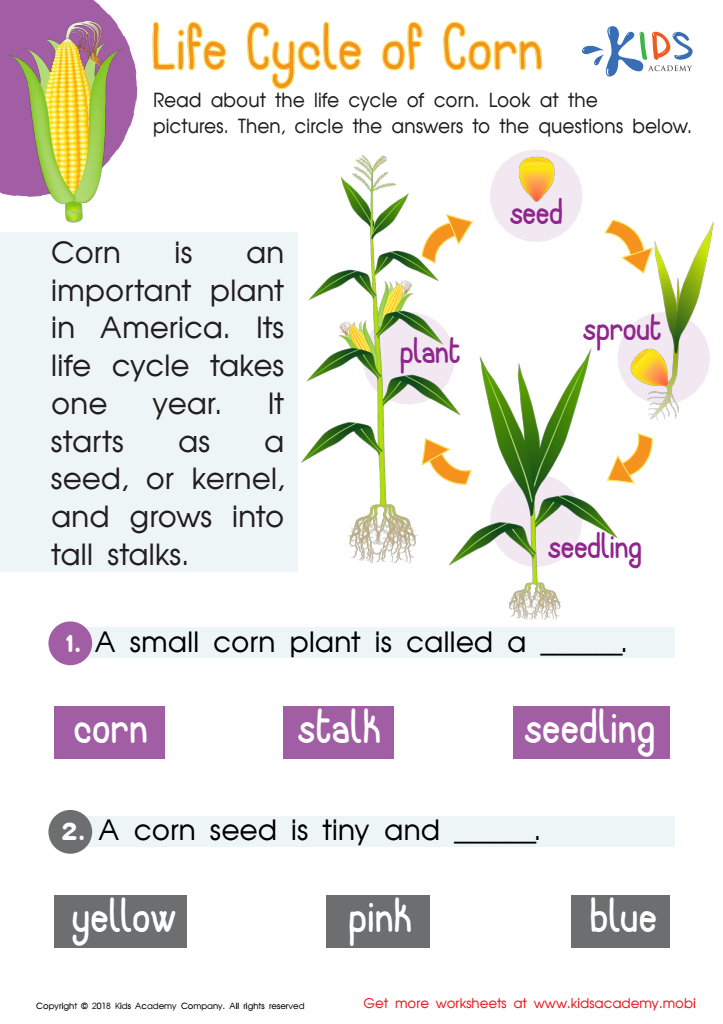
Life Cycle of Corn Worksheet







Reading non-fiction for children ages 3-9 is crucial for several reasons. First, non-fiction books introduce young readers to real-world concepts, providing a foundation for understanding their environment. This early exposure helps foster curiosity about nature, science, history, and cultures, laying the groundwork for future learning.
Second, non-fiction enhances vocabulary development. By engaging with factual information and diverse terminology, children expand their language skills, which is vital for literacy development. A rich vocabulary enables them to articulate their thoughts and desires more effectively, building confidence in communication.
Additionally, reading non-fiction promotes critical thinking skills. Children learn to ask questions, discern fact from fiction, and cultivate a deeper understanding of the world around them. These skills are essential not only for academic success but also for making informed decisions in their lives.
Finally, sharing non-fiction books can deepen the connection between parents, teachers, and children. Discussing fascinating facts and concepts together encourages bonding moments and instills a lifelong love for reading. In conclusion, prioritizing non-fiction literacy helps children develop a well-rounded skill set vital for academic achievement and personal growth, making it an essential focus for parents and educators alike.








