Governance and Civics Worksheets for Ages 3-9 - Page 3
51 filtered results
-
From - To
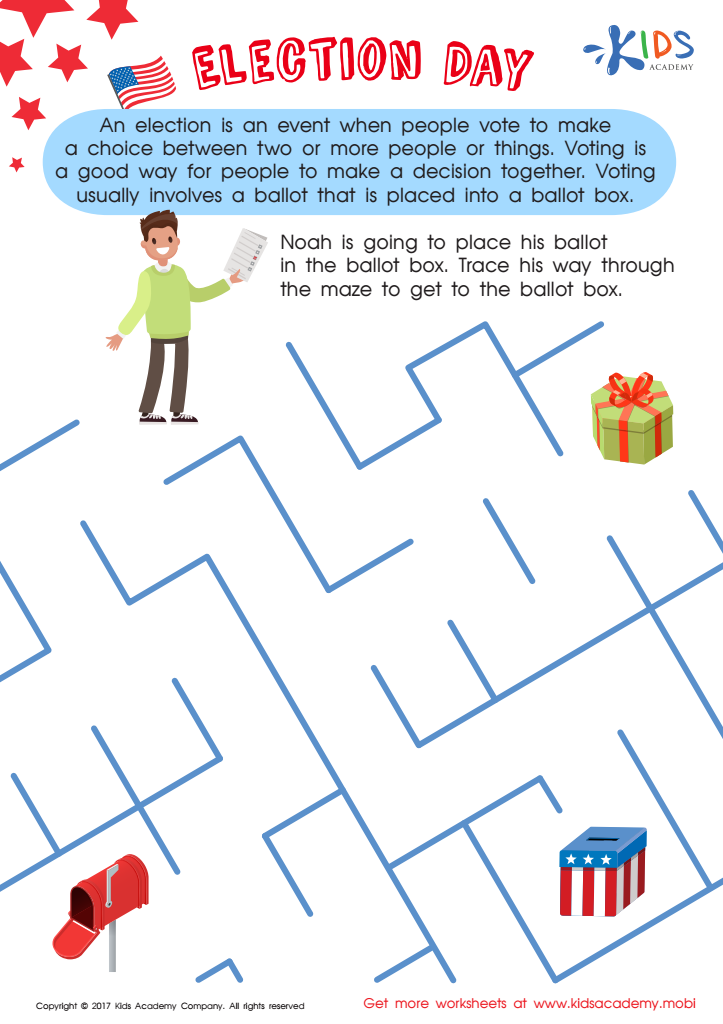
Election Day Worksheet
 Assign to My Students
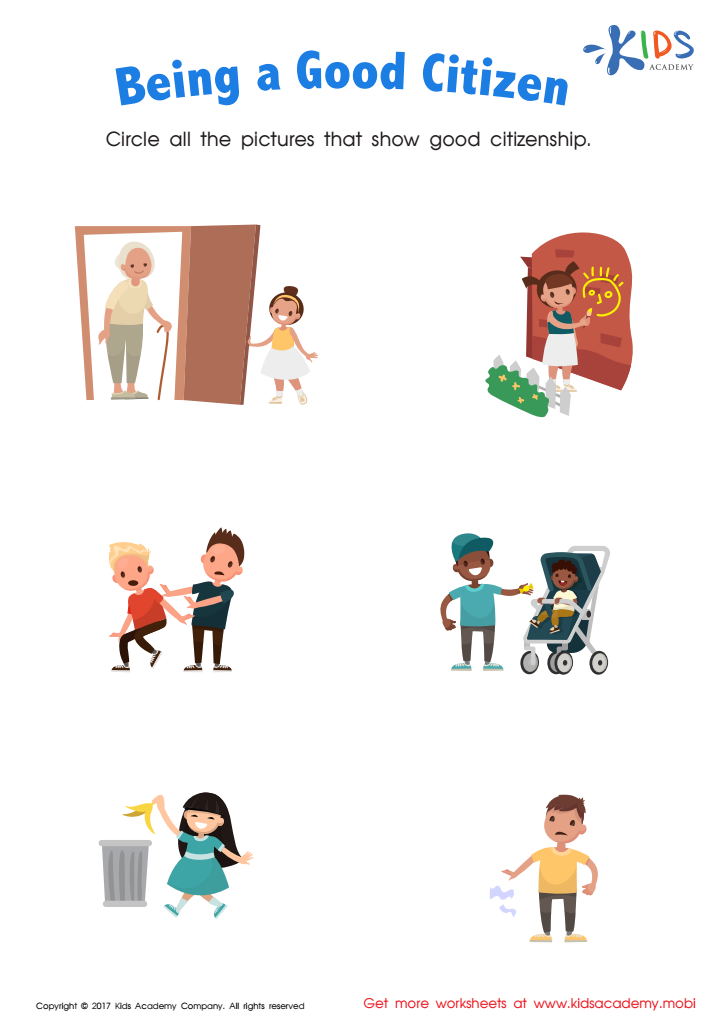
Being a Good Citizen Printable
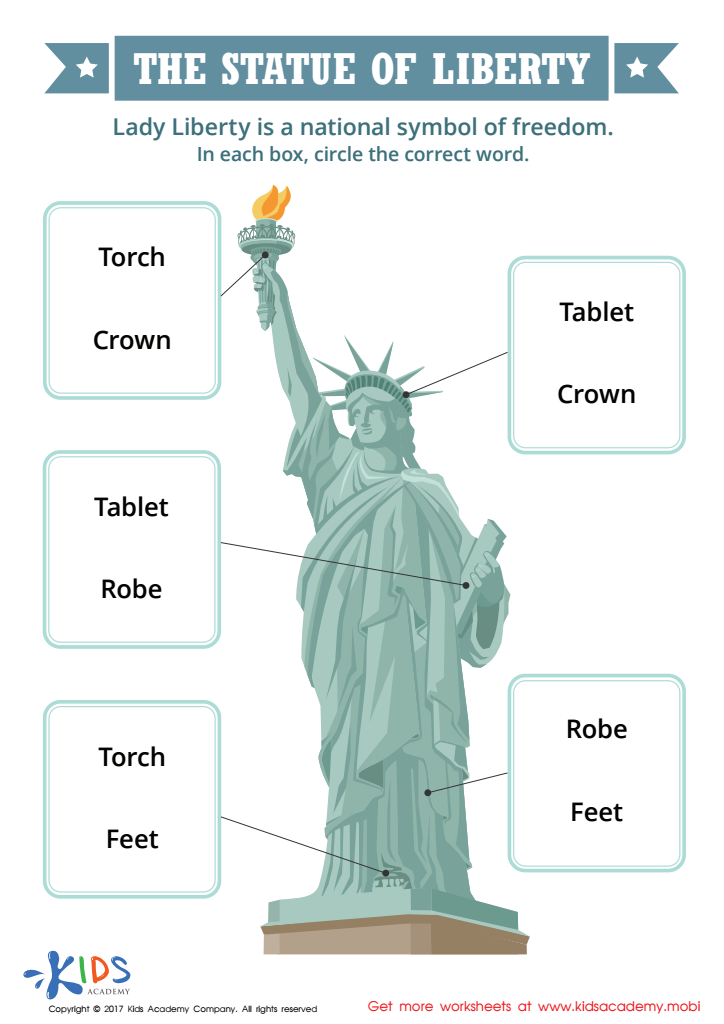
The Statue of Liberty Printable


Teaching governance and civics to children aged 3-9 is fundamental for fostering active, informed citizens. At this early stage, children begin to form their understanding of community, rules, and responsibilities. By incorporating these concepts into their education, parents and teachers can help children recognize the importance of participation, cooperation, and respect for others.
Understanding basic governance concepts empowers young children to develop a sense of agency. They learn how decisions affect their lives and the environment around them. Engaging in discussions about fairness, sharing, and taking turns helps lay the foundation for civic responsibility. When children grasp the significance of rules—be they at home, in school, or in the community—they begin to appreciate the role of governance in maintaining order and fairness.
Furthermore, introducing civics at this age promotes empathy and social awareness. By exploring diverse perspectives and cultural backgrounds, children develop compassion and respect for others, creating a more inclusive future society. Ultimately, instilling the values of governance and civics early on encourages children to grow into responsible, engaged individuals, ready to contribute positively to their communities and the world at large. This foundational learning shapes tomorrow’s leaders and active participants in democracy.








