Community Worksheets for Ages 3-9 - Page 2
30 filtered results
-
From - To
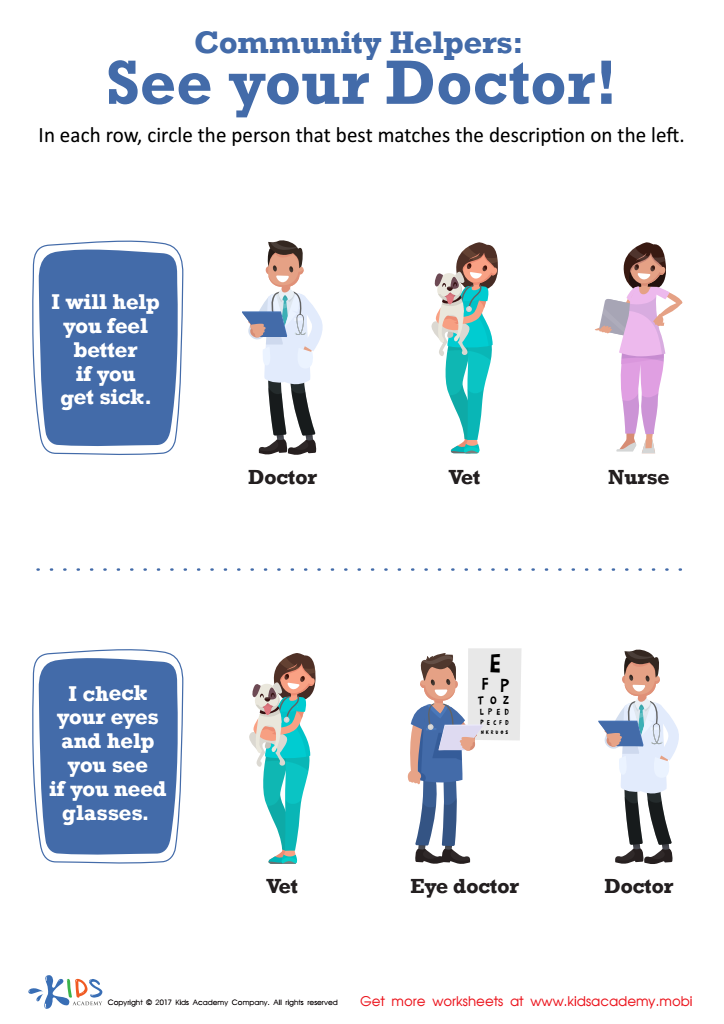
See Your Doctor (Part 1) Printable
 Assign to My Students

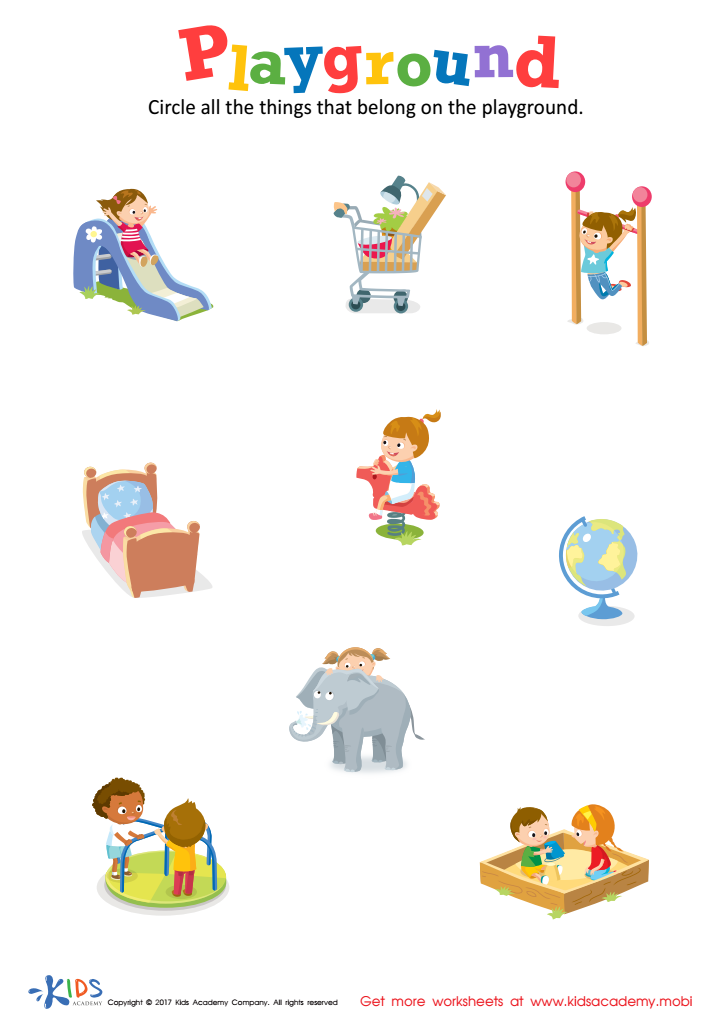
Playground Worksheet

Grocery Store Worksheet
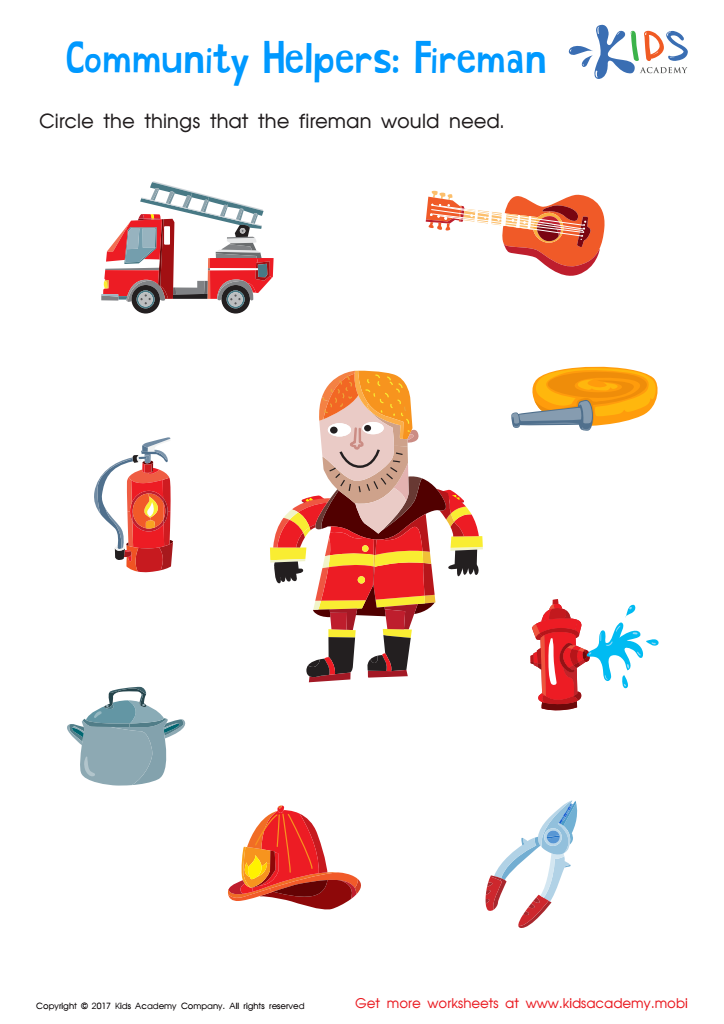
Fireman Worksheet
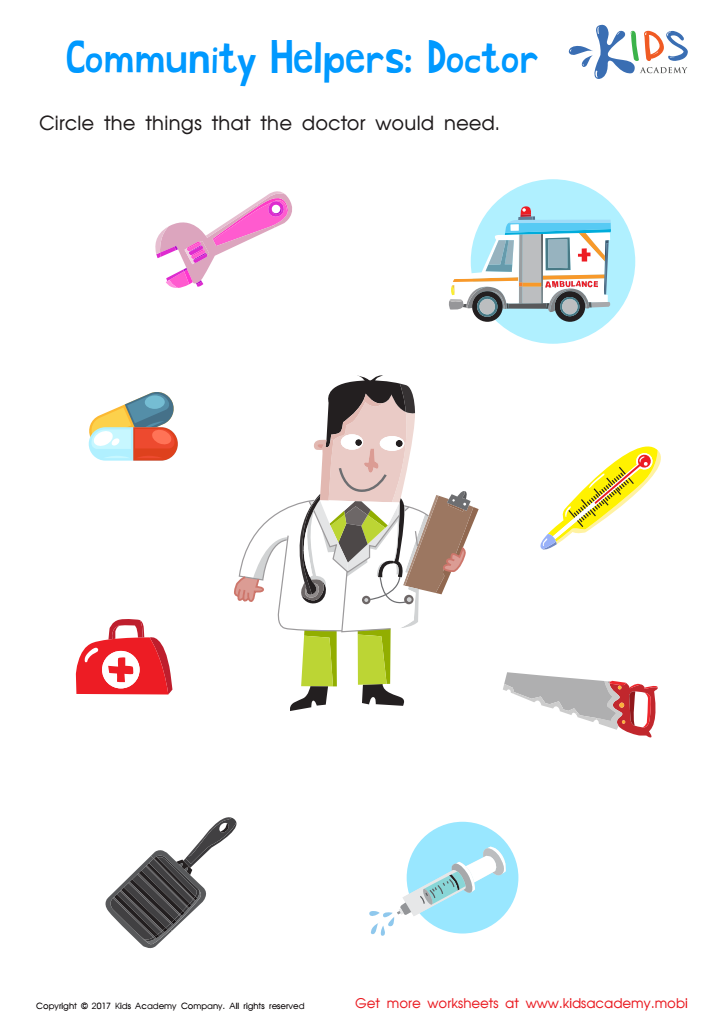


.jpg)





Parents and teachers should care deeply about fostering a sense of community for children aged 3-9 because early social interactions and relationships play a crucial role in children's development. During these formative years, children are establishing their social skills, emotional intelligence, and understanding of the world around them. A strong community provides a supportive network where children can engage in cooperative play, collaborative learning, and mutual respect.
In a community setting, children learn important values such as empathy, sharing, and teamwork, which are essential for their social development. This environment not only nurtures friendships but also enhances their ability to communicate effectively and resolve conflicts peacefully. Furthermore, a connected community offers diverse opportunities for children to explore different cultures, perspectives, and experiences, enriching their understanding and acceptance of others.
Parents and teachers play pivotal roles in this development. By actively participating in community activities or fostering inclusive classroom environments, they can model and teach positive behaviors. Ultimately, investing in a strong community helps to create a safe, enriching space where children can thrive, build self-esteem, and develop essential life skills, setting the foundation for their success in school and beyond.