Tracing Letters Worksheets for Ages 4-7 - Page 2
58 filtered results
-
From - To
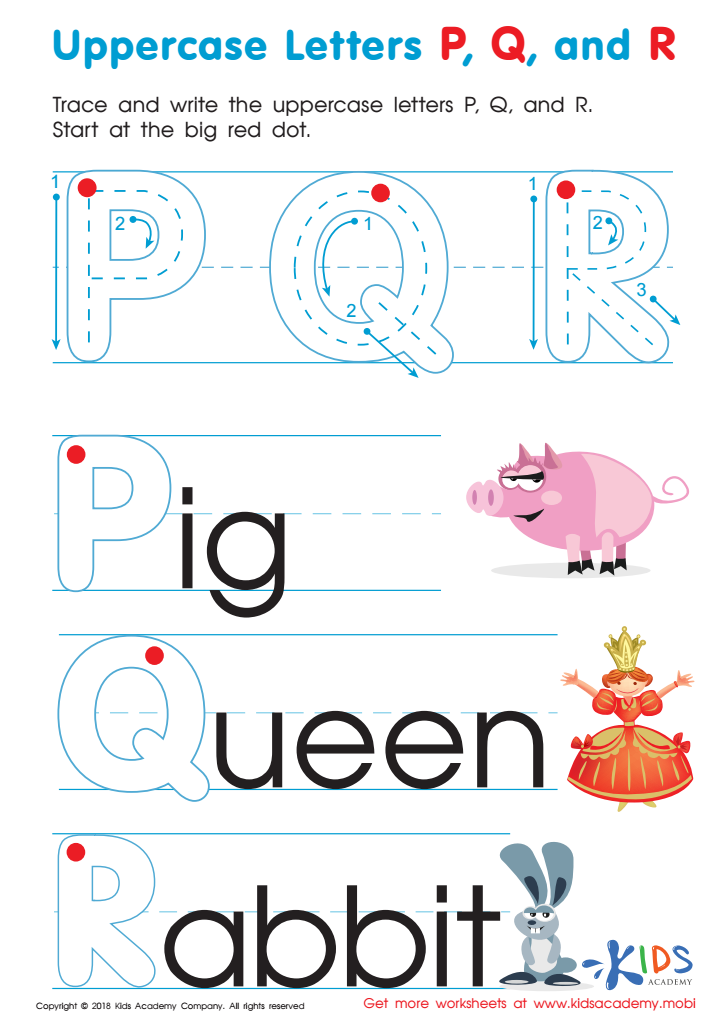
Uppercase Letters P, Q, and R Worksheet
 Assign to My Students
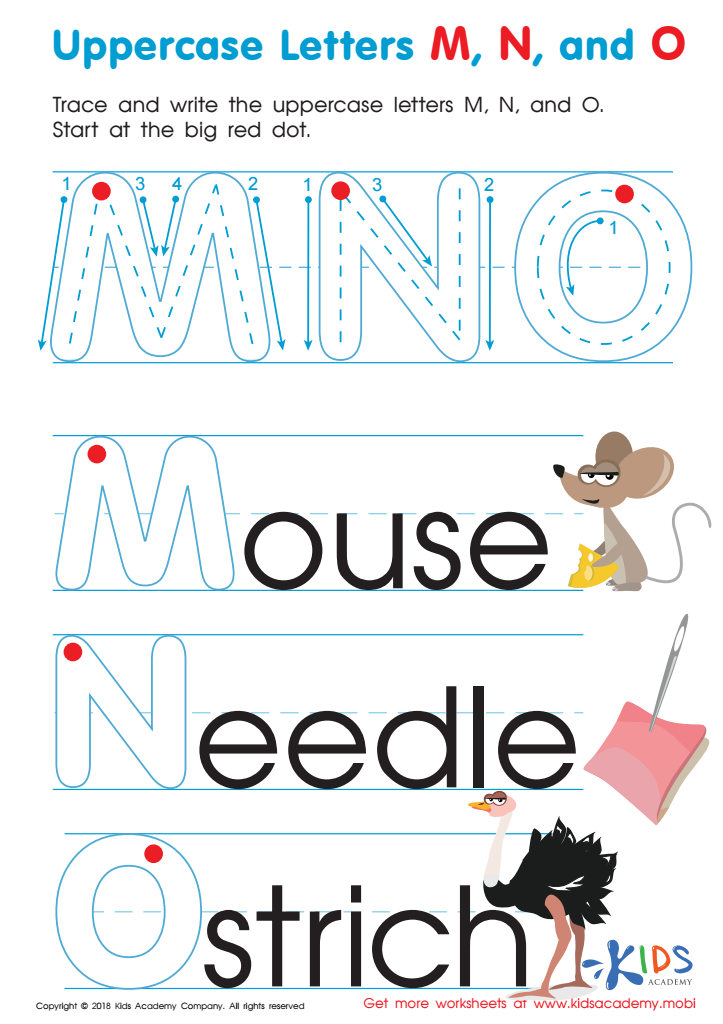
Uppercase Letters M, N, and O Worksheet
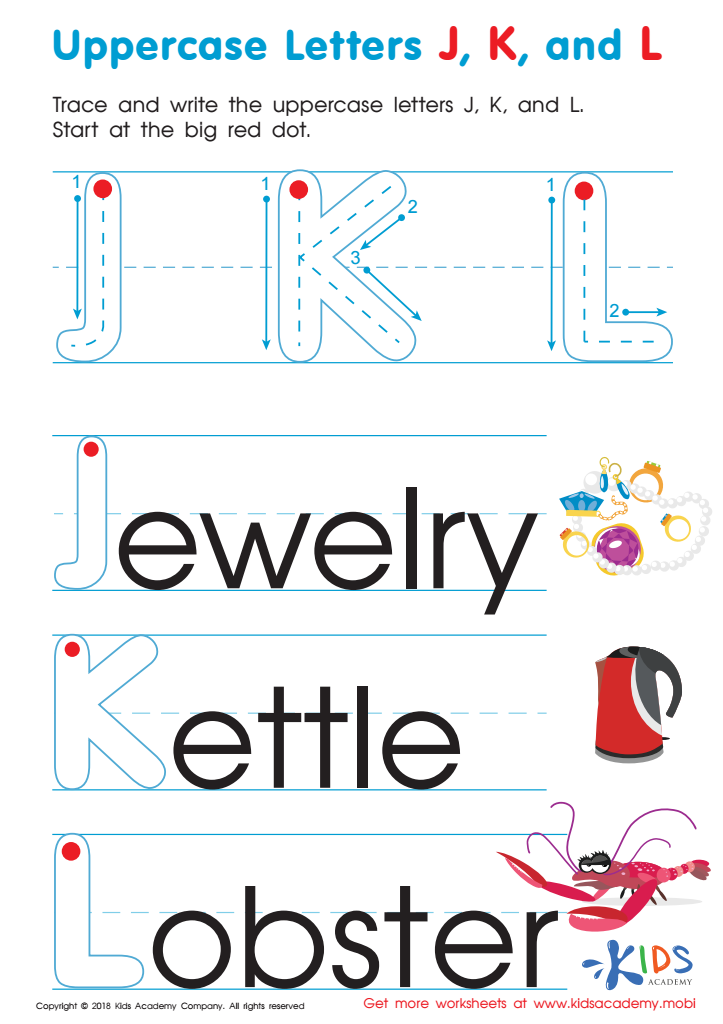
Uppercase Letters J, K, and L Worksheet
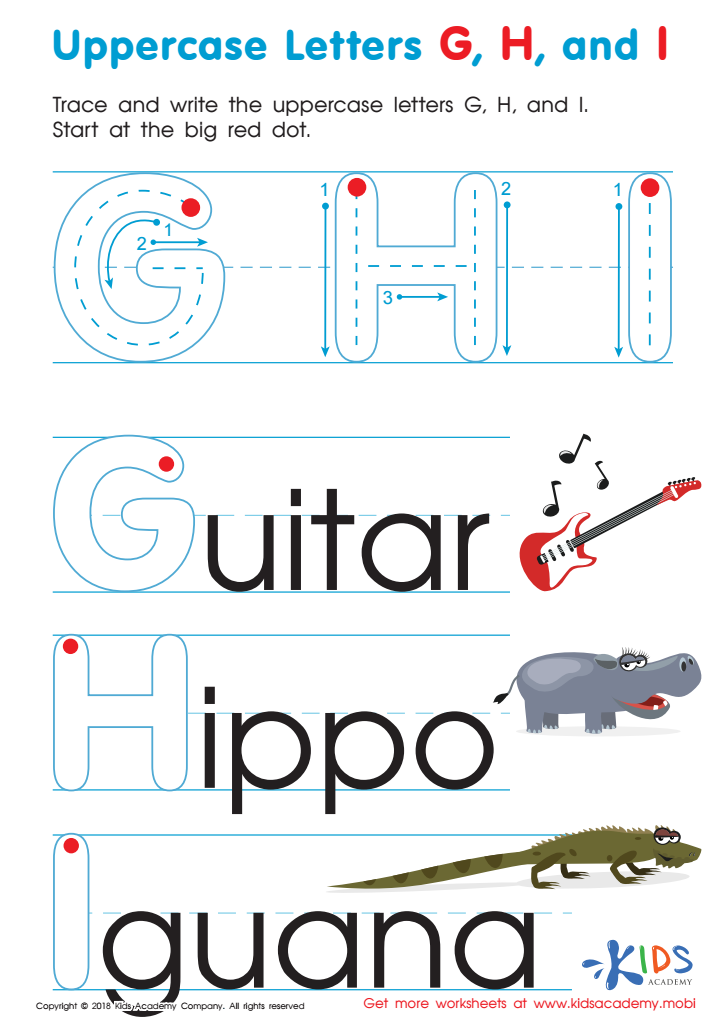
Uppercase Letters G, H, and I Worksheet
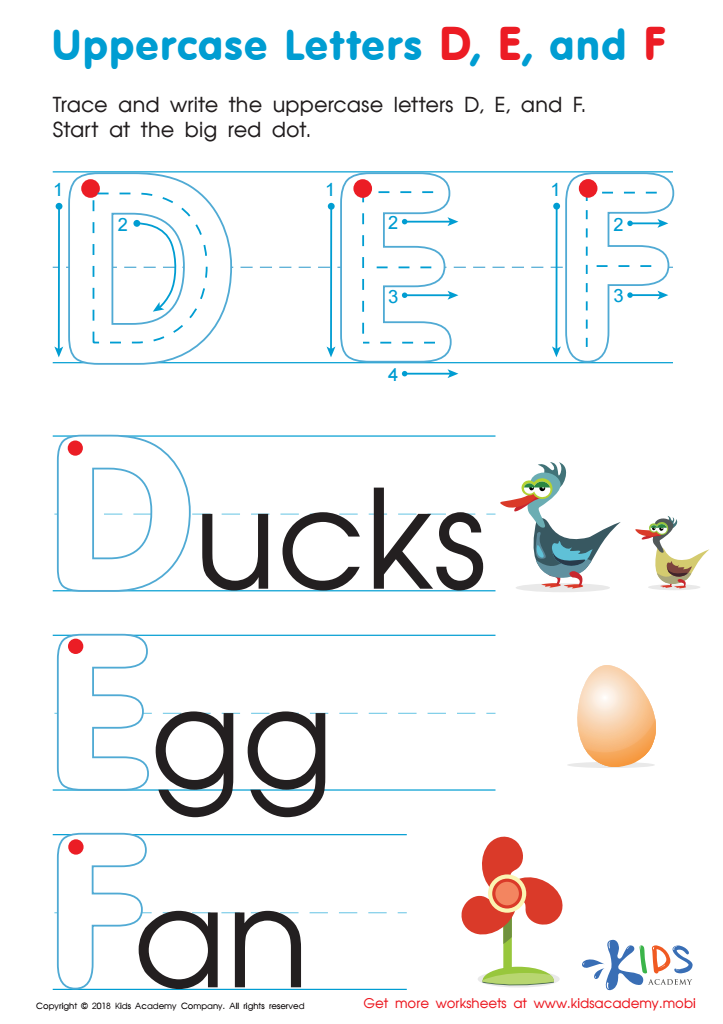
Uppercase Letters D, E, and F Worksheet
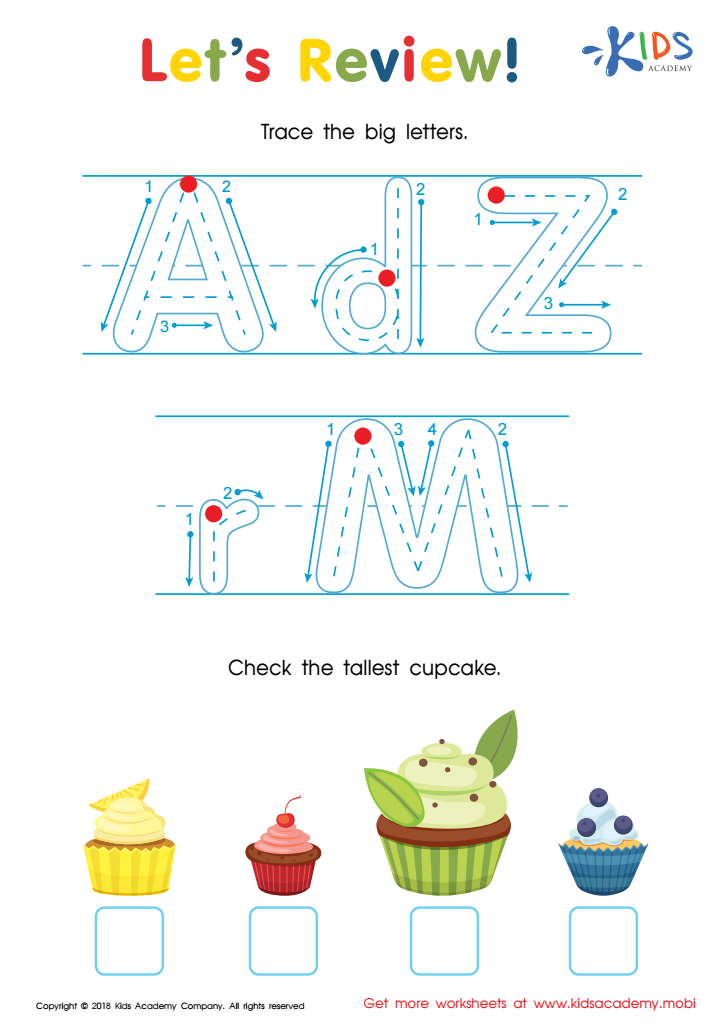
Let's Review! Big Letters Worksheet
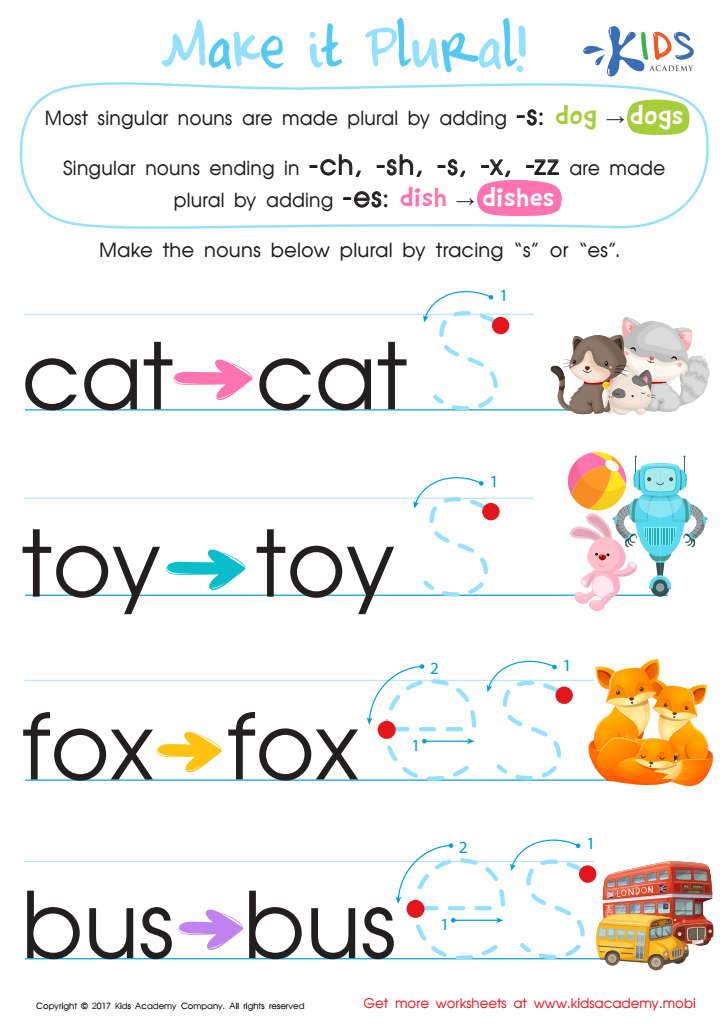
Make it Plural Worksheet
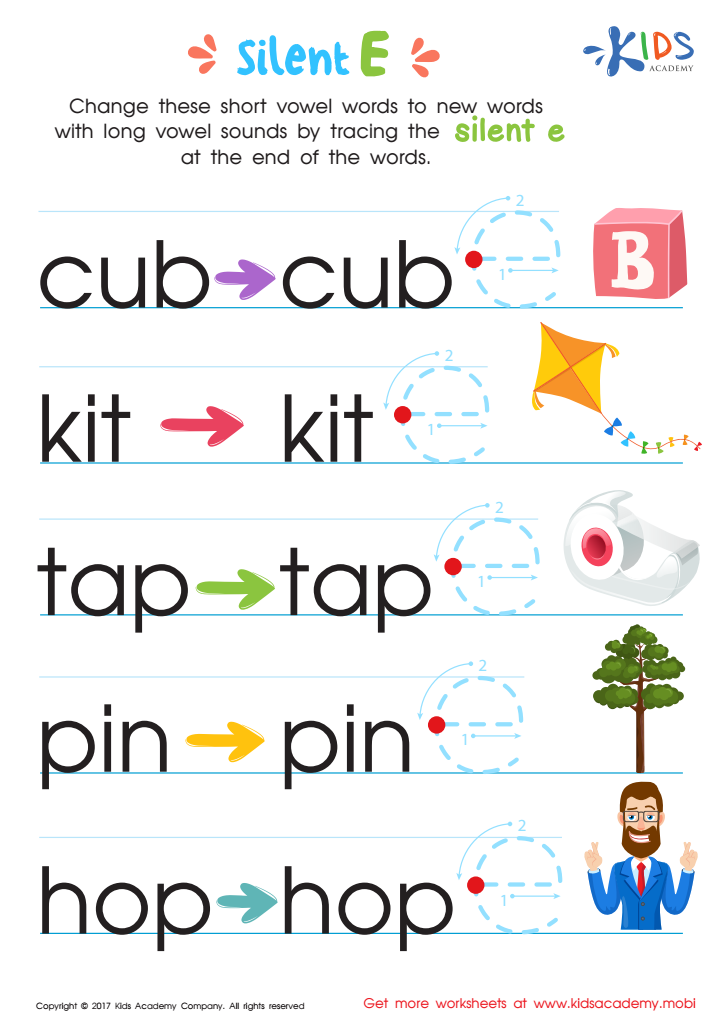
Silent E Words Worksheet
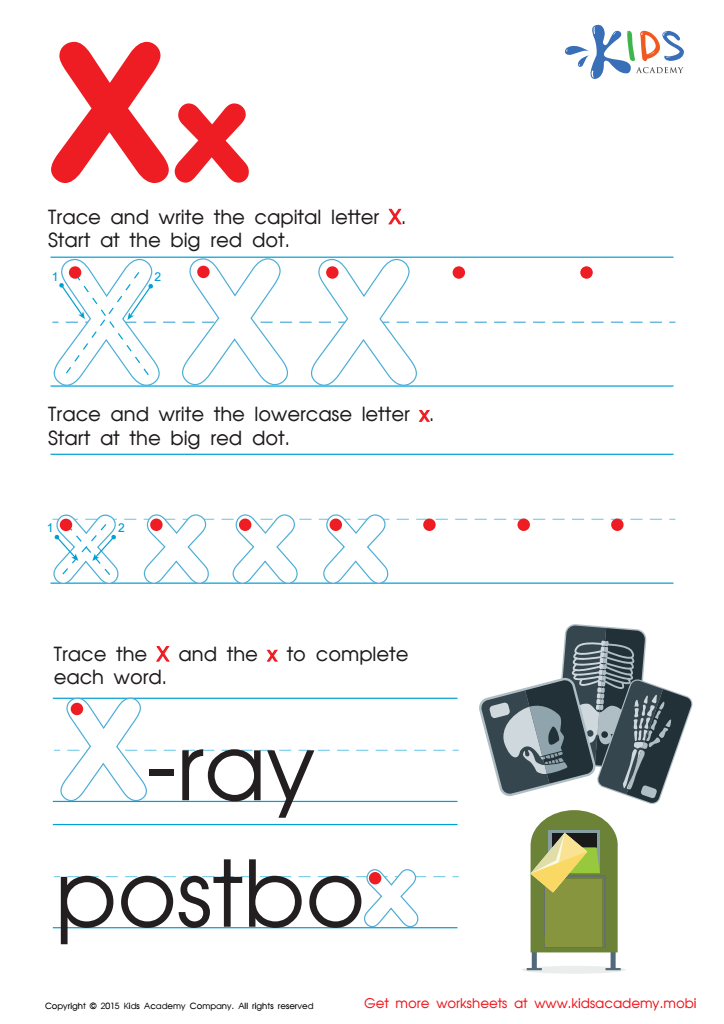
Letter X Tracing Page
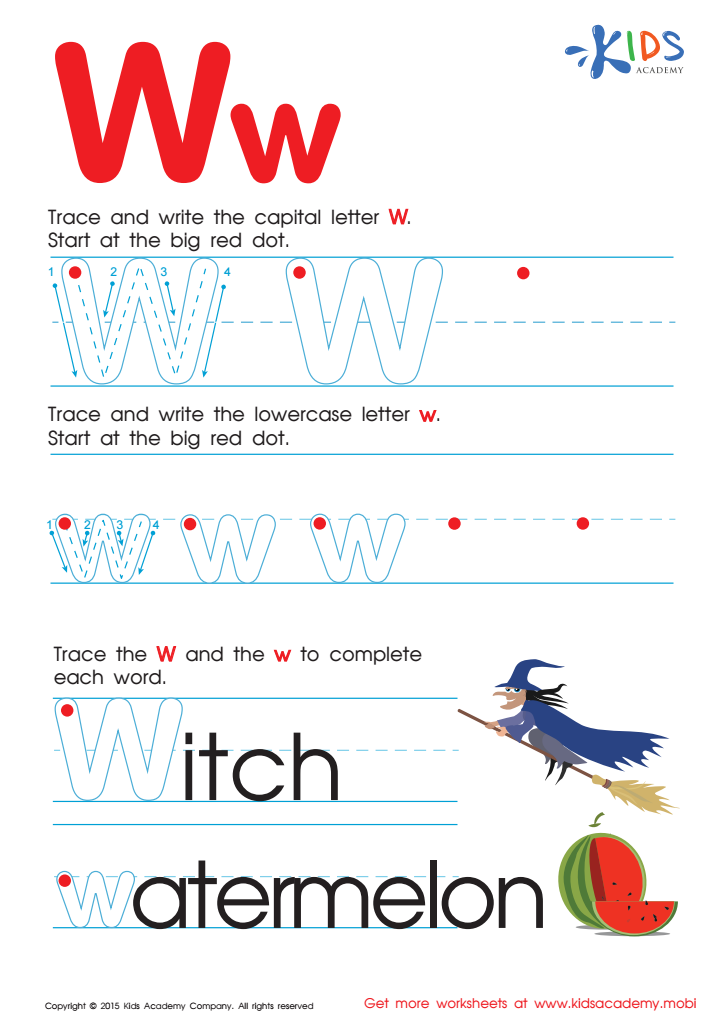
Letter W Tracing Page

Letter V Tracing Page
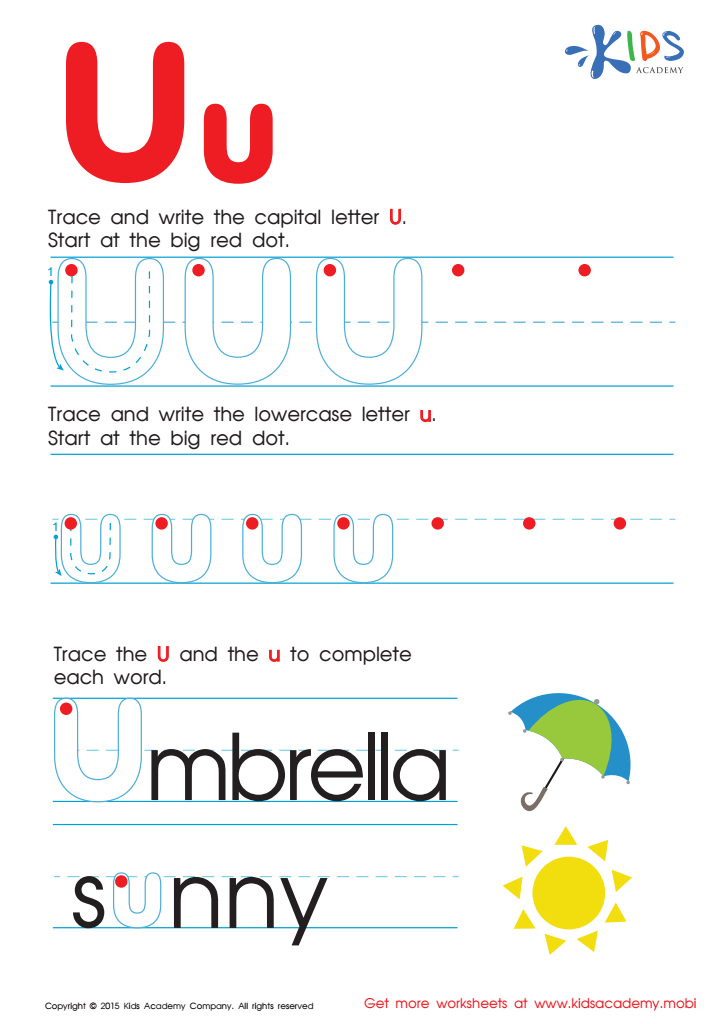
Letter U Tracing Page
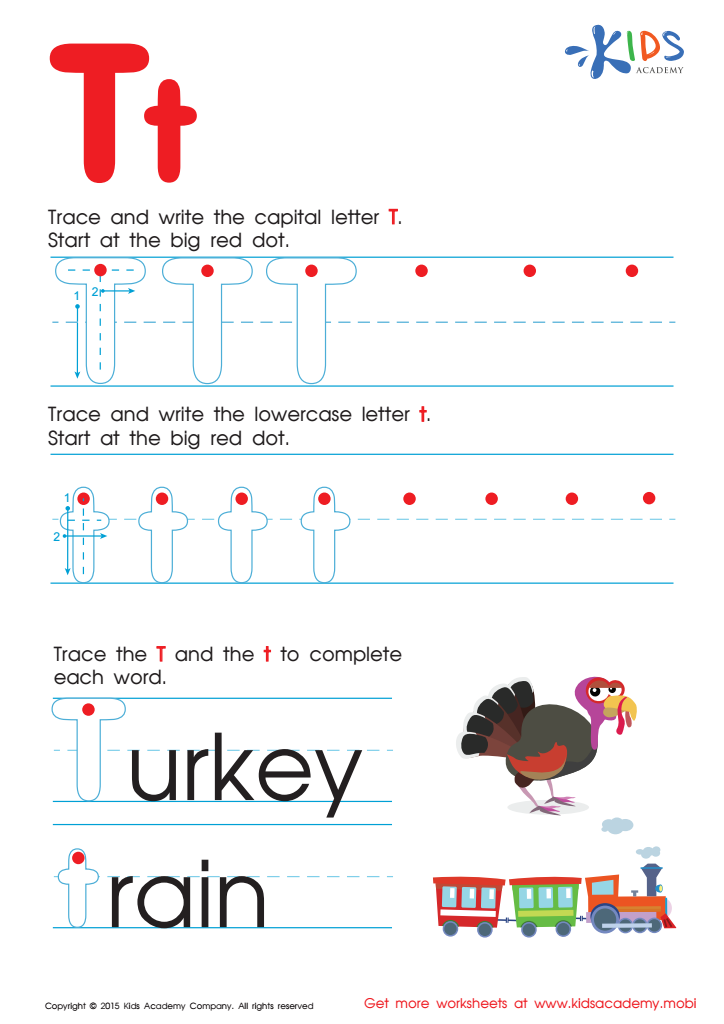
Letter T Tracing Page
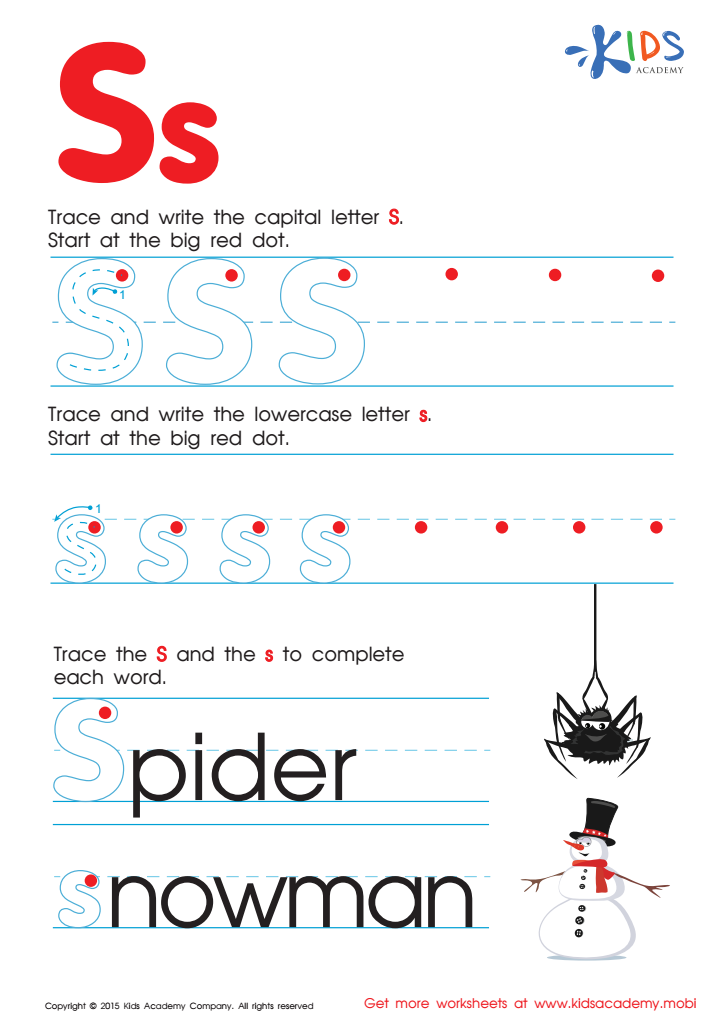
Letter S Tracing Page
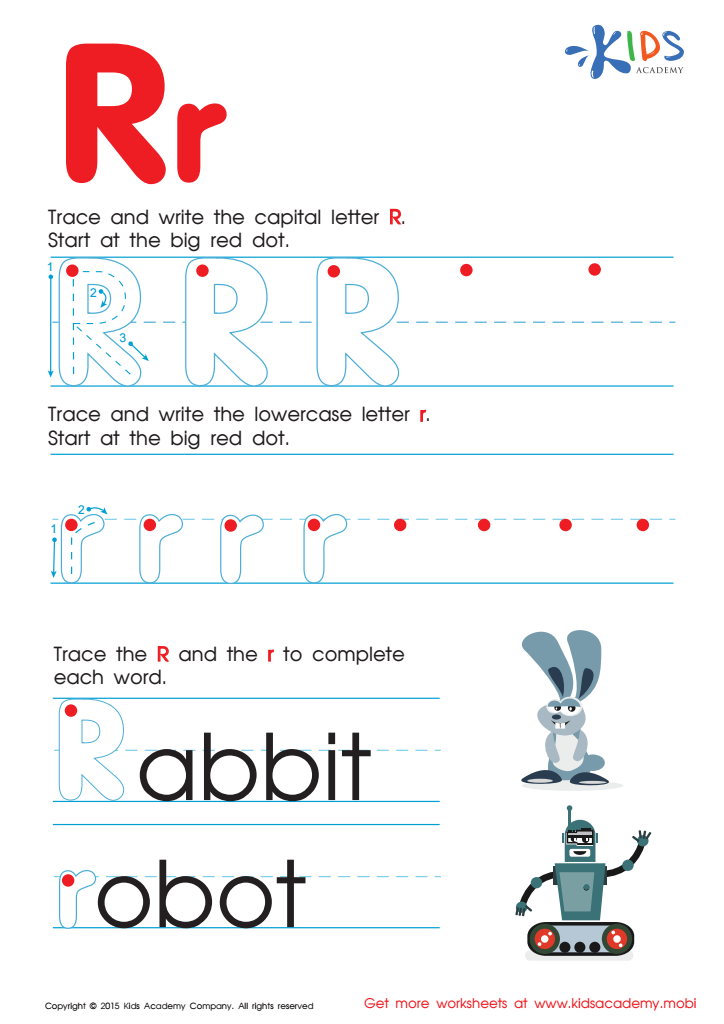
Letter R Tracing Page
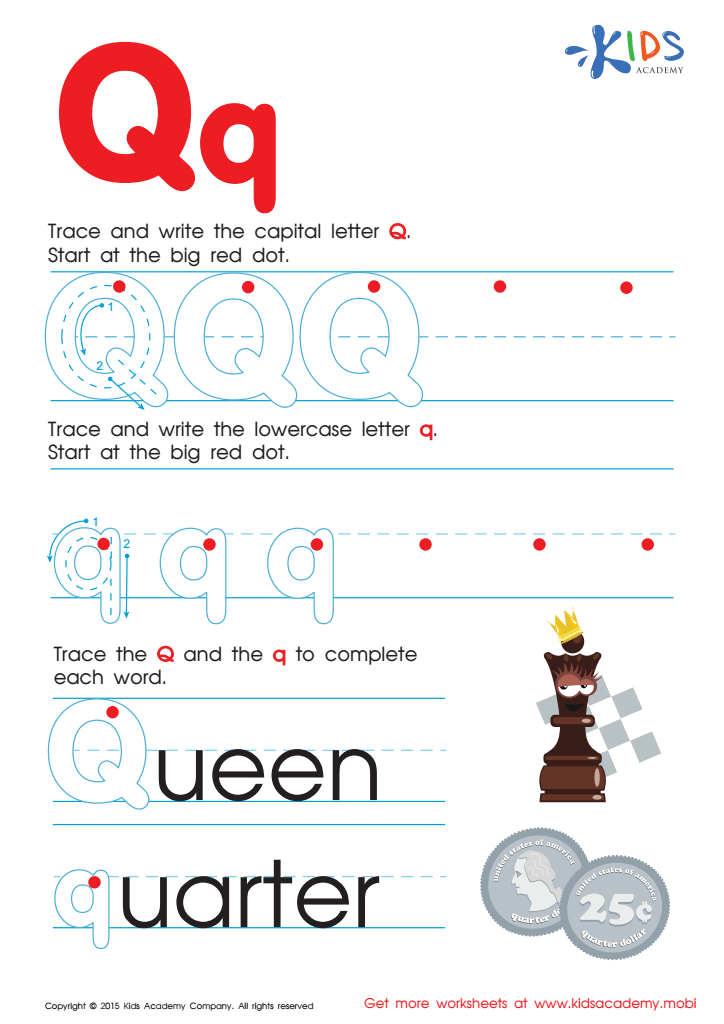
Letter Q Tracing Page
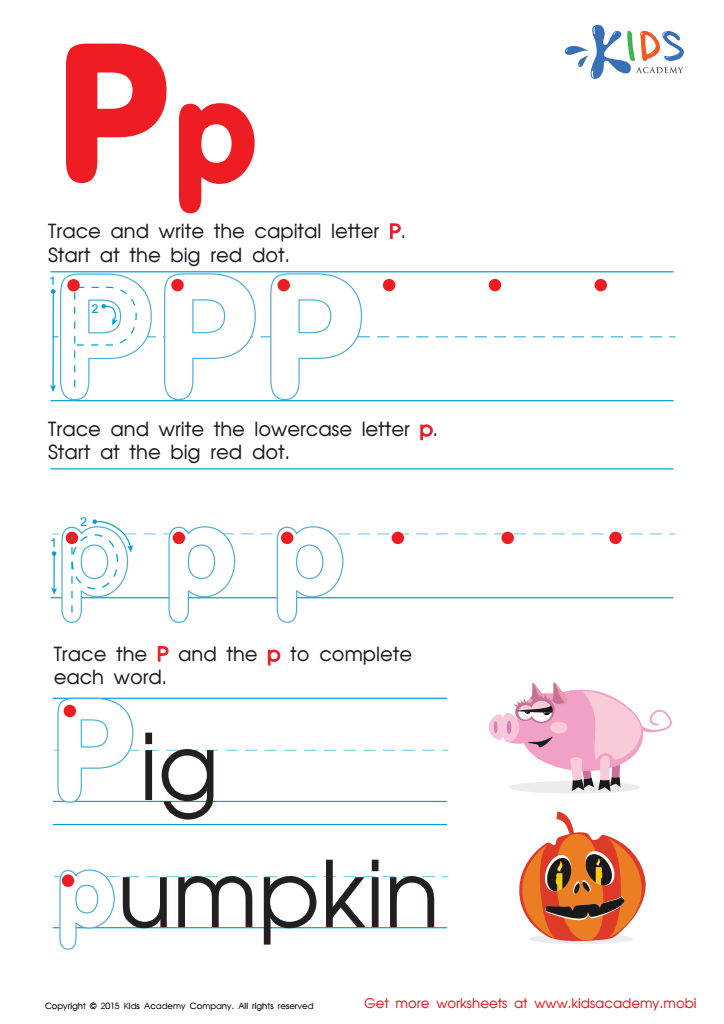
Letter P Tracing Page
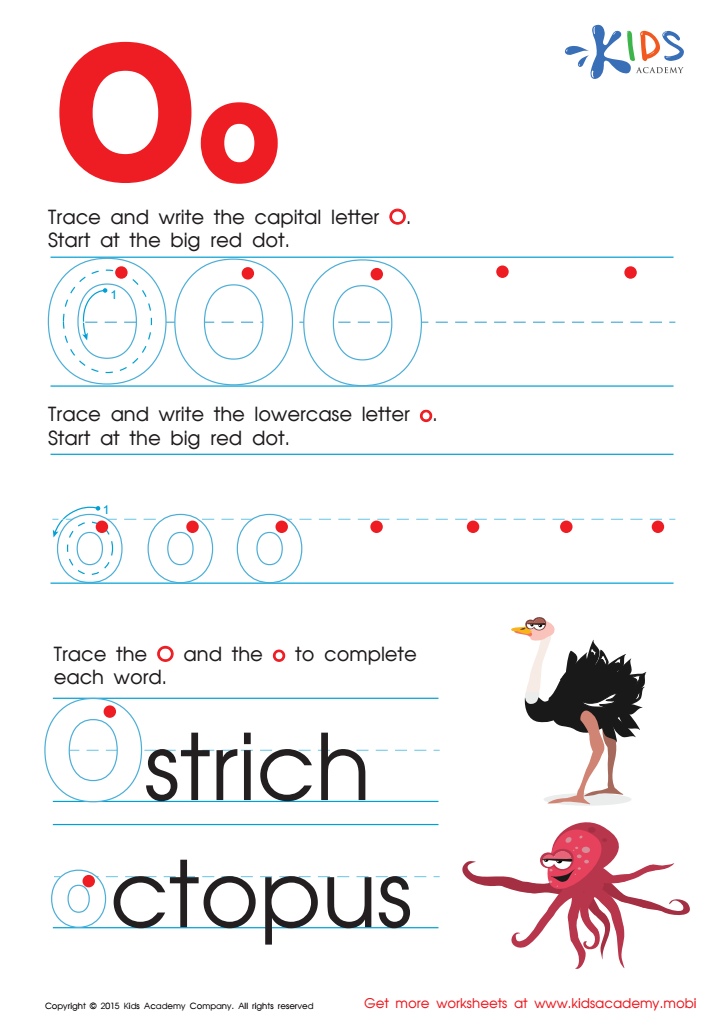
Letter O Tracing Page
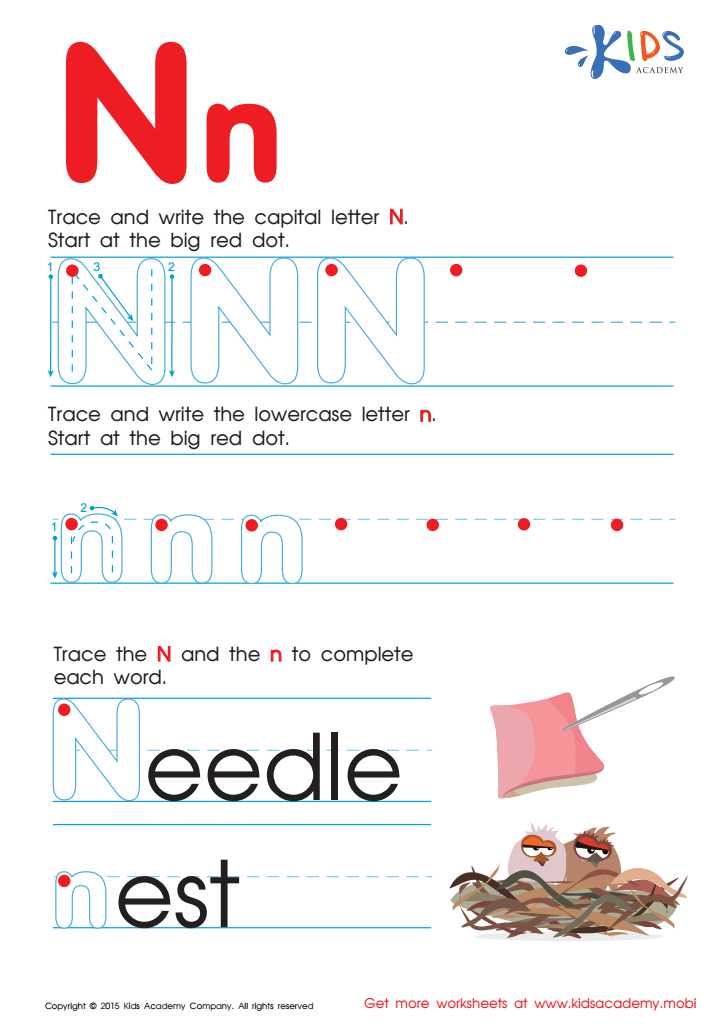
Letter N Tracing Page
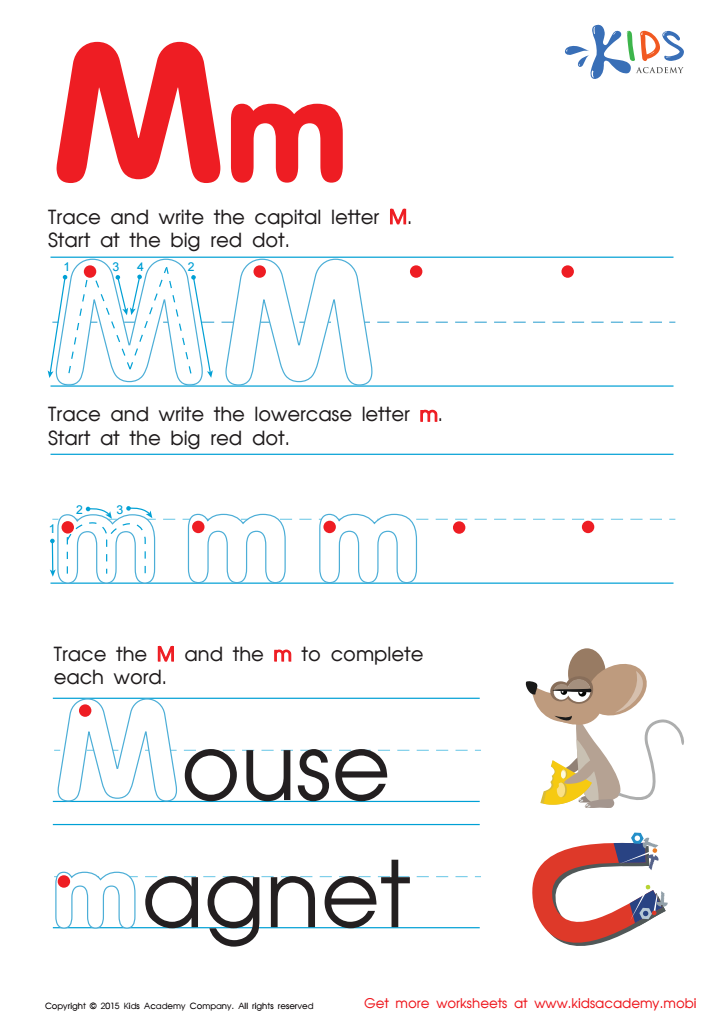
Letter M Tracing Page
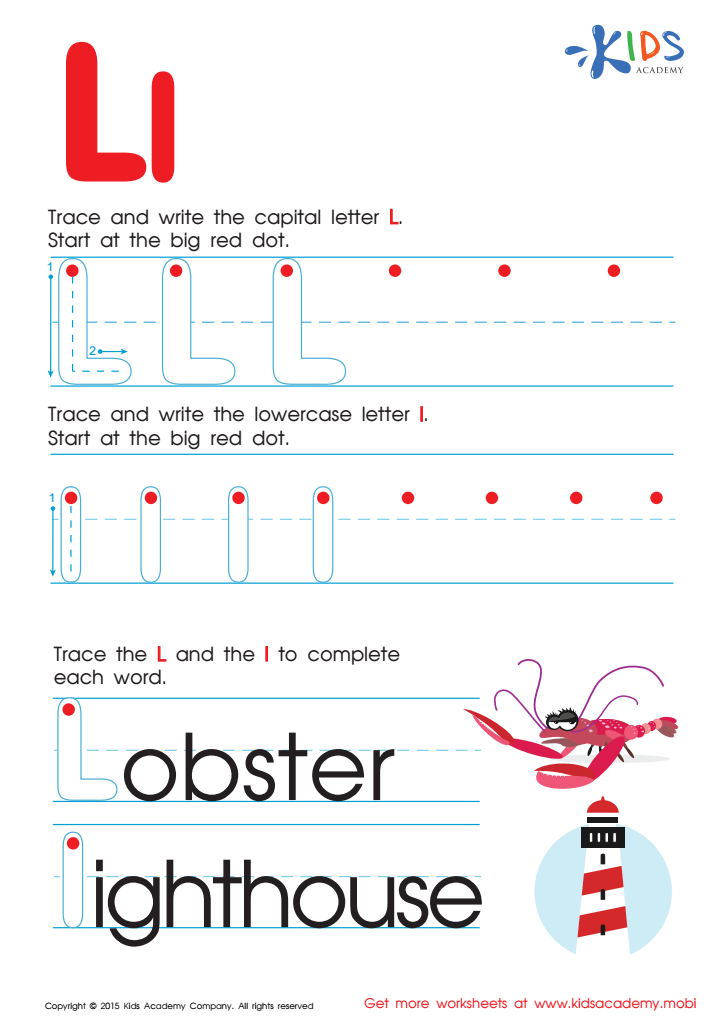
Letter L Tracing Page
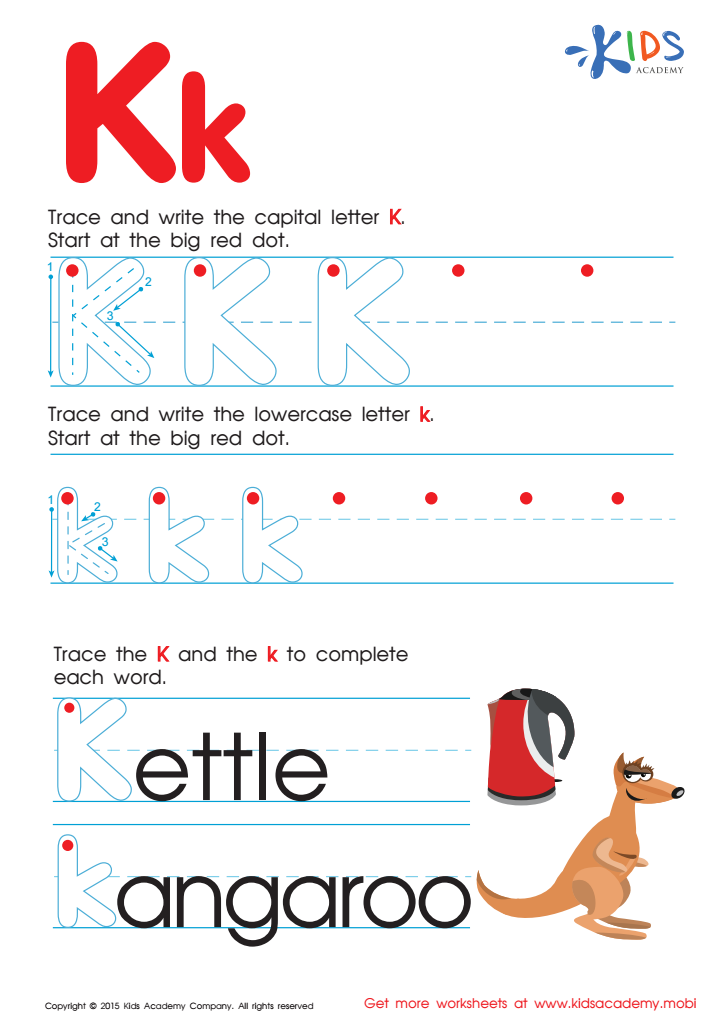
Letter K Tracing Page
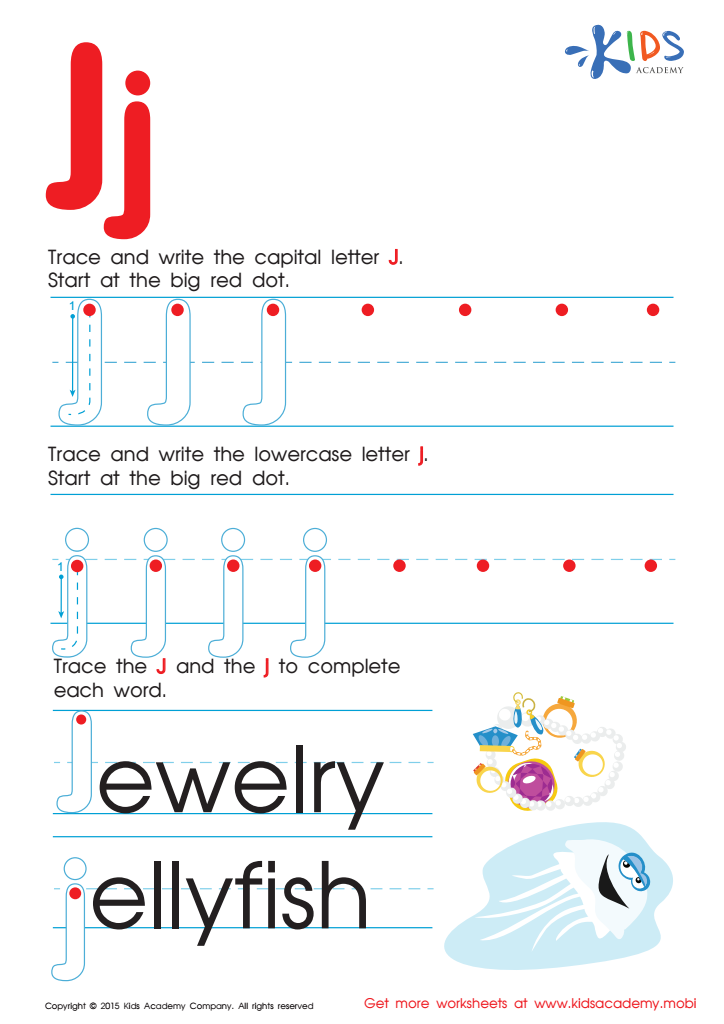
Letter J Tracing Page
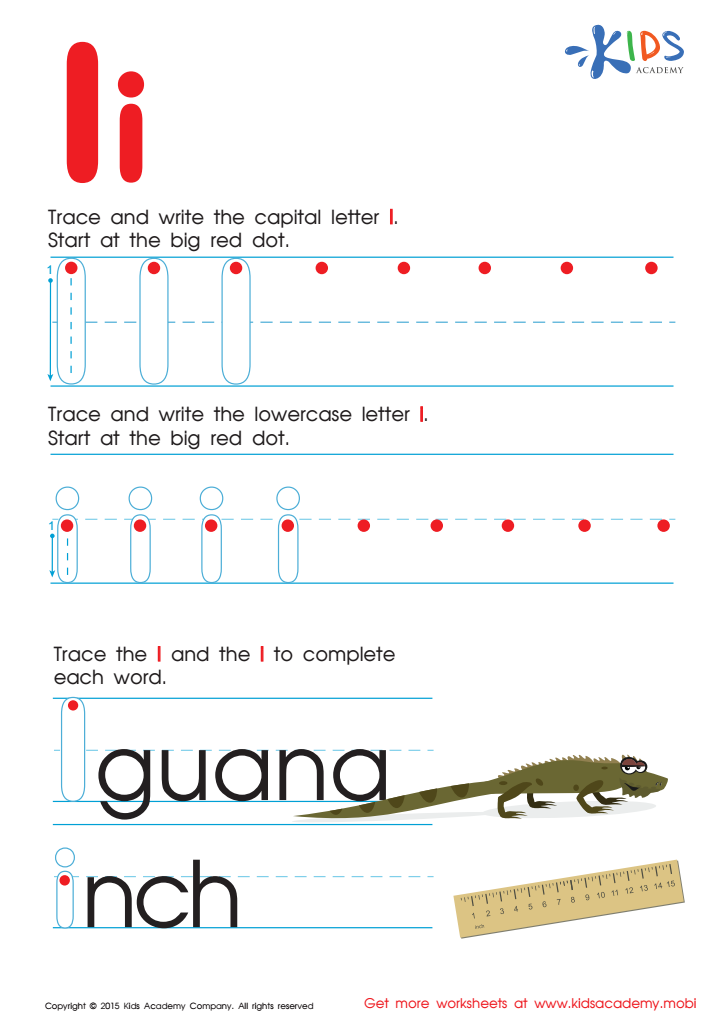
Letter I Tracing Page








Tracing letters is a foundational skill that plays a crucial role in literacy development for children aged 4-7. Parents and teachers should care about this activity because it not only enhances fine motor skills but also builds hand-eye coordination, which are essential for writing. Through tracing, children can familiarize themselves with letter shapes and sizes, starting their journey toward reading and writing proficiency.
Engaging in tracing activities helps reinforce the connection between the visual representation of letters and their sounds, aiding in phonemic awareness. This is pivotal for early reading skills, as it enables children to decode and recognize words. Additionally, tracing letters can be a fun and interactive way for children to explore their creativity while boosting their confidence in their abilities.
Moreover, tracing activities can cater to various learning styles, making it an adaptable approach in early education. Teachers and parents can use colorful worksheets, digital apps, or tactile materials to keep children engaged. By prioritizing letter tracing, adults can support a solid literacy foundation, paving the way for academic success and a lifelong love for reading and writing. In essence, tracing letters is a foundational skill that lays the groundwork for a child's educational journey.








