Measurement Worksheets for Ages 4-9 - Page 2
109 filtered results
-
From - To
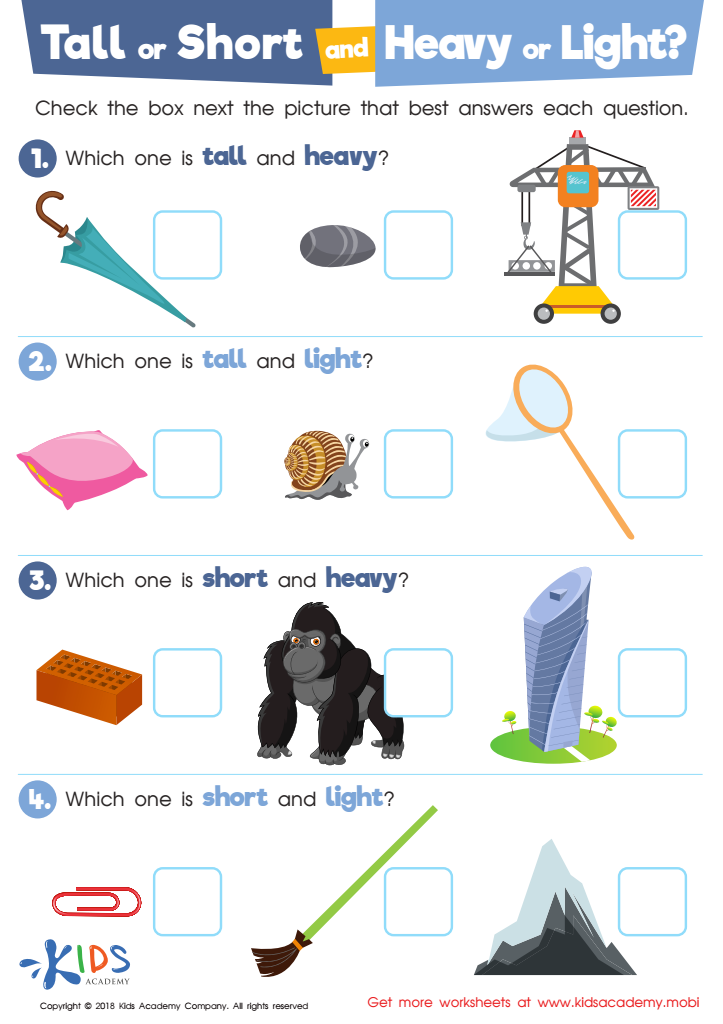
Tall or Short and Heavy or Light? Worksheet
 Assign to My Students
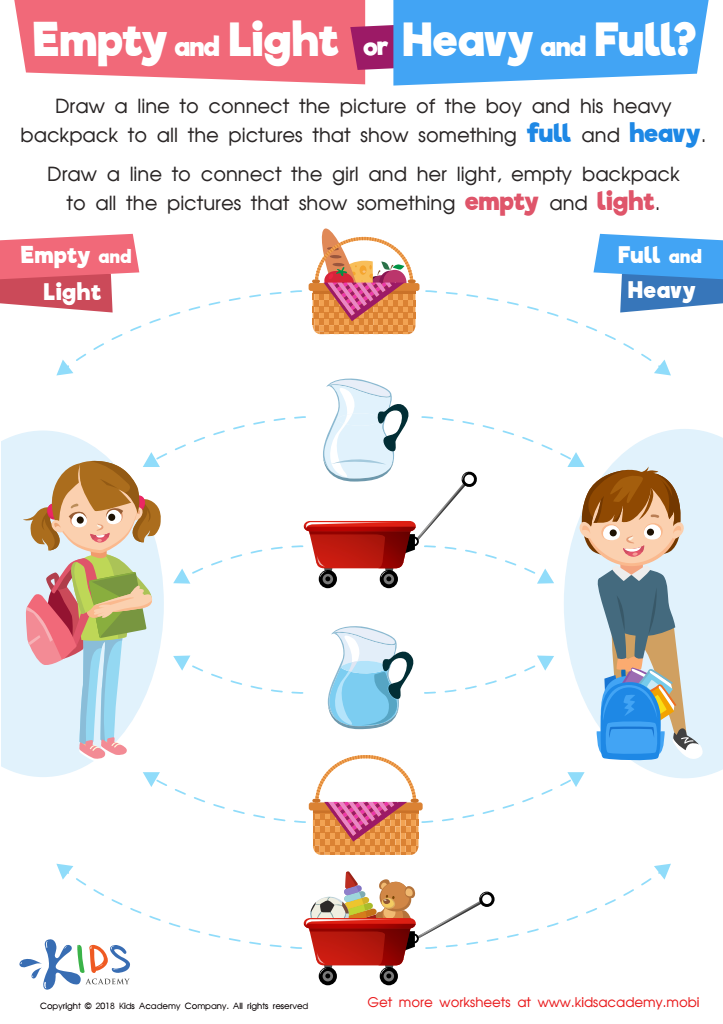
Empty and Light or Heavy and Full? Worksheet
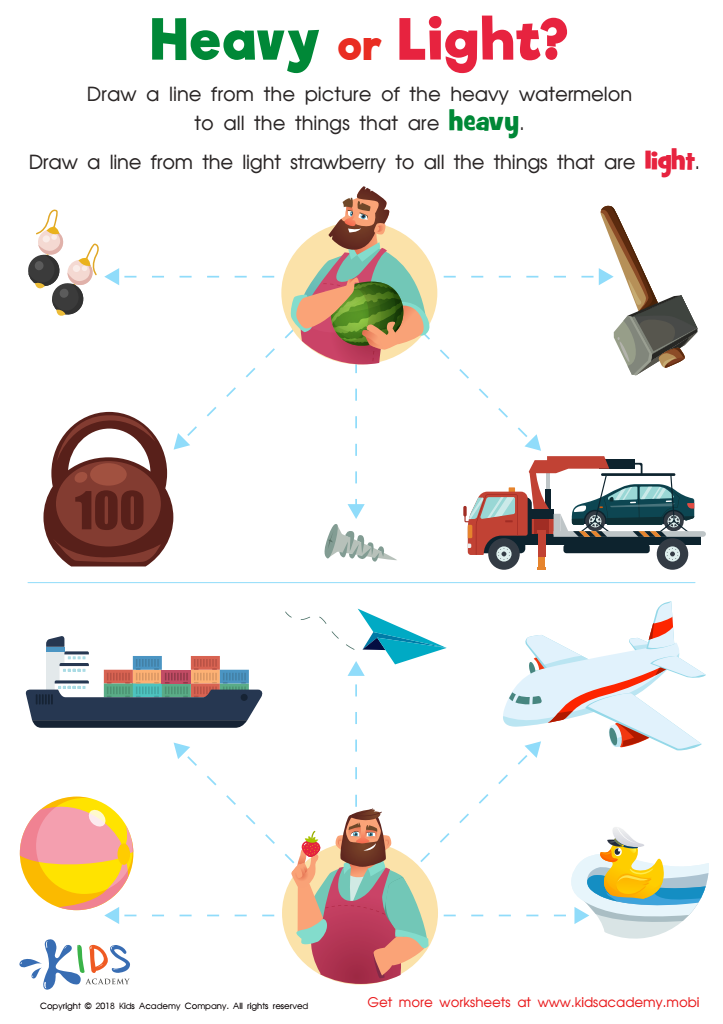
Heavy or Light? Worksheet
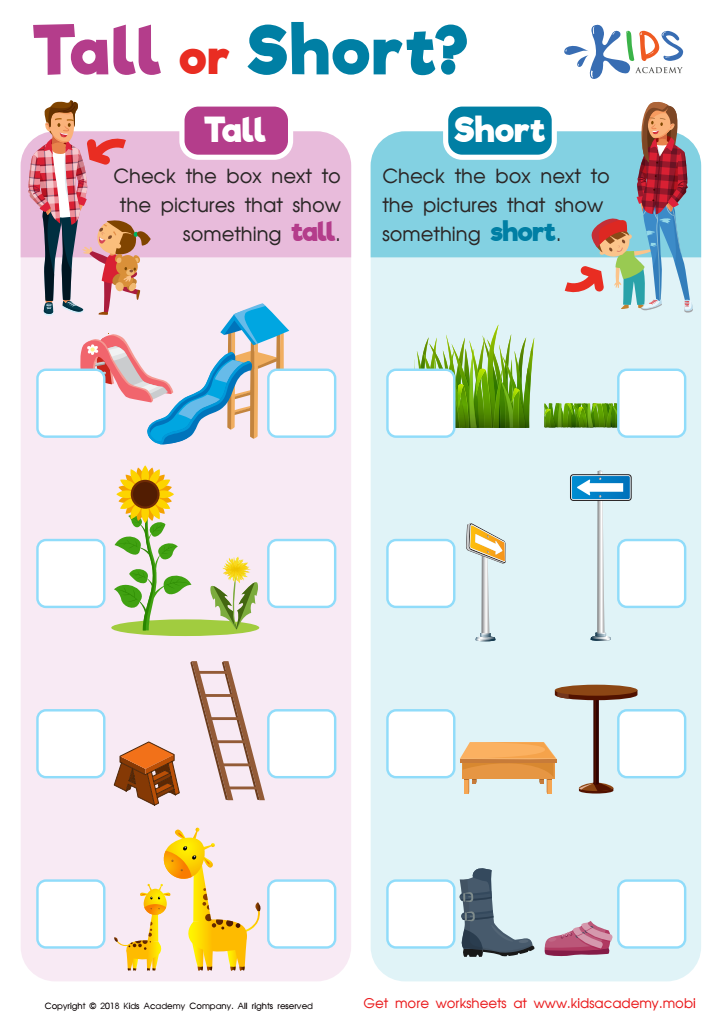
Tall or Short? Worksheet
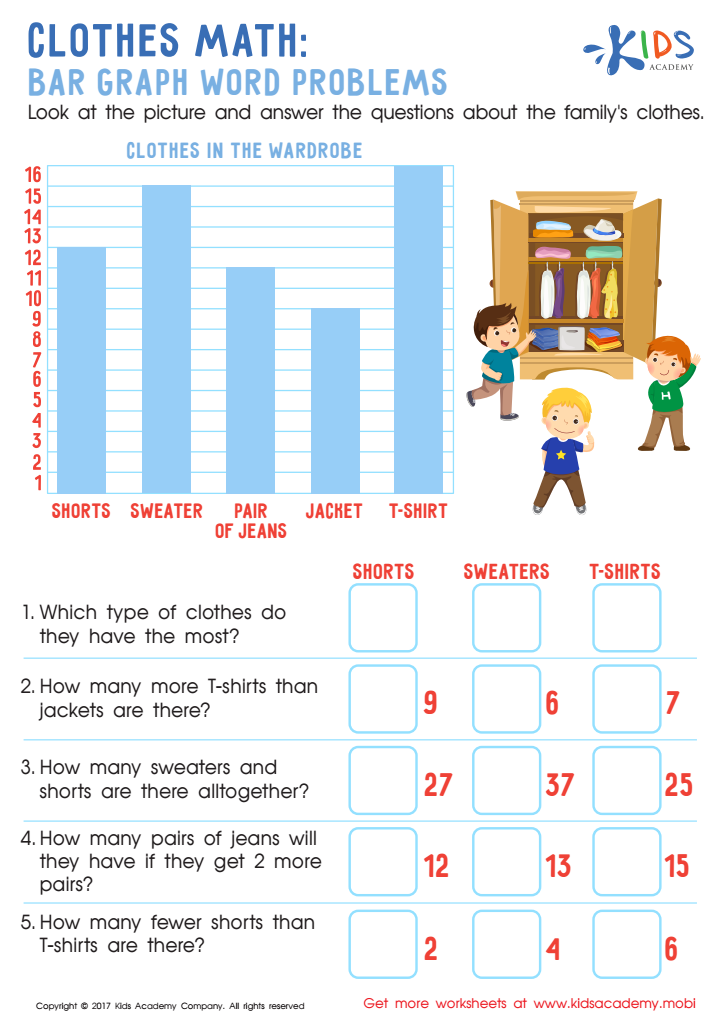
Clothes Math: Bar Graph Word Problems Worksheet
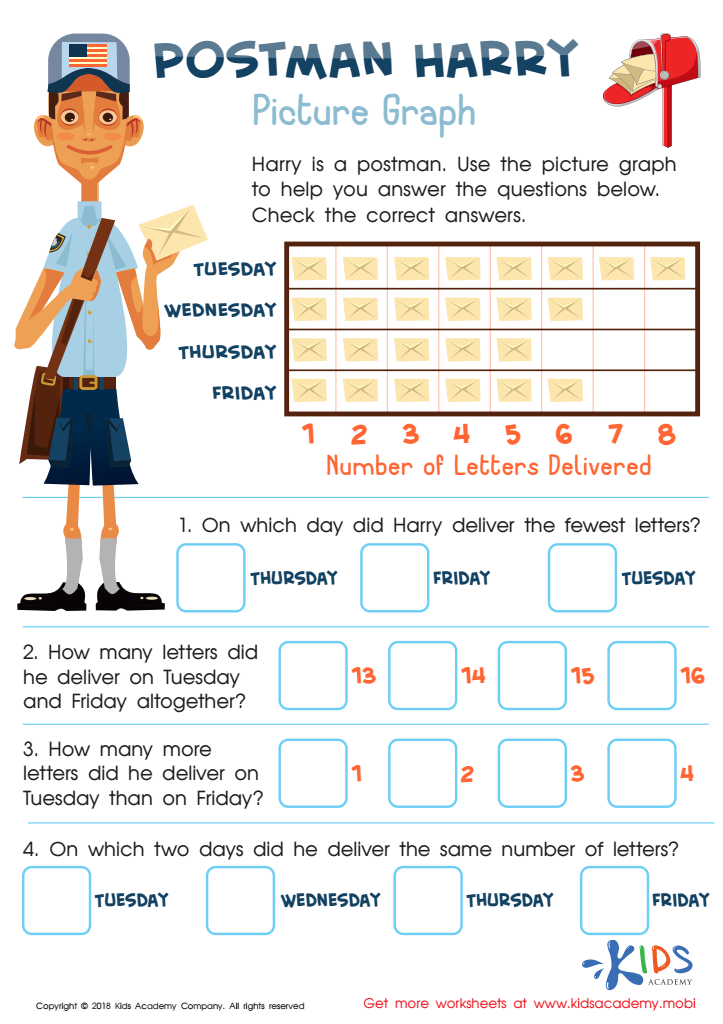
Postman Harry: Picture Graph Worksheet
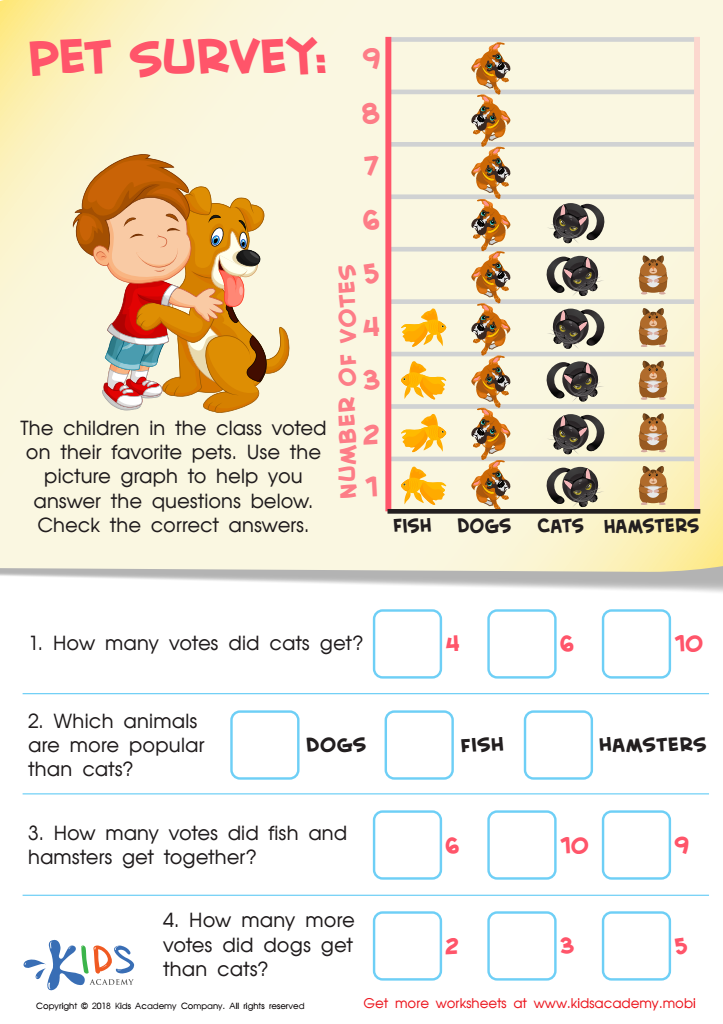
Pet Survey Worksheet
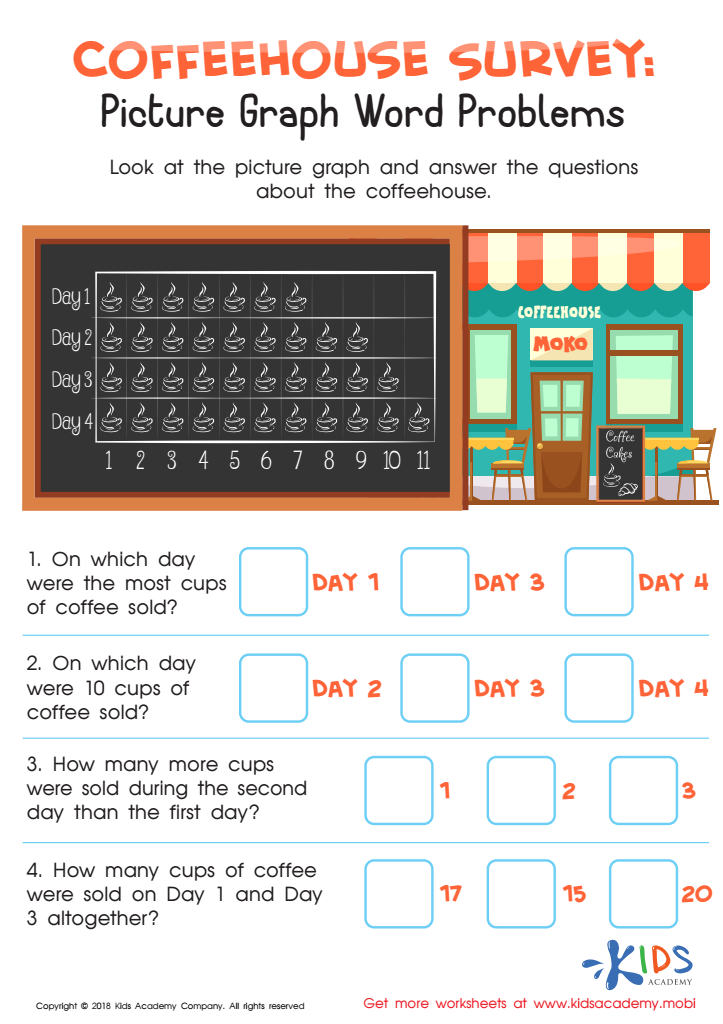
Coffeehouse Survey: Picture Graph Word Problems Worksheet
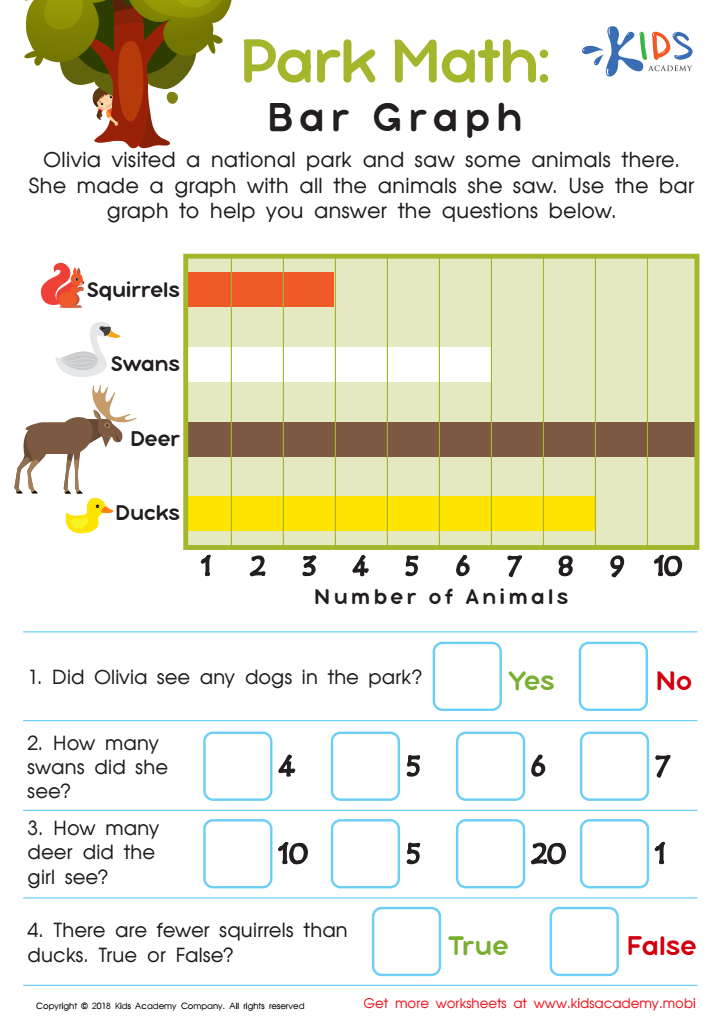
Park Math: Bar Graph Worksheet
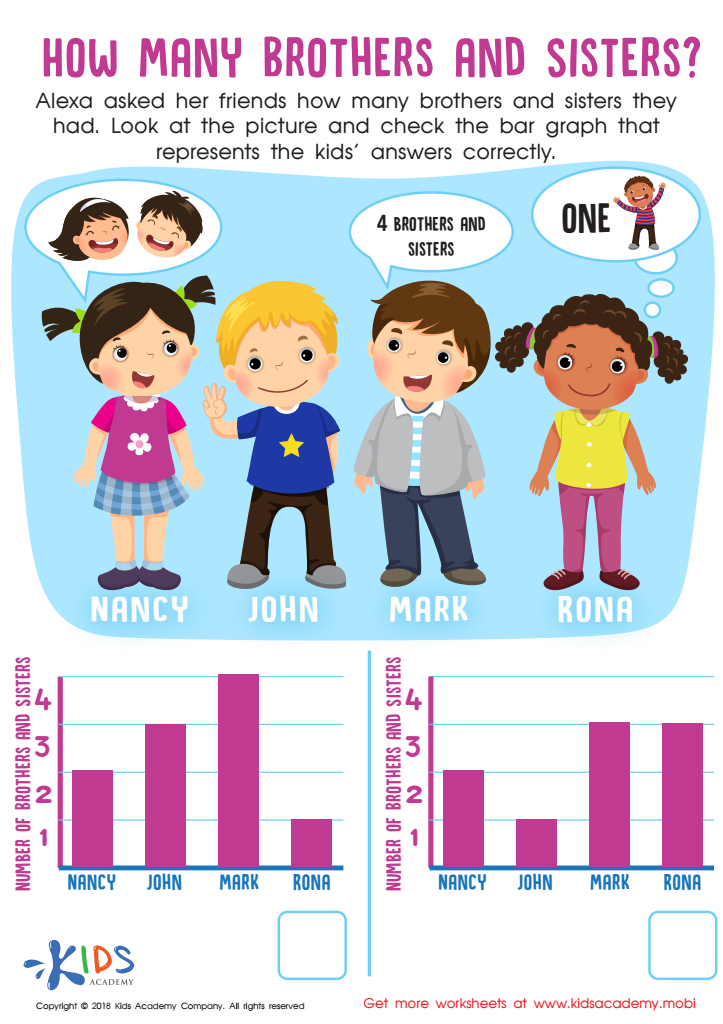
How Many Brothers and Sisters? Worksheet
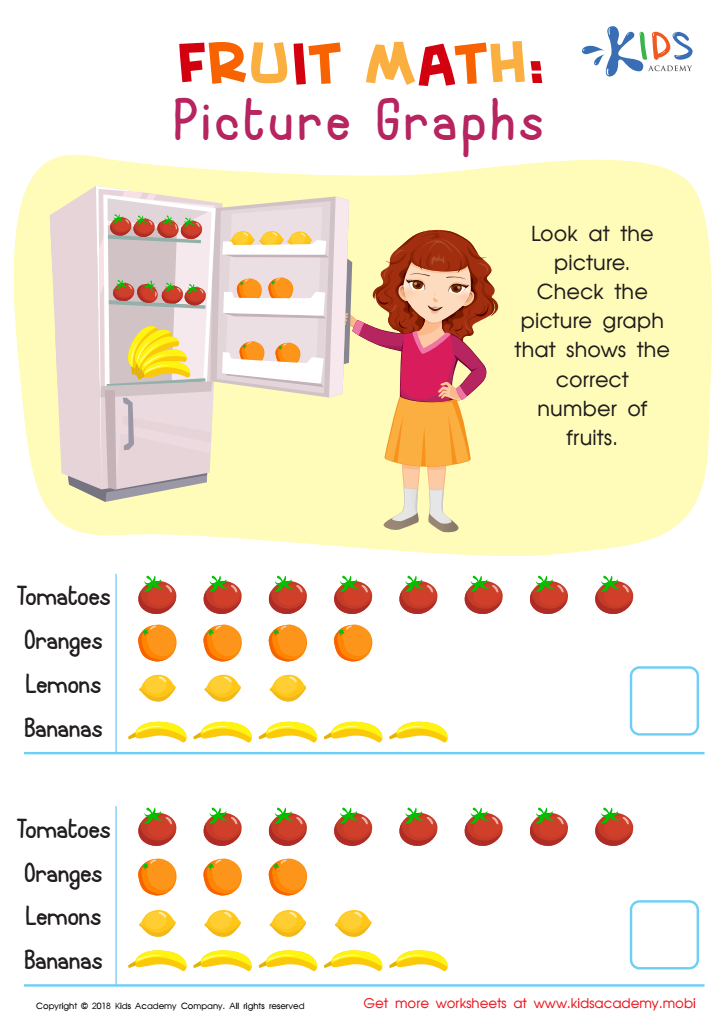
Fruit Math: Picture Graphs Worksheet
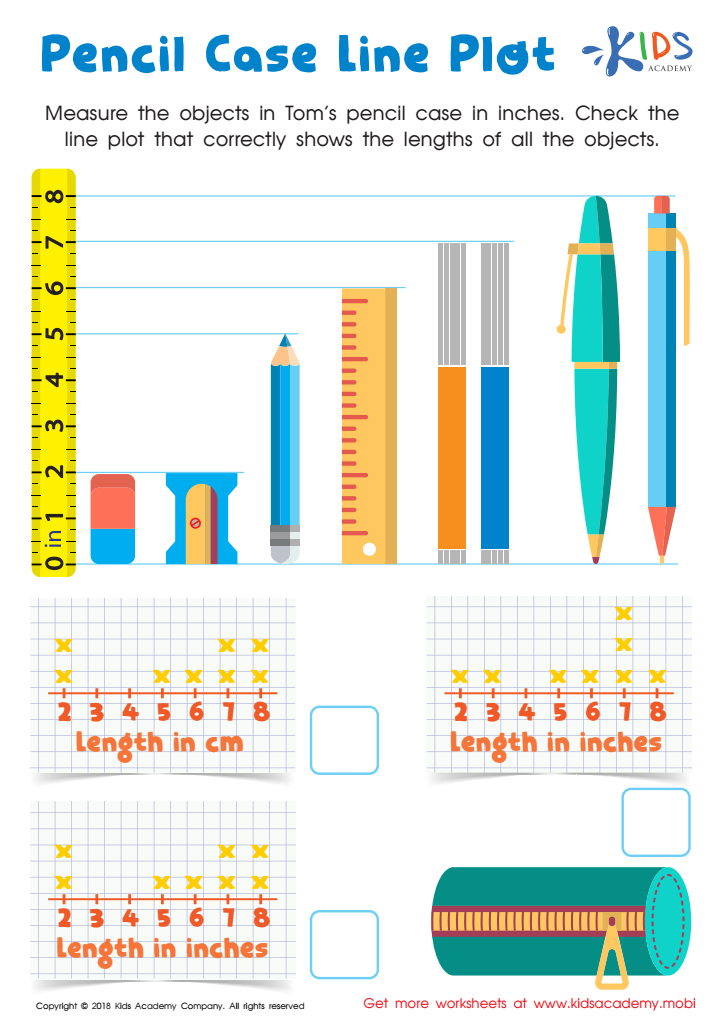
Pencil Case Line Plot Worksheet
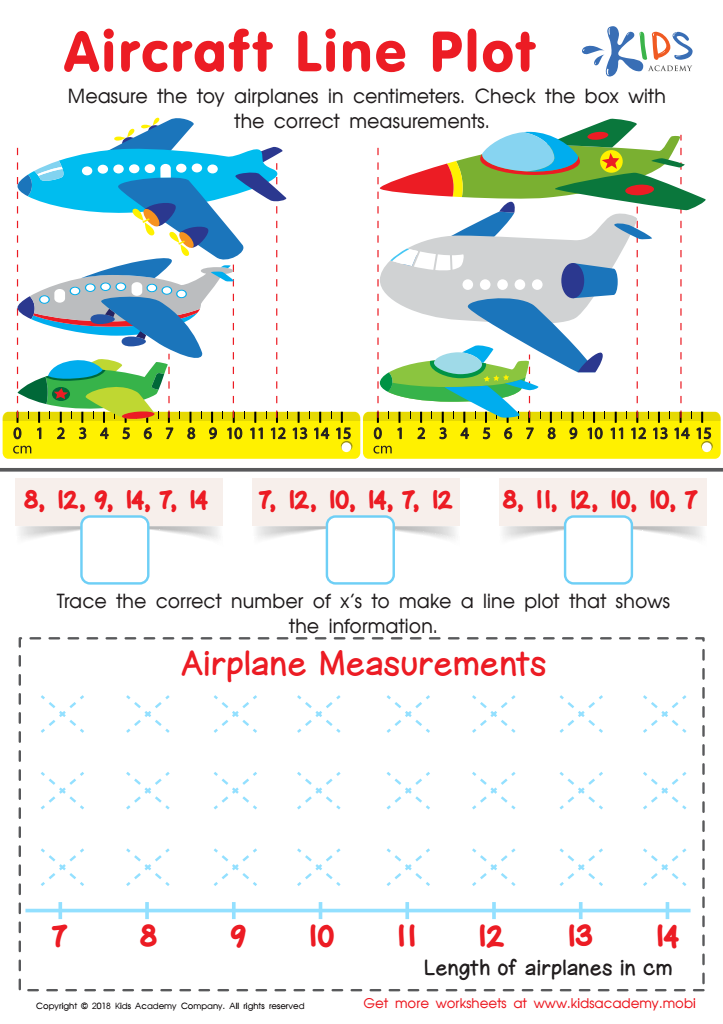
Aircraft Line Plot Worksheet
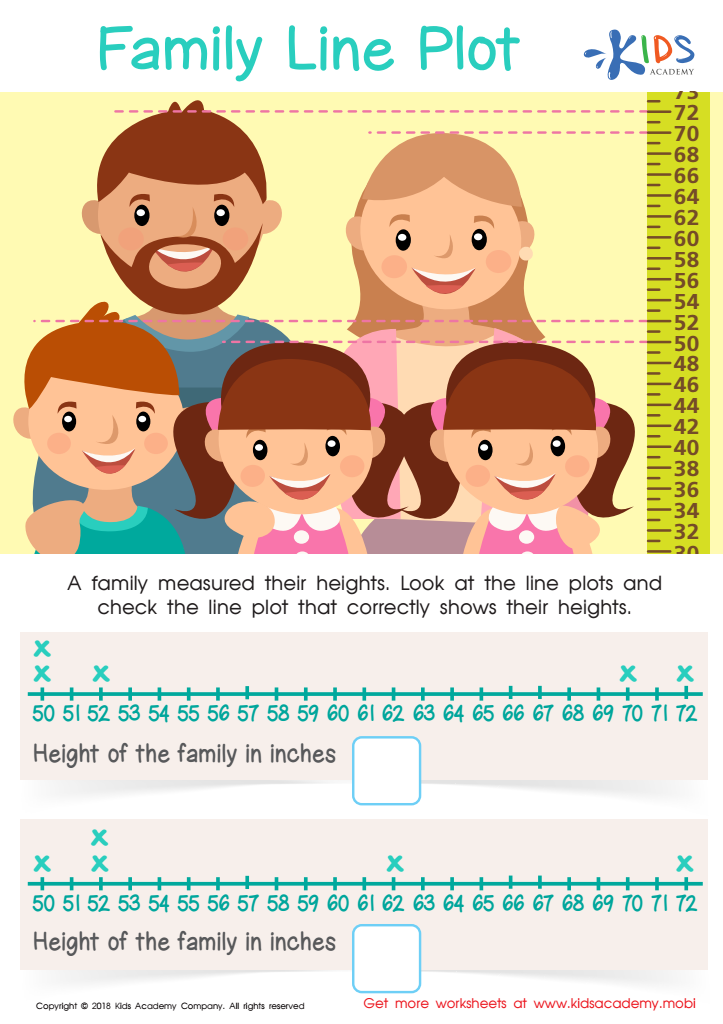
Family Line Plot Worksheet
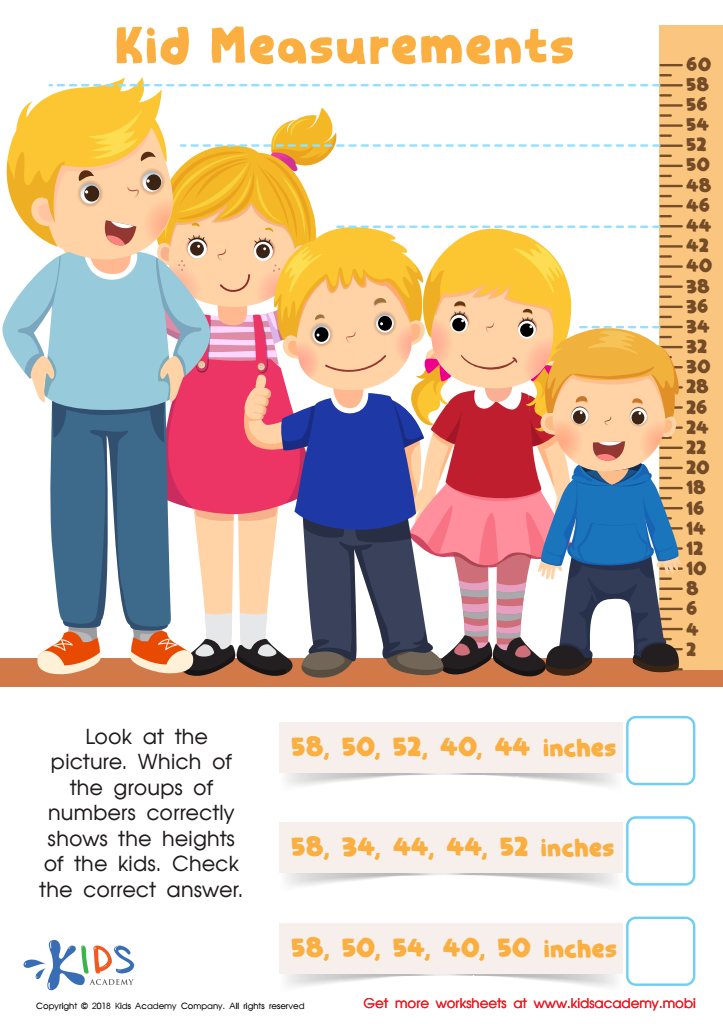
Kids Measurements Worksheet
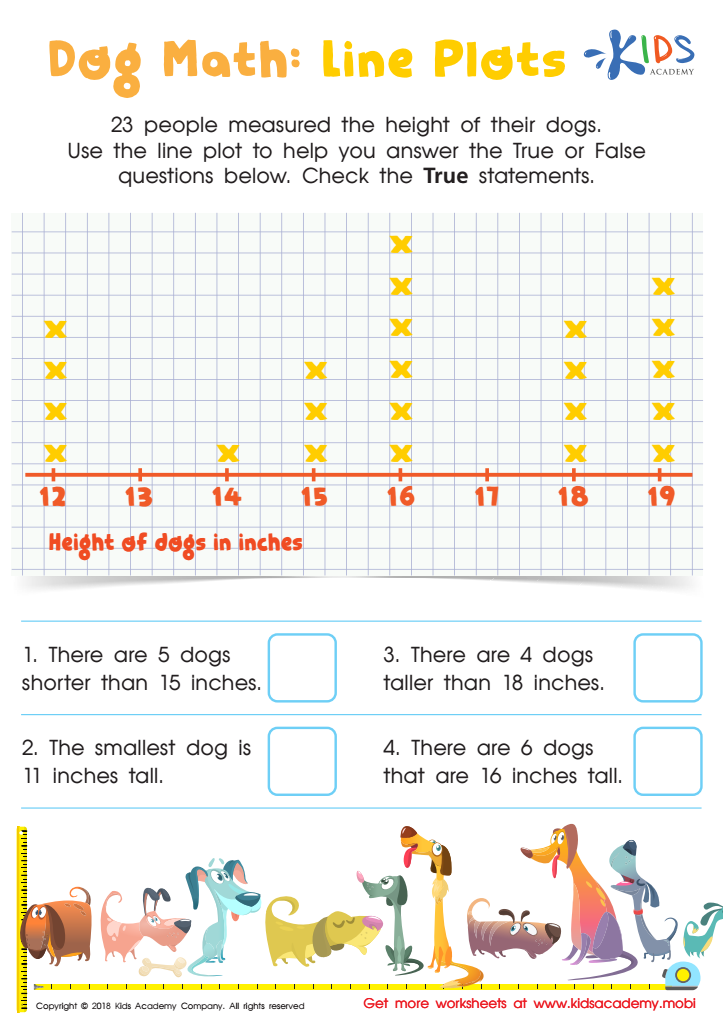
Dog Math: Line Plots Worksheet
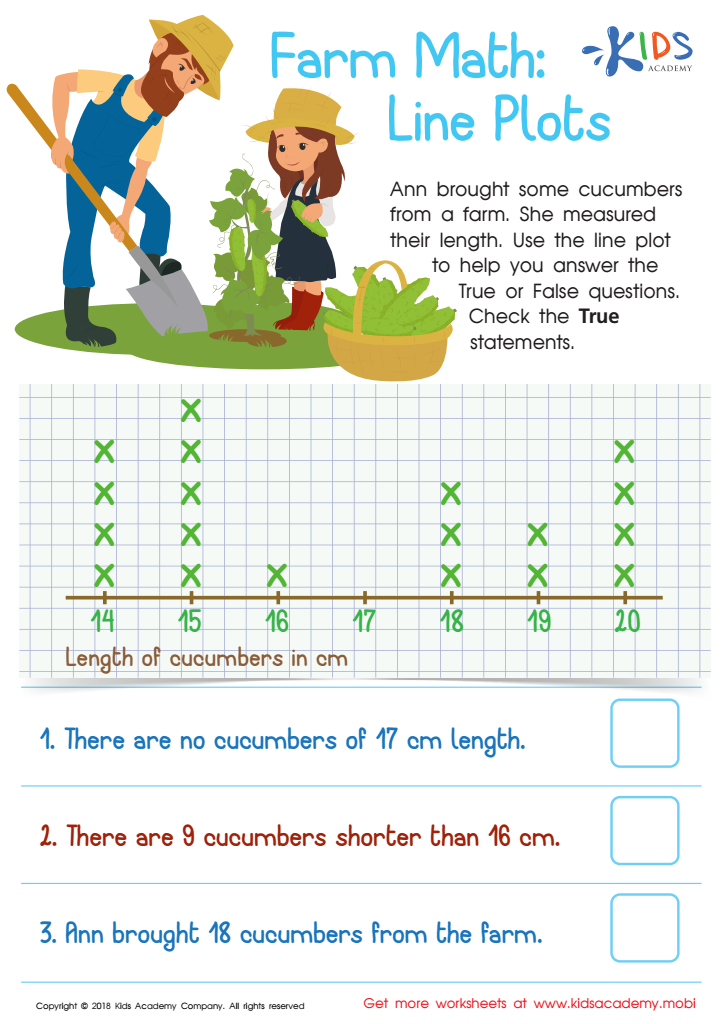
Farm Math: Line Plots Worksheet
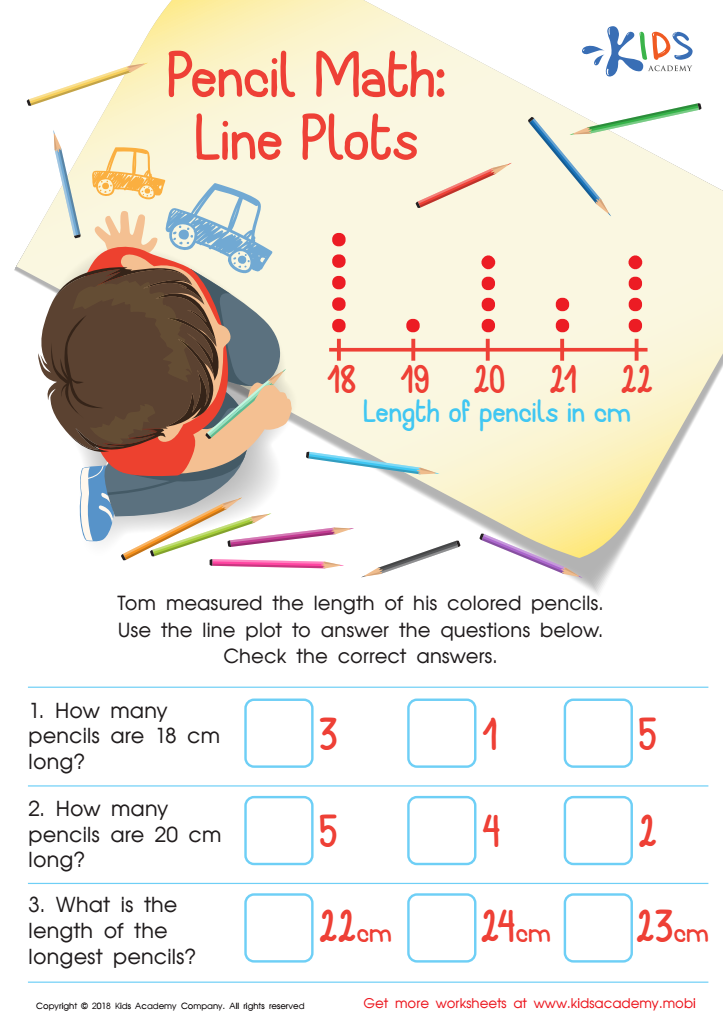
Pencil Math: Line Plots Worksheet
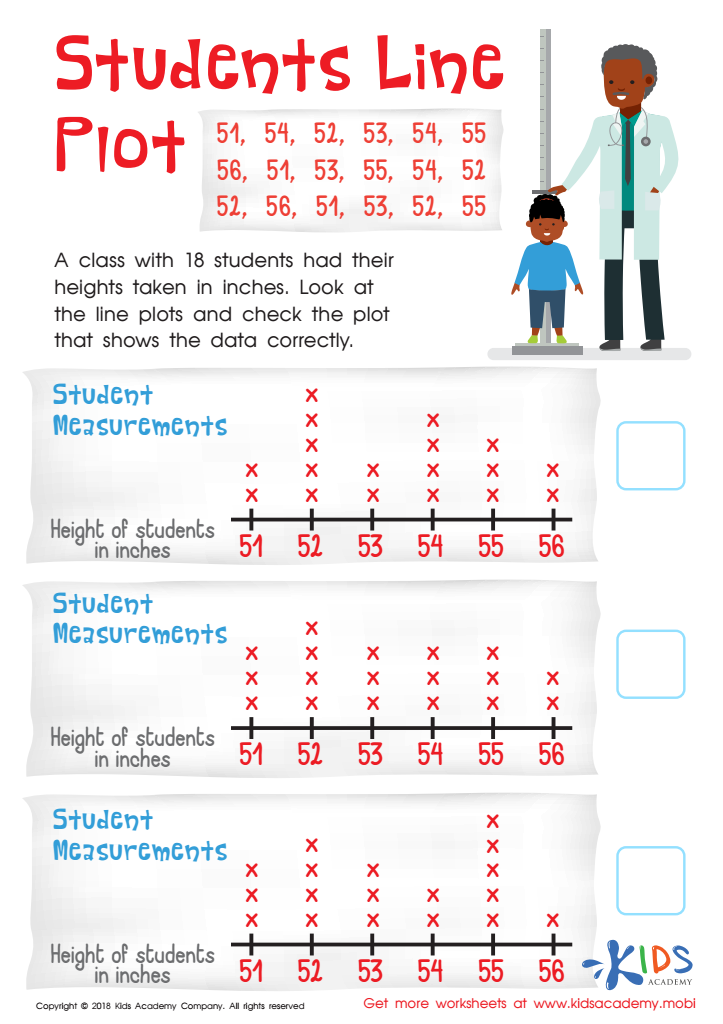
Students Line Plot Worksheet
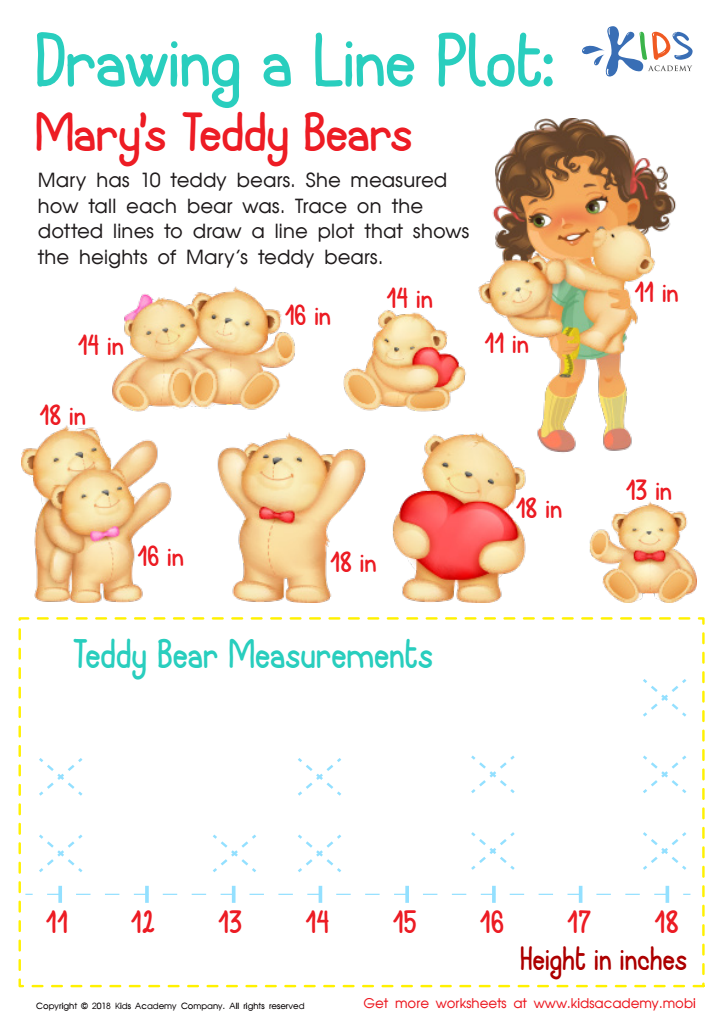
Drawing and Line Plot: Mary's Teddy Bears Worksheet
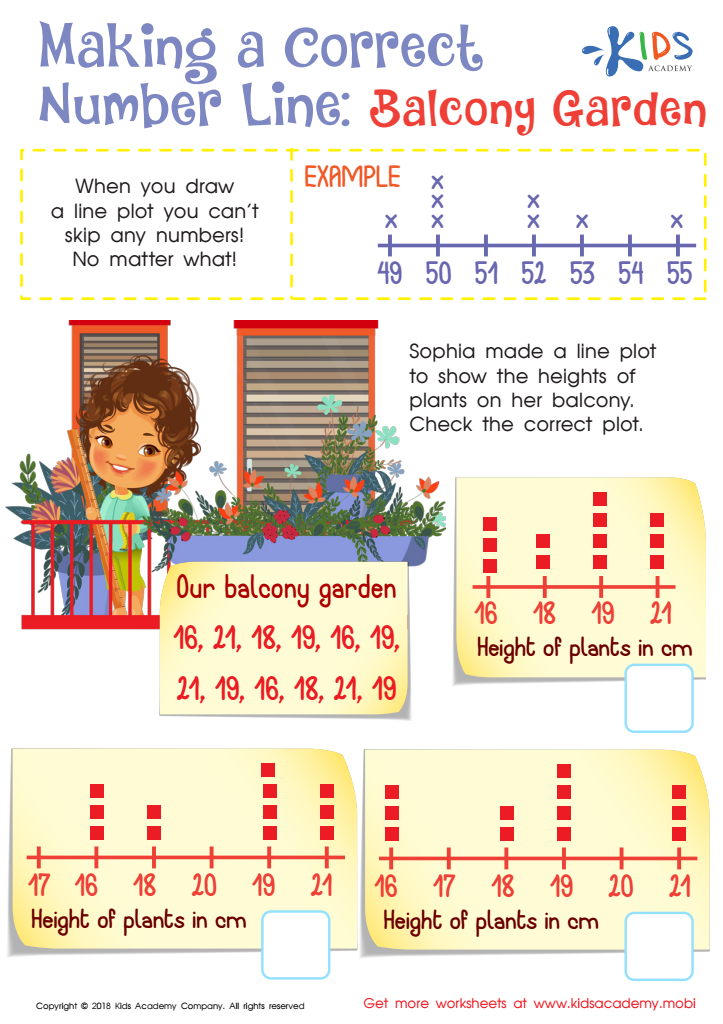
Making a Correct Number Line: Balcony Garden Worksheet
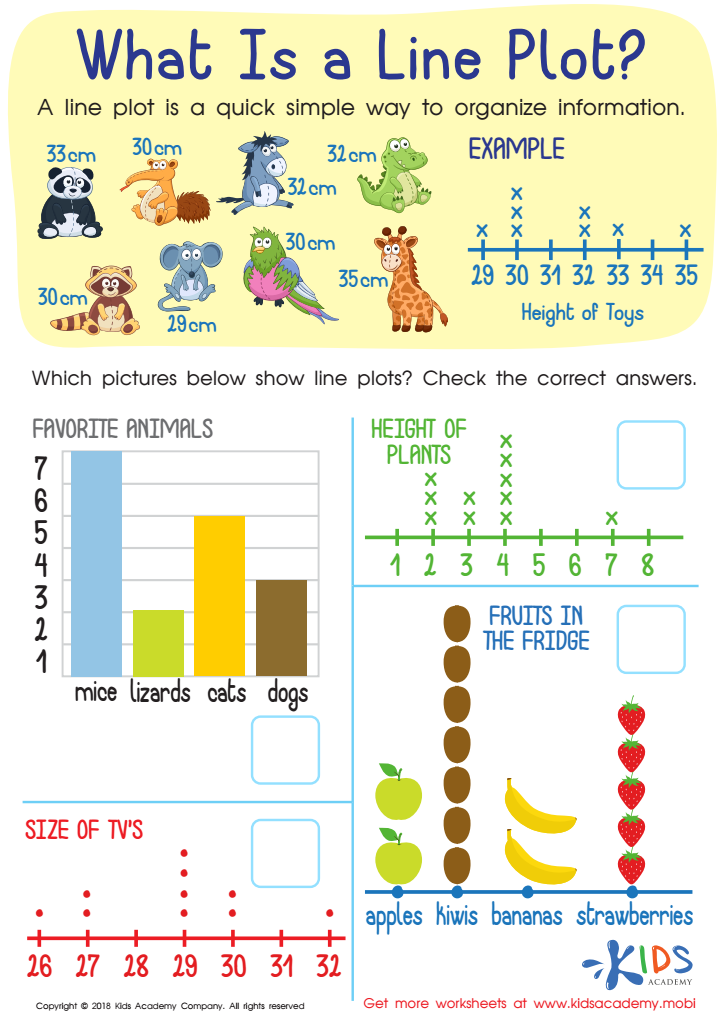
What Is a Line Plot? Worksheet
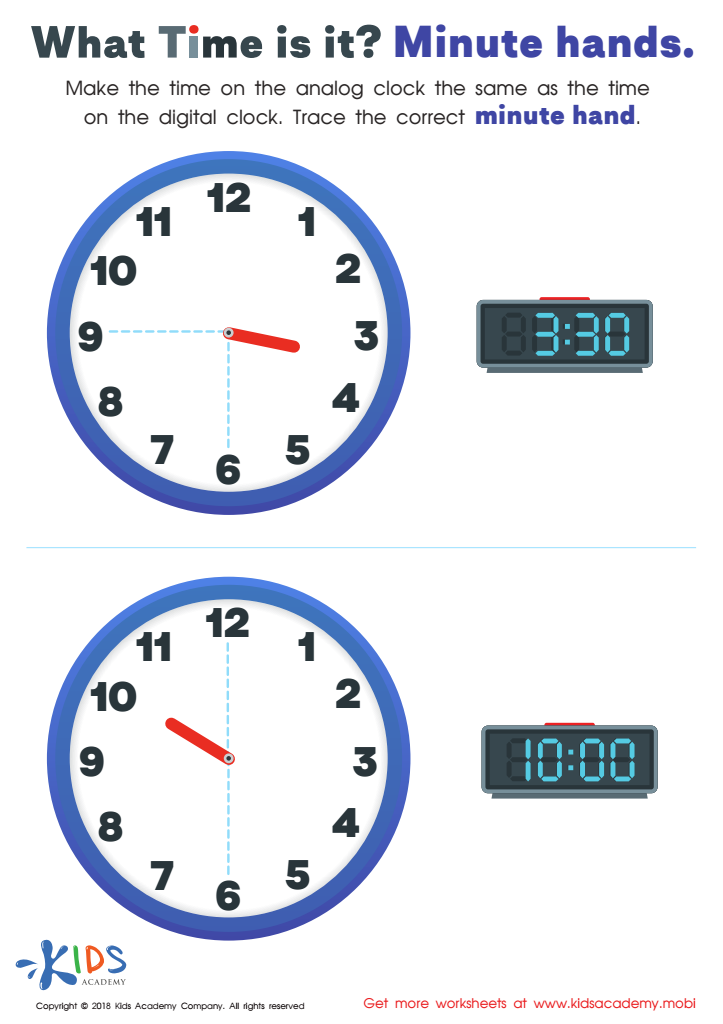
What Time Is it? Minute Hands Worksheet
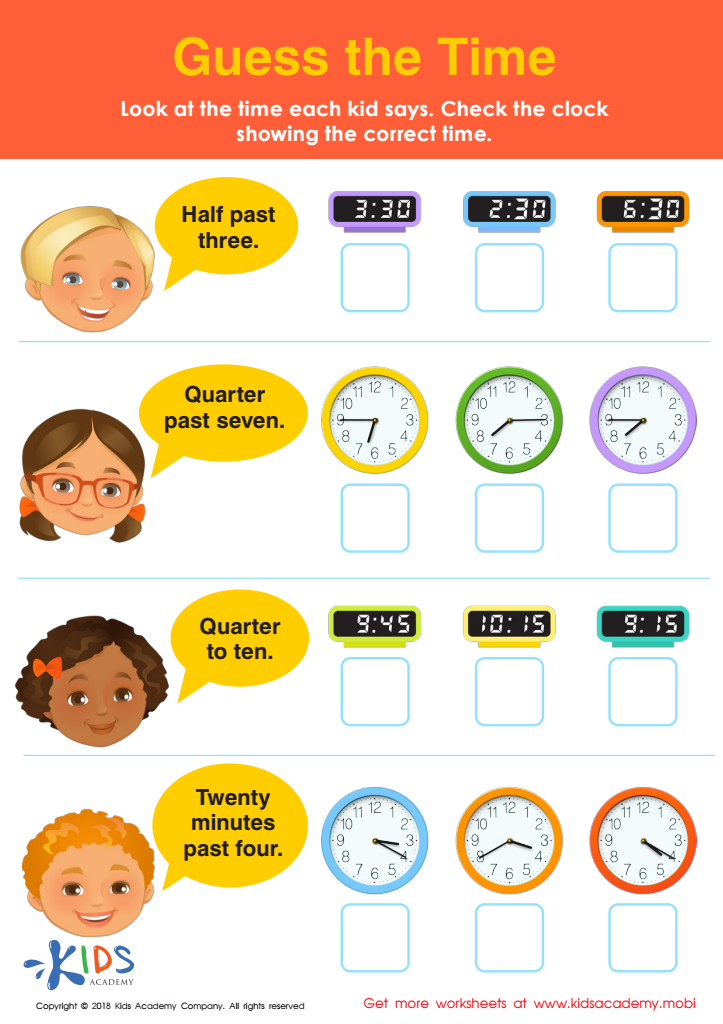
Guess the Time Worksheet








Understanding measurement is crucial for children aged 4-9 because it lays a fundamental foundation for math and science skills essential for academic success and everyday life. Measurement concepts involve more than just learning to use a ruler; they entail understanding length, width, height, volume, weight, and time. At these early ages, children's minds are highly impressionable and develop rapidly. By introducing measurement, parents and teachers cultivate critical thinking, problem-solving, and spatial awareness.
Measurement helps children make sense of the world around them. For example, they learn the difference between short and tall, light and heavy, or fast and slow, which helps them describe and compare objects in their environment. Furthermore, measurement activities often incorporate hands-on learning, which makes abstract concepts tangible. This sensory-rich learning fosters engagement and retention.
From tying shoelaces to following a recipe, measurement plays a central role in daily tasks. Proficiency in these skills enhances children’s confidence and independence. Inclusively, early exposure to measurement concepts prepares children for future academic pursuits, including higher-level math and science, by building a solid conceptual understanding. Therefore, an early focus on measurement helps establish a well-rounded educational foundation, setting children up for lifelong learning and success.








