Chess Worksheets for Ages 5-6 - Page 4
86 filtered results
-
From - To
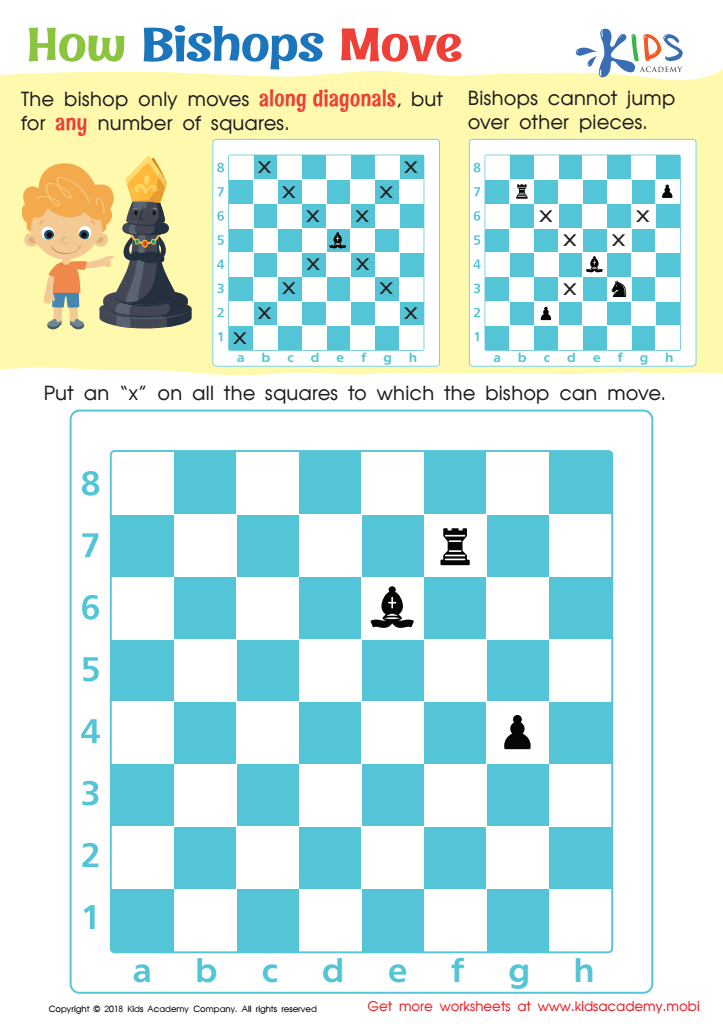
How Bishops Move Worksheet
 Assign to My Students
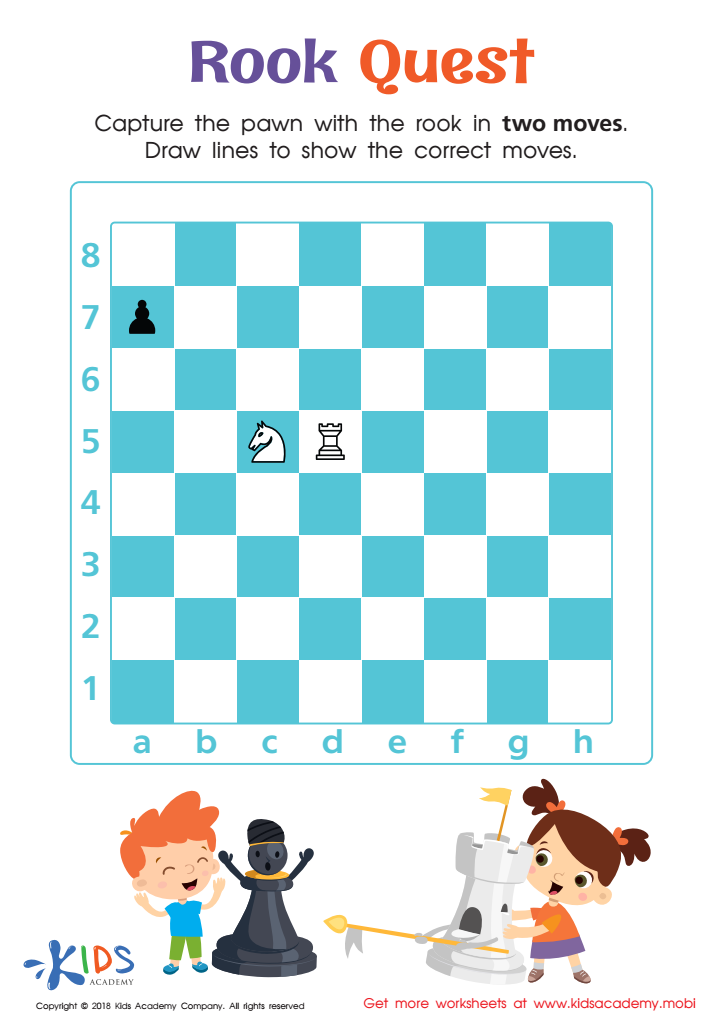
Rook Quest Worksheet
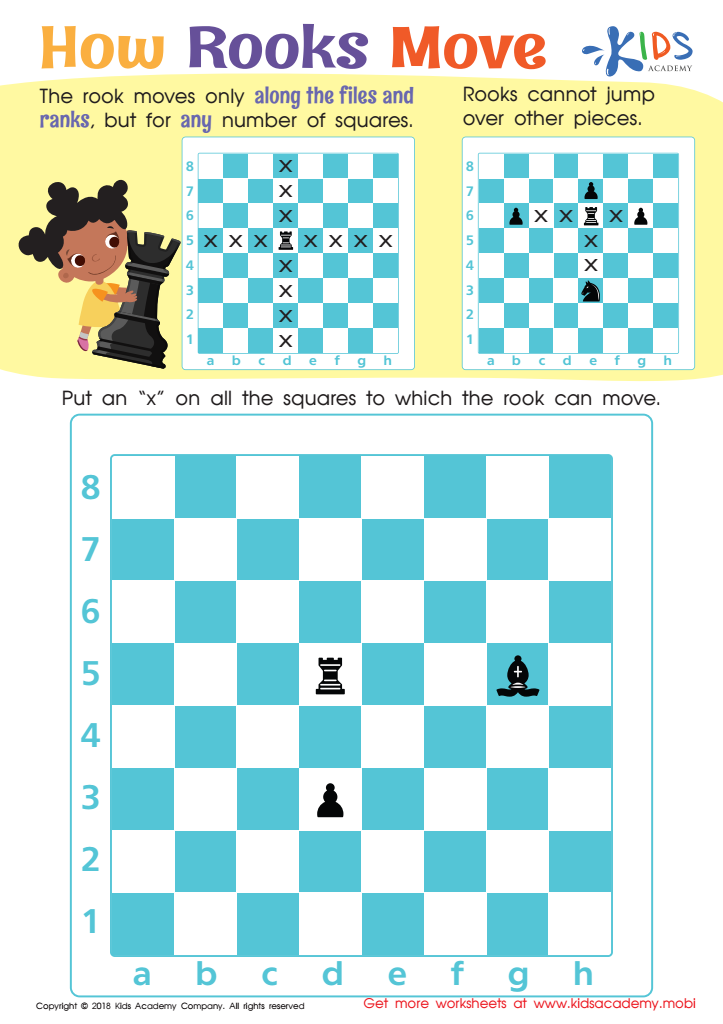
How Rooks Move Worksheet
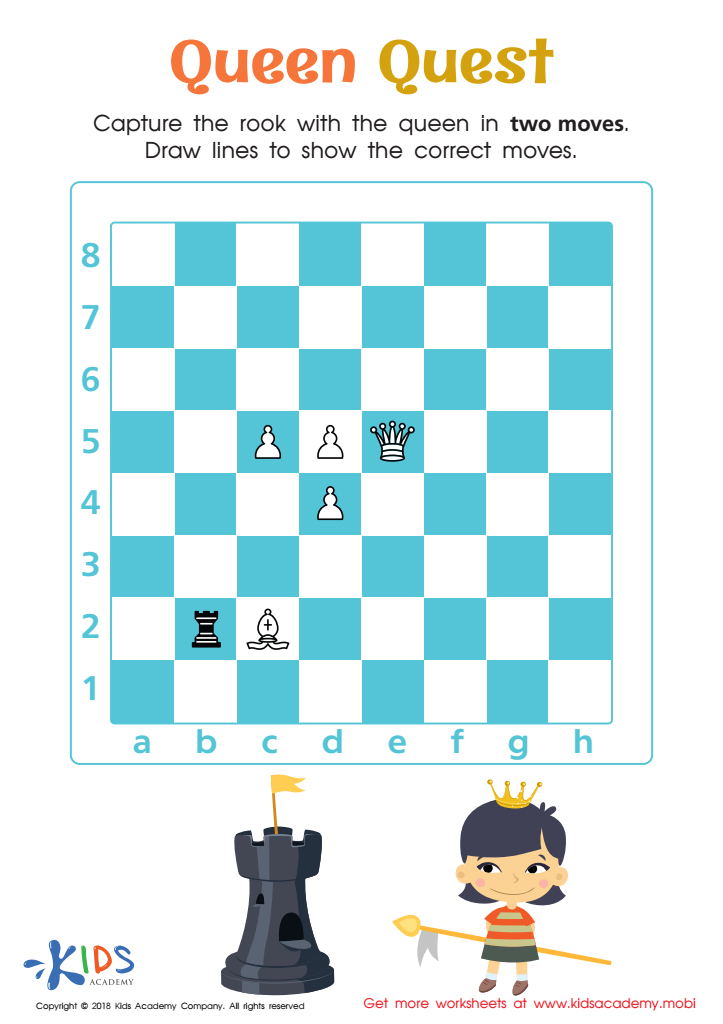
Queen Quest Worksheet
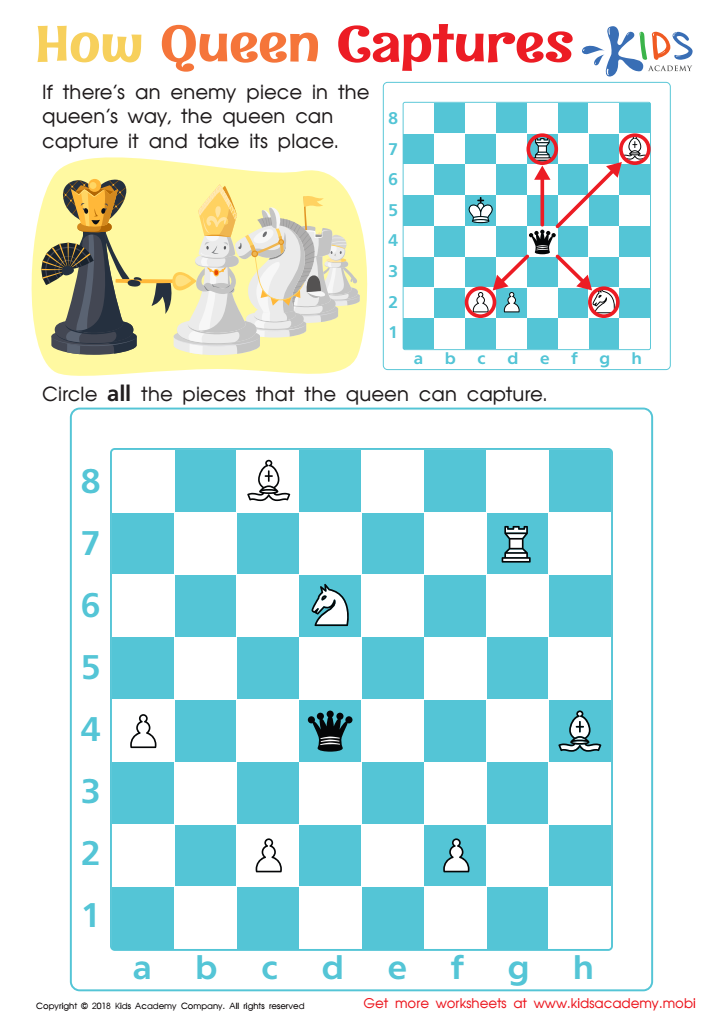
How Queen Captures Worksheet
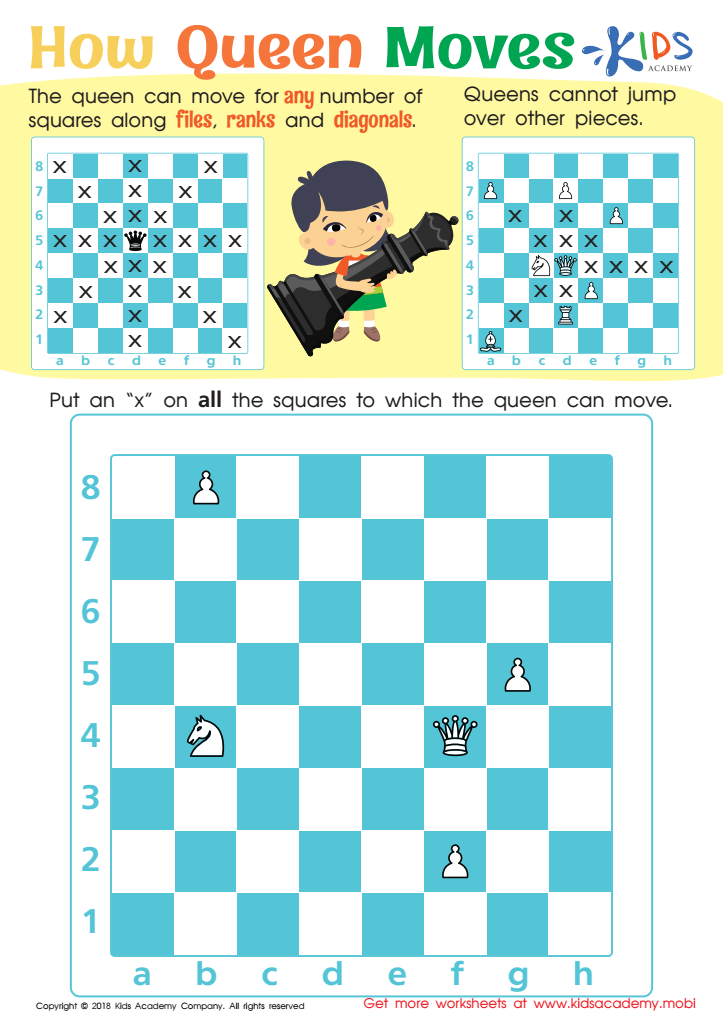
How Queen Moves Worksheet
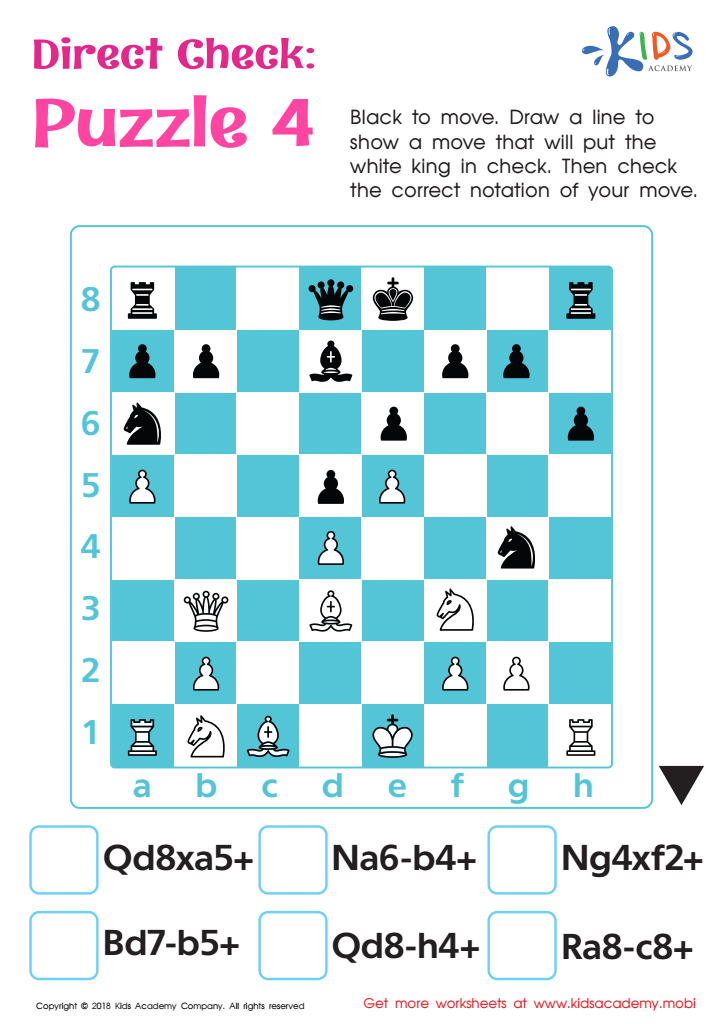
Direct Check: Puzzle 4 Worksheet
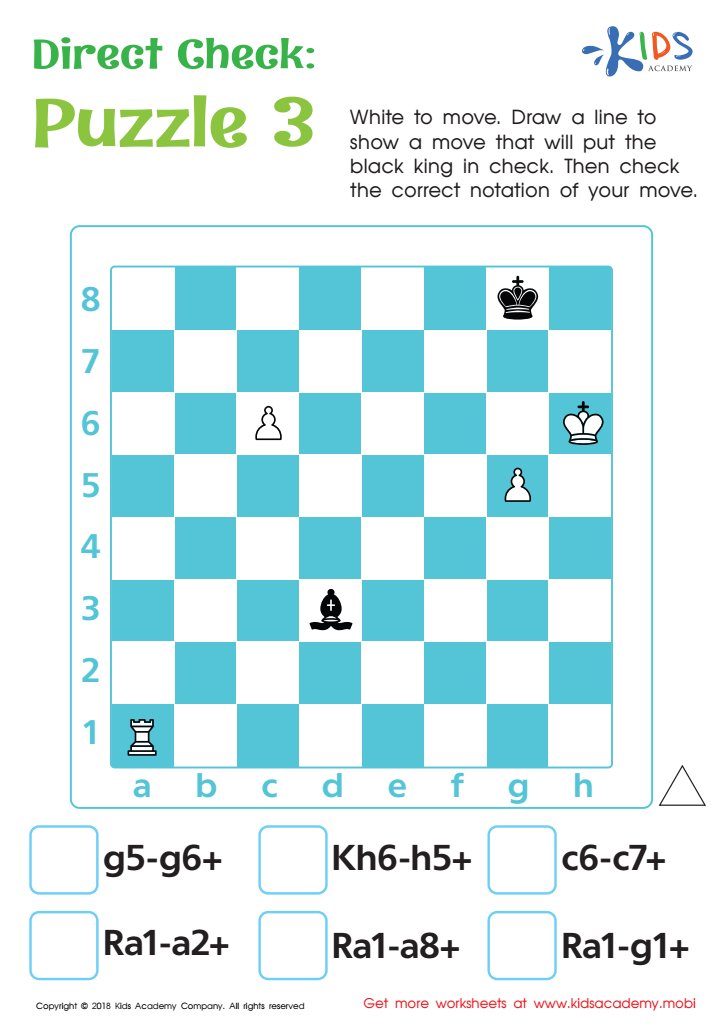
Direct Check: Puzzle 3 Worksheet
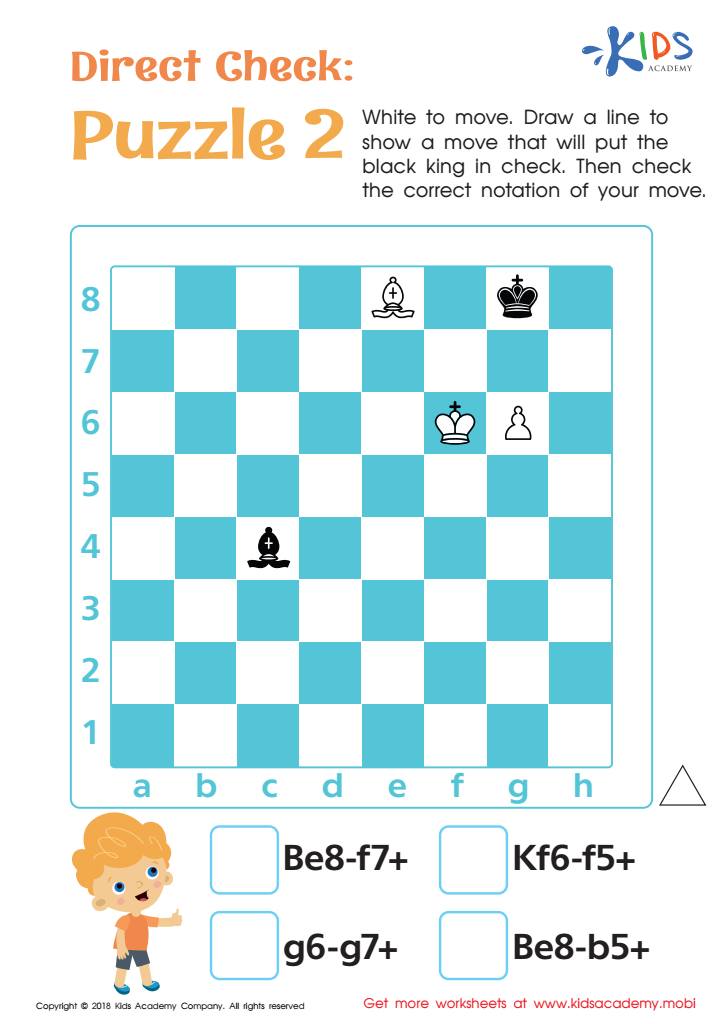
Direct Check: Puzzle 2 Worksheet
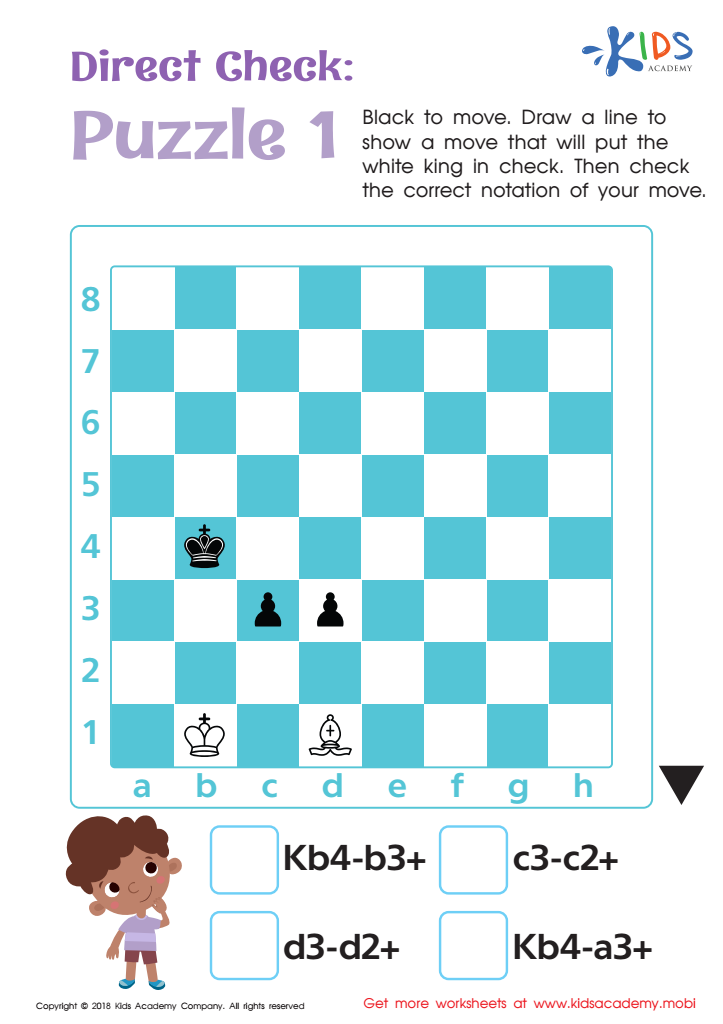
Direct Check: Puzzle 1 Worksheet
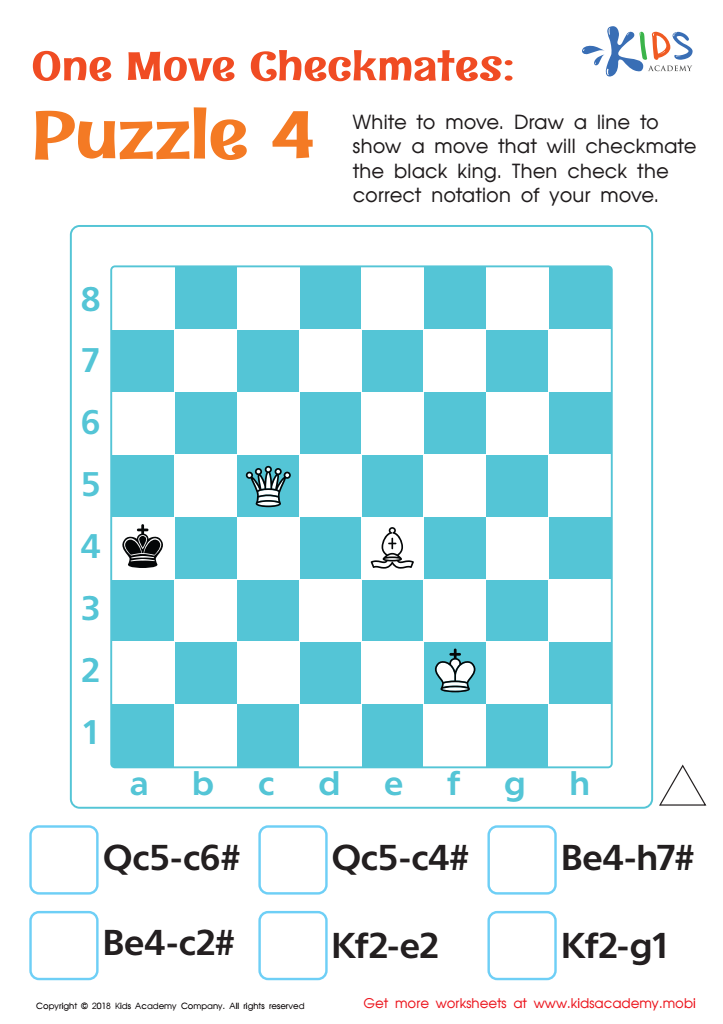
One Move Checkmates: Puzzle 4 Worksheet
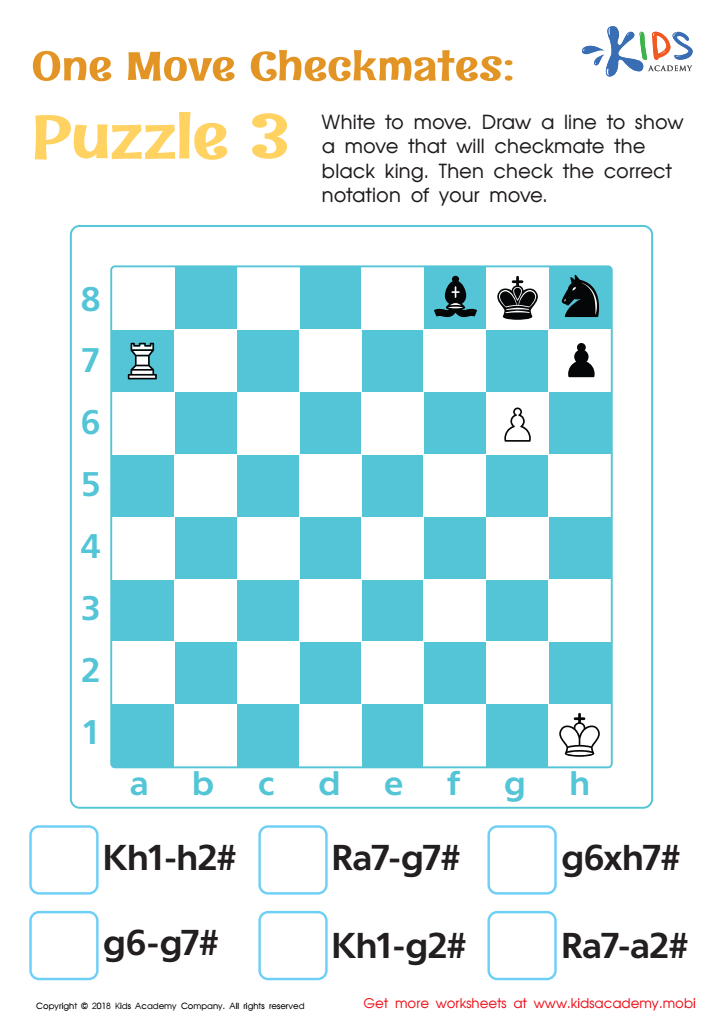
One Move Checkmates: Puzzle 3 Worksheet
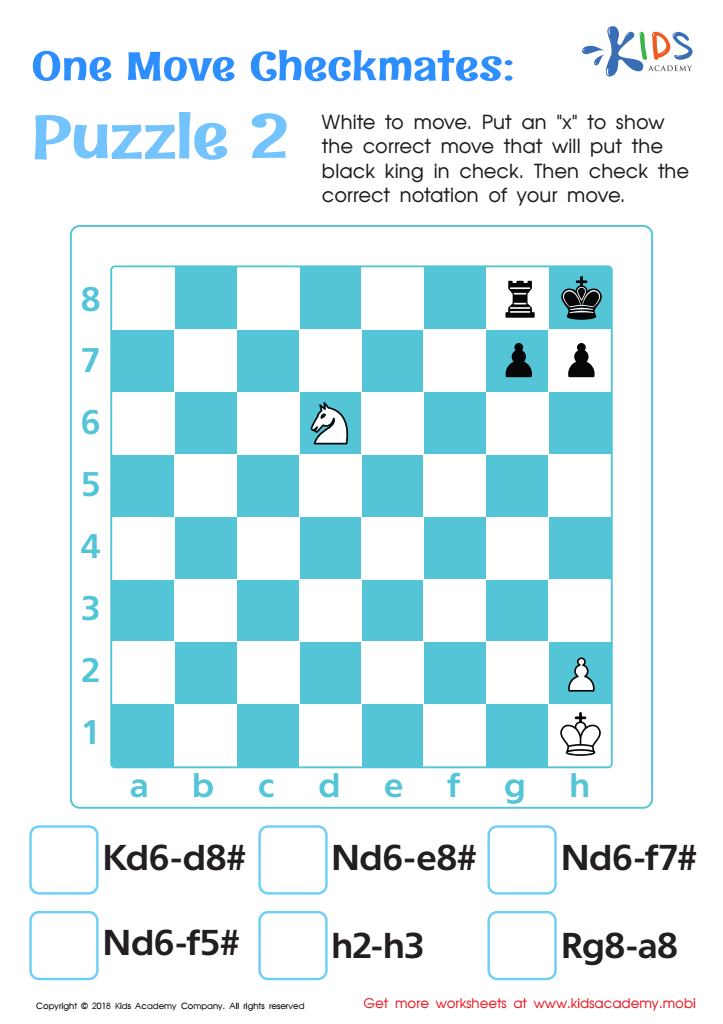
One Move Checkmates: Puzzle 2 Worksheet
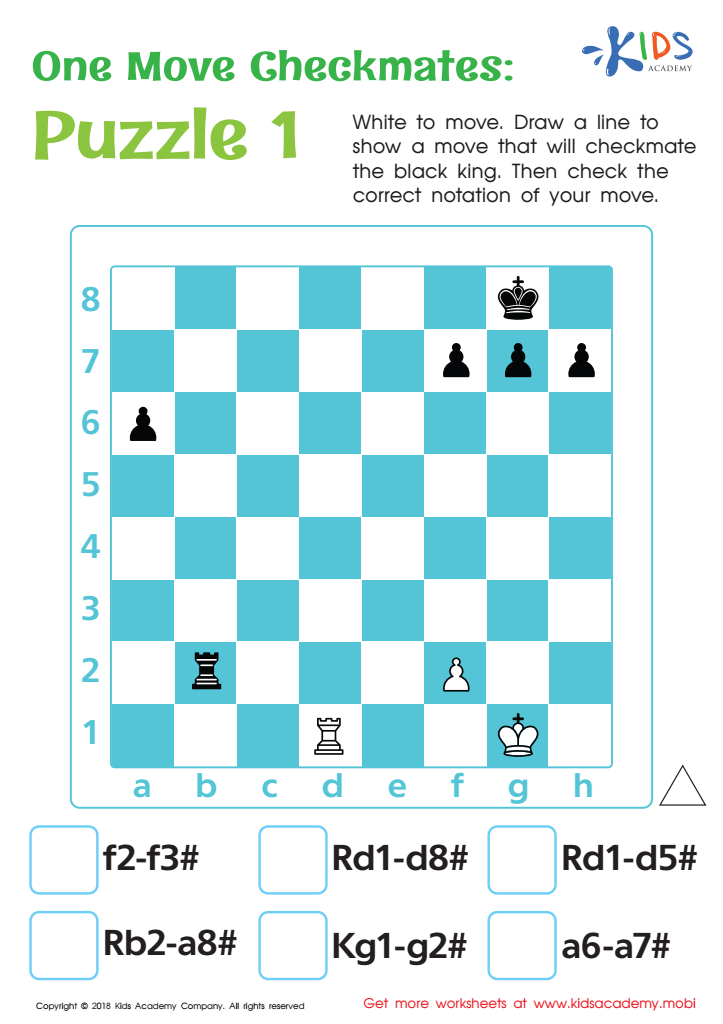
One Move Checkmates: Puzzle 1 Worksheet




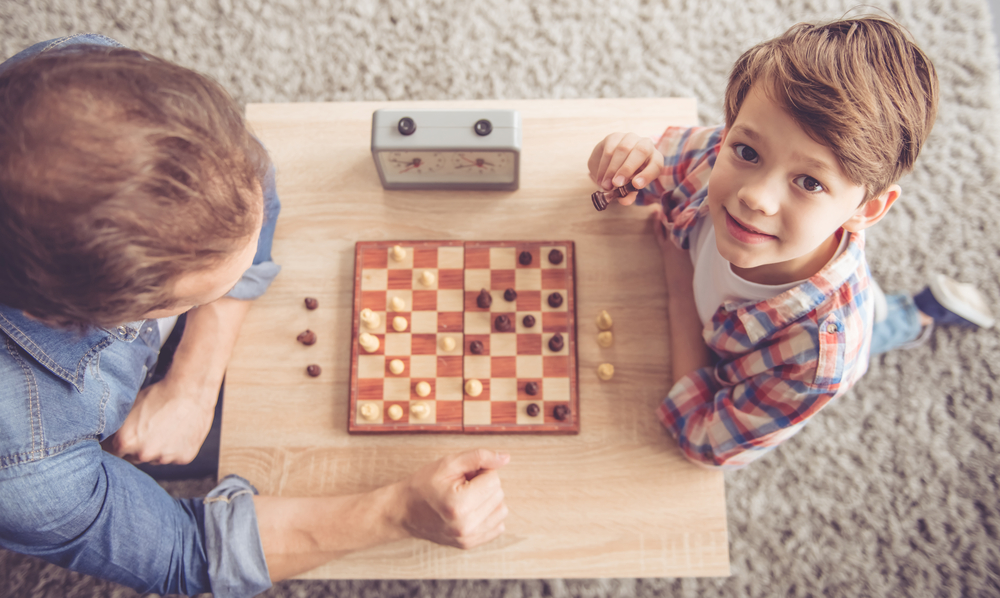

Introducing chess to children aged 5-6 can have incredible benefits for their development, which is why parents and teachers should consider integrating it into their activities. At this formative age, children are learning foundational cognitive and social skills, and chess can play a key role in enhancing these abilities.
Firstly, chess improves concentration and focus. The game requires children to think ahead and pay attention, skills they will carry over to their academic pursuits. It also hones critical thinking and problem-solving skills. As kids learn to strategize and anticipate their opponent’s moves, they become better at making decisions and analyzing situations in daily life.
Furthermore, chess enhances memory. Children need to remember their opponent’s moves as well as their own strategies, strengthening both short-term and long-term memory. Playing chess also teaches patience and the importance of planning, as young players quickly learn that impulsive moves can lead to losses.
Additionally, chess offers valuable social interaction, encouraging kids to communicate and respect their peers. It can foster sportsmanship, teaching children to cope with winning and losing graciously.
Overall, integrating chess into the lives of 5-6-year-olds can set a solid foundation for both their intellectual and emotional development, making it a worthwhile endeavor for both parents and teachers.