Matching Worksheets for Ages 5-7 - Page 2
80 filtered results
-
From - To
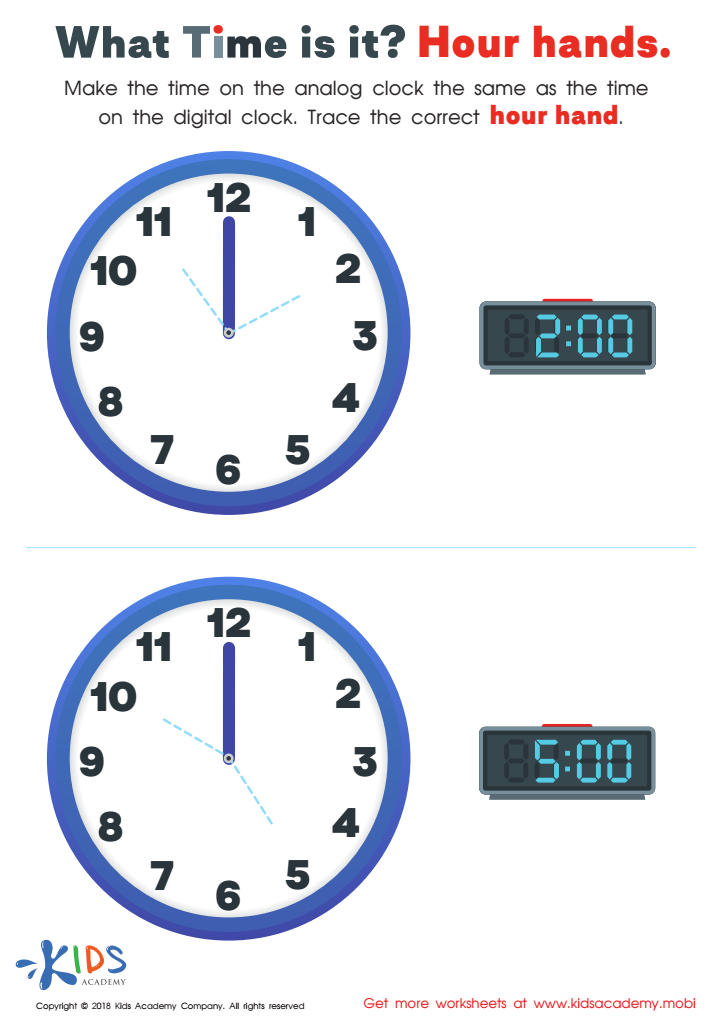
What Time Is it? Hour Hands Worksheet
 Assign to My Students
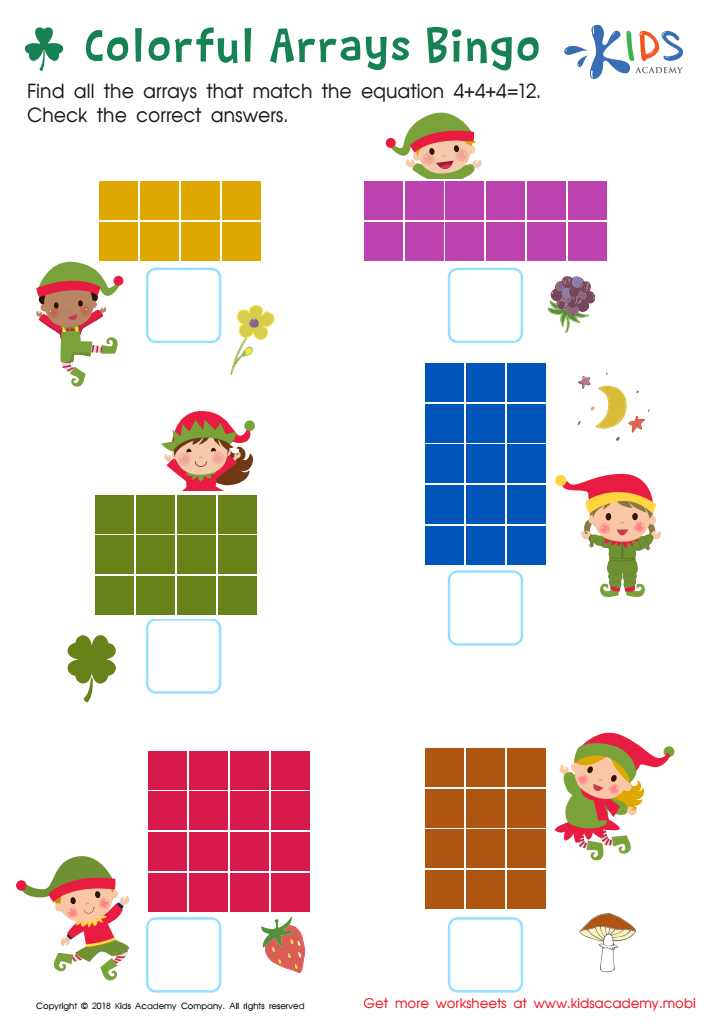
Colorful Arrays Bingo Worksheet
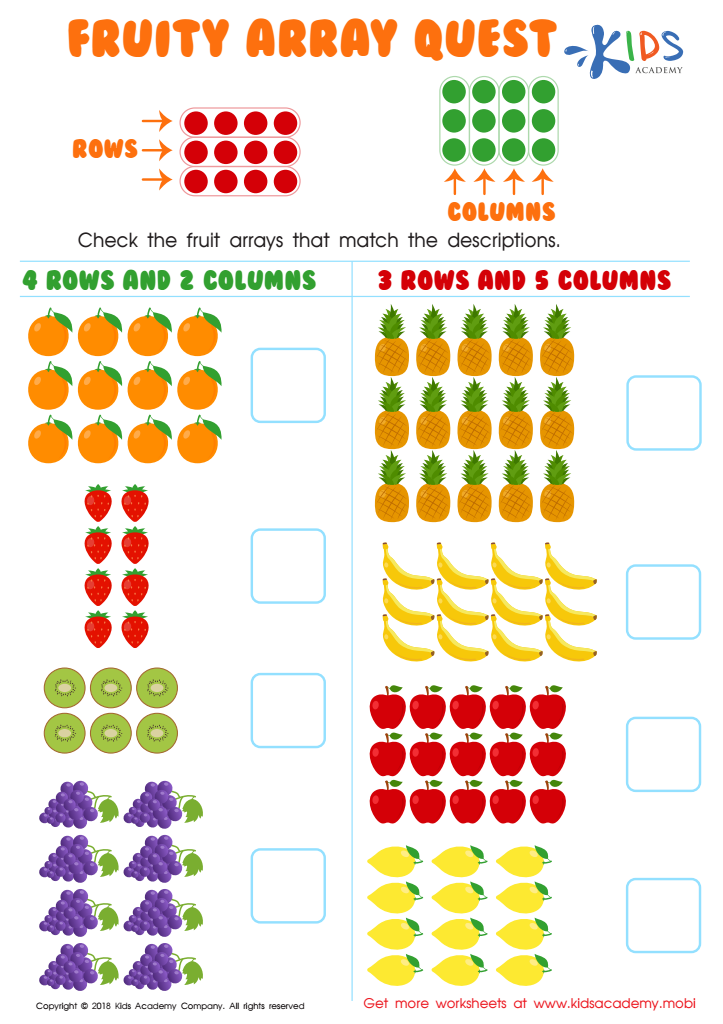
Fruity Array Quest Worksheet
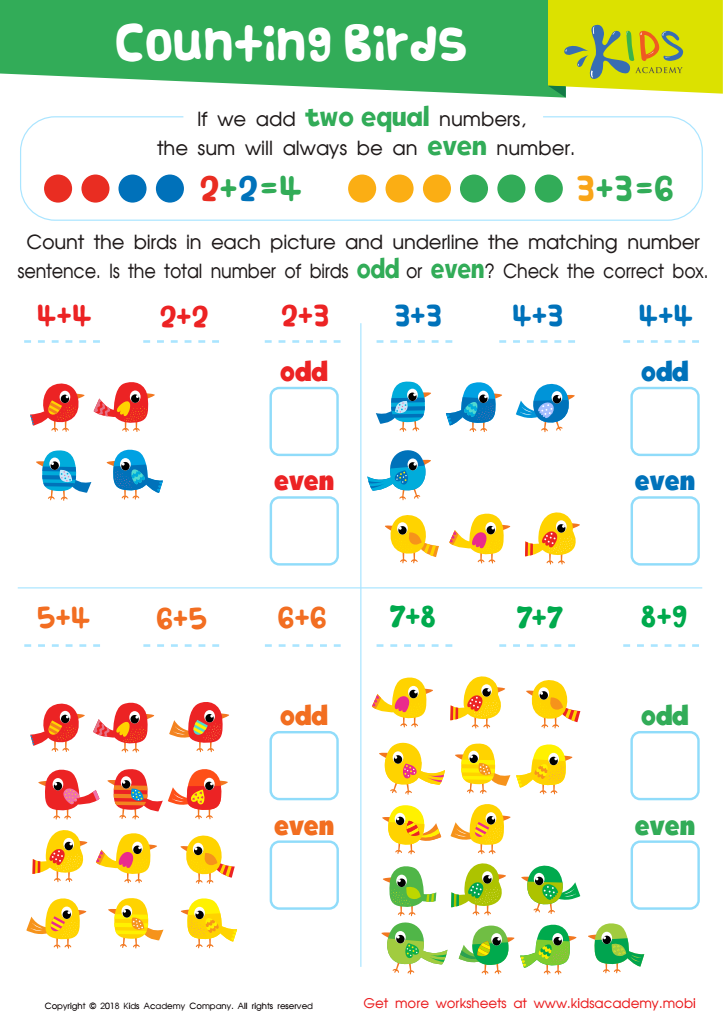
Counting Birds Worksheet
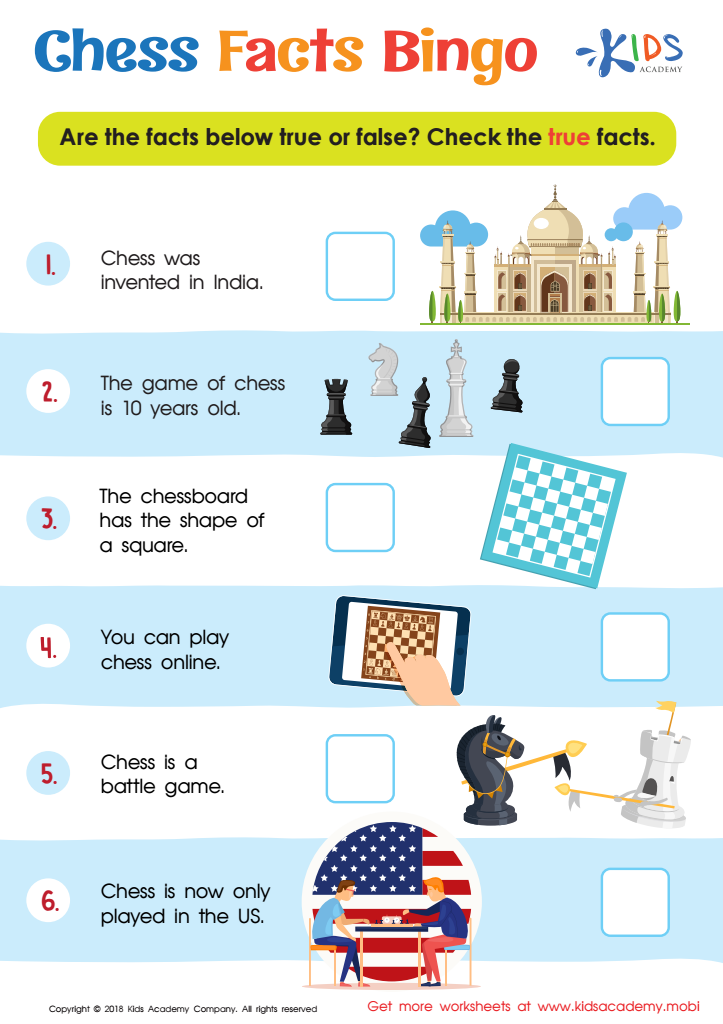
Chess Facts Bingo Worksheet
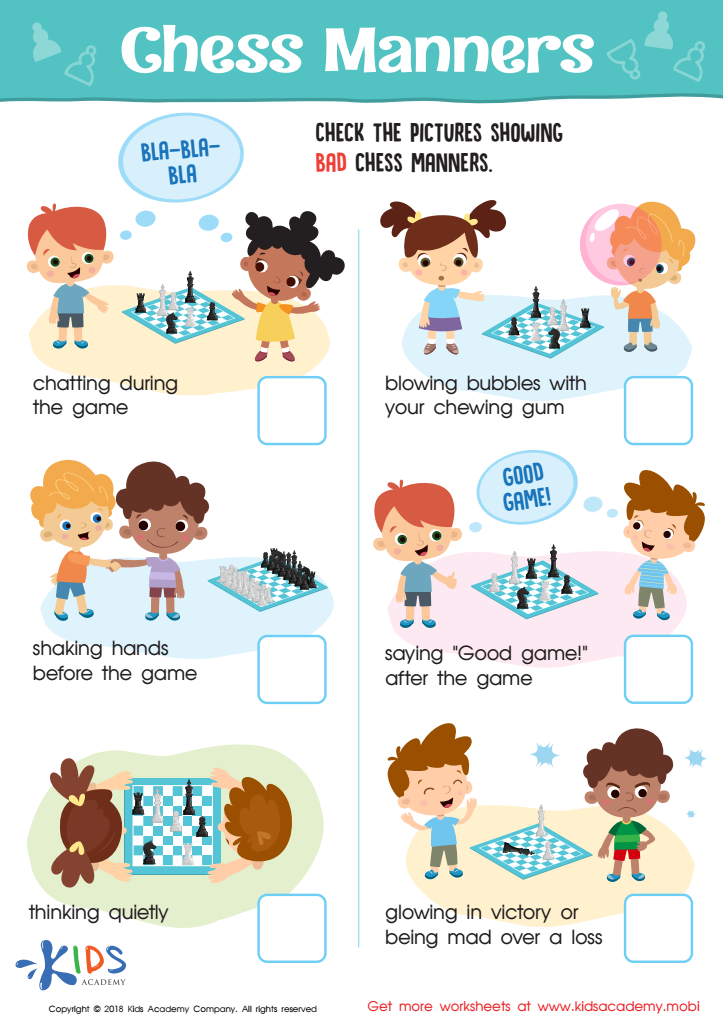
Chess Manners Worksheet
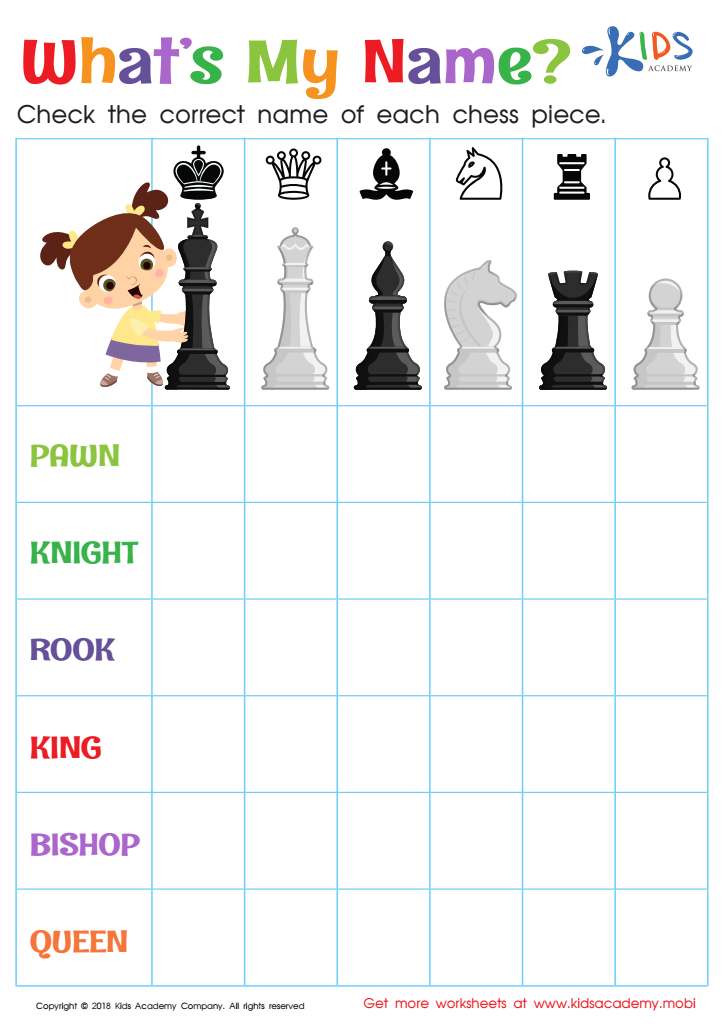
What's My Name? Worksheet
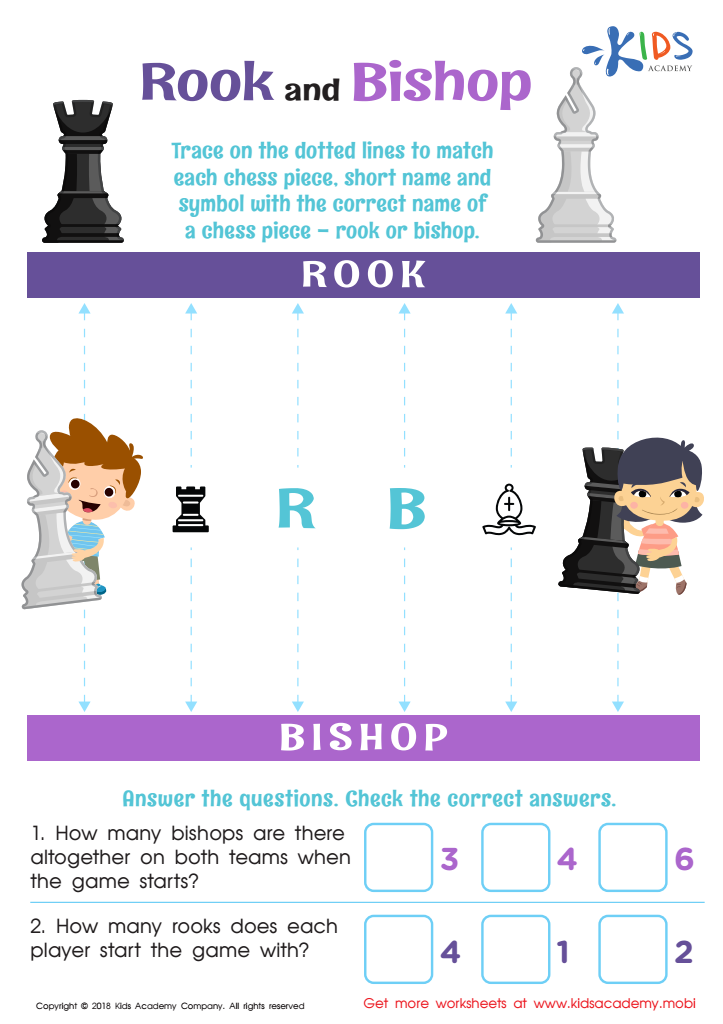
Rook and Bishop Worksheet
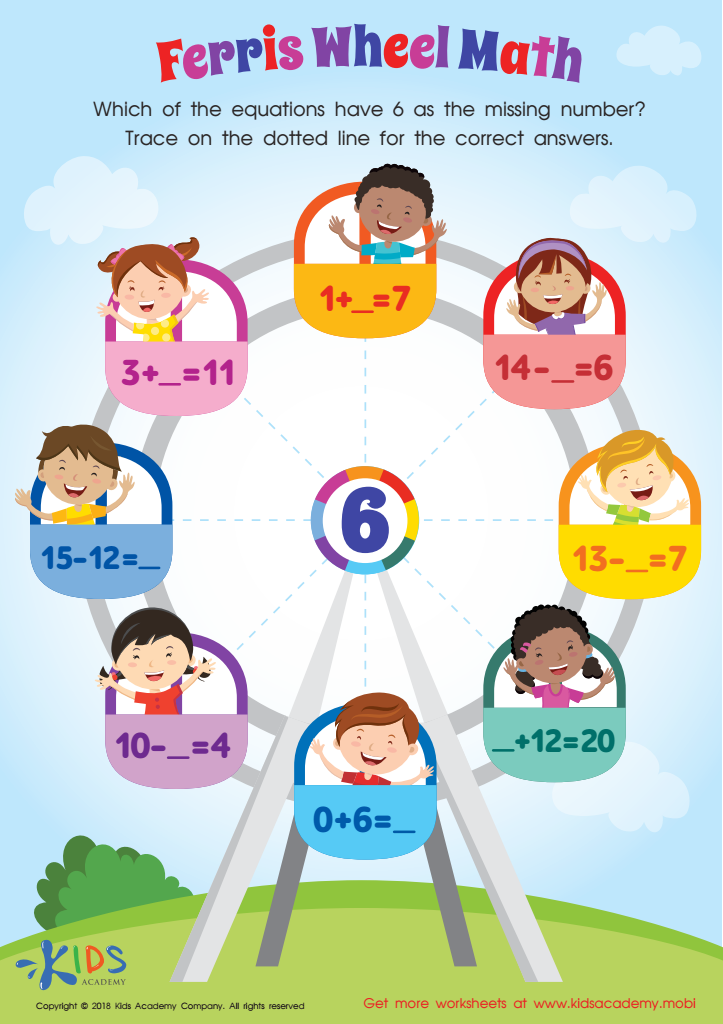
Missing Number: Ferris Wheel Math Worksheet
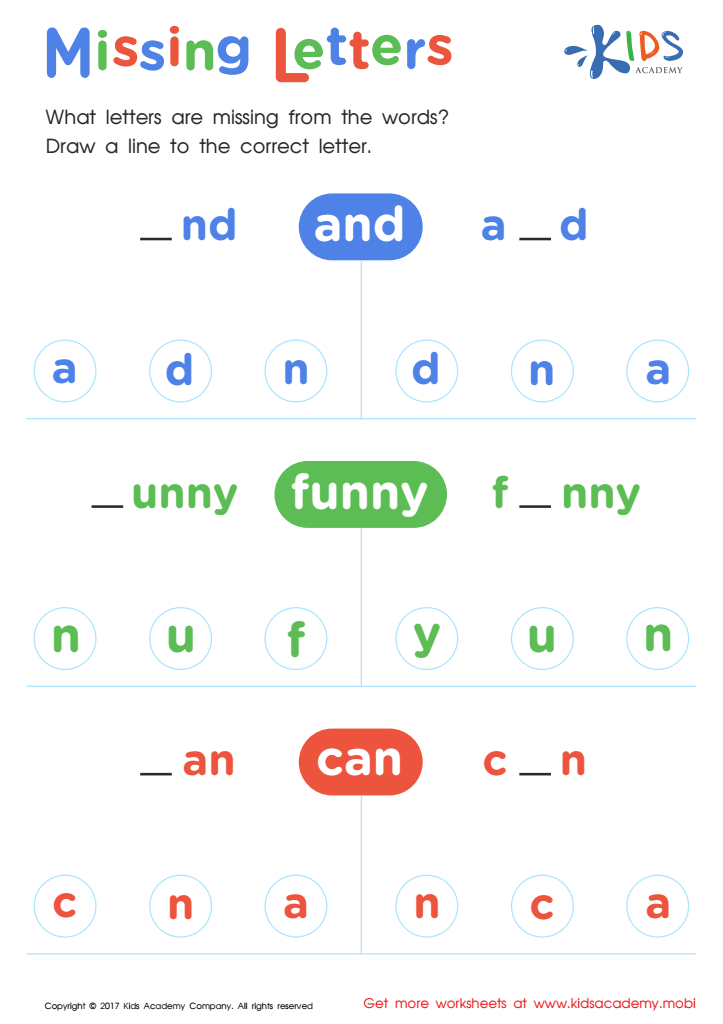
Missing Letters Worksheet
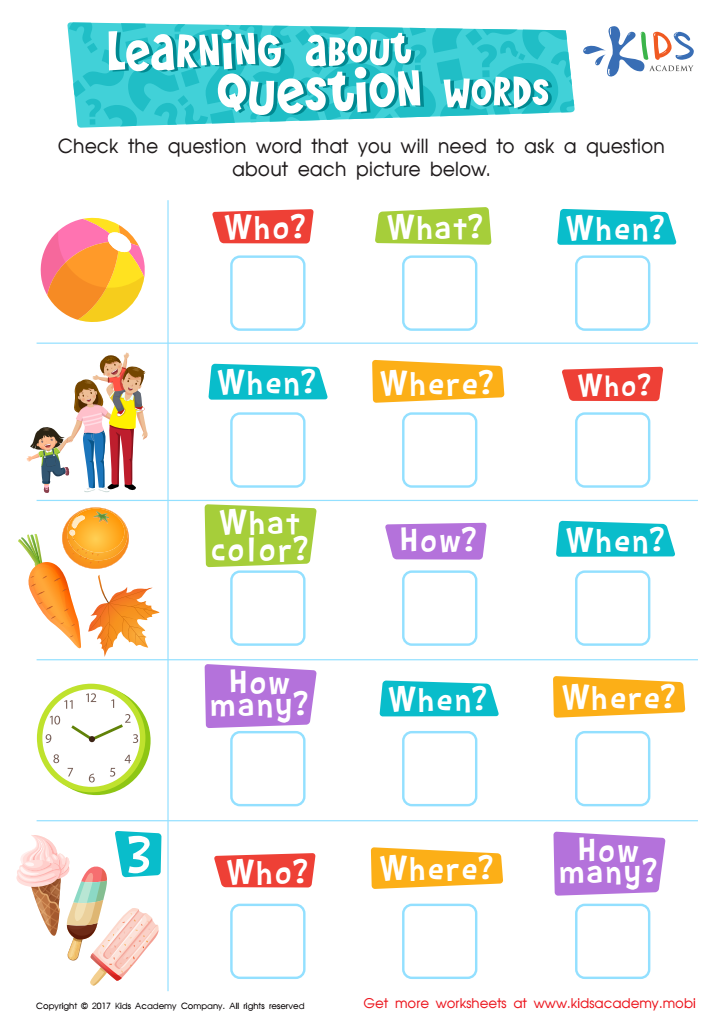
Learning about Question Words Worksheet
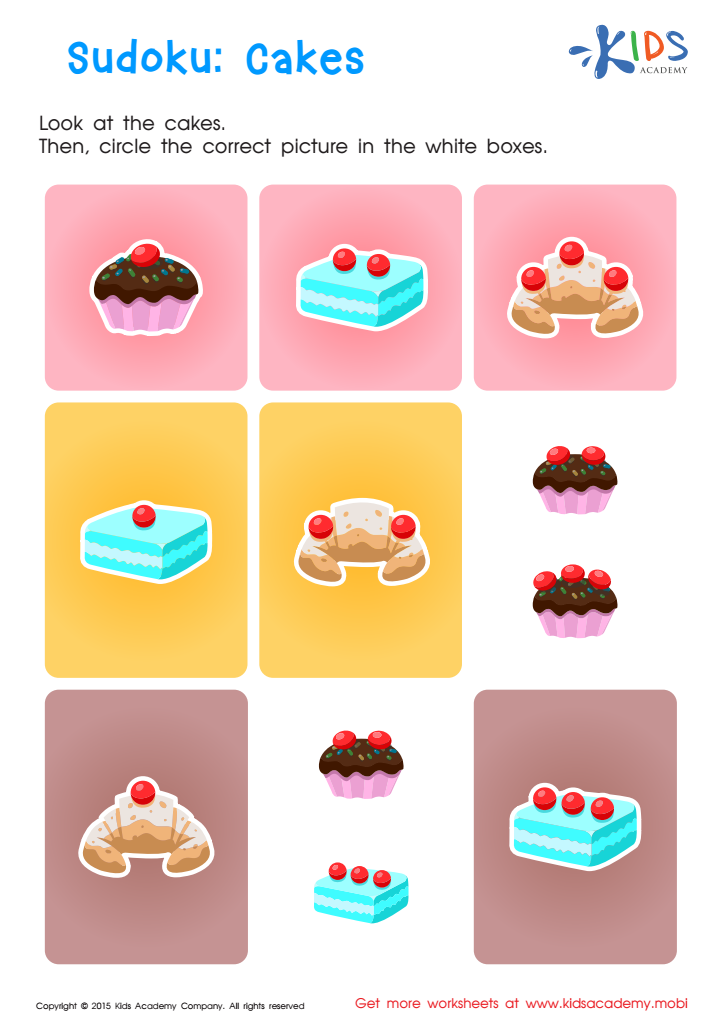
Sudoku Worksheet
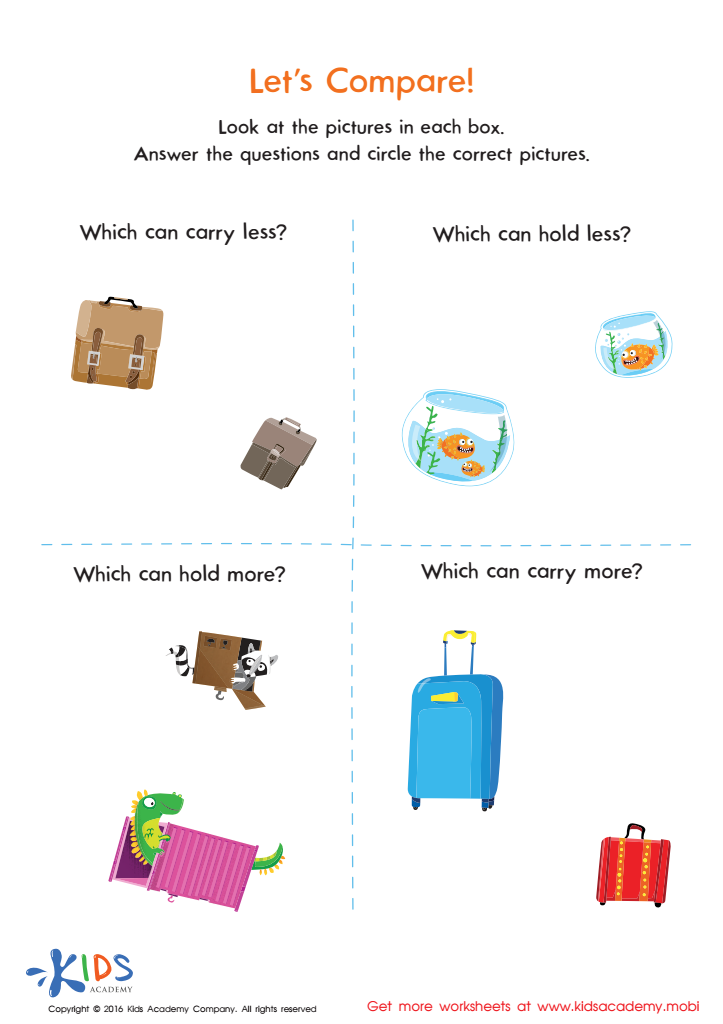
Let's Compare Worksheet: Big or Small
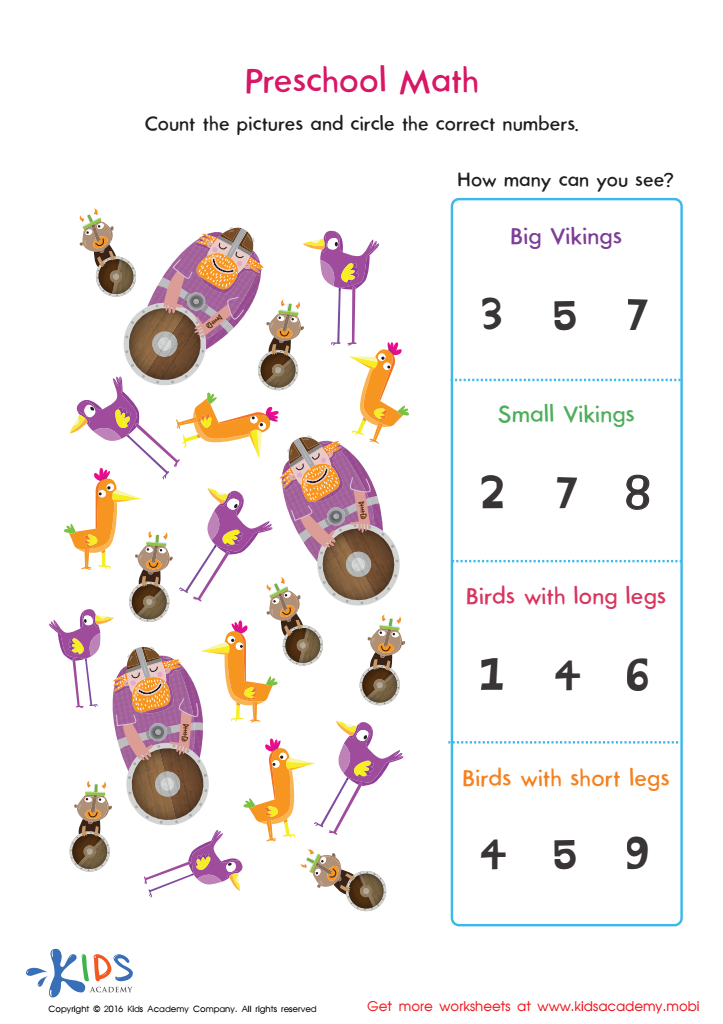
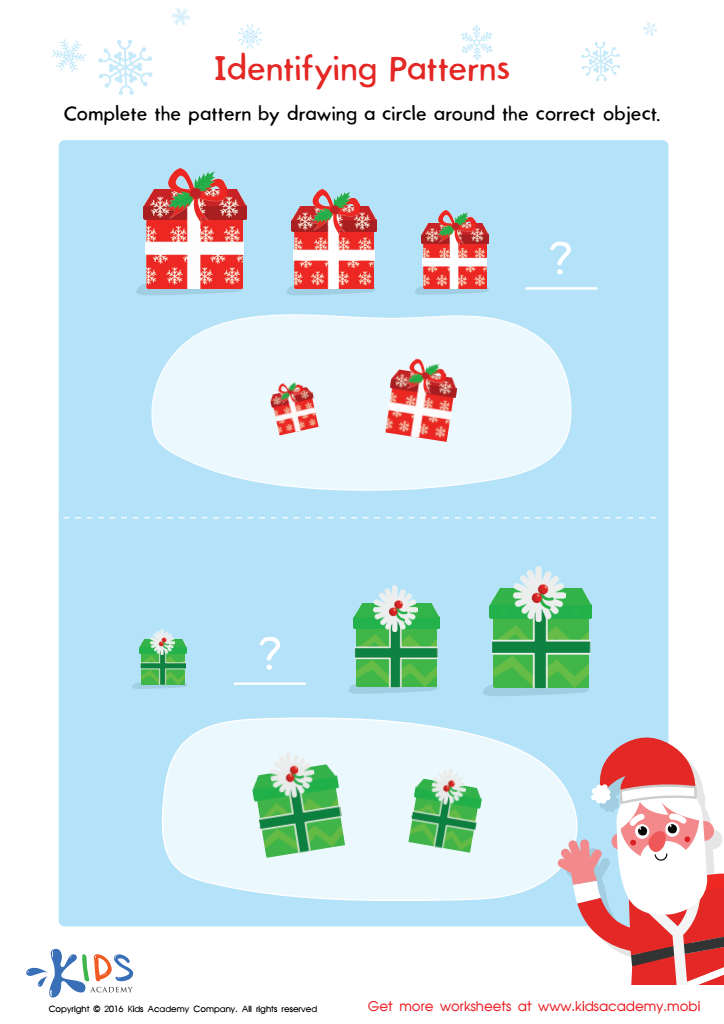
Identifying Patterns Worksheet
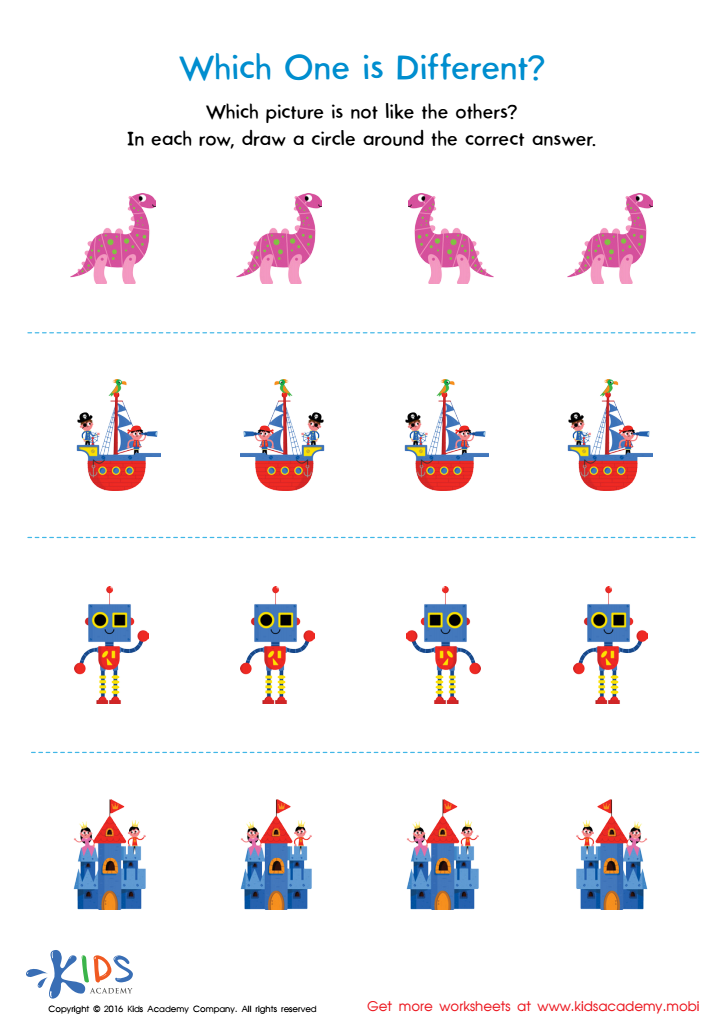
Which One Is Different Worksheet
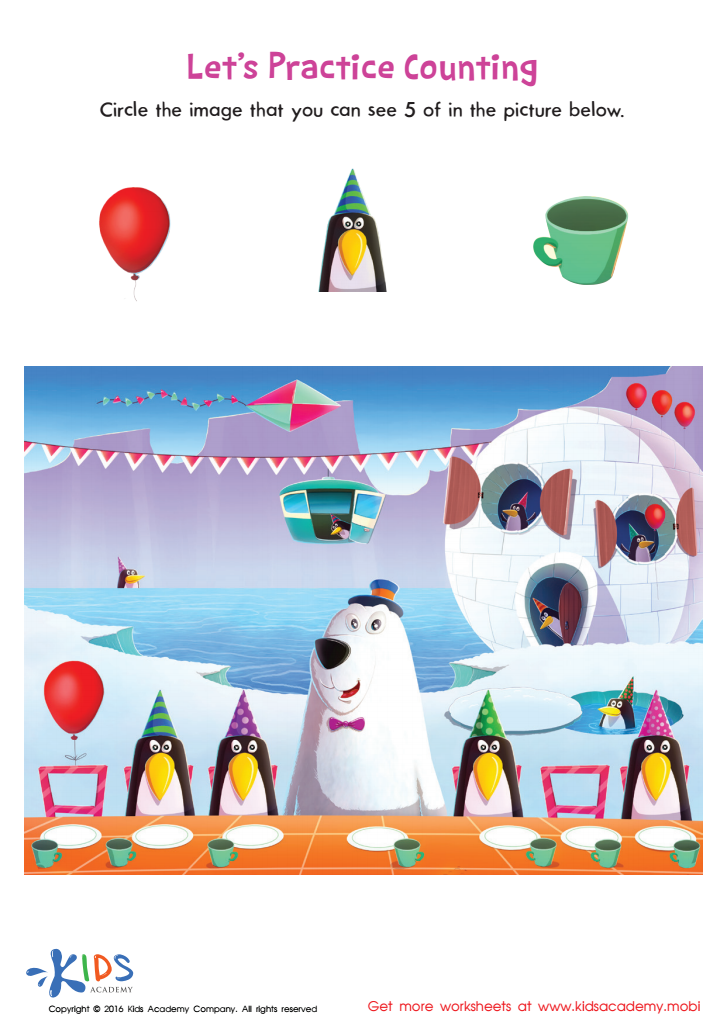
Counting Worksheet: Let's Practice Counting
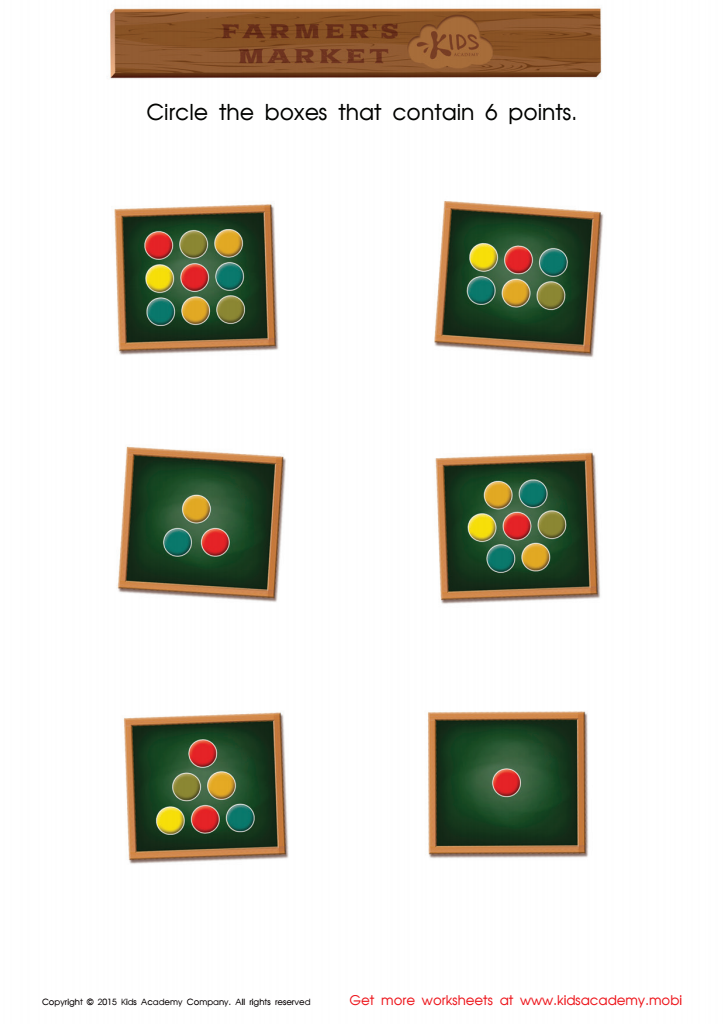
Count and Match Points 6 Math Worksheet
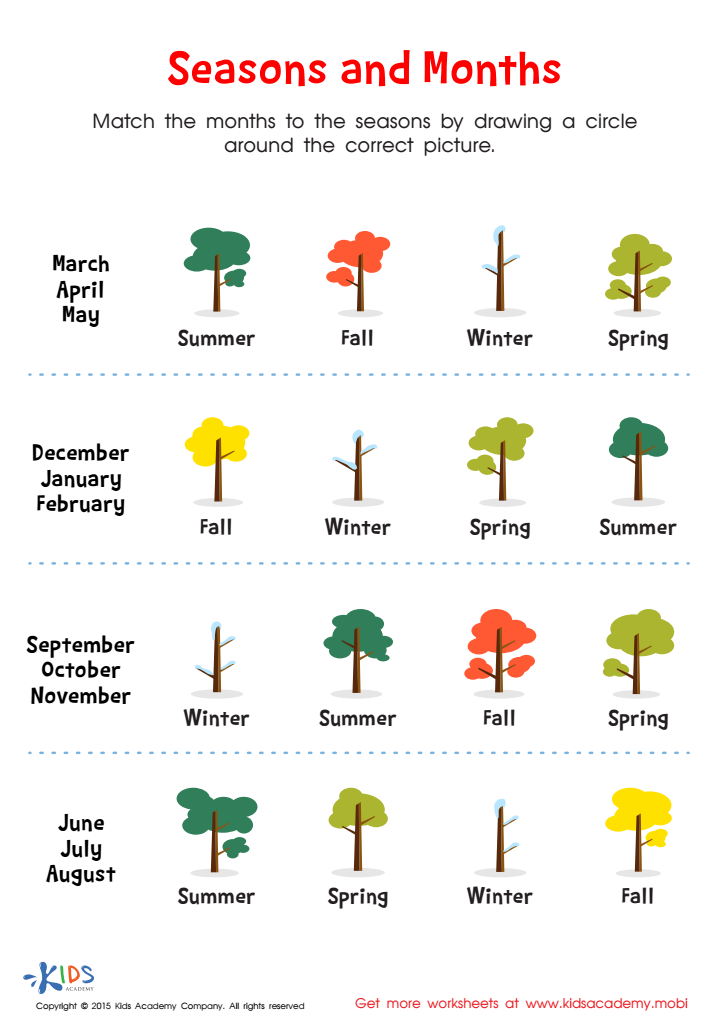
Seasons and Months Worksheet
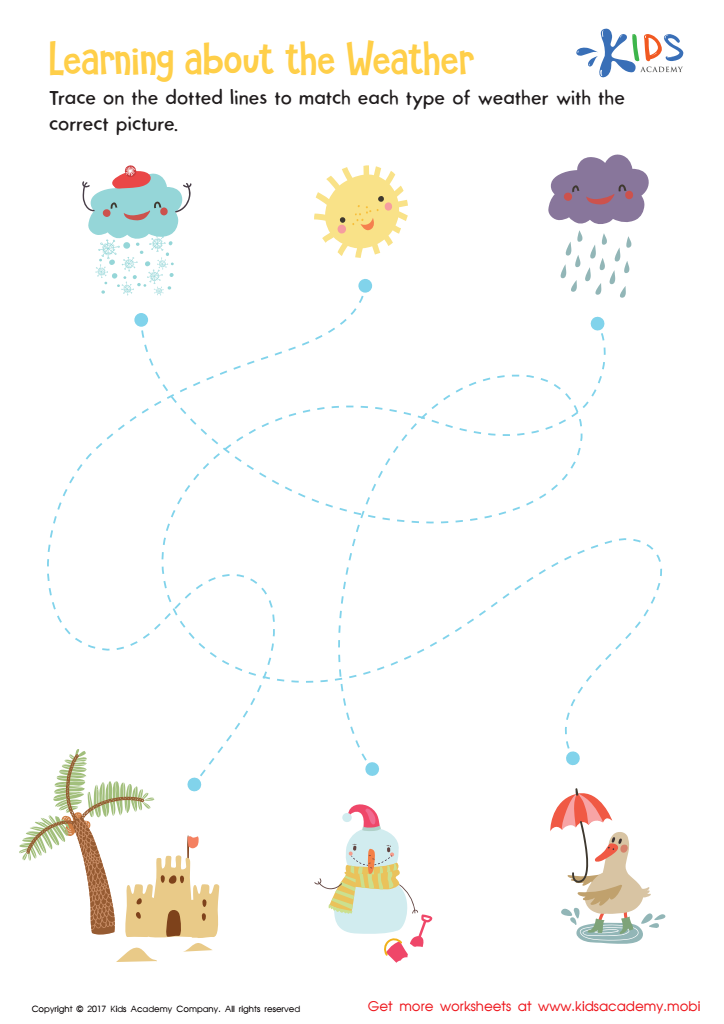
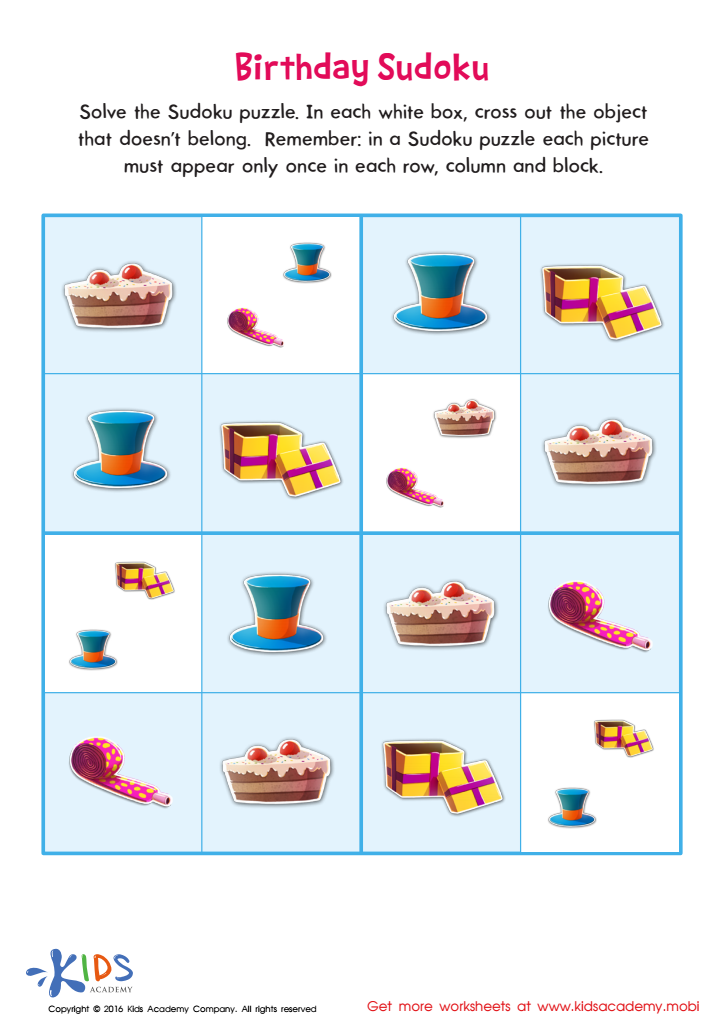
Birthday Sudoku Sorting Worksheet
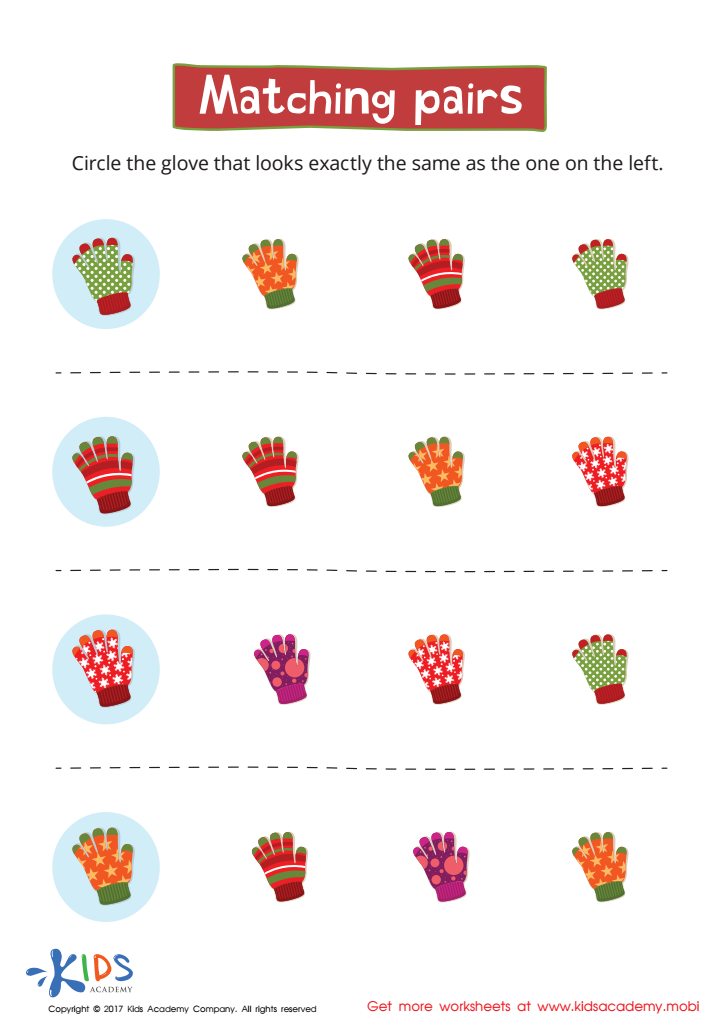
Matching: Matching Pairs Worksheet
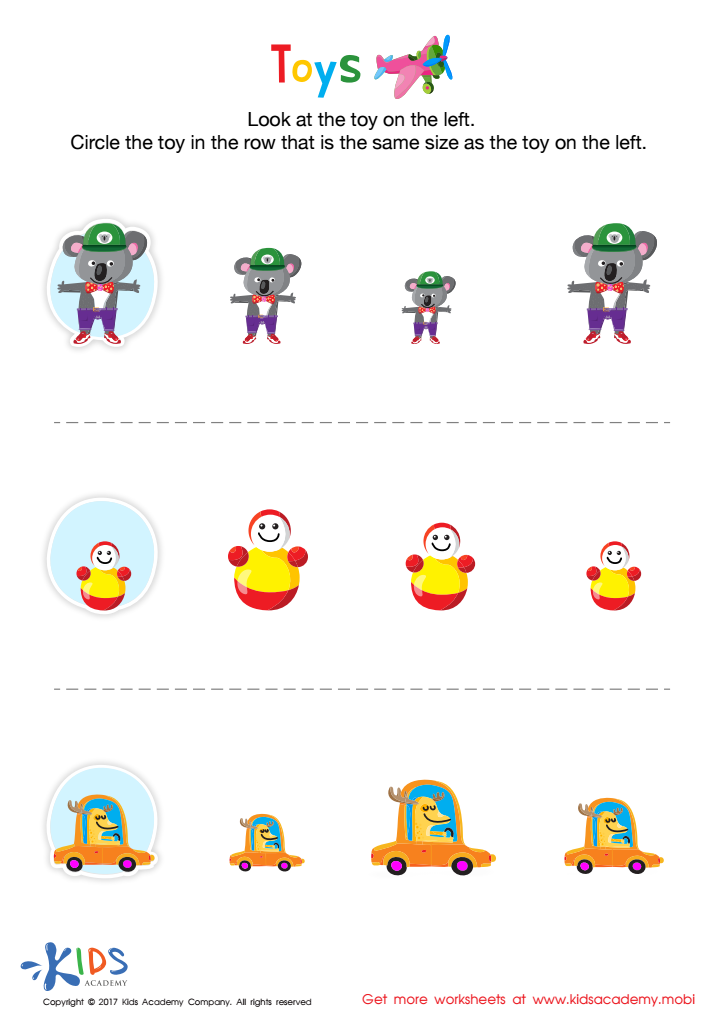
Matching: Classifying Toys by Size Worksheet





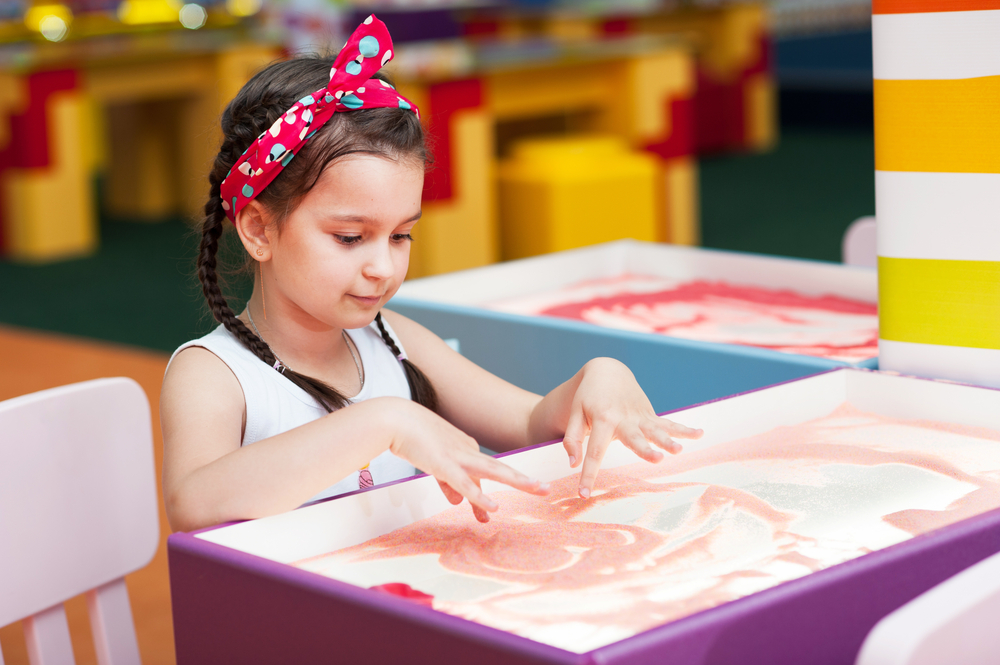


Matching activities are foundational for young children aged 5-7 as they play a critical role in developing crucial cognitive, motor, and social skills. At this developmental stage, children's brains are highly receptive to pattern recognition, which is fundamental for reading, math, and problem-solving abilities. Matching exercises stimulate memory recall, enhance concentration, and improve attention to detail as children discern similarities and differences among pictures, shapes, colors, or numbers.
For instance, matching games enhance visual discrimination, an essential pre-reading skill that helps children identify letters and words later on. Additionally, dealing with physical objects during matching activities hones fine motor skills by encouraging control and coordination necessary for tasks like writing and cutting.
Socially, matching exercises often involve cooperative play where children take turns or work together, thereby learning valuable interpersonal skills like sharing and communicating. This nurtures an environment of collaboration and support among peers, which is important for emotional development.
Lastly, matching fosters a sense of achievement and boosts self-esteem in young learners. Successfully completing a matching task gives children confidence, encouraging a positive attitude toward learning and persistence in challenging situations. Thus, parents and teachers should value and incorporate matching activities to support the holistic development of children in this age group.








