Space Worksheets for Ages 5-8 - Page 2
42 filtered results
-
From - To
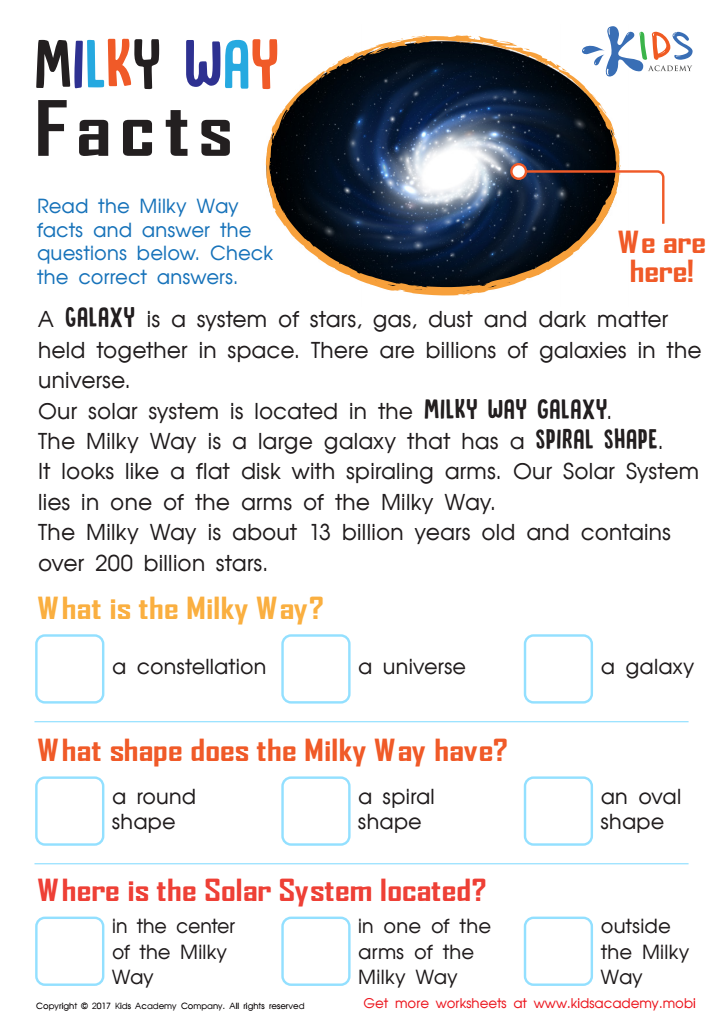
Milky Way Facts Worksheet
 Assign to My Students
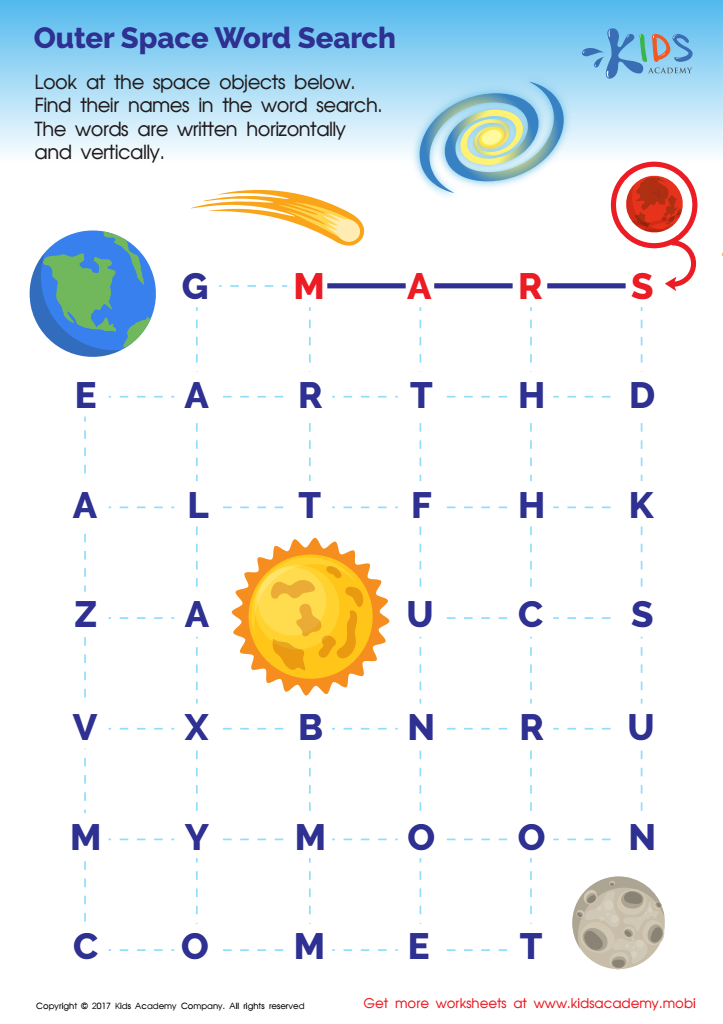
Outer Space Word Search Printable
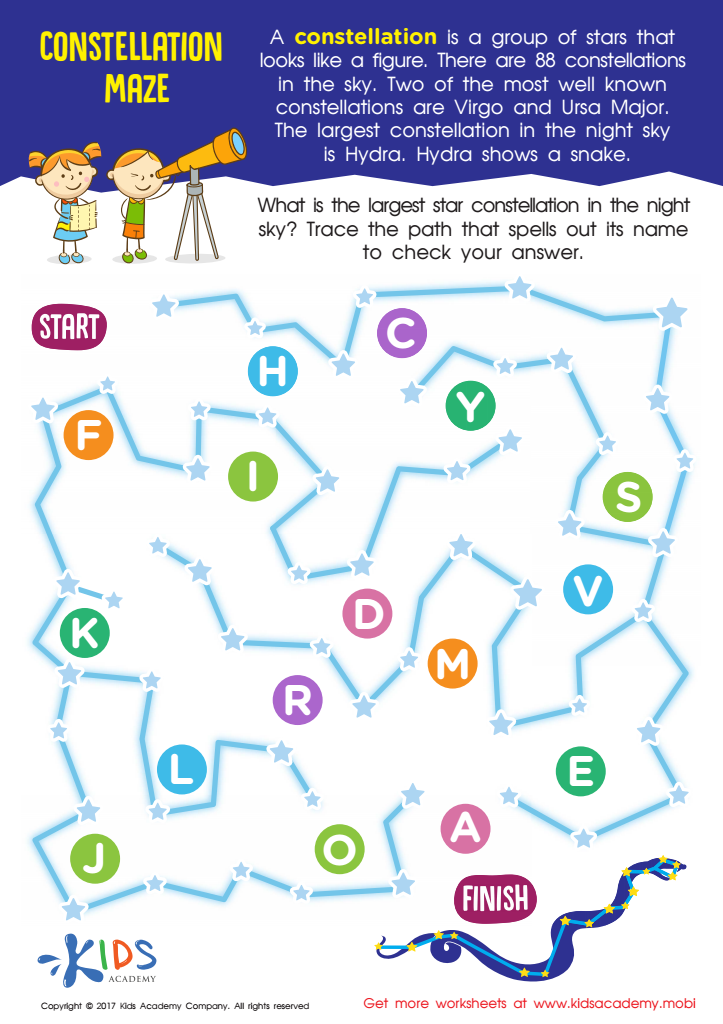
Constellations Worksheet
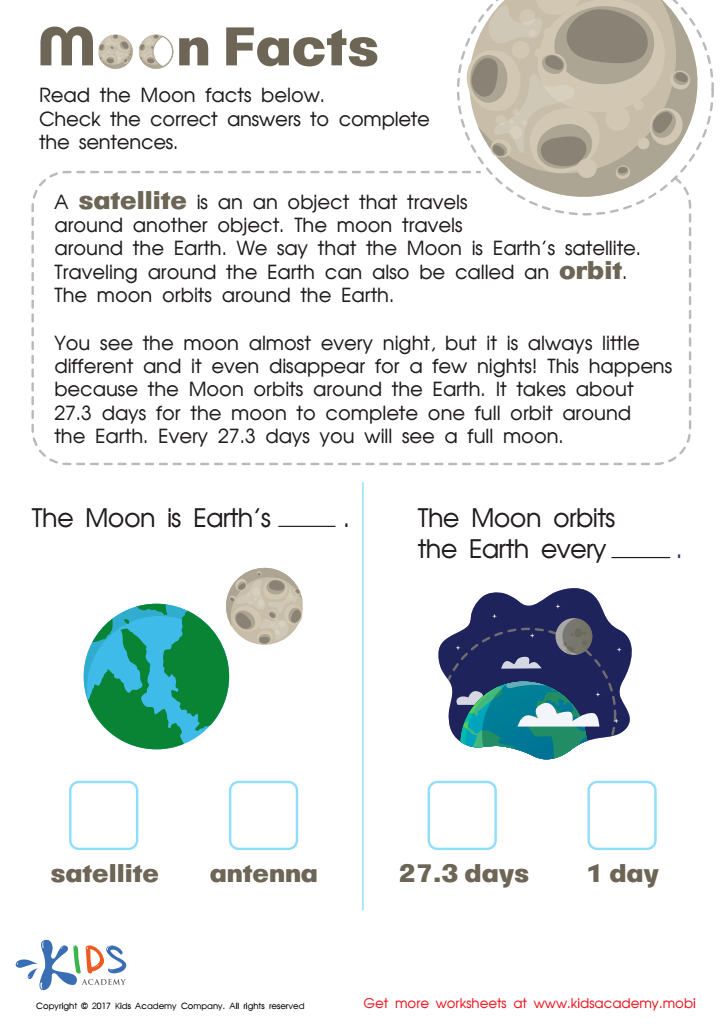
Moon Facts Worksheet
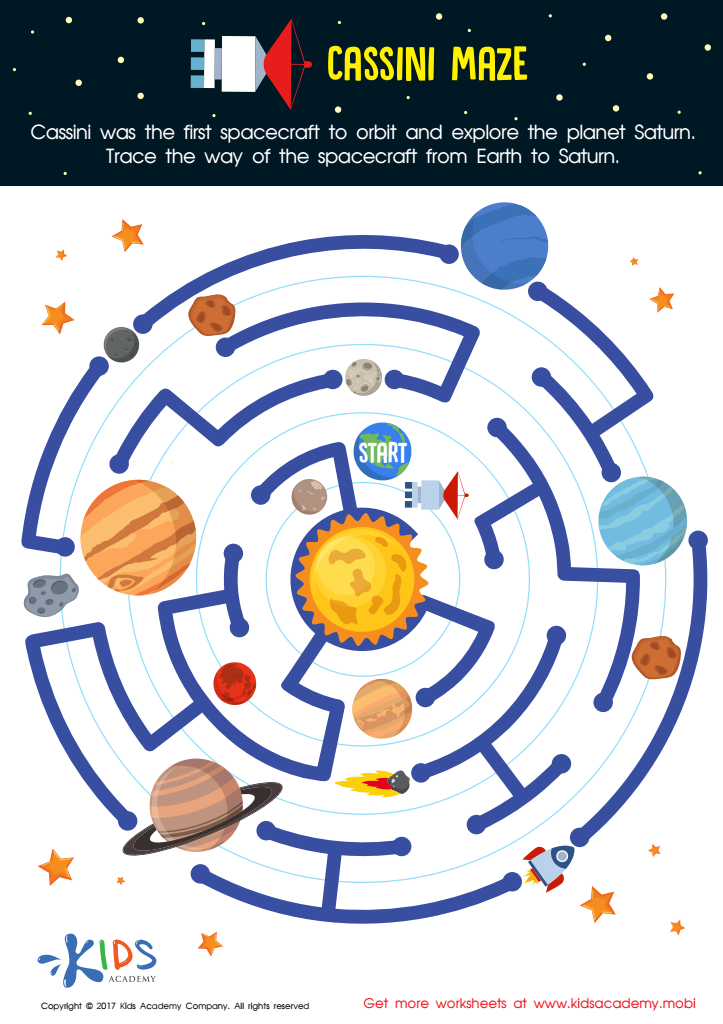
Cassini Printable Worksheet
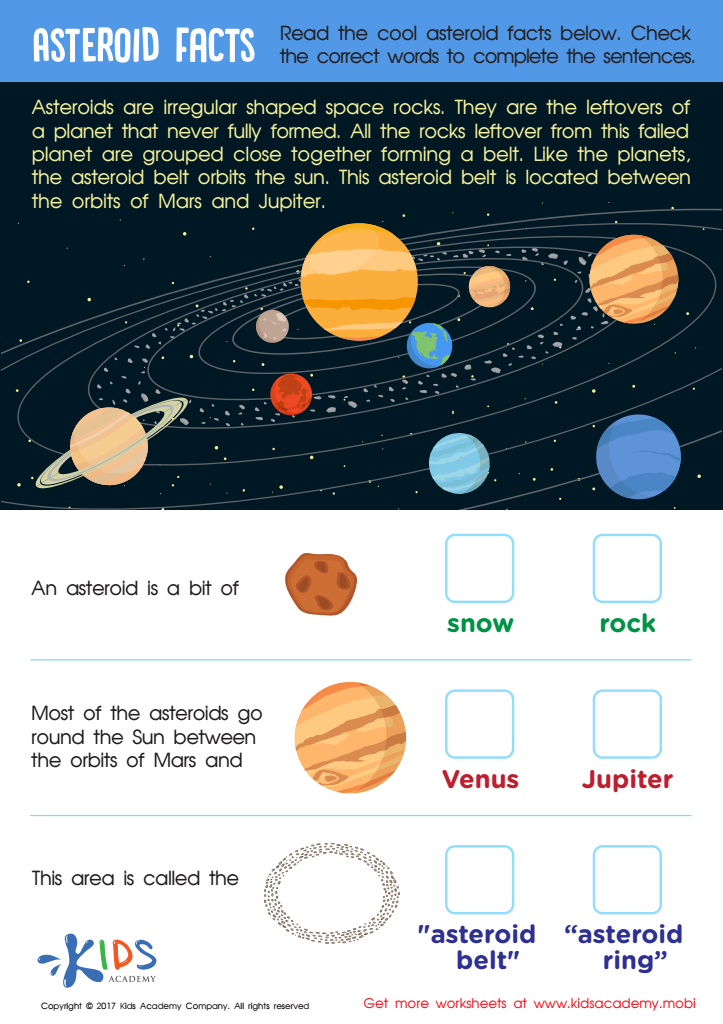
Asteroid Facts Worksheet
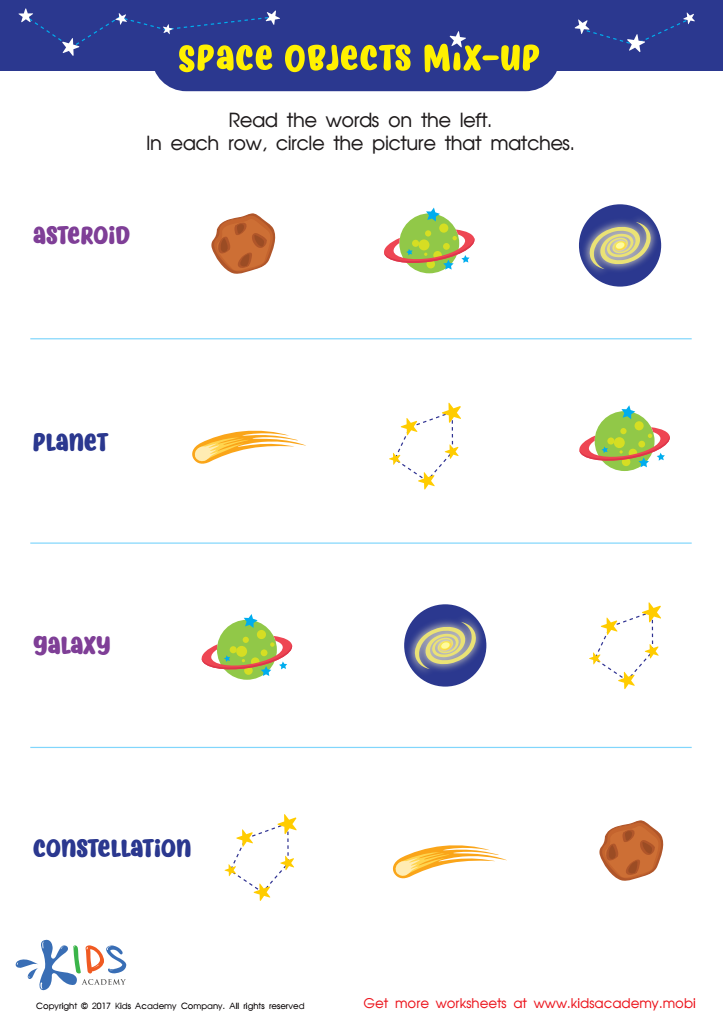
Science: Space Objects Worksheet
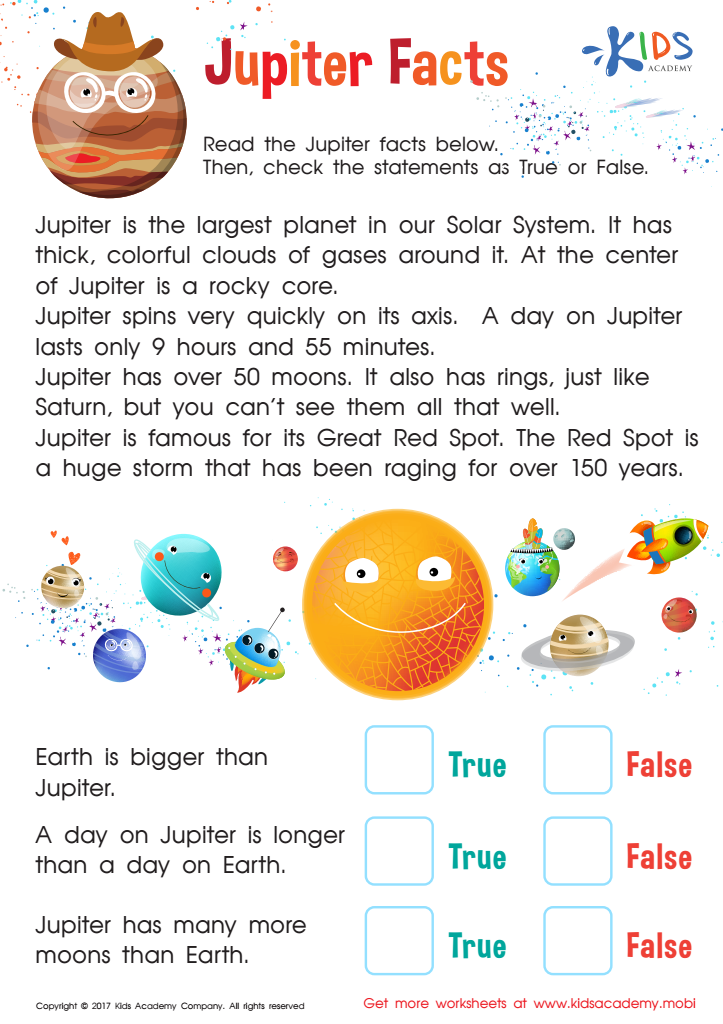
Jupiter Facts Worksheet
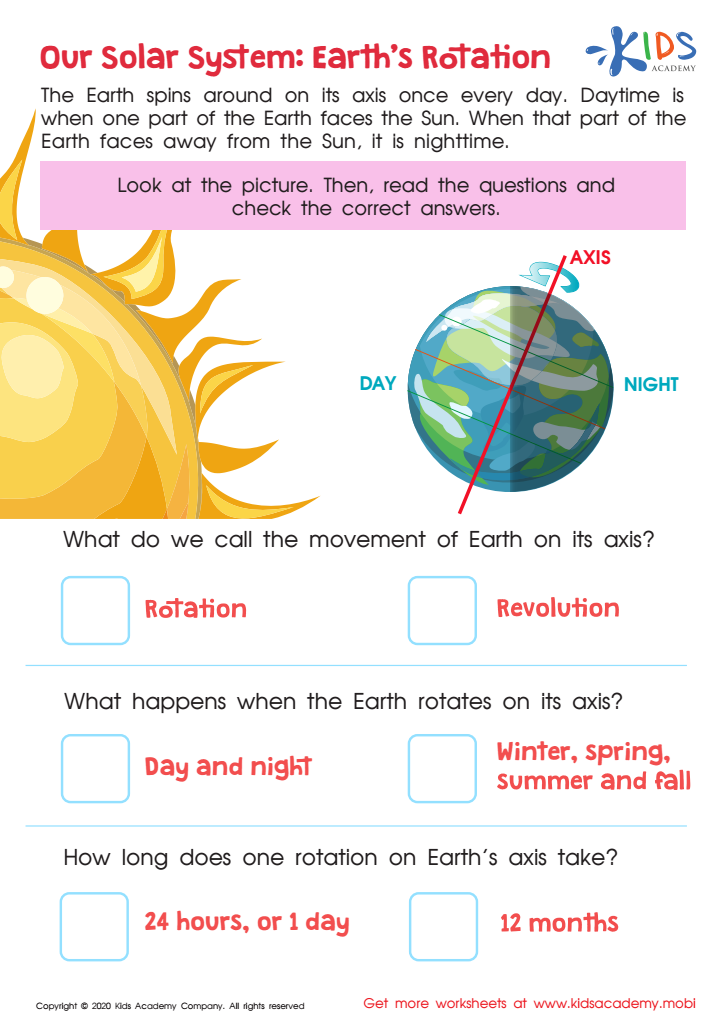
Our Solar System: Earth's Rotation Printable
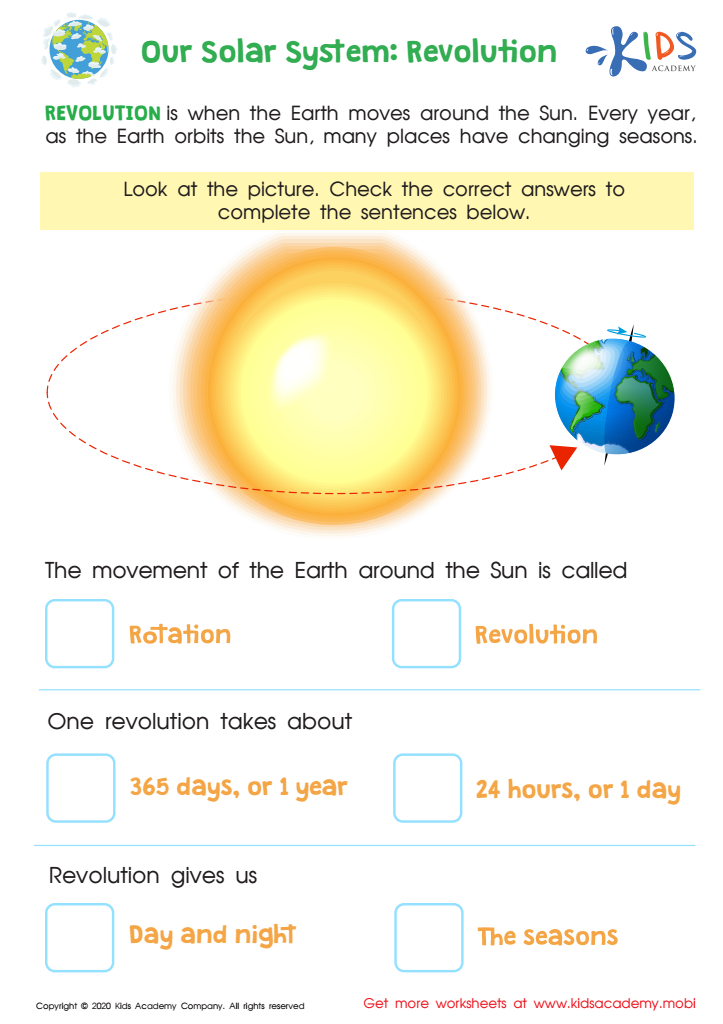
Our Solar System: Revolution Printable
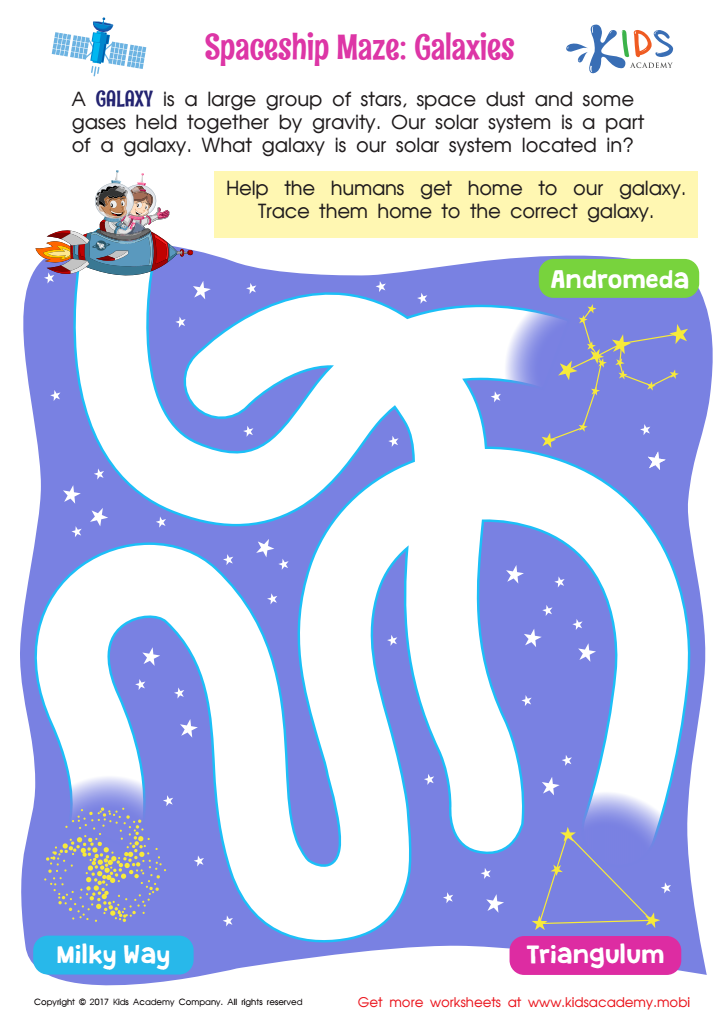
Spaceship Maze: Galaxies Worksheet
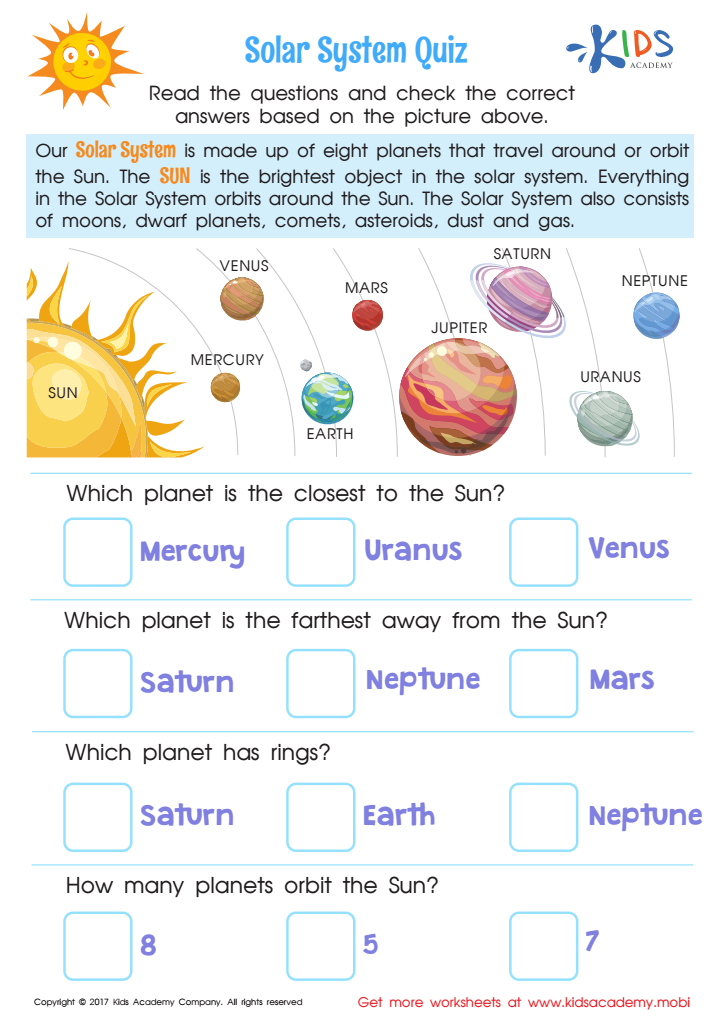
Solar System Quiz Printable
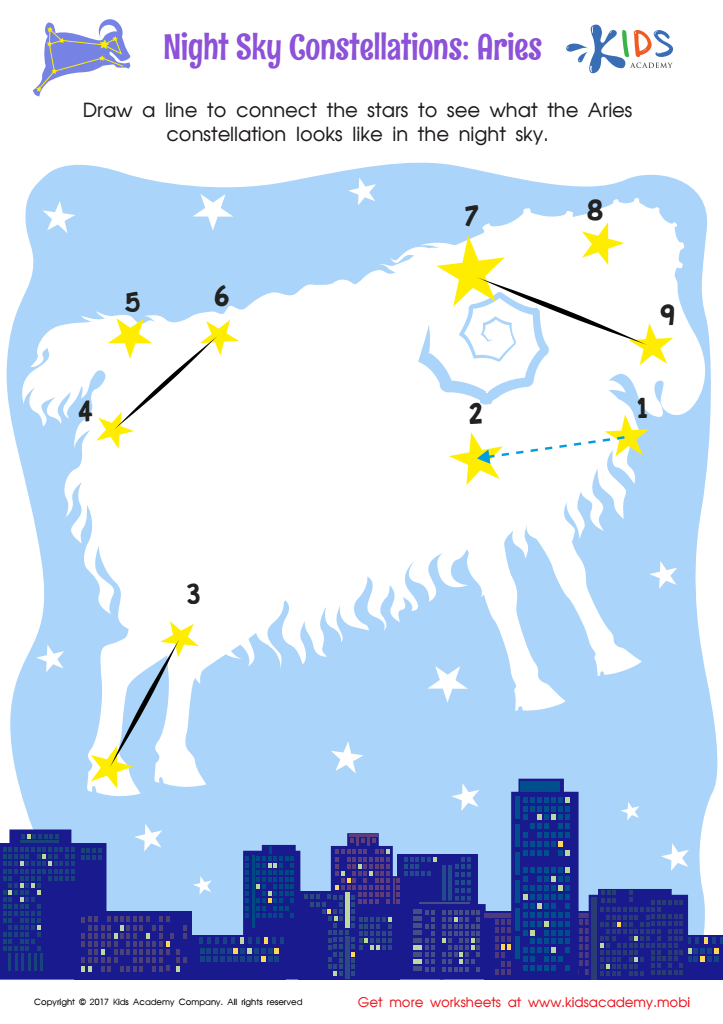
Night Sky Constellations: Aries Worksheet
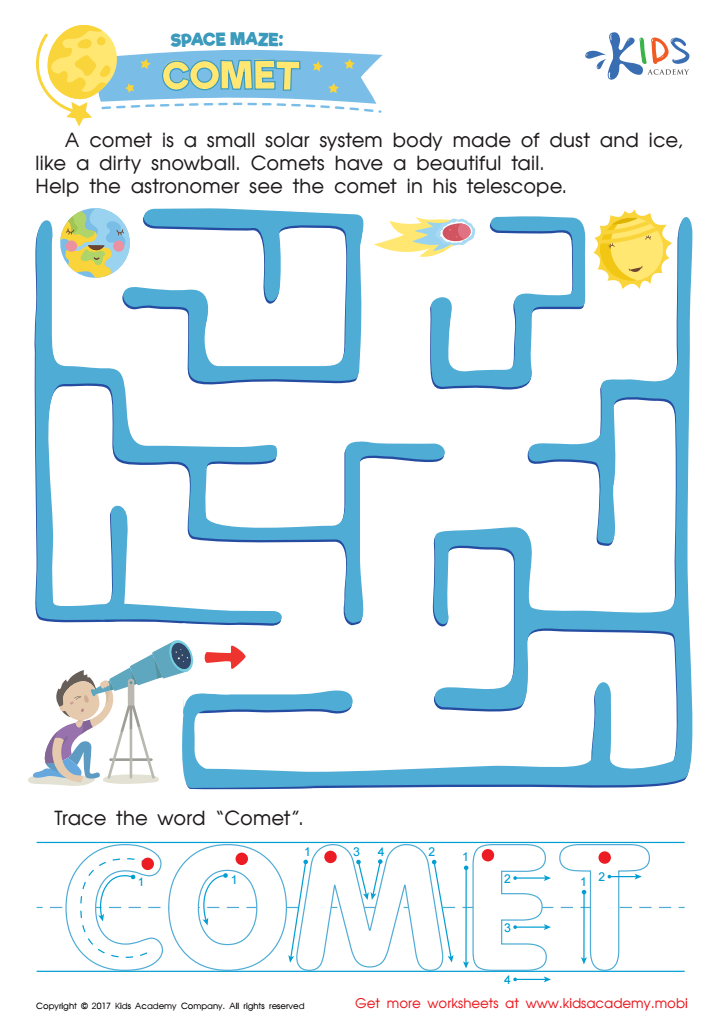
Astronomer Maze: Telescope Worksheet
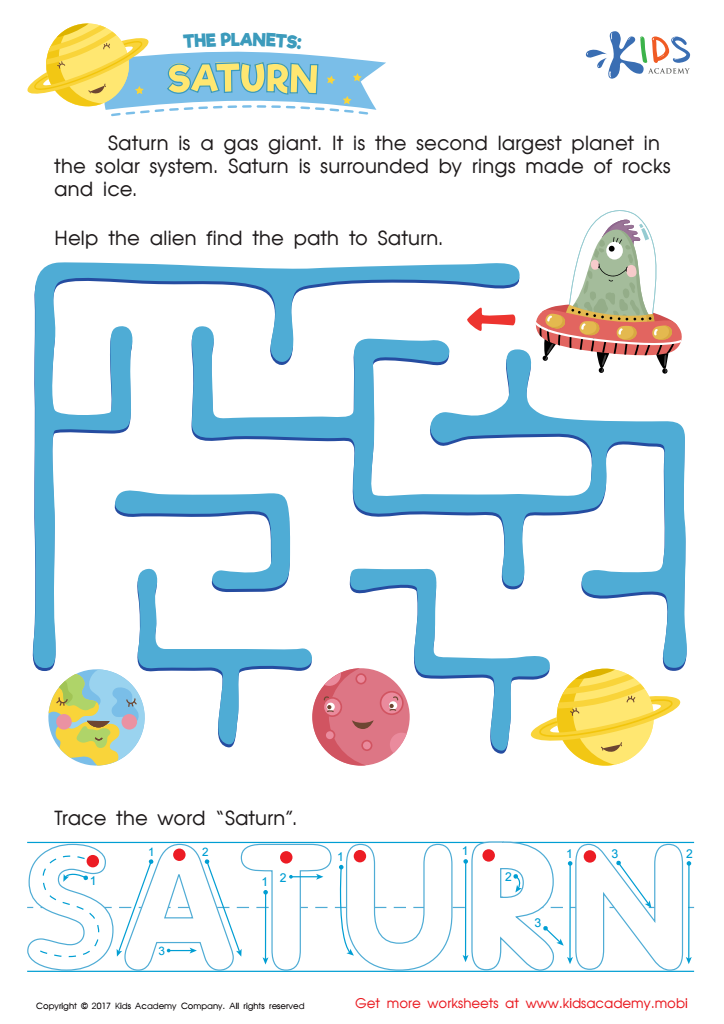
The Planets: Saturn Printable



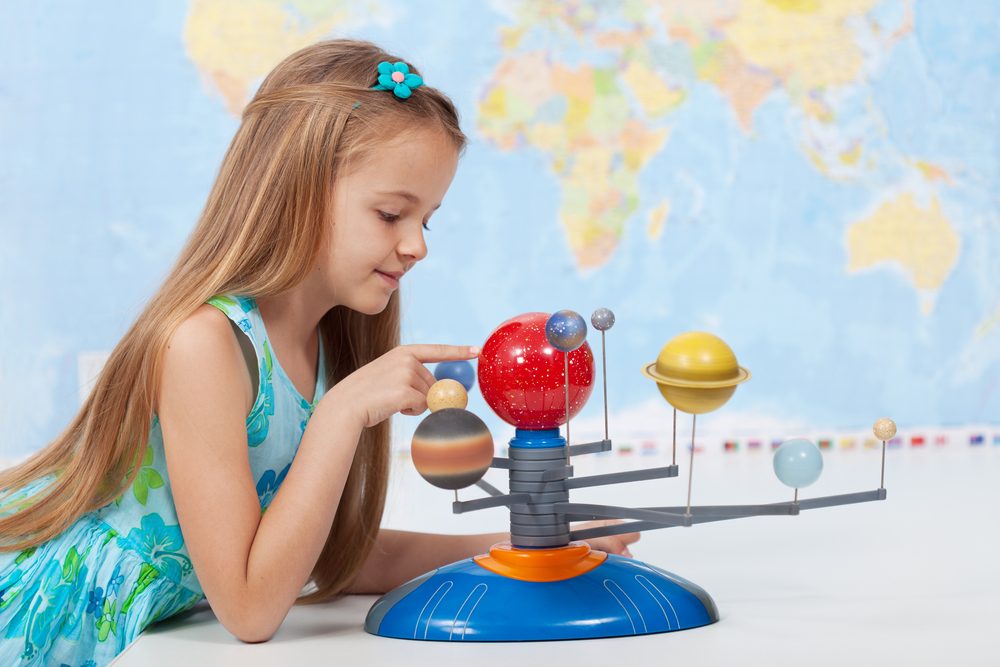




Parents and teachers should care about space for children ages 5-8 for several compelling reasons. First, space sparks curiosity and imagination. At this age, children are naturally inquisitive, and space exploration offers a world of wonder that can captivate their interest. Learning about planets, stars, and galaxies can ignite a passion for science and discovery that lasts a lifetime.
Second, understanding space fosters critical thinking and problem-solving skills. Discussing concepts like gravity, orbits, and the scale of the universe encourages children to ask questions and explore answers, helping them develop analytical abilities.
Additionally, space education promotes literacy and numeracy. Children can improve their vocabulary while learning terms like "orbital" and "galaxy," and enjoy hands-on activities like measuring distances or counting planets, reinforcing math skills.
Lastly, space inspires a sense of global citizenship. Learning about our place in the universe encourages kids to think about Earth’s resources and the importance of caring for our planet. By engaging with space, parents and teachers can cultivate an informed, curious generation that appreciates science and is excited about our universe.







