Measurement Worksheets for Ages 5-9 - Page 5
109 filtered results
-
From - To
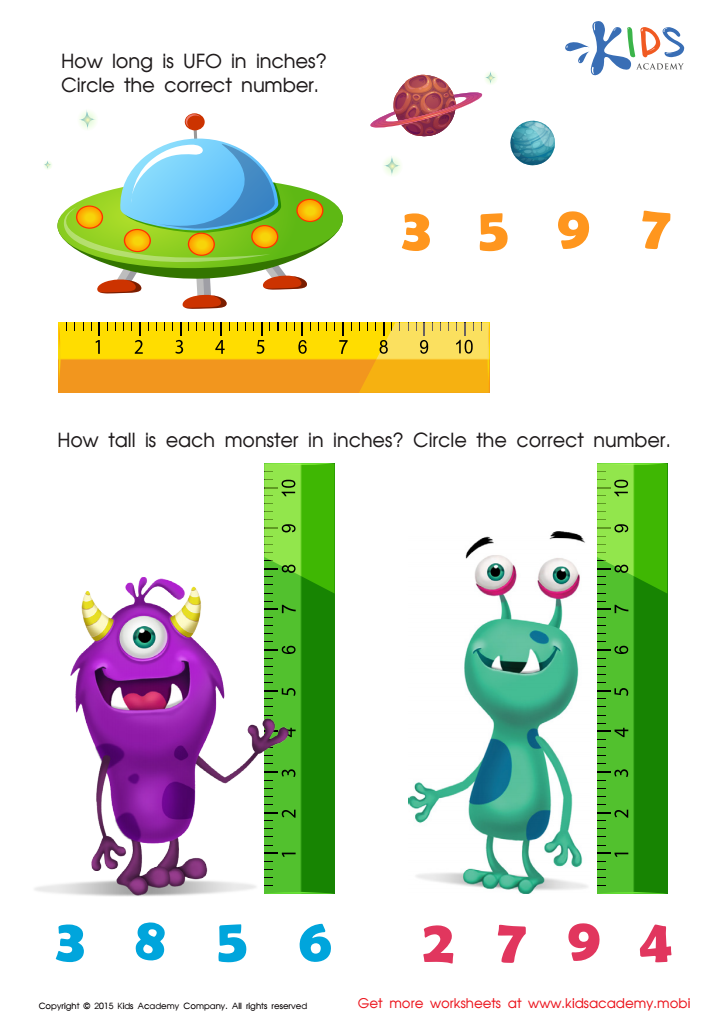
Measuring in Inches Worksheet
 Assign to My Students
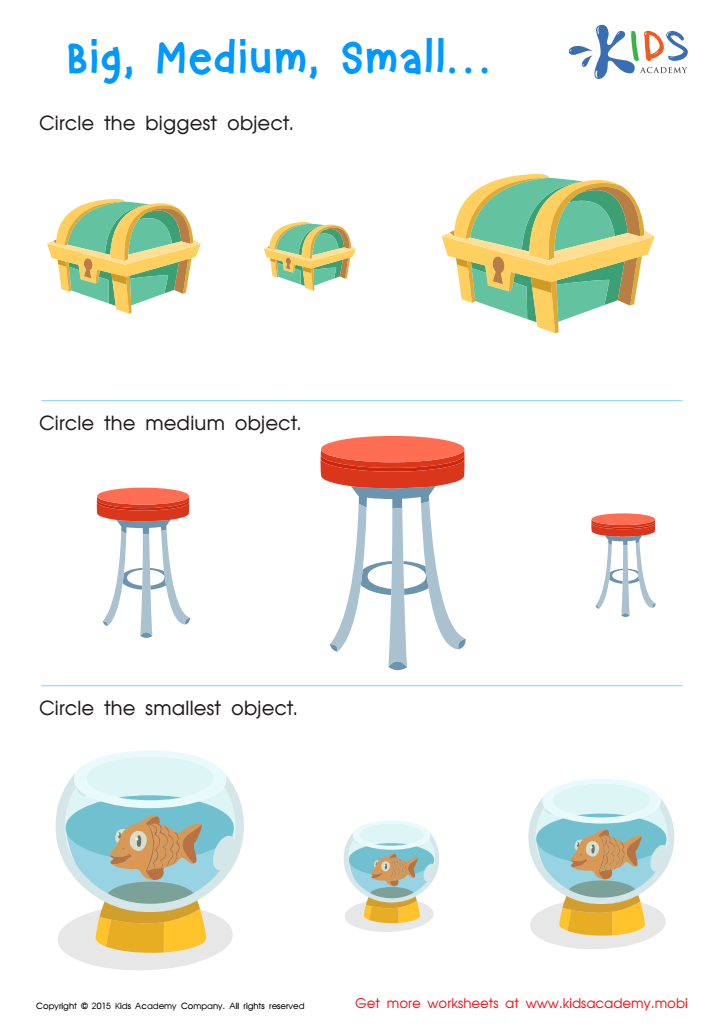
Big Medium Small Worksheet
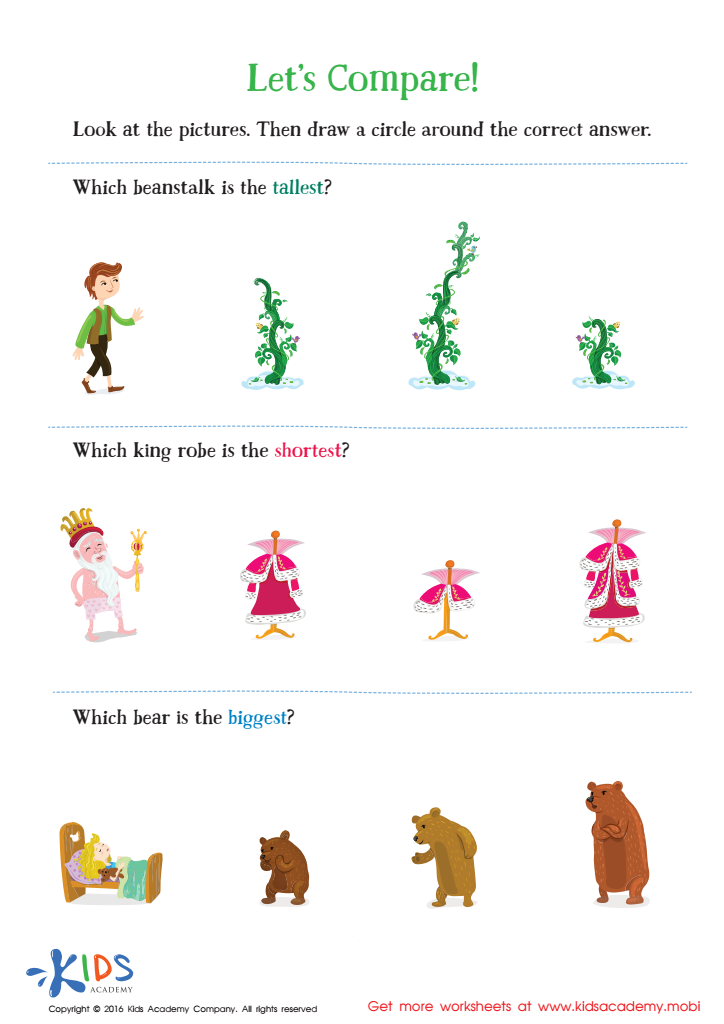
Fairy Tale Worksheet: Let's Compare
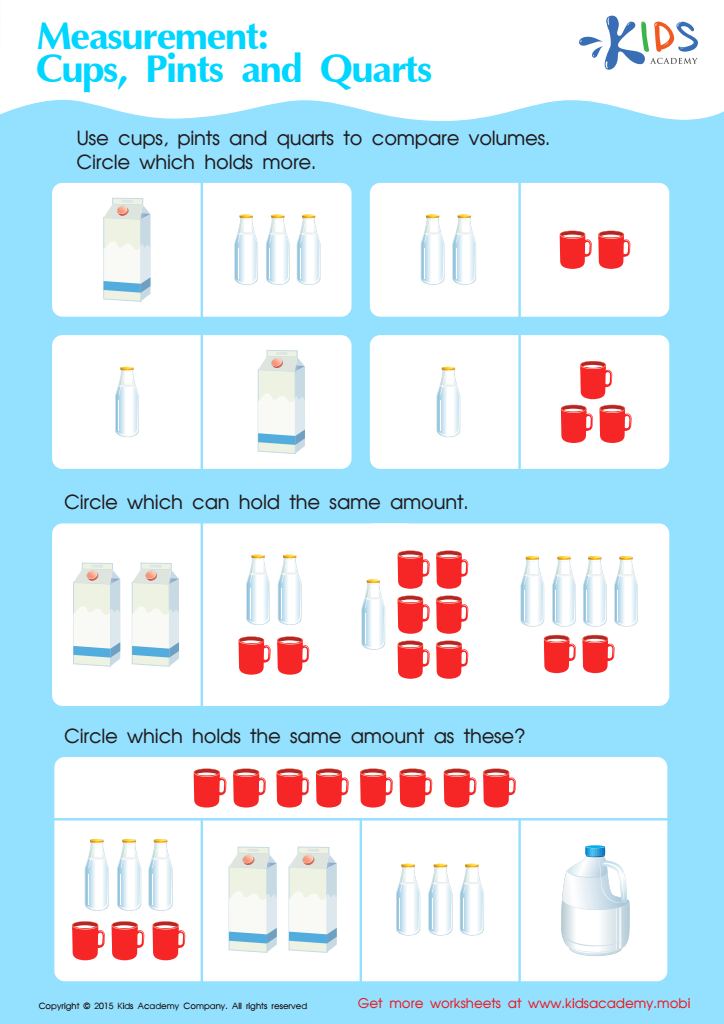
Measurement: Compare Volumes Worksheet
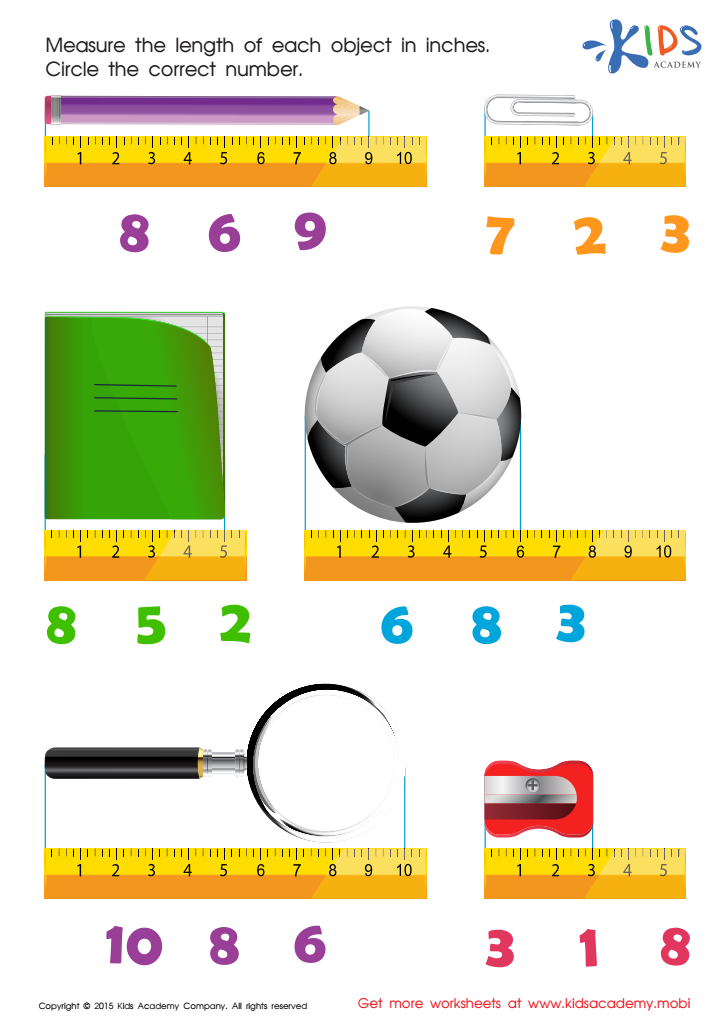
Learning measuring objects in inches Worksheet
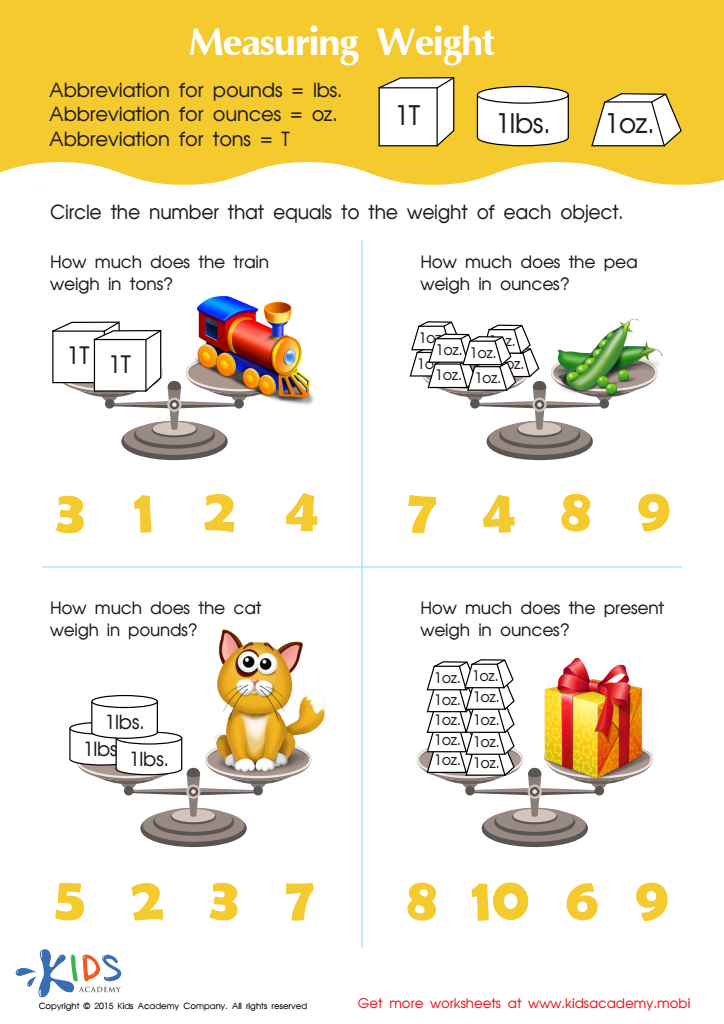
Measuring Weight in Ounces, Pounds and Tons Worksheet
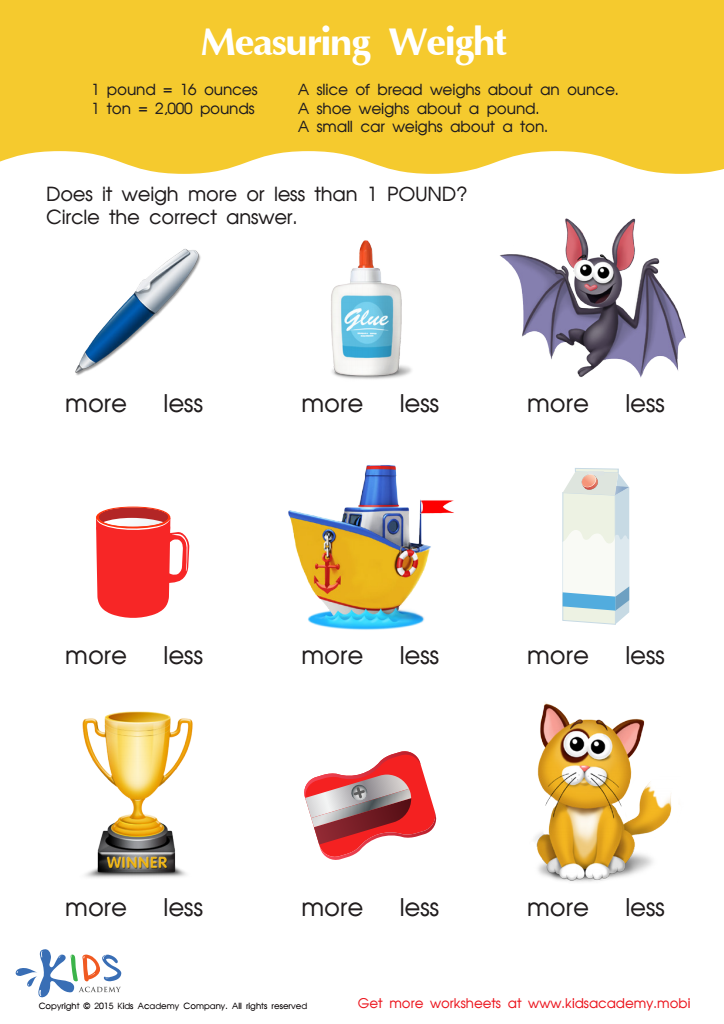
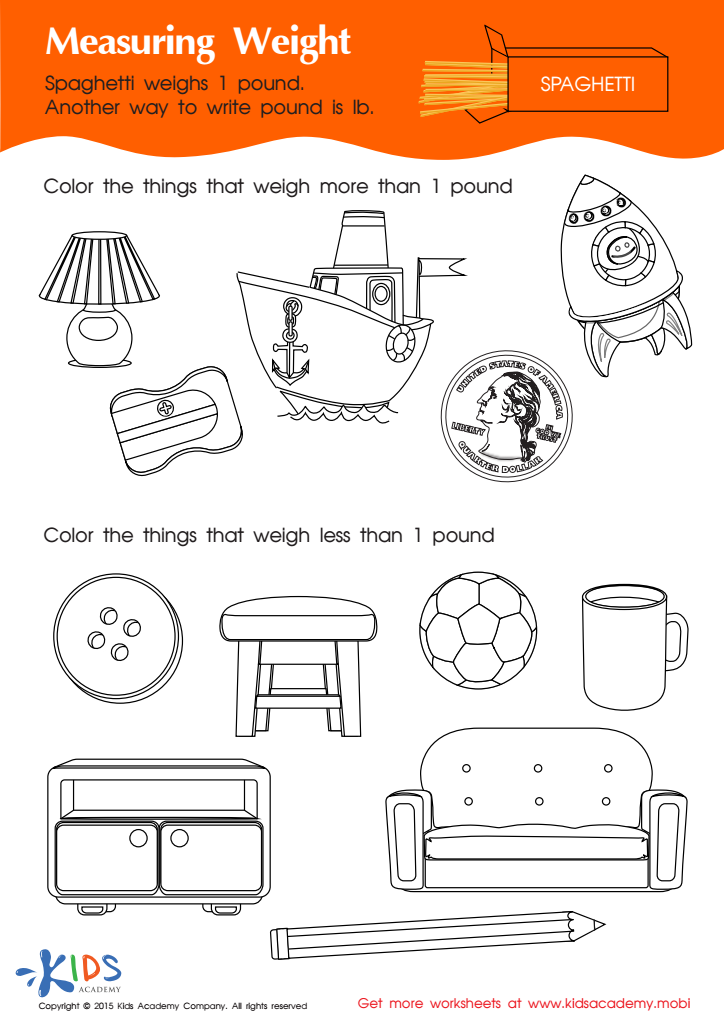
Measuring weight in pounds Worksheet
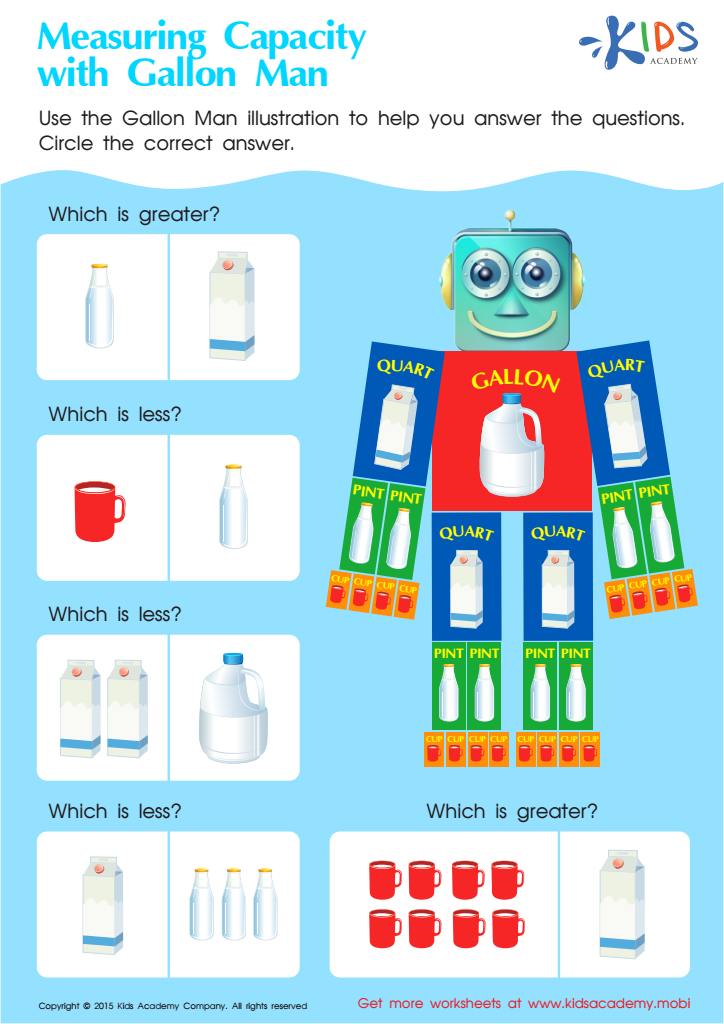
Measurement: Measuring Capacity with Gallon Man Worksheet
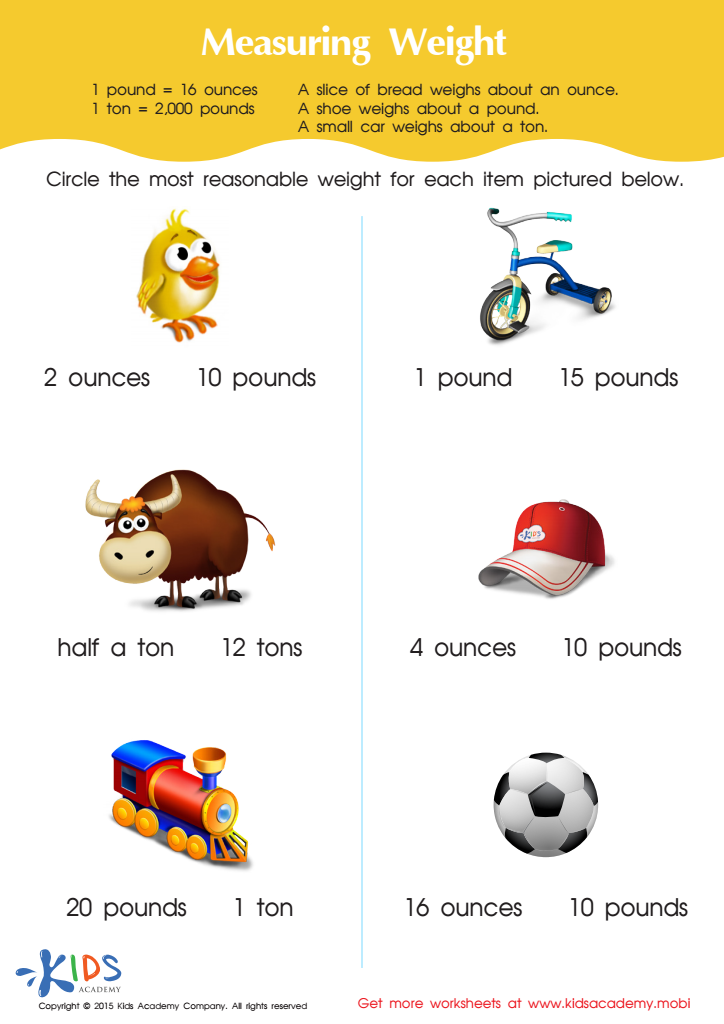
Measuring Weight in Ounces, Pounds and Tons (Part 2) Worksheet
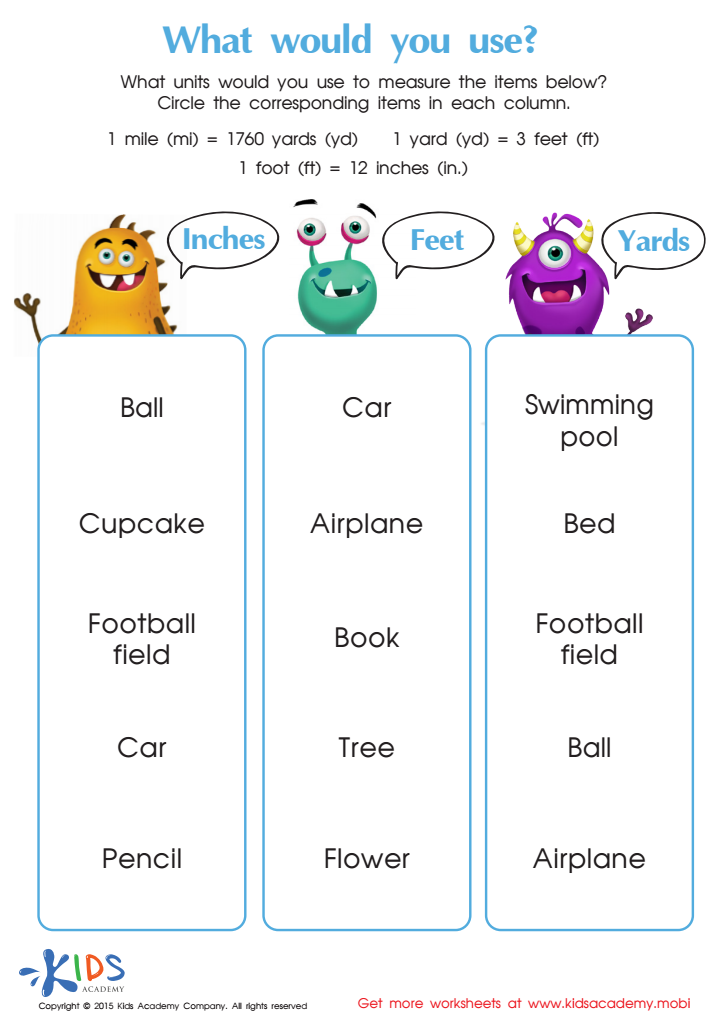
Learning about measuring objects in inches, feet and yards Worksheet
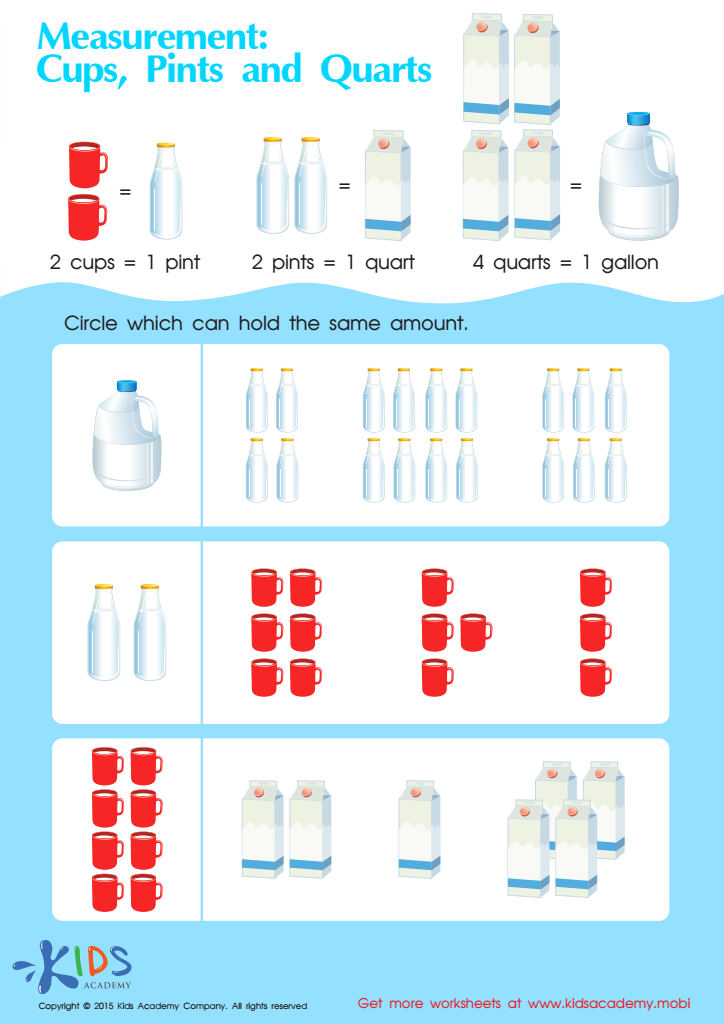
Cups, Pints and Quarts 2 Worksheet
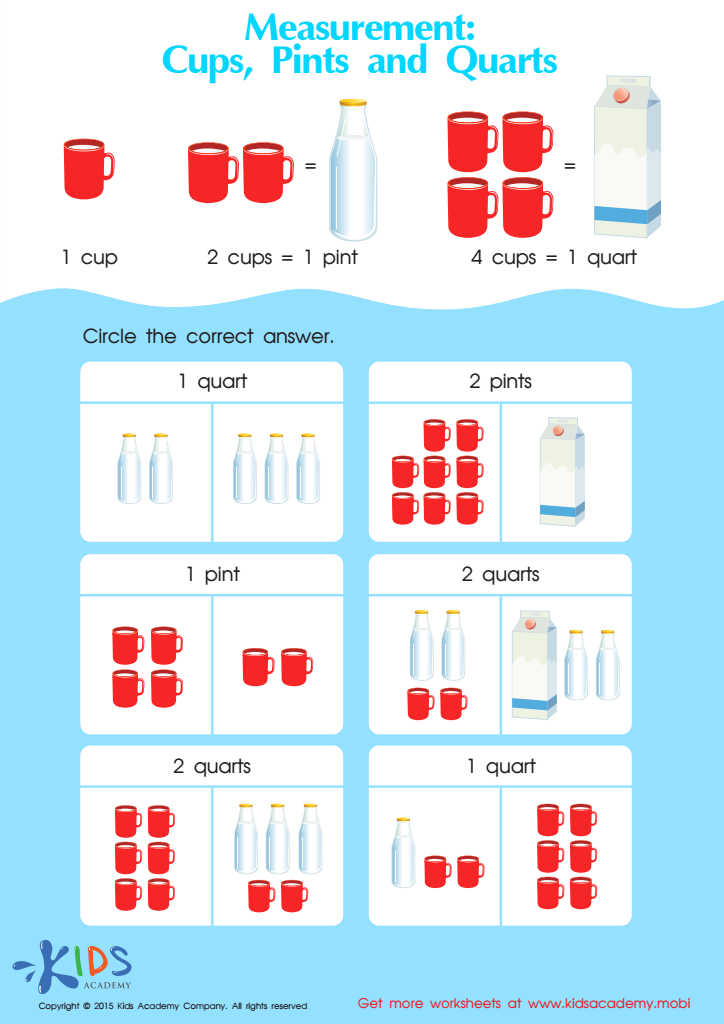
Cups, Pints and Quarts Worksheet








Measurement is a fundamental skill that transcends across various aspects of daily life, making it a crucial area of learning for children aged 5-9. At this developmental stage, children are naturally curious and beginning to make sense of the world around them. Understanding measurement helps them to compare, estimate, and understand physical space, time, and quantities.
For parents and teachers, prioritizing measurement education lays the foundation for mathematical and scientific thinking. Through activities involving measuring length, weight, volume, and time, children develop problem-solving skills and learn to make reasoned decisions. Measuring activities like cooking, tying shoes, or playing with building blocks incorporate practical learning that resonates with children at this age.
Furthermore, measurement is integral to real-world situations and promotes life skills such as budgeting, organizing, and planning. Children who grasp measurement concepts early are better prepared for advanced math and science courses, as well as everyday activities. Additionally, learning measurement is intertwined with developing fine motor skills and transitioning from abstract to concrete thinking.
By focusing on measurement, parents and teachers help to build a robust educational foundation, embolden inquiry, and nurture a child’s innate curiosity, setting the stage for lifelong learning and application. Parents’ and teachers’ involvement ensures that these foundational skills are solidified in a supportive and engaging manner.








