Geometry Worksheets for Ages 6-8 - Page 8
176 filtered results
-
From - To
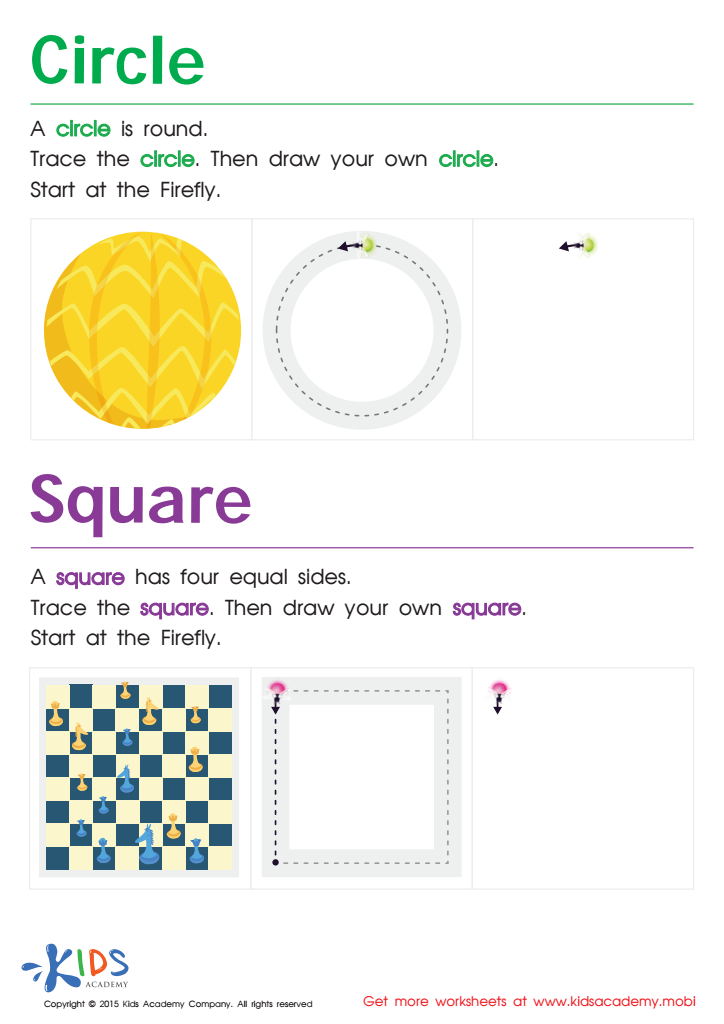
Trace And Draw a Circle And a Square Worksheet
 Assign to My Students











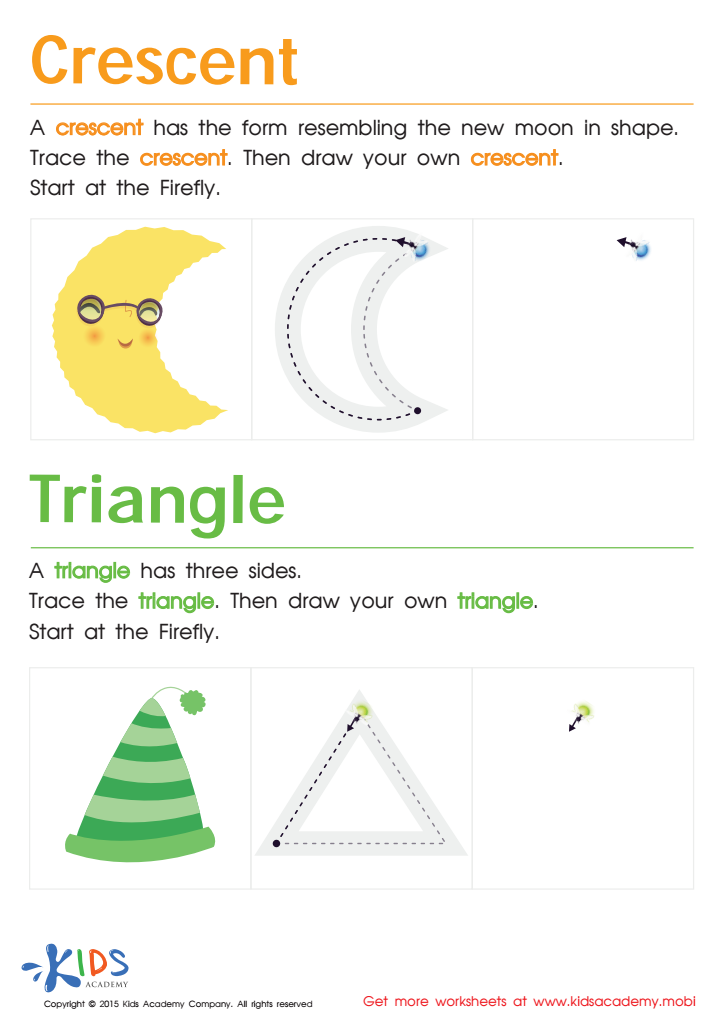
Learning to Draw Crescents And Triangles Worksheet
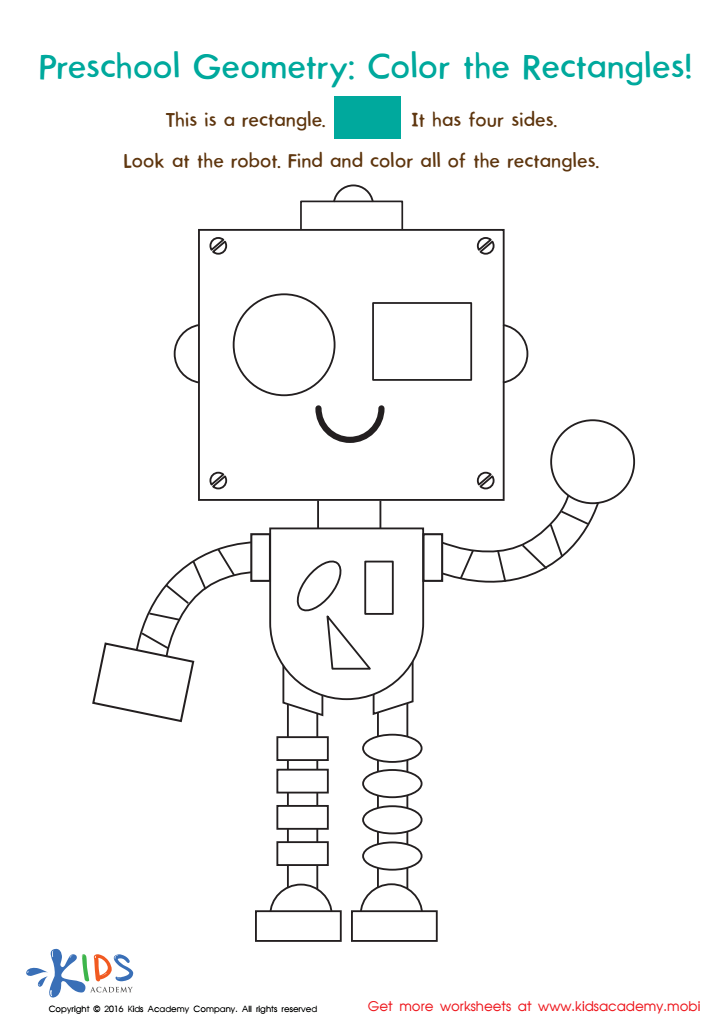
Geometry Worksheet
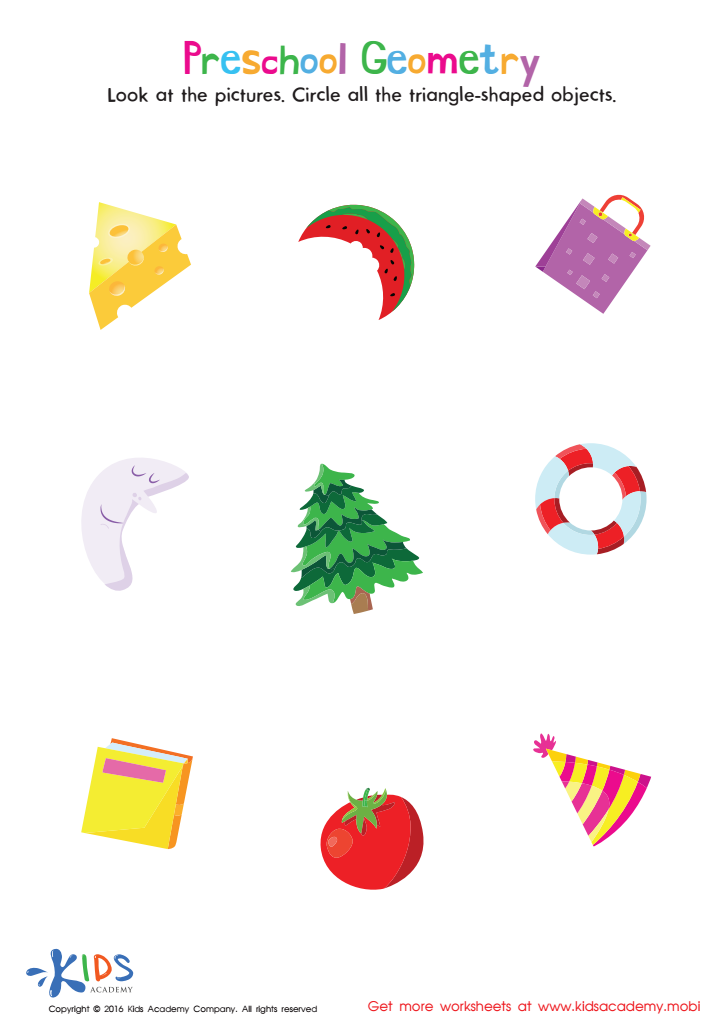

Shapes Worksheet
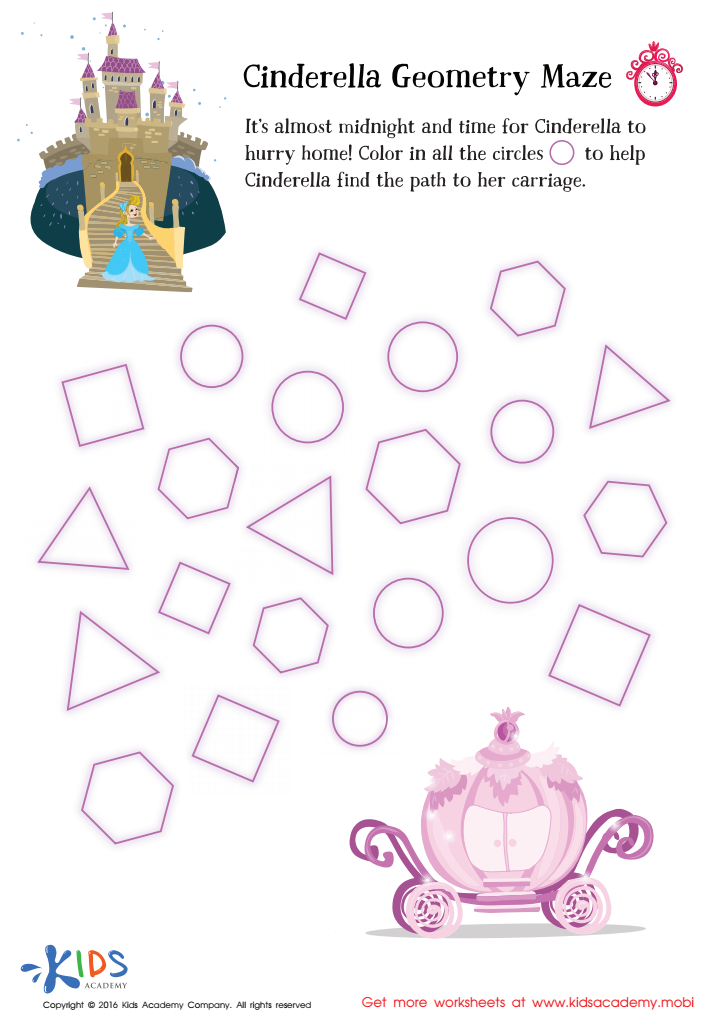
Cinderella Geometry Maze Worksheet
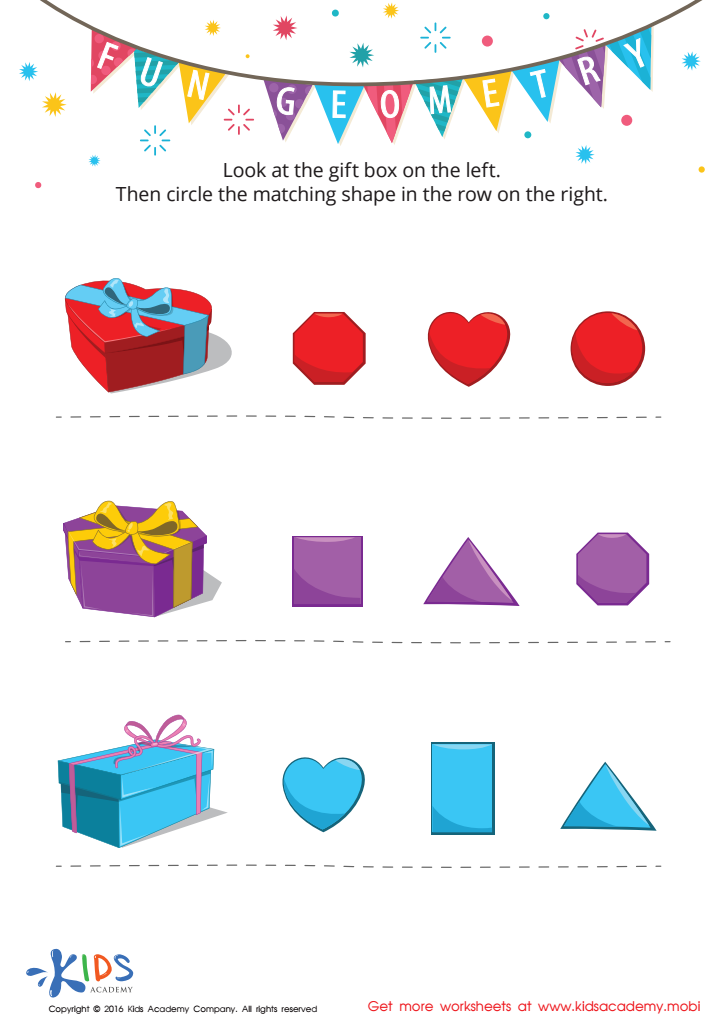
Fun Geometry Worksheet
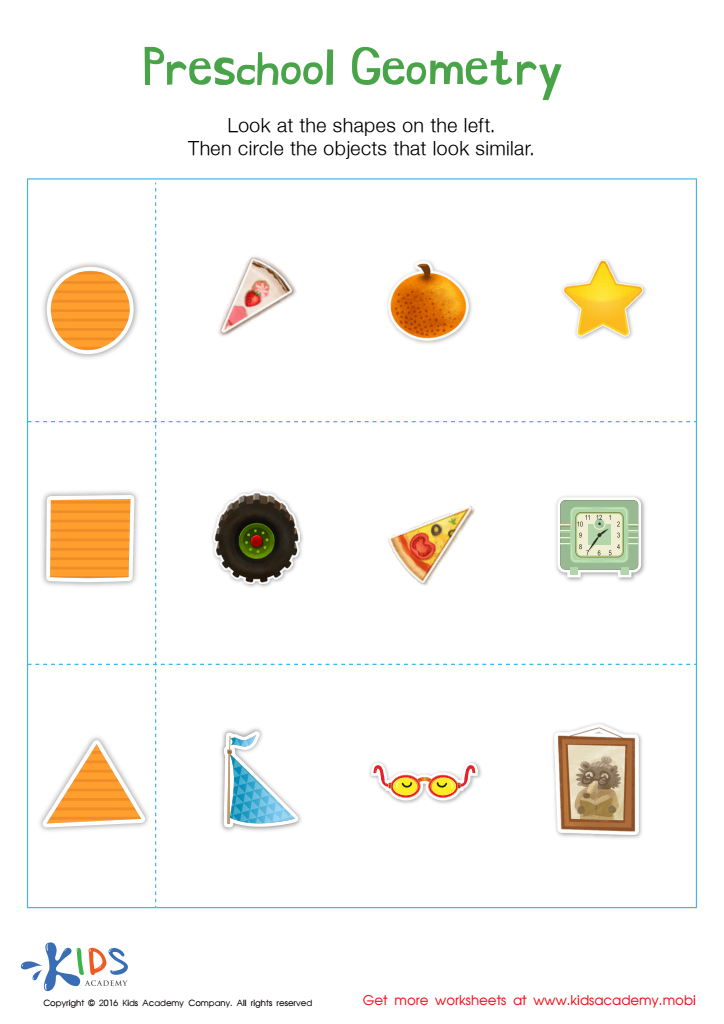
Preschool Geometry Match Up Worksheet








Geometry is essential for children ages 6-8 as it lays the foundation for critical thinking and problem-solving skills. At this stage, children encounter basic geometric concepts such as shapes, sizes, and spatial understanding. Engaging with geometry helps them develop visual perception and enhances their ability to interpret and navigate their surroundings.
Understanding geometry can also support early math skills. By identifying and classifying shapes, children learn to make connections between different kinds of mathematical concepts, fostering a deeper comprehension of numbers and measurements. This translates into better performance in more complex math tasks encountered later in their education.
Furthermore, geometry encourages creativity and exploration. Activities like building with blocks, drawing shapes, or engaging in crafts stimulate curiosity and allow children to experiment with spatial relationships and properties of shapes, leading to enhanced cognitive development.
Lastly, geometry is laden with real-world applications, from understanding architecture to crafting. By cultivating an interest in geometry early on, parents and teachers can inspire children to explore science, technology, engineering, and math (STEM)-based careers in the future. Thus, nurturing geometric understanding is crucial for a child’s holistic development, problem-solving ability, and lifelong learning.








