Alphabet Worksheets for Ages 6-9 - Page 11
297 filtered results
-
From - To
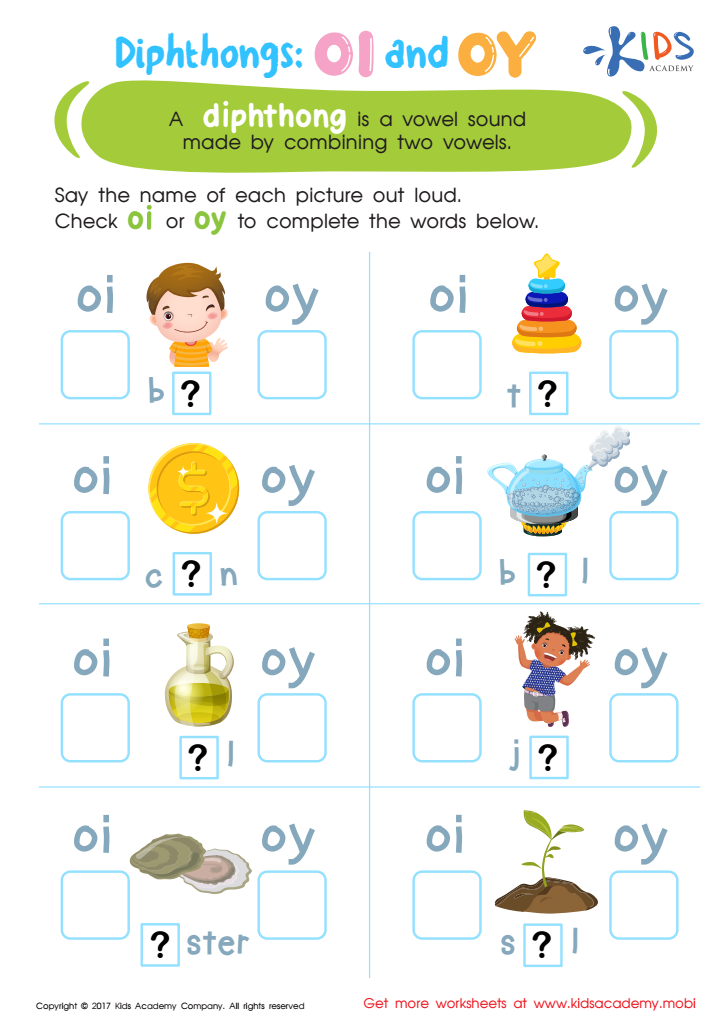
Vowel Diphthongs OI OY Worksheet
 Assign to My Students
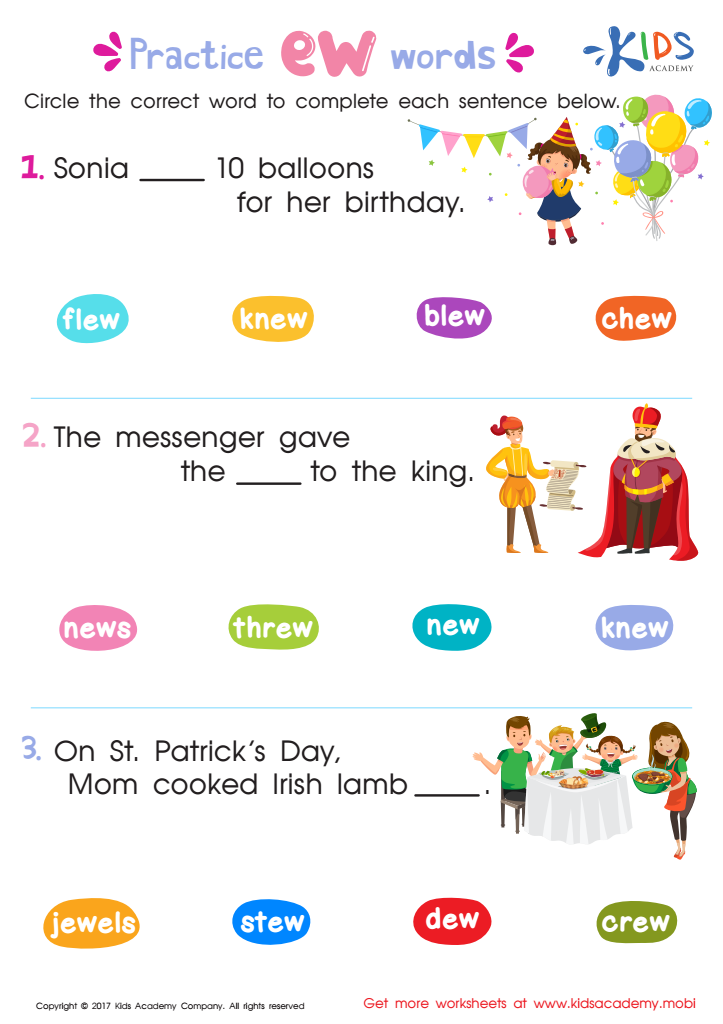
EW Words Worksheet
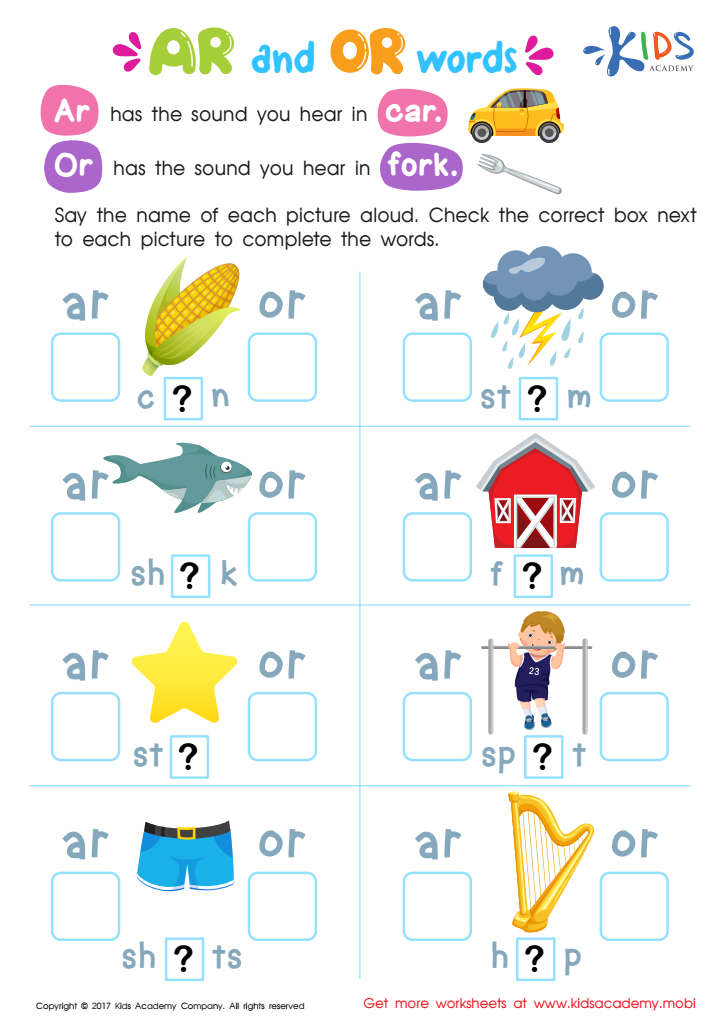
Ar and Or Words Phonics Worksheet
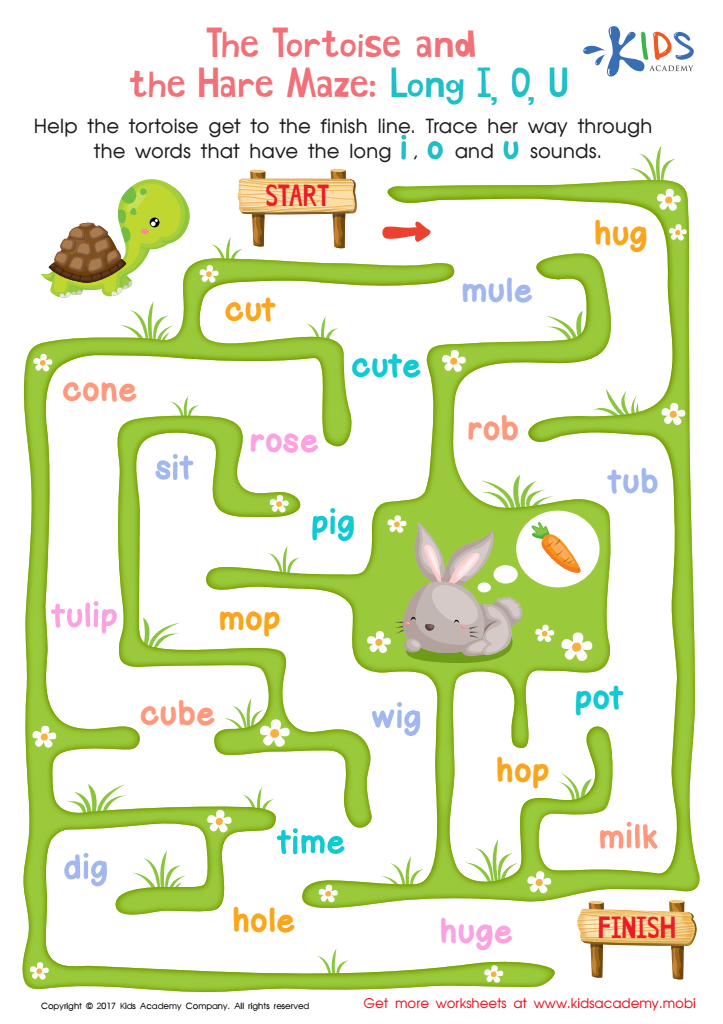
Long I, O, U Words Worksheet
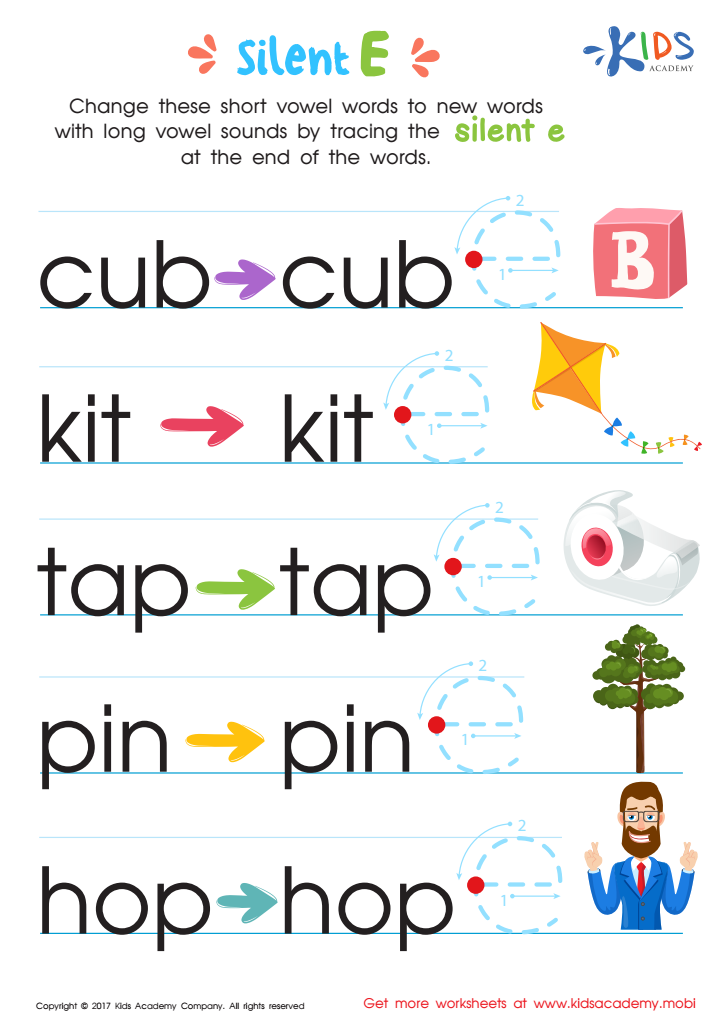
Silent E Words Worksheet
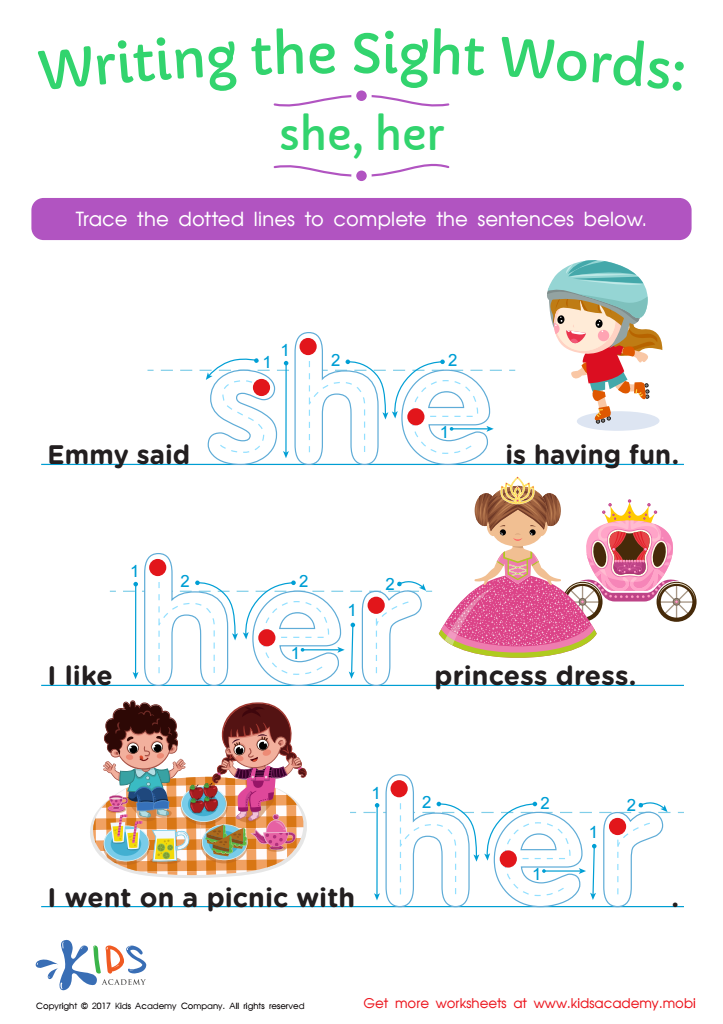
She, Her Printable Sight Words Worksheet
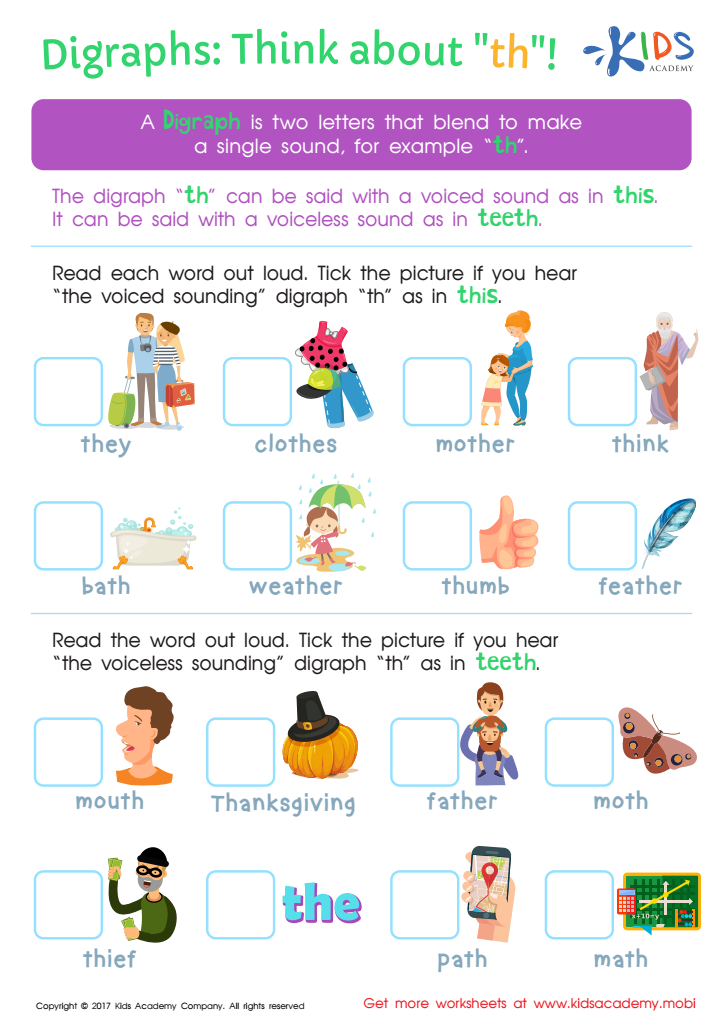
Digraphs: Think About "th" Worksheet
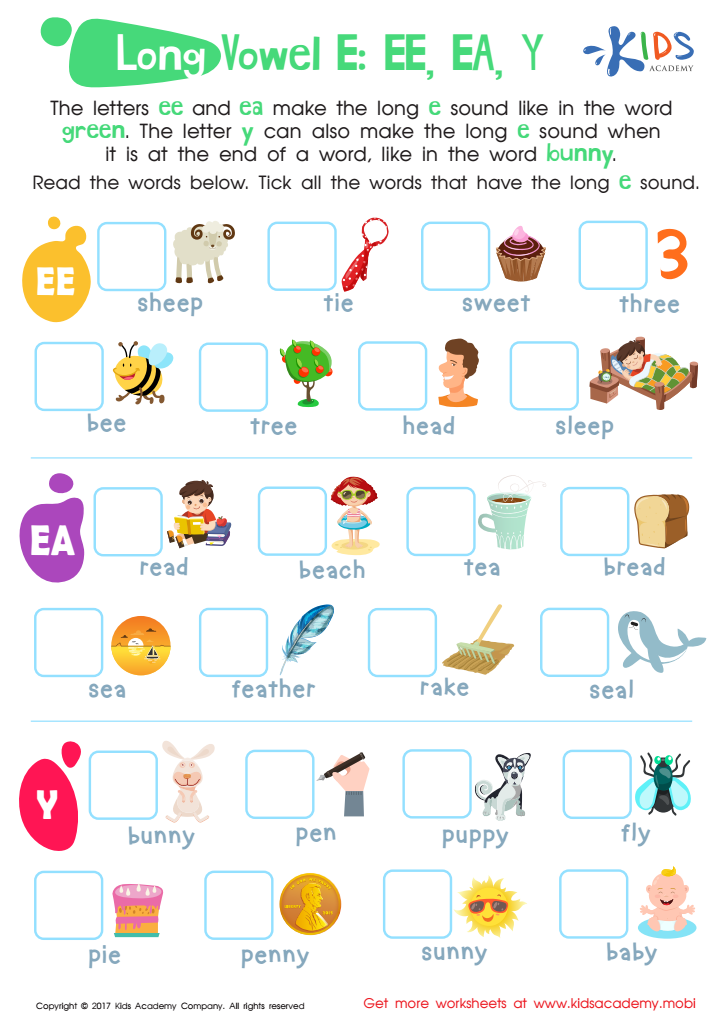
Long Vowel E Printable
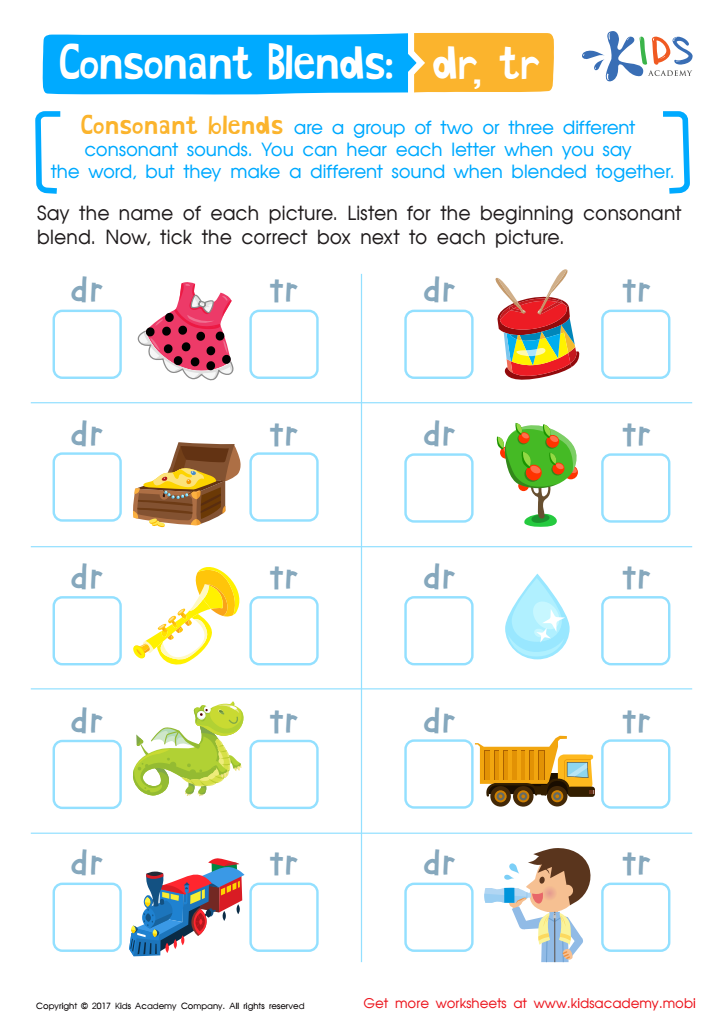
Consonant Blends: "Dr" and "Tr" Printable
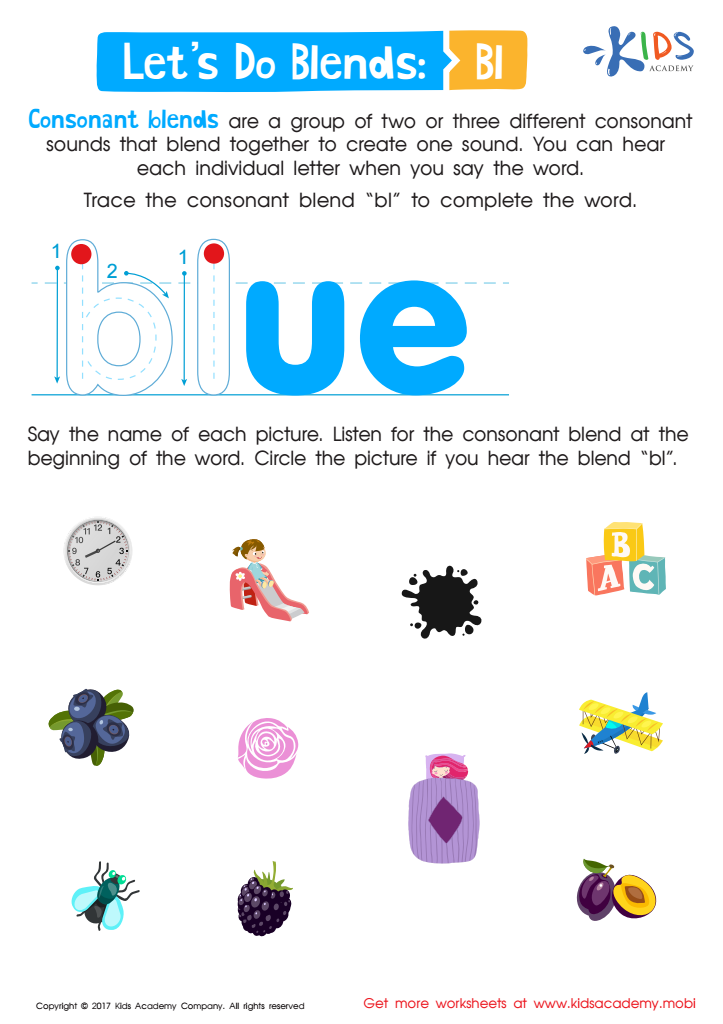
Beginning Blends: "Bl" Words Worksheet
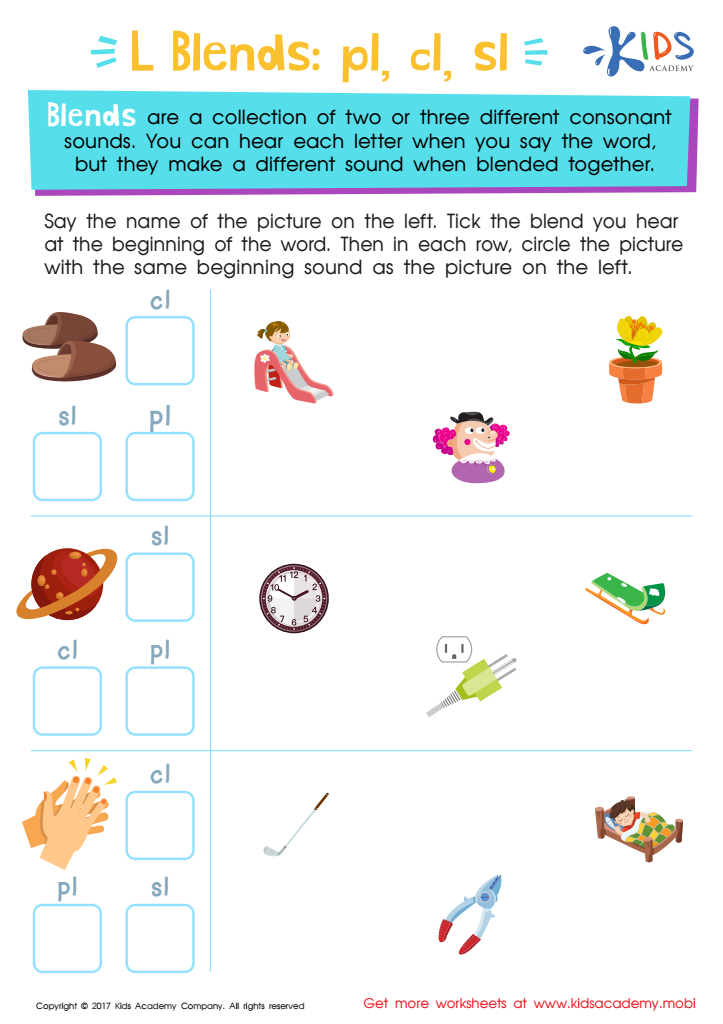
L Blends: "Pl", "Cl" and "Sl" Printable
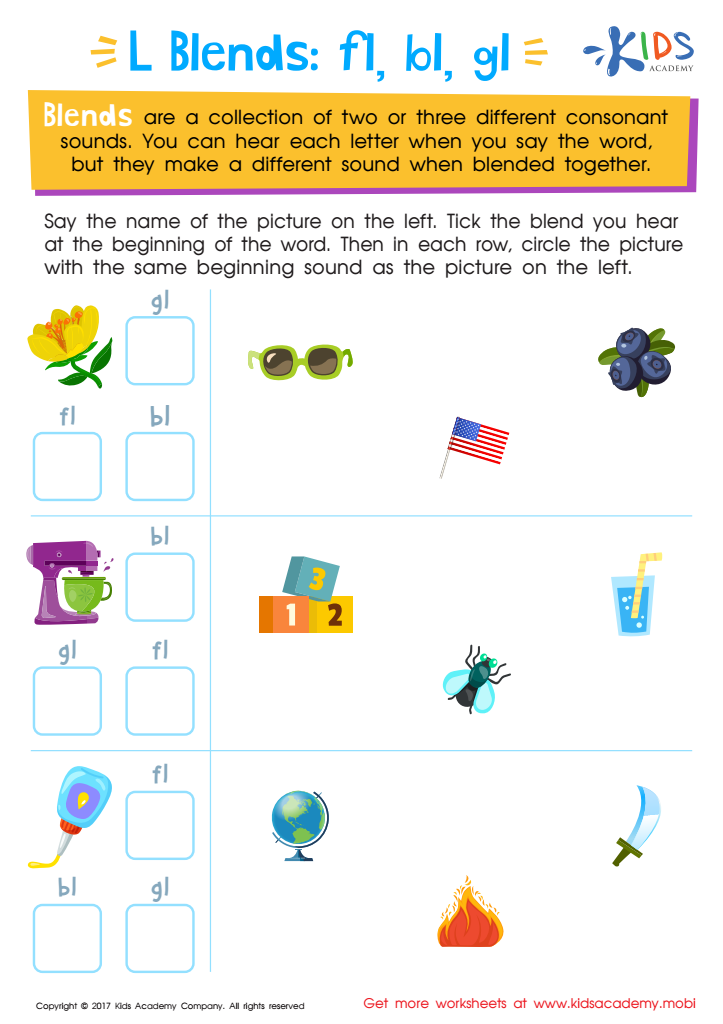
Blending Consonants: "Fl", "Bl" and "Gl" Printable
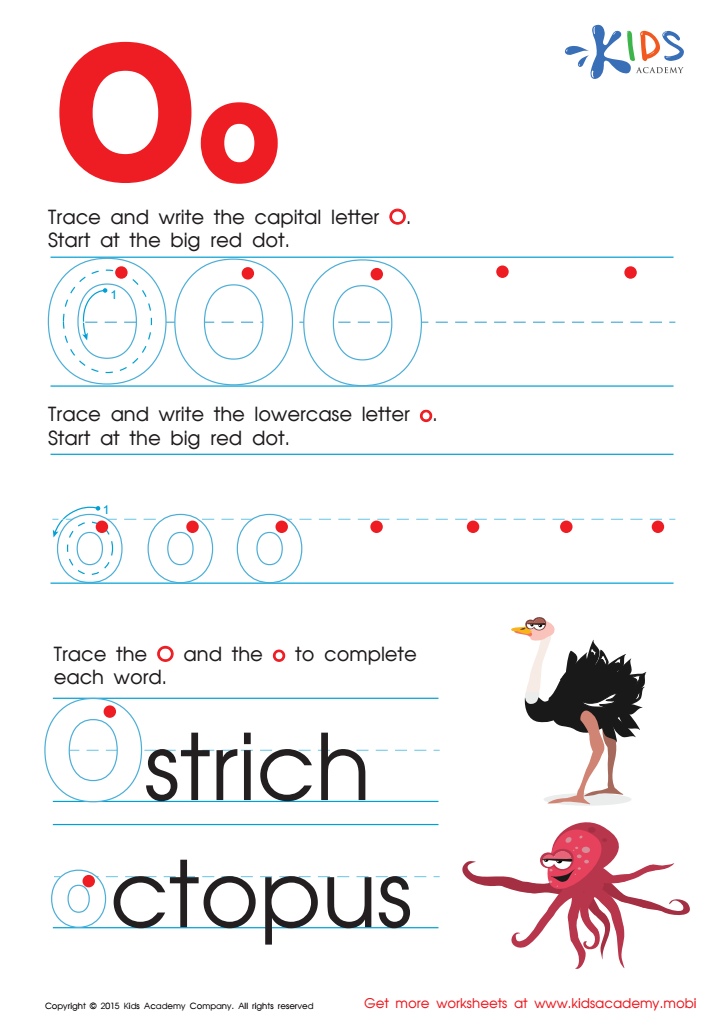
Letter O Tracing Page
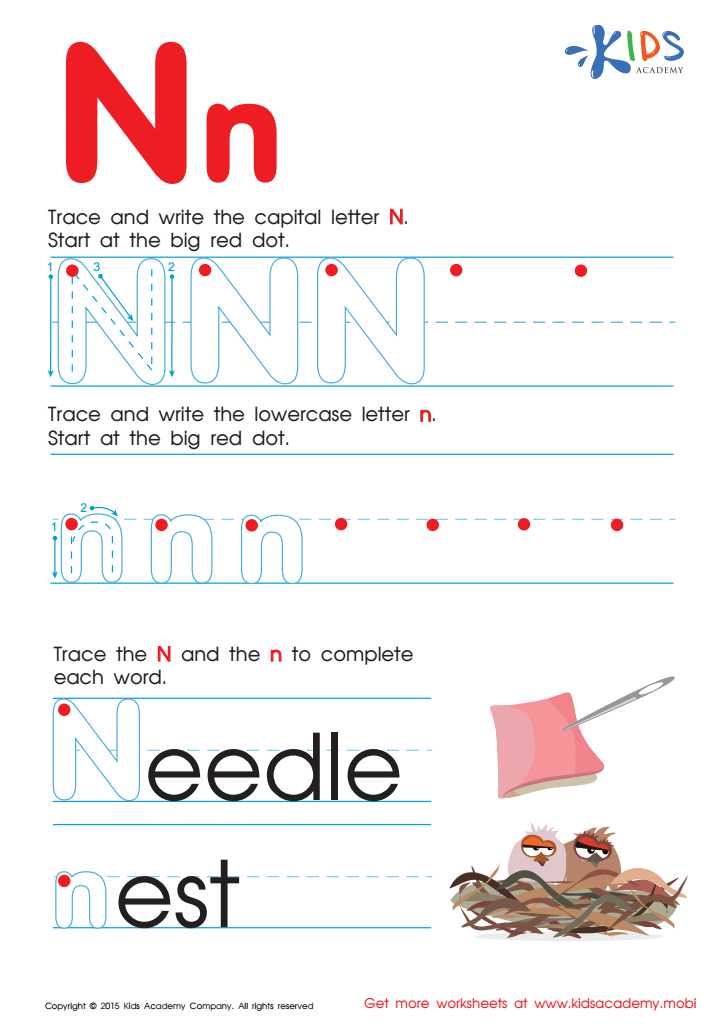
Letter N Tracing Page
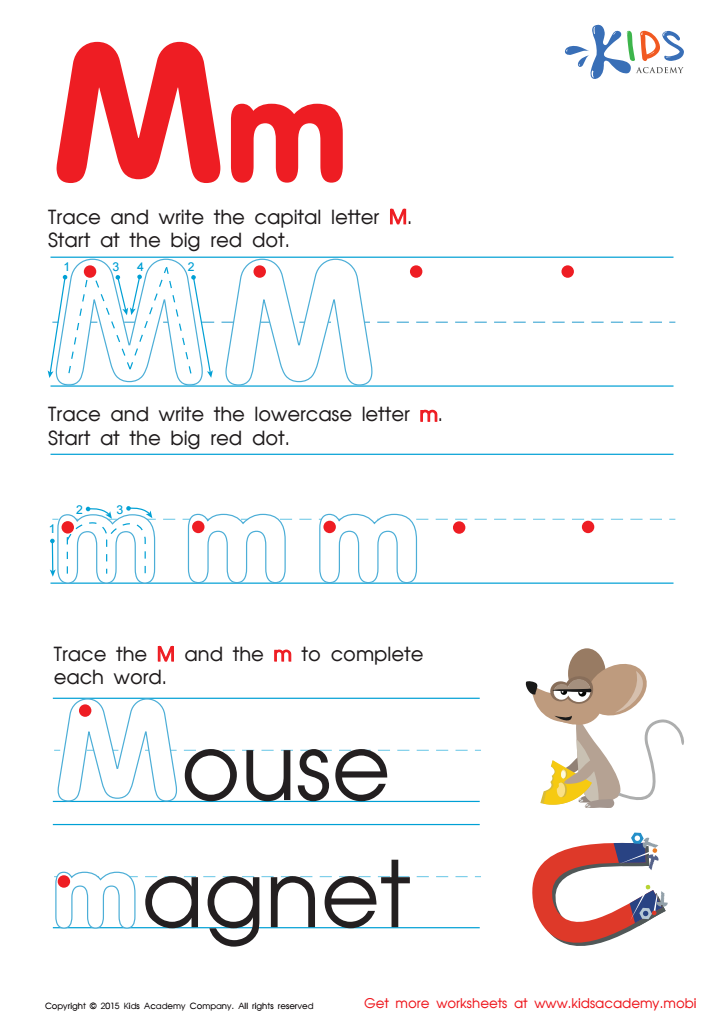
Letter M Tracing Page
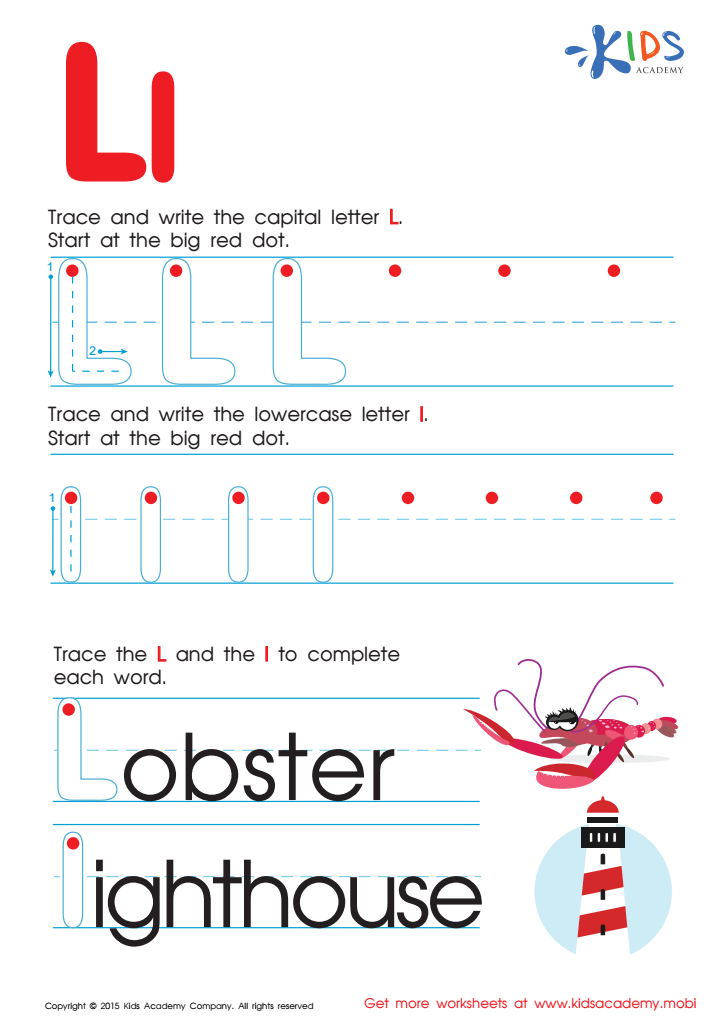
Letter L Tracing Page
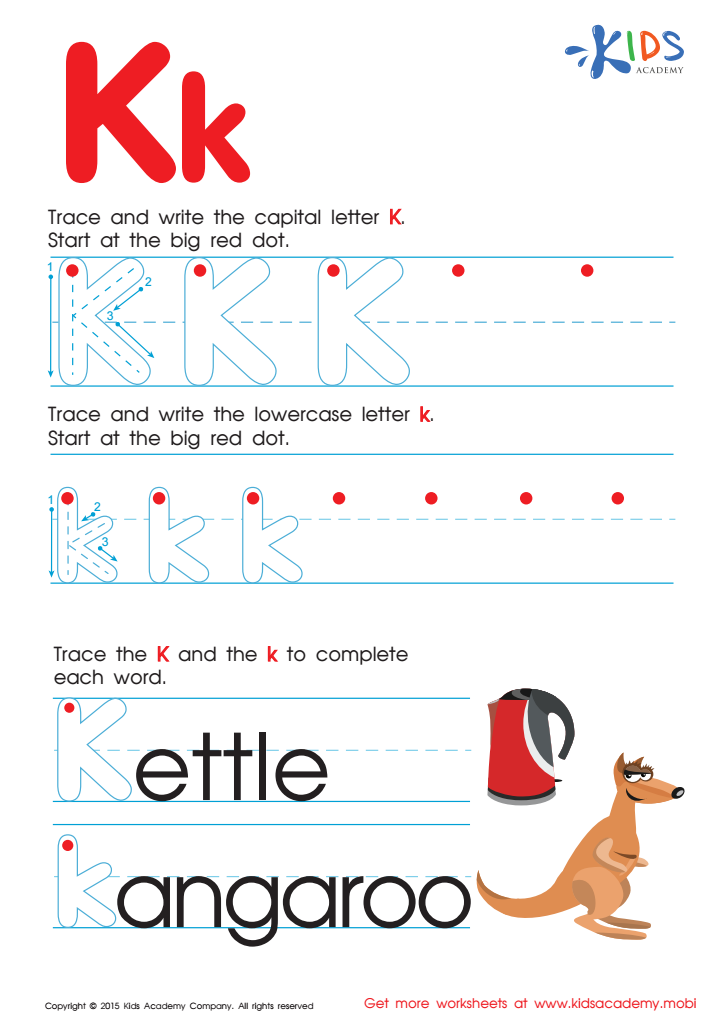
Letter K Tracing Page
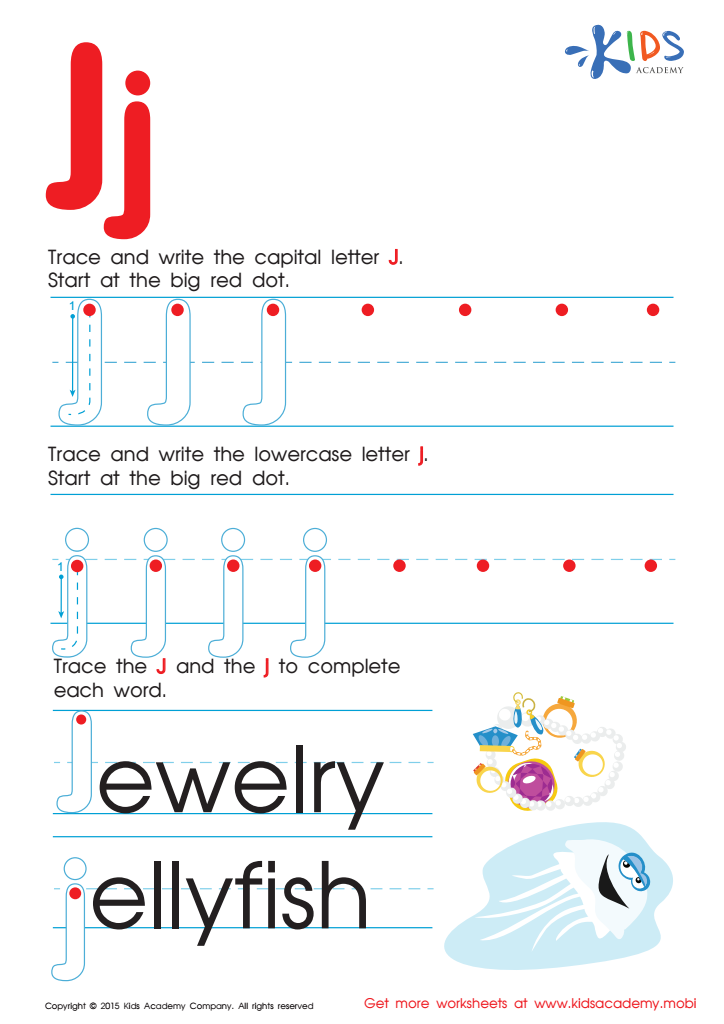
Letter J Tracing Page
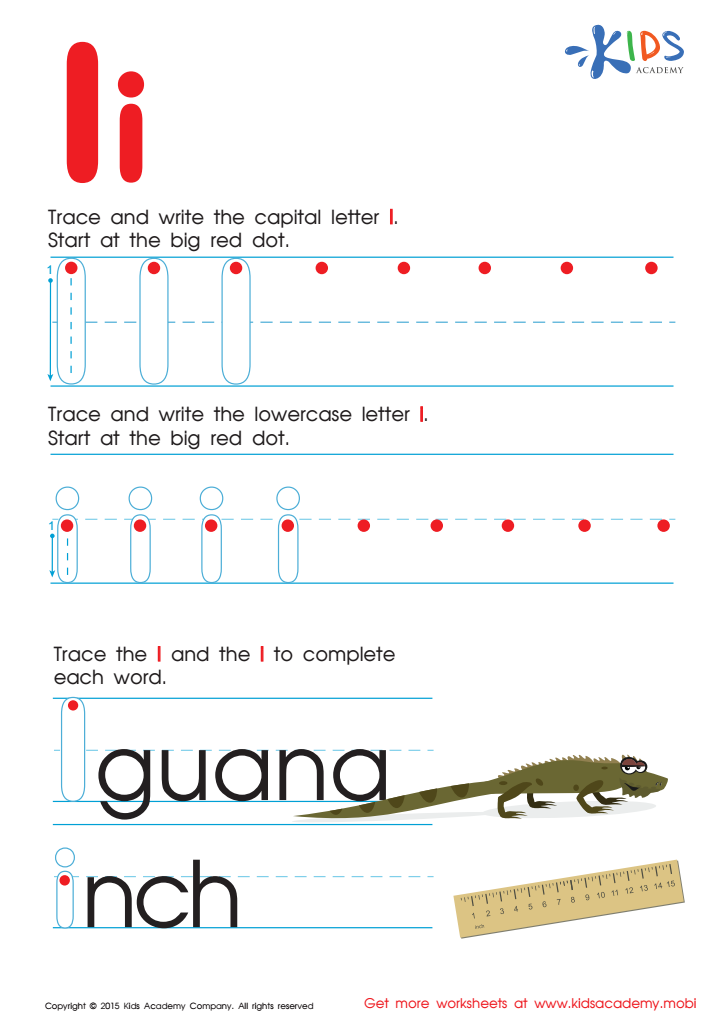
Letter I Tracing Page
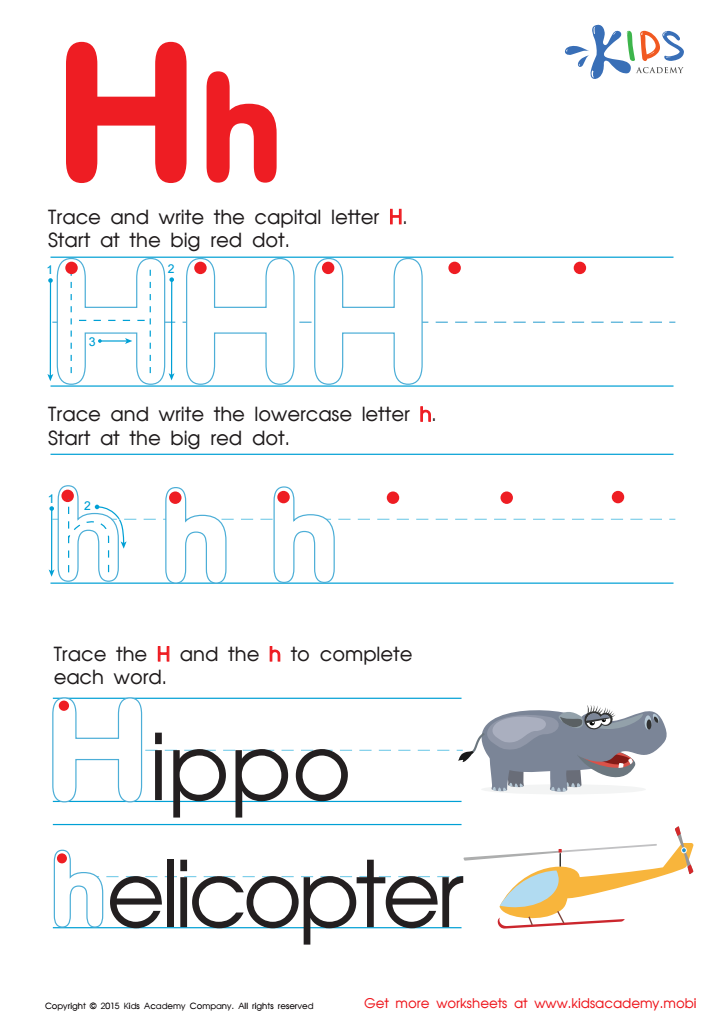
Letter H Tracing Page

Letter G Tracing Page
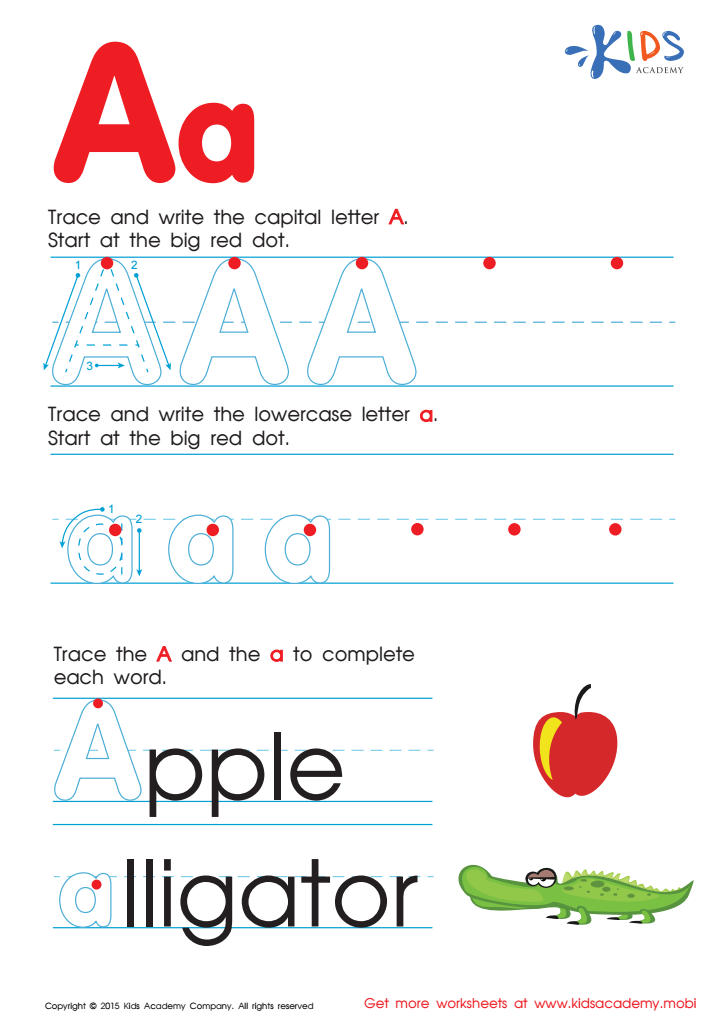
Letter A Tracing Page
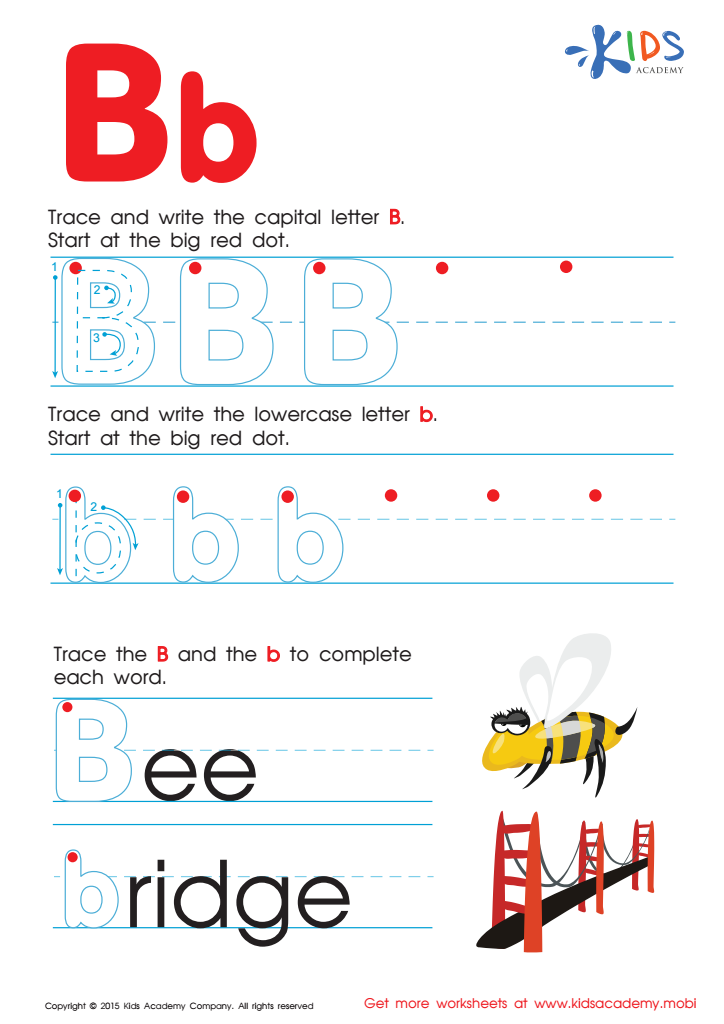
Letter B Tracing Page




.jpg)



Parents and teachers should care about the alphabet for children aged 6-9 because mastering this fundamental building block of literacy is crucial for their academic success and overall communication skills. At this age, children start transitioning from learning to read to reading to learn. A strong grasp of the alphabet enables them to decode words, understand phonetics, and improve their vocabulary.
Additionally, familiarity with the alphabet fosters confidence in writing. Children learn to form words and sentences, allowing for self-expression and creativity. Engaging with the alphabet through phonics games, interactive exercises, and storytelling can make learning enjoyable, keeping children motivated and curious.
Understanding letter sounds, upper and lowercase distinction, and the ability to recognize letters in different contexts contributes to critical thinking skills. These foundational literacy skills are not only essential for effective communication but can also promote cognitive development.
Furthermore, literacy is linked to lifelong opportunities, and ensuring children have a solid grounding in the alphabet sets them on a path to success in school and beyond. In nurturing a love for reading and writing, parents and teachers equip children with skills that will serve them throughout their lives.







