Addition and Subtraction Word Problems Worksheets for Ages 6-9 - Page 4
90 filtered results
-
From - To
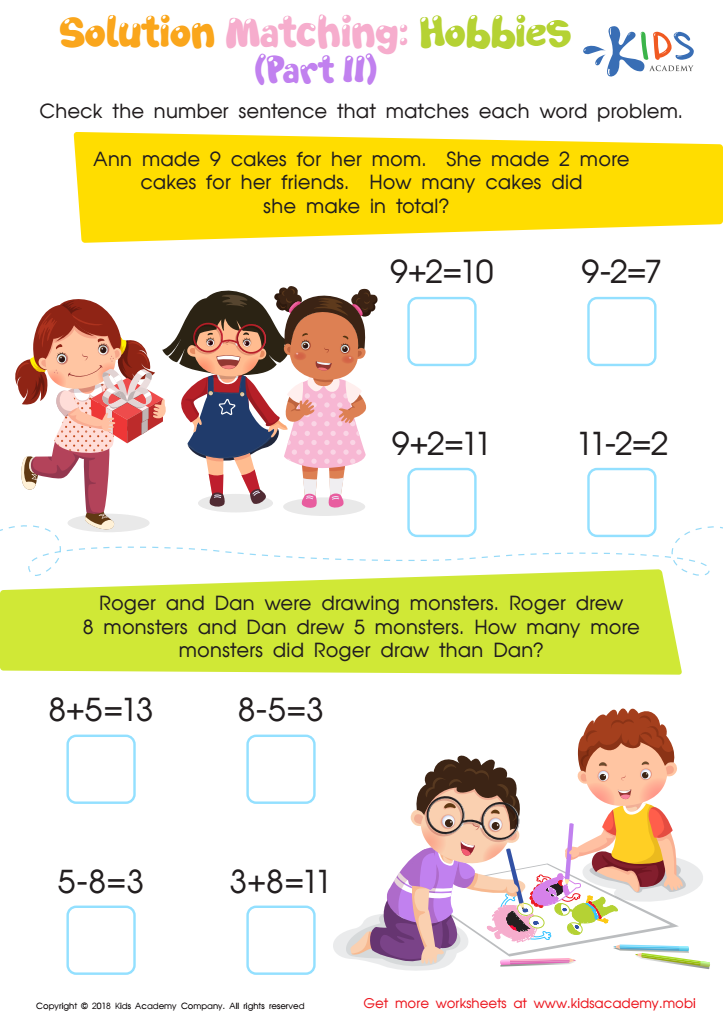
Solution Matching: Hobbies. Part 2 Worksheet
 Assign to My Students
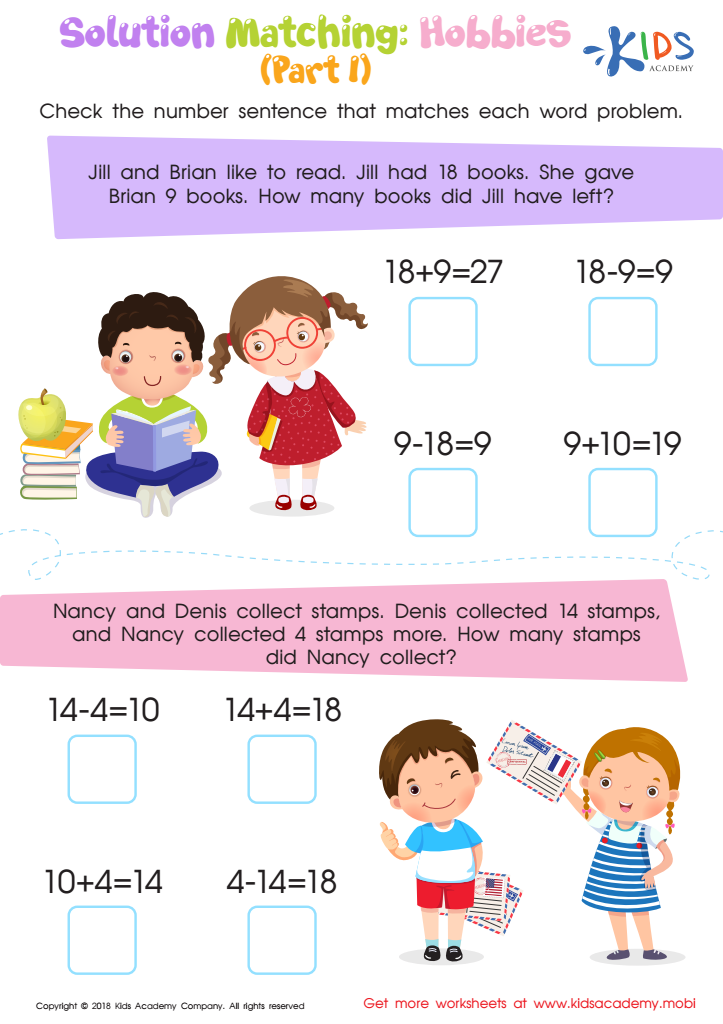
Solution Matching: Hobbies. Part 1 Worksheet
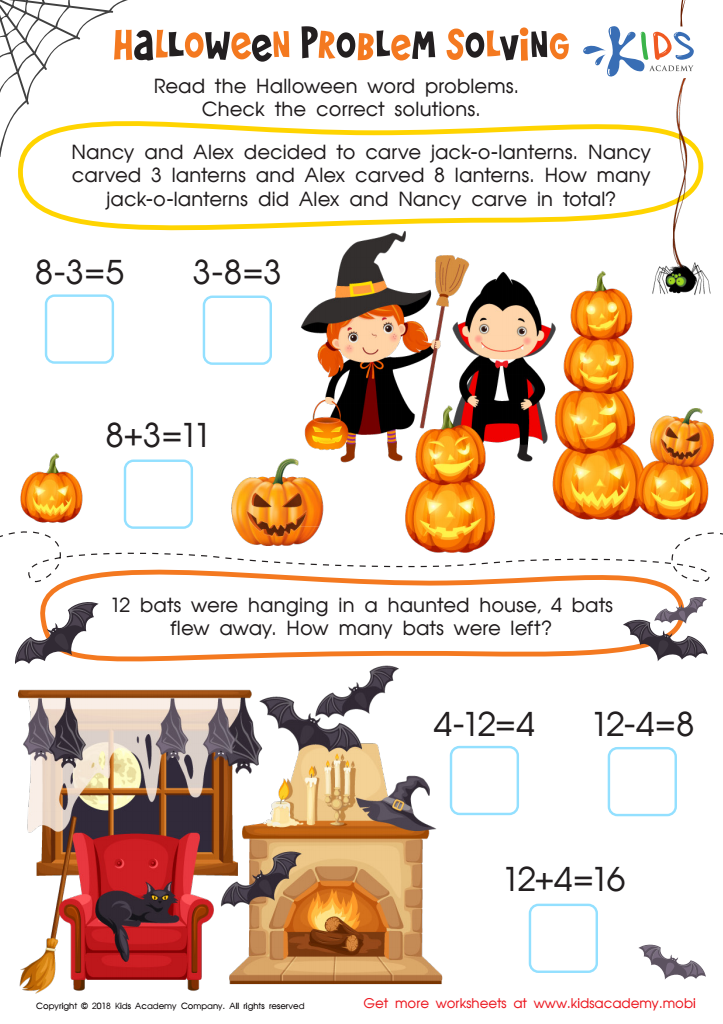
Halloween Problem Solving Worksheet
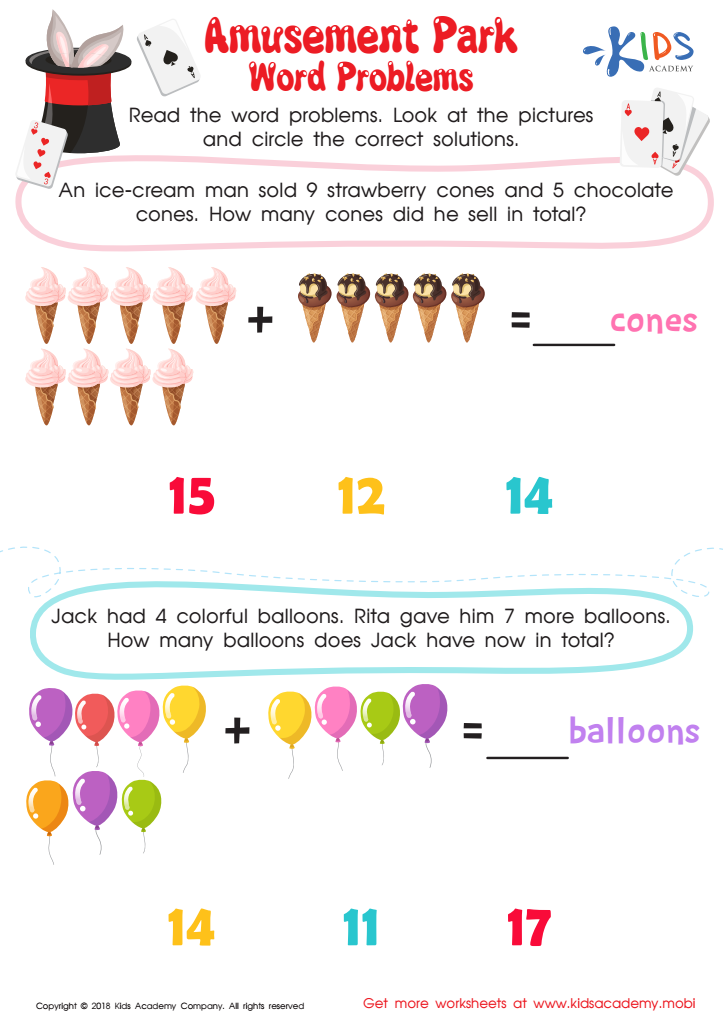
Amusement Park Word Problems Worksheet
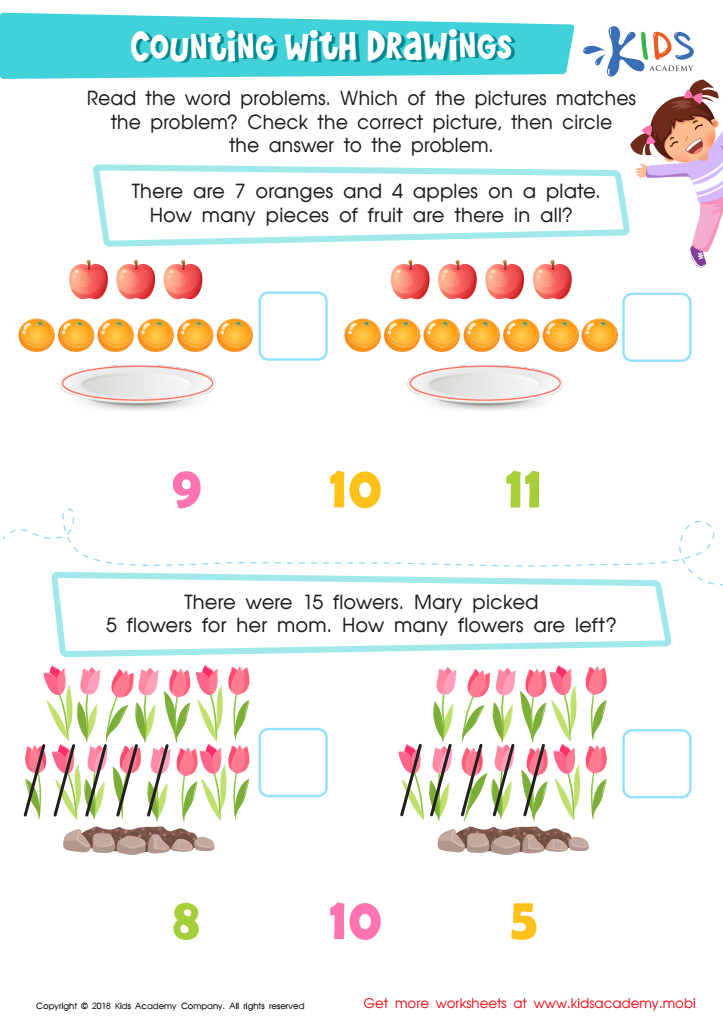
Counting with Drawings:Fruits & Flowers Worksheet
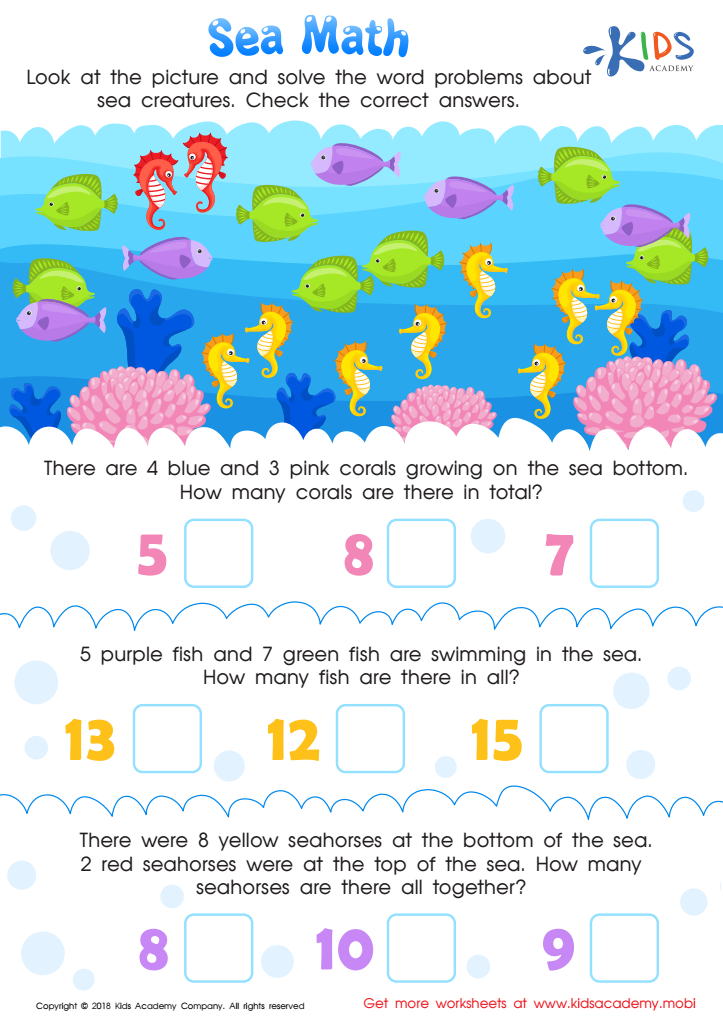
Sea Math Worksheet
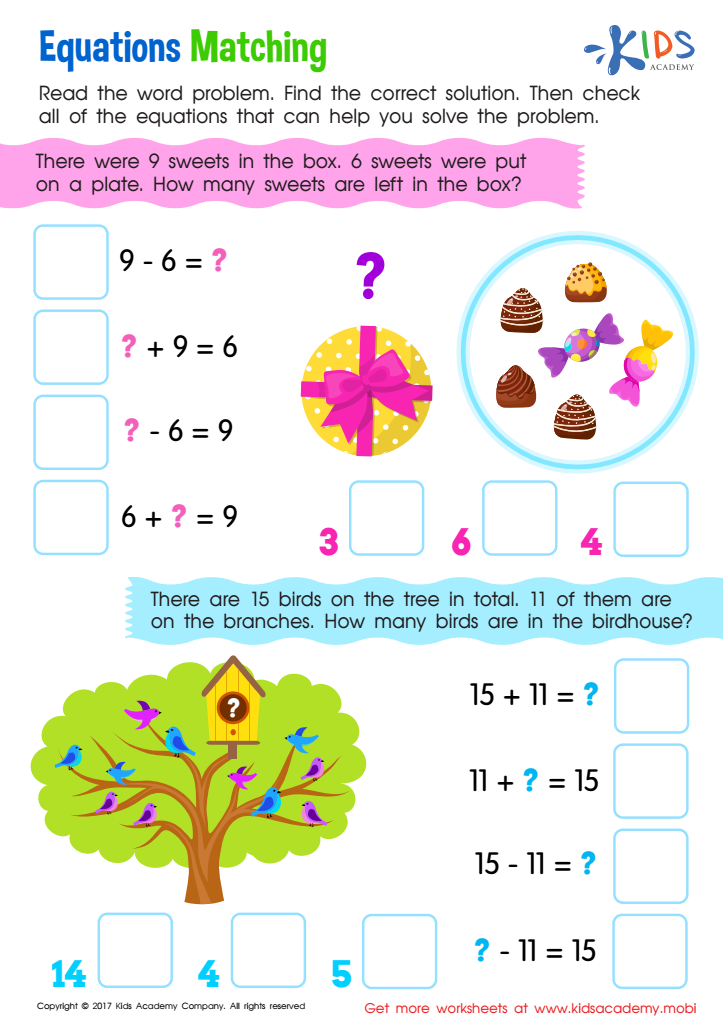
Equations Matching Word Problems Worksheet
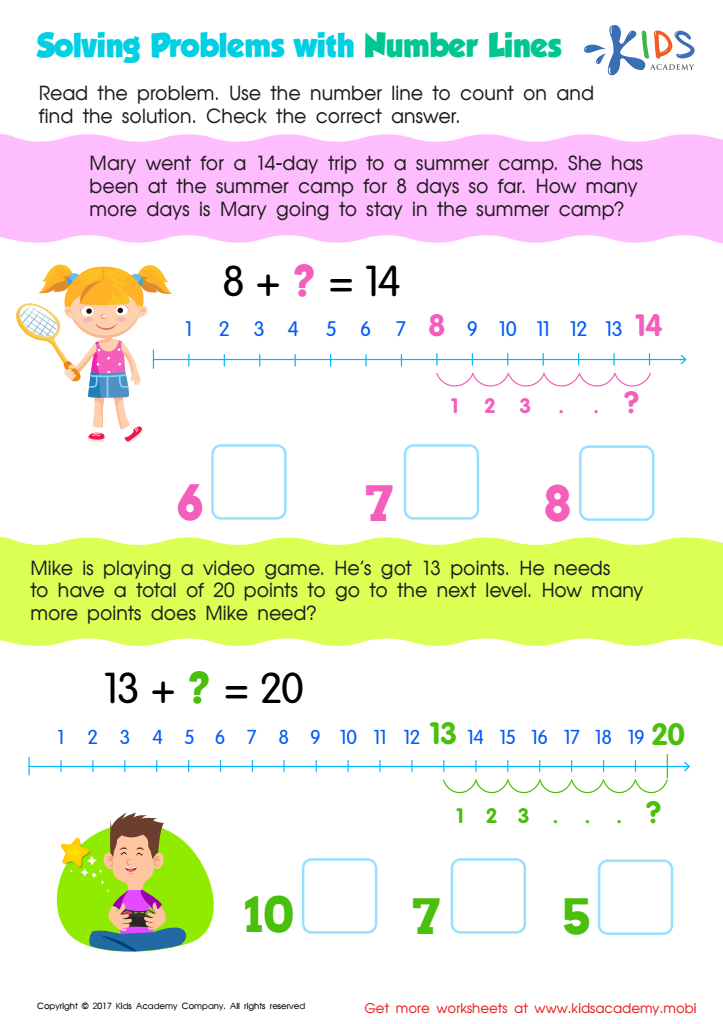
Solving Problems: Number Lines Worksheet
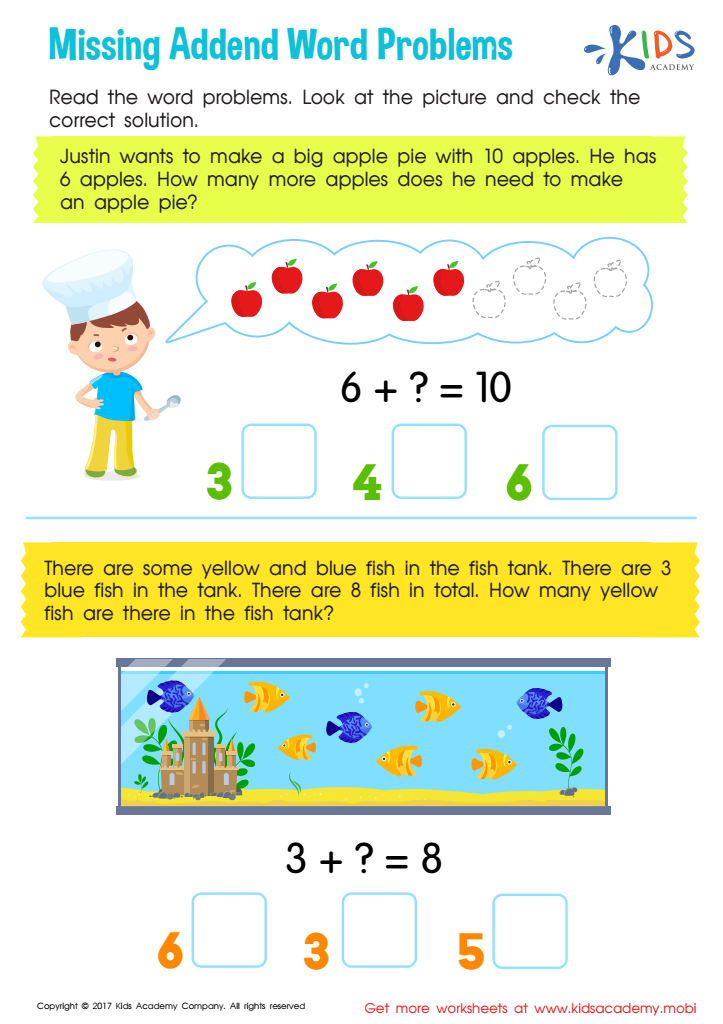
Missing Addend Word Problems Worksheet
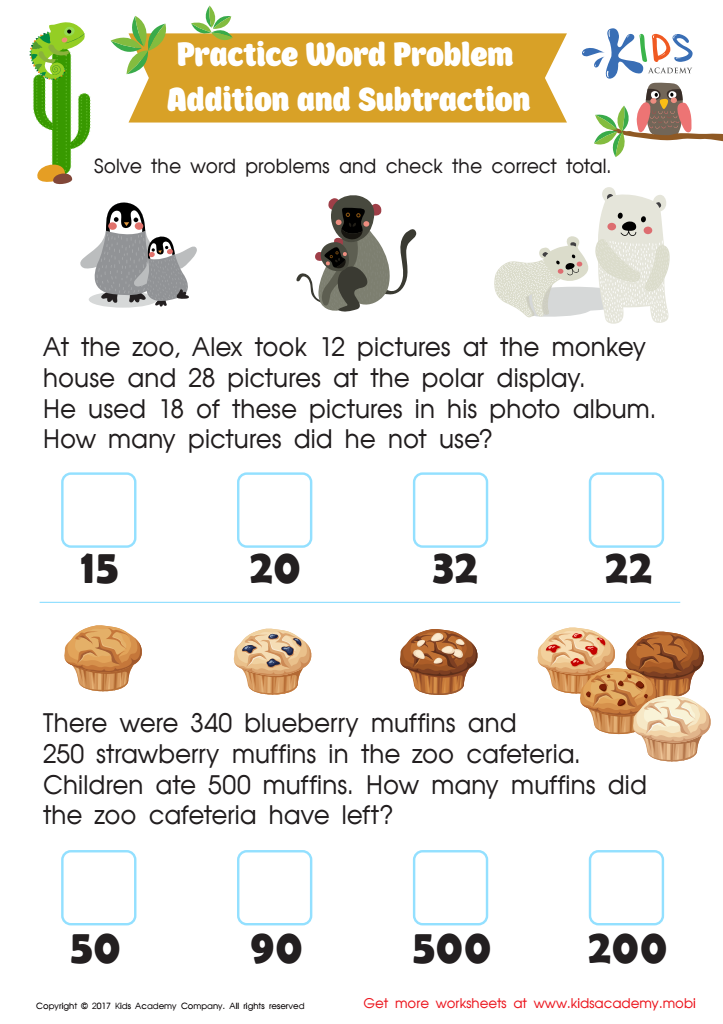
Addition and Subtraction: Word Problems Worksheet
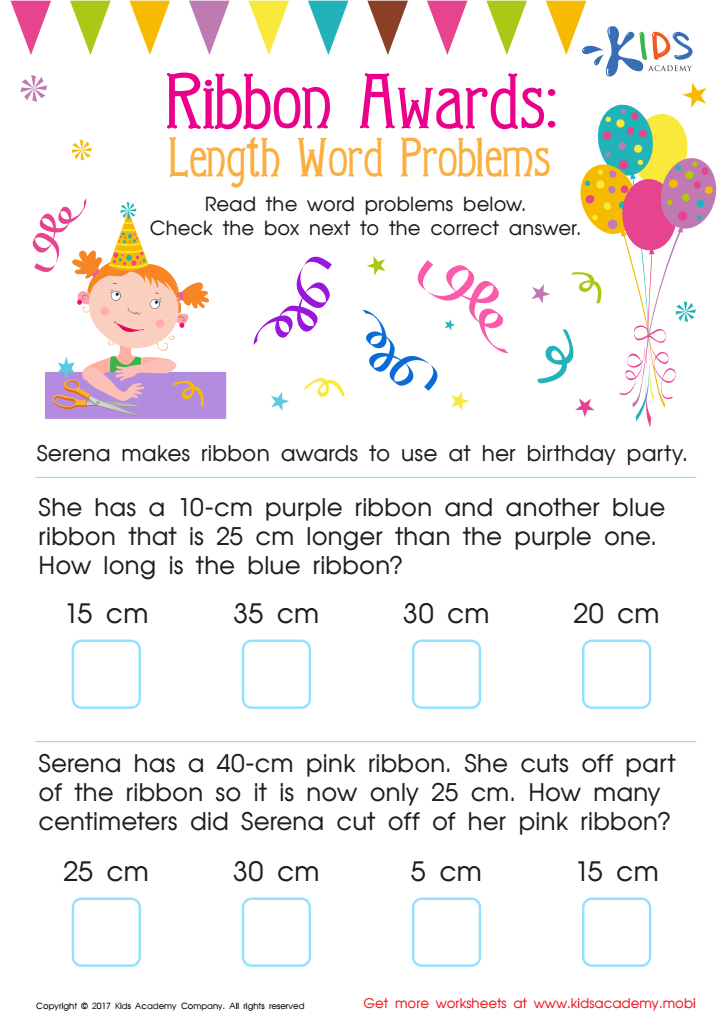
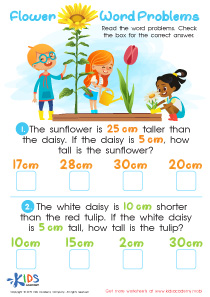
Length Word Problems Worksheet
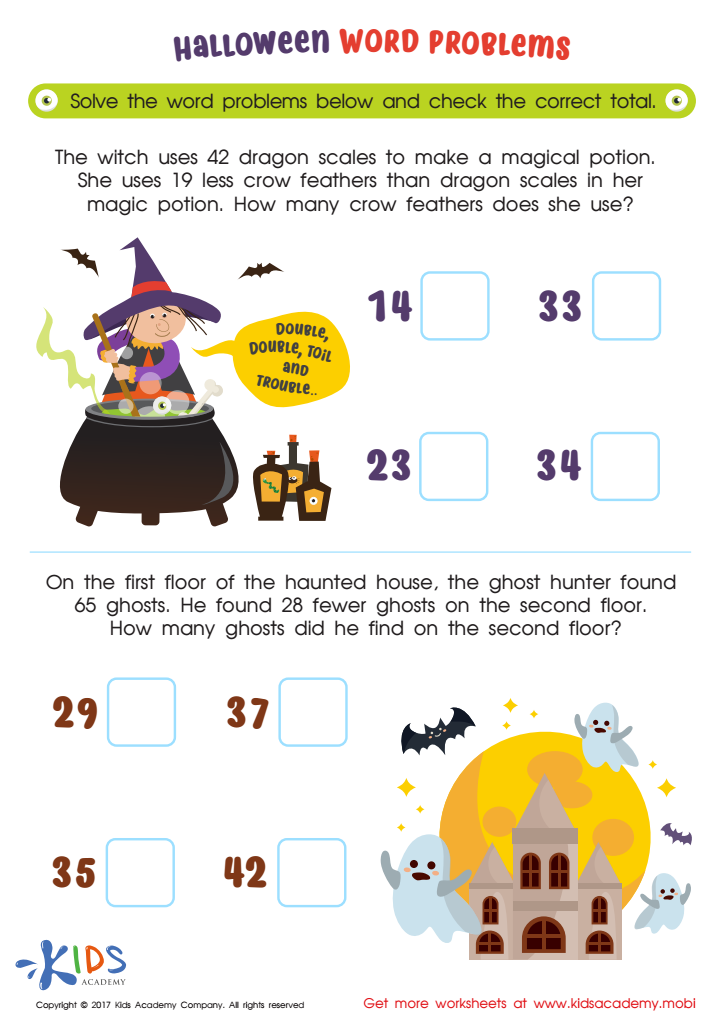
Halloween Word Problems Printable
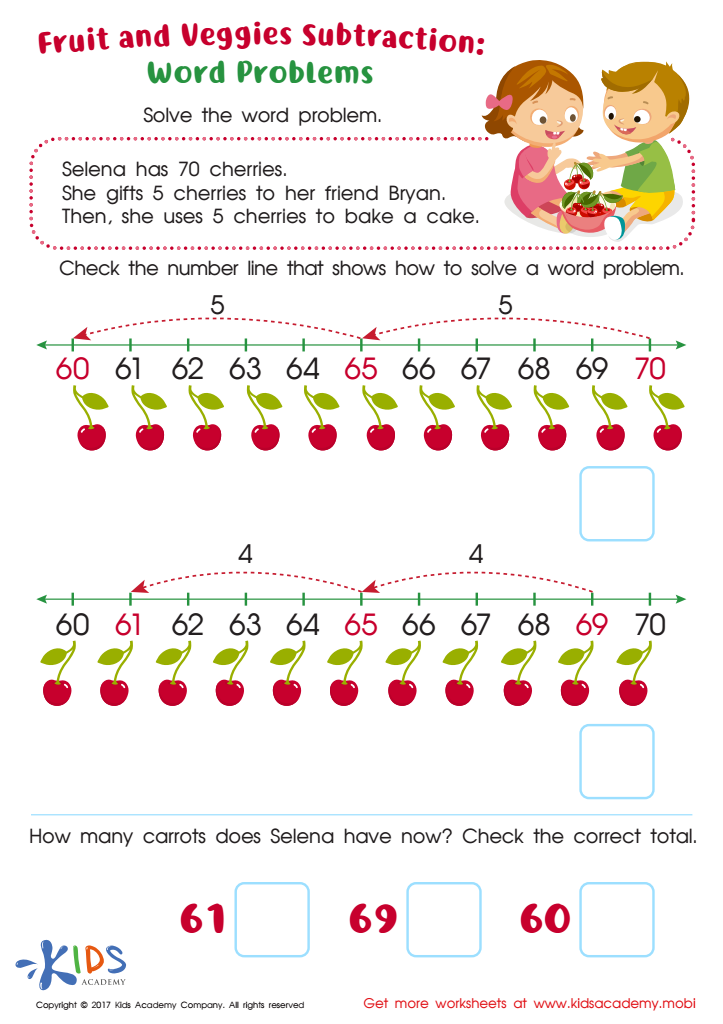
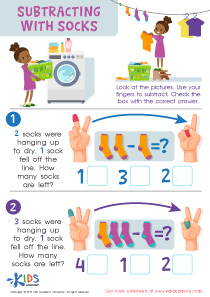
Subtraction Word Problems Free Printable
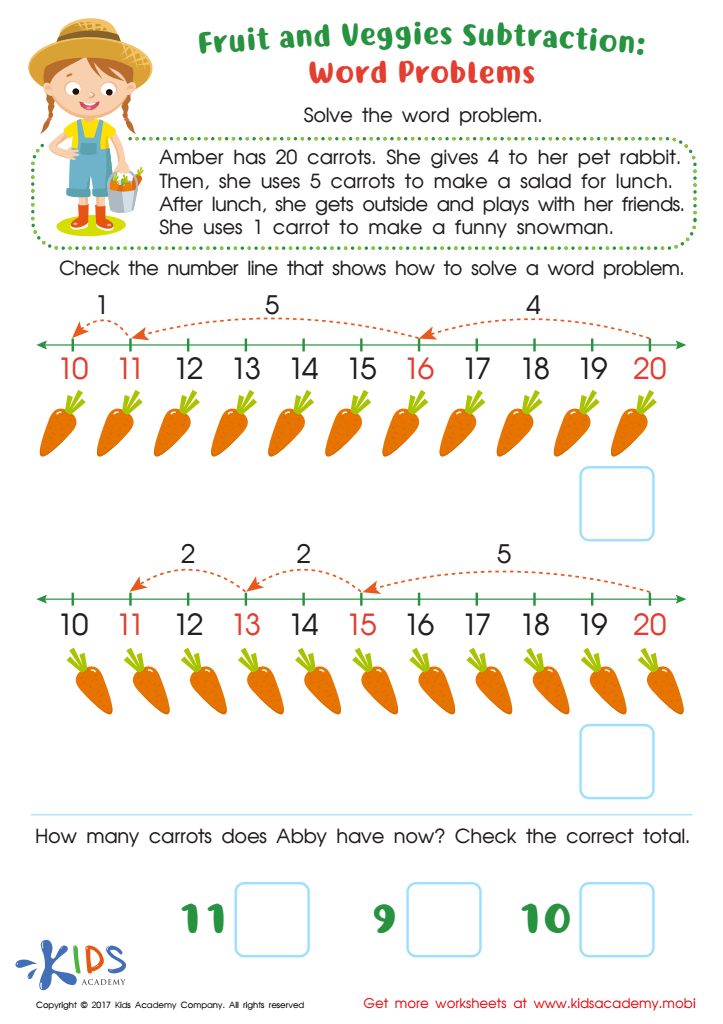
Subtraction Word Problems Printable
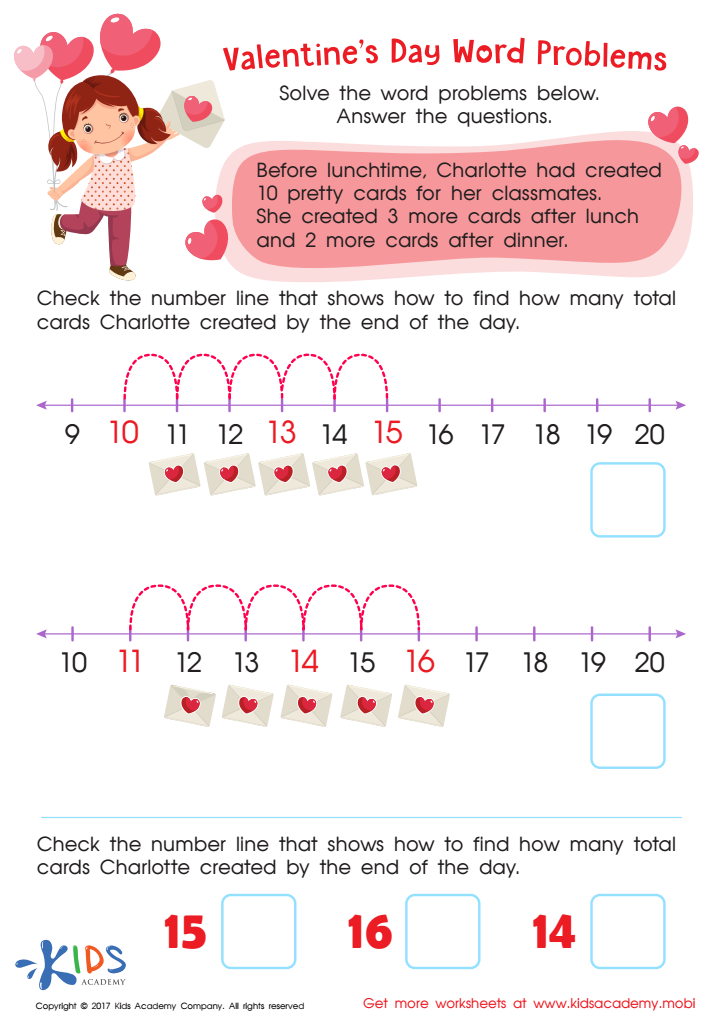
Valentines Day Word Problem Worksheet
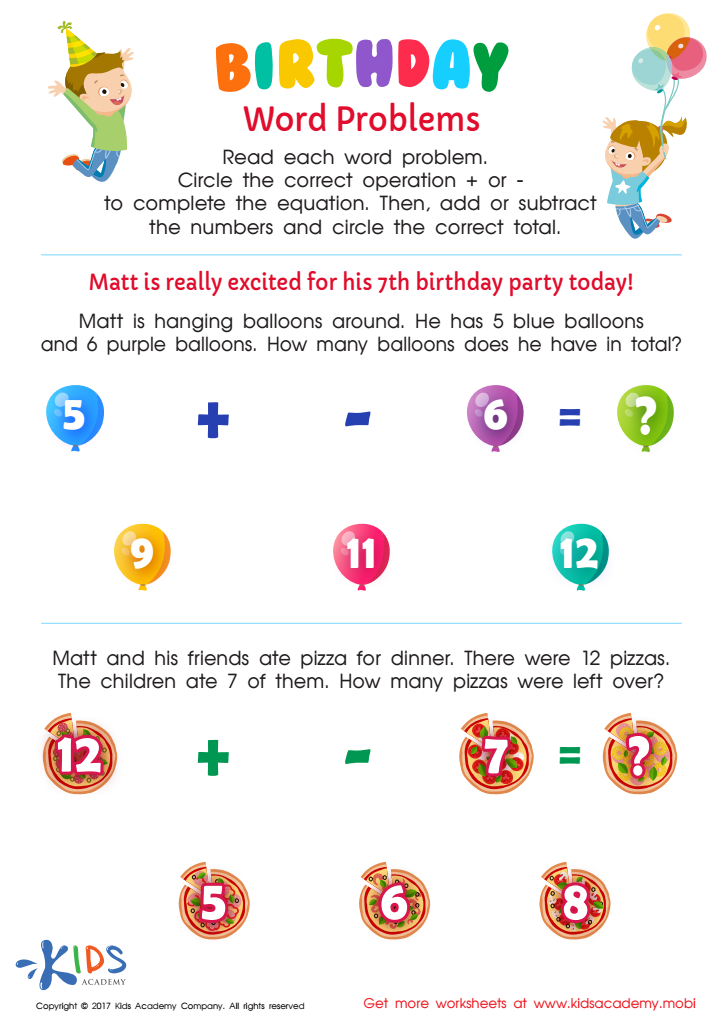
Birthday Word Problems Substraction Worksheet
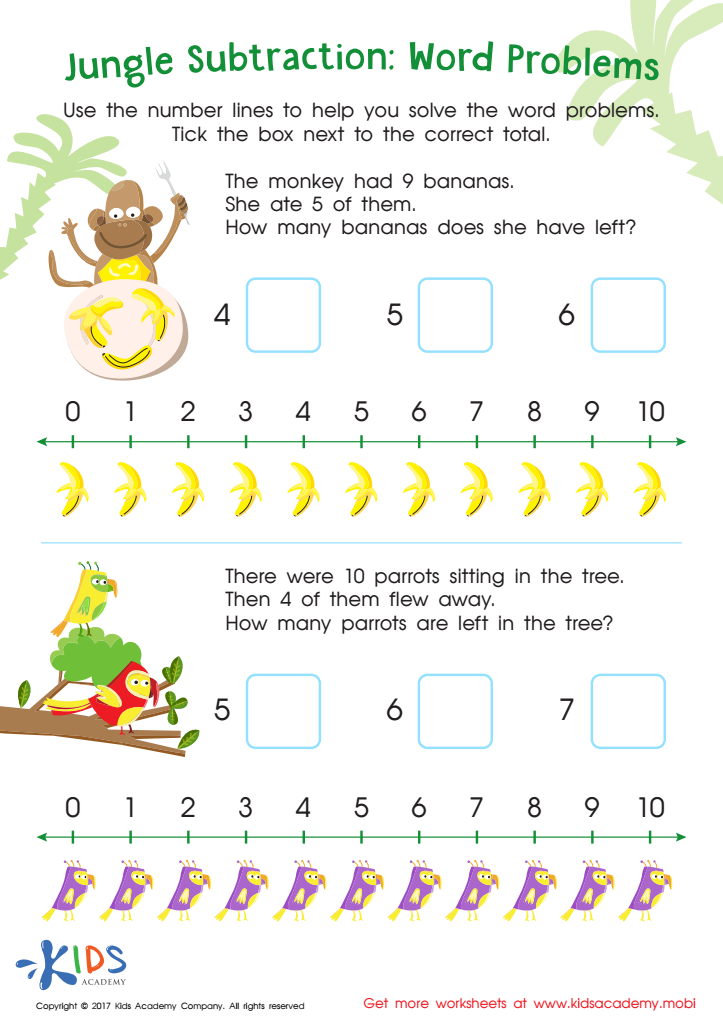
Jungle Subtraction Word Problems Substraction Worksheet
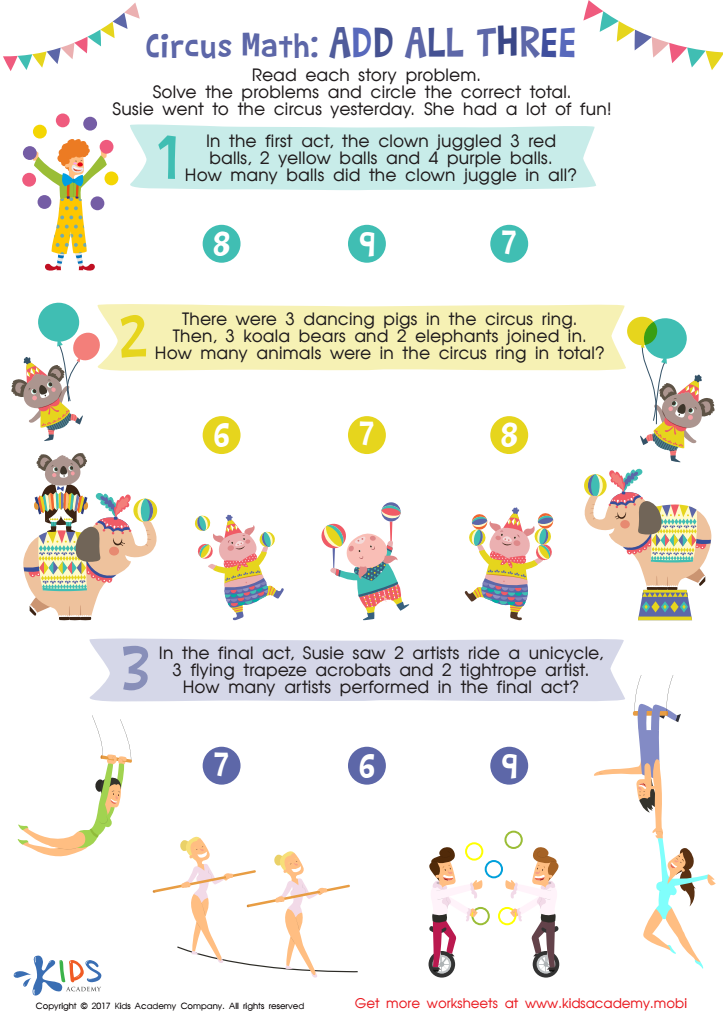
Circus Math Printable








Addition and subtraction word problems are cornerstone tools in early mathematics education, particularly for children aged 6 to 9. Engaging with these problems not only helps students grasp essential arithmetic skills but also fosters critical thinking and problem-solving abilities. By contextualizing math within real-world scenarios, children learn to see numbers not as abstract concepts but as tools they can use to navigate daily life. This builds a strong numerical foundation.
At ages 6 to 9, children are typically developing their reading comprehension and cognitive skills, and word problems effectively integrate math with literacy. Understanding the problem requires reading and interpreting the situation, which enhances their reading skills. Solving these problems necessitates logical thinking and the ability to discern key information, thereby cultivating analytical skills.
Moreover, word problems help students recognize the practical applications of math. When kids solve problems about sharing toys or budgeting their allowance, they develop an appreciation for math as a useful life skill rather than just a classroom exercise. Engaging with these problems in collaborative settings, whether at home with parents or in a group with classmates, also promotes communication and cooperative learning.
In sum, addition and subtraction word problems serve multiple educational purposes, making them a vital component of a child's early academic curriculum.