Community Worksheets for Ages 6-9 - Page 3
112 filtered results
-
From - To
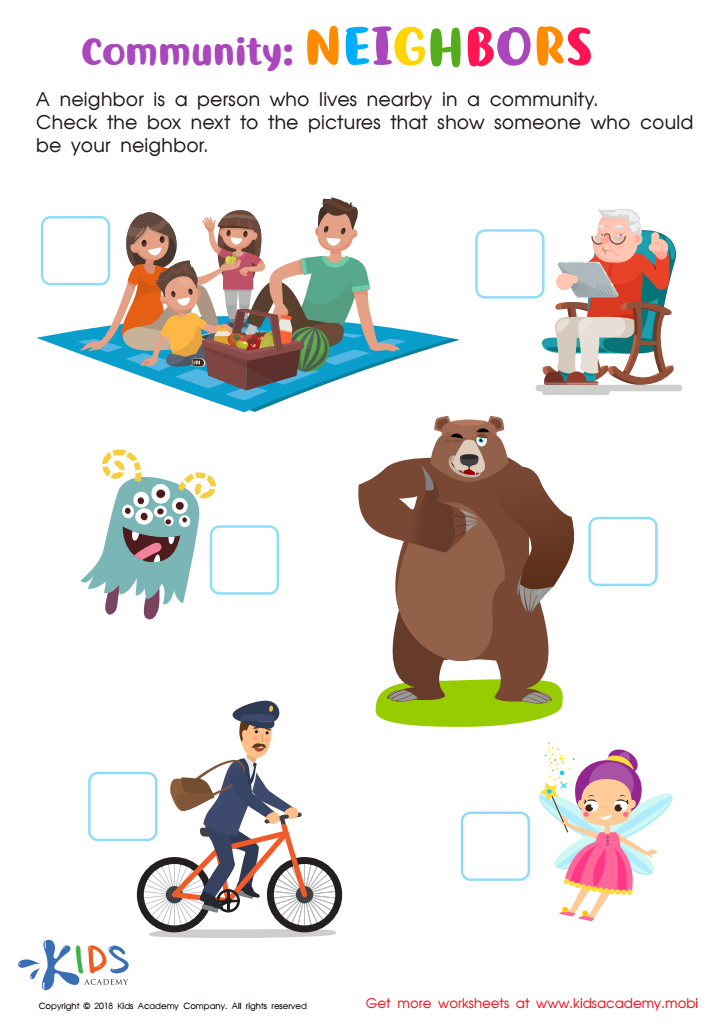
Community: Neighbors Worksheet
 Assign to My Students
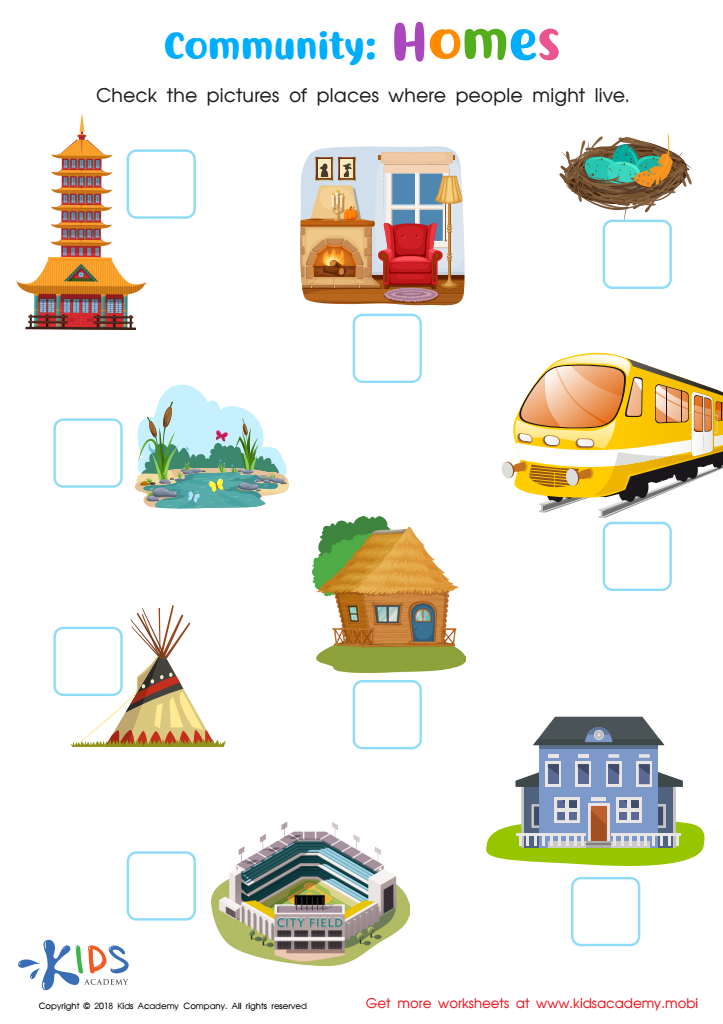
Community: Homes Worksheet
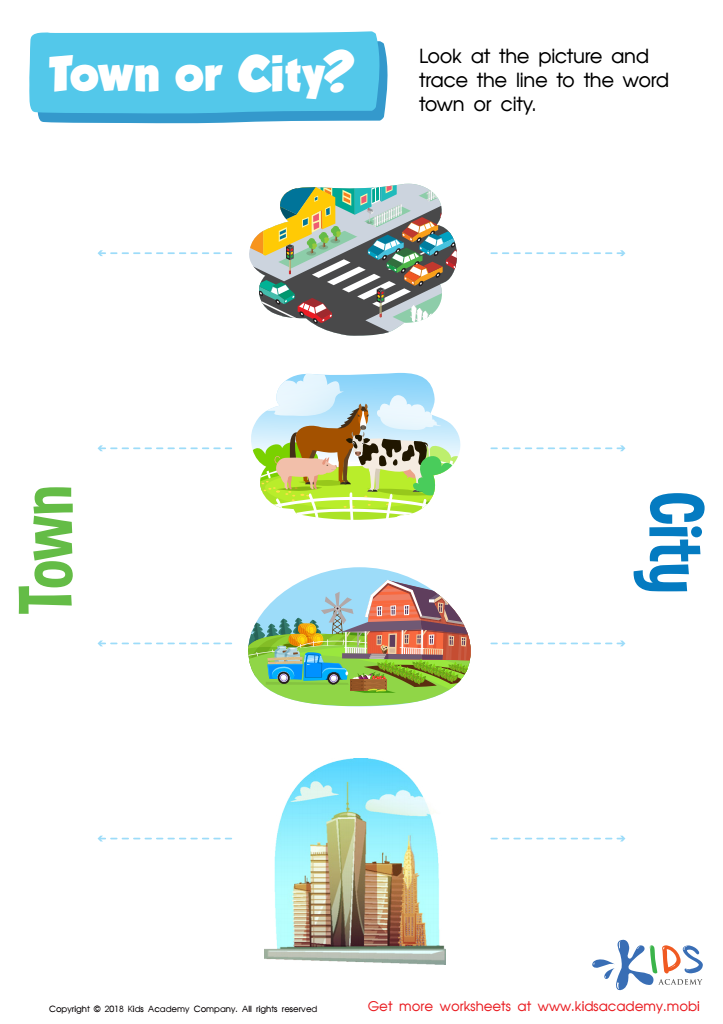
Town or City? Worksheet
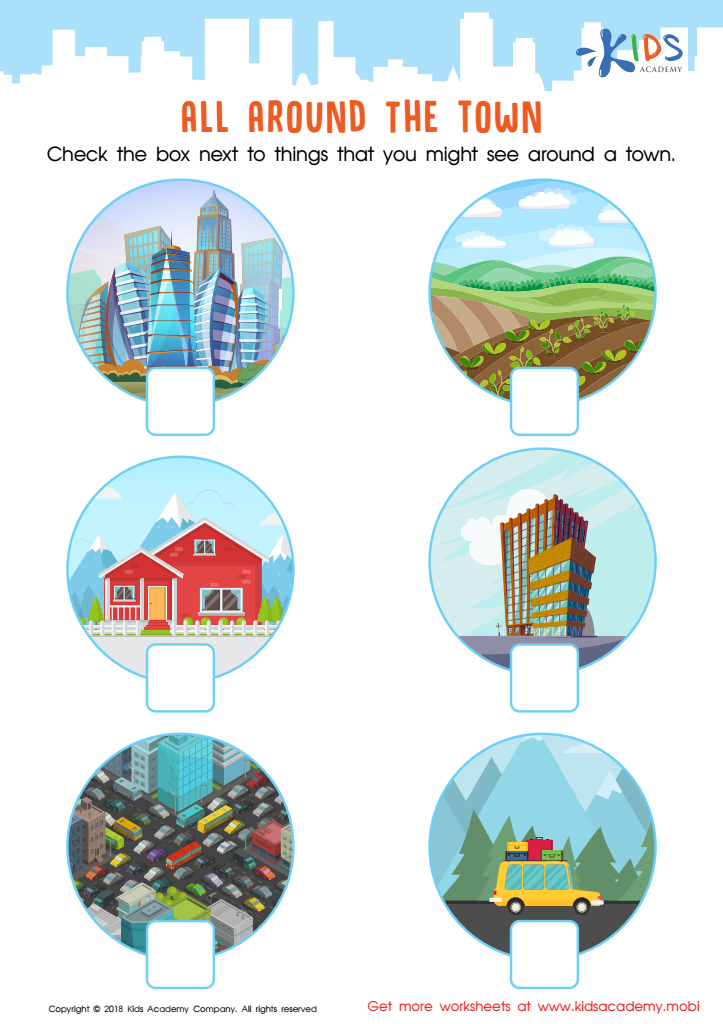
All Around the Town Worksheet
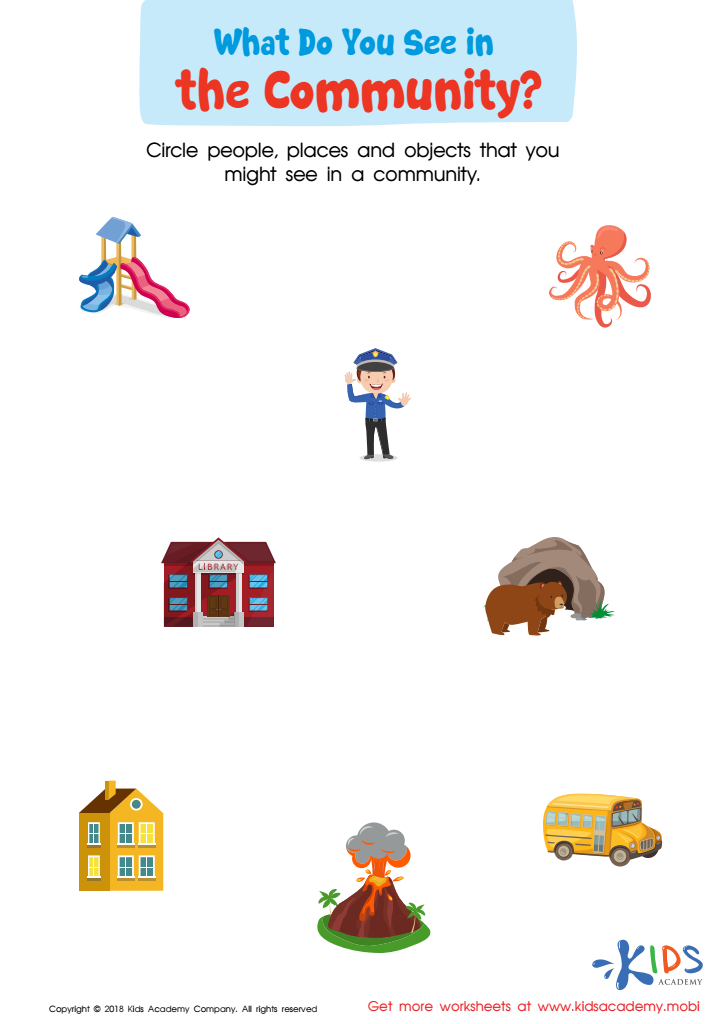
What Do You See in the Community Worksheet
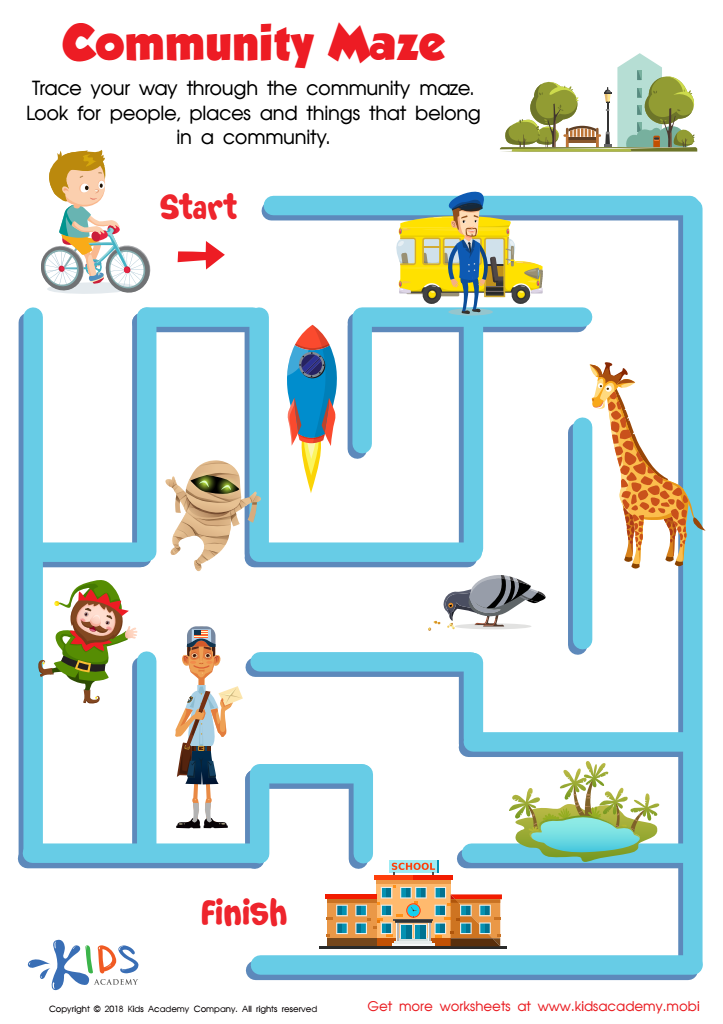
Community Maze Worksheet
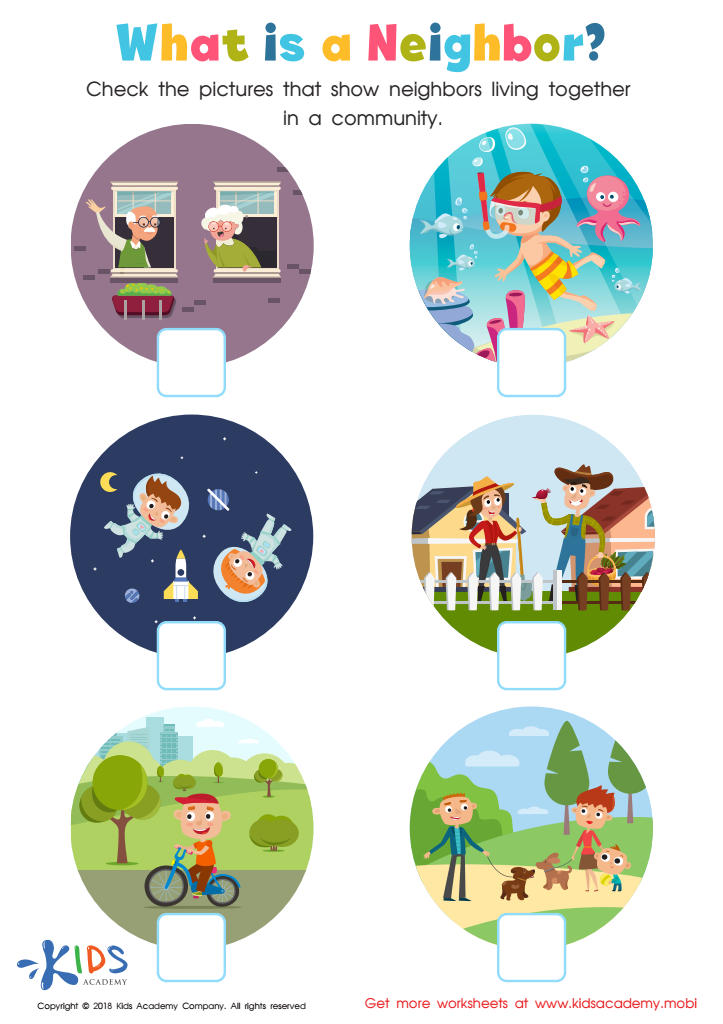
What is a neighbor Worksheet
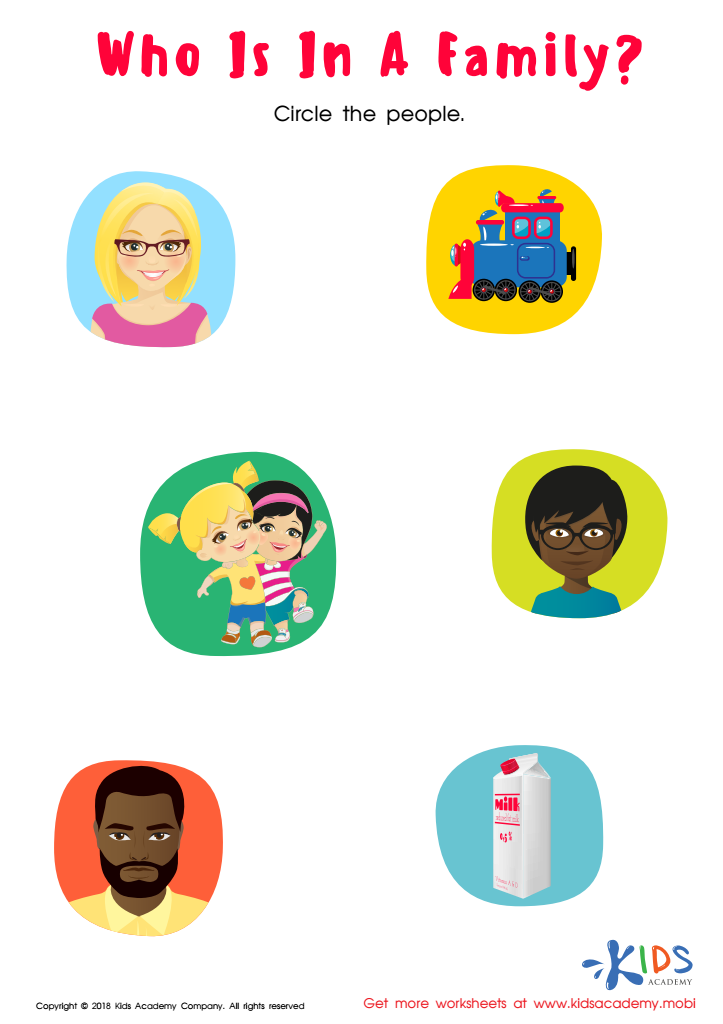
Who Is in a Family? Worksheet
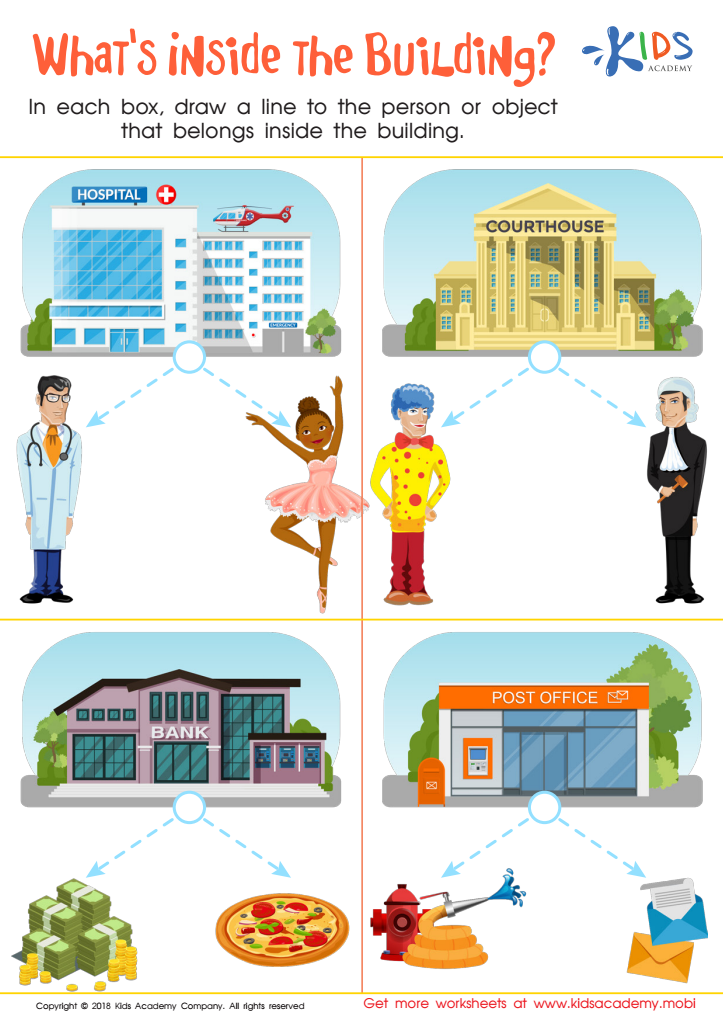
What's Inside the Building? Worksheet
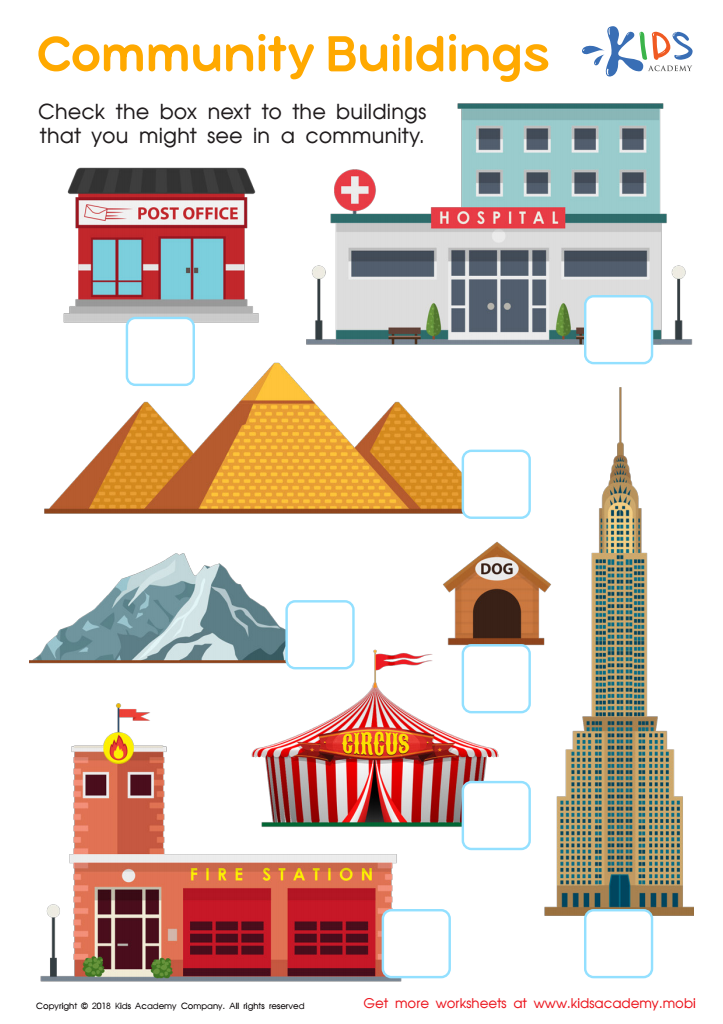
Community Buildings Worksheet
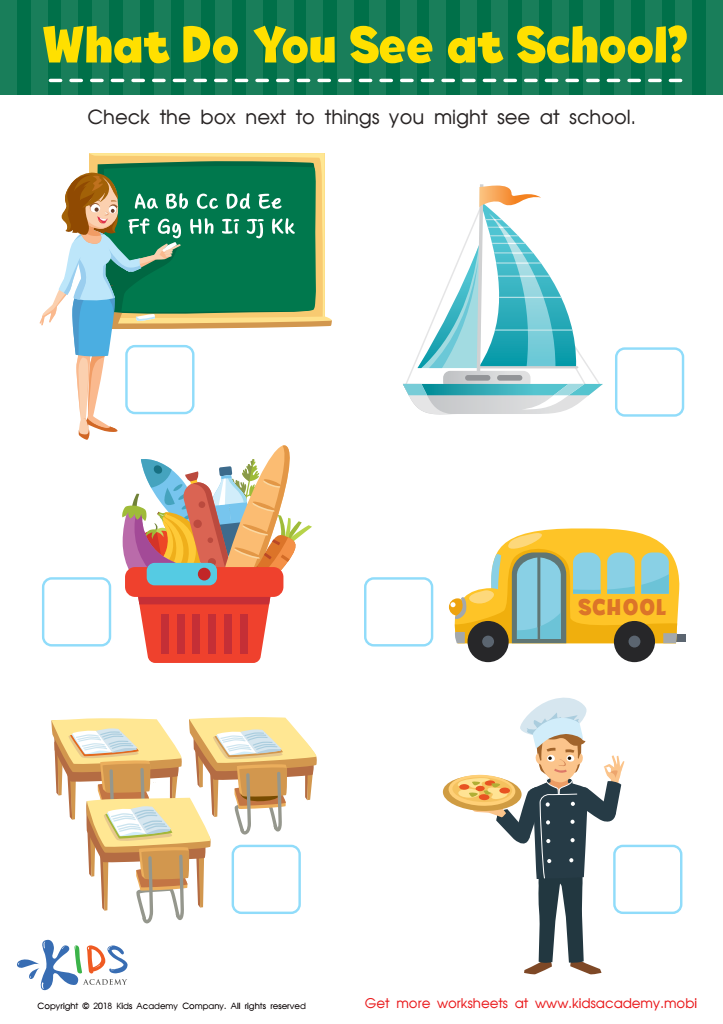
What Do you See at School? Worksheet
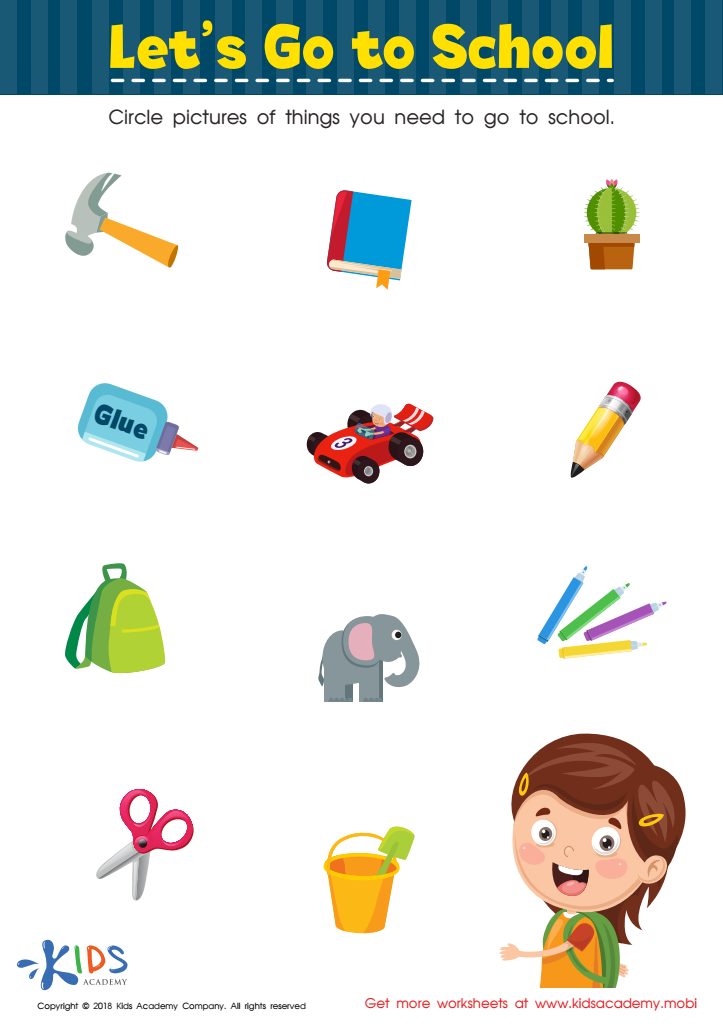
Let's Go to School! Worksheet

What Do you See at the Library? Worksheet

Let's Go to the Library! Worksheet
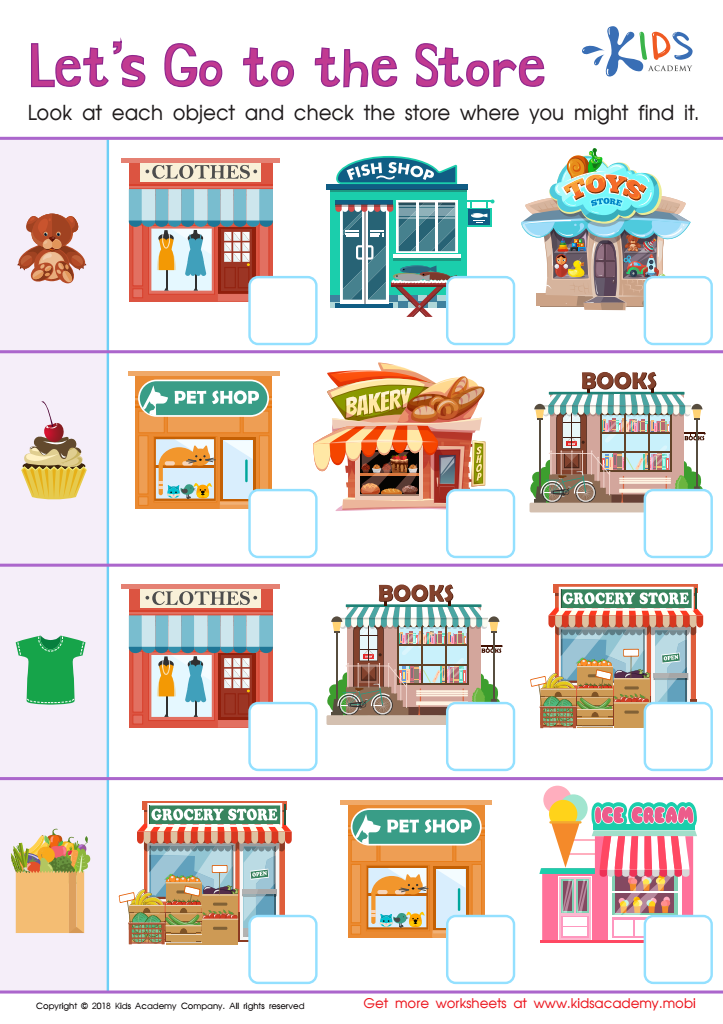
Let's Go to the Store! Worksheet
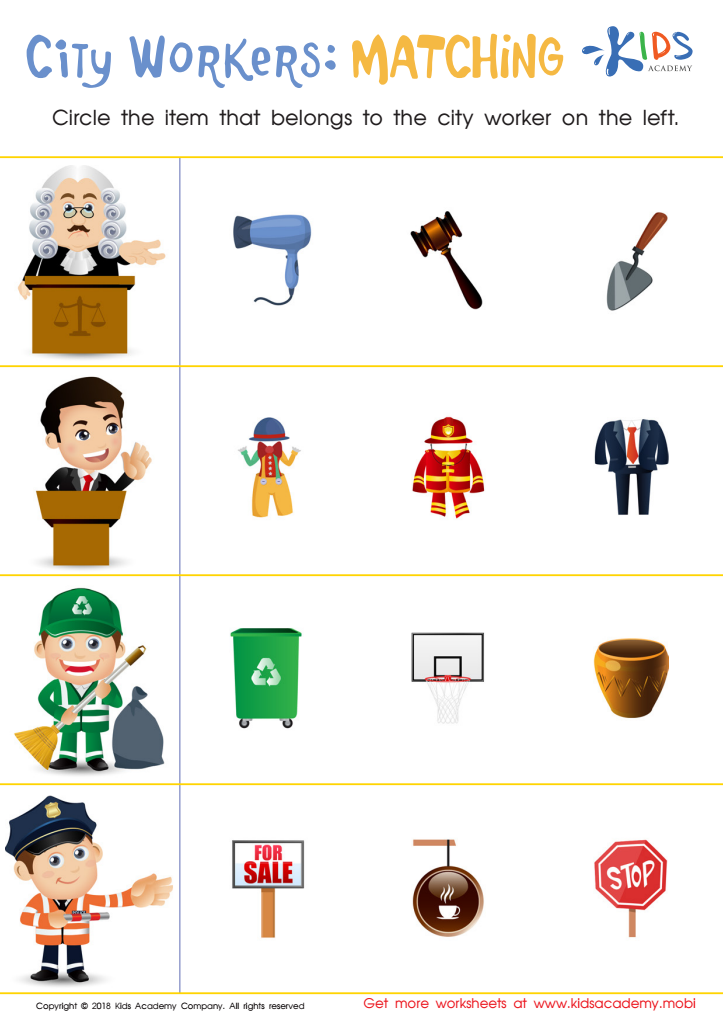
City Workers: Matching Worksheet
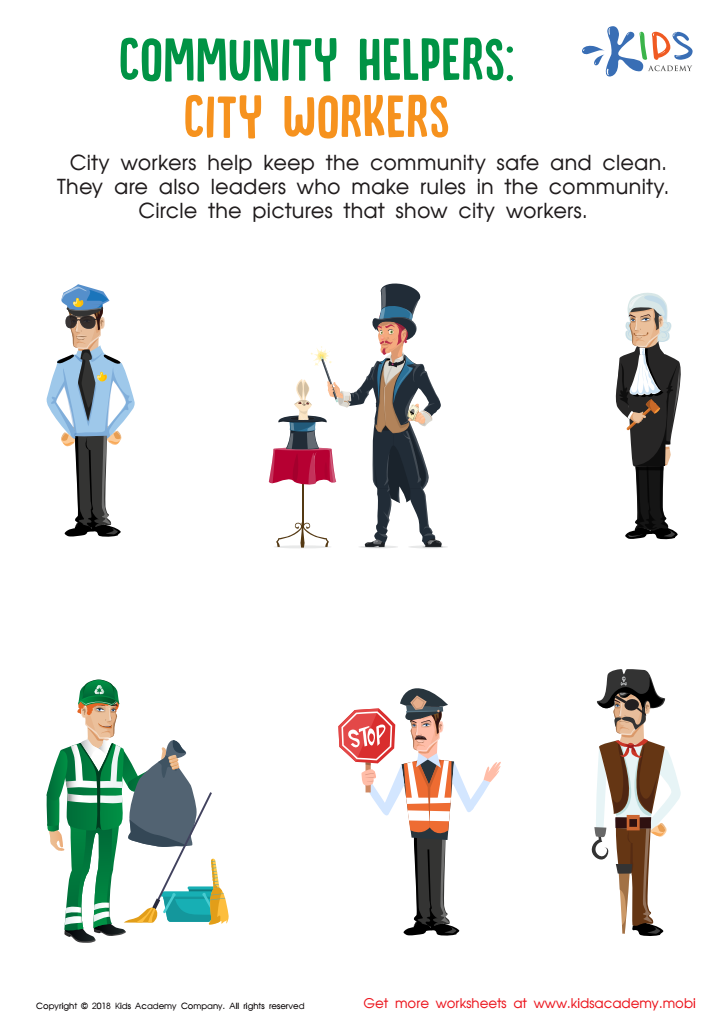
City Workers Community Helpers Worksheet
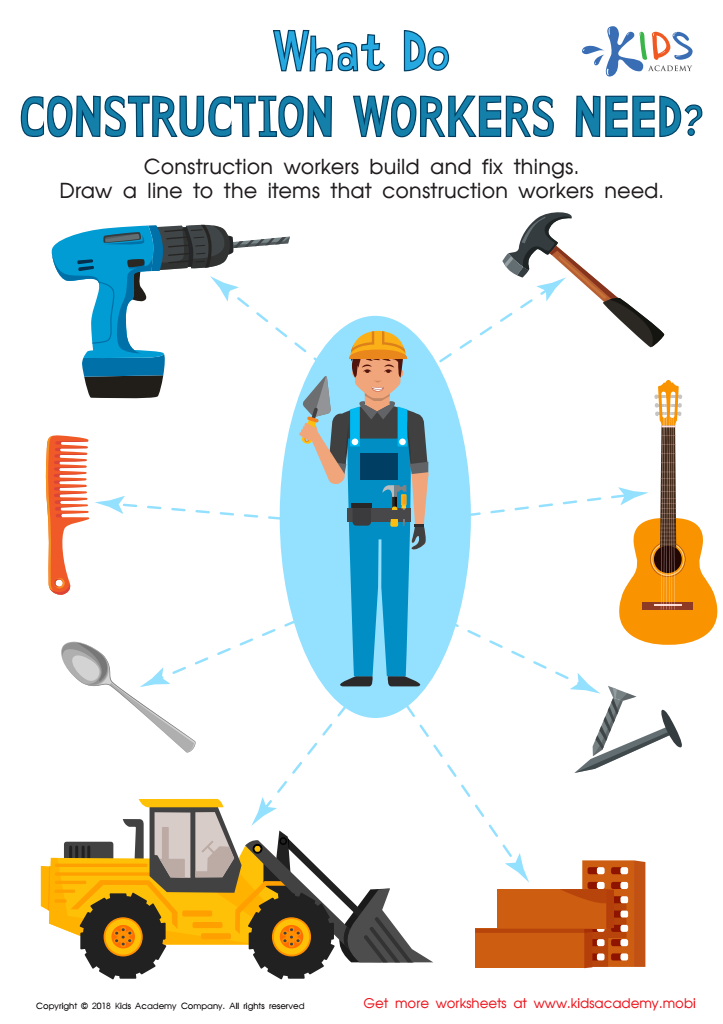
What Do Construction Workers Need? Worksheet
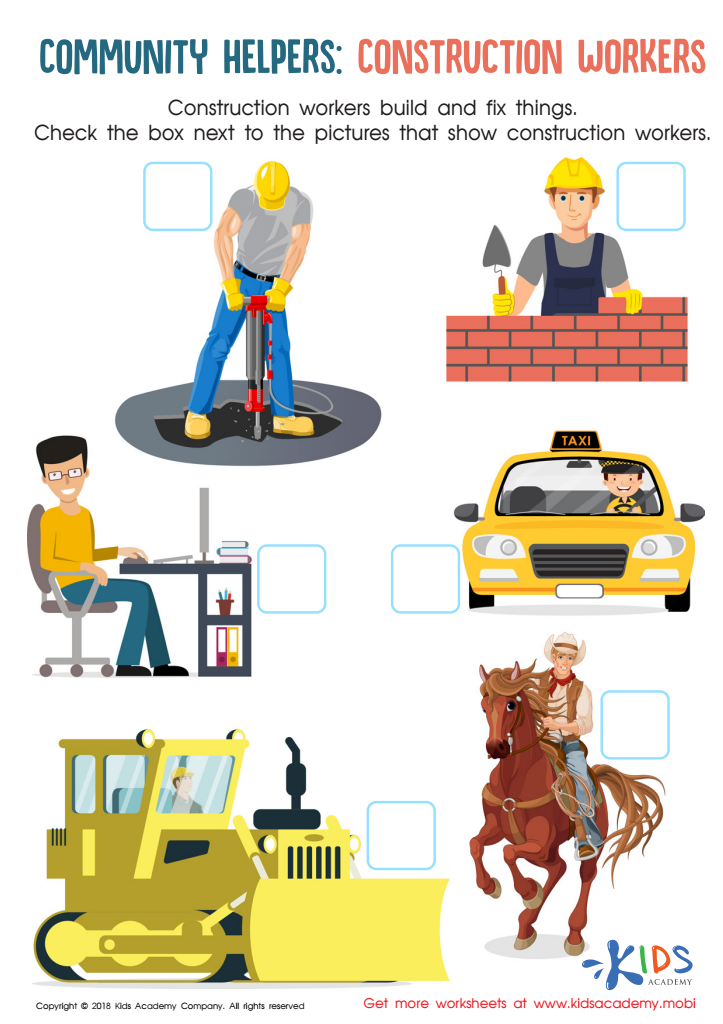
Construction Workers Community Helpers Worksheet
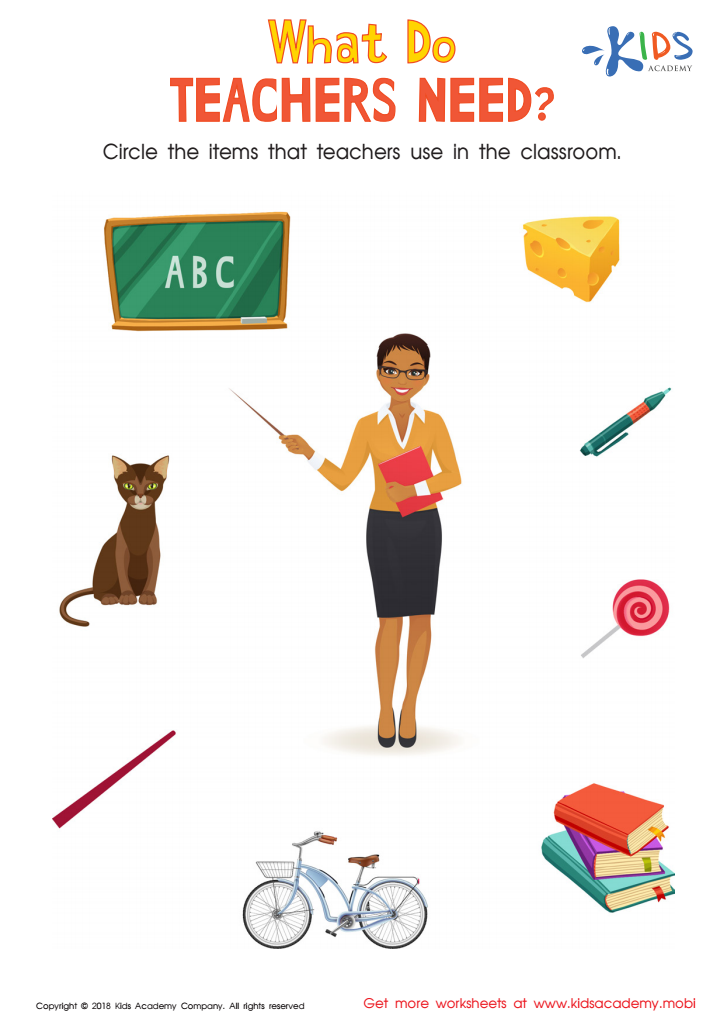
What Do Teachers Need Worksheet
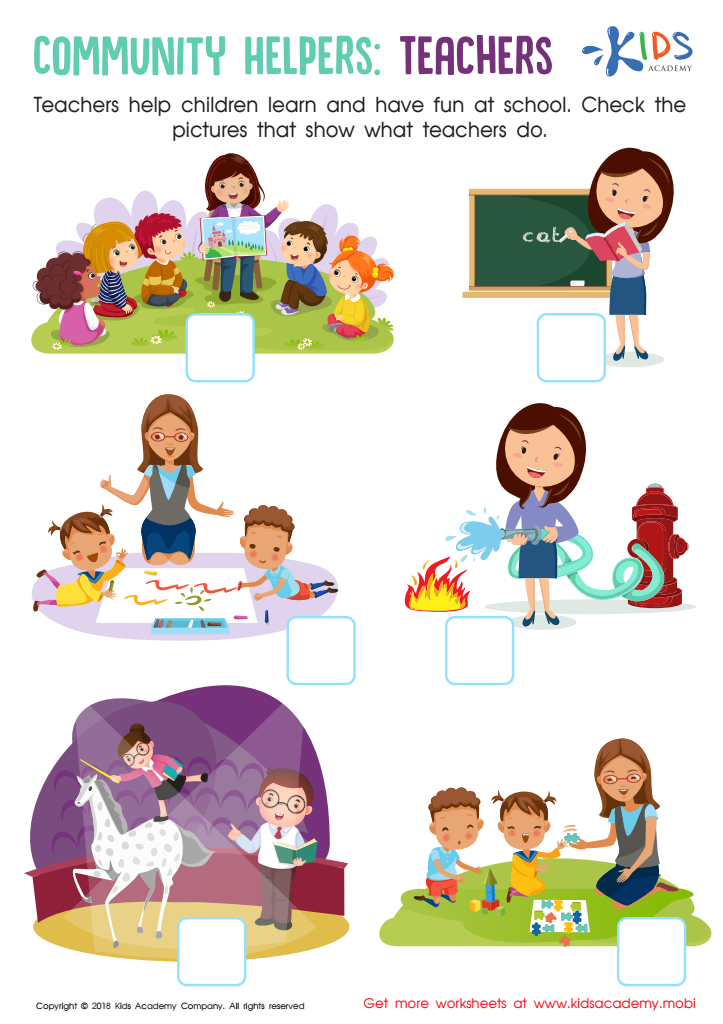
Teachers Community Helpers Worksheet
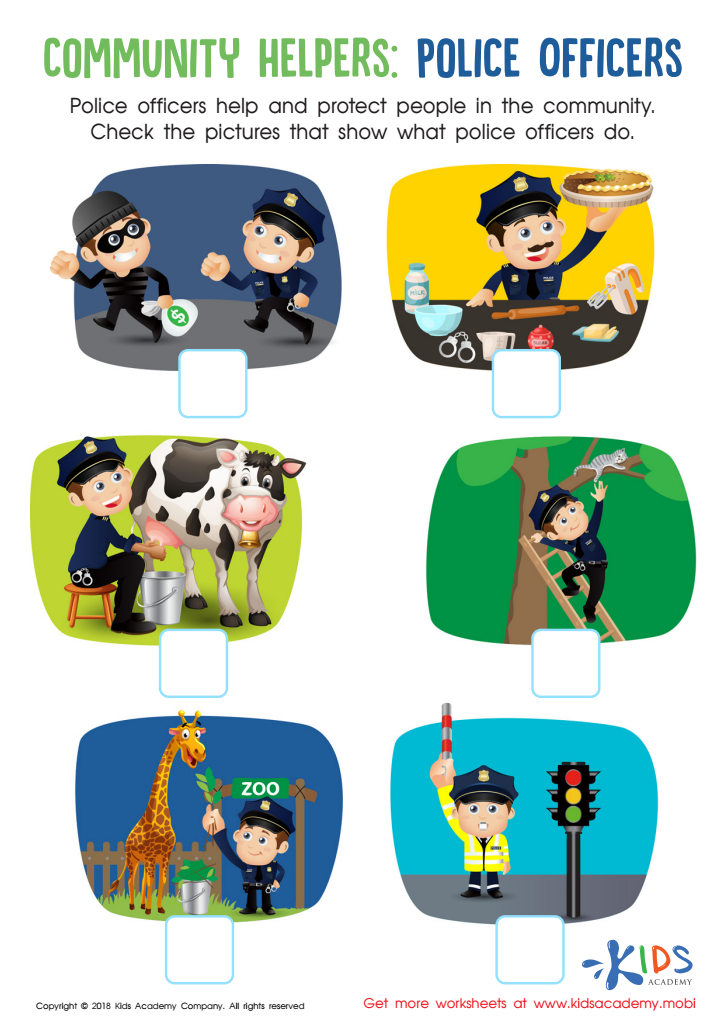
Police Officers Community Helpers Worksheet
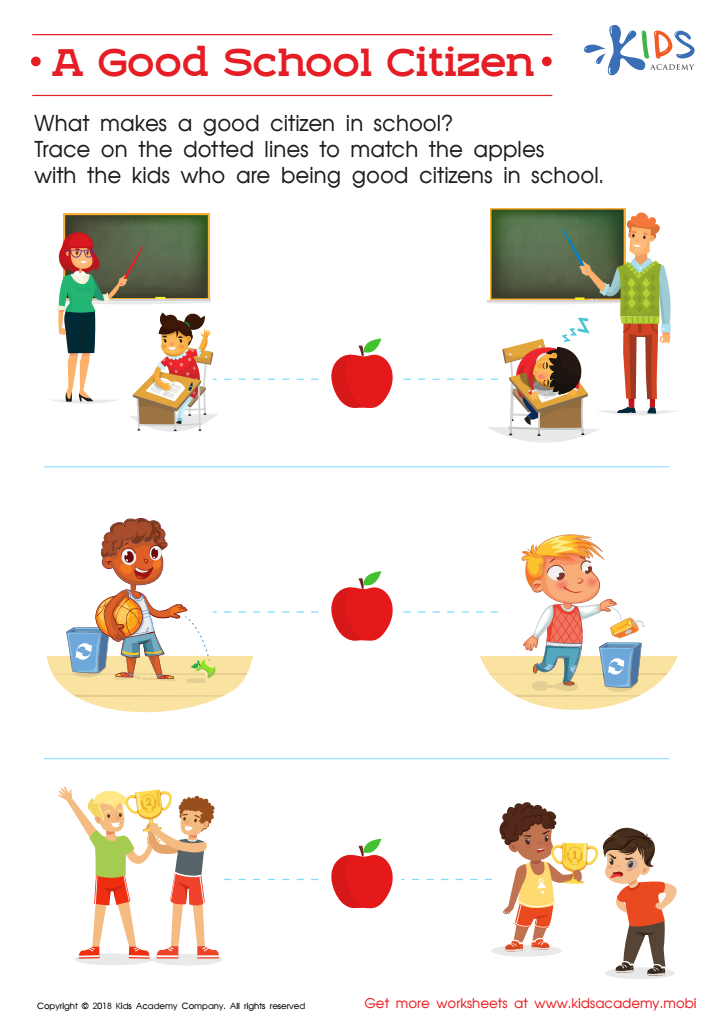
A Good School Citizen Worksheet
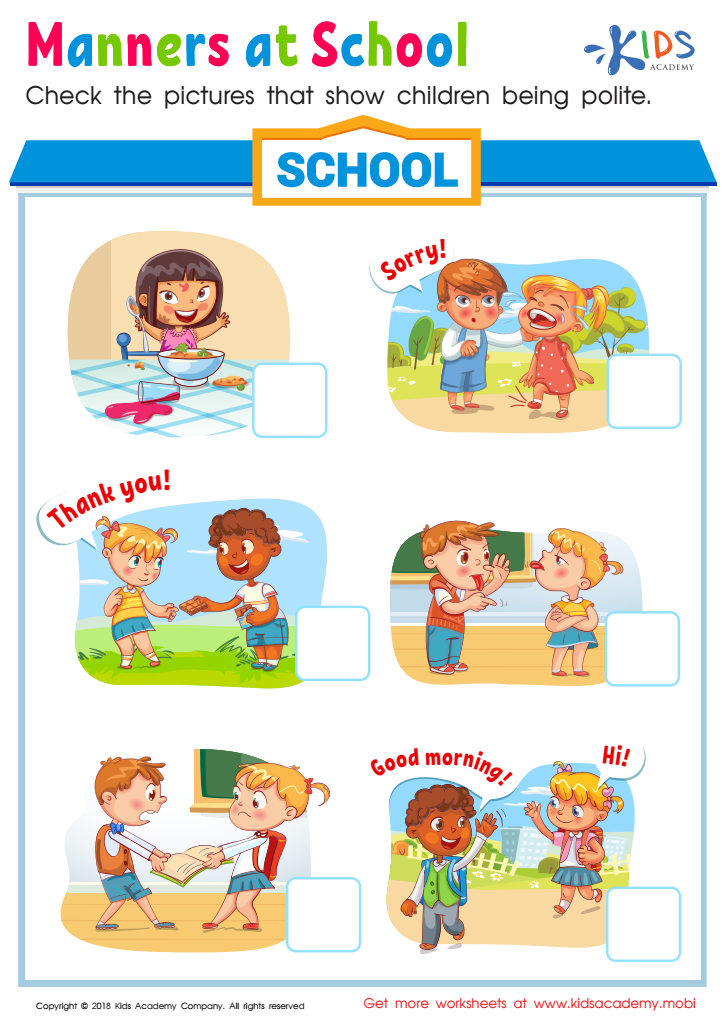
Manners at School Worksheet







Parents and teachers should deeply care about fostering a sense of community for children aged 6-9 because it plays a crucial role in their social, emotional, and academic development. At this stage, children are highly impressionable and rapidly developing their sense of identity and belonging. A supportive community helps them feel safe, valued, and understood, which are fundamental needs for healthy emotional growth.
Socially, being part of a community teaches children essential life skills such as empathy, cooperation, and problem-solving. When they interact with peers and adults in a community setting, they learn to navigate different relationships and work together towards common goals. These experiences impart lessons in communication, sharing, and respect for diversity, which are critical for their future.
Academically, a strong sense of community can enhance students’ engagement and motivation. When children feel connected to their peers and caregivers, they're more likely to participate actively in learning activities, confidently tackle challenges, and strive for their best. Additionally, supportive community environments often provide rich resources and opportunities for learning that extend beyond the classroom, such as community events, libraries, and extracurricular activities.
Ultimately, caring about community helps cultivate resilient, compassionate, and well-rounded individuals prepared for the complex world ahead.








