Geography Worksheets for Ages 7-9 - Page 2
52 filtered results
-
From - To
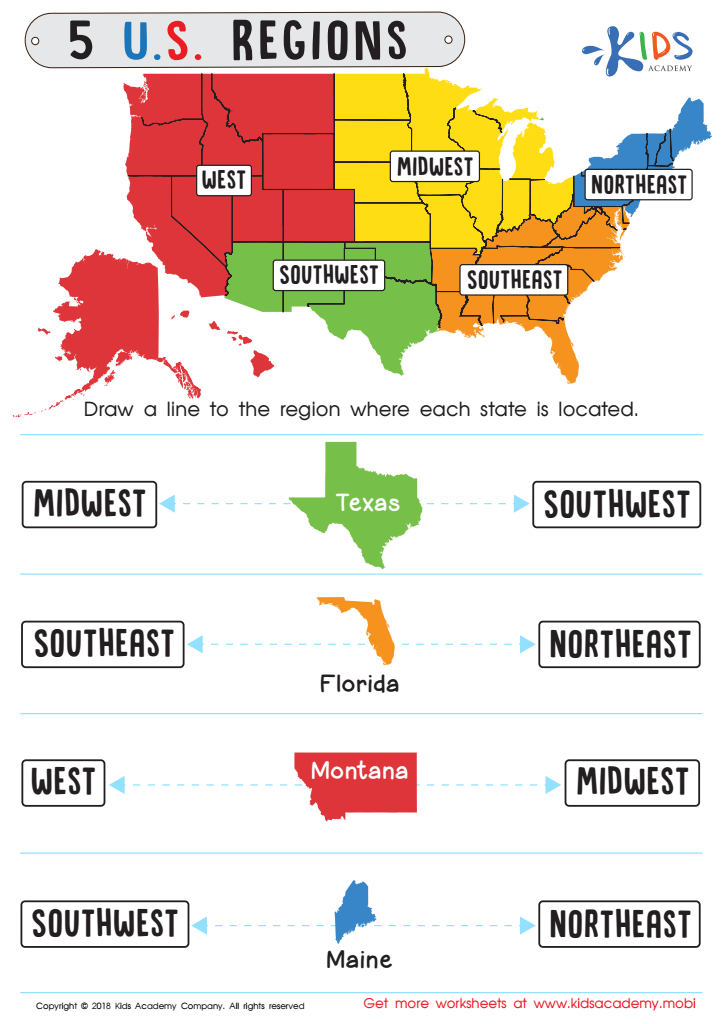
5 U.S. Regions Worksheet
 Assign to My Students
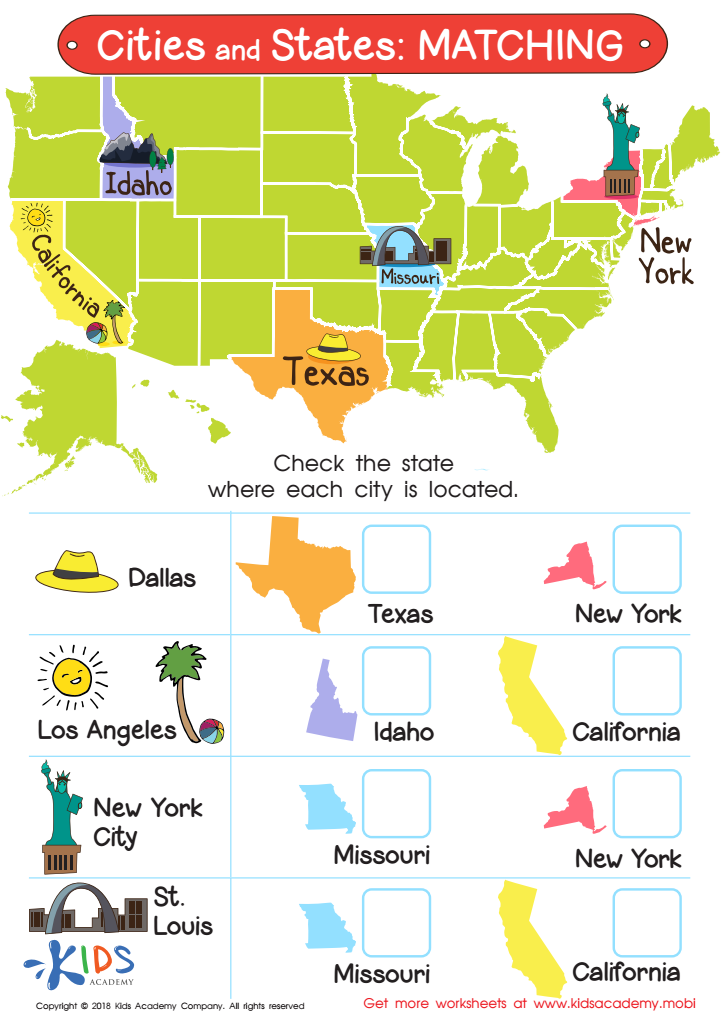
Cities and States: Matching Worksheet
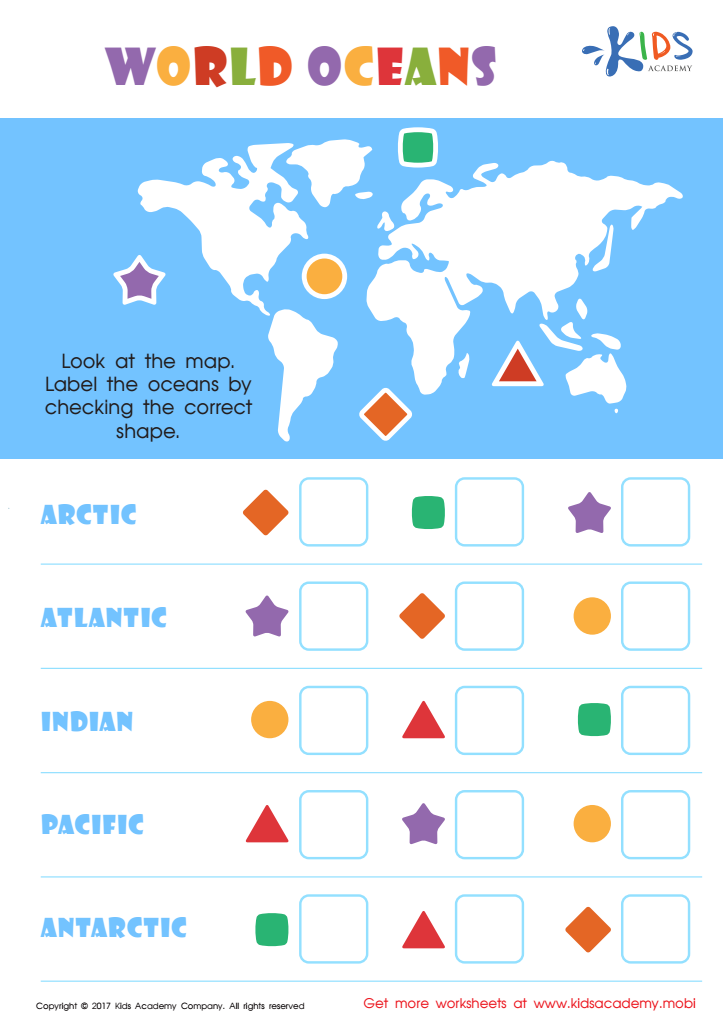
World Oceans Printable
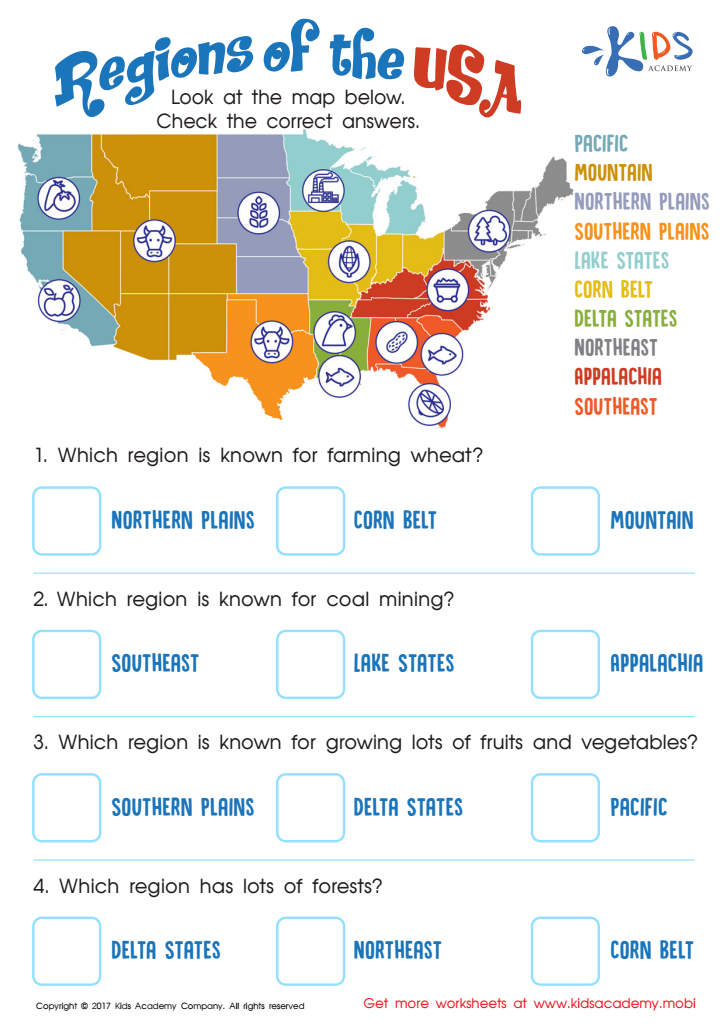
Regions of the USA Worksheet
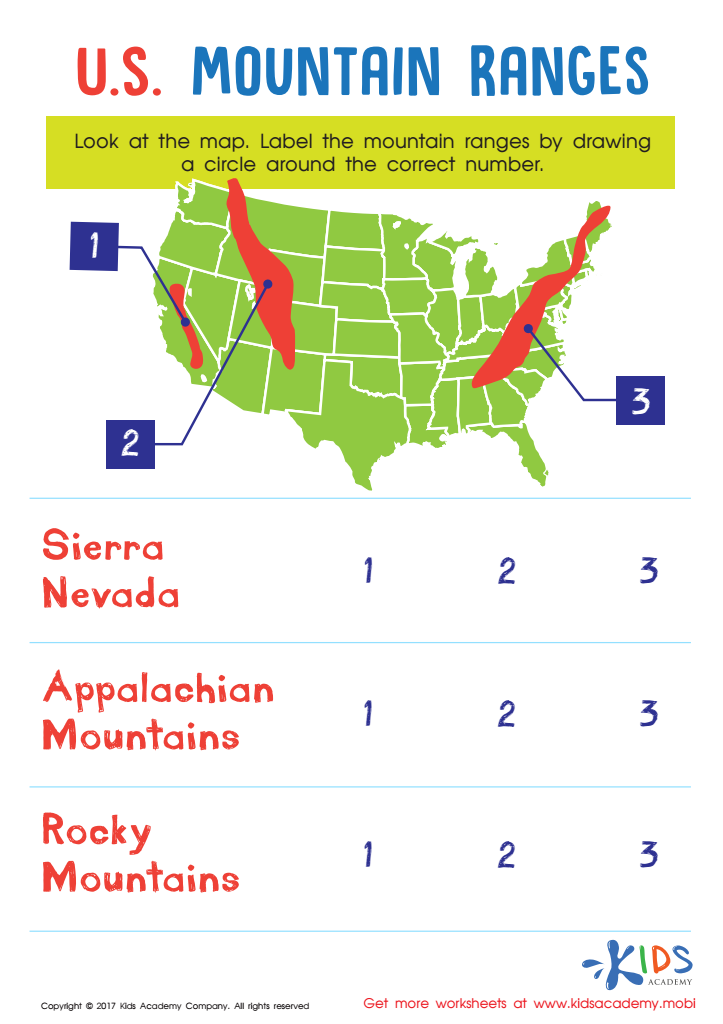
US Mountain Ranges Worksheet
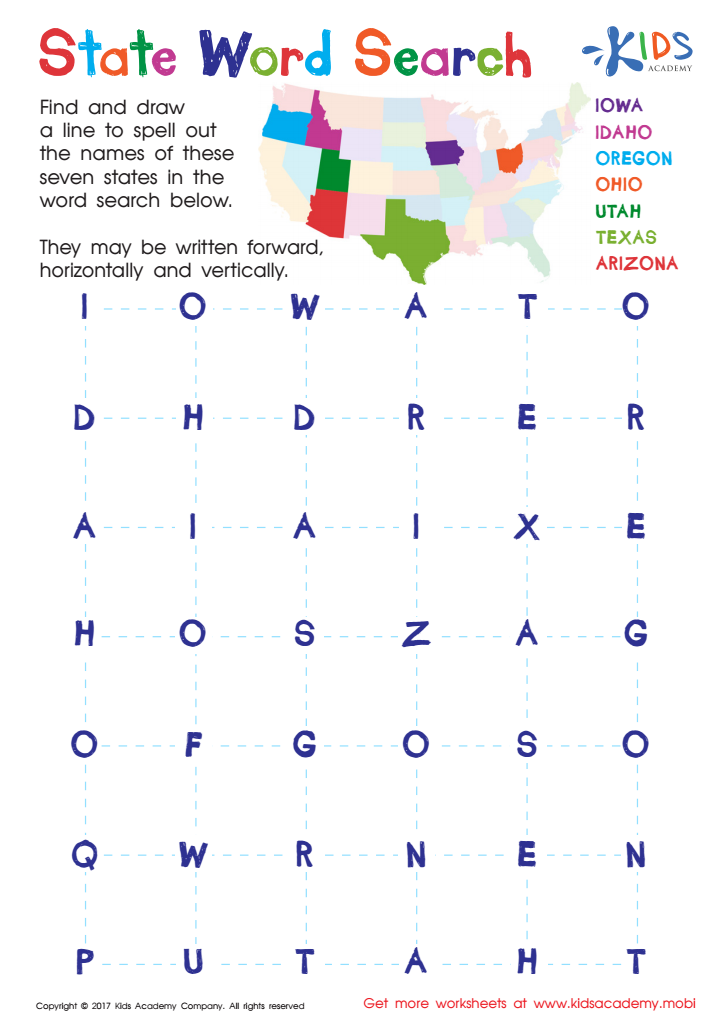
State Word Search Worksheet
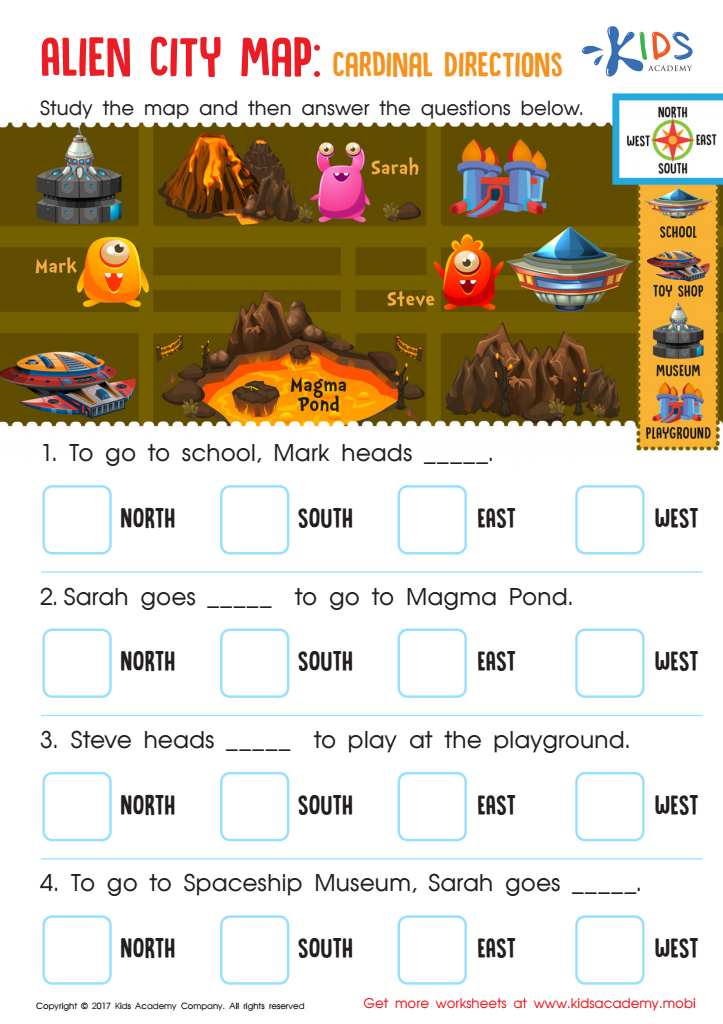
Alien City Map: Cardinal Directions Worksheet
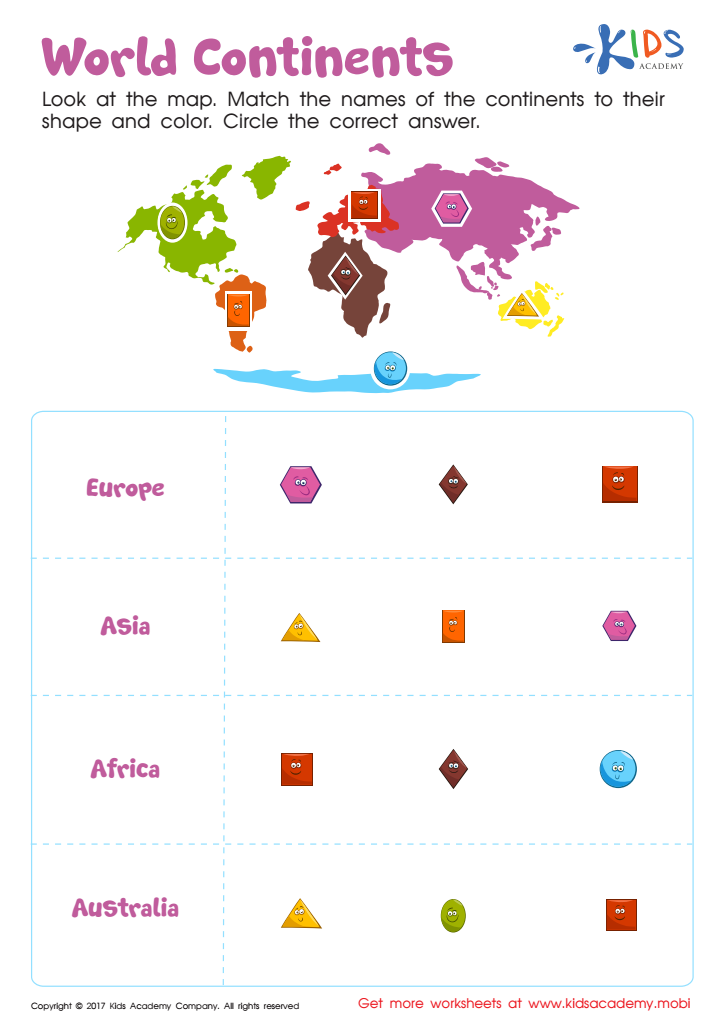
World Continents Worksheet
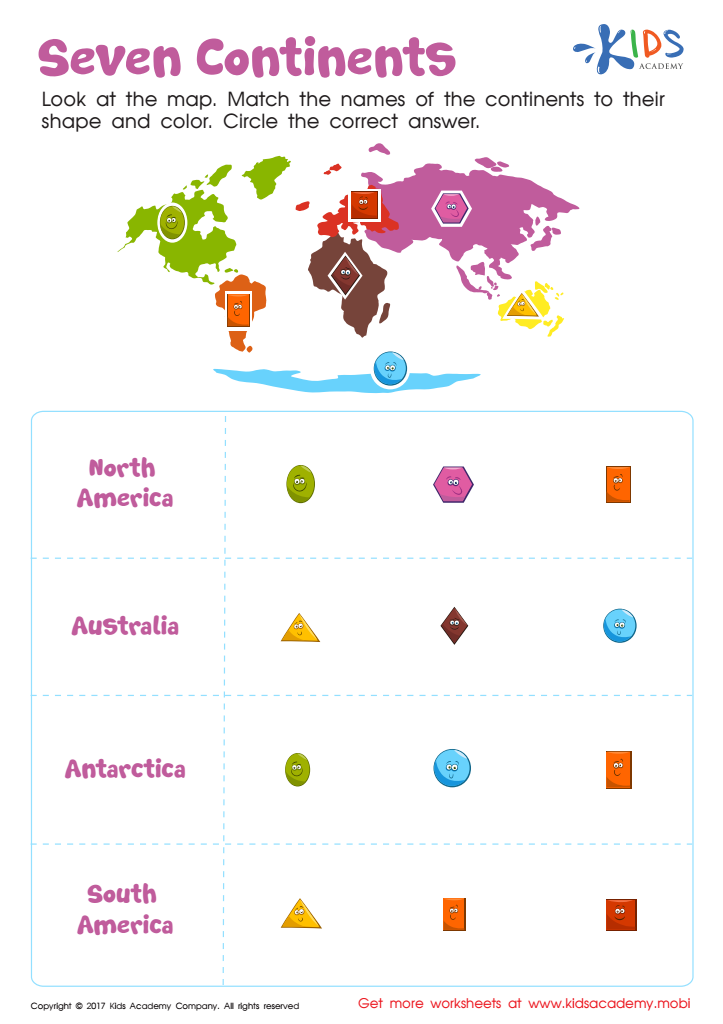
Seven Continents Worksheet
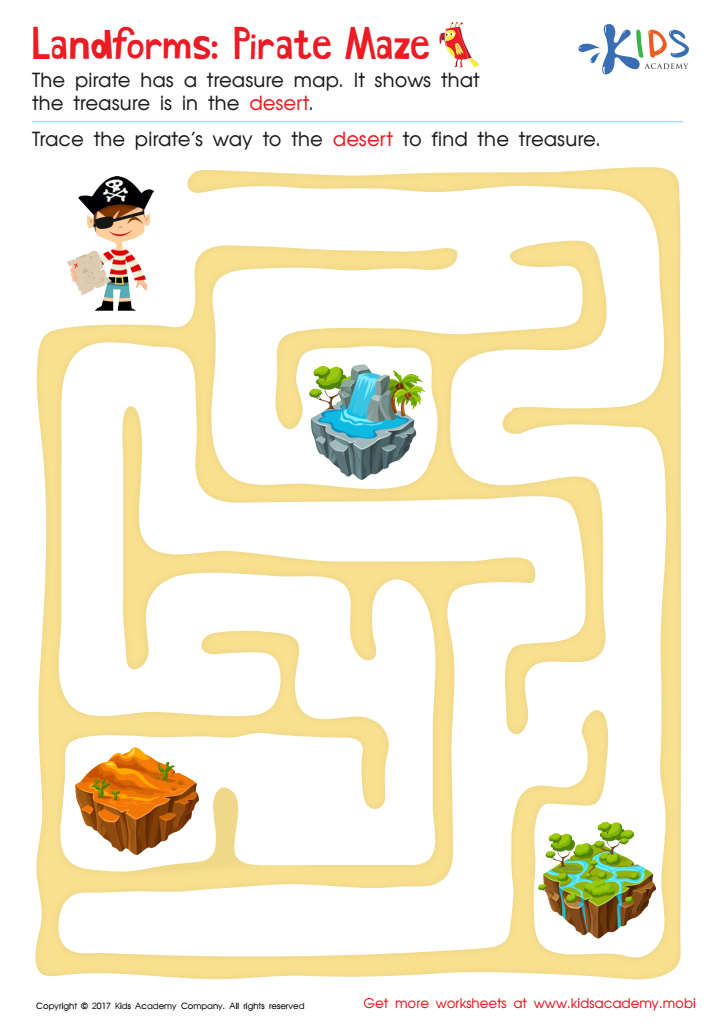
Landforms: Pirate Maze Printable
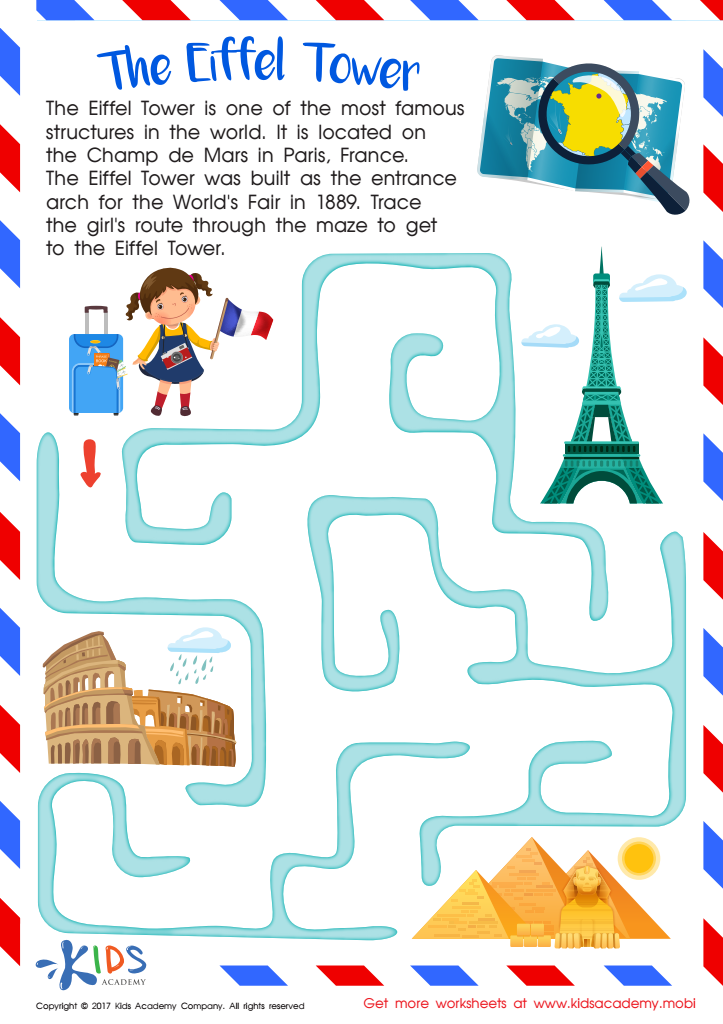
The Eiffel Tower Printable
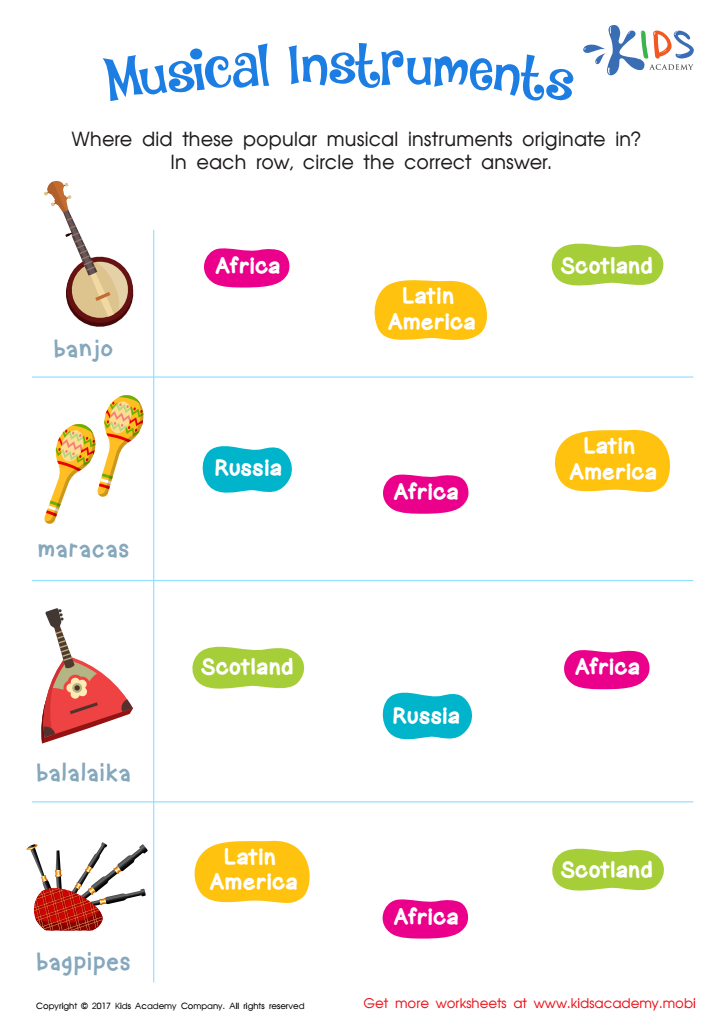
Musical Instruments Printable
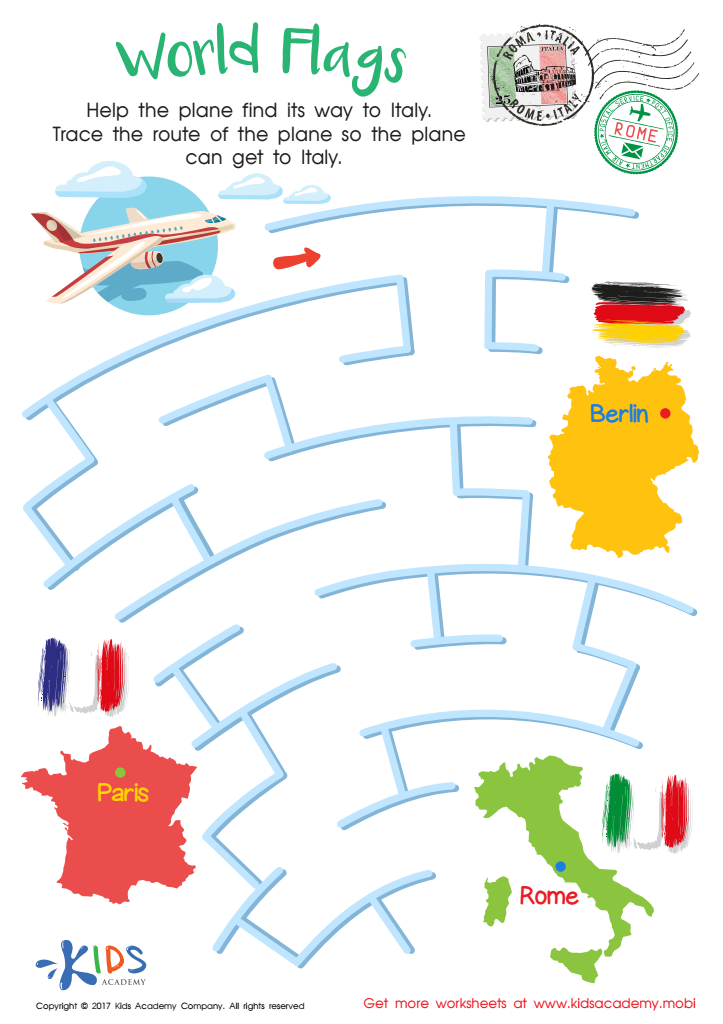
World Flags Maze Worksheet
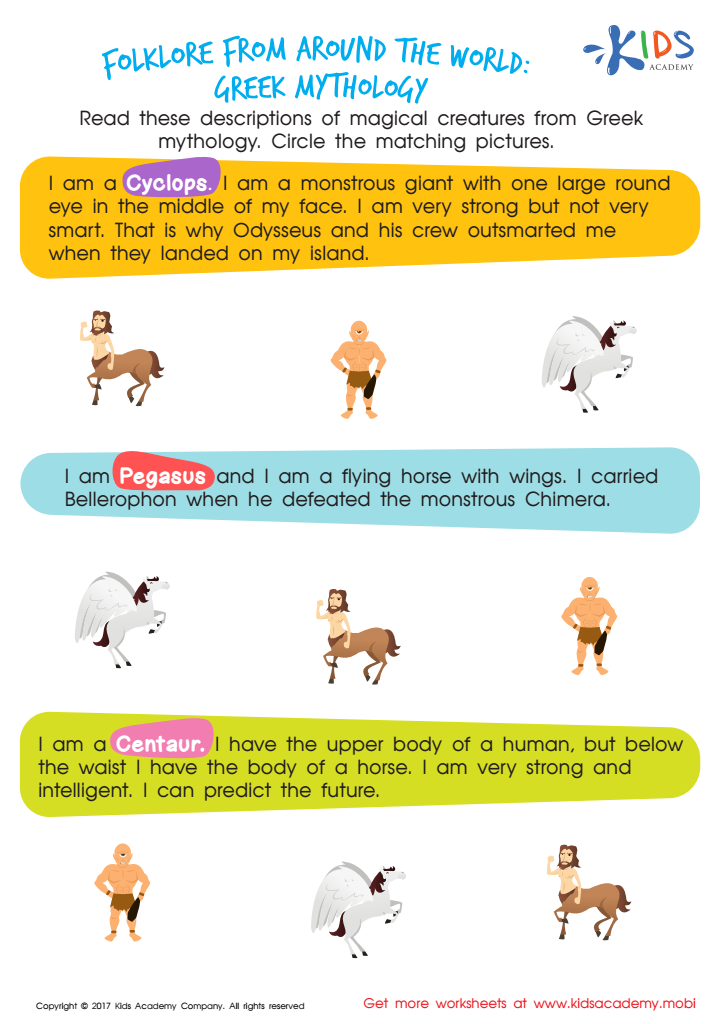
Greek Mythology Worksheet
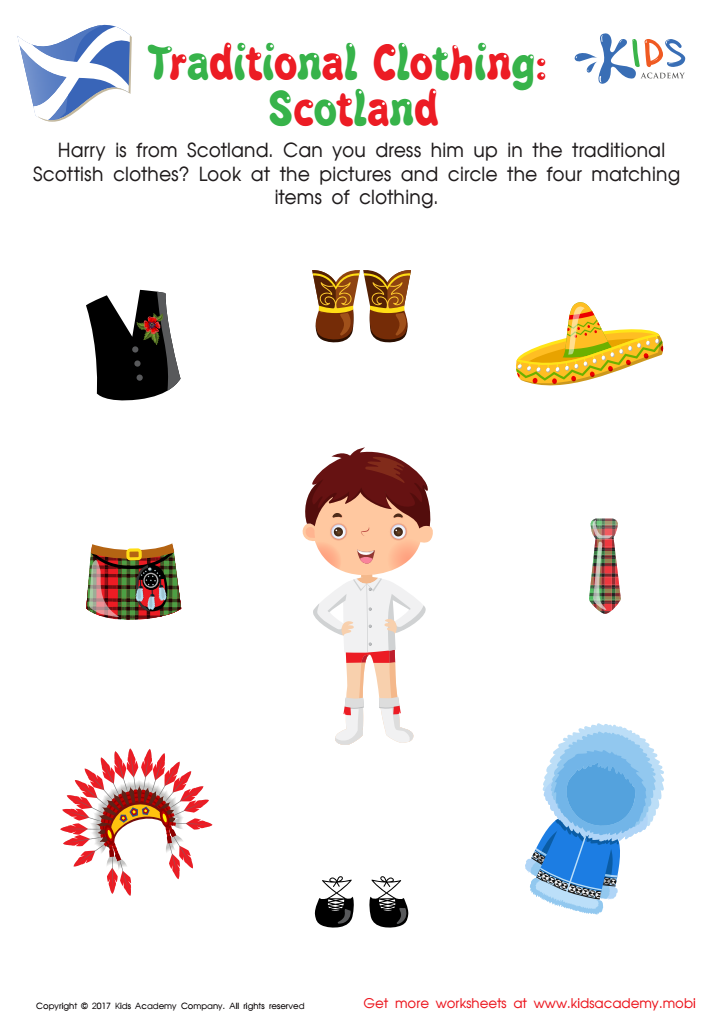
Traditional Clothing in Scotland Worksheet
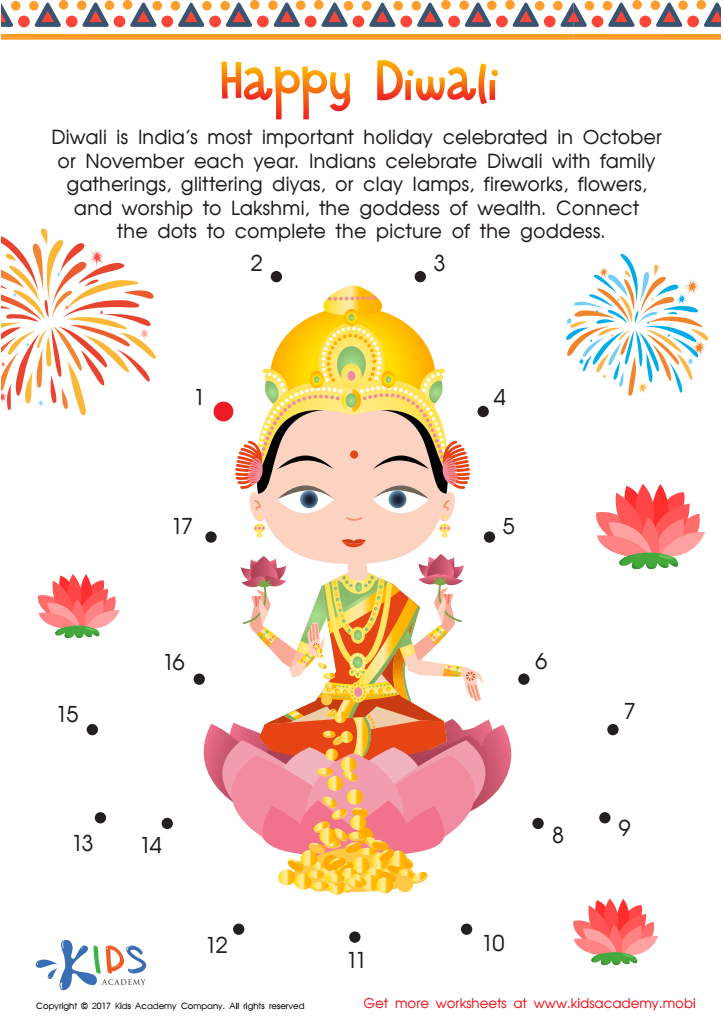
Happy Diwali Printable
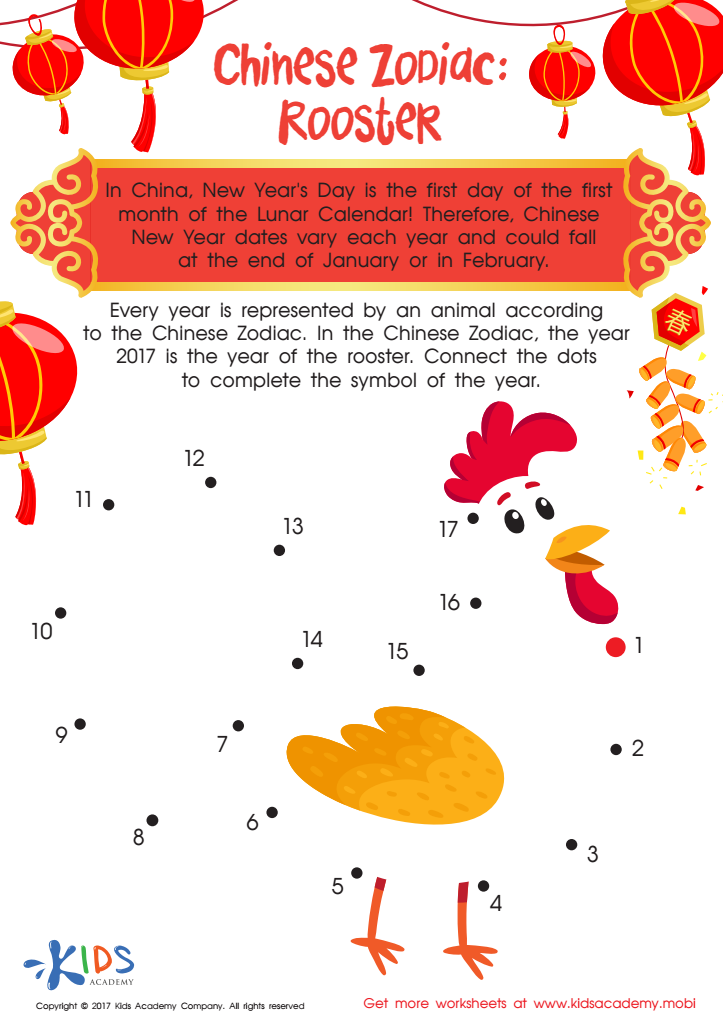
Chinese Zodiac Printable
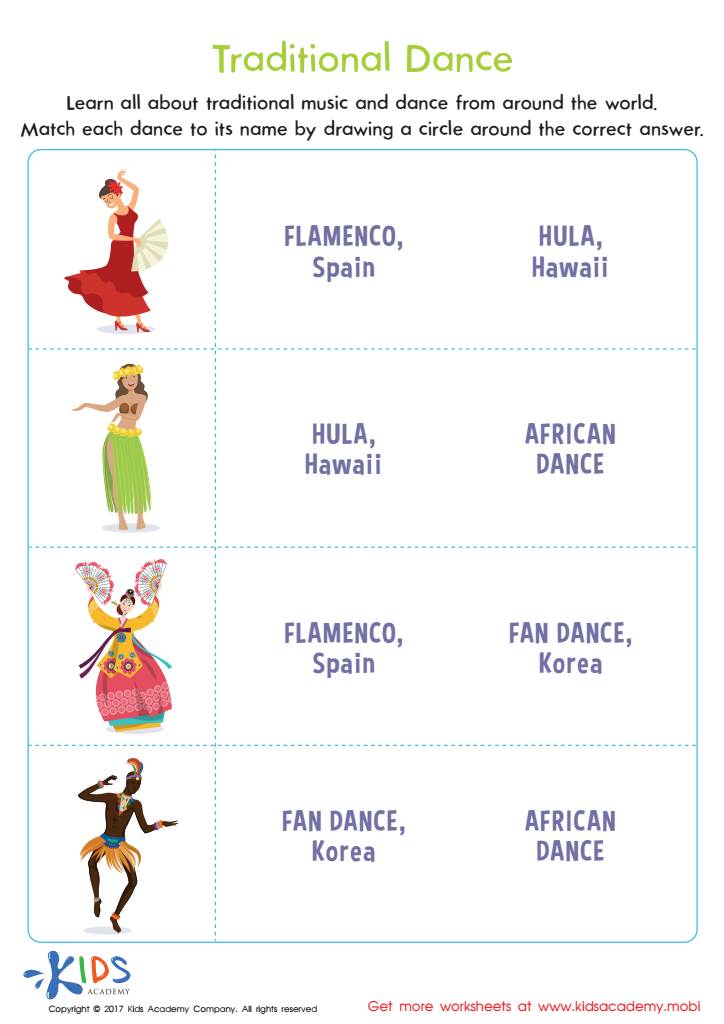
Traditional Dance Printable
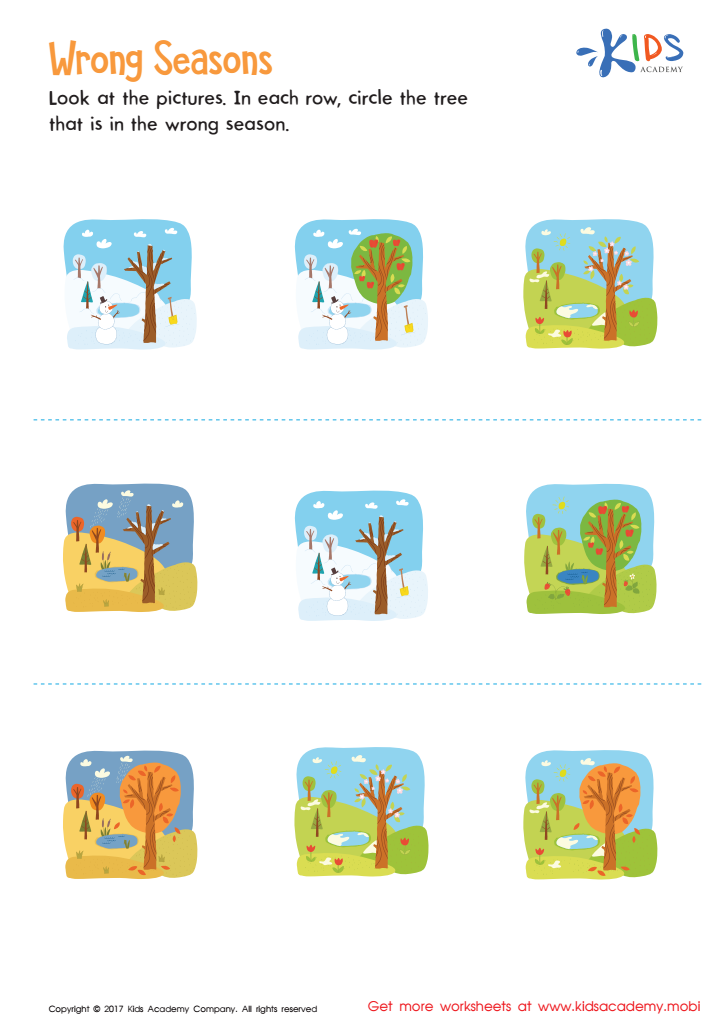
Wrong Seasons Worksheet
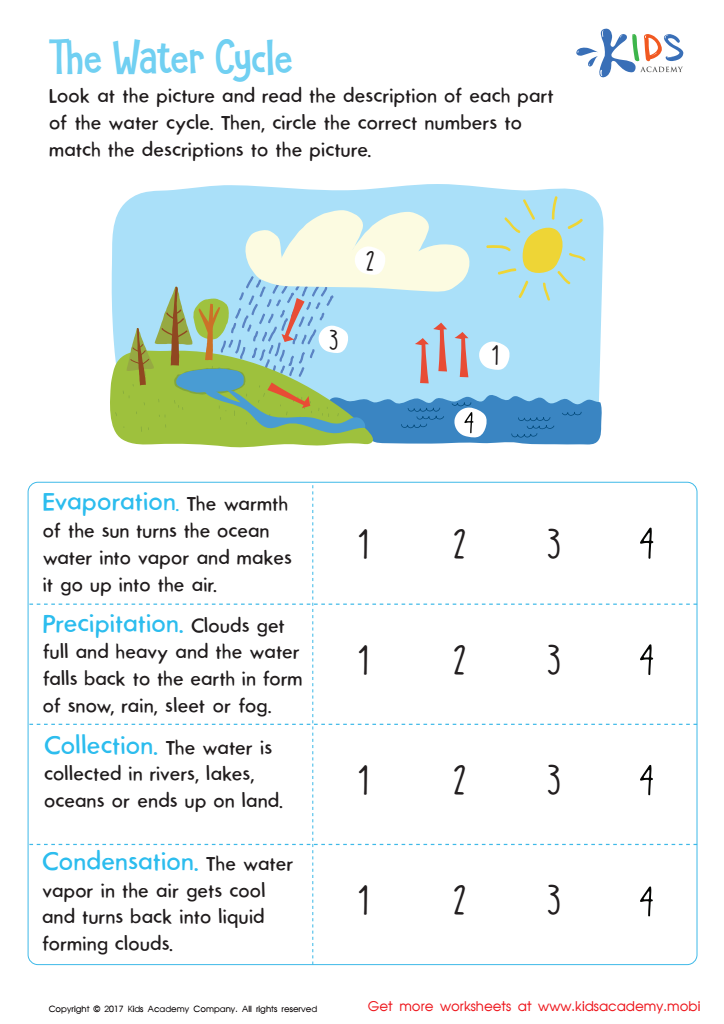
The Water Cycle Worksheet
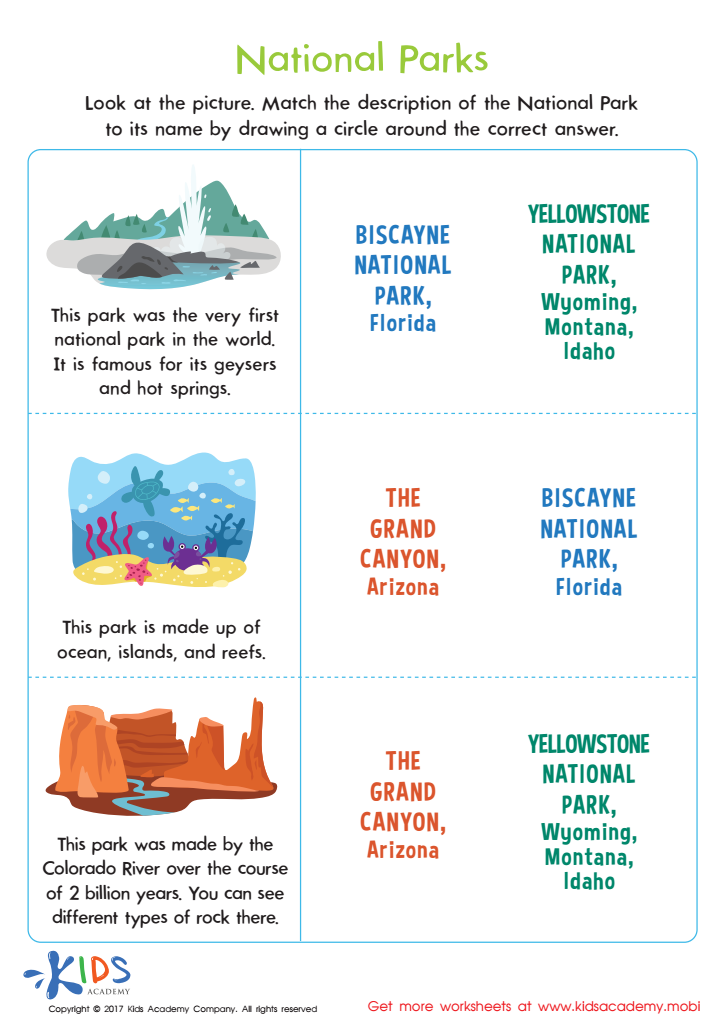
National Parks Printable
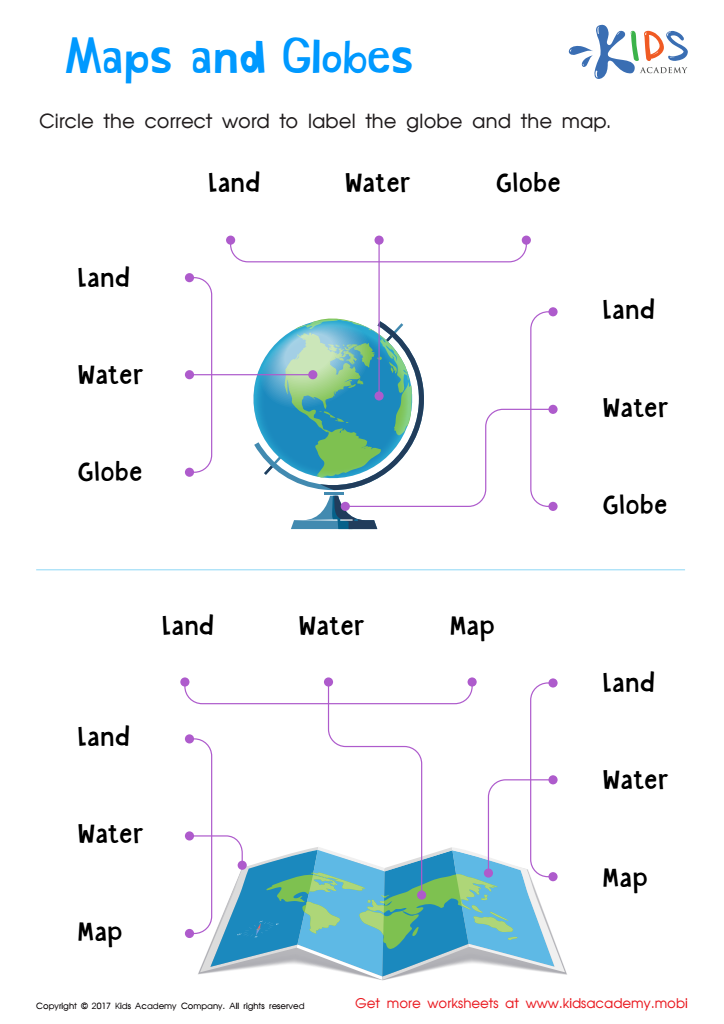
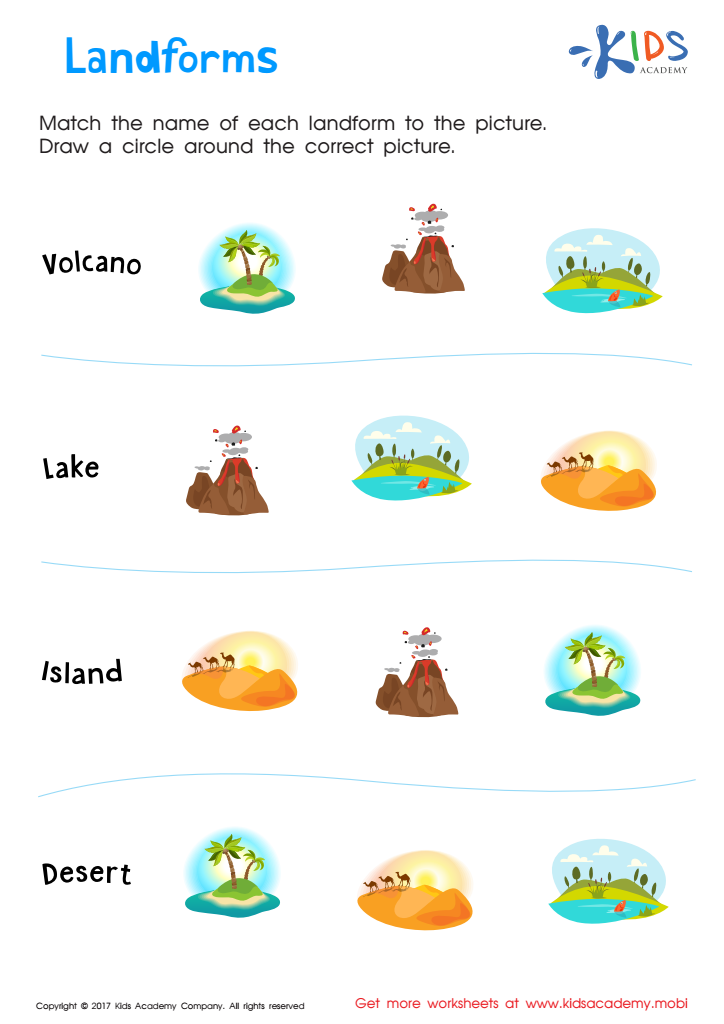
Landforms Printable
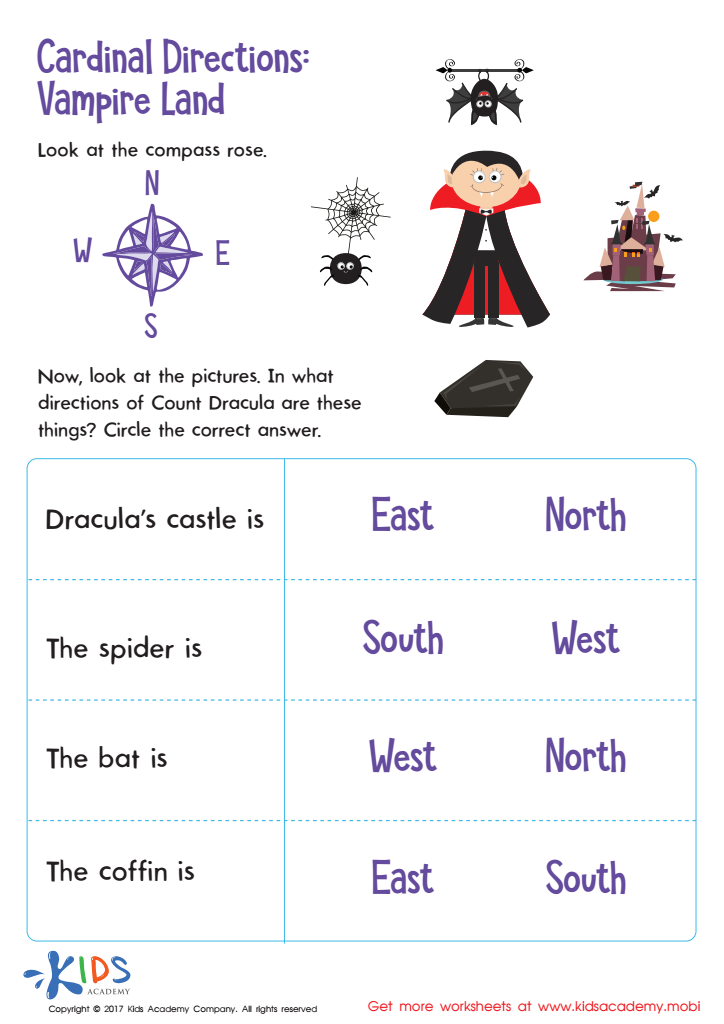
Cardinal Directions Printable




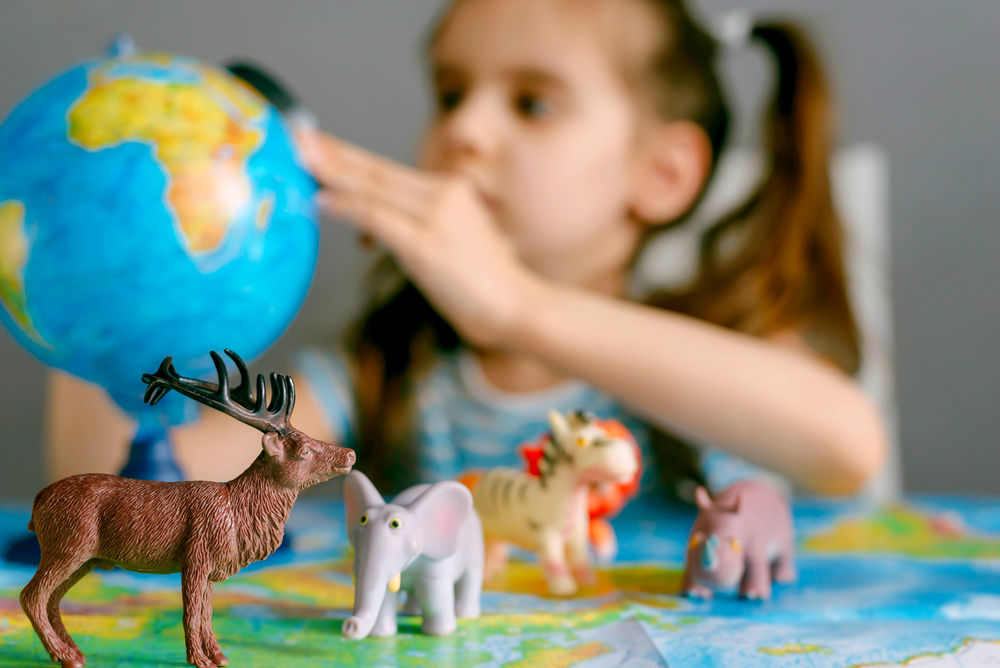


Geography is a fundamental subject that plays a crucial role in the development of young minds, particularly for children aged 7-9. At this age, kids are naturally curious about the world around them, and geography helps to channel that curiosity into meaningful learning. Understanding geography fosters a sense of place and belonging, teaching children about their local environment, cultures, and communities.
Moreover, geography encourages critical thinking and problem-solving skills. It helps children comprehend how various systems—such as ecosystems, economies, and global interconnections—function and impacts their lives. By learning about different countries, capitals, languages, and traditions, children develop empathy and respect for diversity.
Studying geography also enhances spatial awareness, which is vital for cognitive development and future learning in subjects like math and science. Additionally, an understanding of geography helps students become informed global citizens, promoting awareness of pressing issues such as climate change and resource management.
Ultimately, geography sparks a lifelong interest in exploration and understanding of the world, and equipping children with this knowledge prepares them to navigate an increasingly interconnected and complex global society. Therefore, parents and teachers should prioritize geography as a key component of early education.