Easy Counting Worksheets for Ages 3-9
13 filtered results
-
From - To
Welcome to our “Easy Counting Worksheets for Ages 3-9” page! Our curated selection of fun and engaging counting exercises is designed to support young learners in developing essential math skills. Each worksheet offers colorful visuals, varied themes, and interactive activities to make counting enjoyable and accessible. Perfect for home, classroom, or additional practice, these worksheets cater to different learning stages, reinforcing foundational arithmetic through playful yet educational experiences. Whether your child is just starting to count or needs to refine their skills, you’ll find a wealth of resources to foster their numerical confidence and proficiency. Explore our collection today and watch your child’s math potential grow!
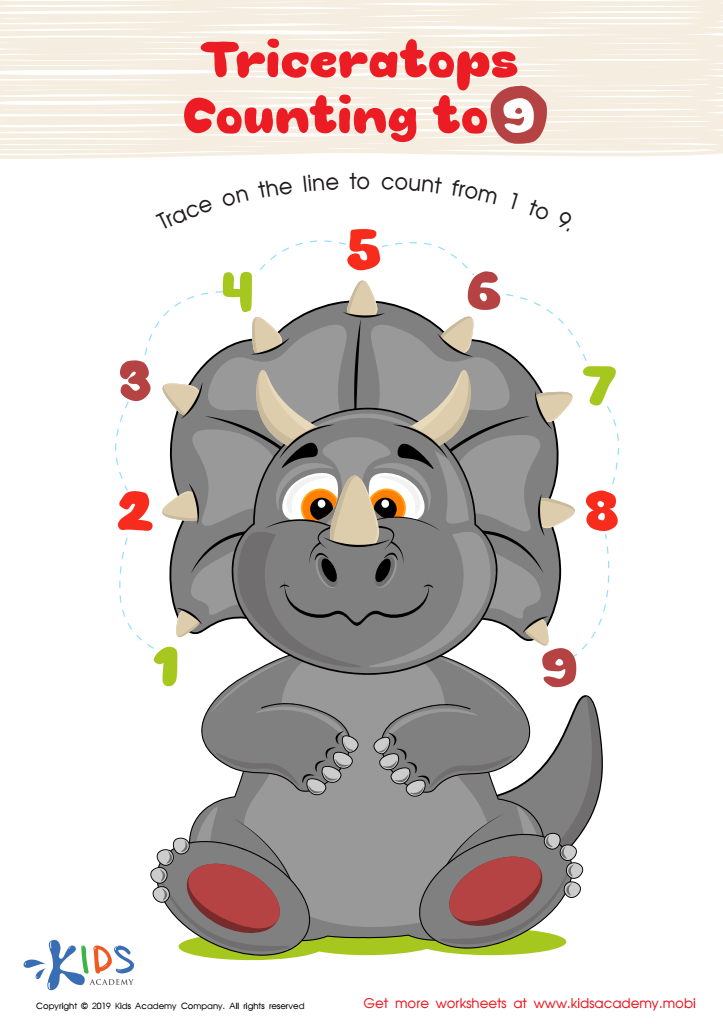
Triceratops Counting to 9 Worksheet
 Assign to My Students


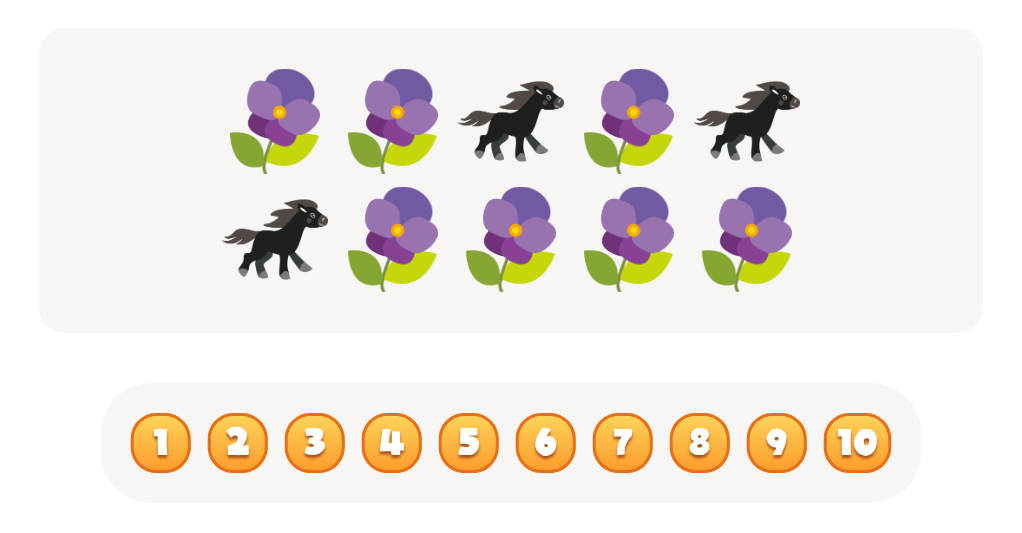
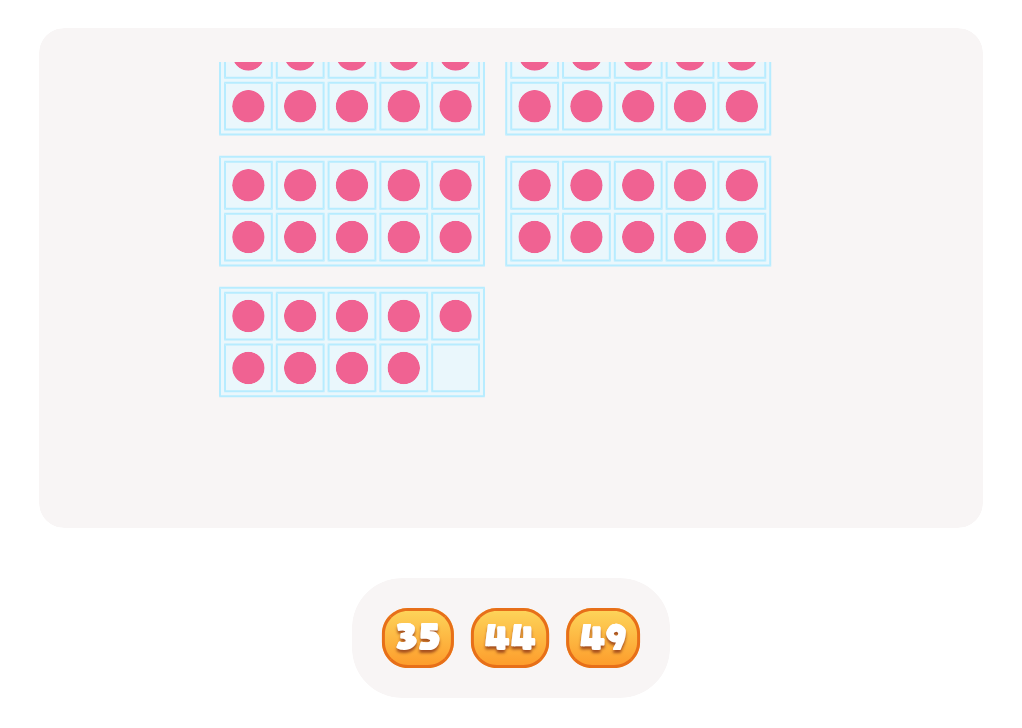
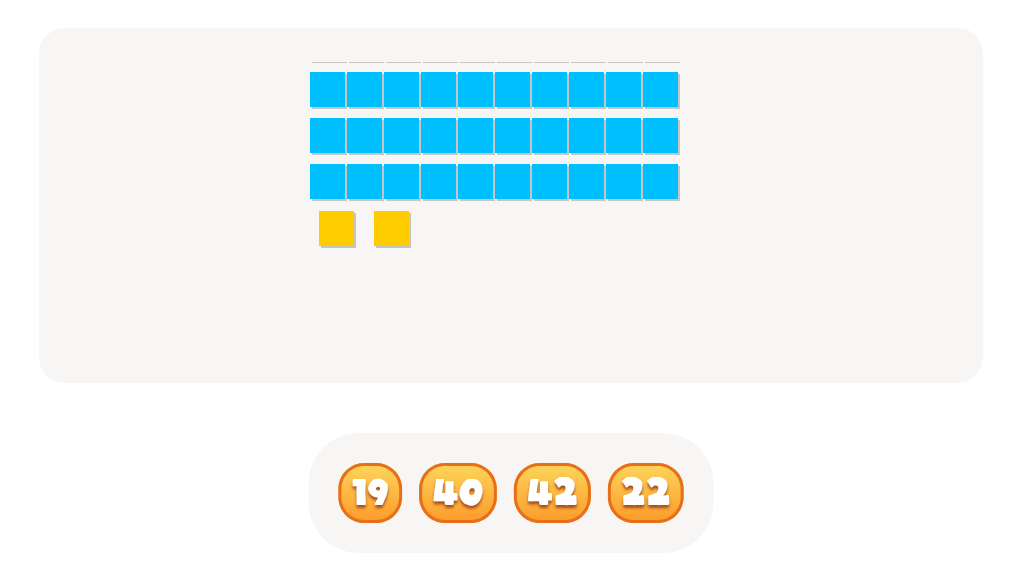
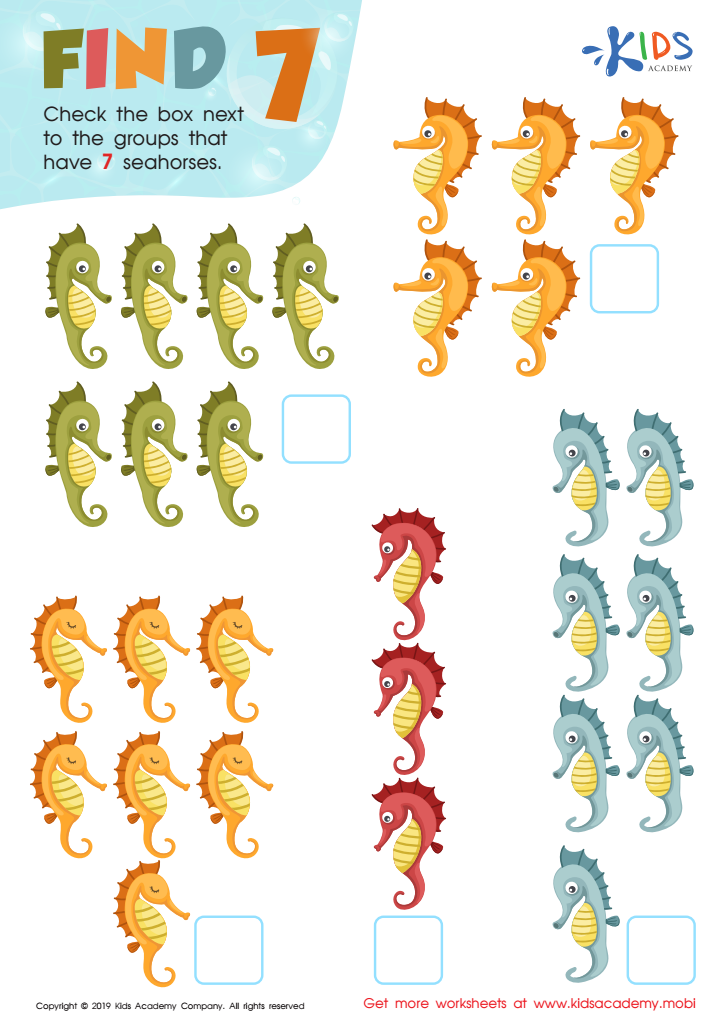
Find 7 Worksheet
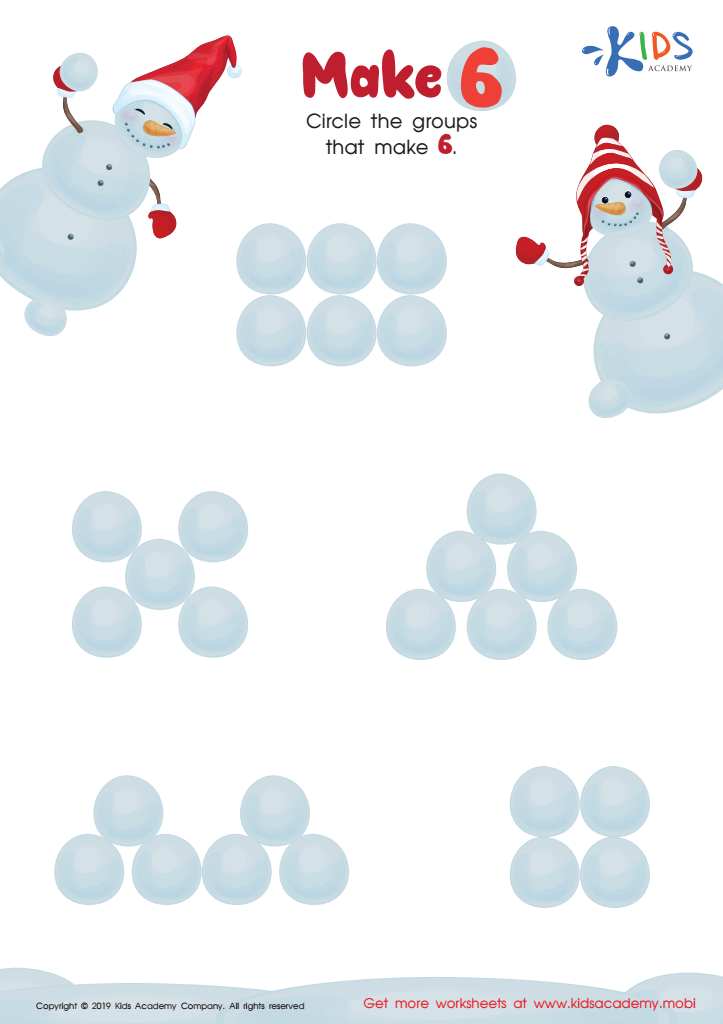
Make 6 Worksheet
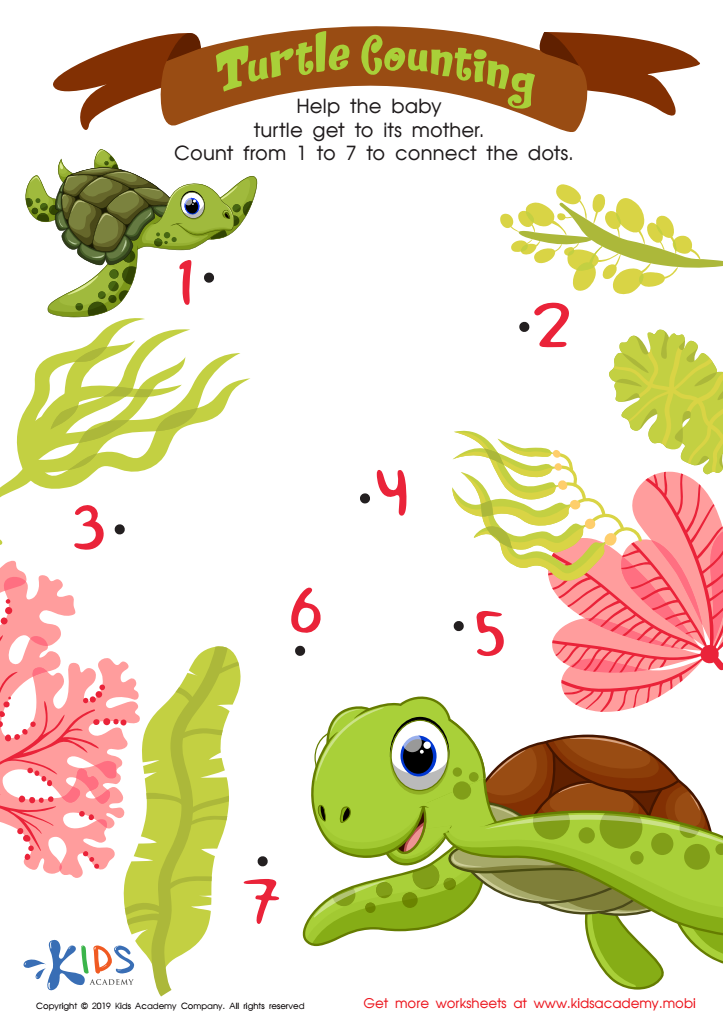
Turtle Counting Worksheet
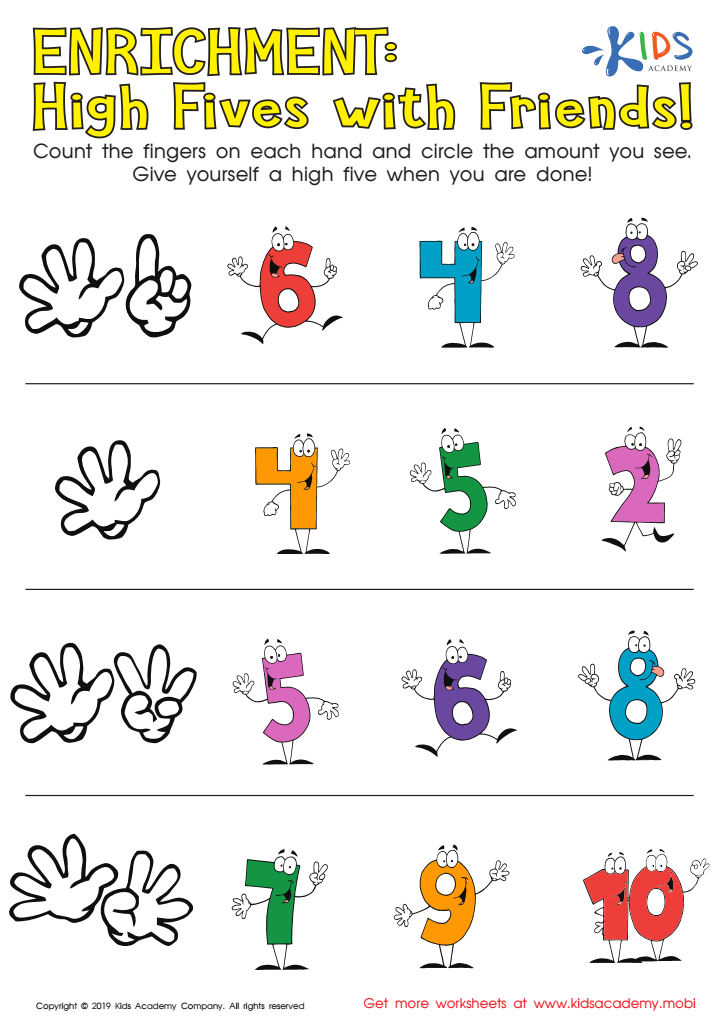
Enrichment: High Fives with Friends! Worksheet
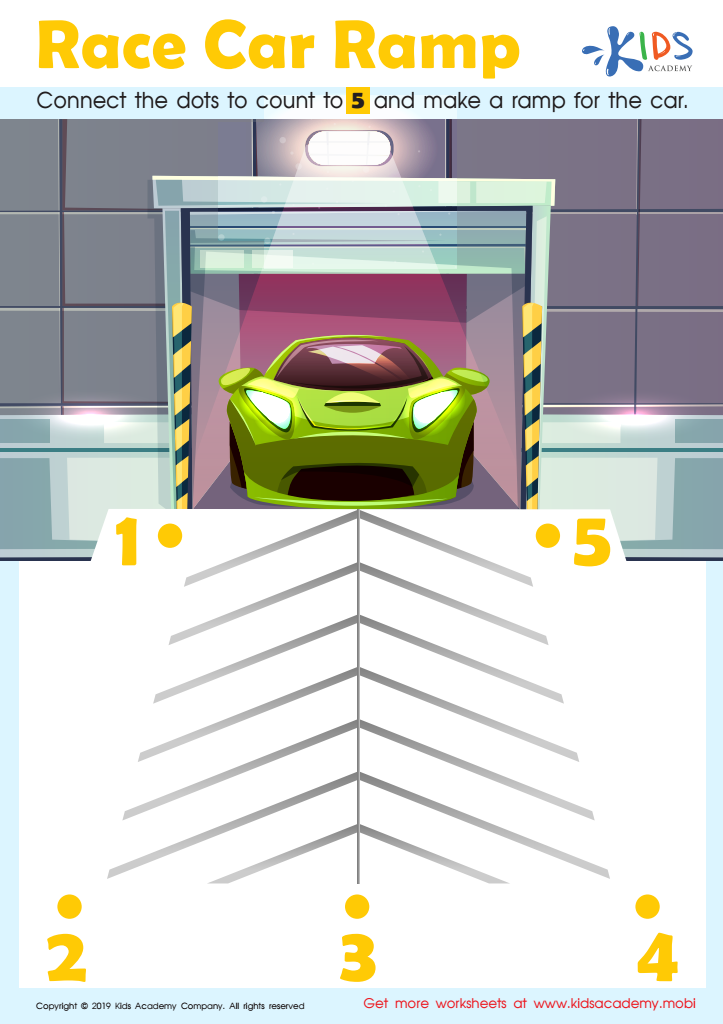
Race Car Ramp Worksheet
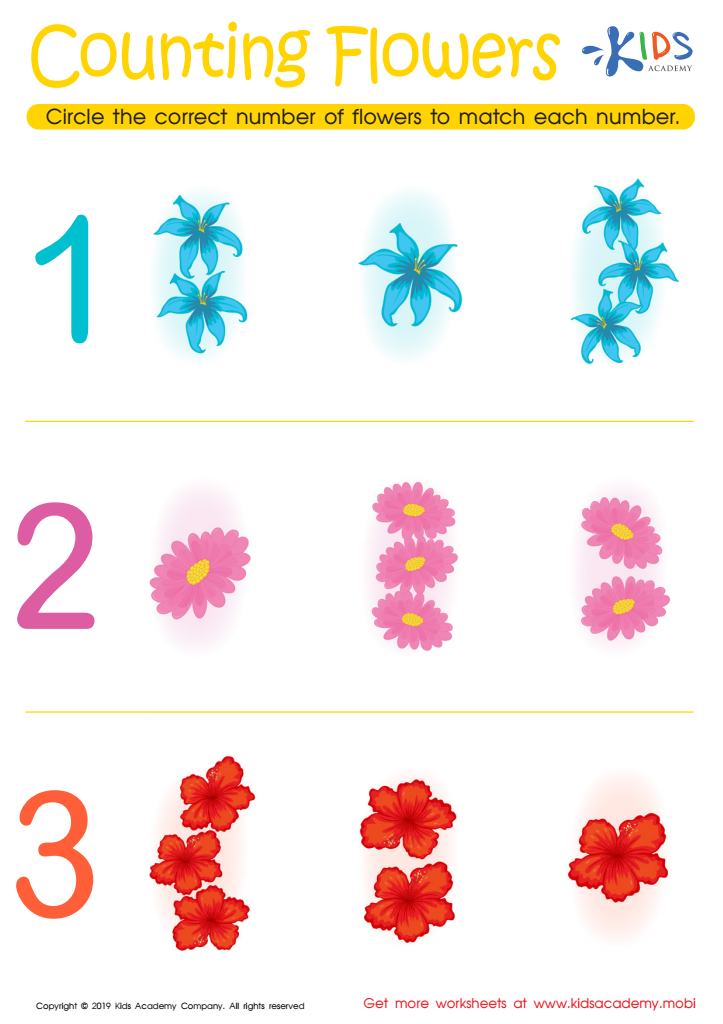
Counting Flowers Worksheet
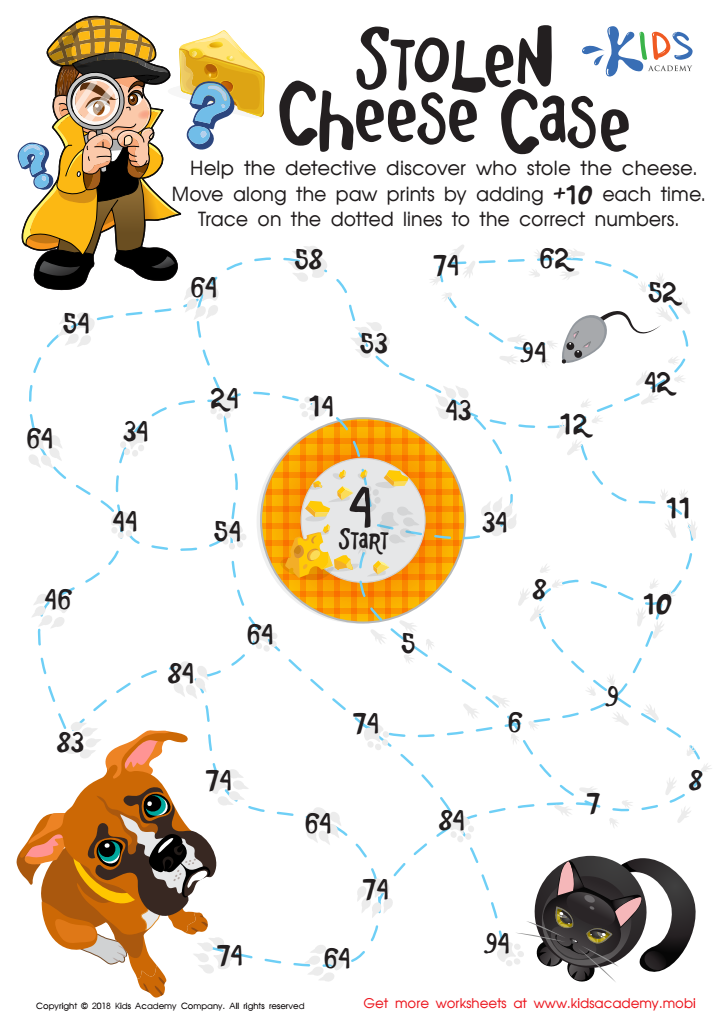
Stolen Cheese Case Maze Worksheet
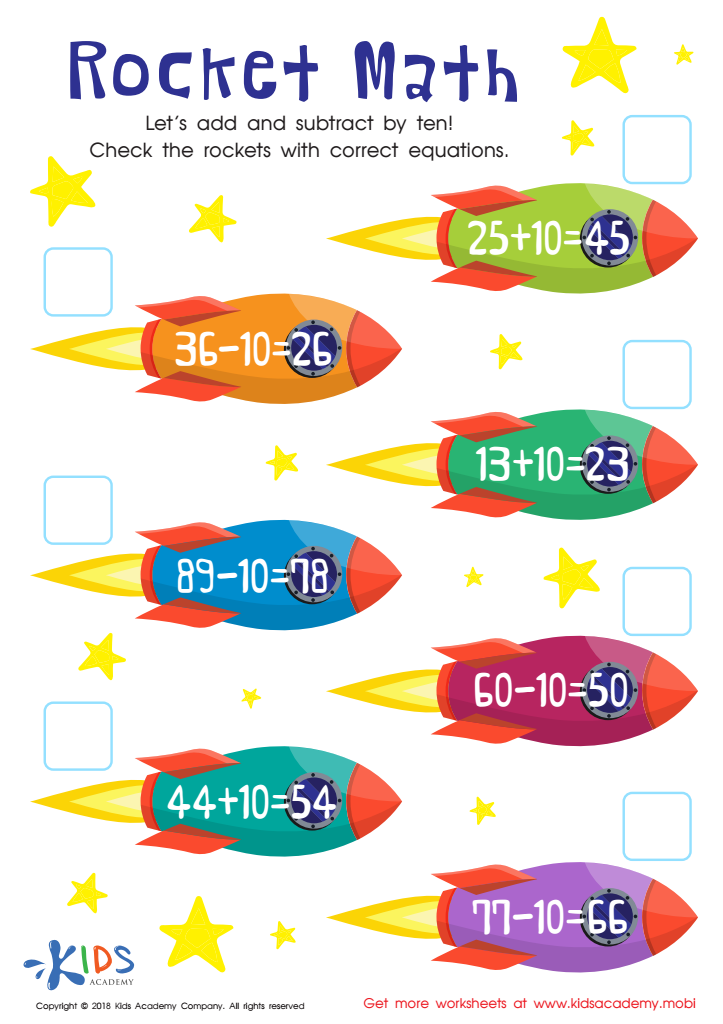
Rocket Math Worksheet
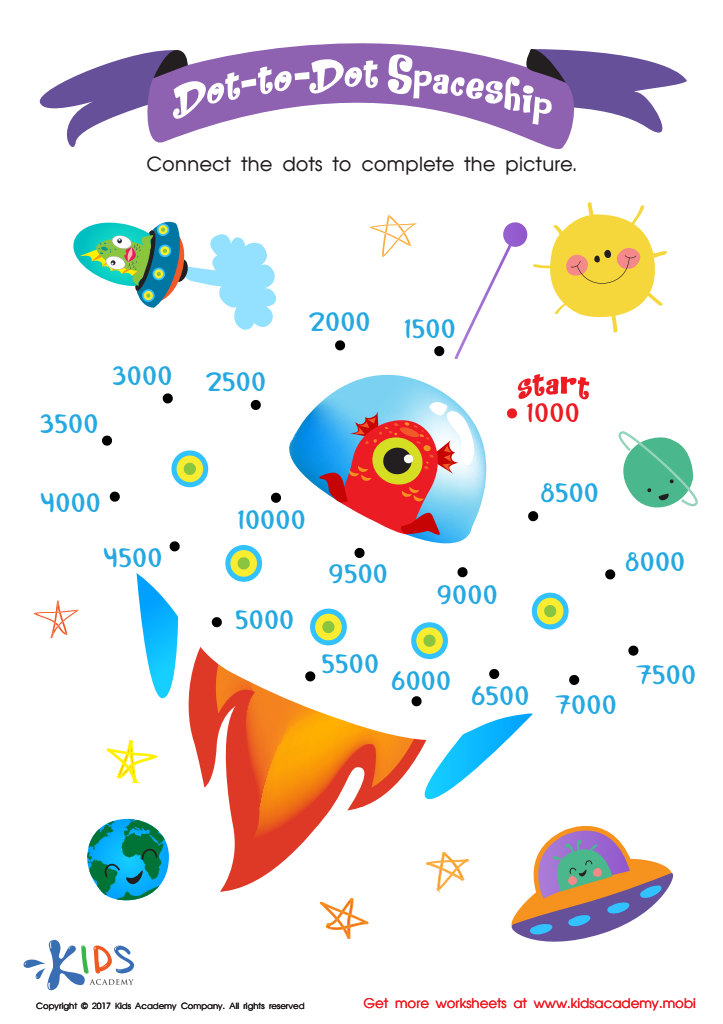
Dot to Dot Worksheet for 3rd Grade
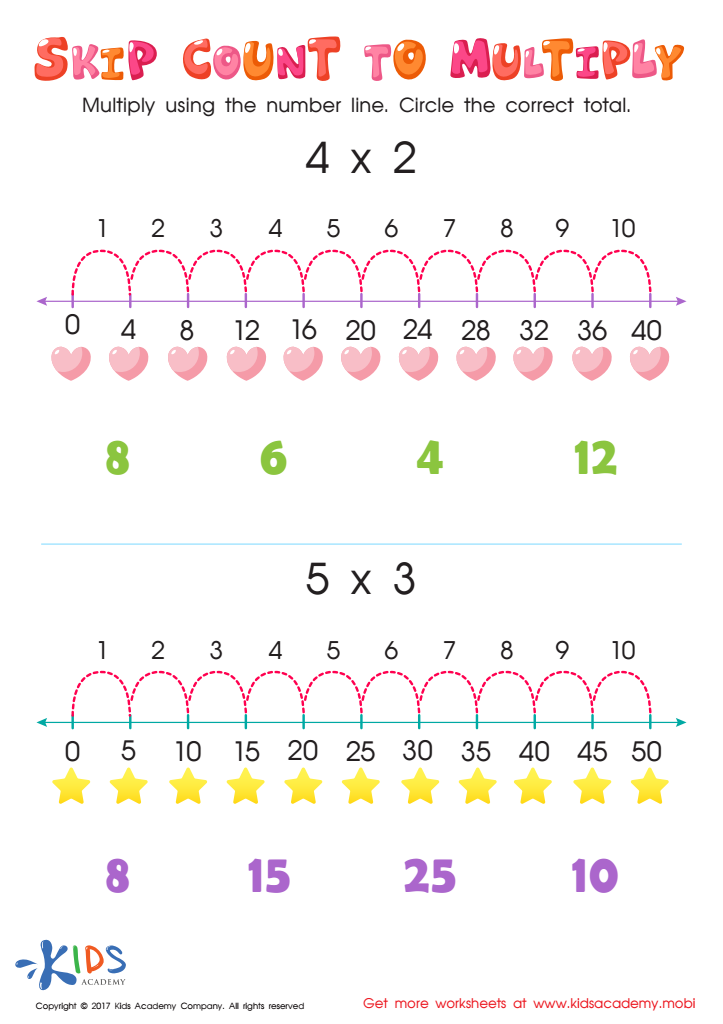
Skip Count Multiplication Worksheet
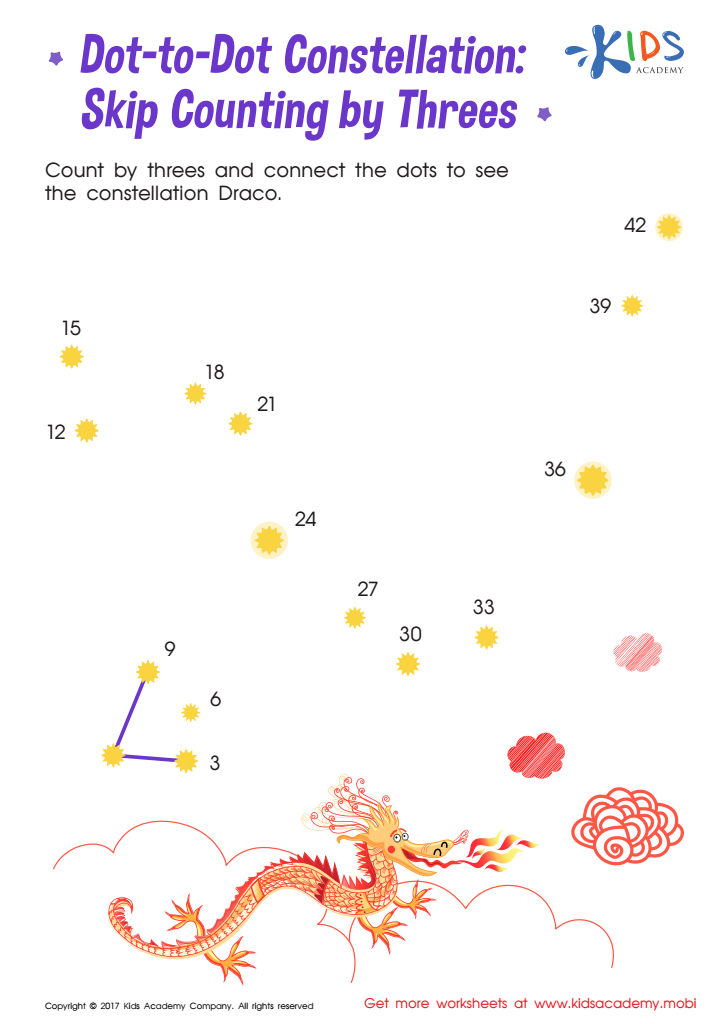
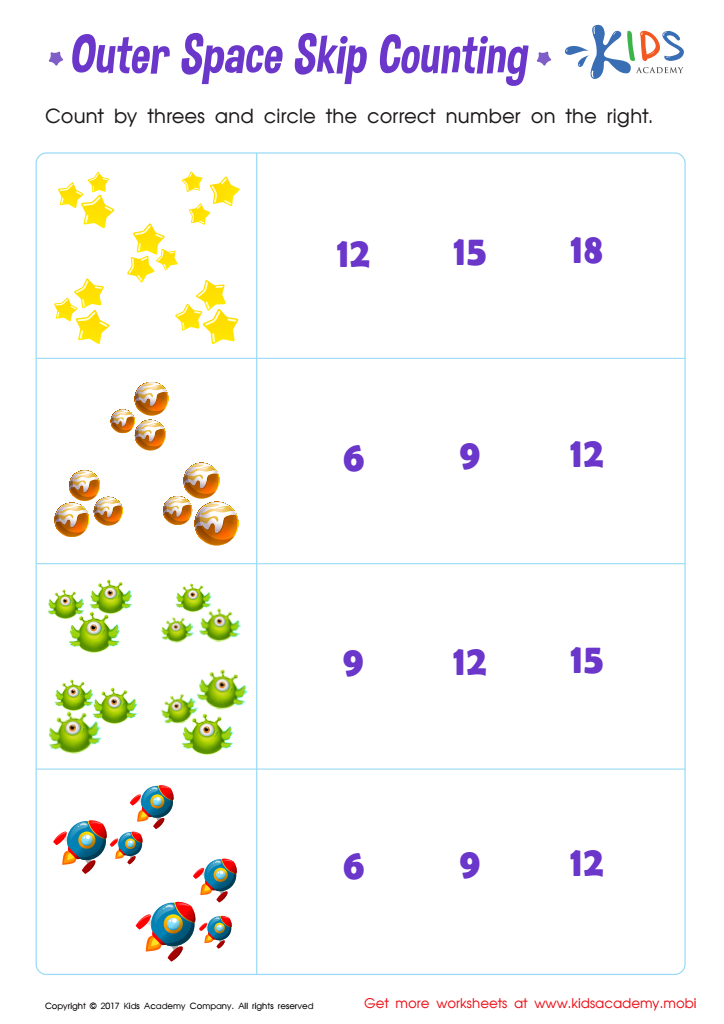
Skip Counting by 3s: Outer Space Skip Counting Printable







.jpg)
Understanding the basics of counting is crucial for young children aged 3-9 because it lays the foundation for essential mathematical concepts and life skills. Parents and teachers who focus on easy counting activities help develop a child's number sense and promote early math literacy. At this formative age, children are naturally curious and absorb information quickly, making it the optimal time to introduce basic numerical concepts. Counting teaches children one-to-one correspondence, which means understanding that numbers correspond to specific quantities.
Furthermore, early counting skills are predictive of later academic success, not only in mathematics but also in other areas, as it develops logical thinking and problem-solving skills. Engaging in counting activities also enhances fine motor skills when combined with tasks such as counting objects or using manipulatives.
Parents and teachers should integrate counting into daily activities to make learning seamless and fun. Singing counting songs, identifying numbers during everyday experiences, playing counting games, and reading books focused on numbers can all make counting a more enjoyable and less labour-intensive process.
By nurturing these early math skills, parents and teachers set children on a path to be more confident and proficient in math, which contributes to their overall cognitive development and readiness for future academic challenges.








