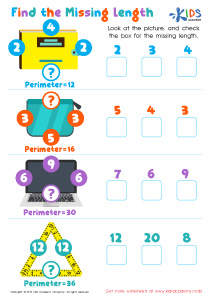
Easy Subtraction Worksheets for 3-Year-Olds
25 filtered results
-
From - To
Introducing our Easy Subtraction Worksheets, specially designed for 3-Year-Olds! These engaging and fun-filled pages offer the perfect introduction to the world of subtraction, tailored to suit the learning pace of your little ones. With vibrant illustrations and simple, easy-to-follow problems, these worksheets are crafted to captivate young minds and foster a love for learning math basics early on. Whether at home or in a classroom setting, our Easy Subtraction for 3-Year-Olds worksheets are the ideal tool to boost confidence and skill in budding mathematicians. Watch as your child embarks on their exciting journey into the world of mathematics with ease and joy!
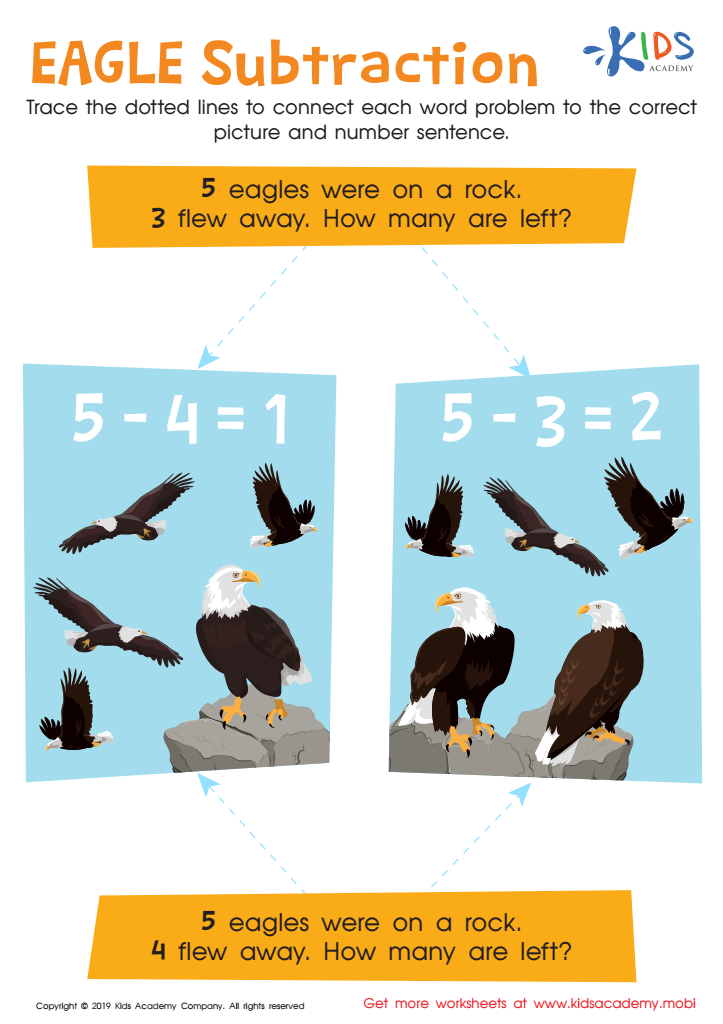
Eagle Subtraction Worksheet
 Assign to My Students
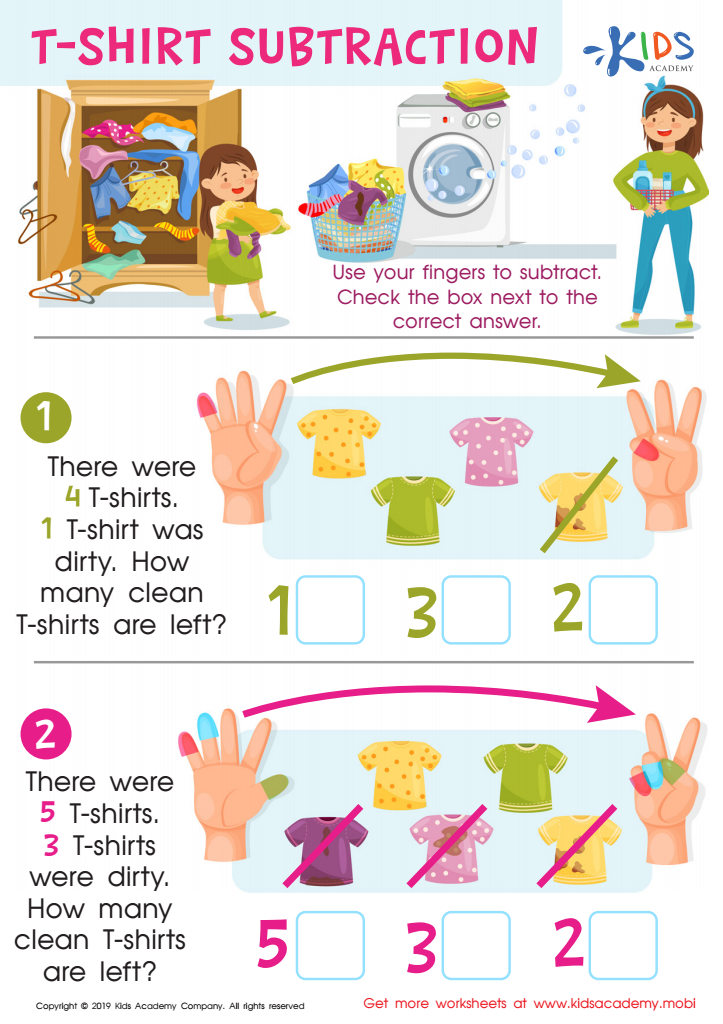
T-shirt Subtraction Worksheet
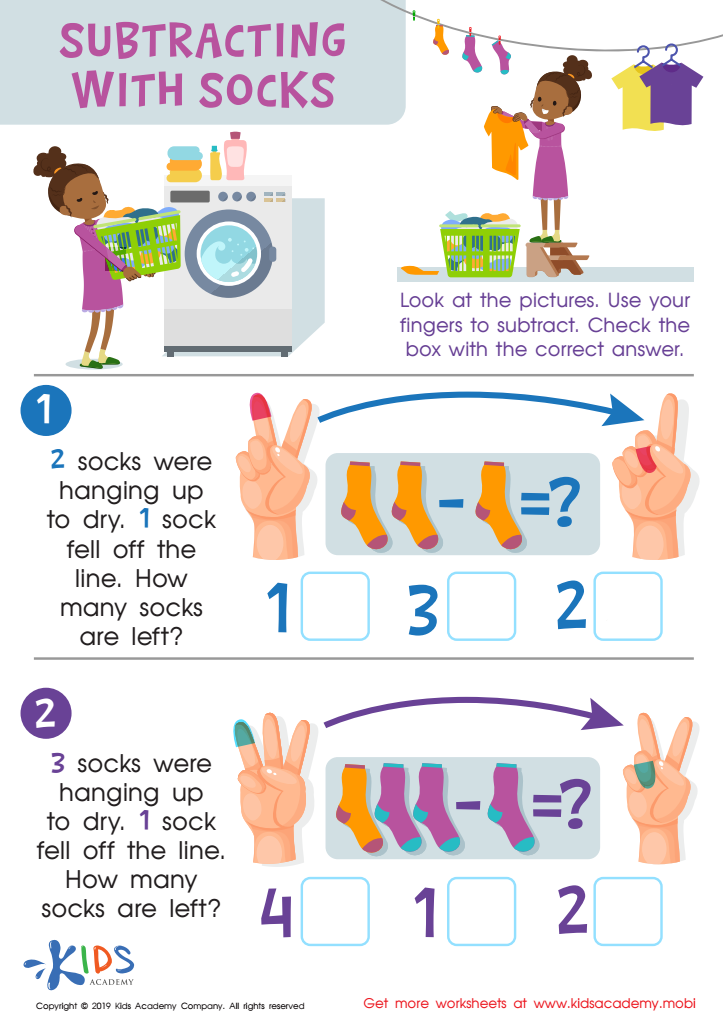
Subtracting Socks Worksheet
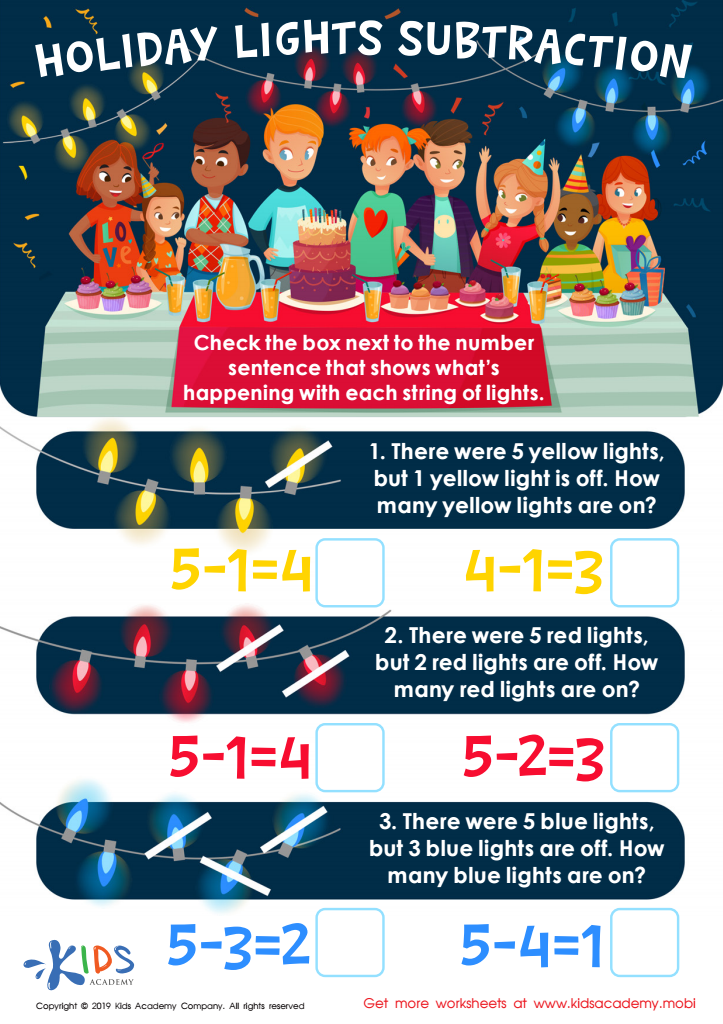
Holiday Lights Subtraction Worksheet
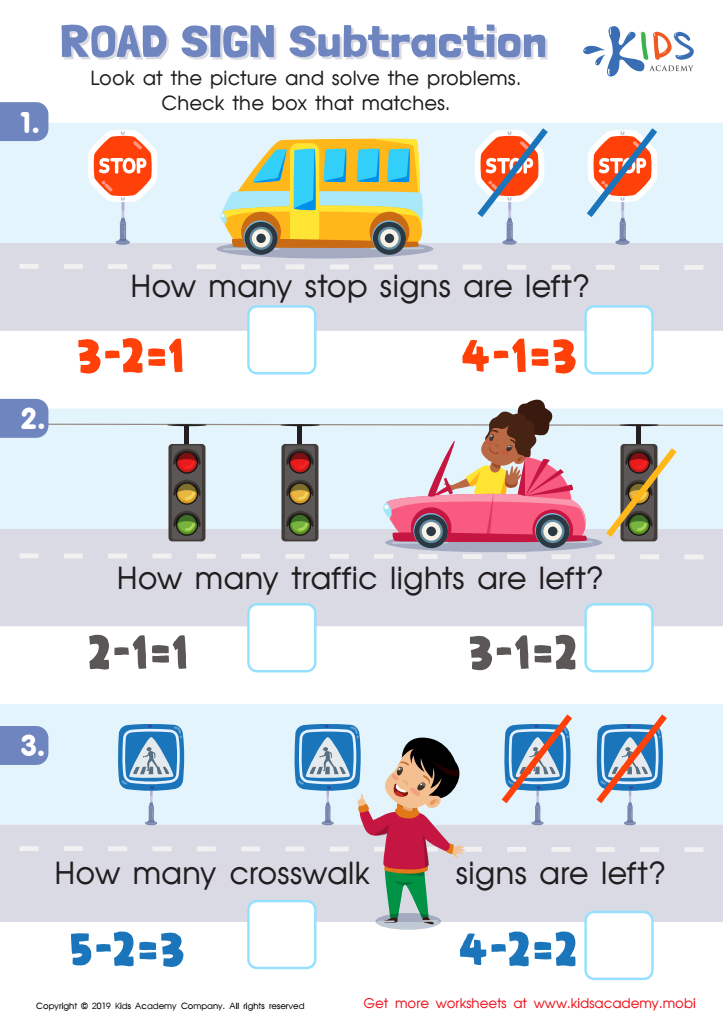
Road Sign Subtraction Worksheet
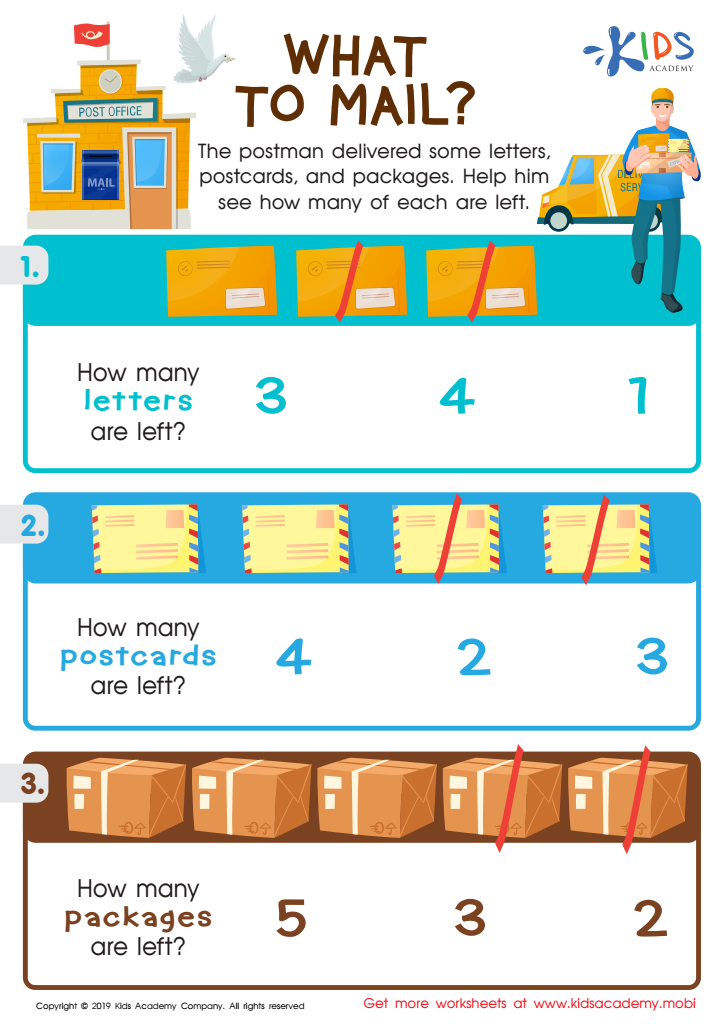
What to Mail? Worksheet
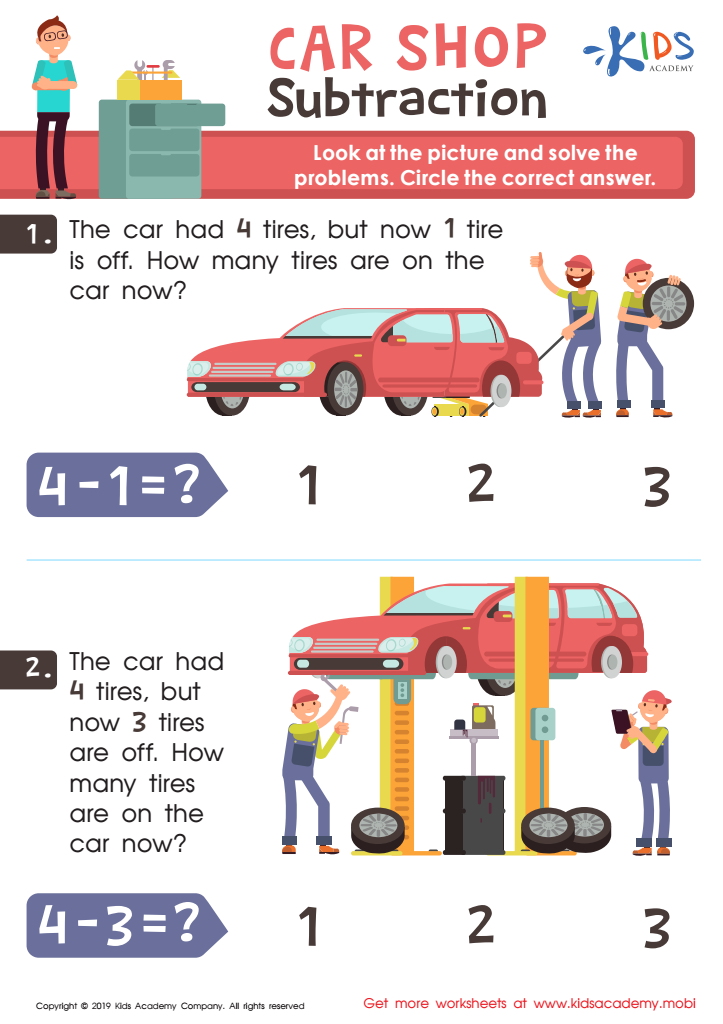
Car Shop Subtraction Worksheet
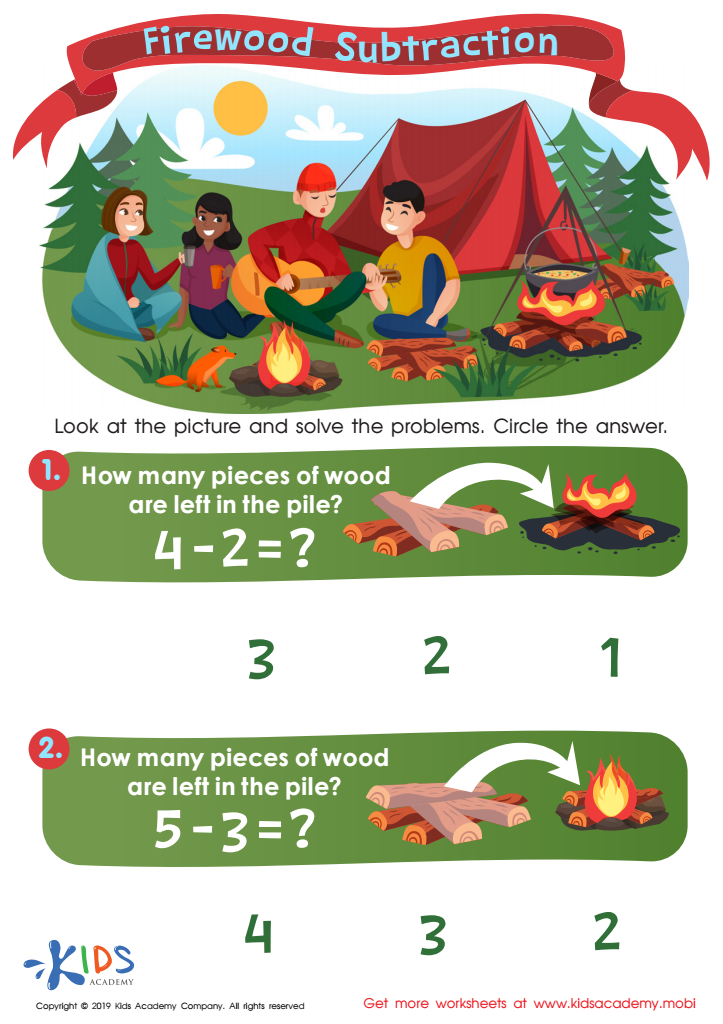
Firewood Subtraction Worksheet
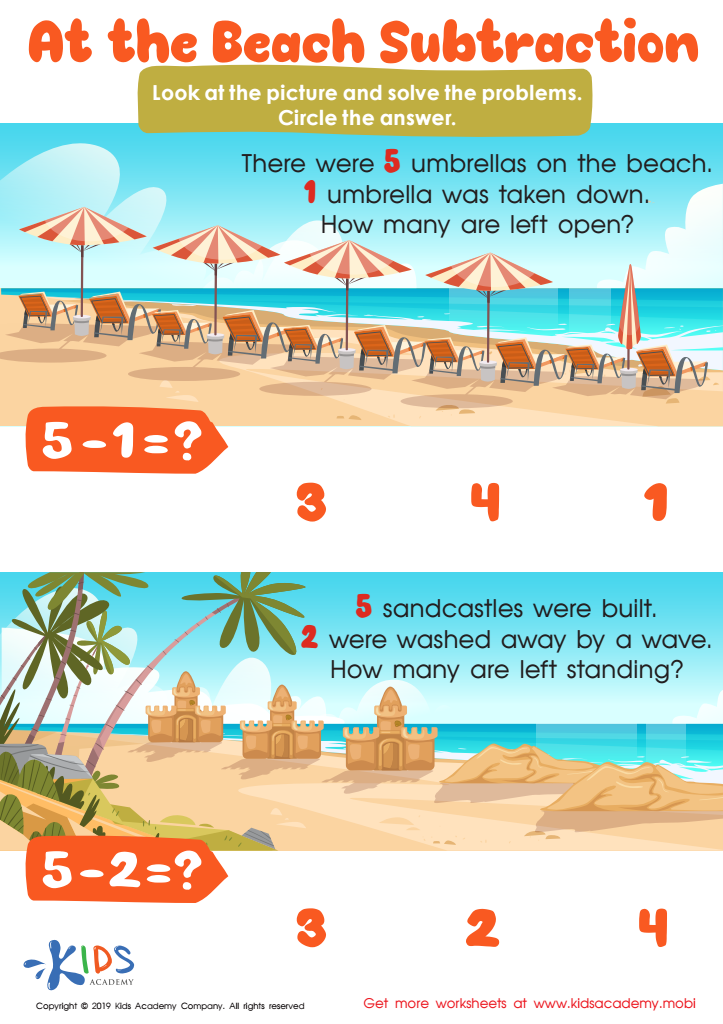
At the Beach Subtraction Worksheet
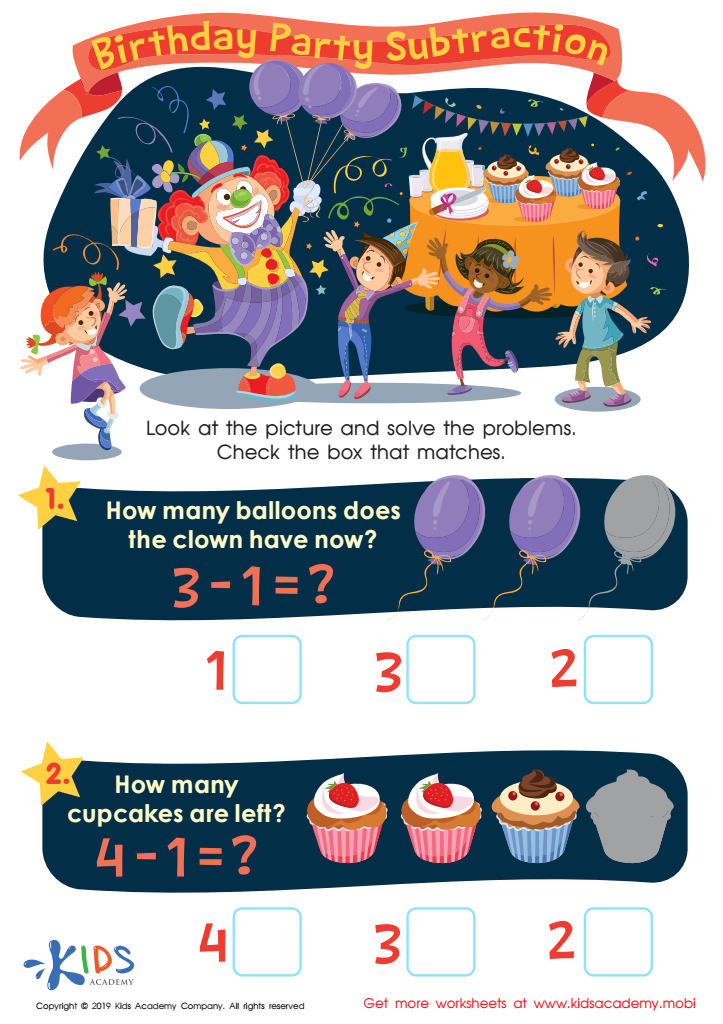
Birthday Party Subtraction Worksheet
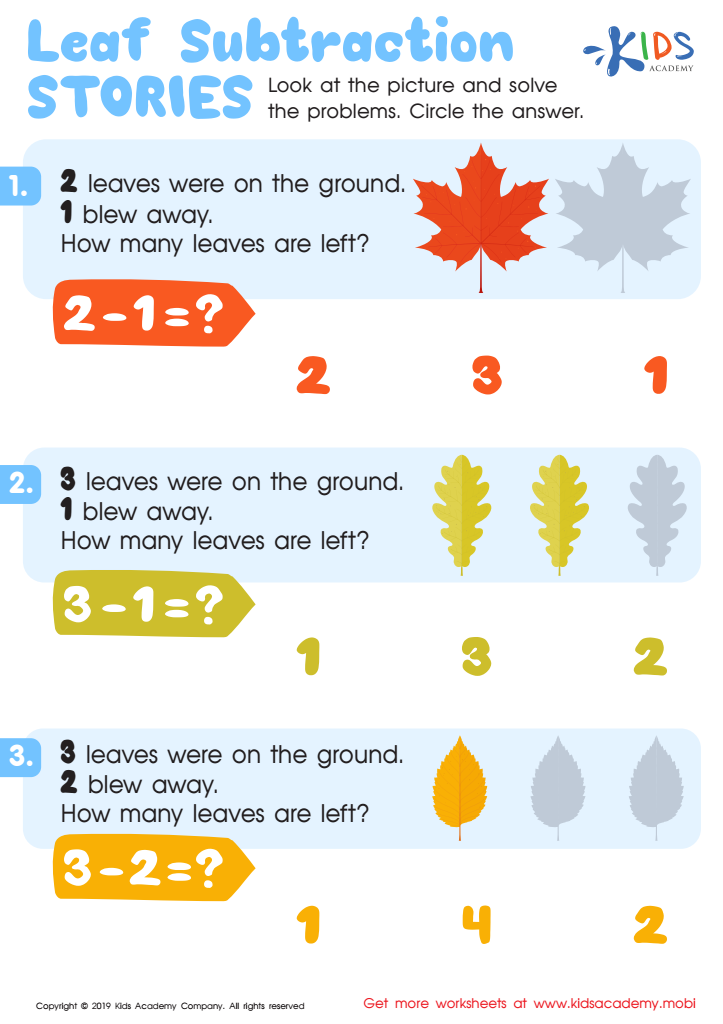
Leaf Subtraction Stories Worksheet
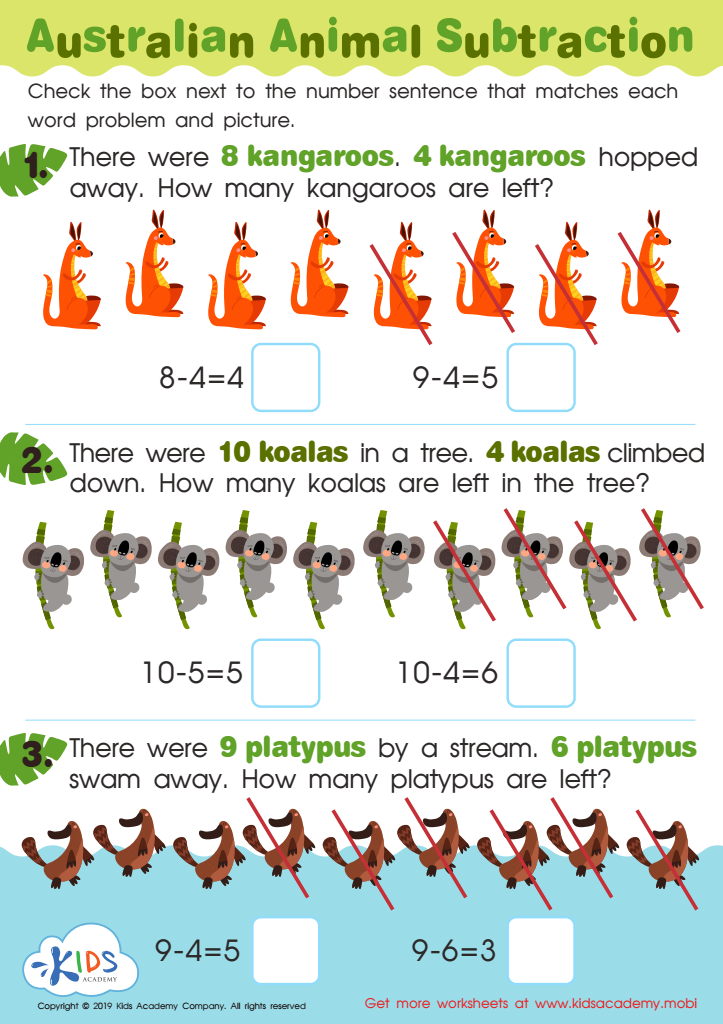
Australian Animal Subtraction Worksheet
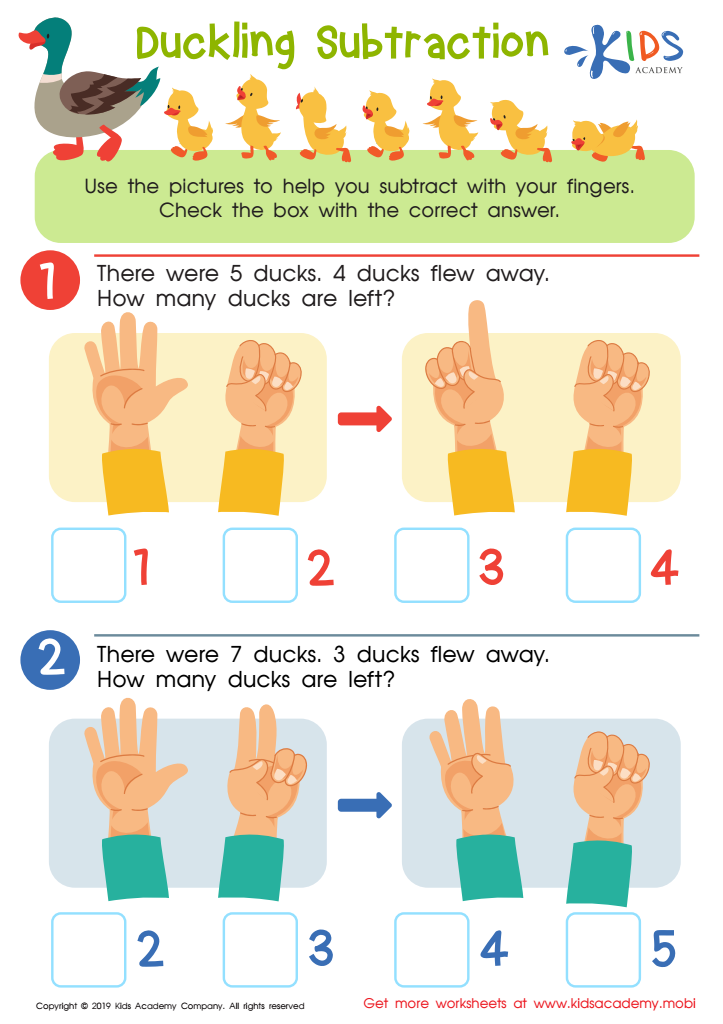
Duckling Subtraction Worksheet
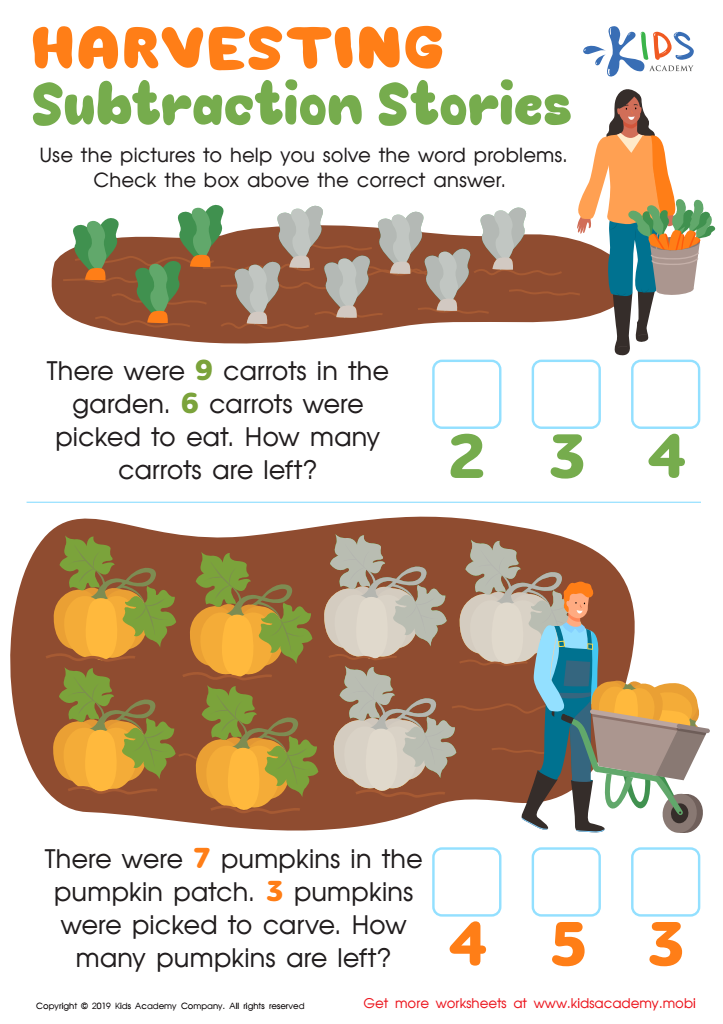
Harvesting Subtraction Stories Worksheet
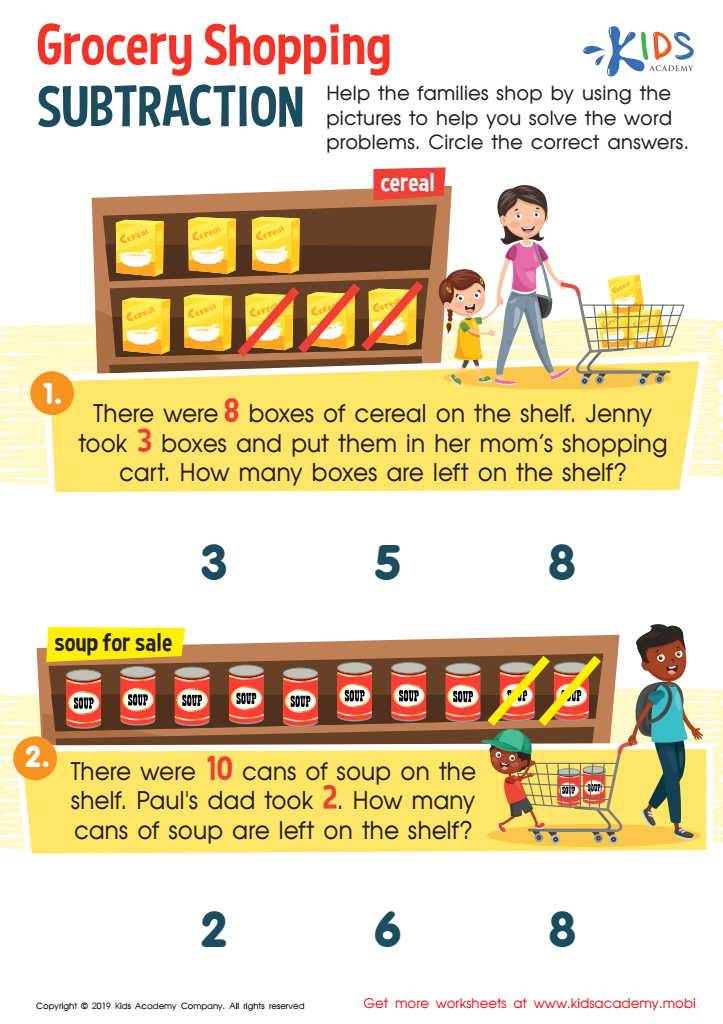
Grocery Shopping Subtraction Worksheet
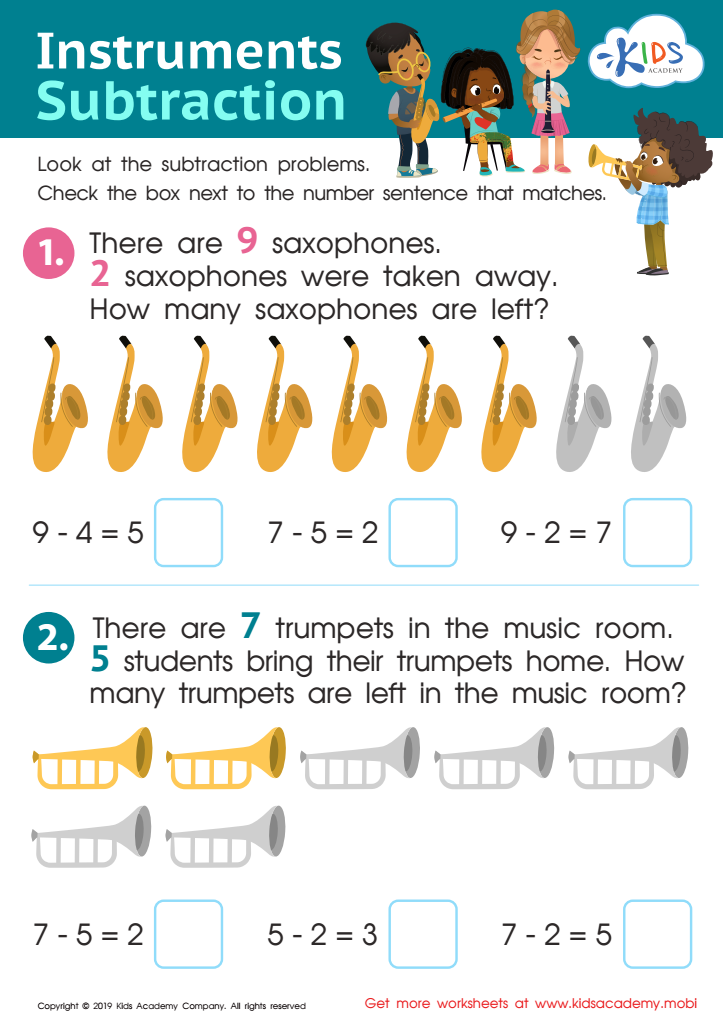
Instrument Subtraction Worksheet
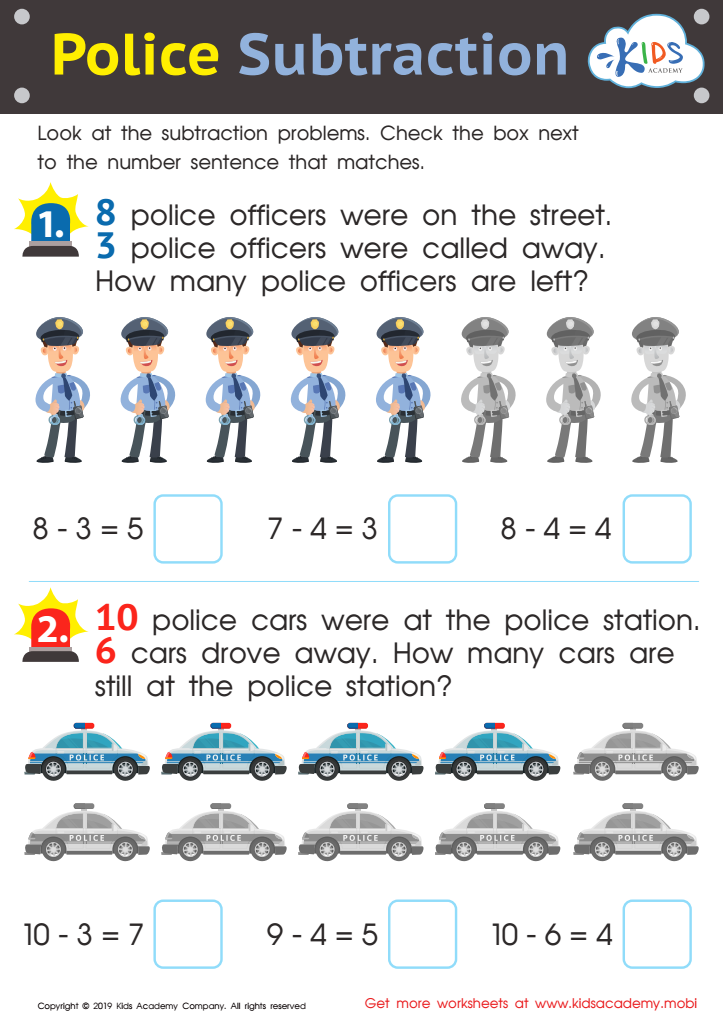
Police Subtraction Worksheet
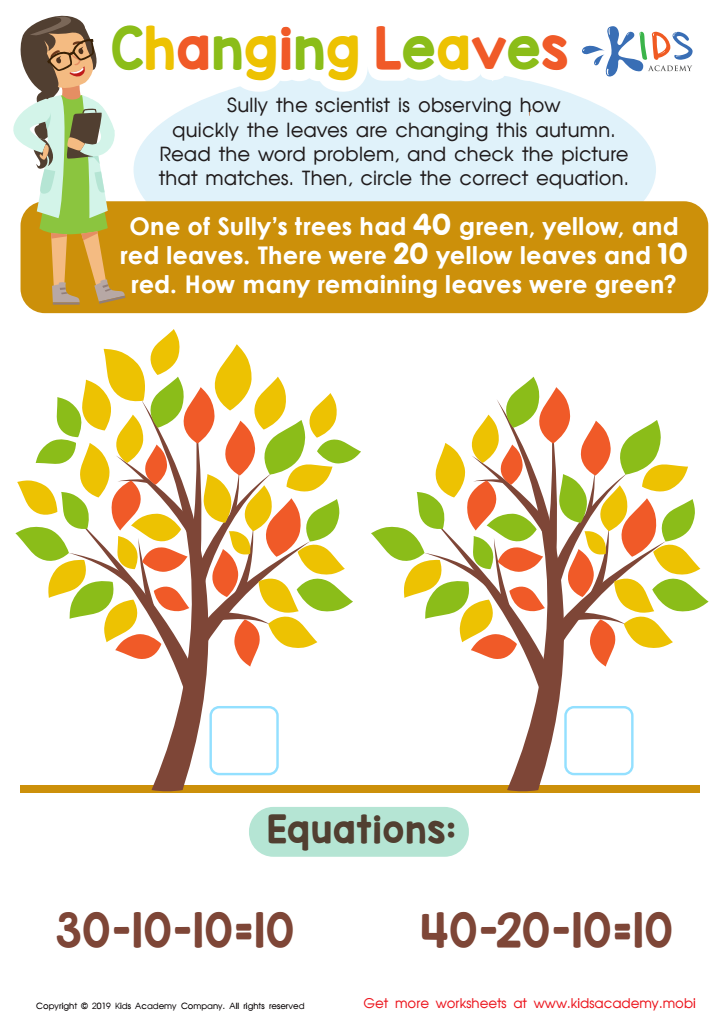
Changing Leaves Worksheet
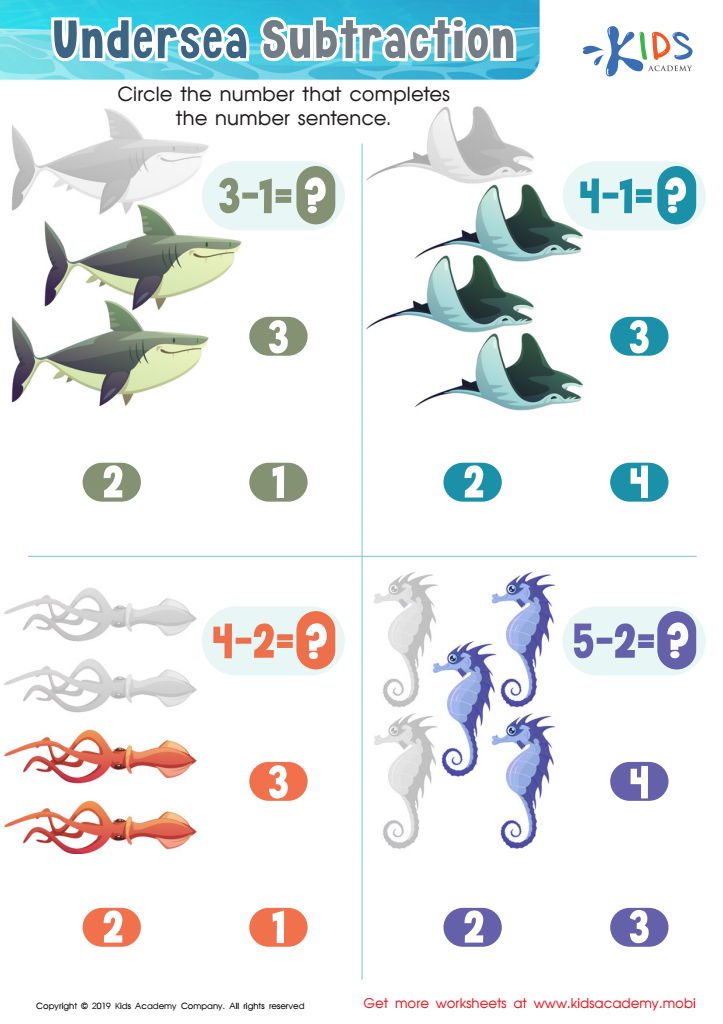
Undersea Subtraction Worksheet
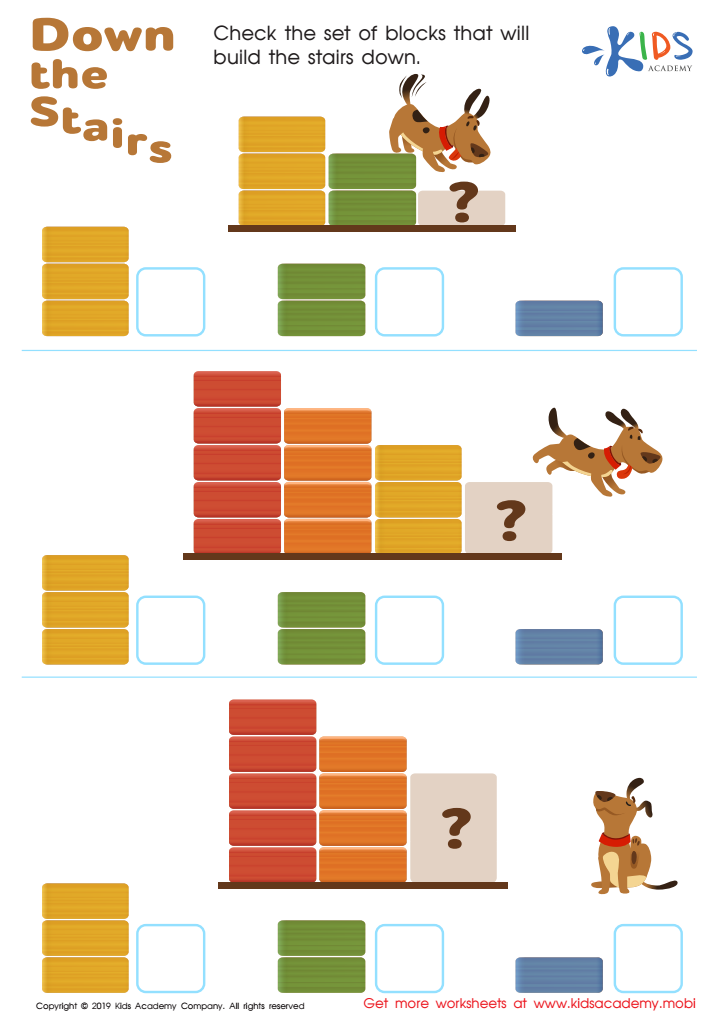
Down the Stairs Worksheet
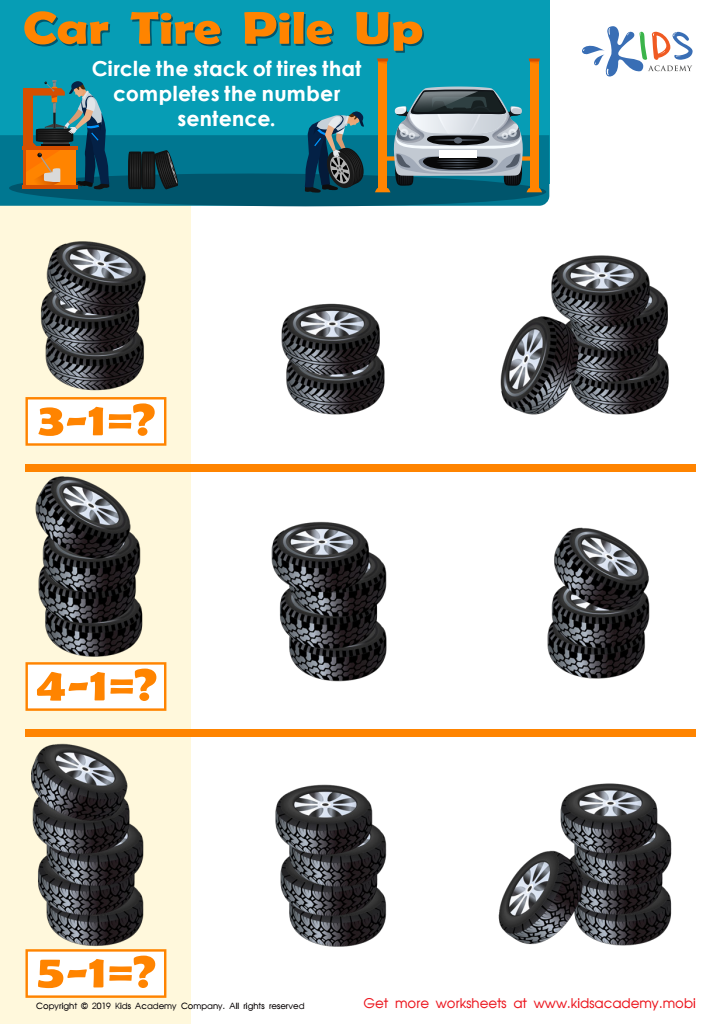
Car Tire Pile Up Worksheet
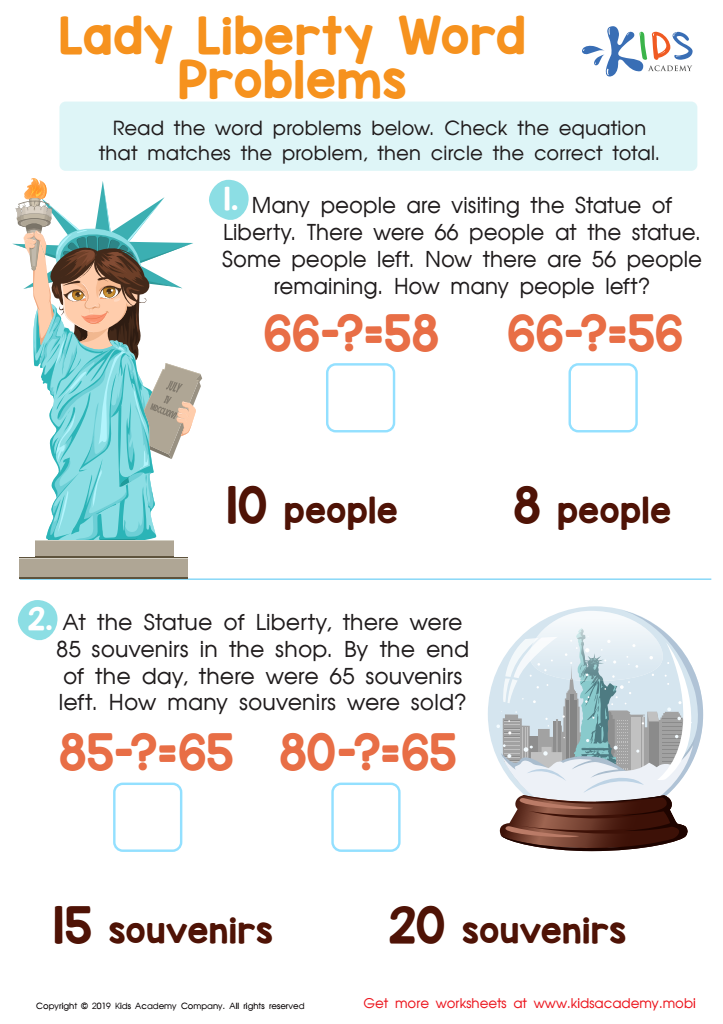
Lady Liberty Worksheet
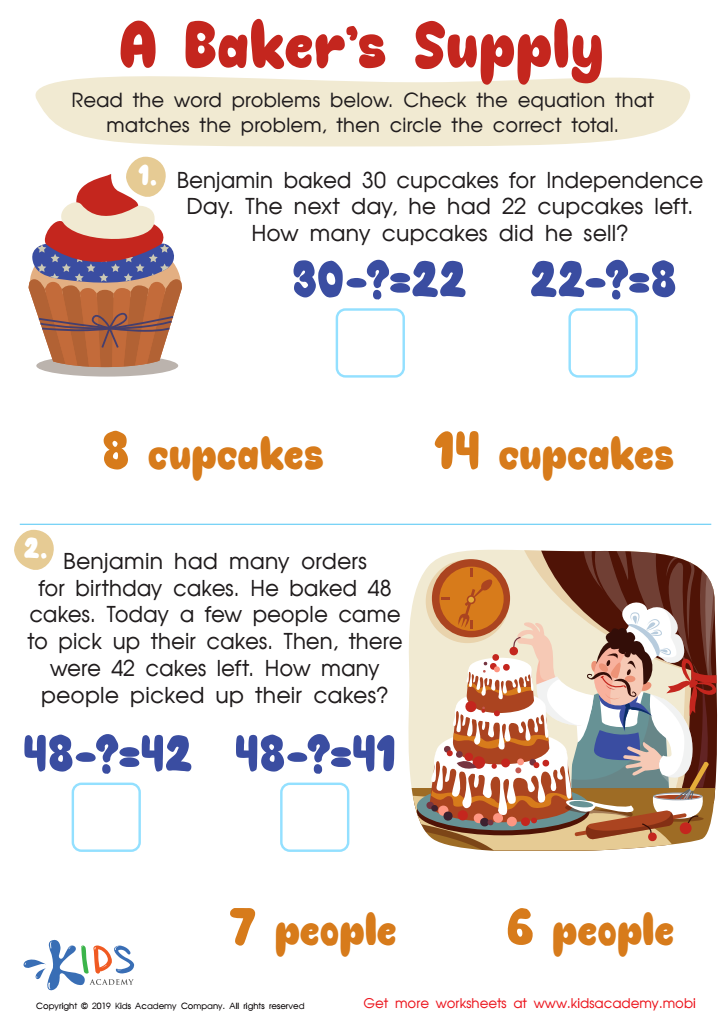
A Baker's Supply Worksheet
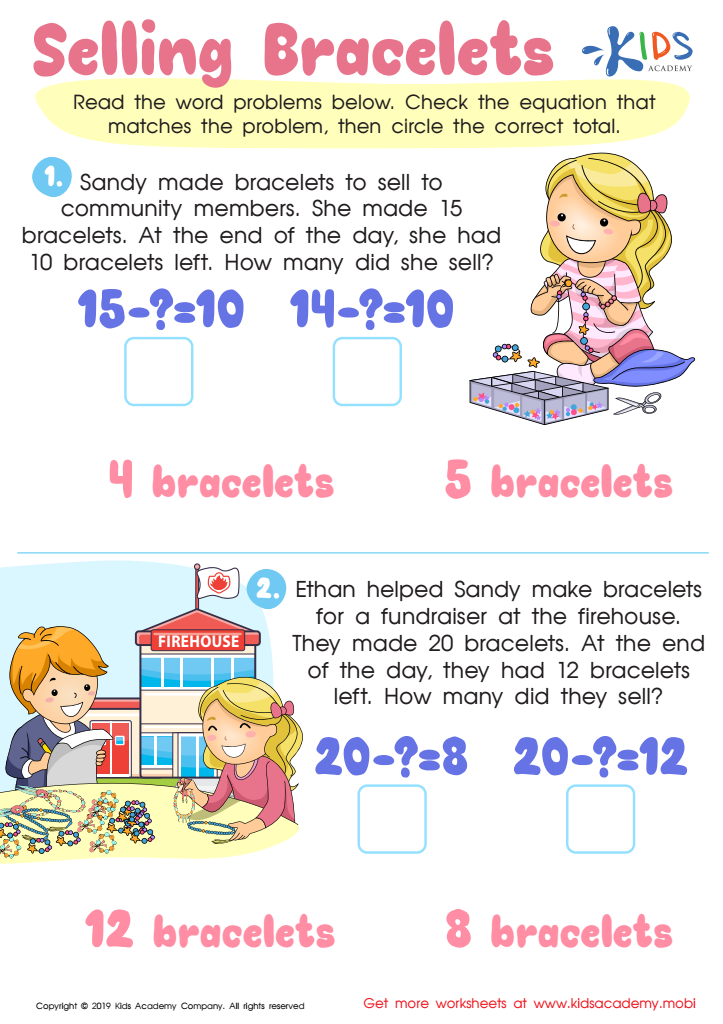
Selling the Bracelets Worksheet








Easy subtraction worksheets for 3-year-olds serve as an invaluable tool in laying the foundation for mathematical skills at an early age. Engaging young minds with these simple exercises not only introduces them to the basic concept of taking away but does so in a manner that is both fun and accessible. At this critical developmental stage, children are naturally curious and eager to learn; easy subtraction worksheets are designed to tap into this innate desire, transforming it into a rewarding educational experience.
The simplicity of these worksheets ensures that young learners can grasp the concept without feeling overwhelmed. Each exercise is crafted with the cognitive capabilities of a 3-year-old in mind, ensuring that they can follow along without frustration. This positive early experience with math can foster a lifelong interest and confidence in the subject.
Moreover, easy subtraction worksheets for 3-year-olds promote critical thinking and problem-solving skills. As children figure out each subtraction problem, they are not just learning to count backwards; they are also enhancing their analytical skills, attention to detail, and the ability to concentrate on a task until completion.
In essence, by incorporating easy subtraction worksheets into the learning routine of a 3-year-old, parents and educators are not only teaching them about numbers but are also setting the stage for academic success and a positive attitude towards learning new concepts.