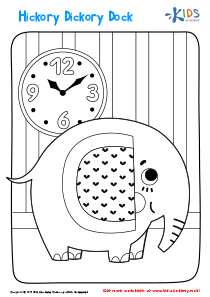
Easy Nursery Rhymes Worksheets for Ages 4-9
4 filtered results
-
From - To
Discover "Easy Nursery Rhymes Worksheets for Ages 4-9" at Kids Academy! Our engaging, printable worksheets blend playful nursery rhymes with educational activities to enhance reading and listening skills in young learners. Perfect for children in preschool and early elementary grades, these worksheets feature fun illustrations, cut-and-paste activities, and simple comprehension exercises. Designed to foster a love of reading and rhythm, our worksheets are ideal for both classroom use and homeschooling. Encourage your child's early literacy development with Kids Academy's easy and enjoyable nursery rhyme worksheets, and watch their confidence soar as they learn through play.
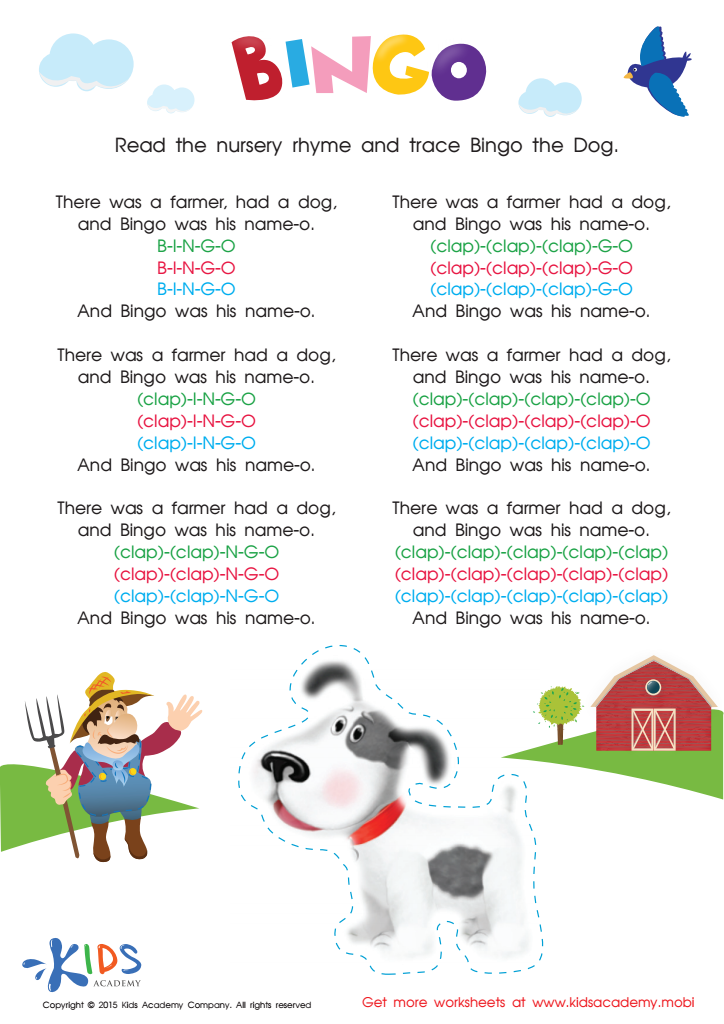
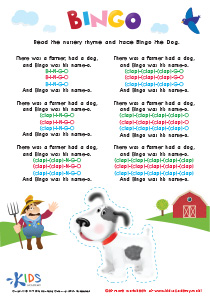
Nursery Rhymes: The Bingo Song Worksheet
 Assign to My Students
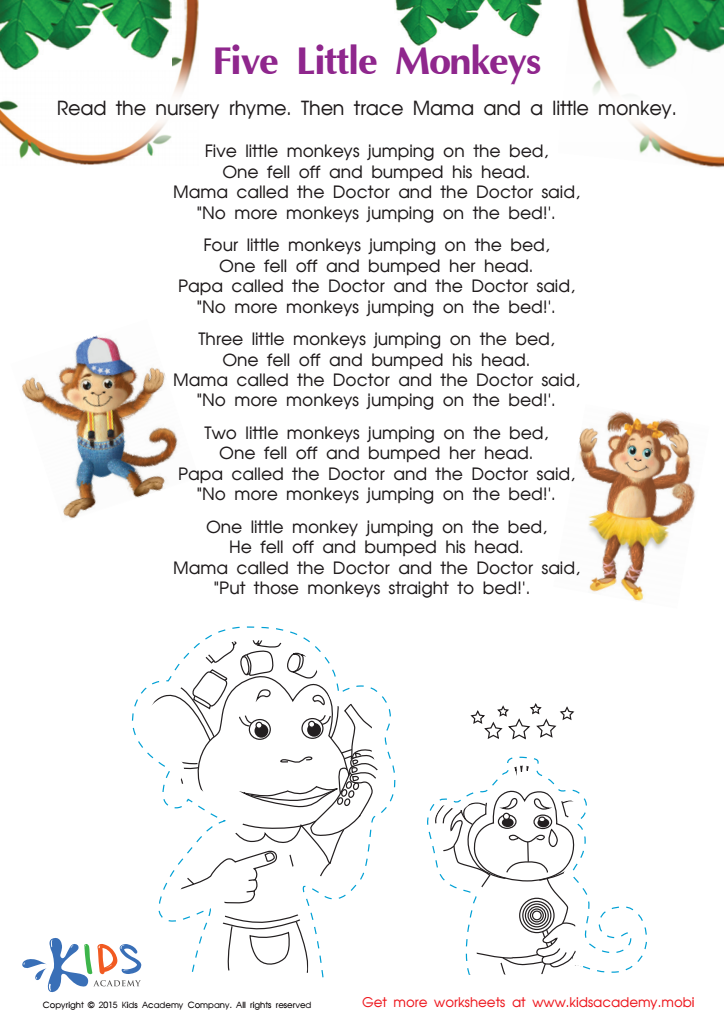
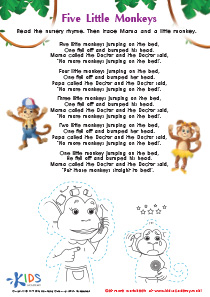
The Five Little Monkeys Nursery Rhyme Worksheet
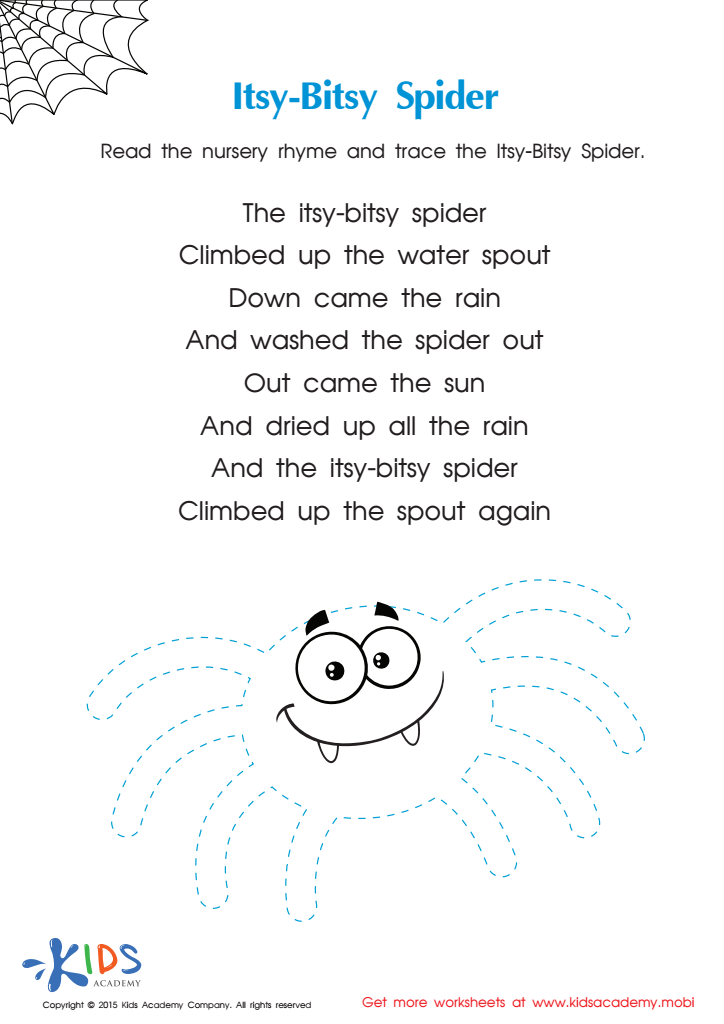
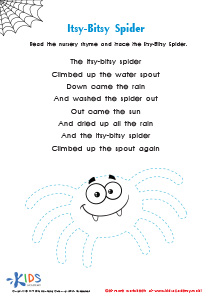
Itsy Bitsy Spider Nursery Rhyme PDF Worksheet
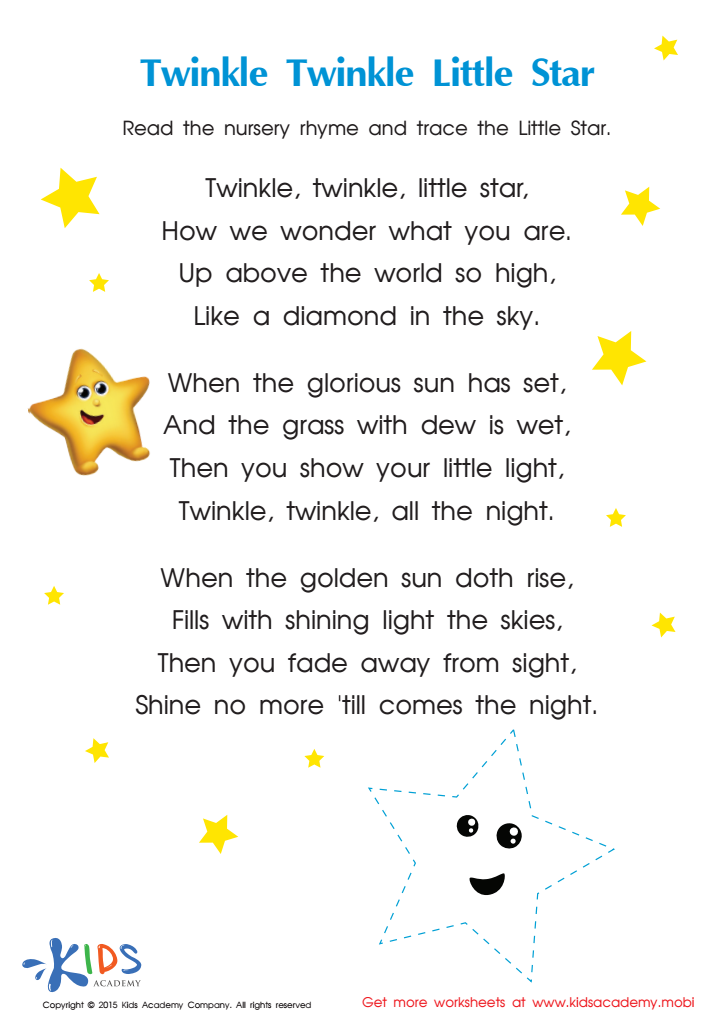
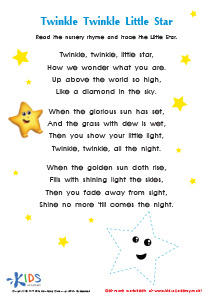
Nursery Rhymes: Twinkle Little Star Worksheet








Parents and teachers should care about easy nursery rhymes for ages 4-9 because they offer foundational developmental benefits that are crucial during early childhood. First and foremost, nursery rhymes enhance language development by introducing young learners to new vocabulary, rhyming patterns, and speech sounds, which are critical for phonemic awareness—a precursor to reading skills. The rhythmic and repetitive nature of these rhymes helps with memorization, comprehension, and fluency, fostering early literacy.
Additionally, nursery rhymes often tell stories through catchy and simple lyrics that spark imagination and creativity in children. They provide opportunities for interactive storytelling, which engages children's cognitive skills and emotional intelligence. Participation in singing or reciting these rhymes can also boost social skills, as group activities encourage listening, turn-taking, and collaboration.
Moreover, incorporating physical movements through action rhymes helps children develop fine and gross motor skills, supporting their coordination and physical development. Easy nursery rhymes also offer a sense of cultural heritage and tradition, connecting children to past generations and increasing cultural awareness.
Overall, easy nursery rhymes are a multifaceted educational tool that cultivates essential literacy and social skills, making them indispensable for early childhood development. They not only prepare children for academic success but also nurture their creativity and social well-being.