Easy Geometry Worksheets for Ages 5-7
40 filtered results
-
From - To
Discover a collection of engaging and easy geometry worksheets designed specifically for children ages 5-7. Our worksheets provide a fun way to introduce essential geometric concepts such as shapes, angles, and basic measurement. Each worksheet is crafted to captivate young learners and support their understanding of geometry through colorful illustrations and simple instructions. The activities encourage creativity while reinforcing foundational math skills, making learning enjoyable and effective. Ideal for parents, teachers, or homeschoolers, these worksheets provide valuable resources to help young students develop a strong grasp of geometry as they build confidence in their math abilities. Start exploring now!
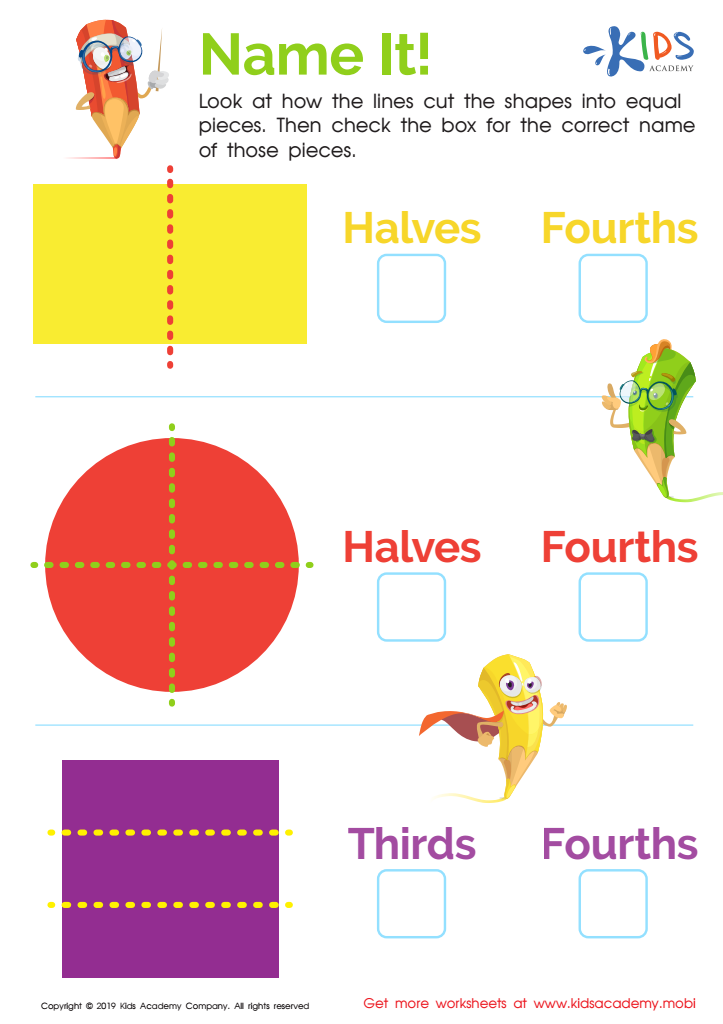
Name It! Worksheet
 Assign to My Students











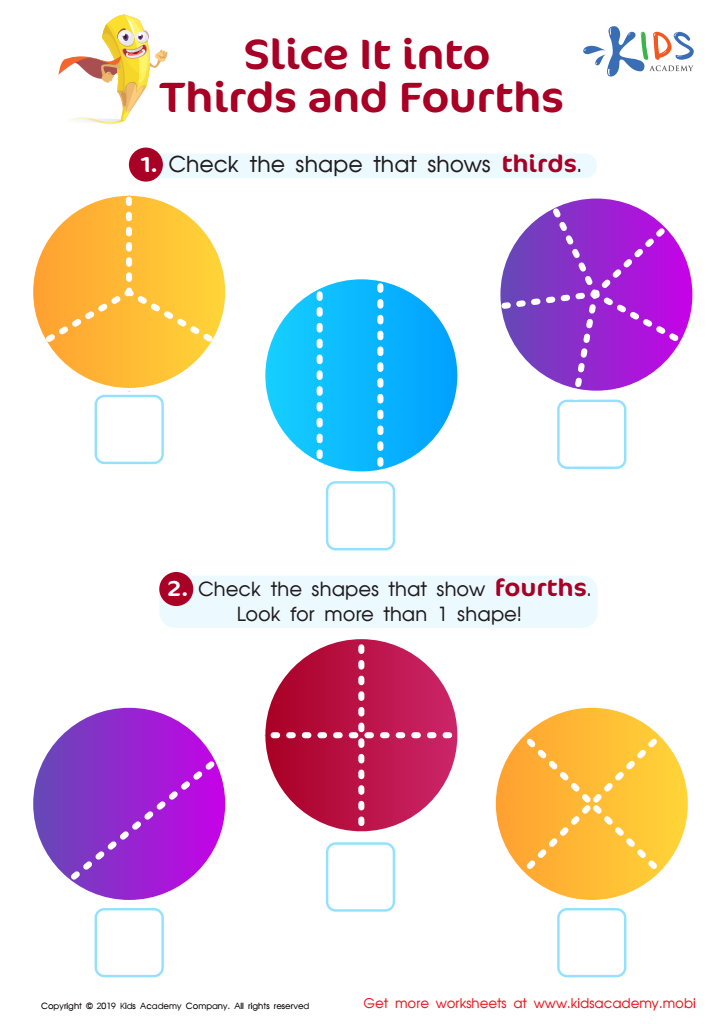
Slice in Thirds Fourths Worksheet
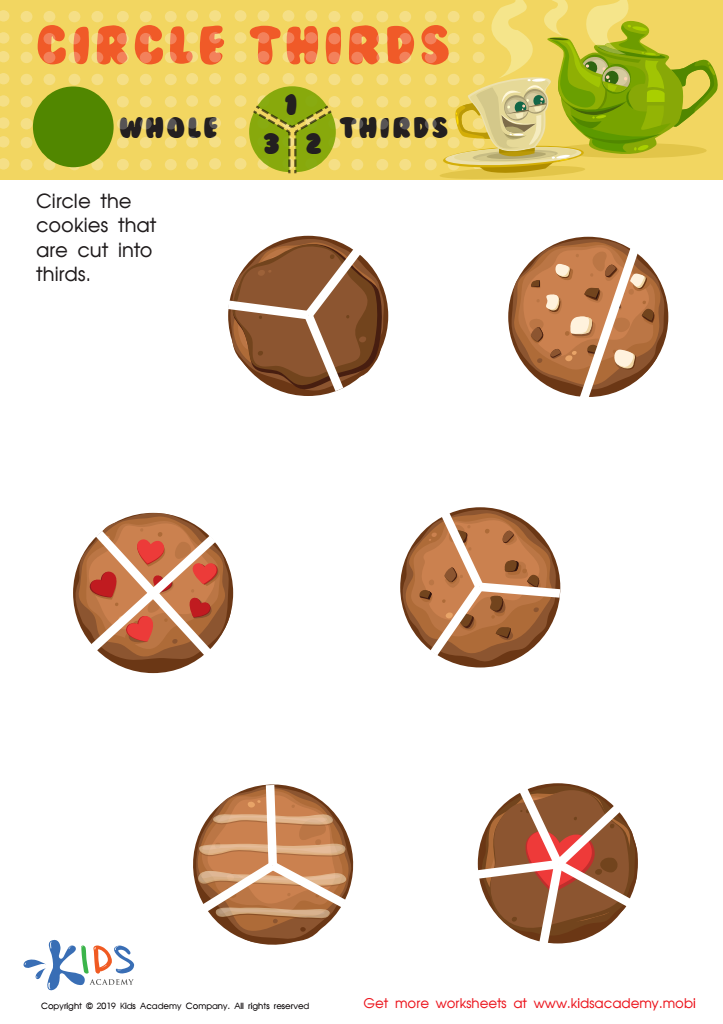
Circle Thirds Worksheet
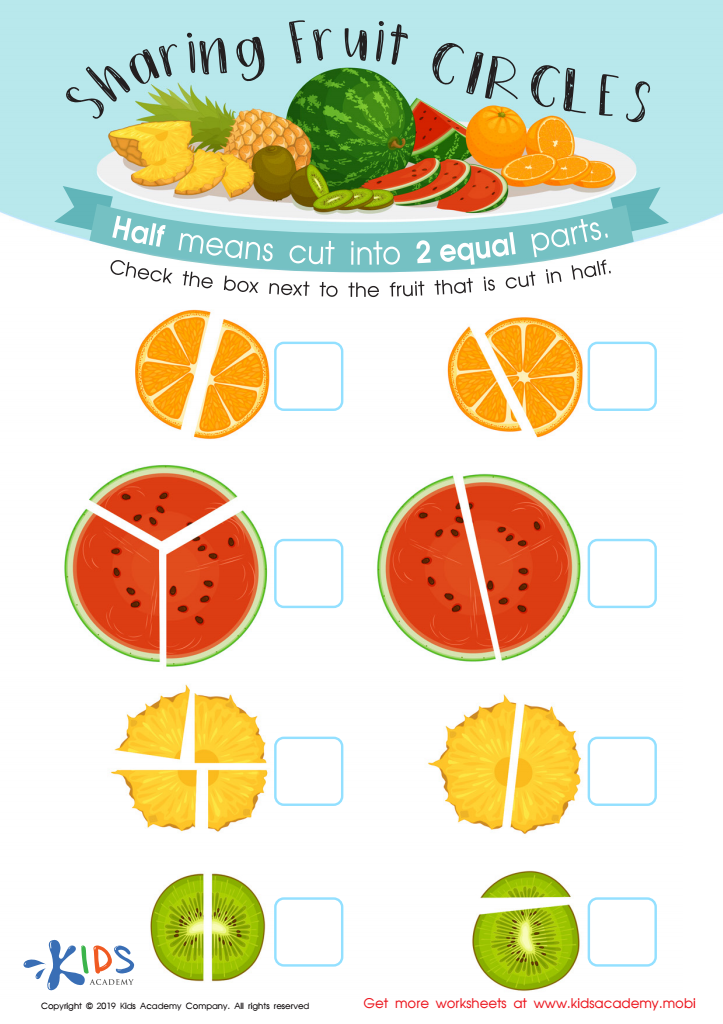
Sharing Fruit Circles Worksheet
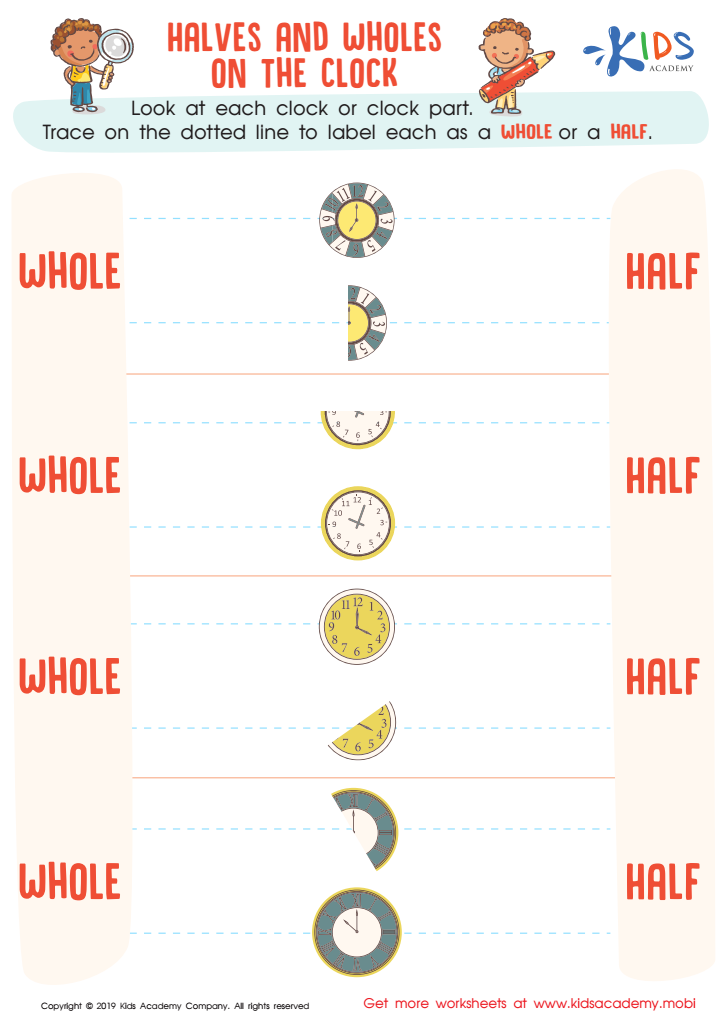
Halves and Wholes on the Clock Worksheet
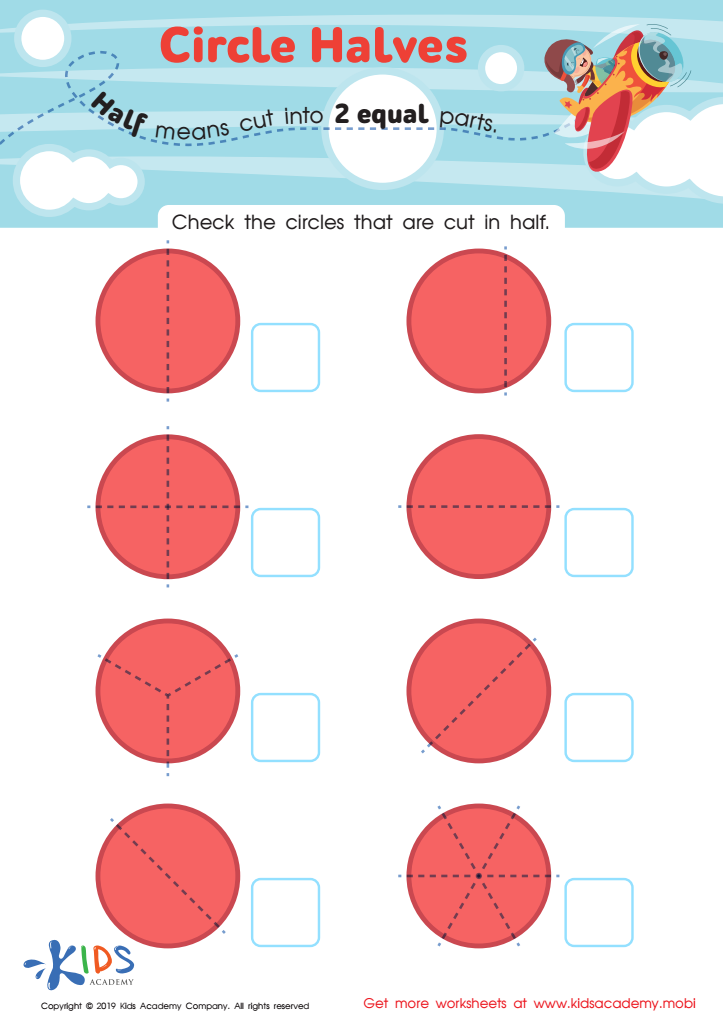
Circle Halves Worksheet
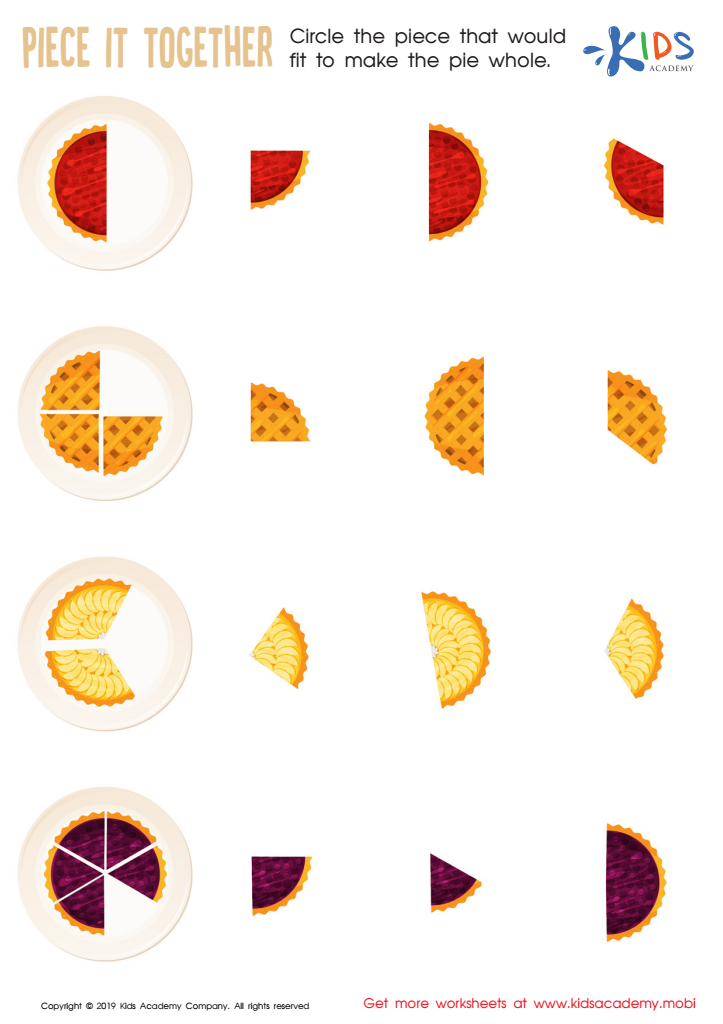
Piece it together Worksheet
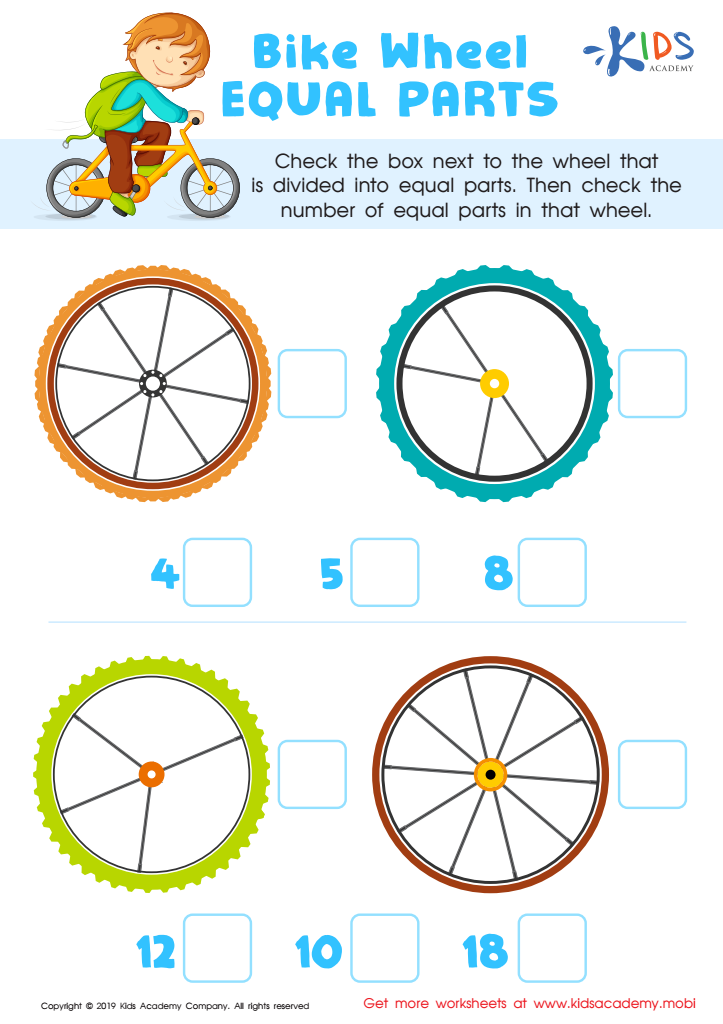
Bike Wheel Equal Parts Worksheet
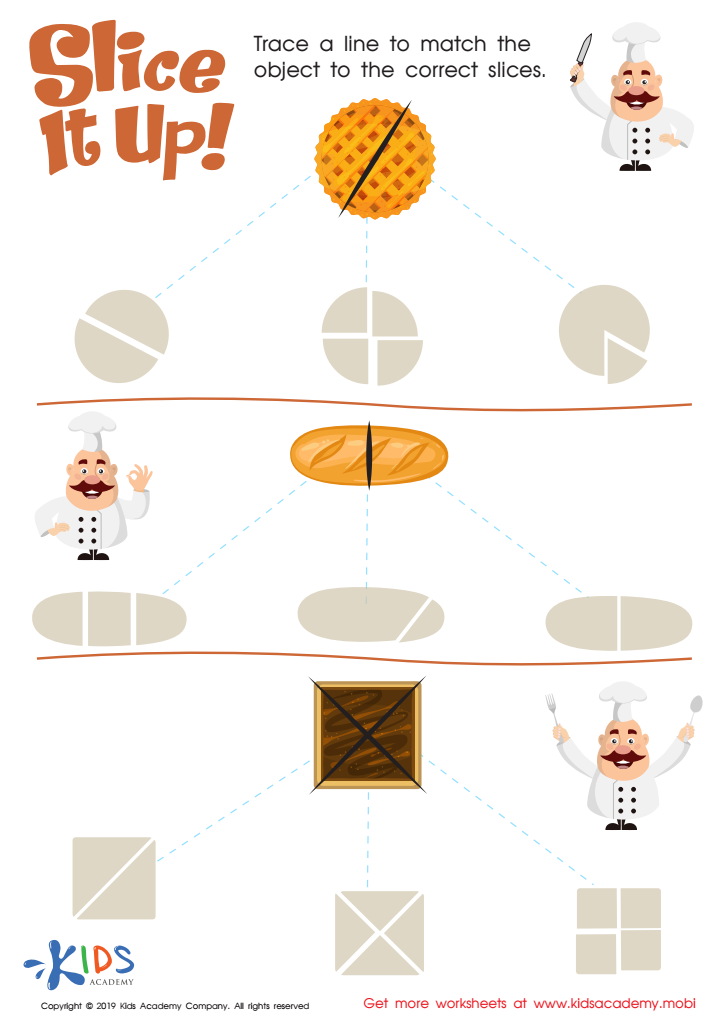
Slice It Up Worksheet
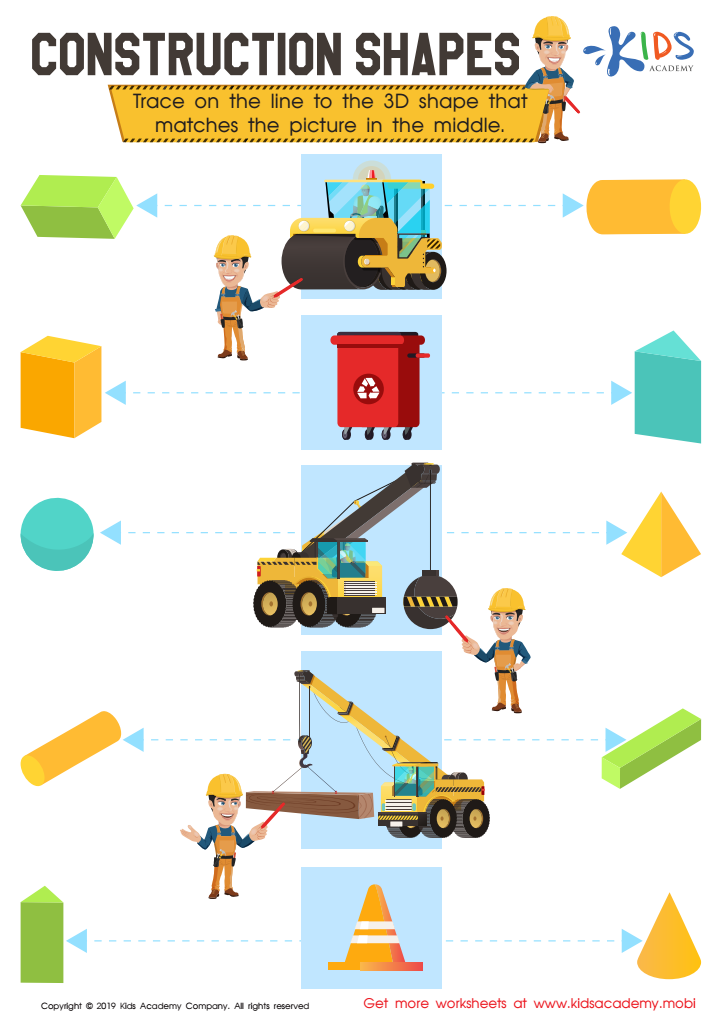
Construction Shapes Worksheet
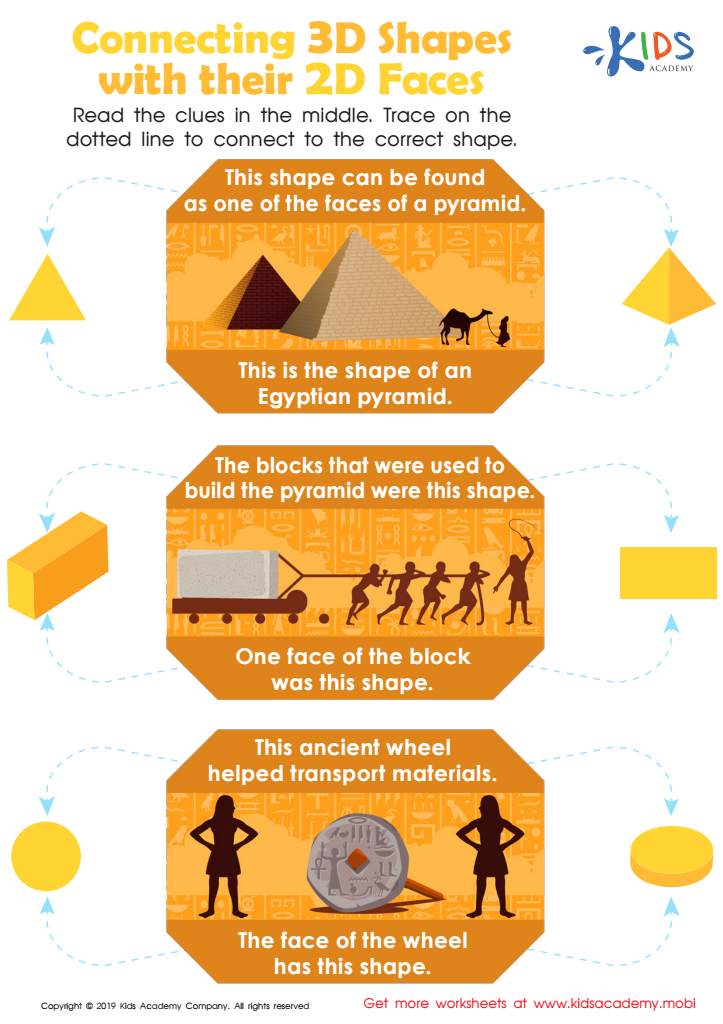
Connecting 3D Shapes with Their 2d Faces Worksheet
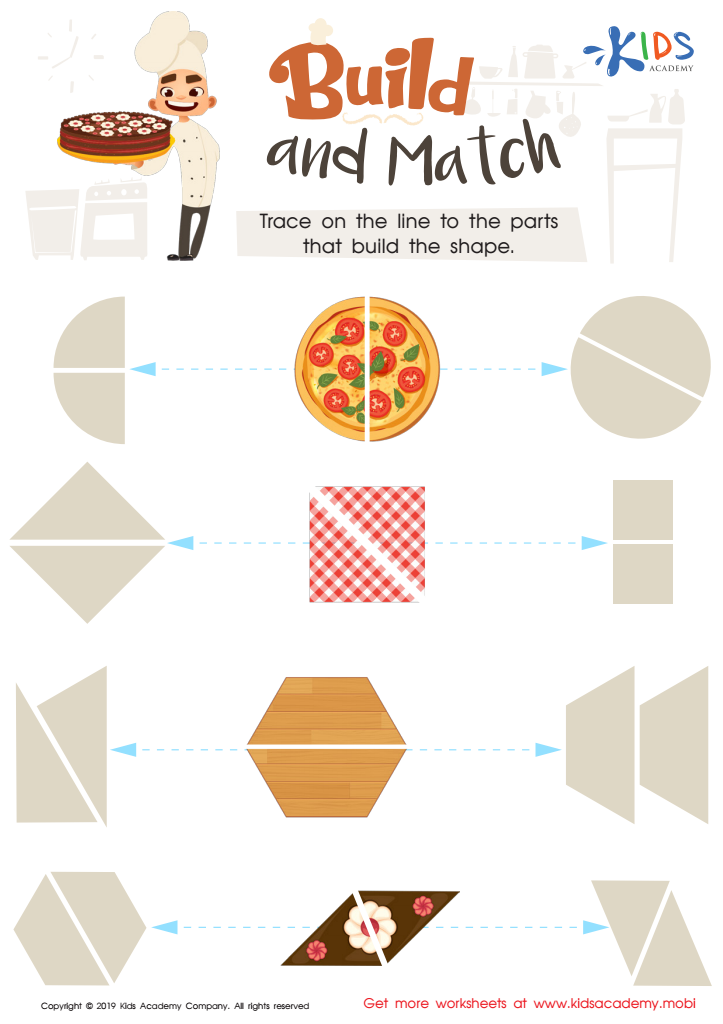
Build and Match Worksheet
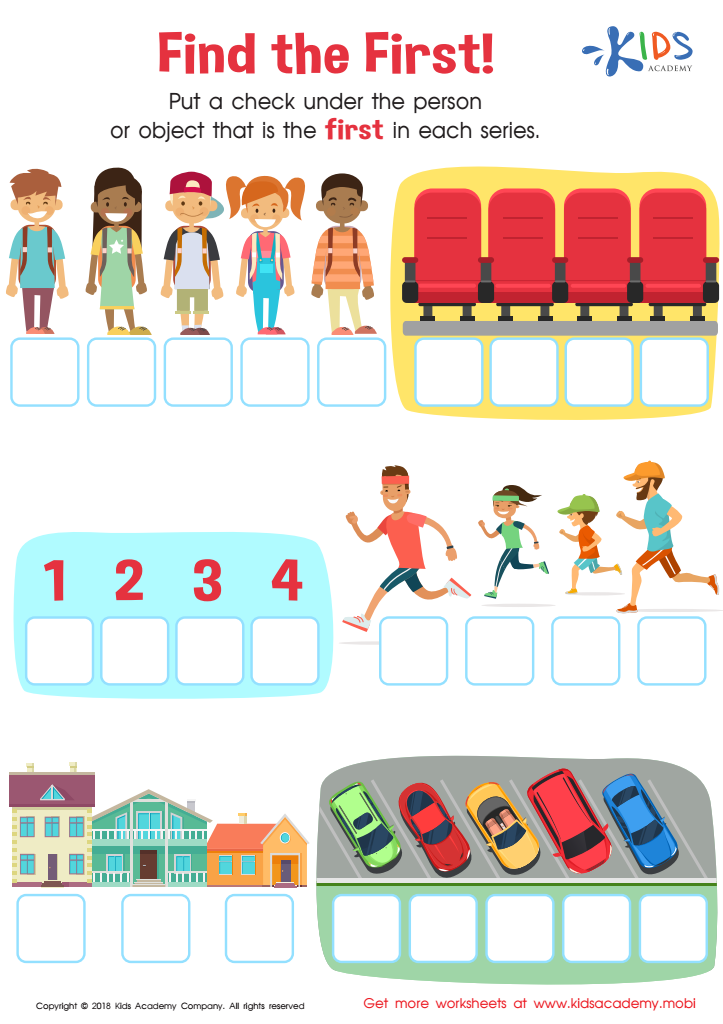
Find the First! Worksheet
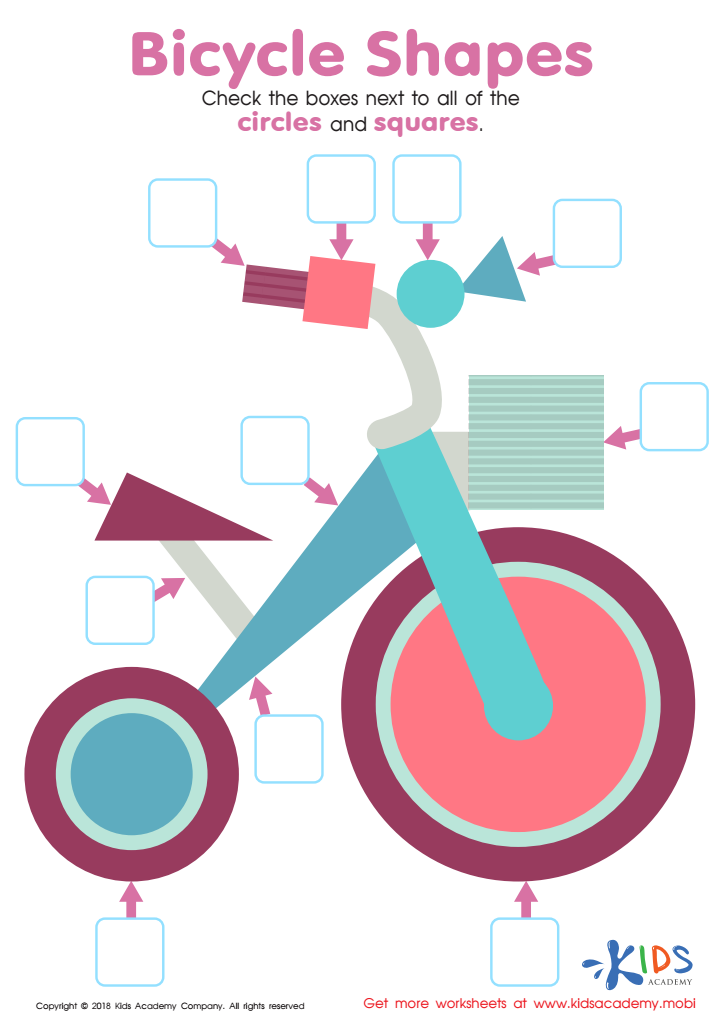
Bicycle Shapes Worksheet
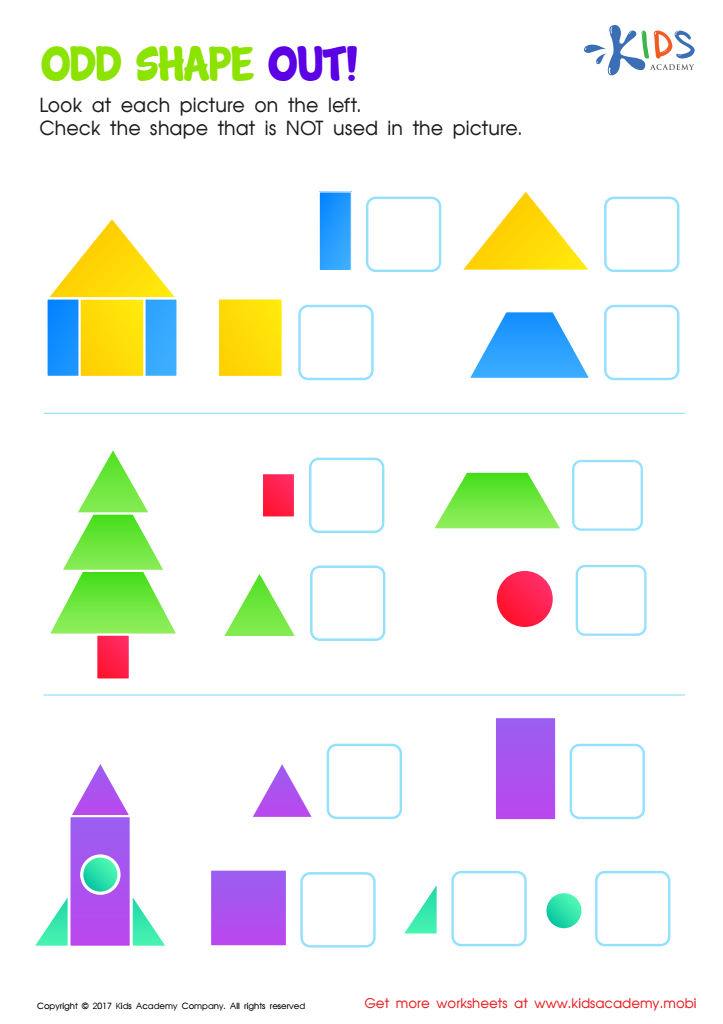
Odd Shape Out Worksheet for Grade 1
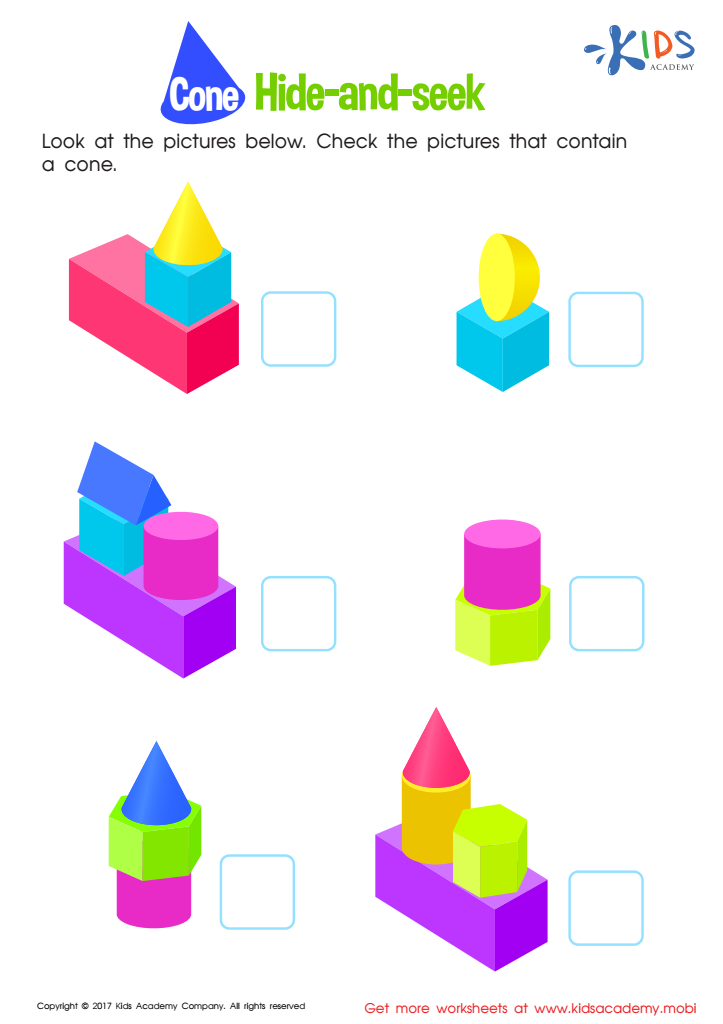
Cone Hide-and-Seek Worksheet
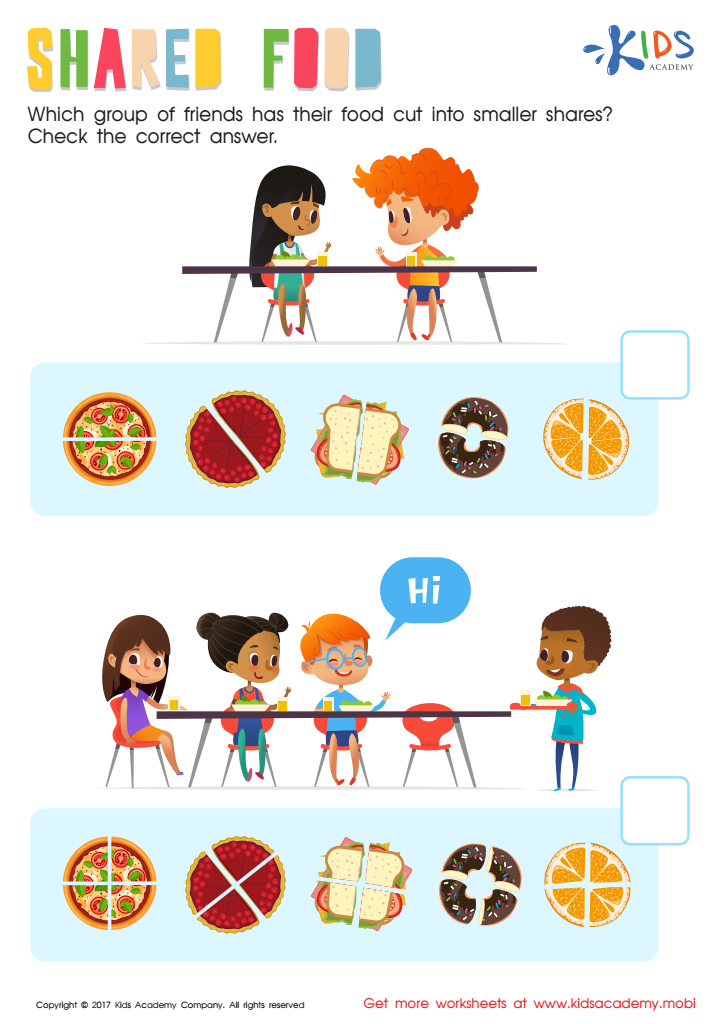
Shared Food Worksheet
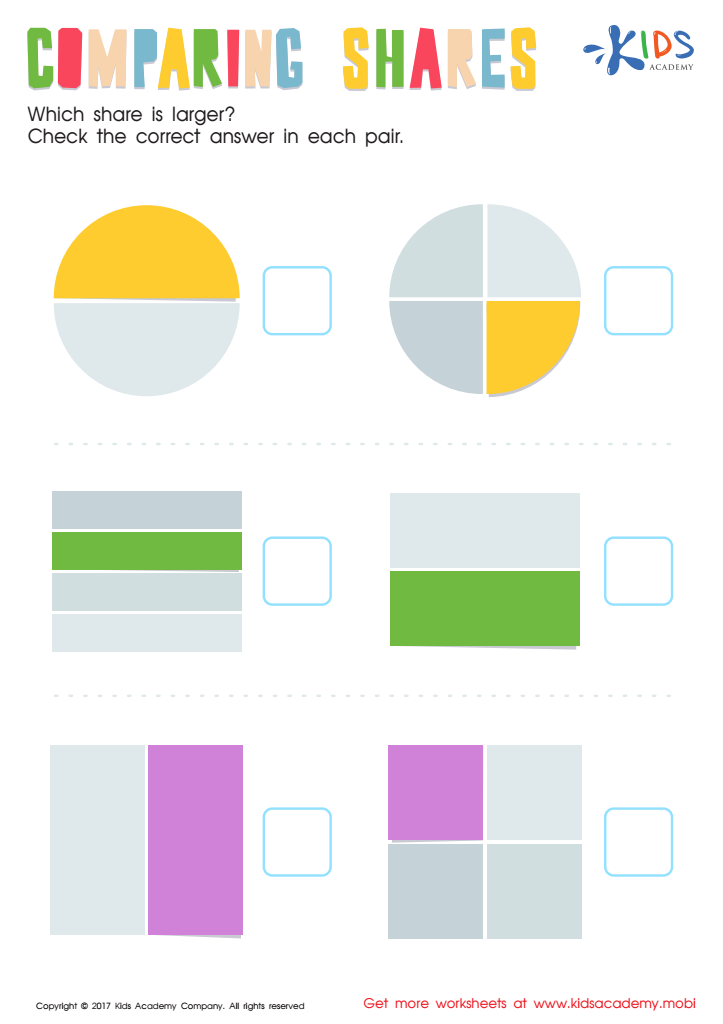
Comparing Shares Worksheet
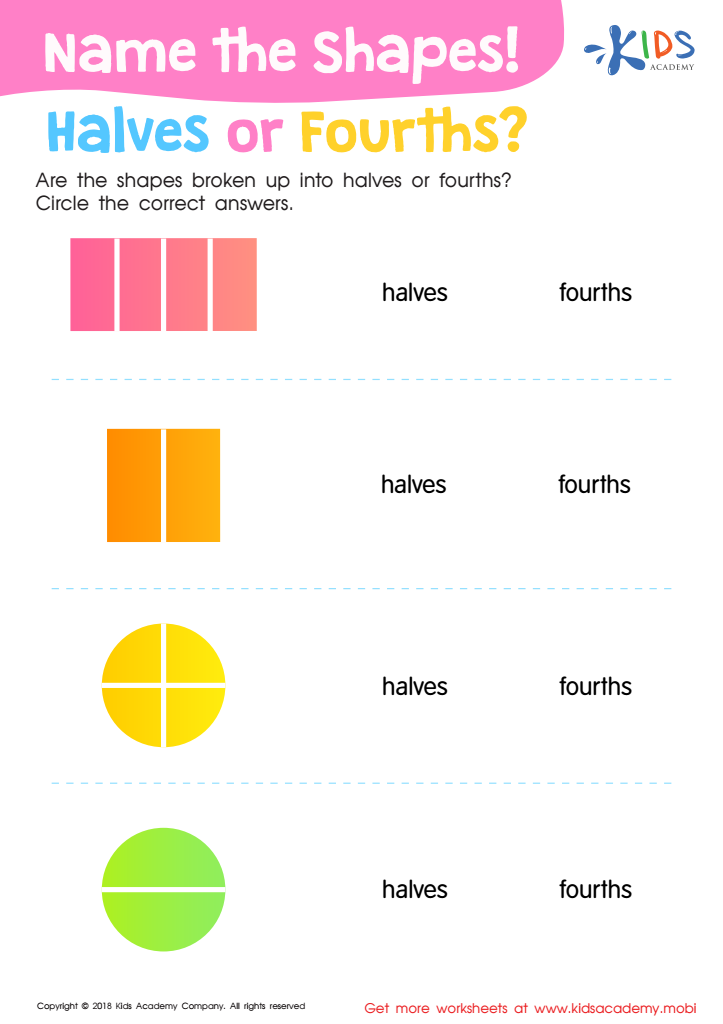
Name the Shapes Halves or Fourths? Worksheet
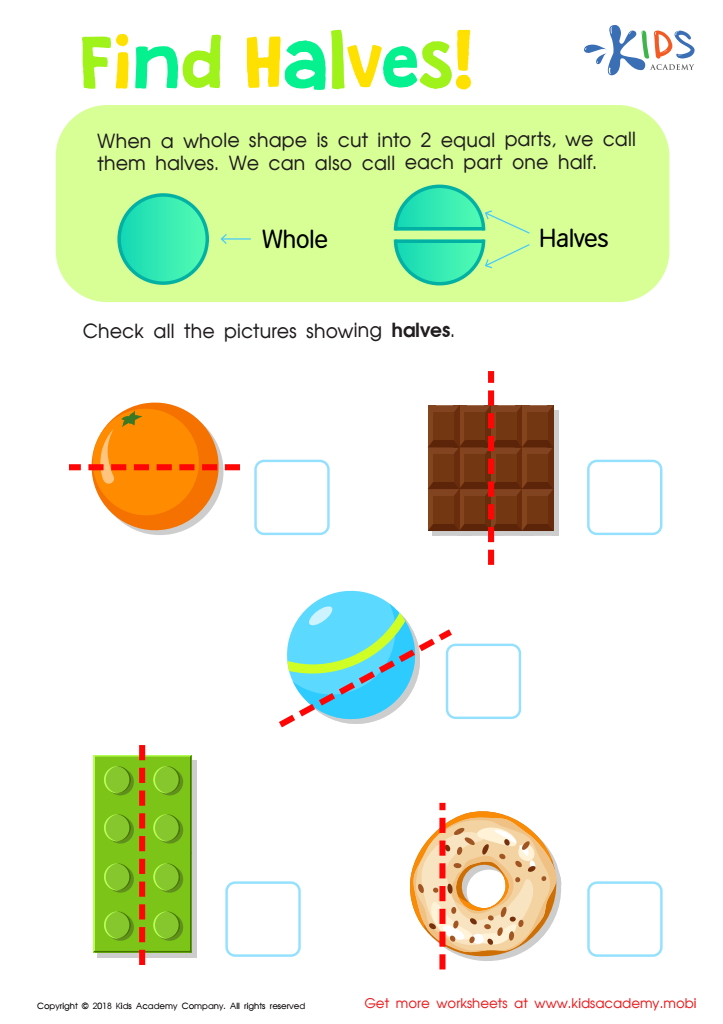
Find Halves Worksheet
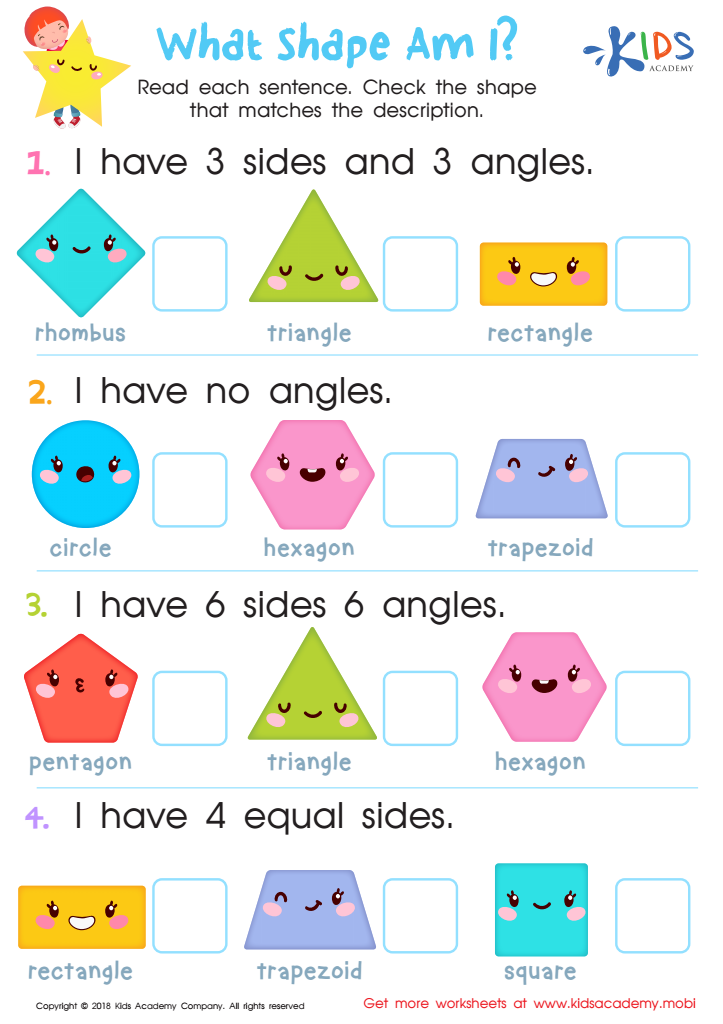
What Shape Am I? Worksheet
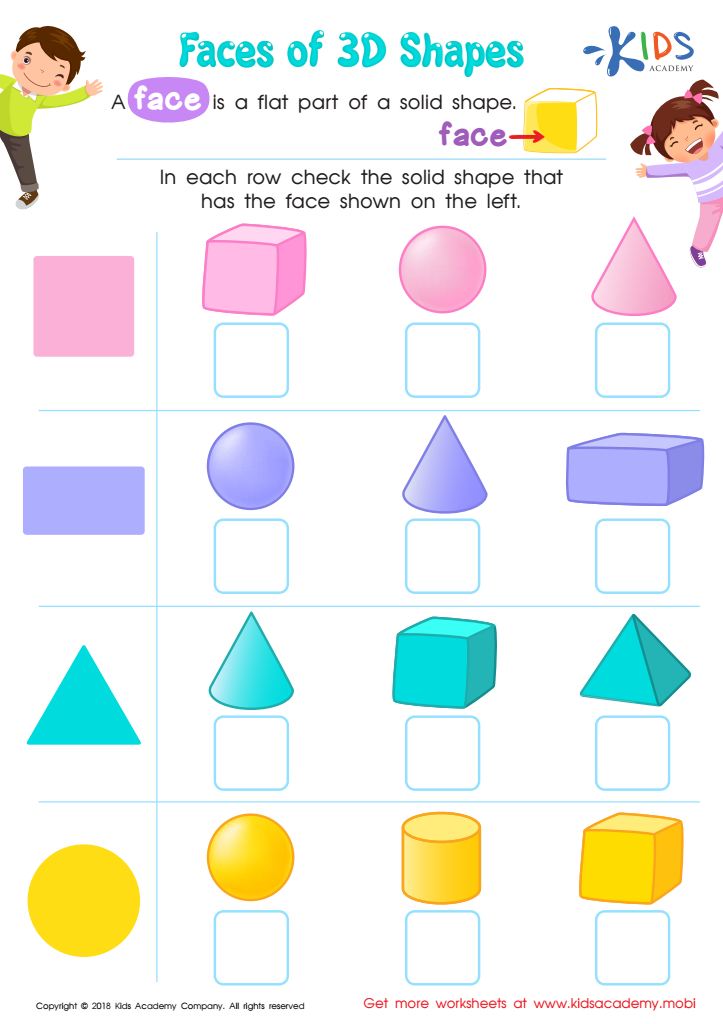
Faces of 3D Shapes Worksheet
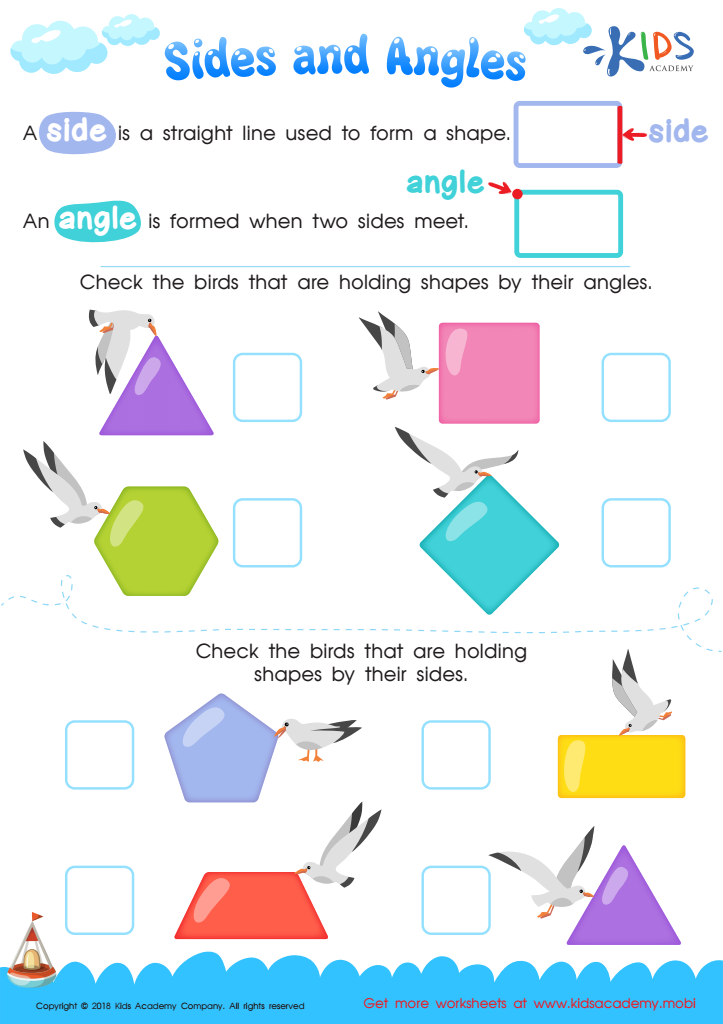
Sides and Angles Worksheet
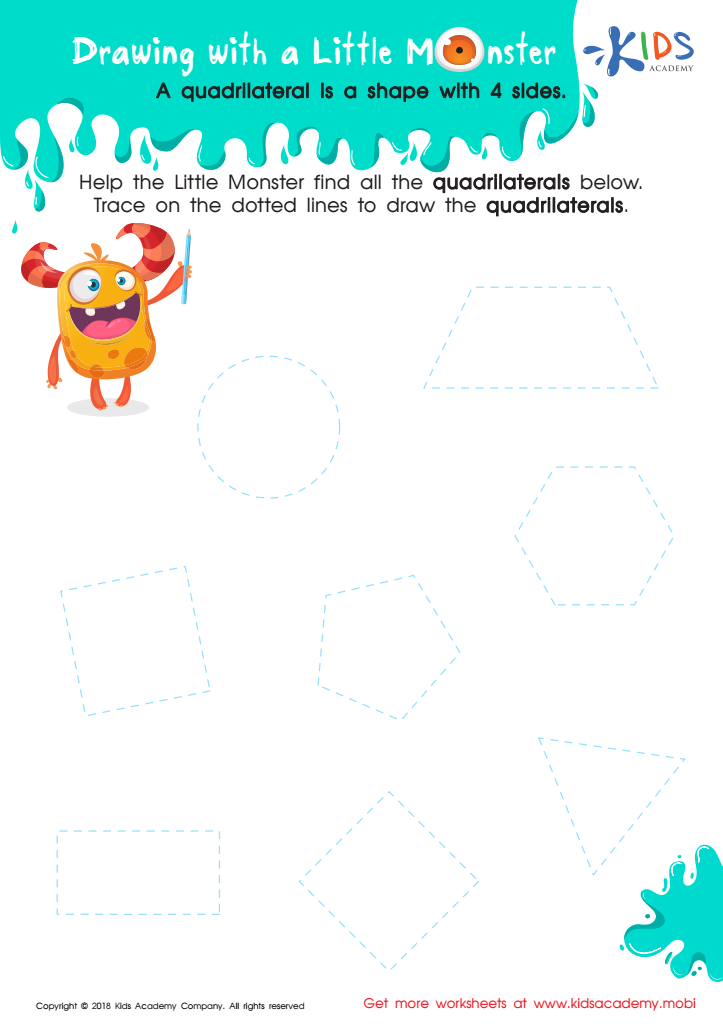
Drawing with a Little Monster Worksheet








Parents and teachers should prioritize "Easy Geometry" for children ages 5-7 because a strong foundation in geometry enhances spatial awareness, problem-solving skills, and critical thinking. At this early age, children are naturally curious, and engaging them with simple geometric concepts helps cultivate that curiosity into structured learning. Introducing shapes, patterns, and basic spatial relationships promotes cognitive development and lays the groundwork for future math skills.
Additionally, geometry encourages creativity and expression, as children can explore design and symmetry through hands-on activities. It also supports language development through the introduction of specific vocabulary associated with shapes and spatial reasoning. By using engaging materials and interactive activities, parents and teachers can foster a positive attitude toward math that lasts a lifetime.
Furthermore, understanding geometric concepts is essential for practical daily tasks and future academic success. Early exposure to geometry helps establish relationships with numbers, measurements, and patterns, making later math topics less intimidating. In a world increasingly driven by technology and design, these skills are more important than ever. By focusing on Easy Geometry during these formative years, adults play a critical role in equipping children with essential skills necessary for their academic journey and everyday life.








