Extra Challenge Worksheets for Ages 3-9 - Page 2
507 filtered results
-
From - To
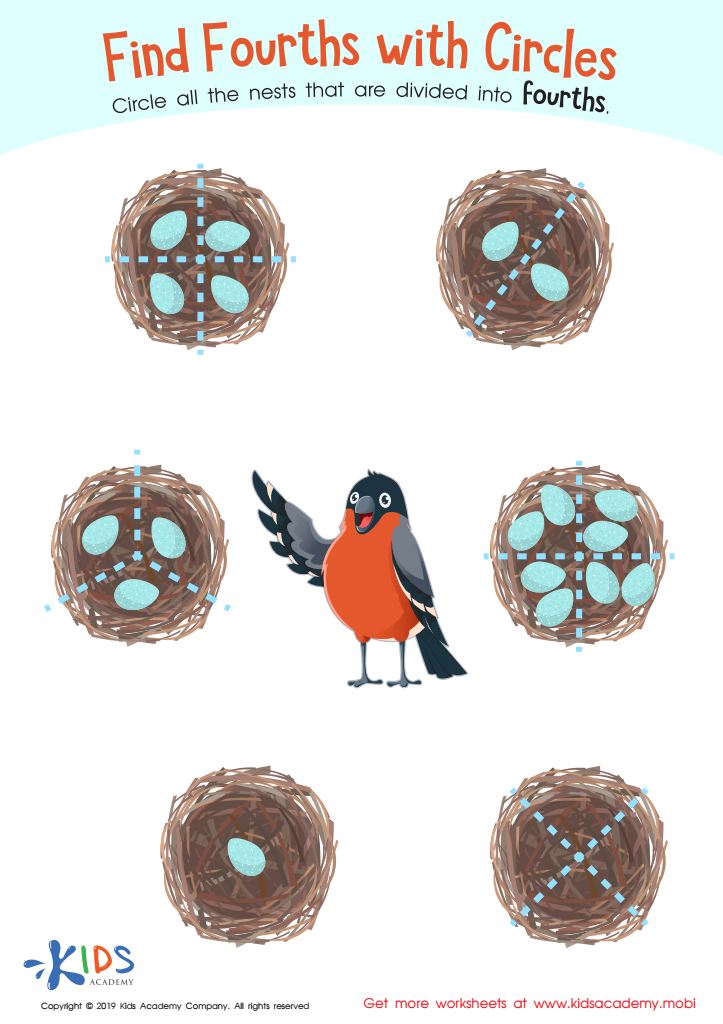
Find Fourths Circles Worksheet
 Assign to My Students
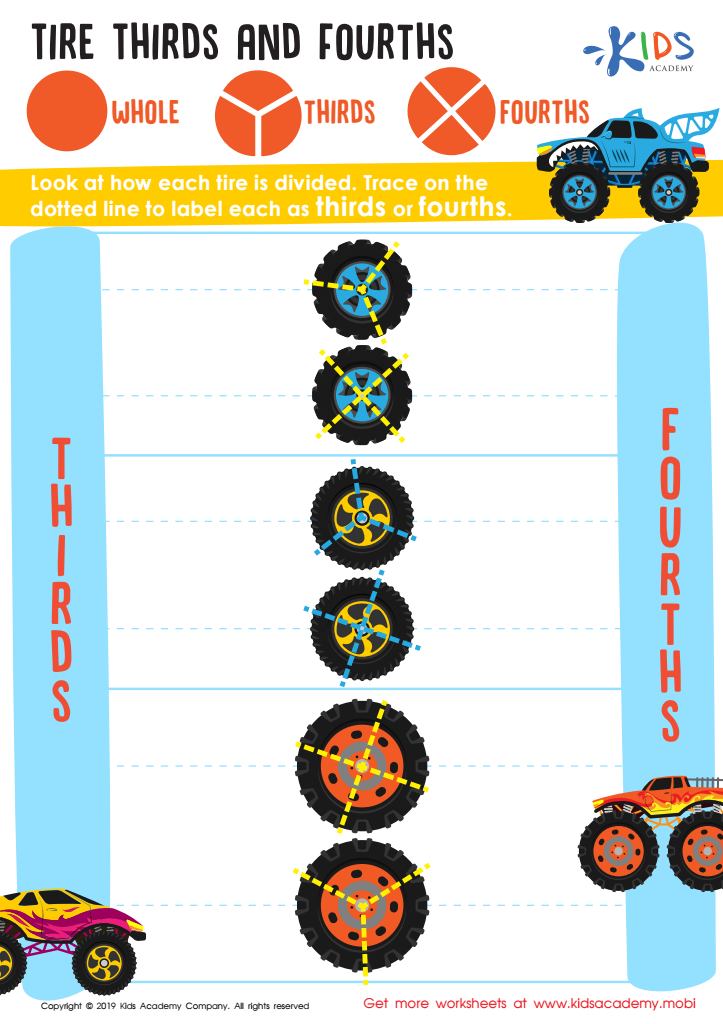
Tire Thirds and Fourths Worksheet
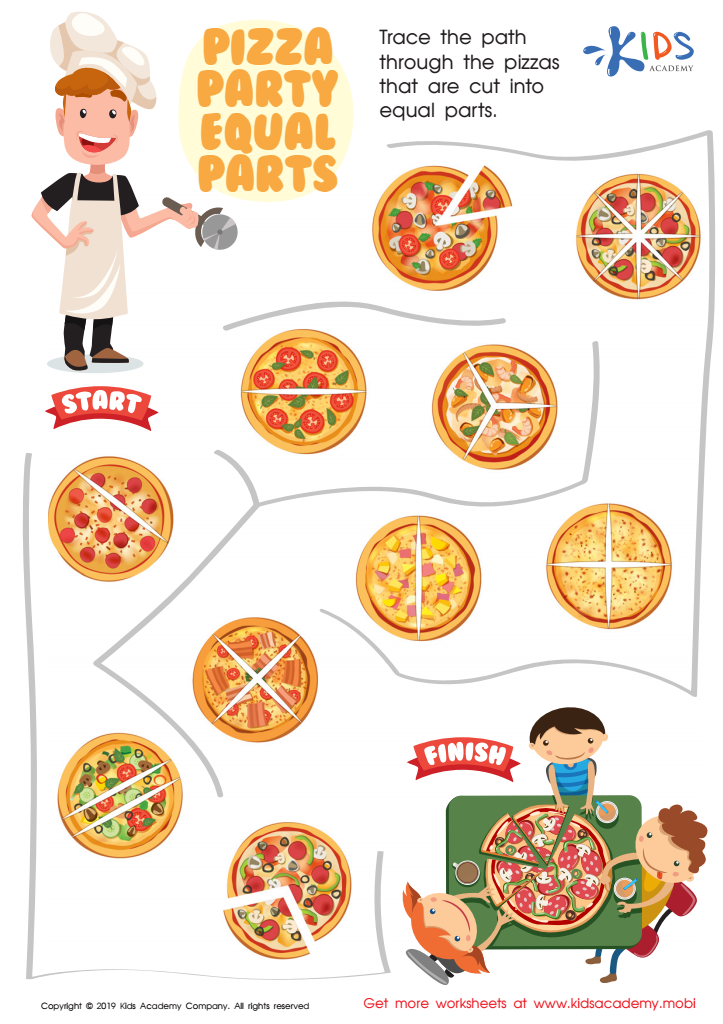
Pizza Party Equal Parts Worksheet
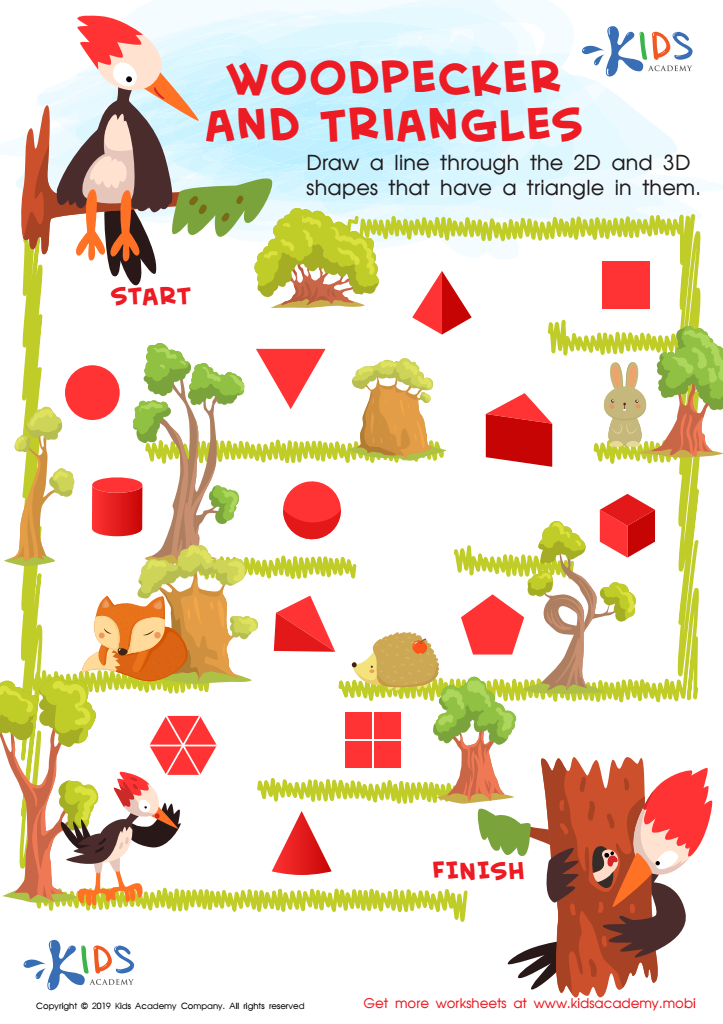
Woodpecker and Triangles Worksheet
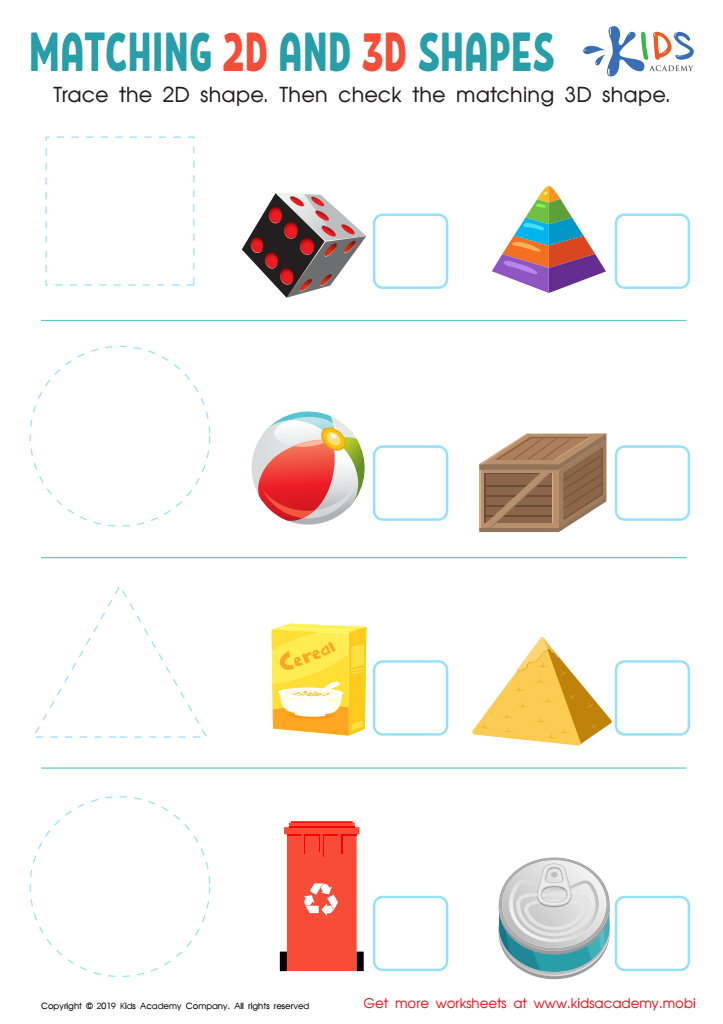
Matching 2D and 3D Shapes Worksheet
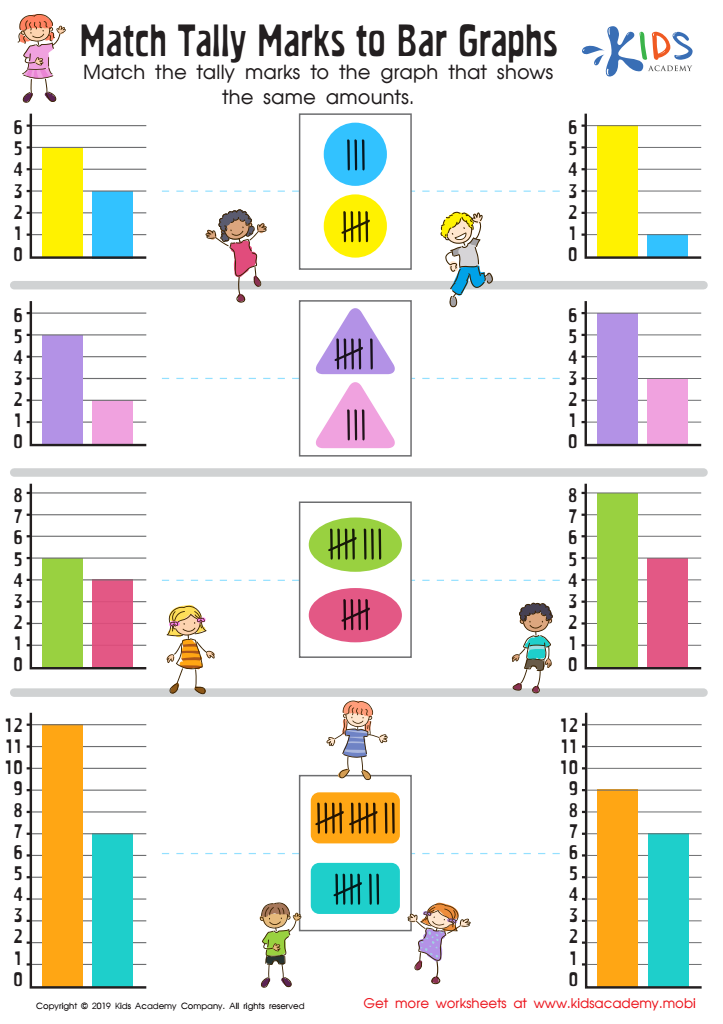
Match Tally Marks to Bar Graphs Worksheet
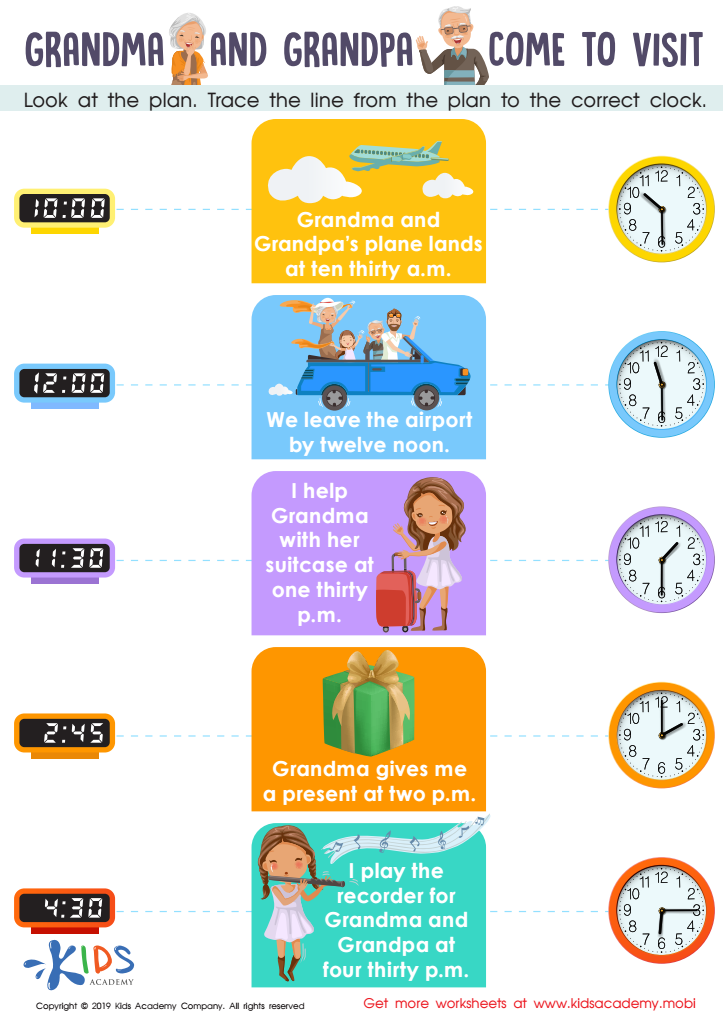
Grandpa and Grandma Come to Visit Worksheet
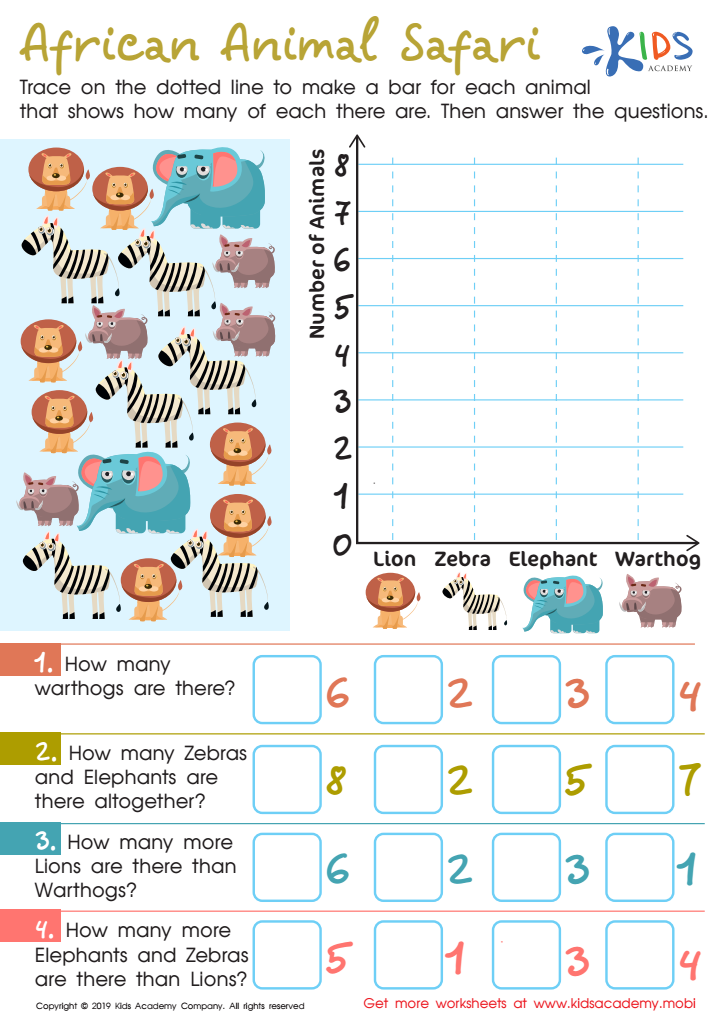
African Animal Safari Worksheet
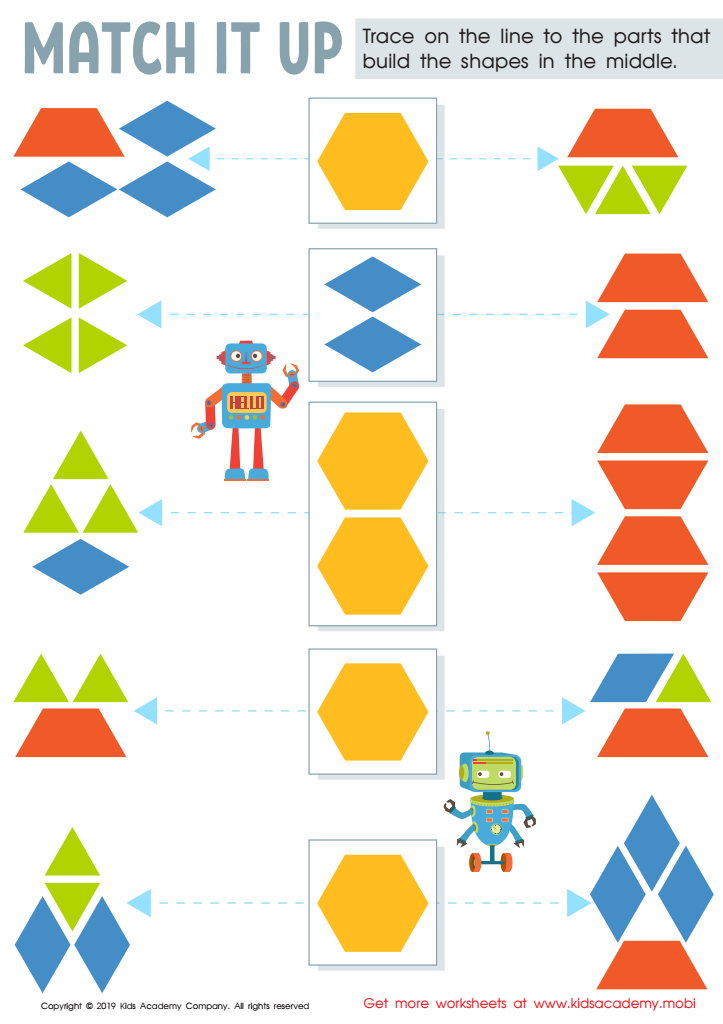
Match It up Worksheet
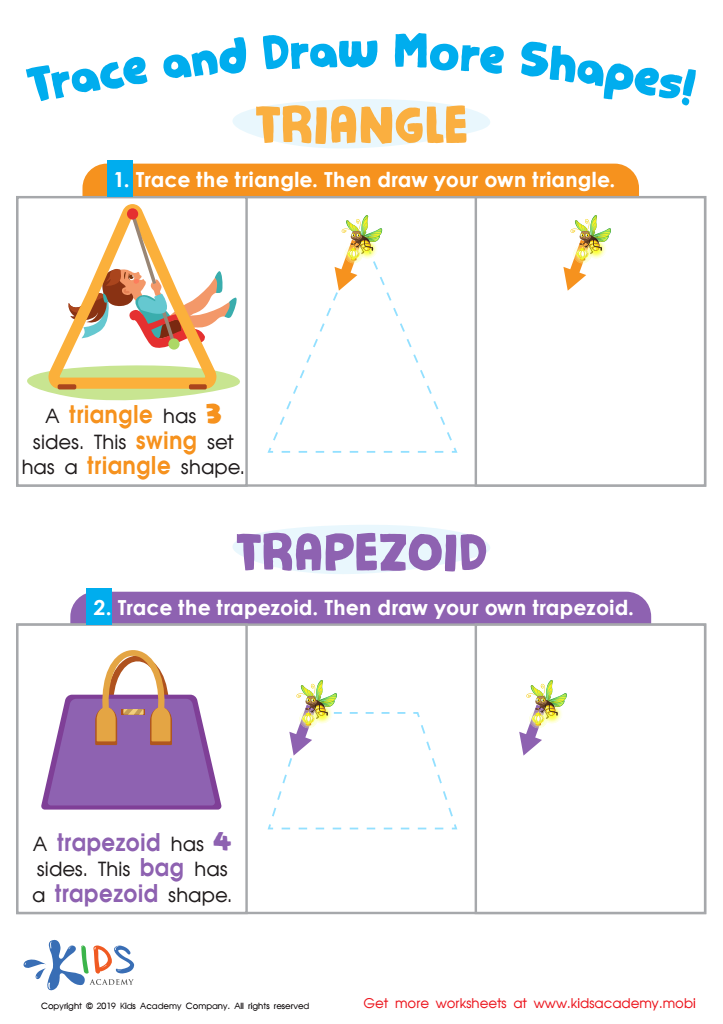
Trace and Draw More Shapes Worksheet
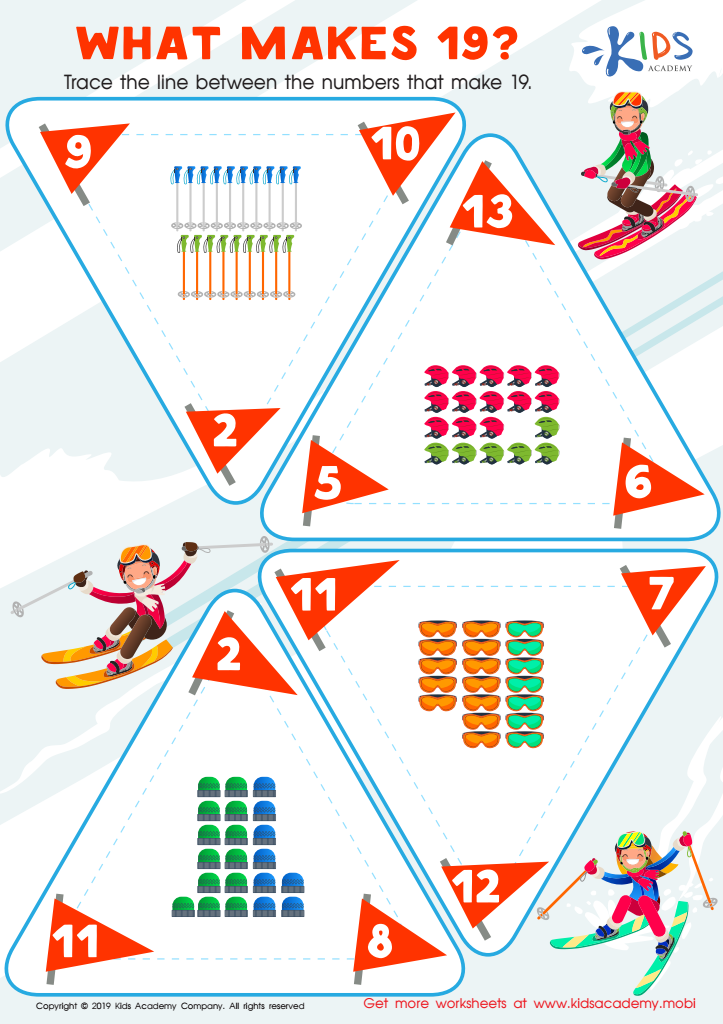
What Makes 19? Worksheet
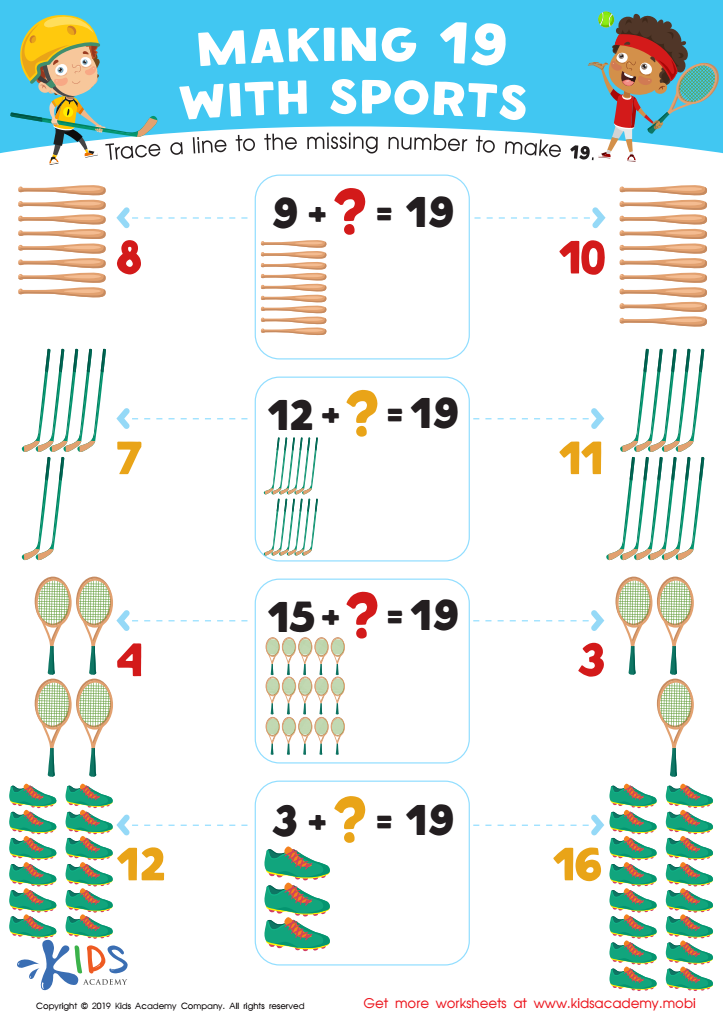
Making 19 with Sports Worksheet
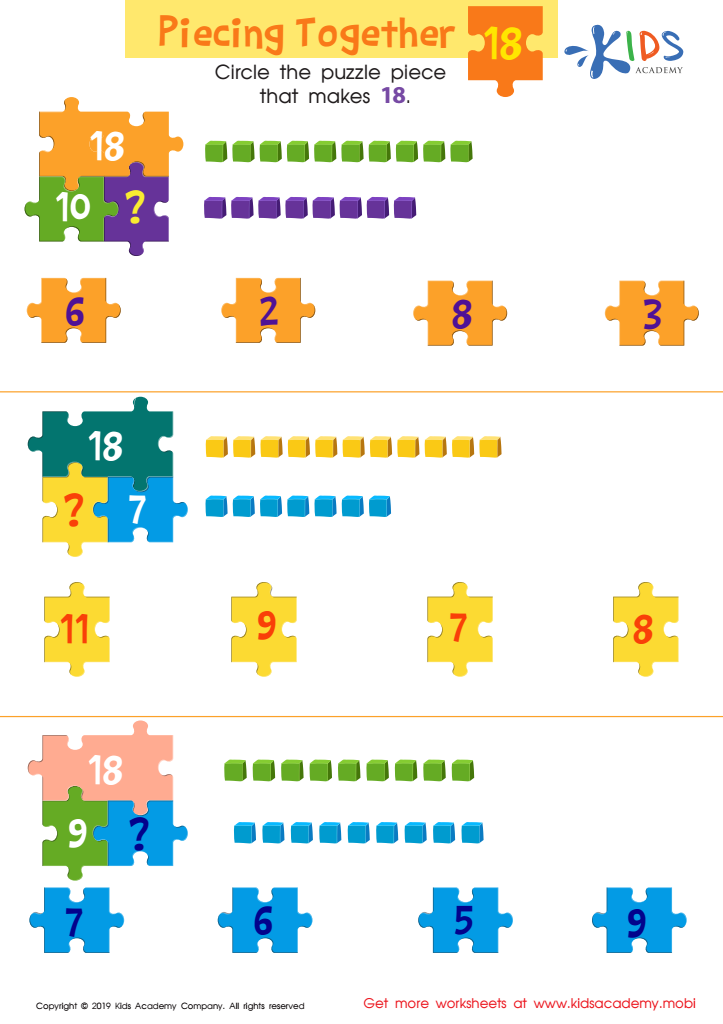
Piecing Together 18 Worksheet
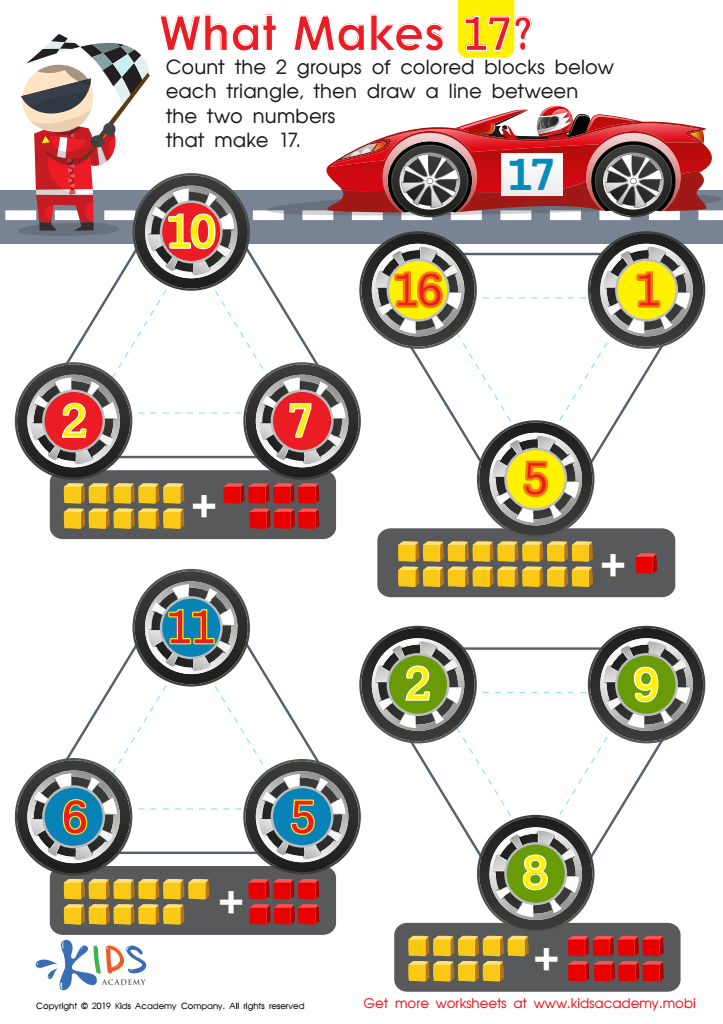
What Makes 17 Worksheet
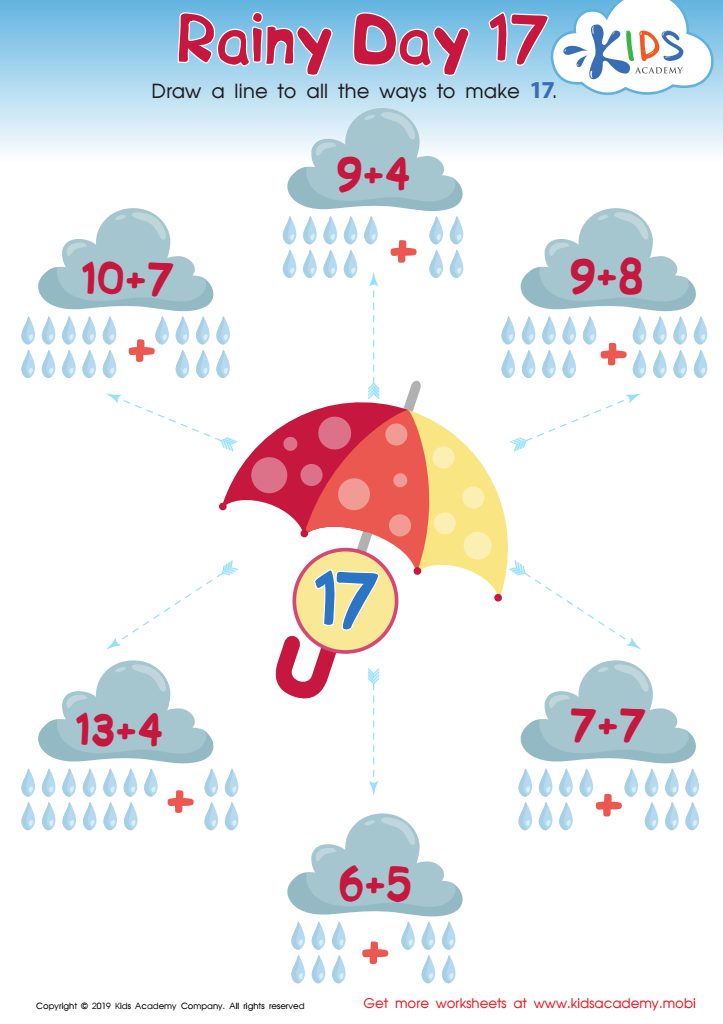
Rainy Day 17 Worksheet
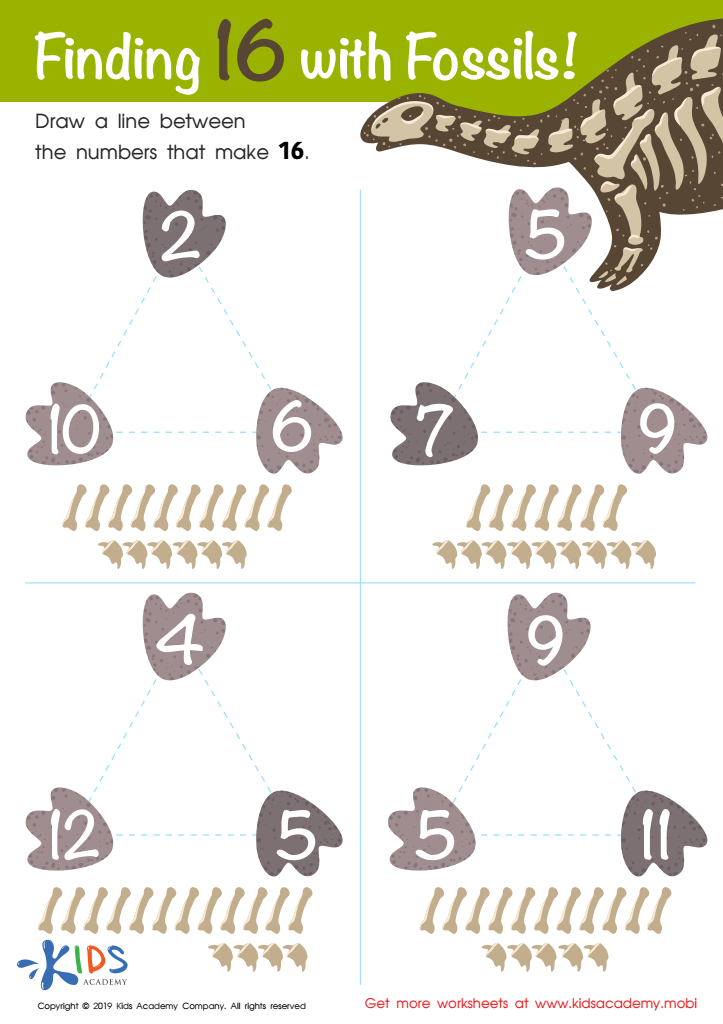
Finding 16 With Fossils Worksheet
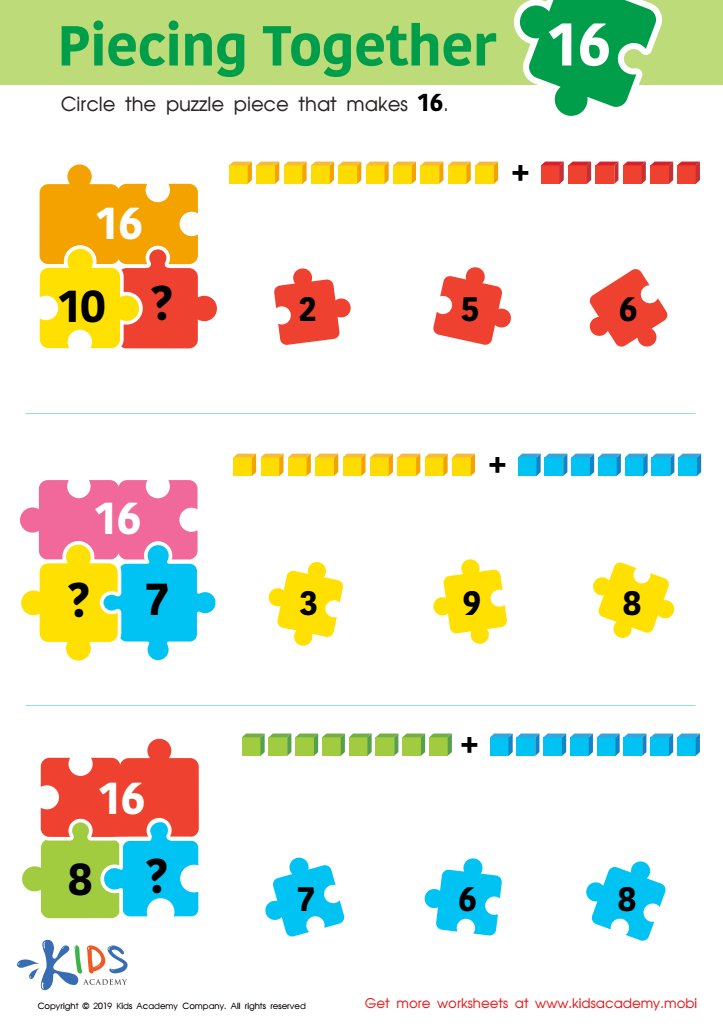
Piecing Together 16 Worksheet
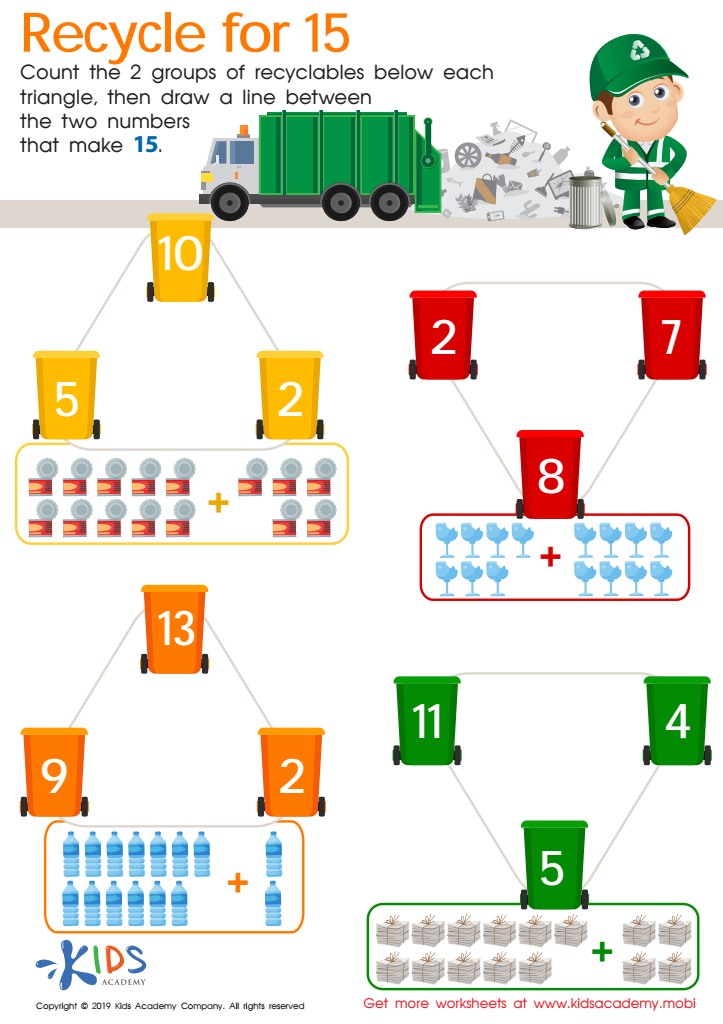
Recycle for 15 Worksheet
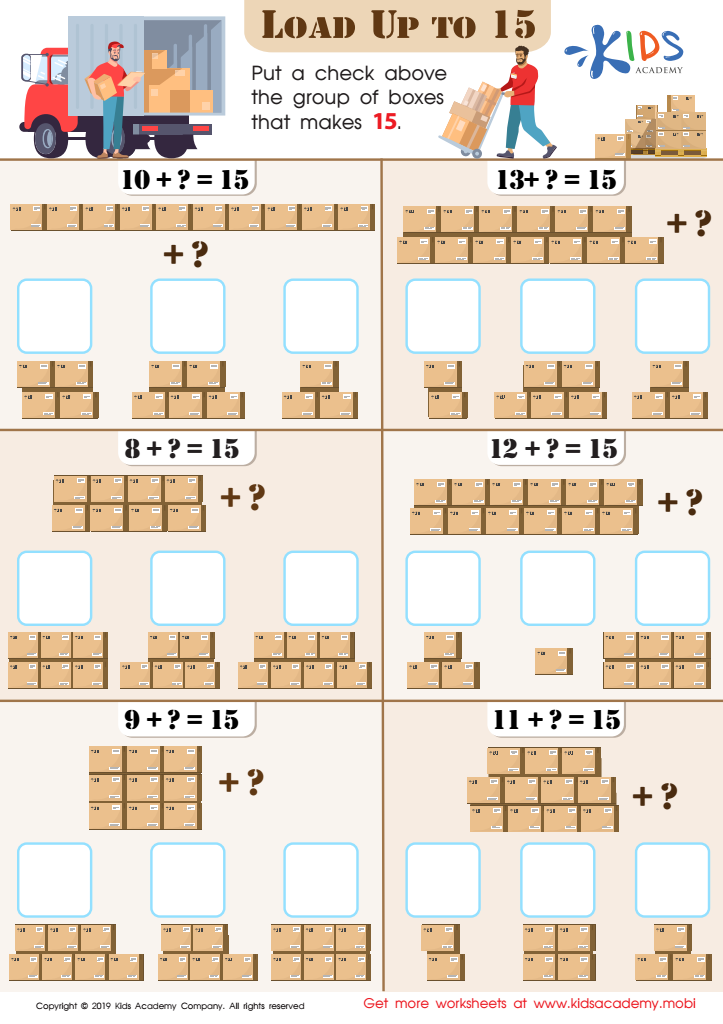
Load up to 15 Worksheet
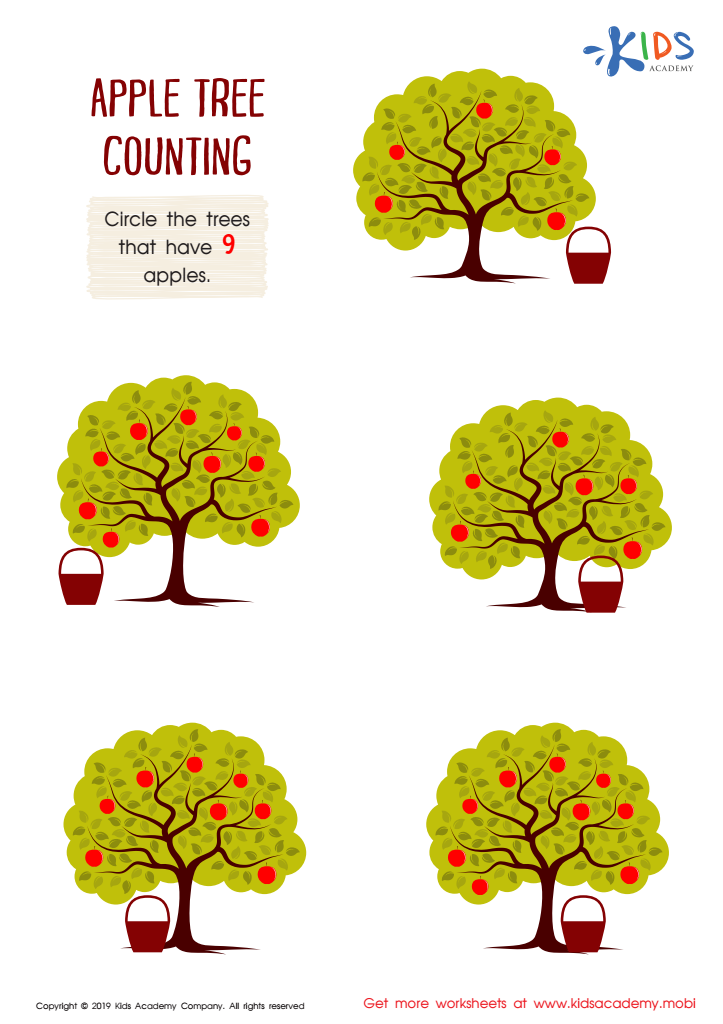
Apple Tree Counting Worksheet
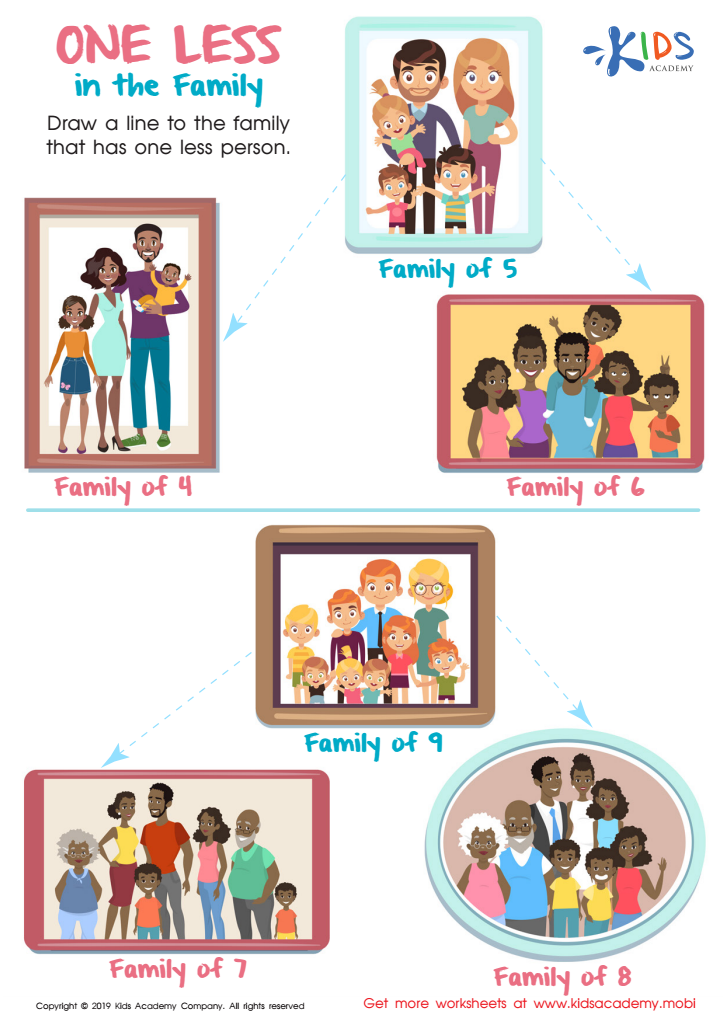
One Less in the Family Worksheet
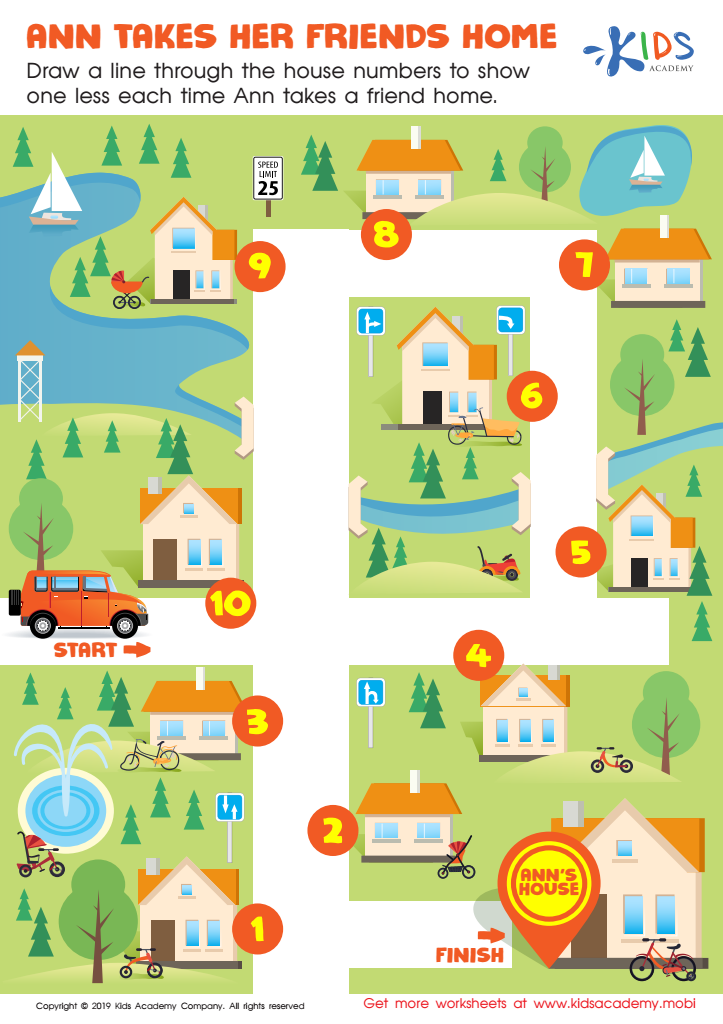
Ann Takes her Friends Home Worksheet
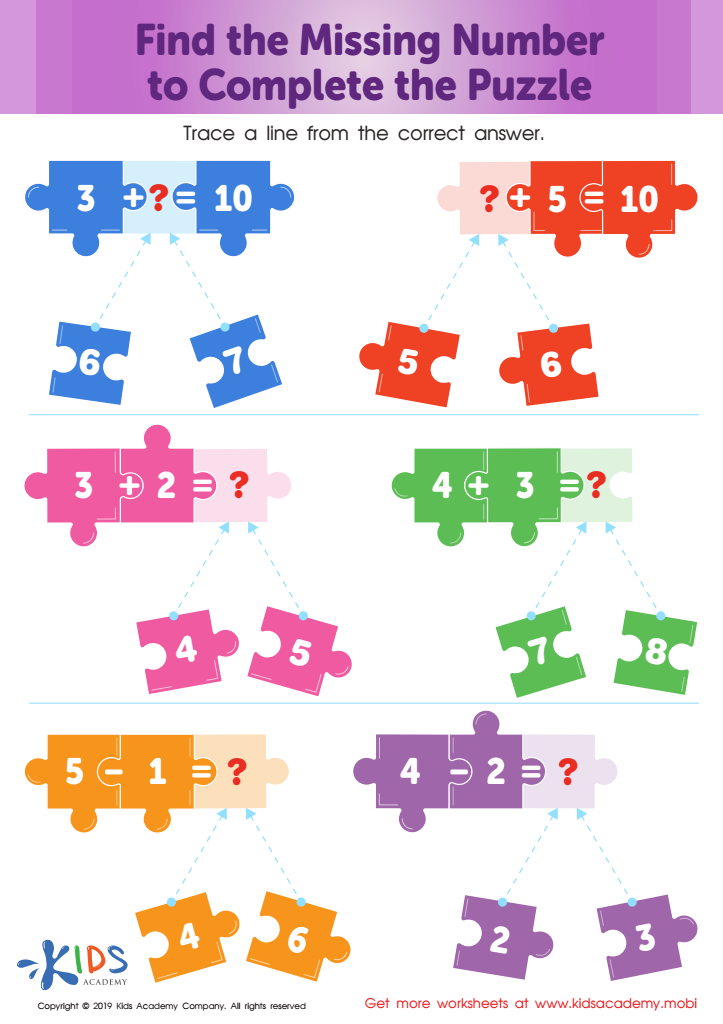
Find the Missing Number to Complete the Puzzle Worksheet
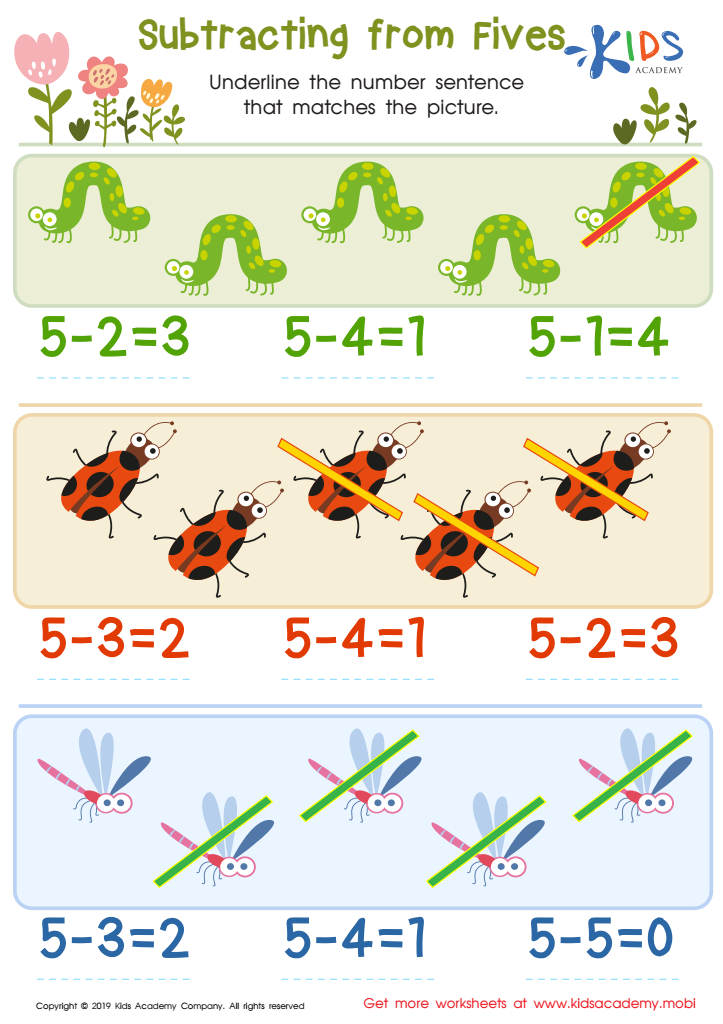
Subtracting From Fives Worksheet








Extra challenges for children aged 3-9 are crucial for their developmental growth and learning. At this stage, children's brains are highly adaptable and they can absorb information rapidly. Introducing extra challenges taps into their natural curiosity and eagerness to learn. For parents and teachers, providing these challenges can accelerate cognitive, emotional, and social development.
Intellectual growth is significantly enhanced when kids tackle new tasks, solve problems, and think critically. These activities encourage neural connections that lay the groundwork for future learning. Emotional benefits are equally important, as overcoming challenges builds resilience, self-esteem, and the ability to cope with failure—key life skills.
Socially, extra challenges often involve teamwork, communication, and negotiation skills. When children engage in group activities that require problem-solving, they learn to collaborate, share ideas, and respect different viewpoints. This prepares them for future academic and social environments where cooperation and interaction are essential.
For parents and teachers, observing kids confronting and mastering new tasks provides insight into their strengths and areas needing support. It opens opportunities for meaningful engagement and deeper understanding of each child's unique abilities. By incorporating extra challenges, parents and teachers lay a robust foundation for the child's lifelong learning journey, fostering both skill development and self-confidence.








