Normal Addition Worksheets for Ages 3-6 - Page 2
42 filtered results
-
From - To
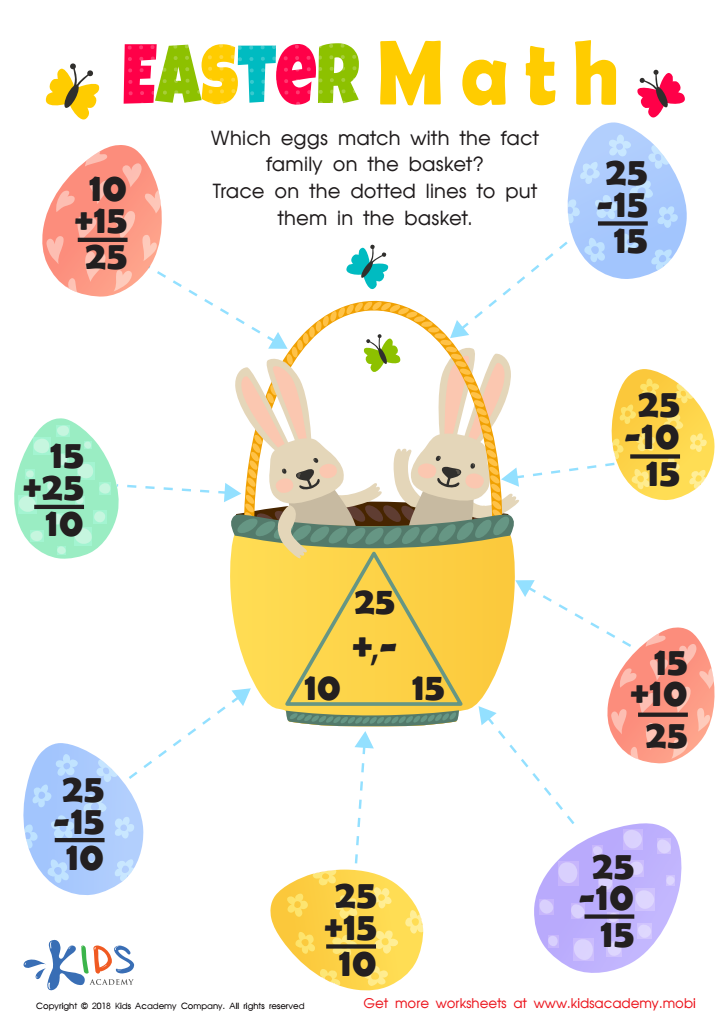
Fact Families: Easter Math Worksheet
 Assign to My Students
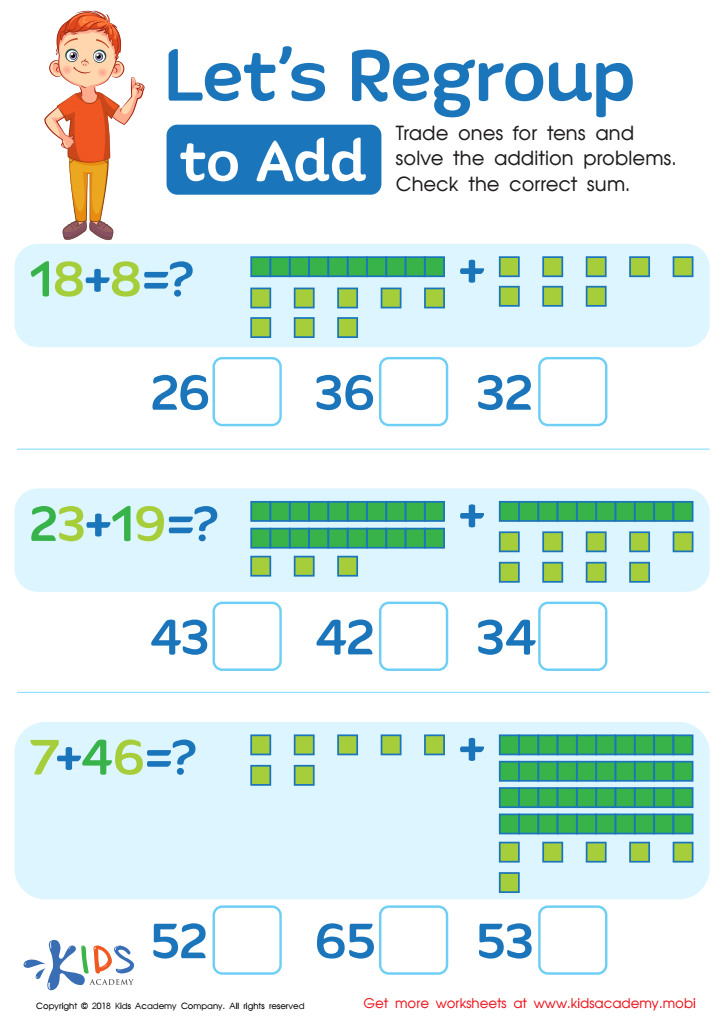
Let's Regroup to Add Worksheet
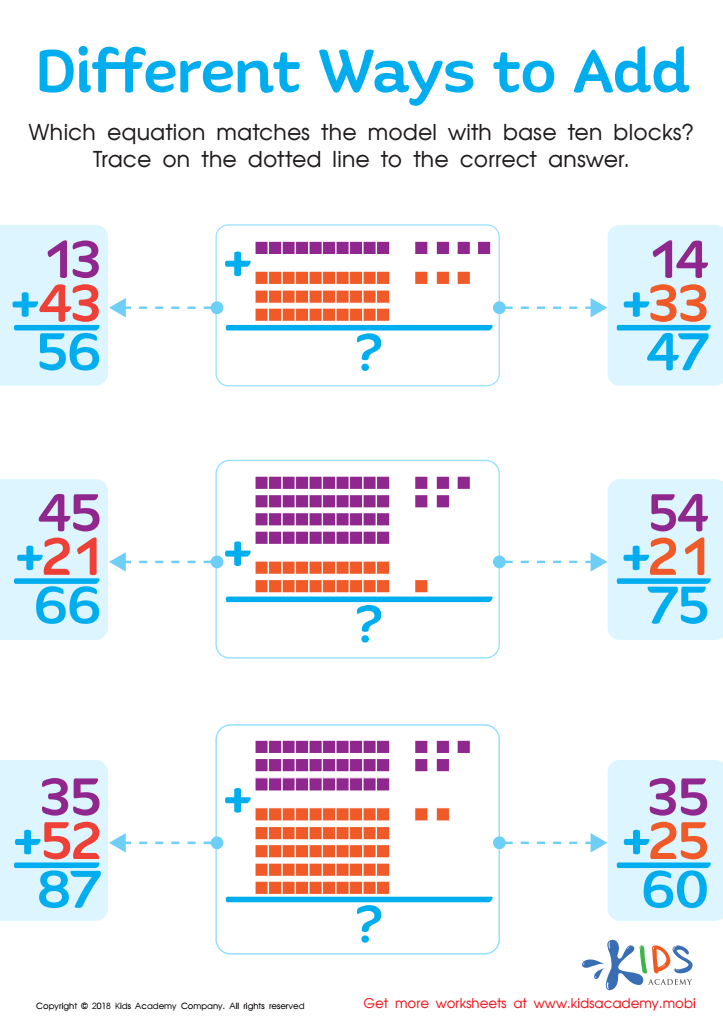
Different Ways to Add Worksheet
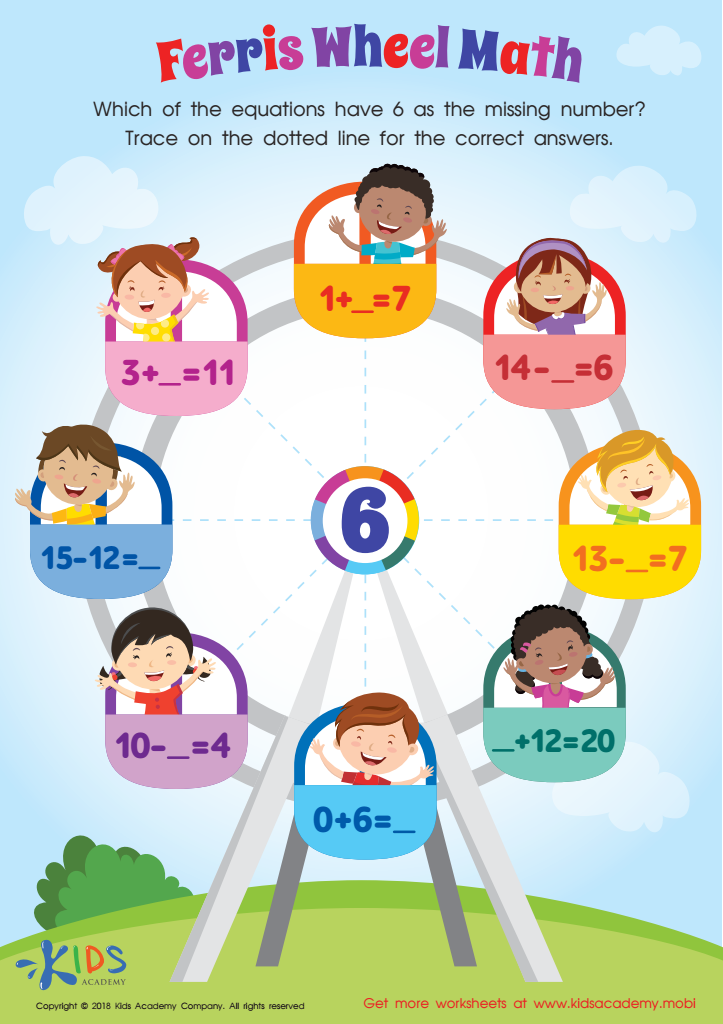
Missing Number: Ferris Wheel Math Worksheet
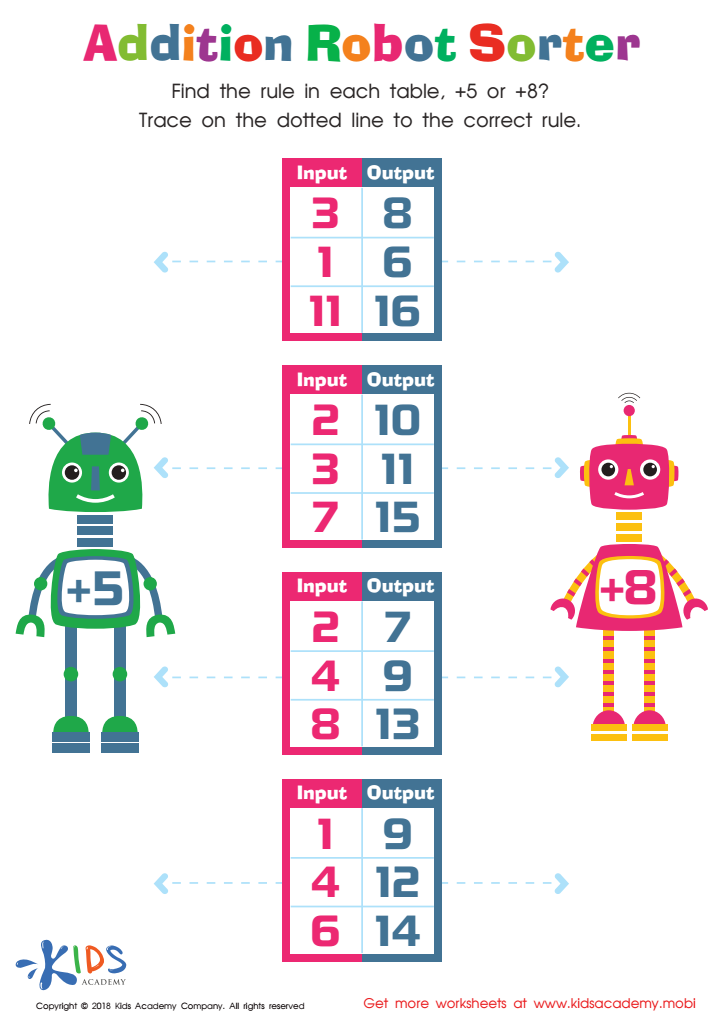
Addition Robot Sorter Worksheet
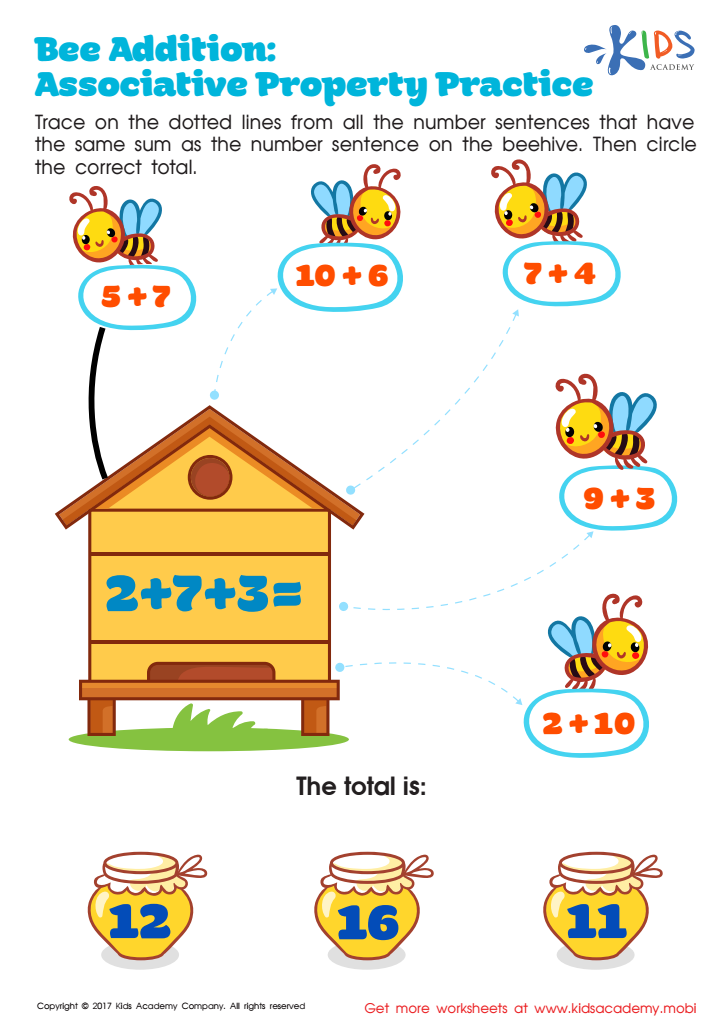
Bee Addition: Associative Property Practice Worksheet
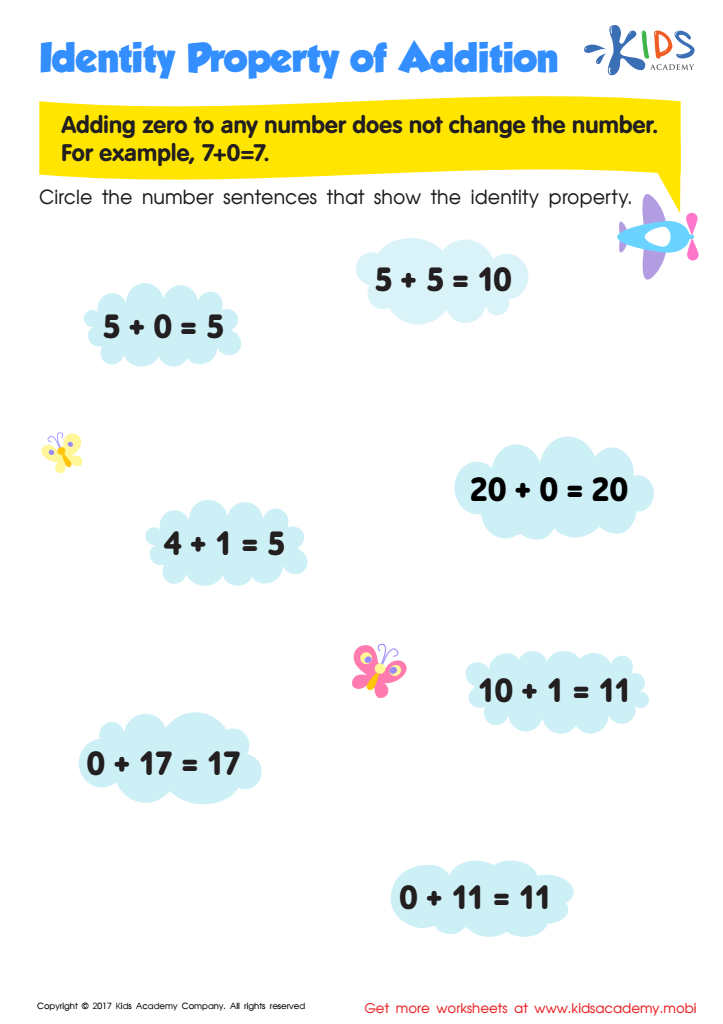
Identity Property of Addition Worksheet
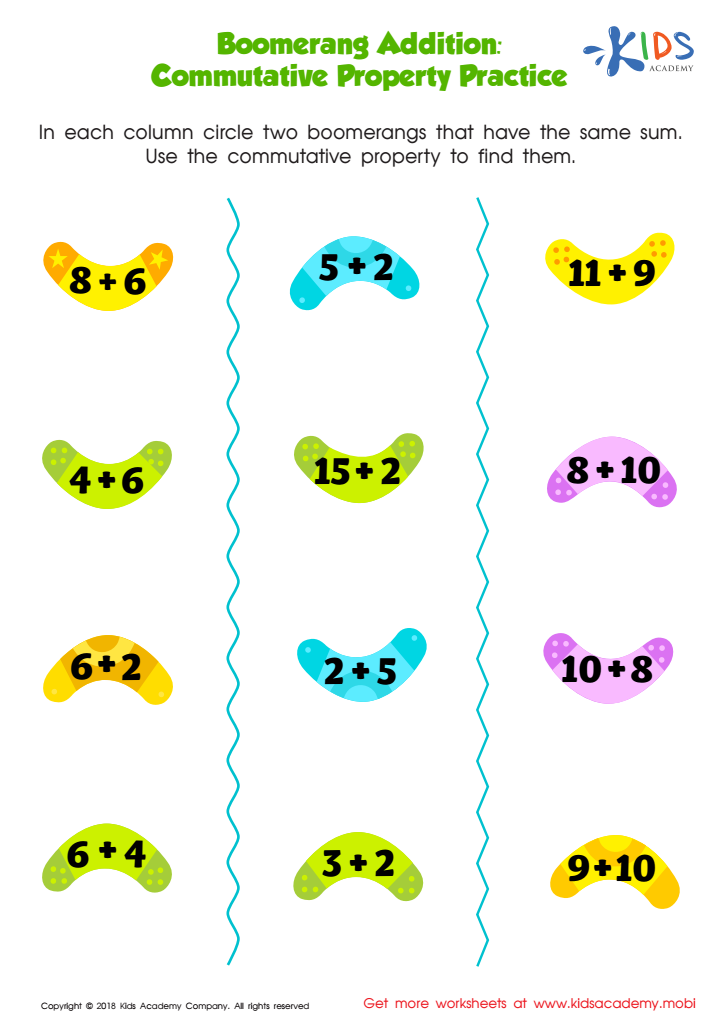
Boomerang Addition Worksheet
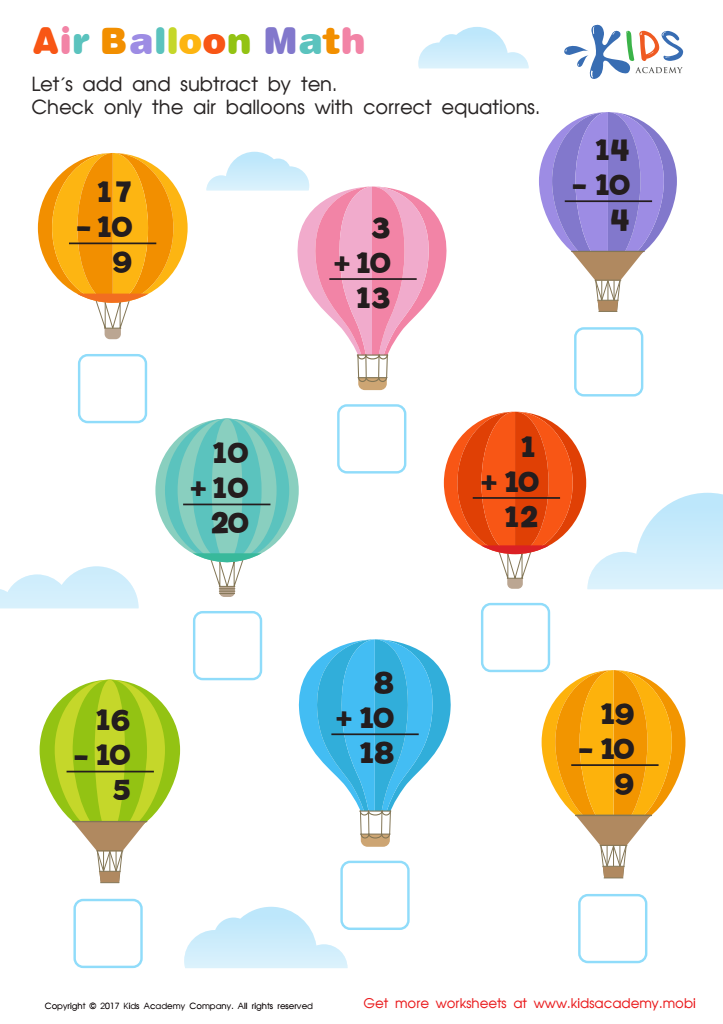
Air Balloon Math Worksheet
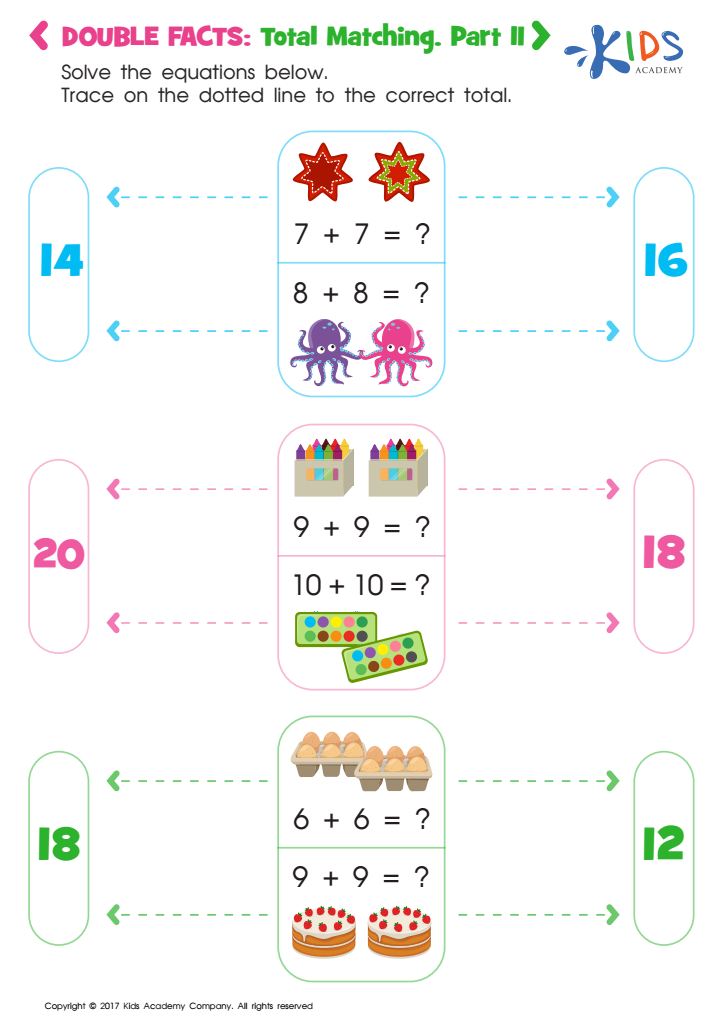
Double Facts: Total Matching 2 Worksheet
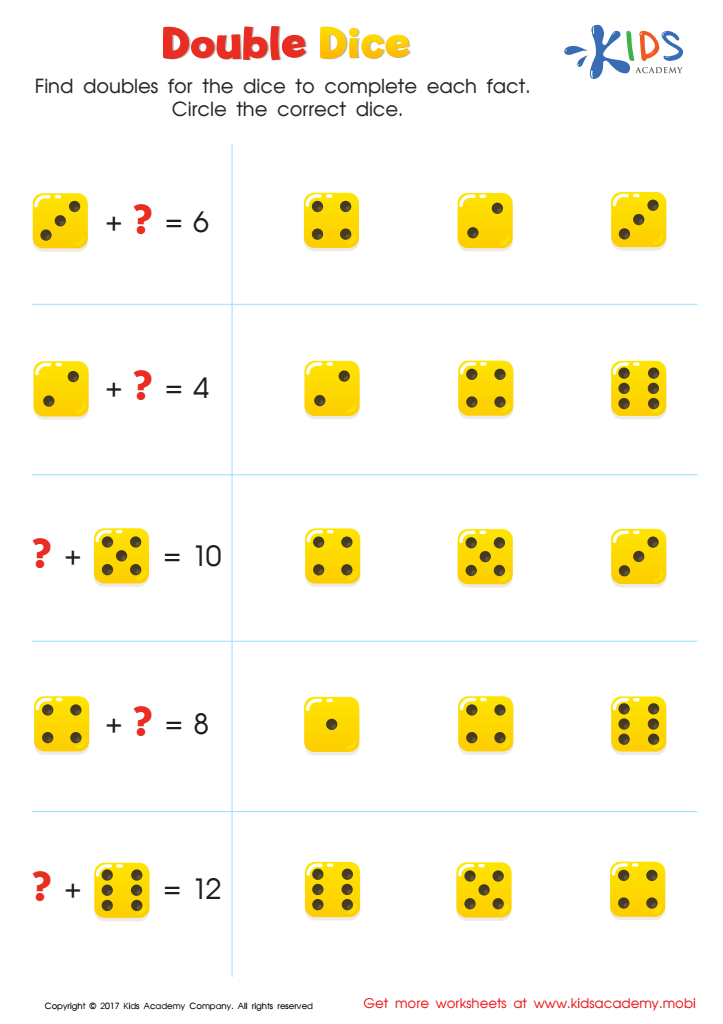
Addition Facts: Double Dice Worksheet
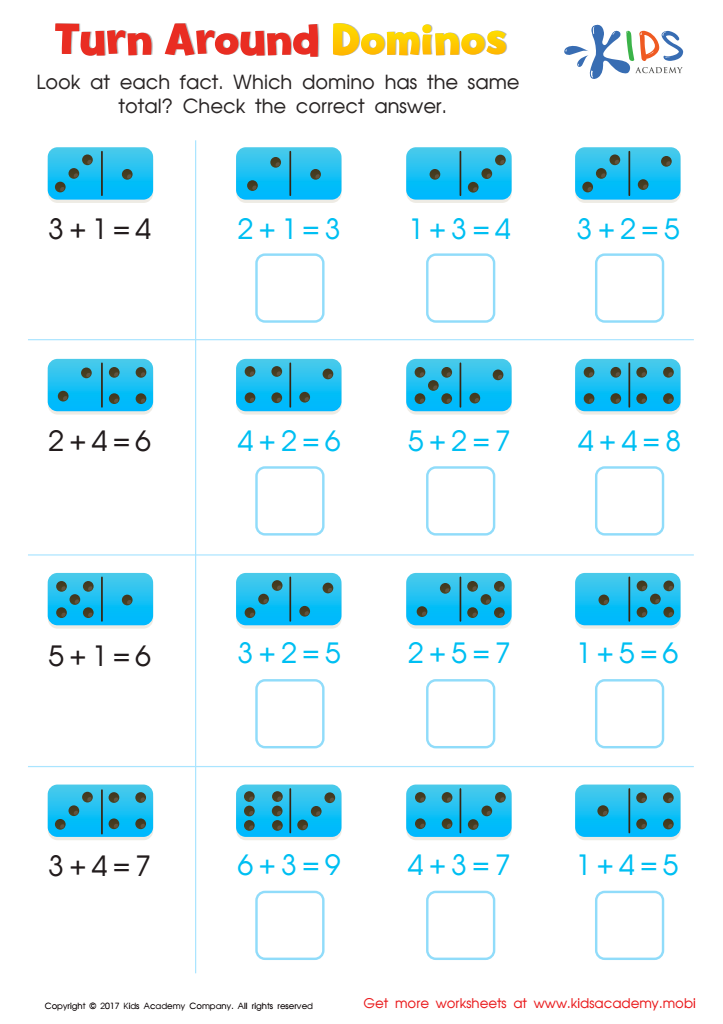
Turn Around Dominos Worksheet
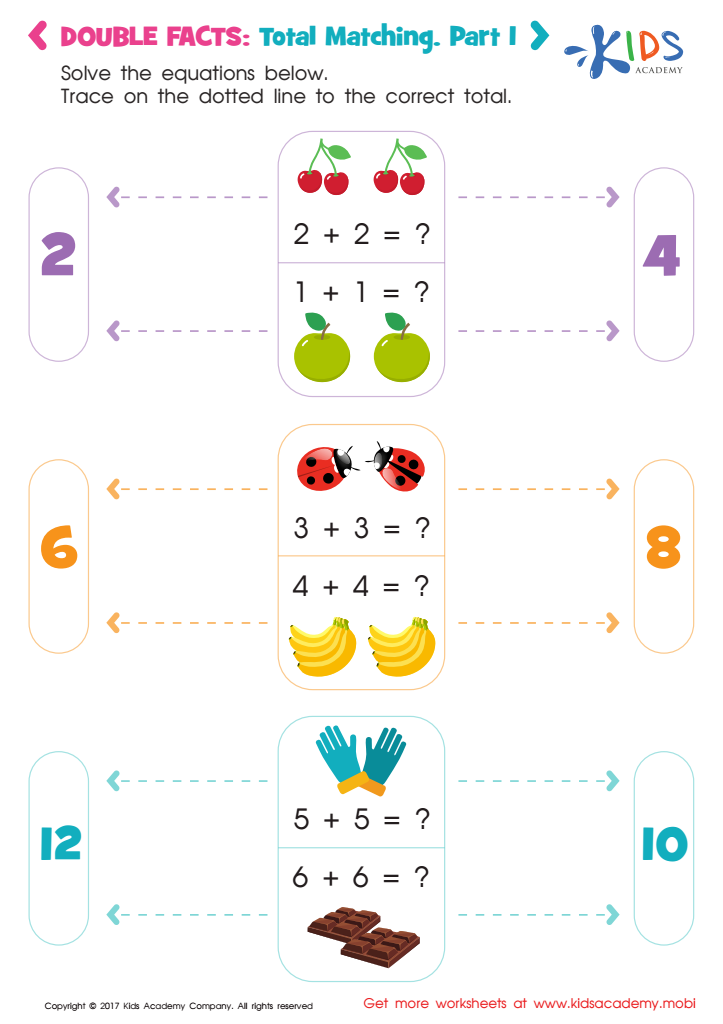
Double Facts: Total Matching Worksheet: Part 1
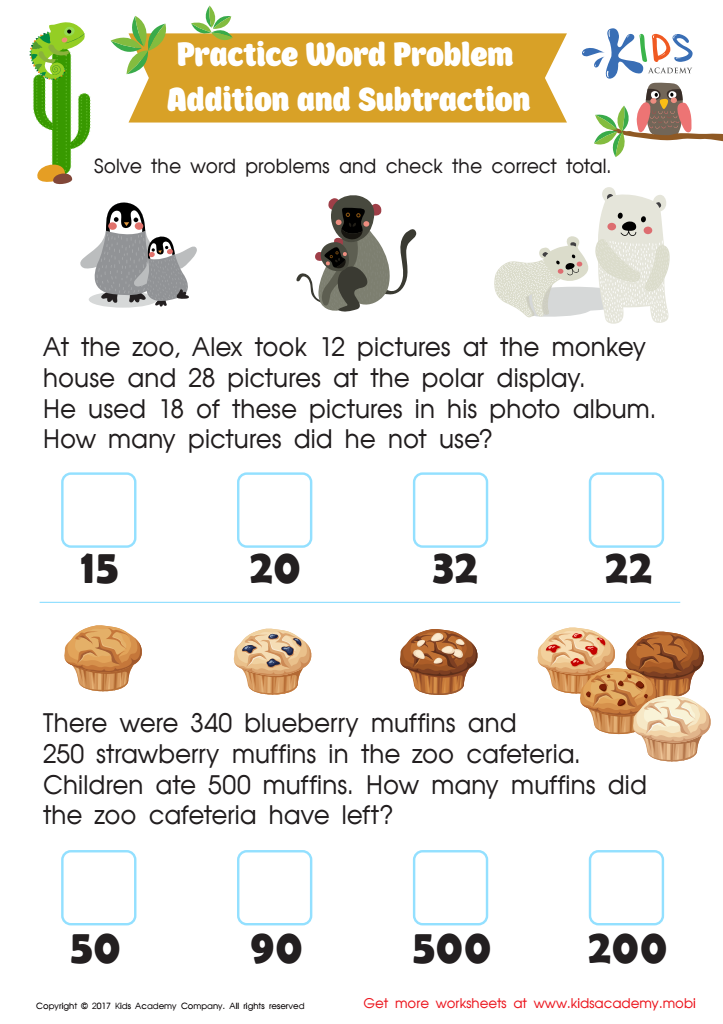
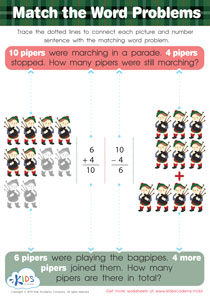
Addition and Subtraction: Word Problems Worksheet
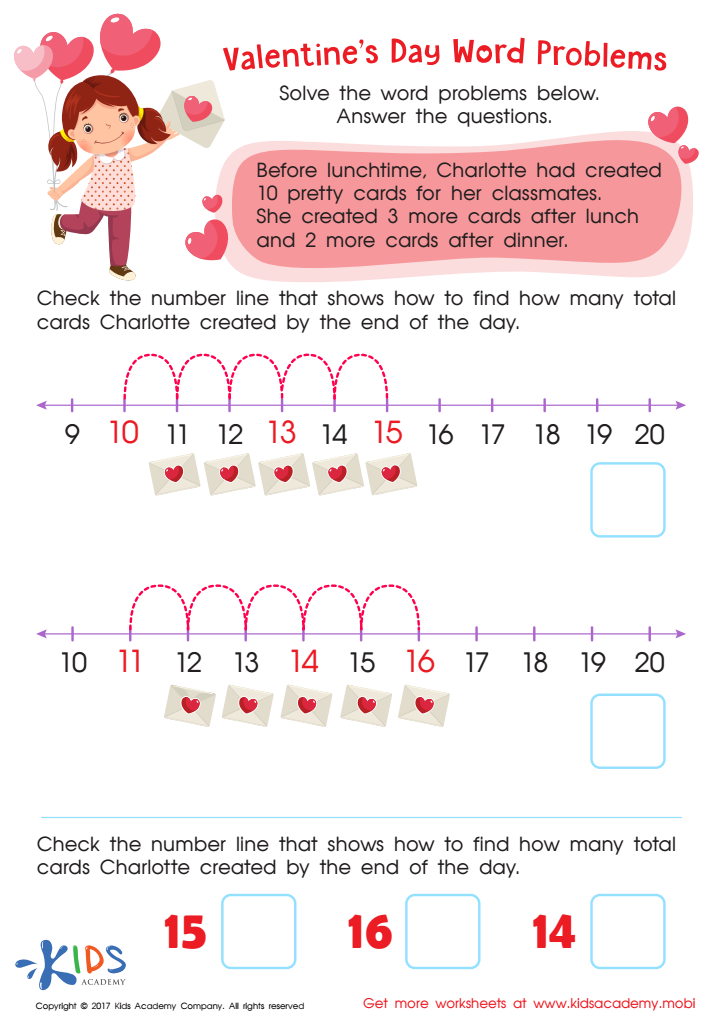
Valentines Day Word Problem Worksheet
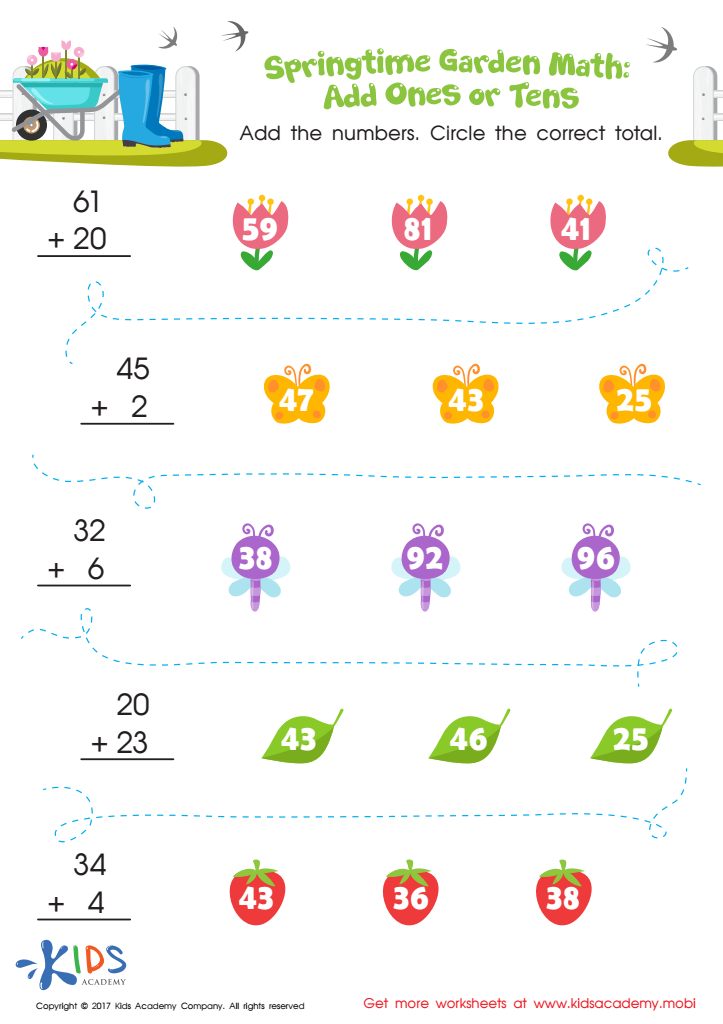
Springtime Garden Math Worksheet
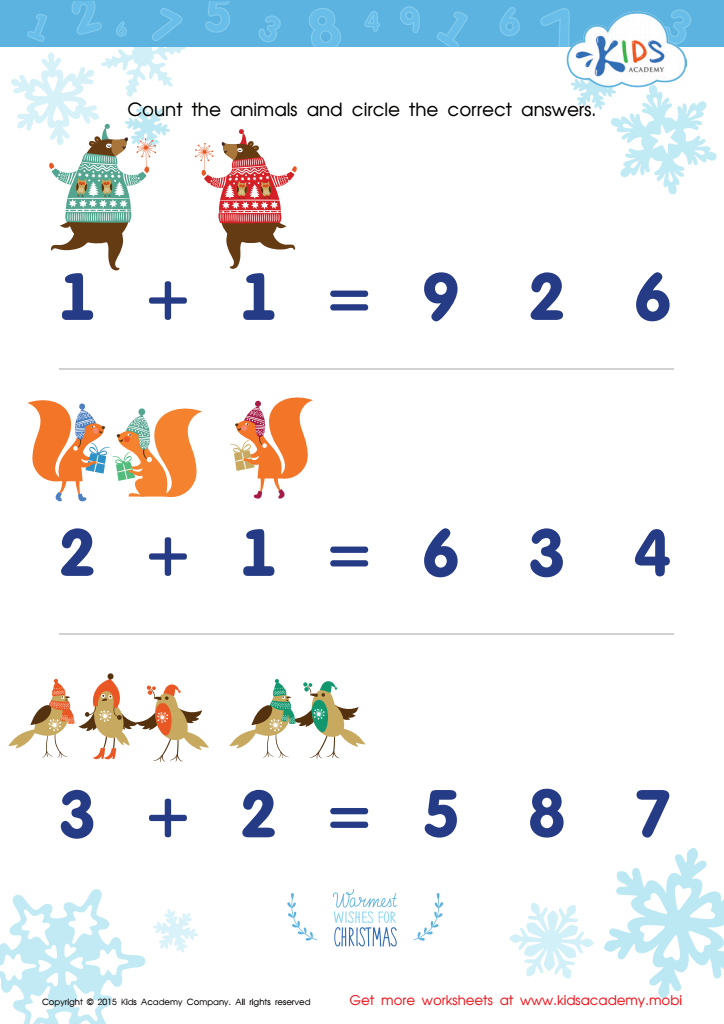
Count Funny Animals Worksheet








Normal addition for ages 3-6 is vital for several reasons. First, introducing basic math skills early fosters a strong numerical foundation. Learning simple addition helps children understand how numbers work together, which is essential for more advanced math concepts they'll encounter in higher grades.
Second, it enhances cognitive development. Math exercises boost logical thinking, problem-solving abilities, and memory. These skills are not only crucial in academics but also in daily living. Knowing basic addition helps kids in tasks like sharing toys or snacks equally.
Third, early math education improves confidence. When children grasp concepts like addition at a young age, they gain a sense of accomplishment. This builds their self-esteem and eagerness to learn, making future learning experiences more positive.
Additionally, involving parents or teachers in the learning process strengthens bonds. Simple activities, like counting objects around the house or playing number games, turn learning into a fun, collaborative experience that can deepen relationships.
Lastly, proficiency in early math skills often correlates with stronger academic performance later on. The skills acquired in early childhood set the stage for success in school, preparing children for future challenges in both education and life. Thus, caring about normal addition is a crucial investment in a child’s overall growth and development.