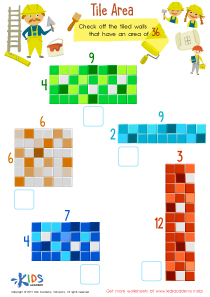
Normal Numbers Worksheets for Ages 3-6 - Page 7
154 filtered results
-
From - To
 Assign to My Students
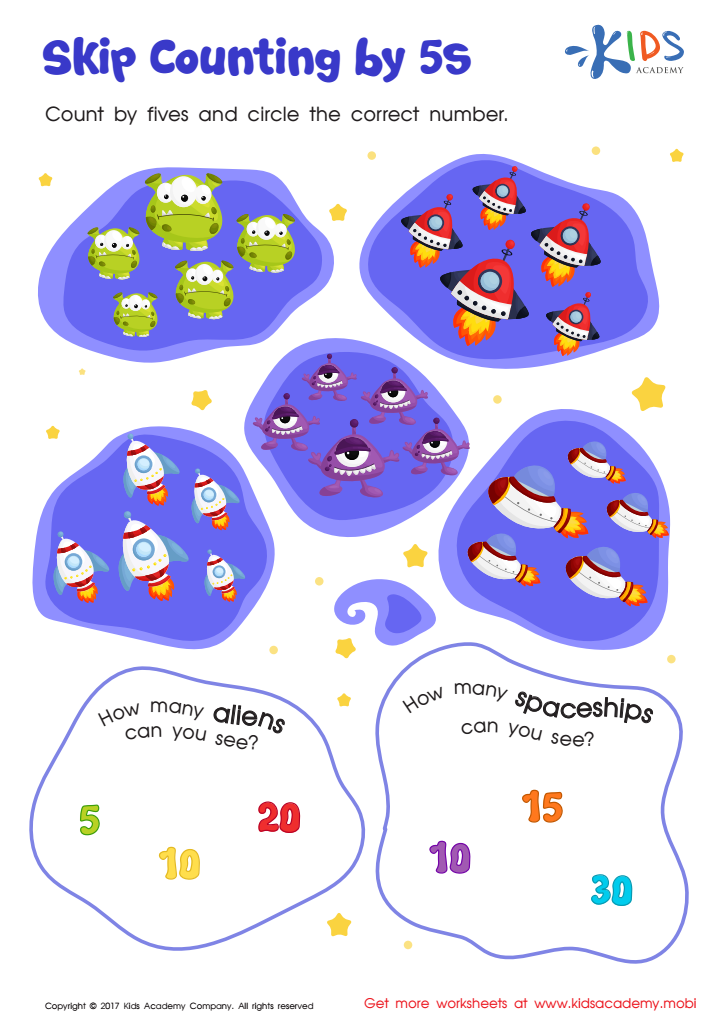
Skip Counting by 5s: Aliens and Spaceships Printable
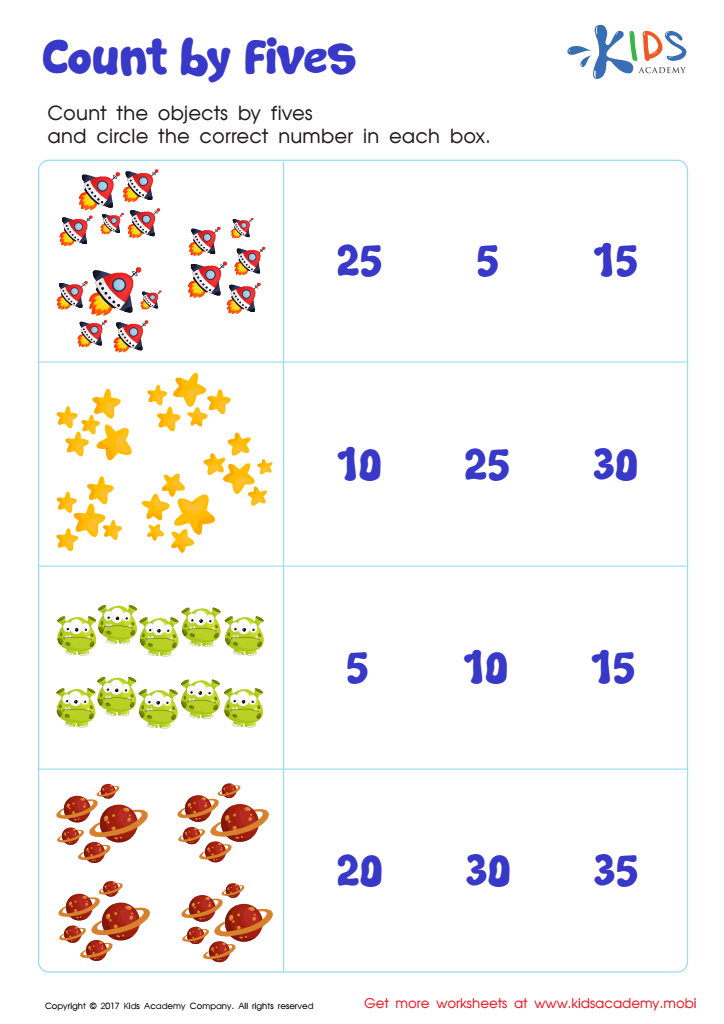
Skip Counting by 5s: Space Math Printable
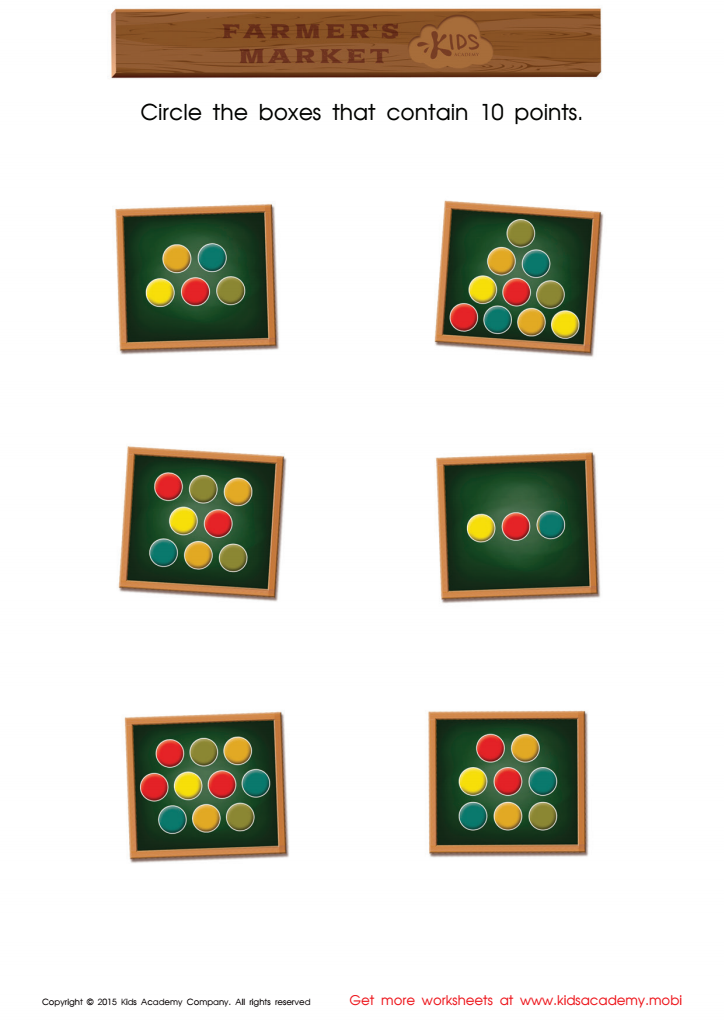
Count and Match Points 10 Math Worksheet
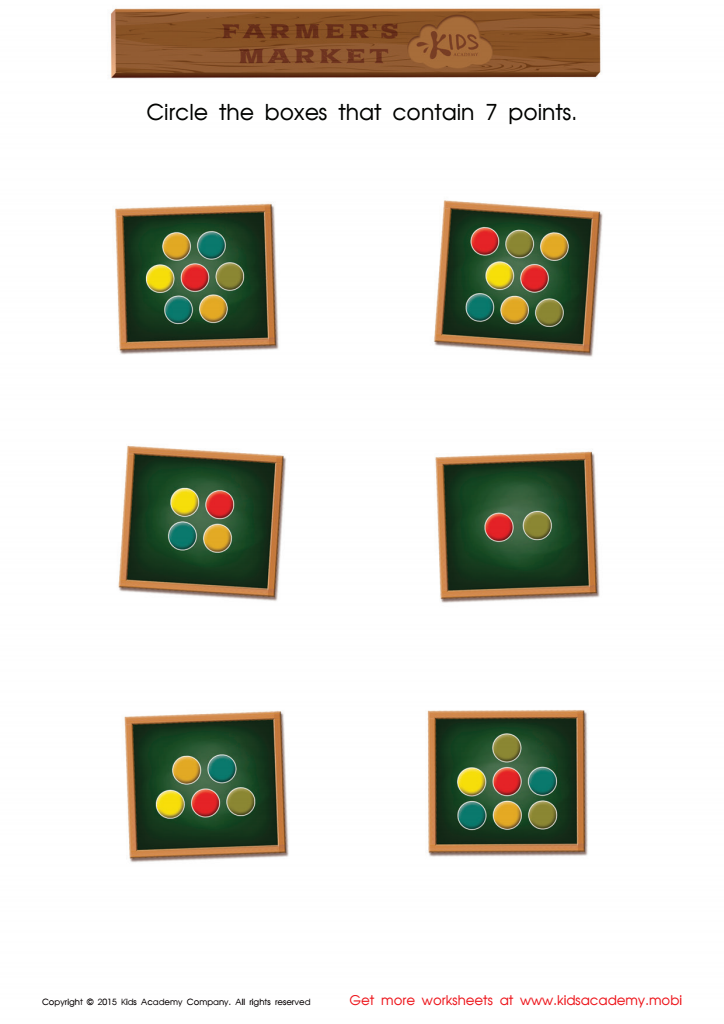
Count and Match Points 7 Math Worksheet
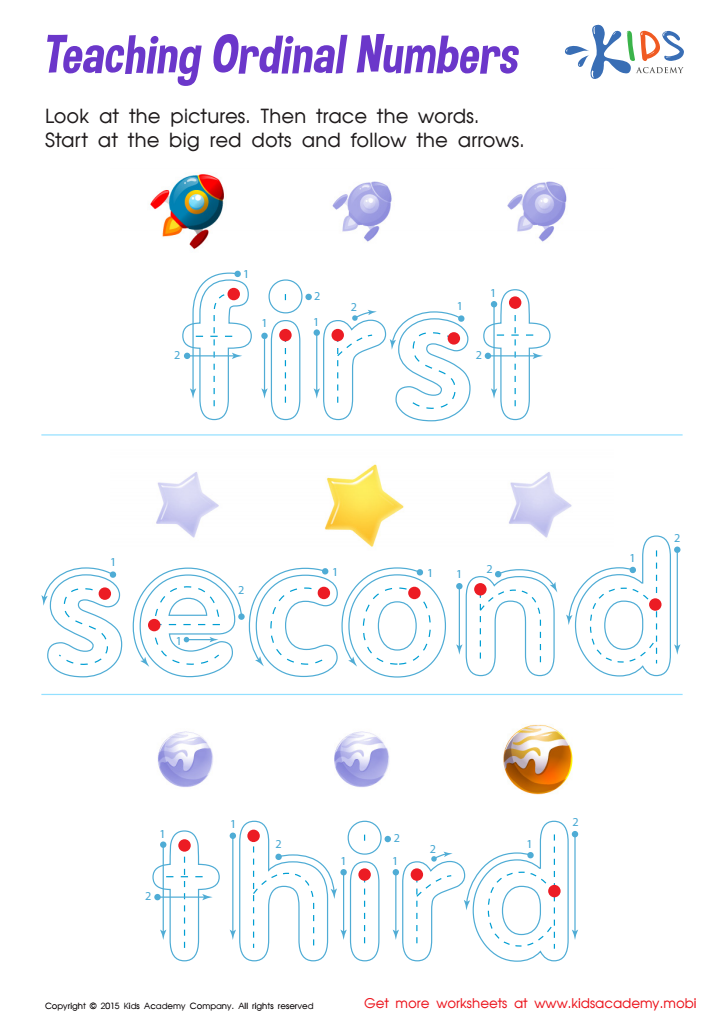
Ordinal Numbers: Teaching Ordinal Numbers Printable
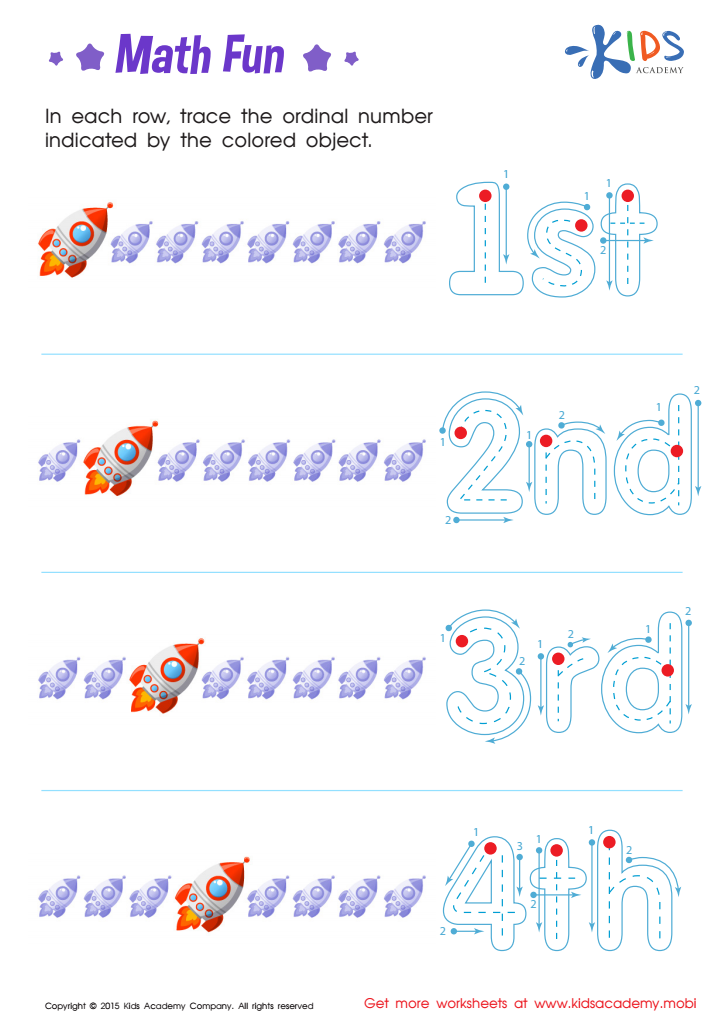
Ordinal Numbers: Math Fun Worksheet
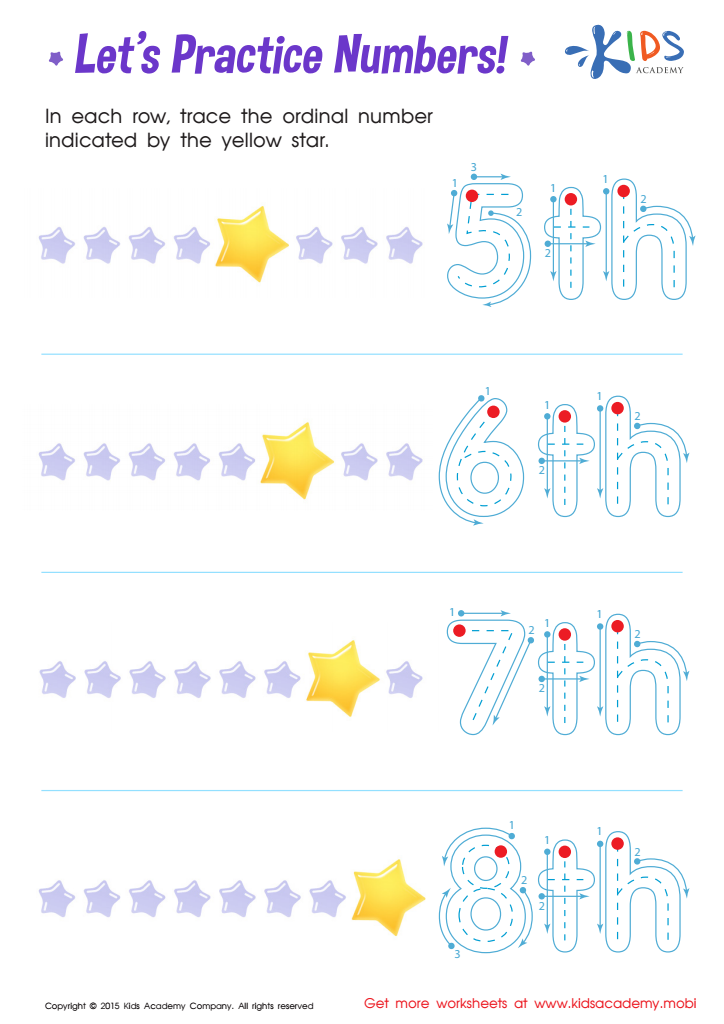
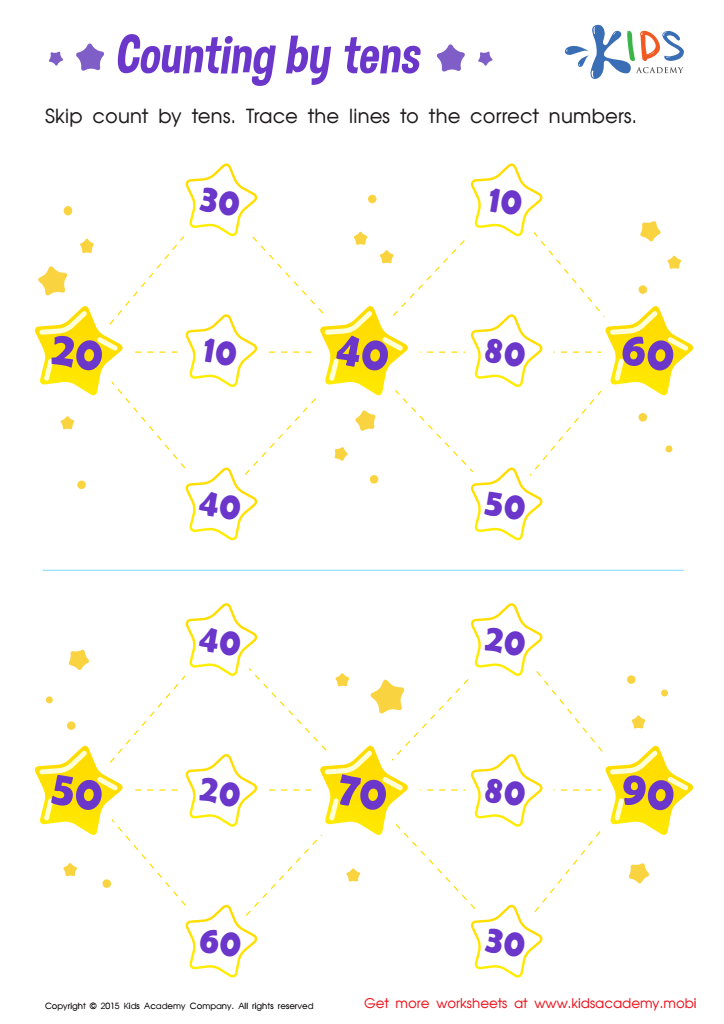
Learn Dozens: Counting by Tens Printable
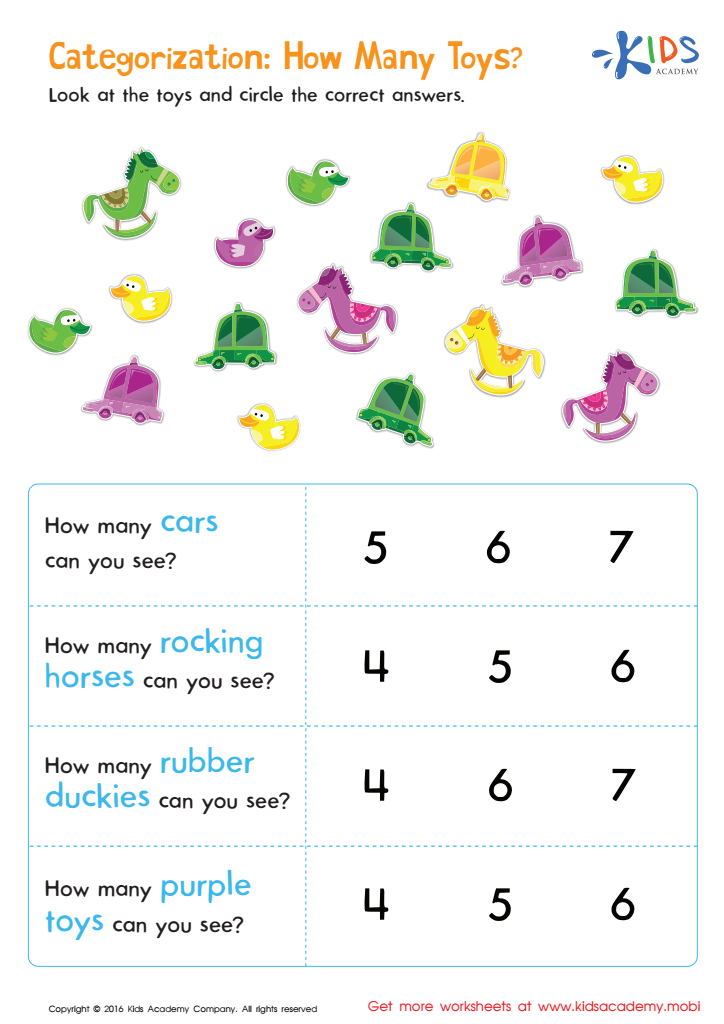
Classifying Toys by Type and Color Sorting Worksheet


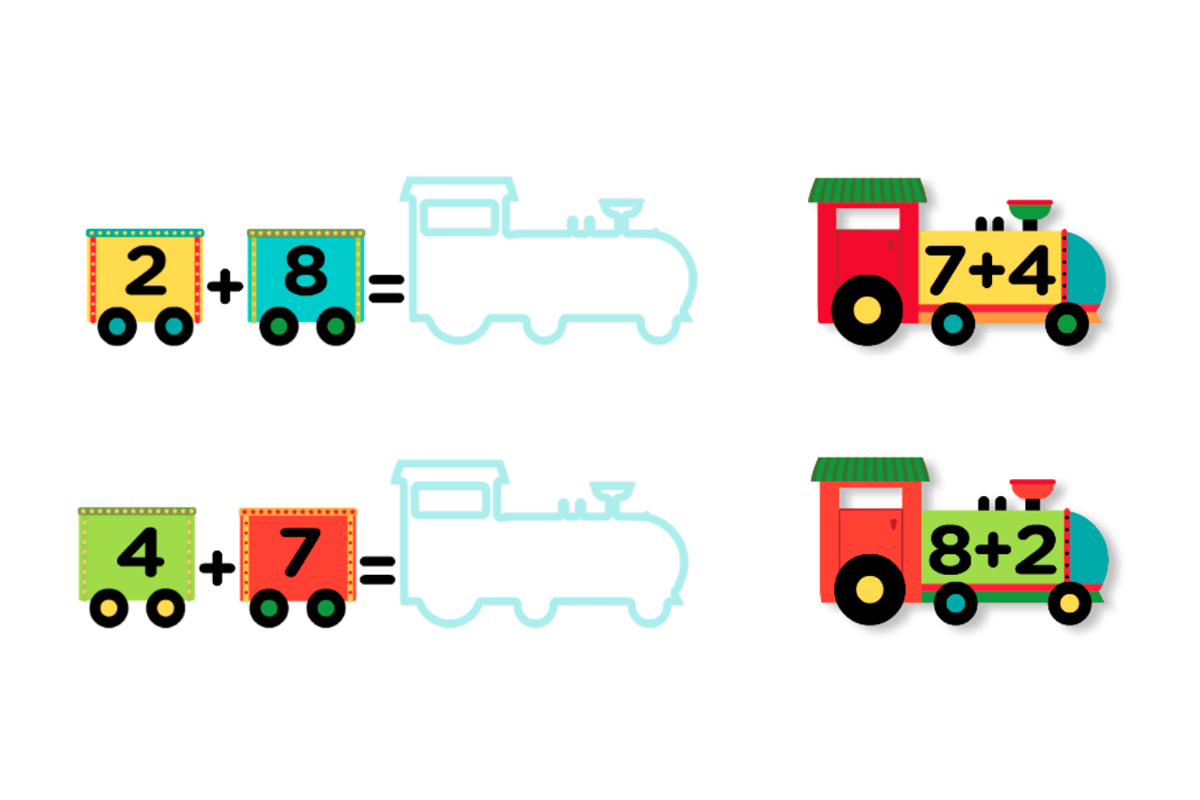





Normal numbers refer to a type of number that has a uniform distribution of digits in their decimal (or other) expansions, meaning each digit from 0 to 9 appears with equal frequency. Introducing the concept of normal numbers to children aged 3-6 may seem advanced, but there are significant benefits for both parents and teachers.
Firstly, familiarizing young children with numbers can enhance their early numeracy skills, laying a foundation for more complex mathematical concepts. Engaging with numbers at a young age encourages curiosity and logical thinking. For instance, rather than merely recognizing numbers, children can learn about patterns, sequencing, and the significance of even distribution, which cultivates a deeper understanding of mathematics as they grow.
Moreover, exploring concepts like normal numbers can promote abstract thinking and problem-solving skills. It can also foster a love for mathematics by presenting numbers in a fun and intriguing light.
Parents and educators should prioritize mathematical concepts and literacy because they play a critical role in cognitive development and academic success. Normal numbers can serve as a captivating entry point for young learners, making math both accessible and enjoyable, ensuring they are well-prepared for future learning endeavors.