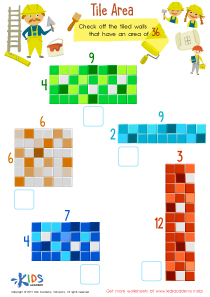
Normal Numbers Worksheets for Ages 3-8 - Page 3
237 filtered results
-
From - To
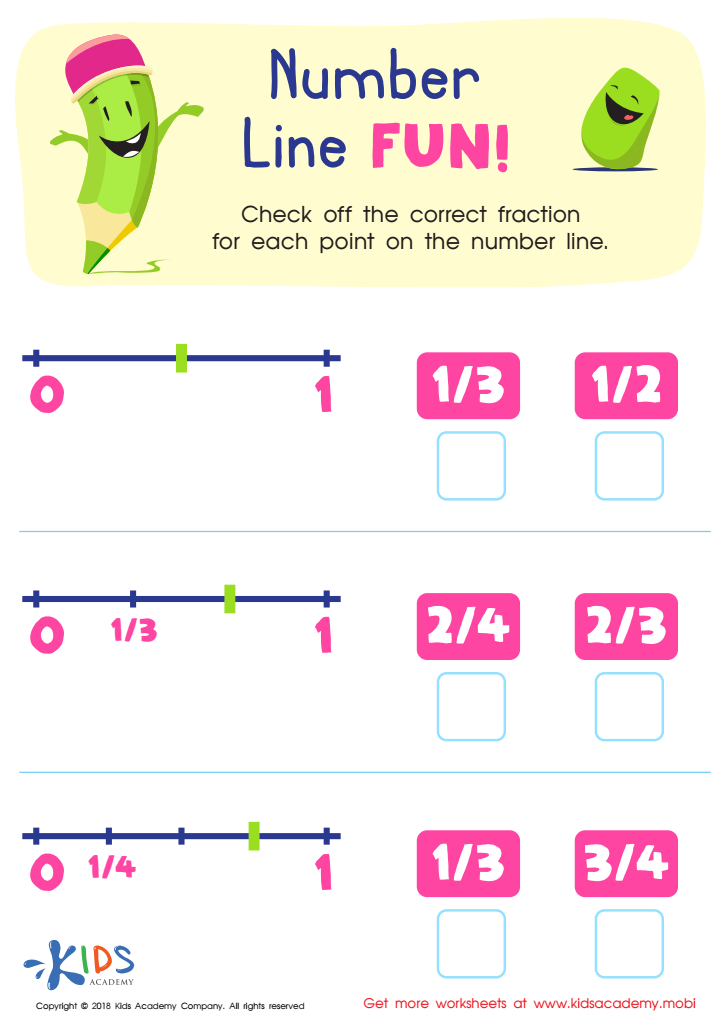
Number Line Fun Worksheet
 Assign to My Students
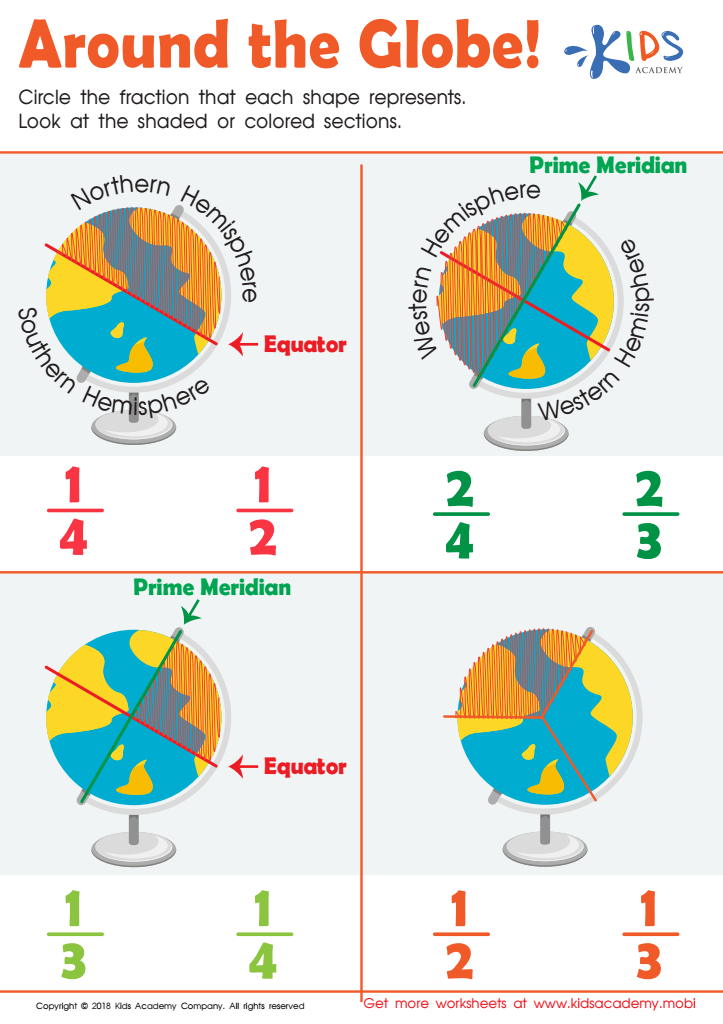
Around the Globe Worksheet
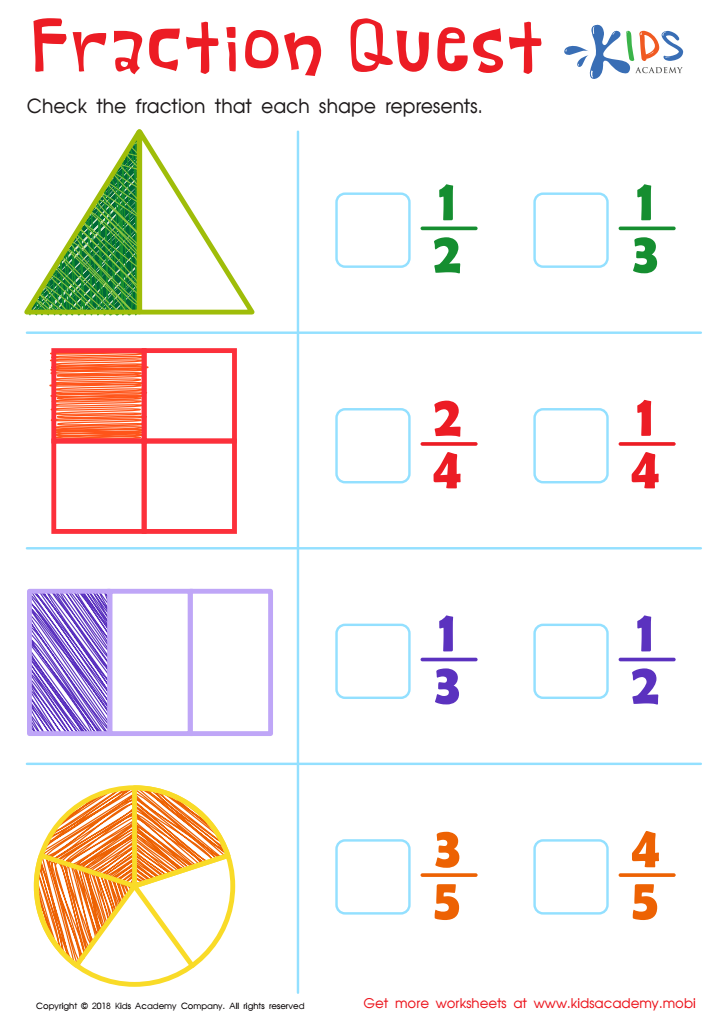
Fraction Quest Worksheet
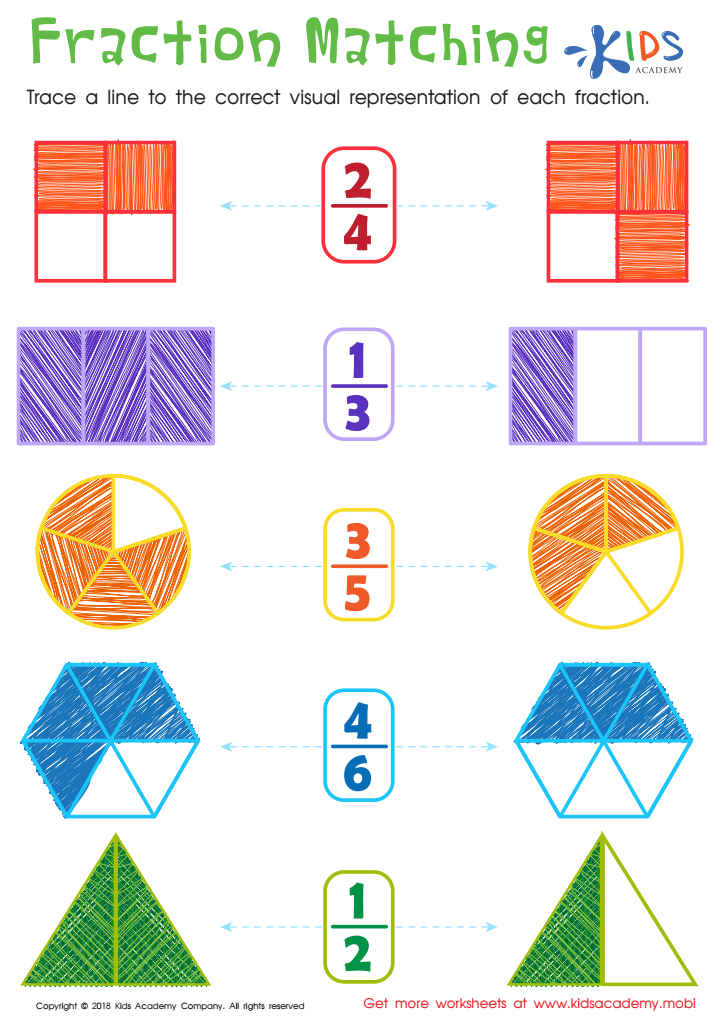
Fraction Matching Worksheet
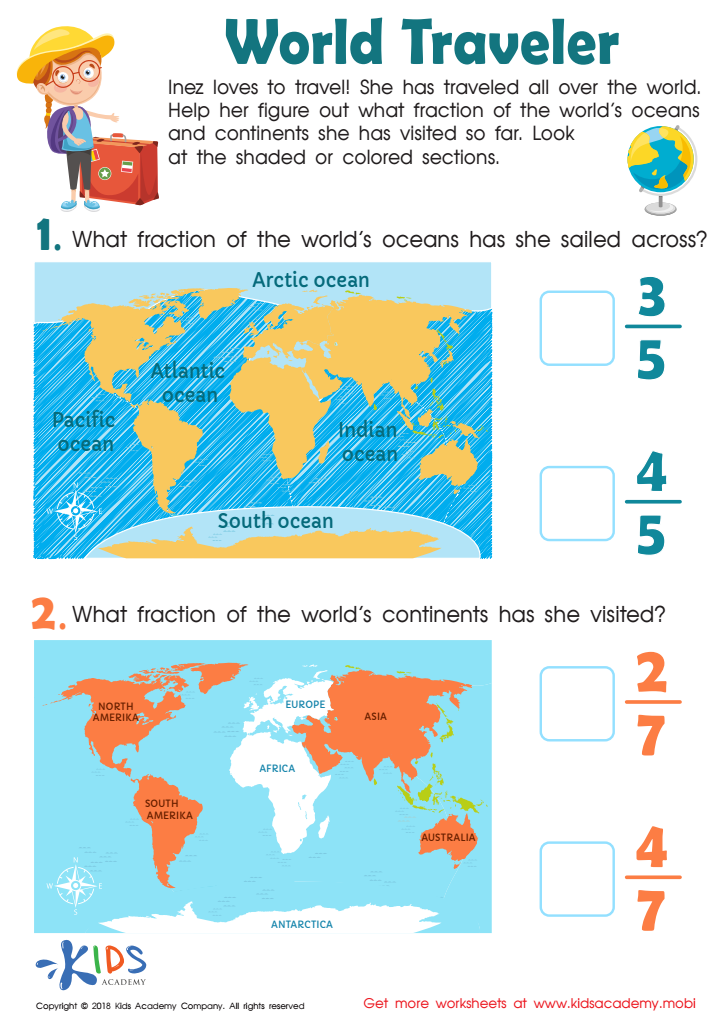
World Traveler Worksheet
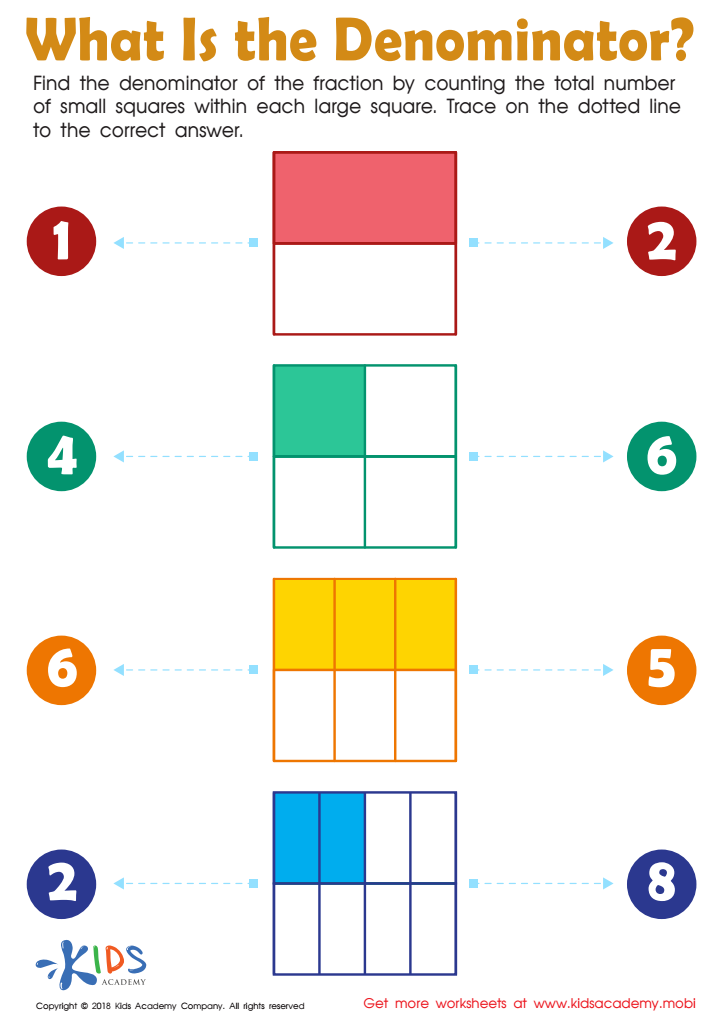
What Is the Denominator? Worksheet
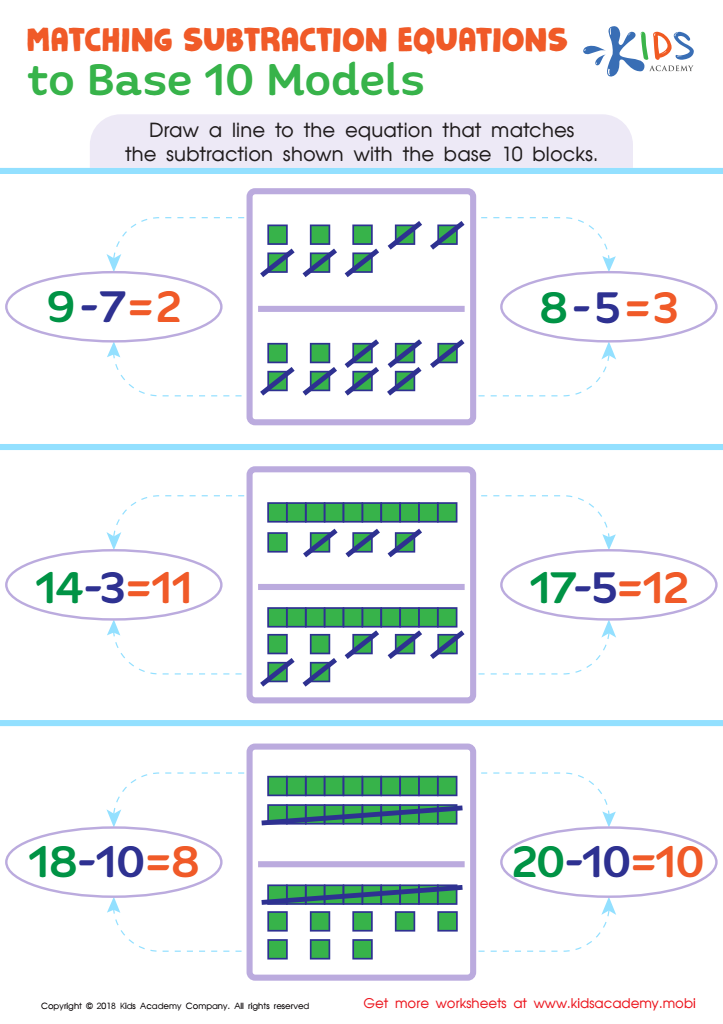
Matching Subtraction Equations To Base 10 Models Worksheet
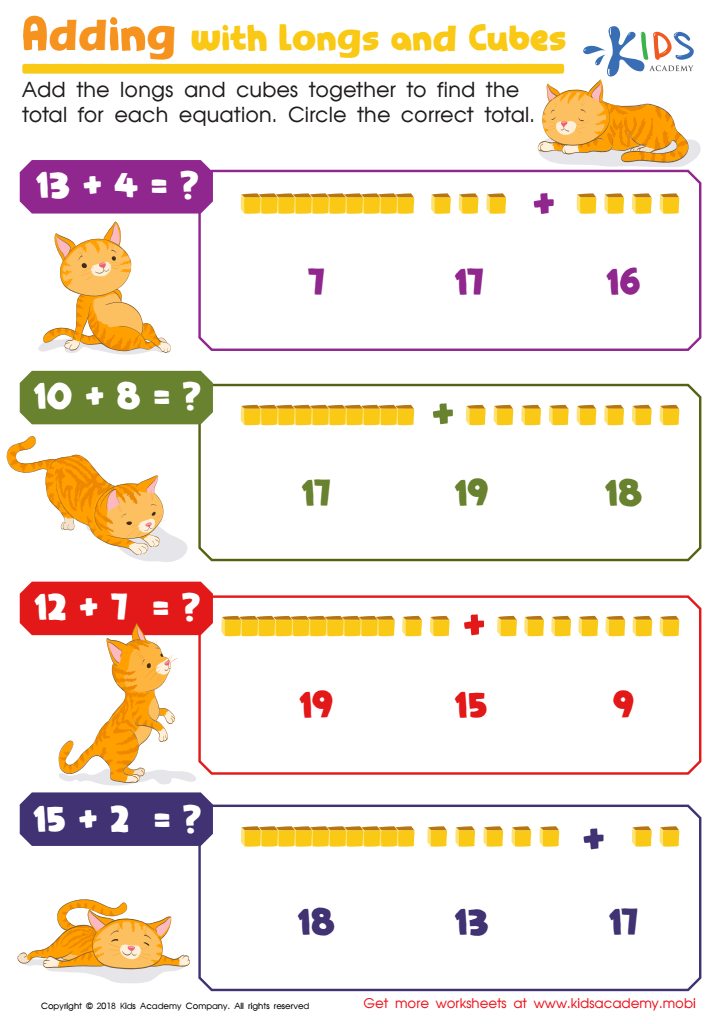
Adding With Longs and Cubes Worksheet
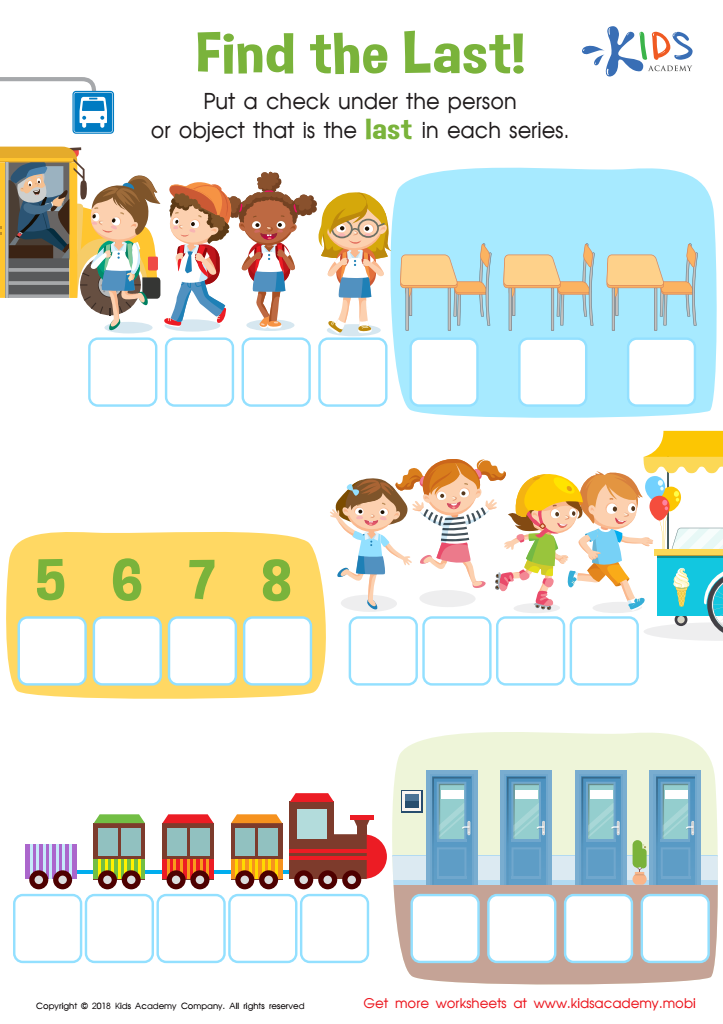
Find the Last! Worksheet
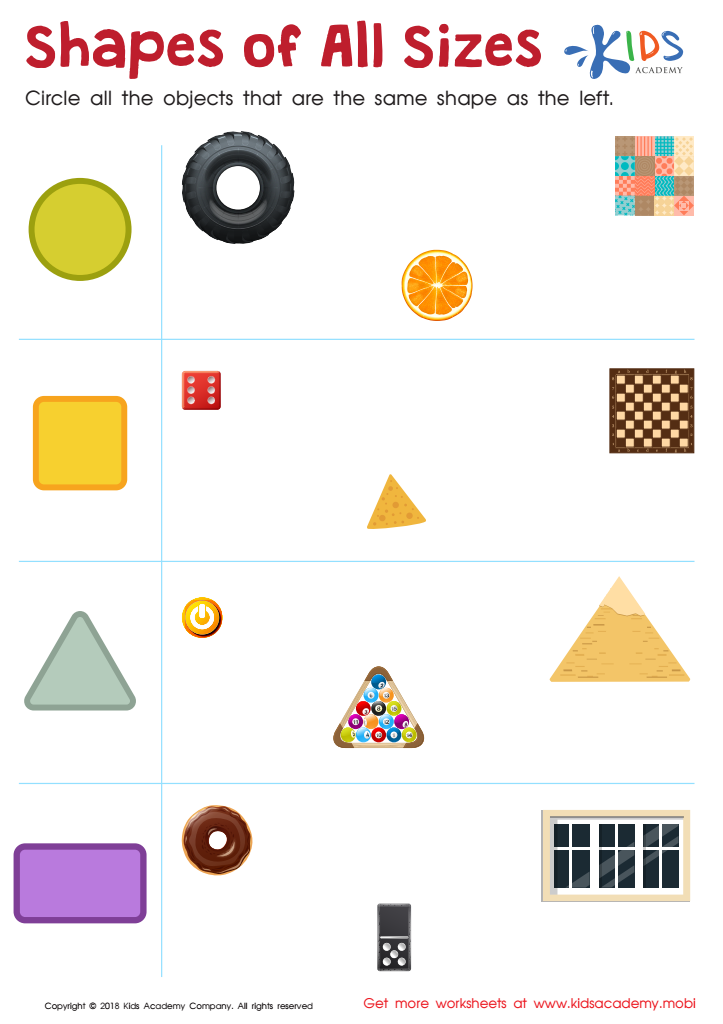
Shapes of All Sizes Worksheet
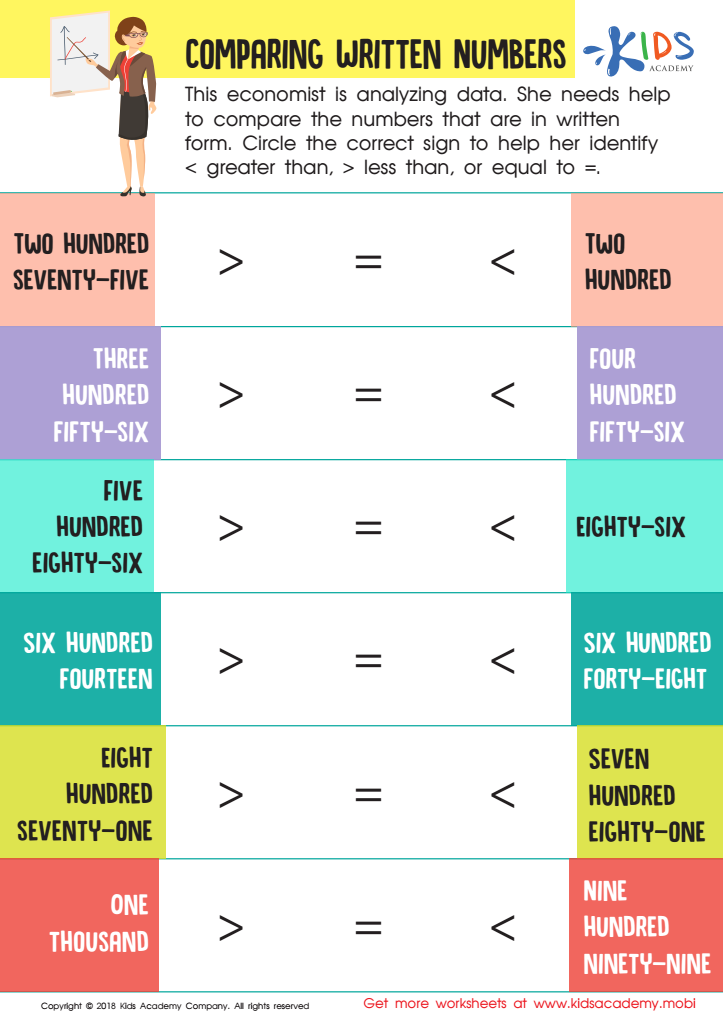
Comparing Written Numbers Worksheet
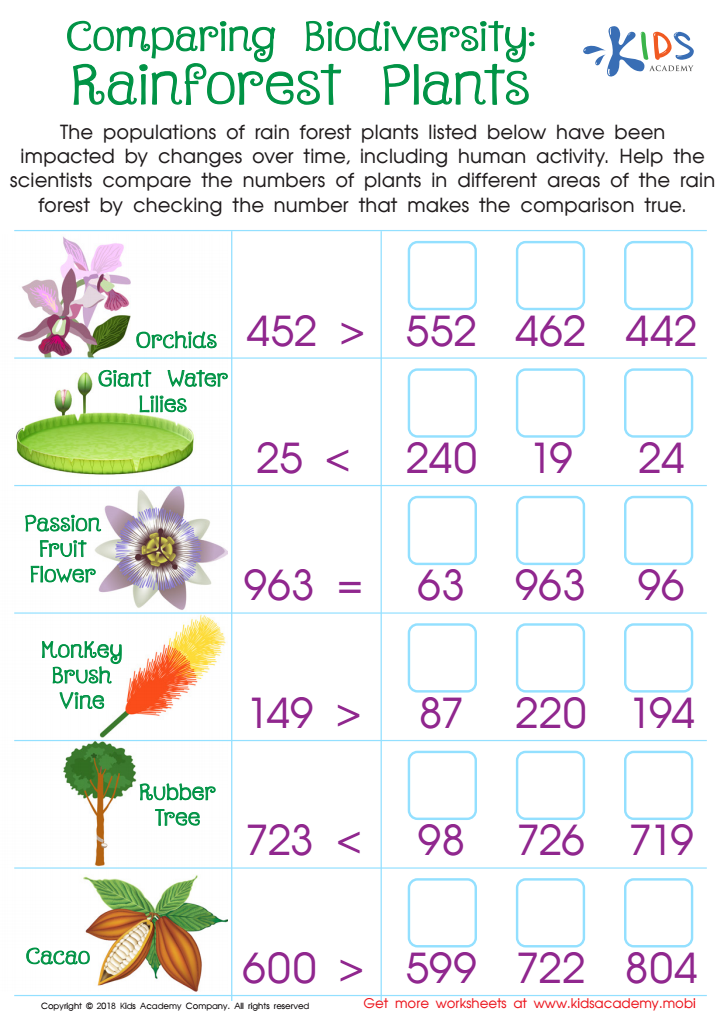
Comparing Biodiversity: Rainforest Plants Worksheet
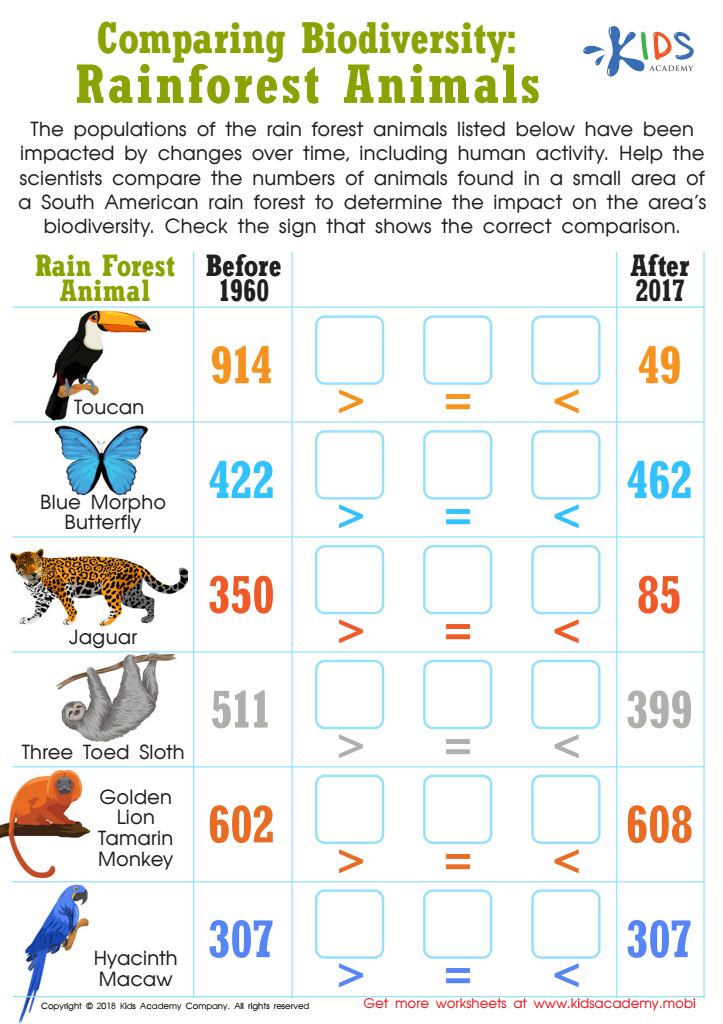
Comparing Biodiversity: Rainforest Animals Worksheet
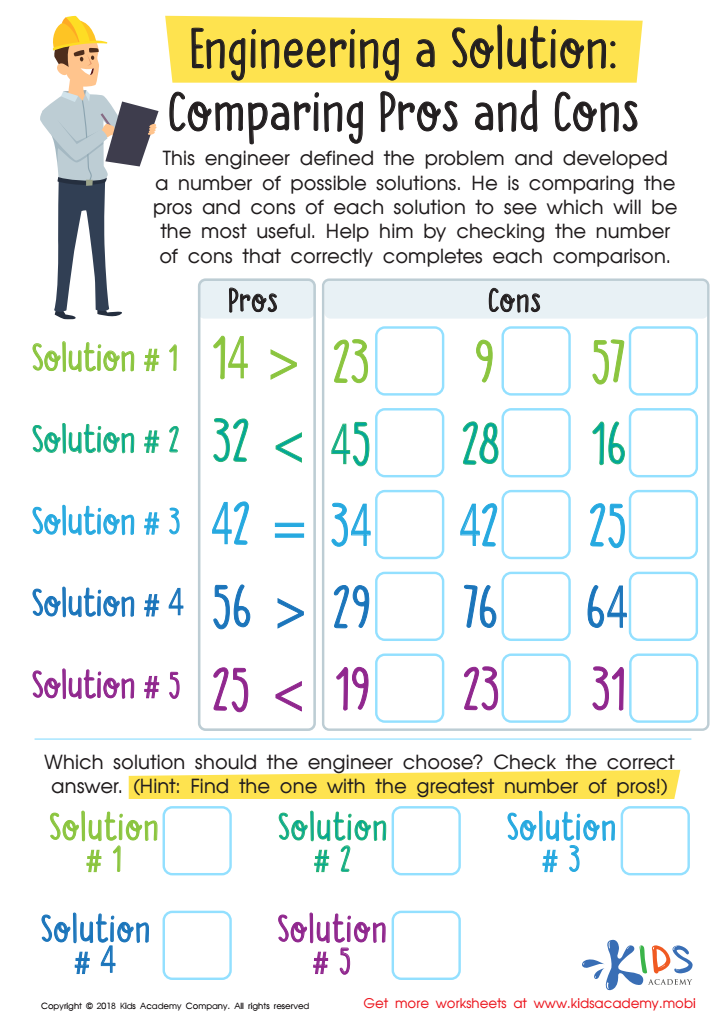
Engineering a Solution: Comparing Pros and Cons Worksheet
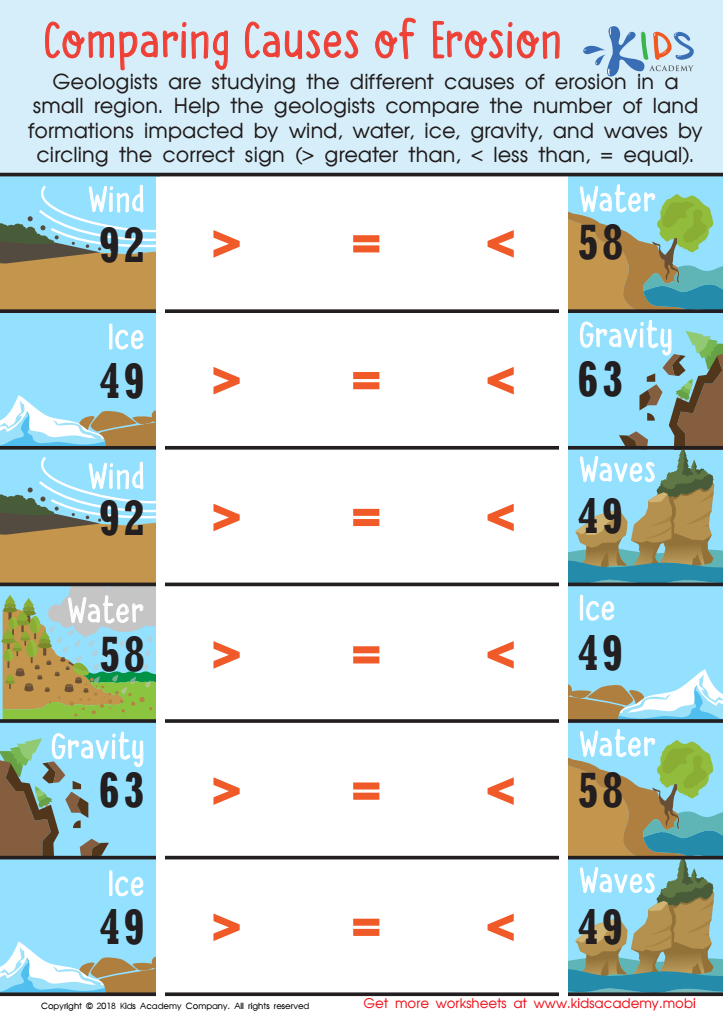
Comparing Causes of Erosion Worksheet
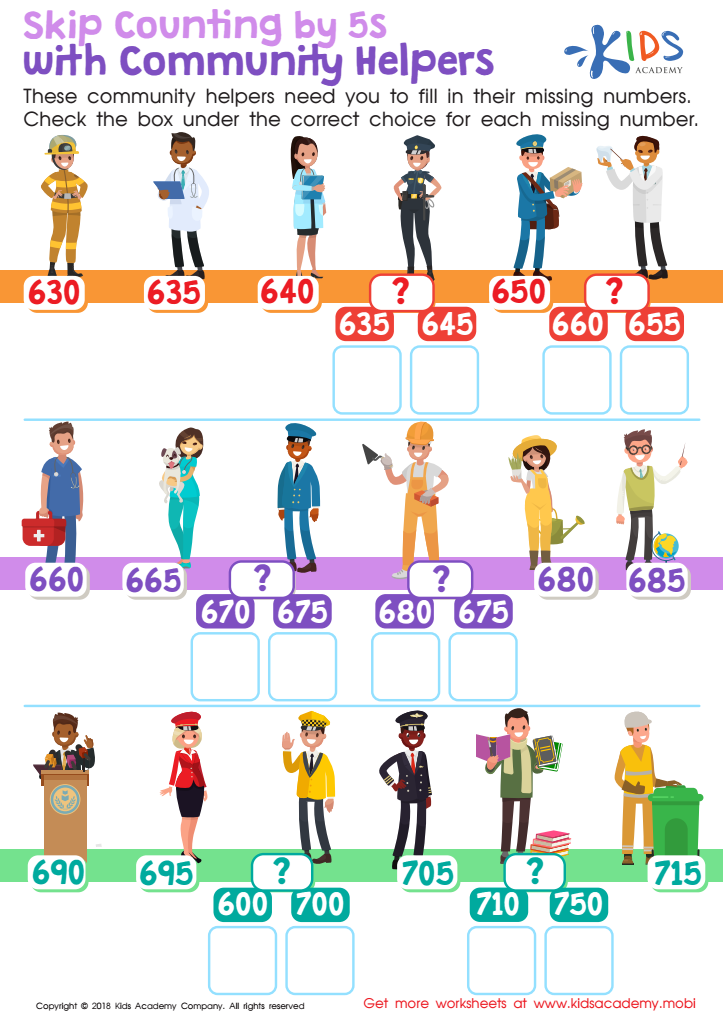
Skip Counting by 5s With Community Helpers Worksheet
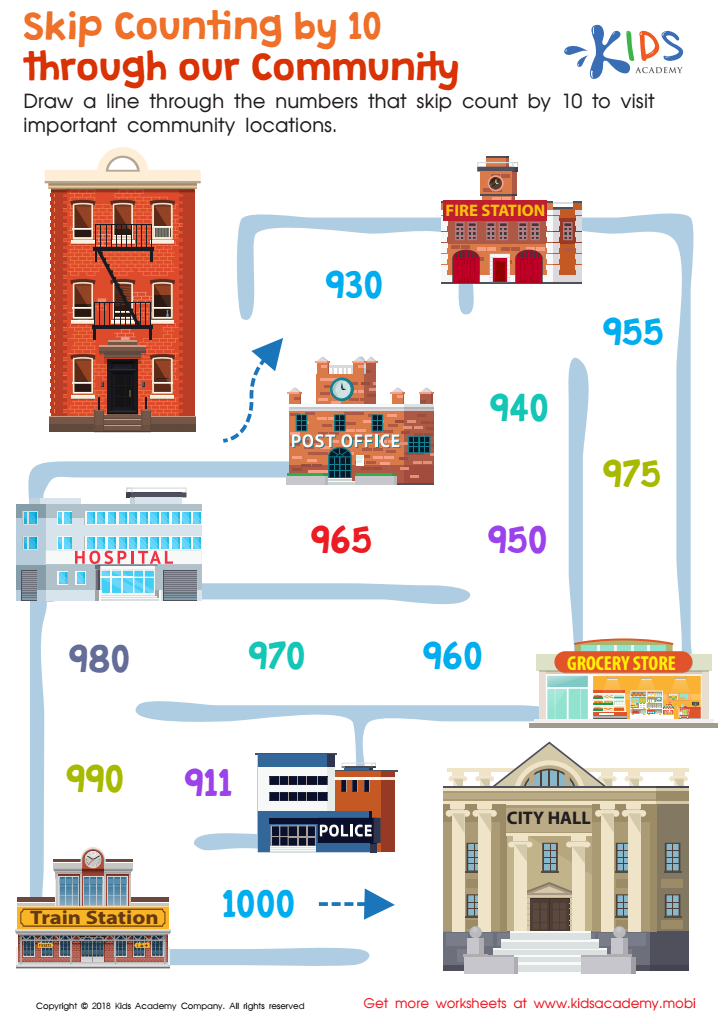
Skip Counting by 10 Through Our Community Worksheet
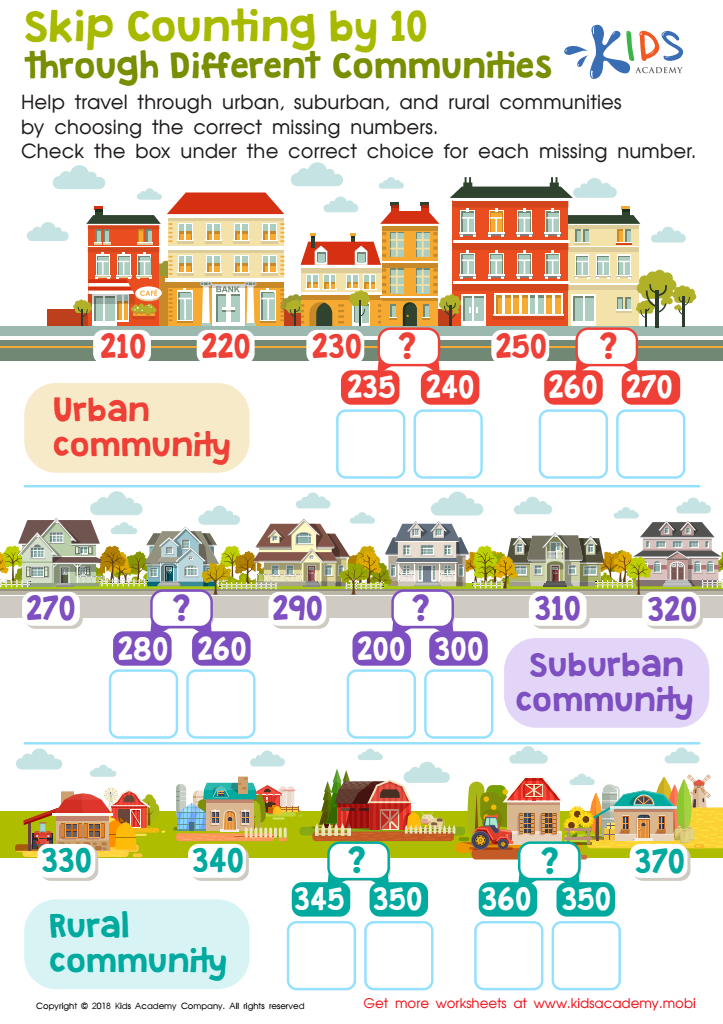
Skip Counting by 10 through Different Communities Worksheet
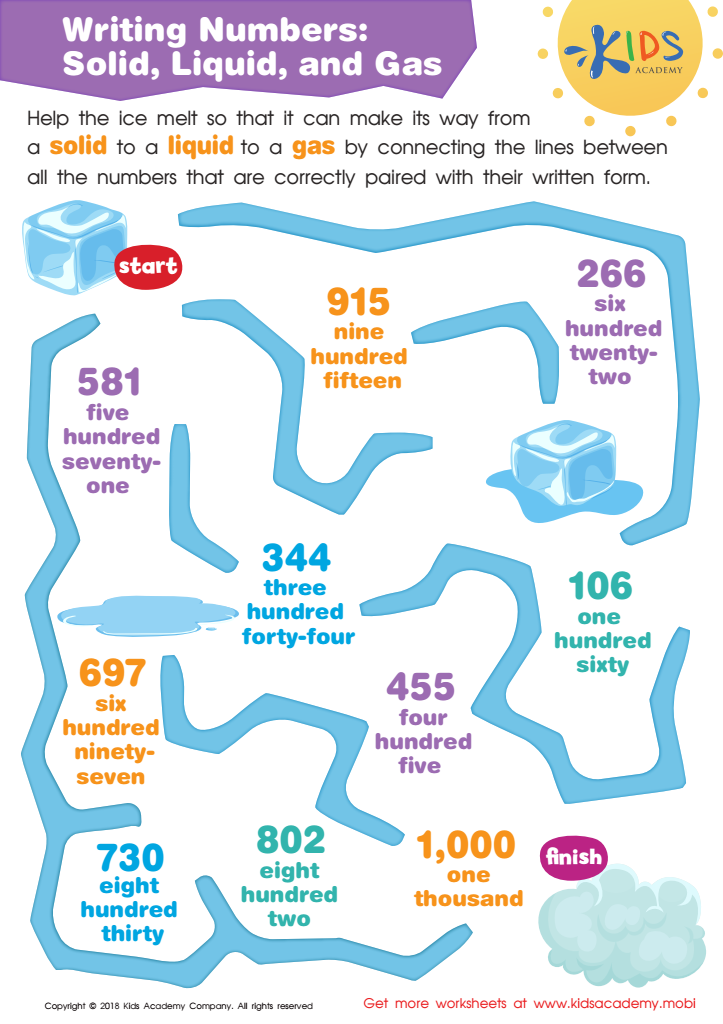
Solid, Liquid, and Gas Writing Numbers Worksheet
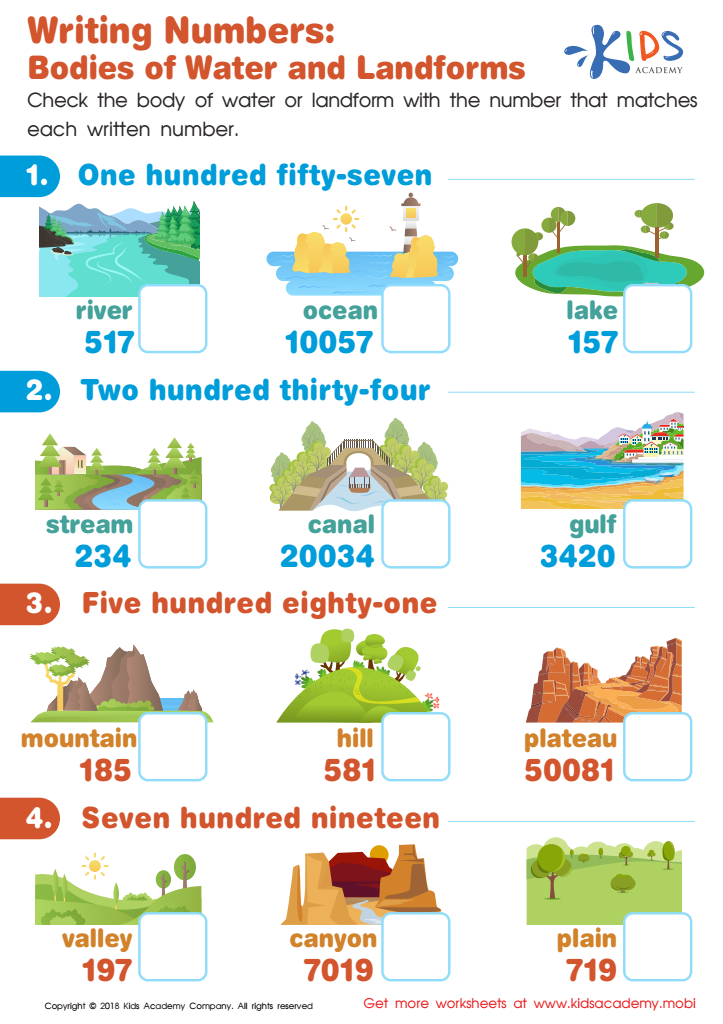
Bodies of Water and Landforms Writing Numbers Worksheet
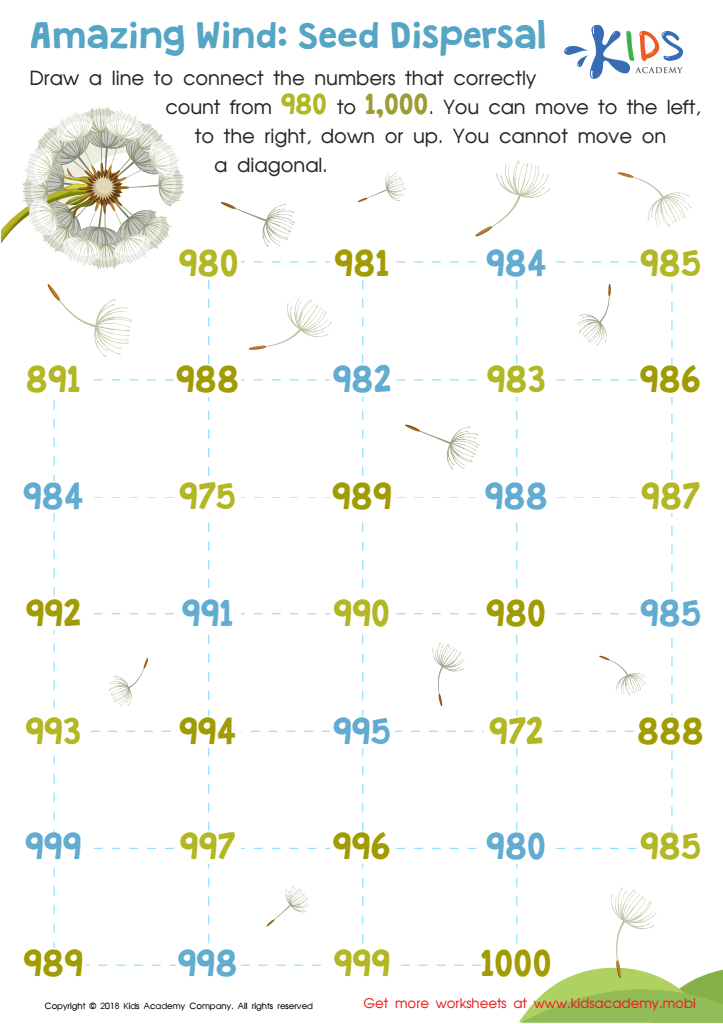
Amazing Wind: Seed Dispersal Worksheet
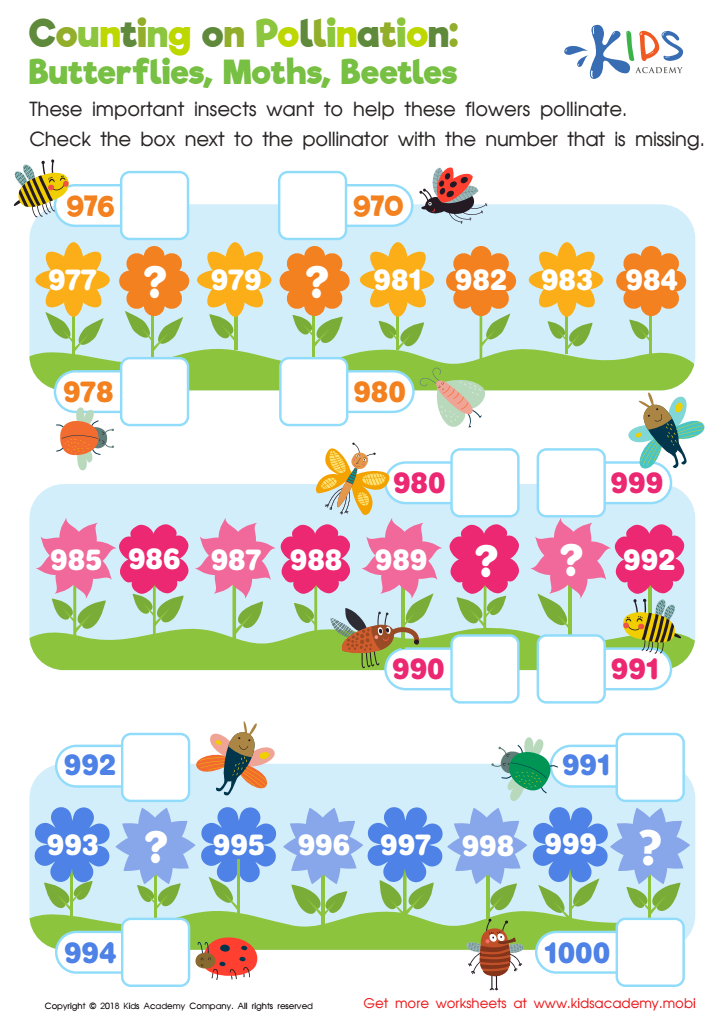
Counting on Pollination: Butterflies, Moths, Beetles Worksheet
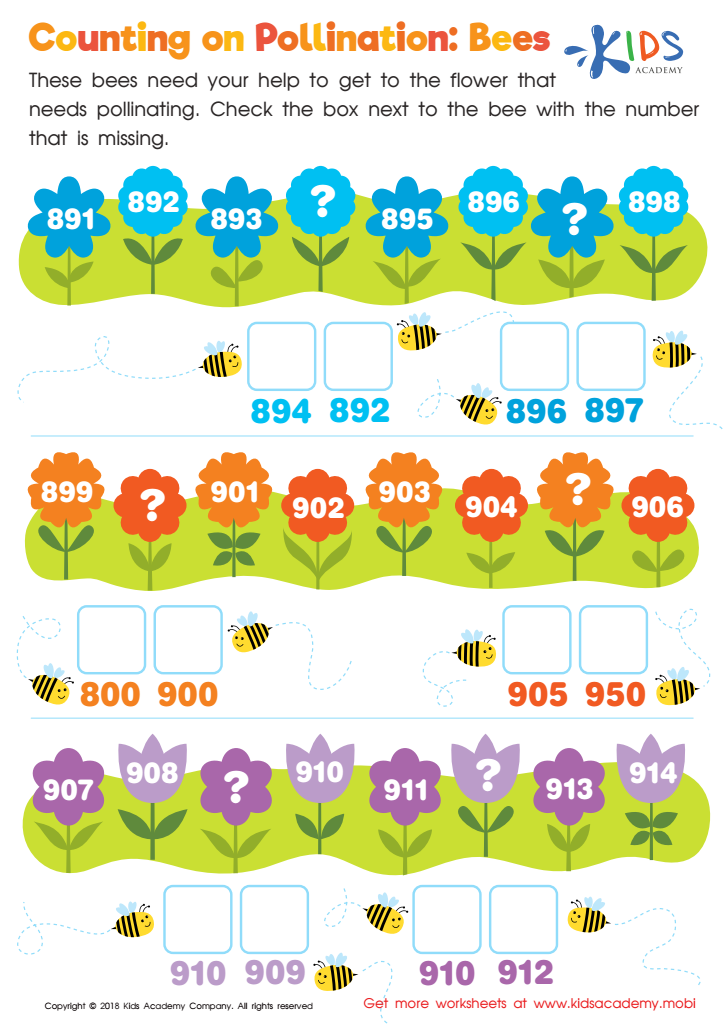
Counting on Pollination: Bees Worksheet
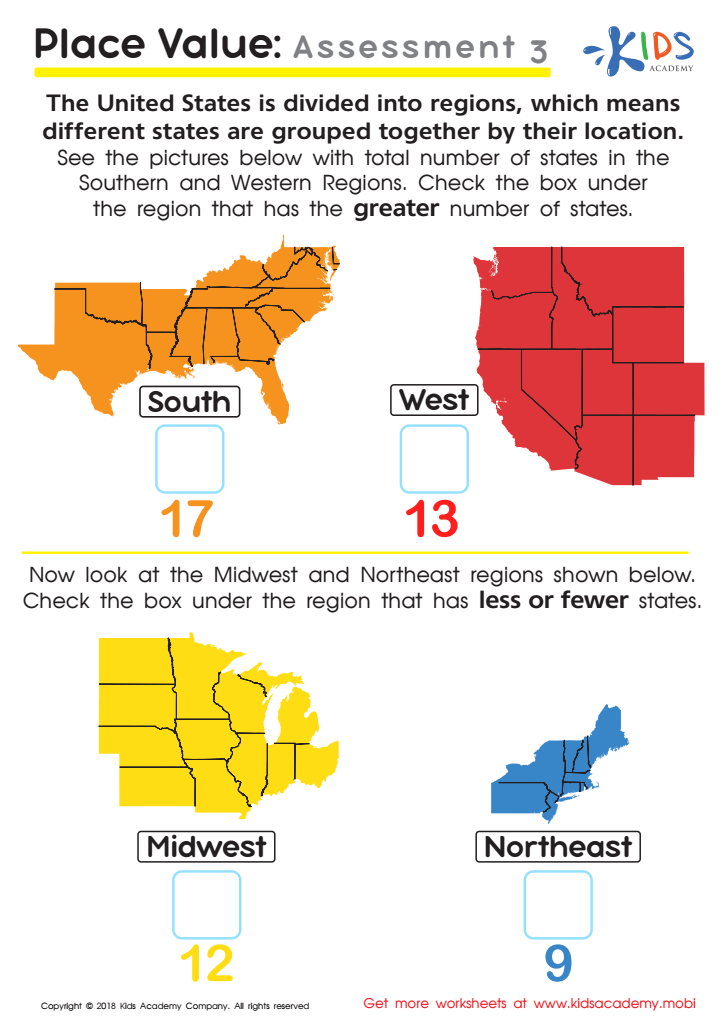
Place Value: Assessment 3 Worksheet








Understanding normal numbers is crucial for both parents and teachers managing the mathematical development of children aged 3-8. Normal numbers are sequences that have digits equally represented, which can enhance children's intuitive grasp of numbers, patterns, and ratios, critical skills in early mathematics.
By introducing the concept of normal numbers, children learn to appreciate equality and fairness in numbers. This foundational understanding supports various key mathematical concepts they will encounter later, such as arithmetic, percentages, and statistical reasoning. For example, when children understand distribution and representation within numbers, they'll be better equipped for future mathematical challenges.
Moreover, engaging with normal numbers applies to everyday life, promoting skills that can enhance critical thinking and problem-solving abilities. Counting objects, splitting snacks, or balancing games are all opportunities where parents and teachers can illustrate these concepts.
Lastly, exposure to these mathematical ideas fosters a positive attitude towards math from a young age, reducing anxiety and building confidence. When children feel comfortable with numbers, they are more likely to succeed academically. Therefore, prioritizing the understanding of normal numbers sets the stage for a well-rounded mathematical foundation essential for lifelong learning.