Normal Measurement Worksheets for Ages 3-8 - Page 2
36 filtered results
-
From - To
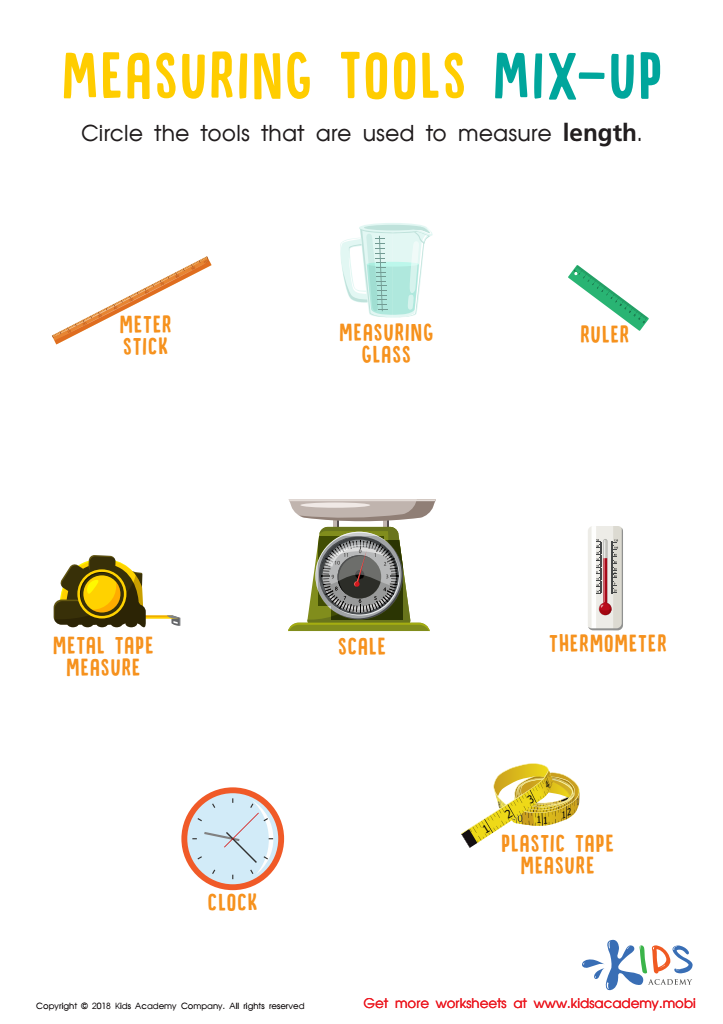
Measuring Tools Mix–up Worksheet
 Assign to My Students
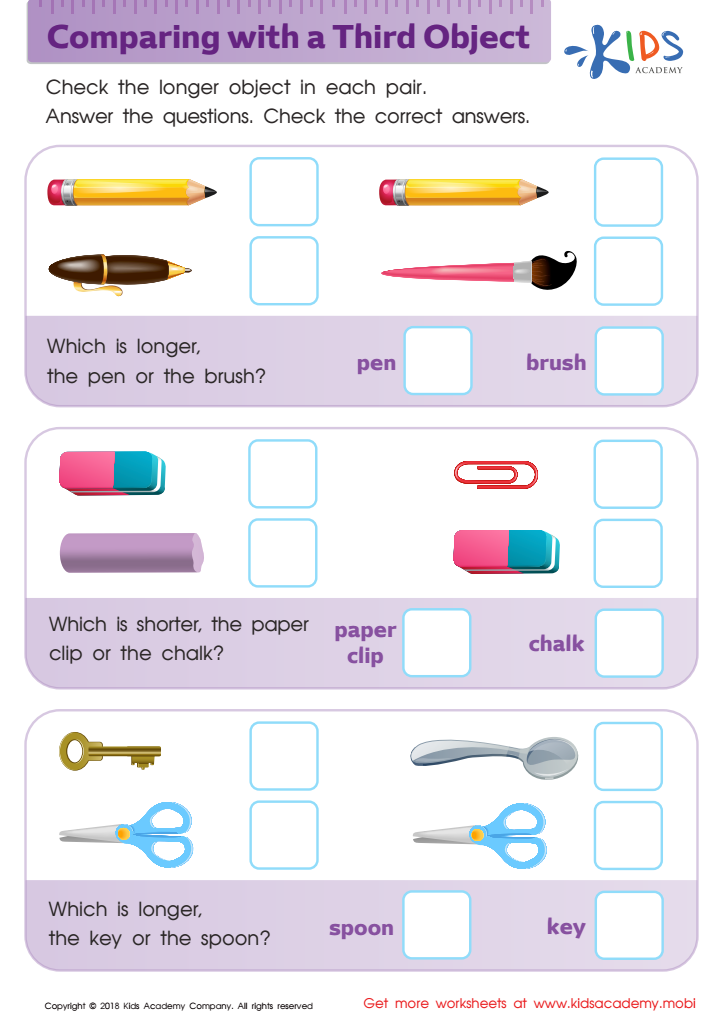
Comparing with a Third Object Worksheet
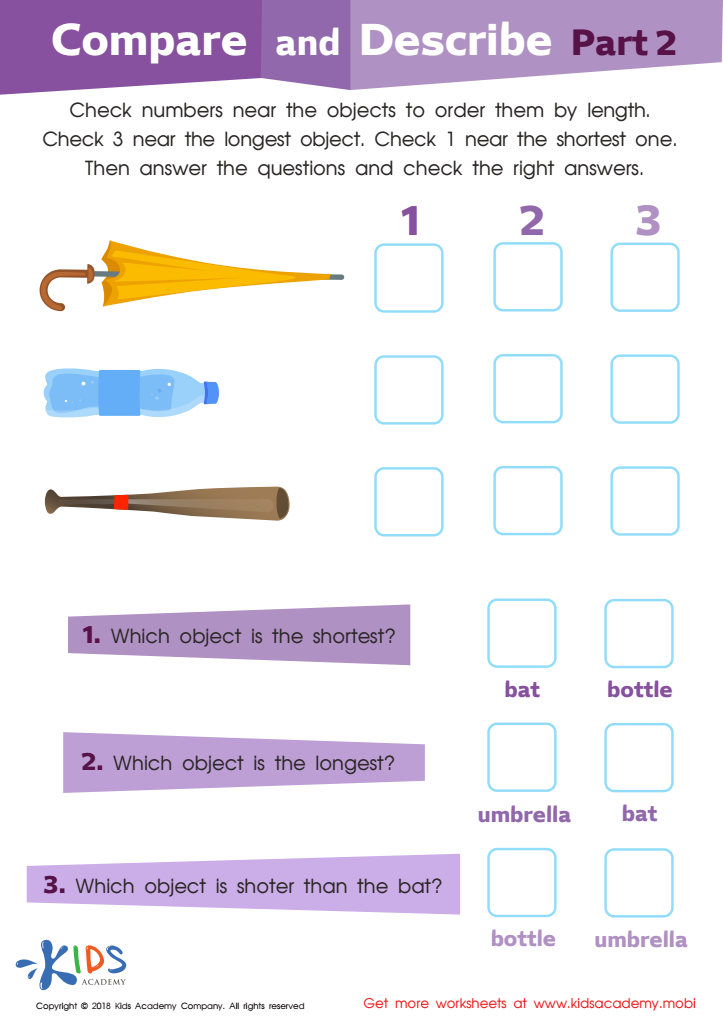
Compare and Describe: Part 2 Worksheet
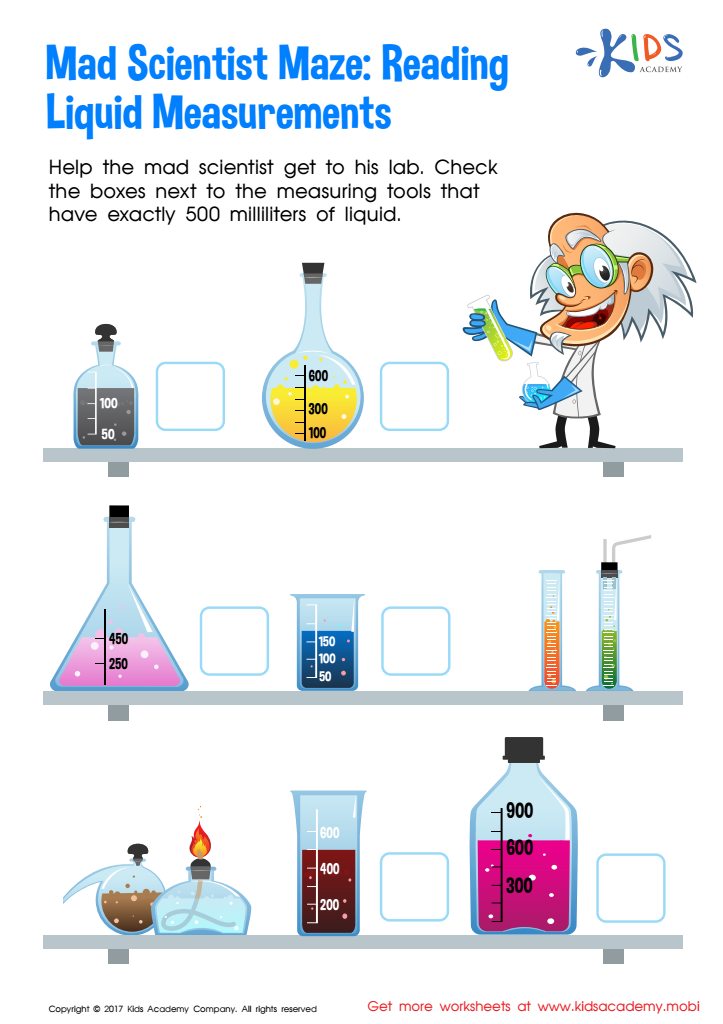
Reading Liquid Measurement Worksheet
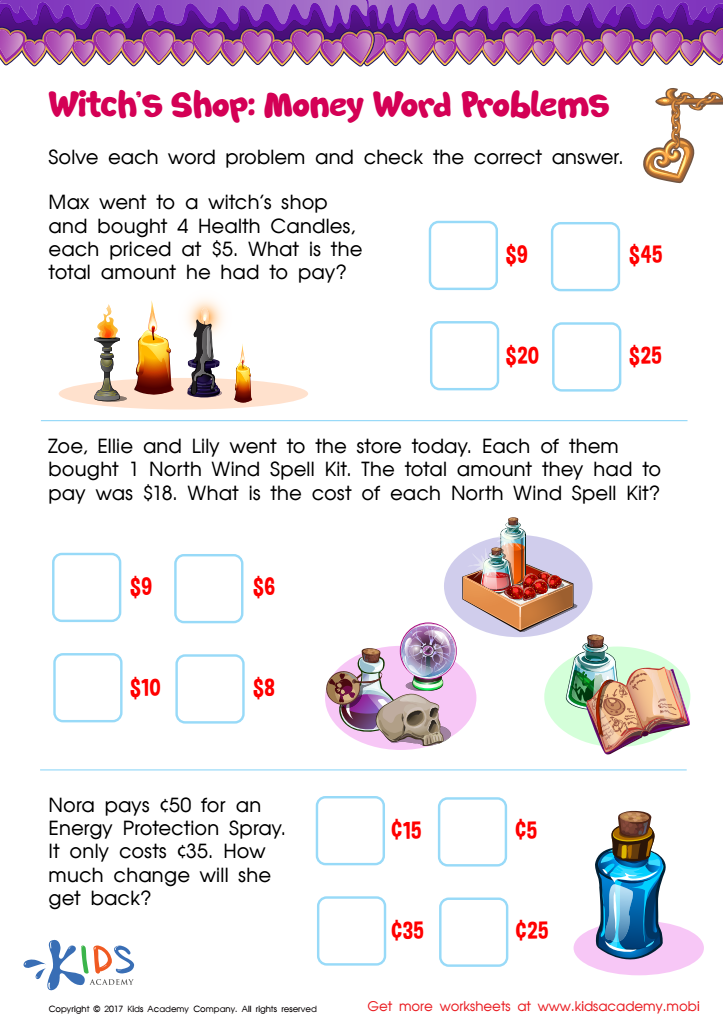
Money Word Problems Printable
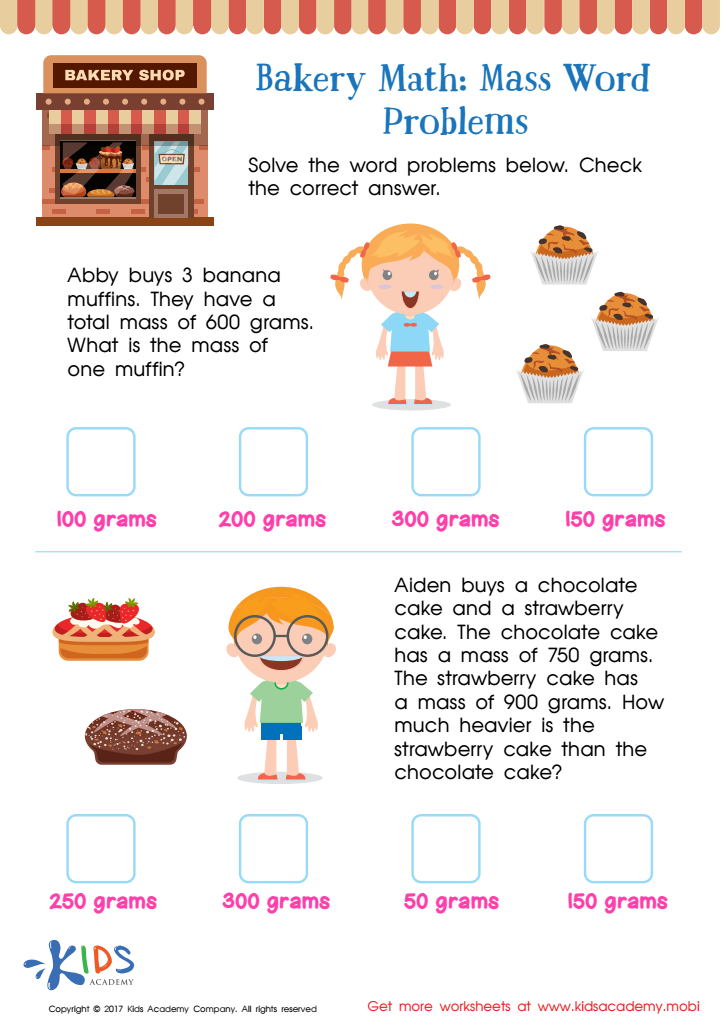
Mass Word Problems Worksheet
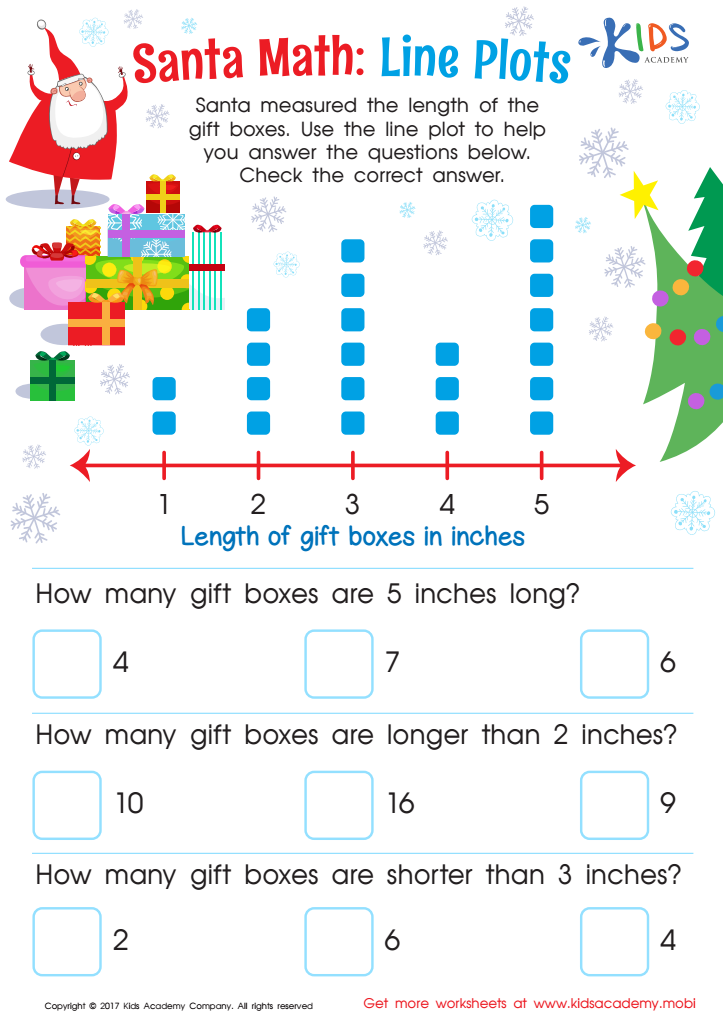
Line Plot Worksheet
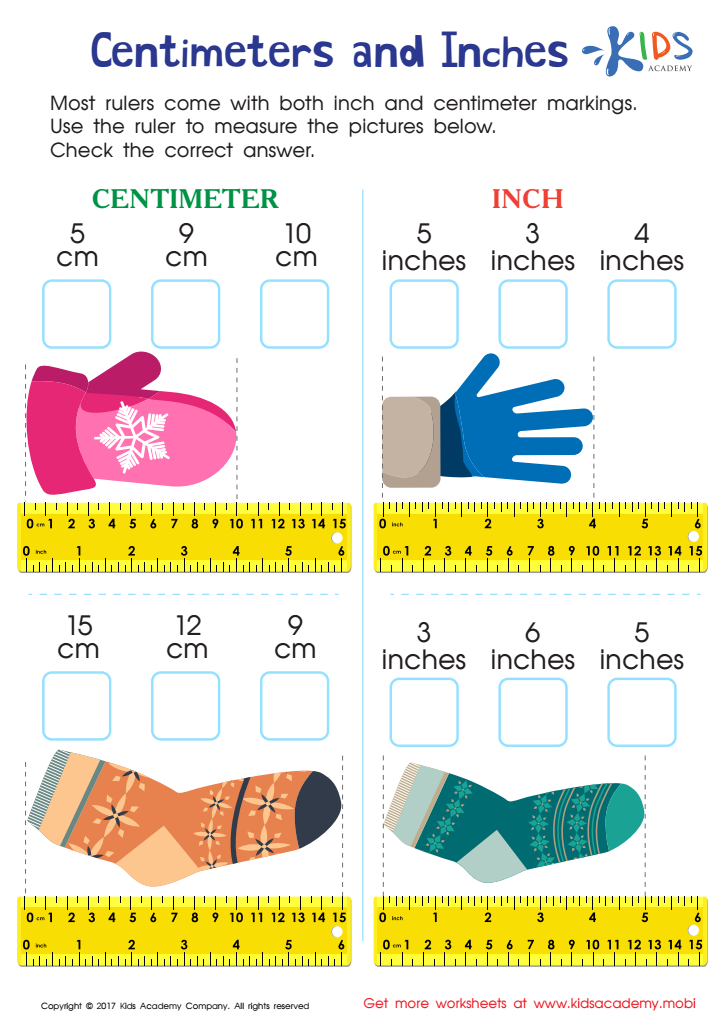
Centimeters and Inches Worksheet
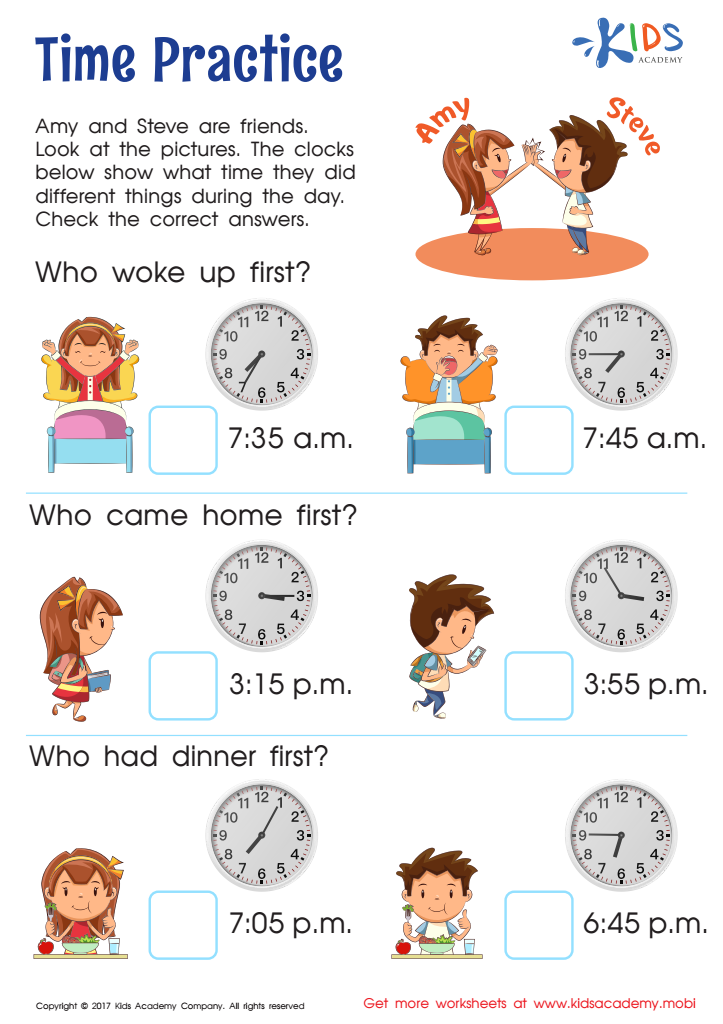
Time Practice Worksheet
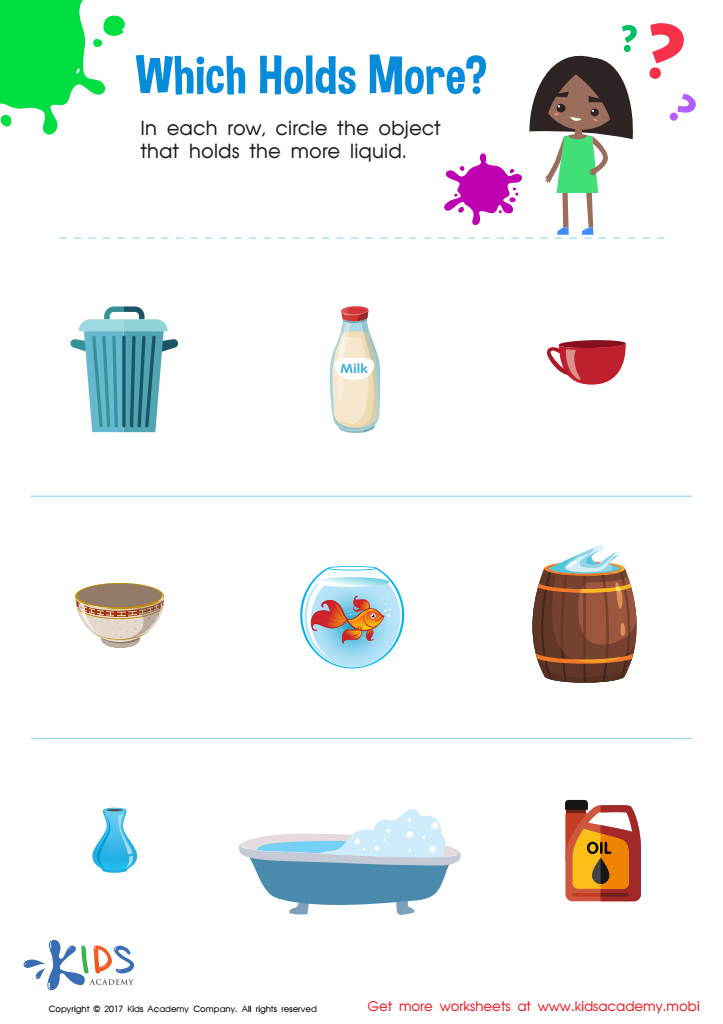
Which Holds More: Capacity Worksheet
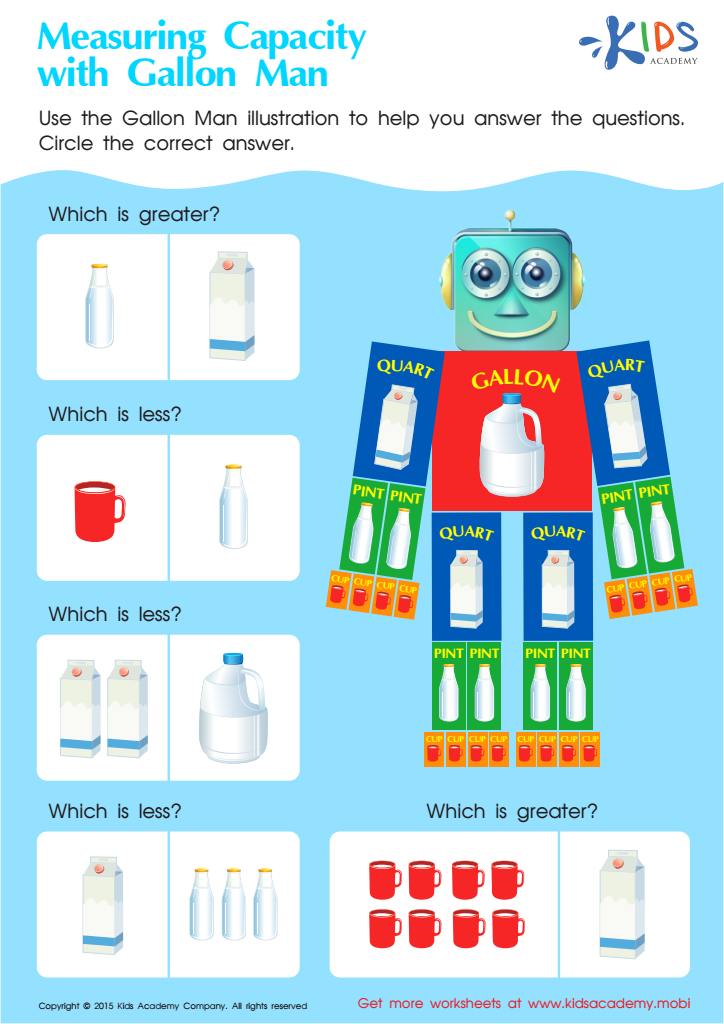
Measurement: Measuring Capacity with Gallon Man Worksheet
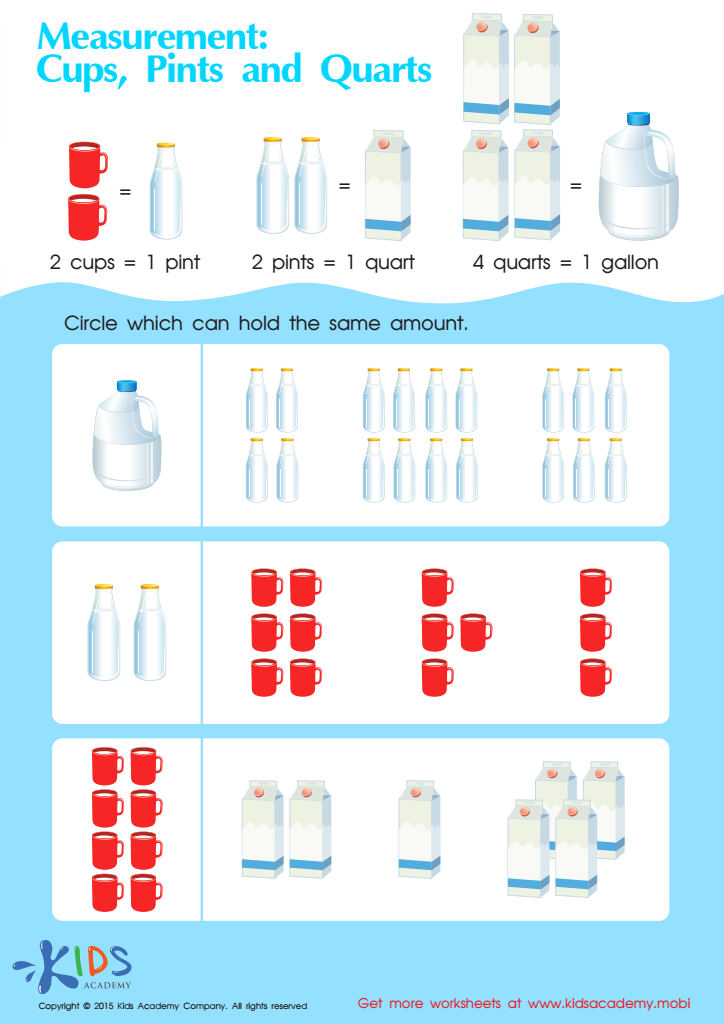
Cups, Pints and Quarts 2 Worksheet








Normal measurement for children aged 3-8 encompasses understanding developmental milestones and growth charts tailored for these early years. Parents and teachers should care about these measurements because they provide critical insights into a child's physical, cognitive, and emotional development. Regular monitoring allows for the early detection of any irregularities or deviations from typical growth patterns that could signal underlying health or developmental issues. This proactive approach ensures that interventions, if necessary, can be undertaken promptly, greatly improving outcomes for the child.
Moreover, comprehending normal measurements helps in addressing and adapting expectations and teaching strategies according to individual developmental progress. Every child grows at their own pace, and awareness of normal benchmarks can put parents and educators at ease, mitigating undue concern or pressure.
For educators, this awareness supports creating an inclusive classroom environment tailored to meet diverse learning needs, enhancing the overall educational experience. Personalized learning plans become more feasible, as teachers can base their strategies on well-founded normal measurement standards.
In essence, focusing on normal measurement fosters a supportive, well-informed community around each child, nurturing balanced growth, optimal learning experiences, and ensuring every child reaches their full potential within a comprehensive health and education framework.








