Normal Plants and Animals Worksheets for Ages 3-8 - Page 2
100 filtered results
-
From - To
Reptile and Amphibians Division Worksheet
 Assign to My Students

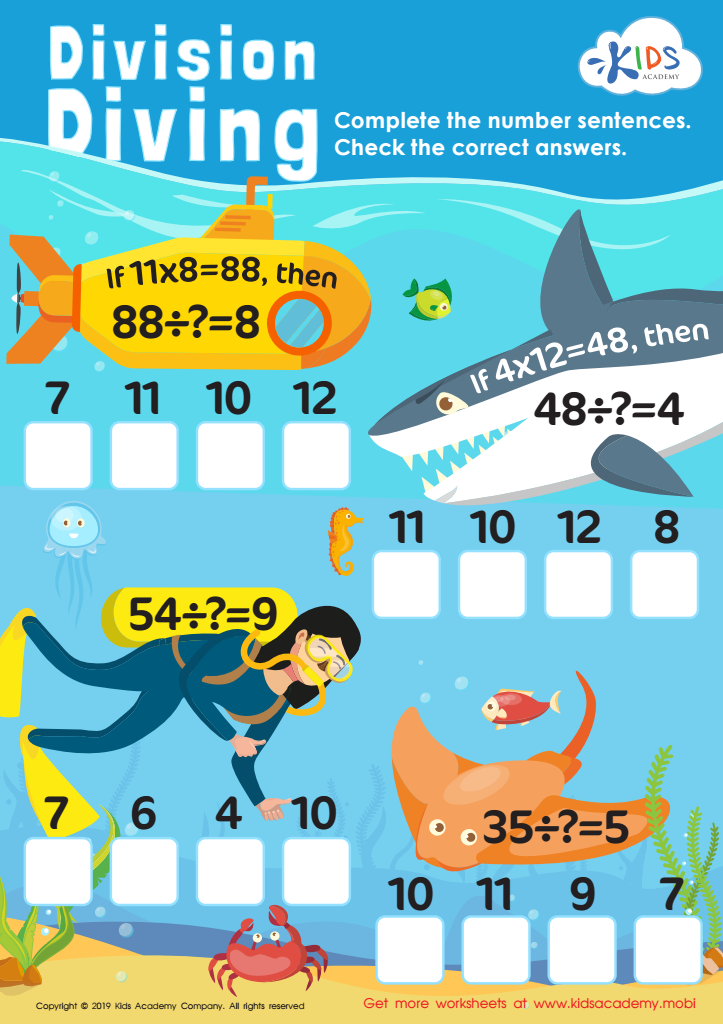
Division Diving Worksheet
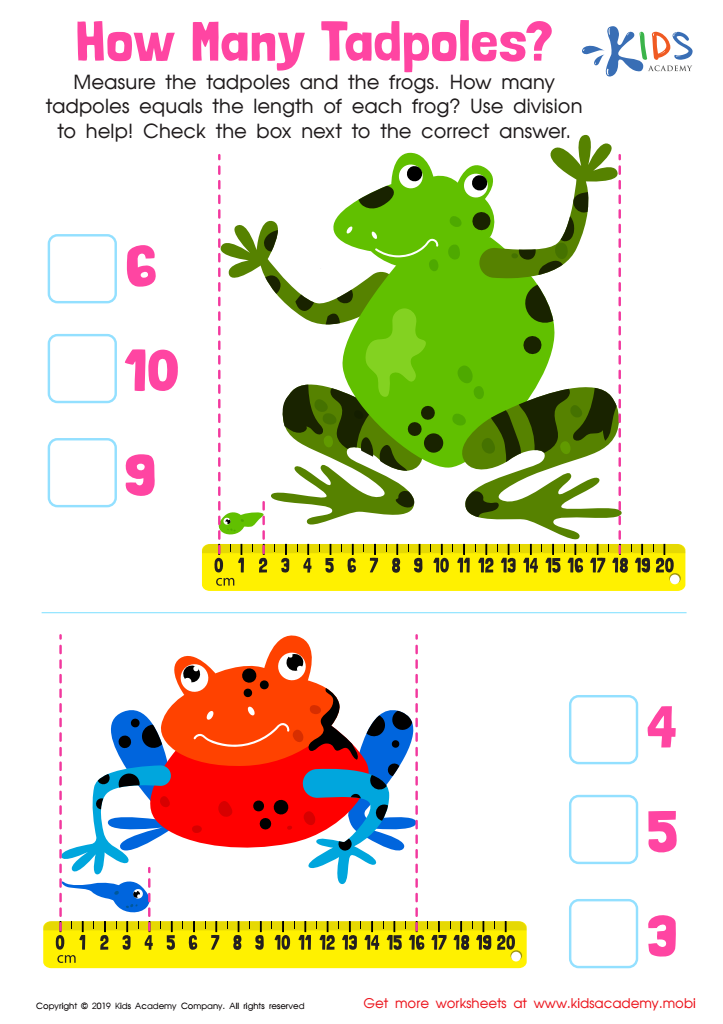
How Many Tadpoles Worksheet
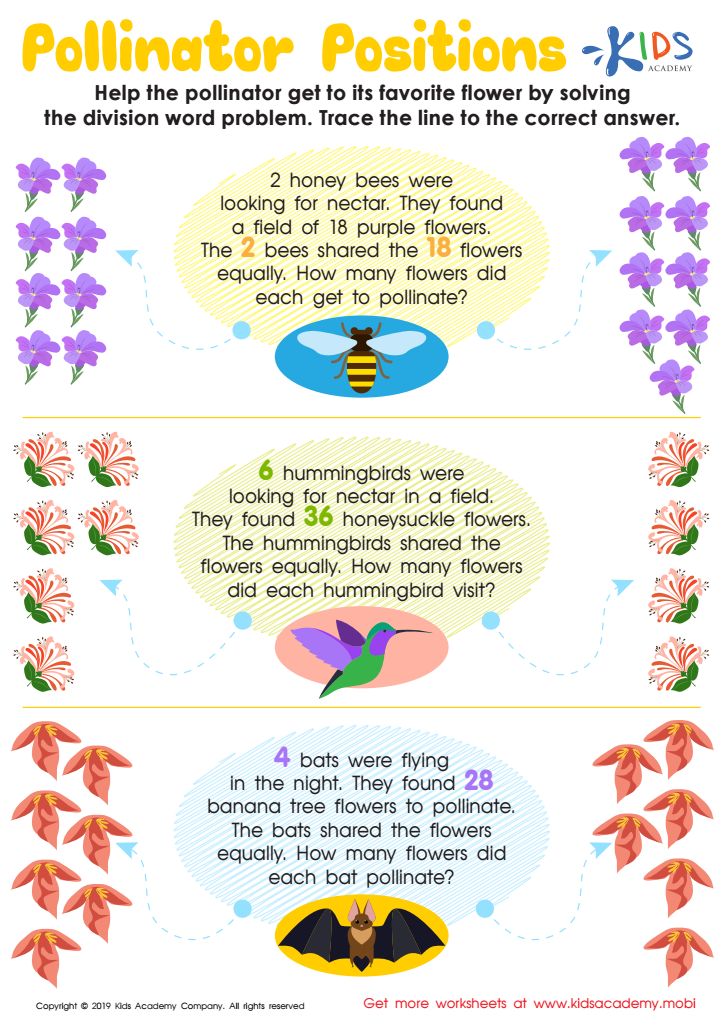
Pollinator Positions Worksheet
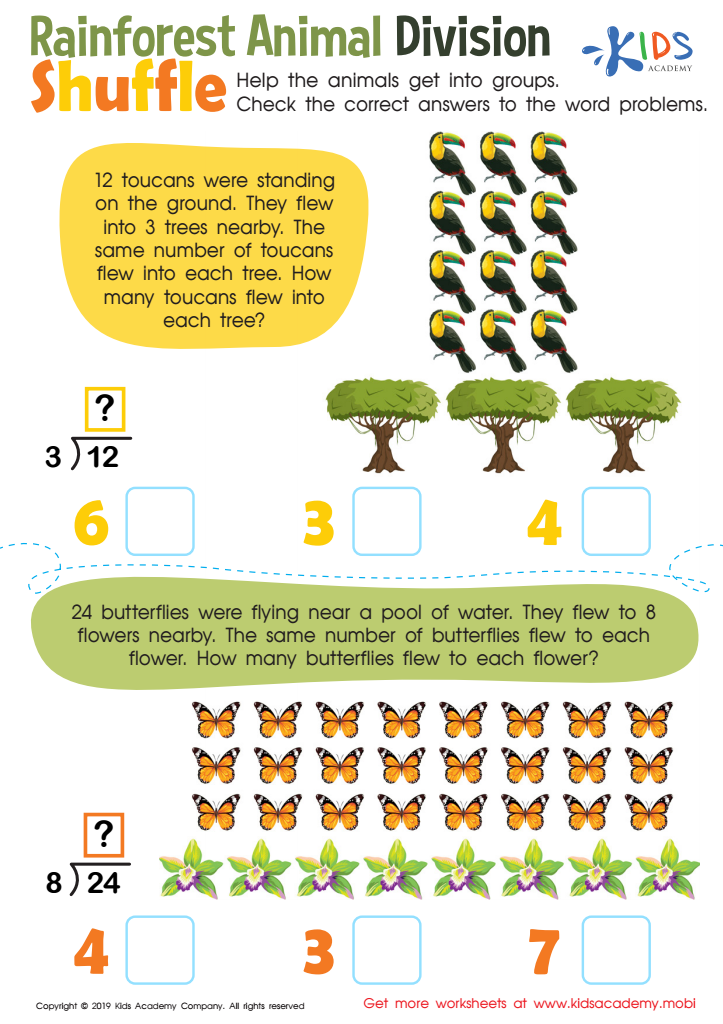
Rainforest Animal Division Worksheet
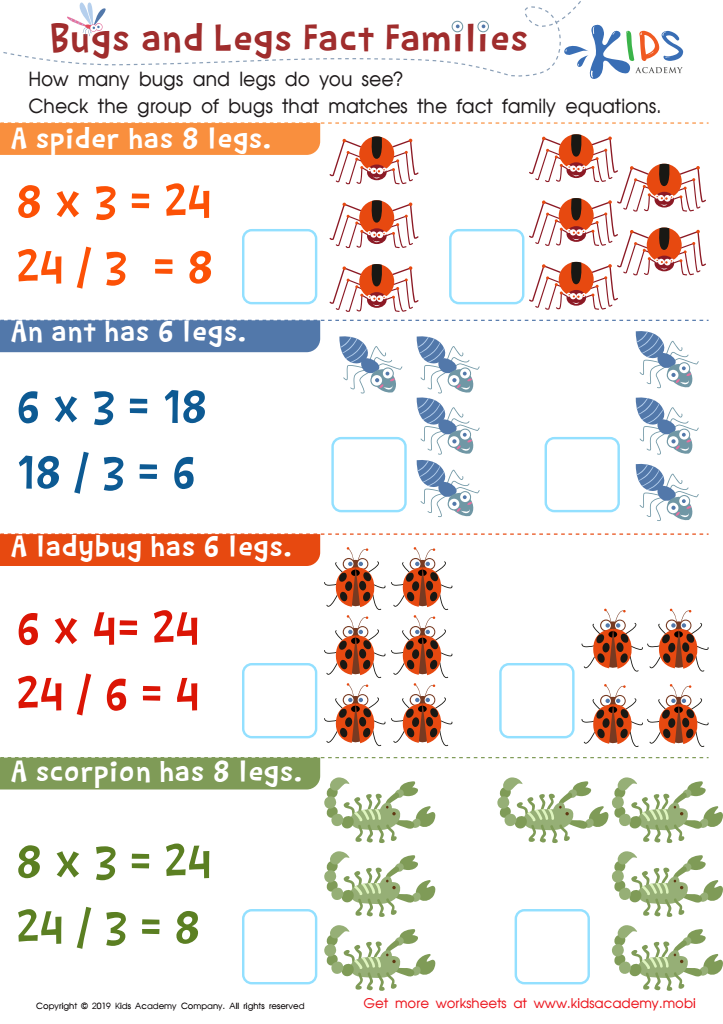
Bugs and Legs Fact Families Worksheet
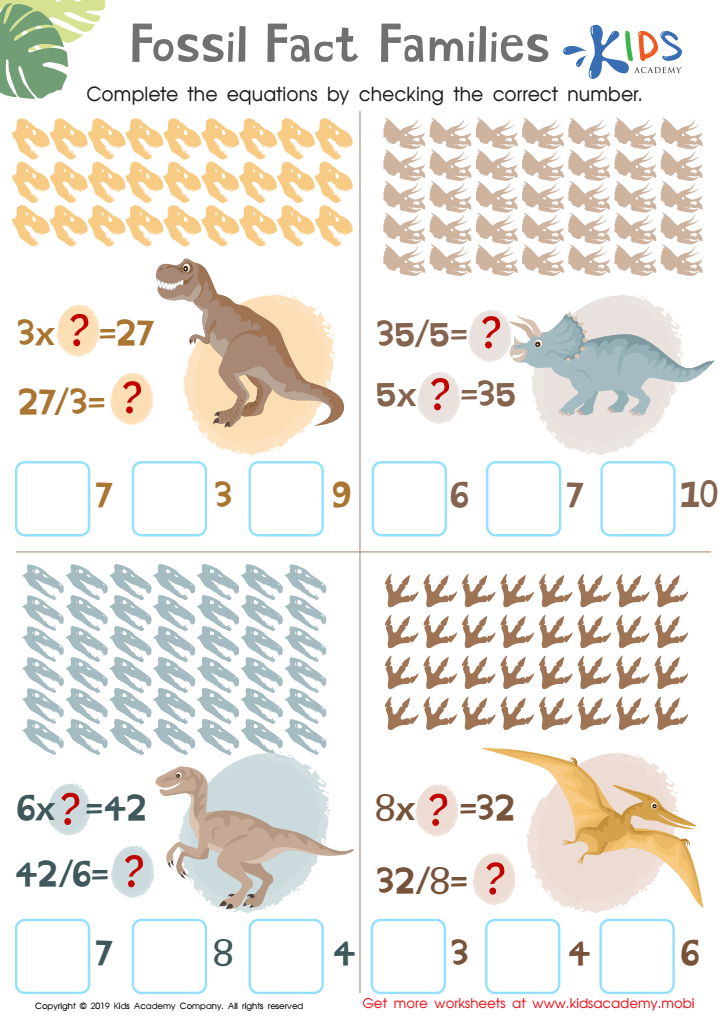
Fossil Fact Families Worksheet
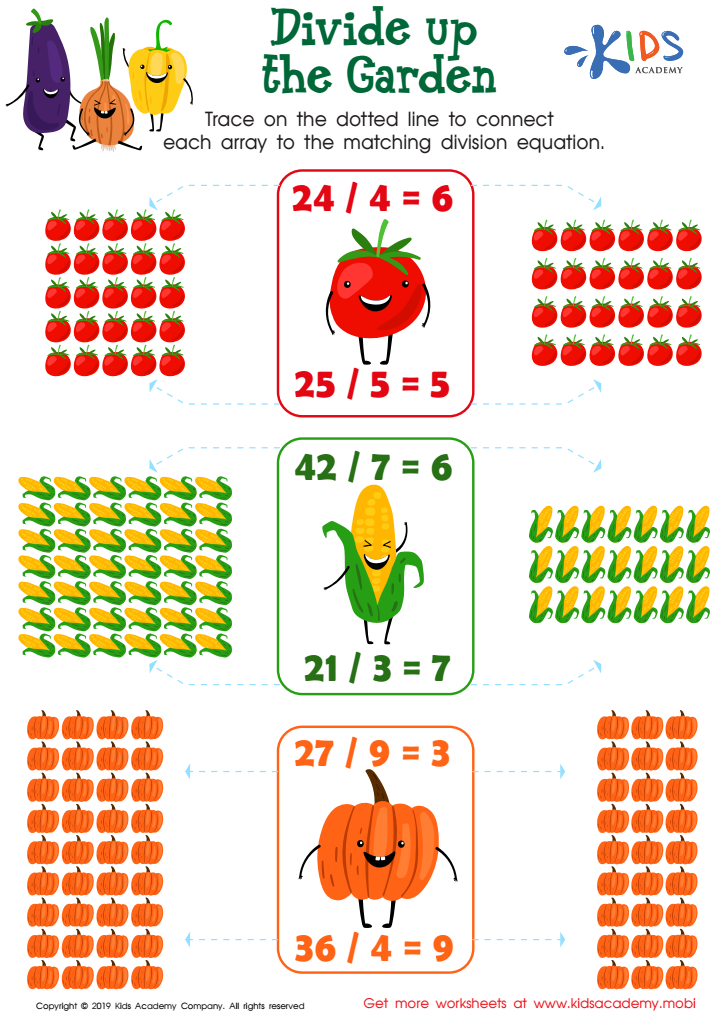
Divide up the Garden Worksheet
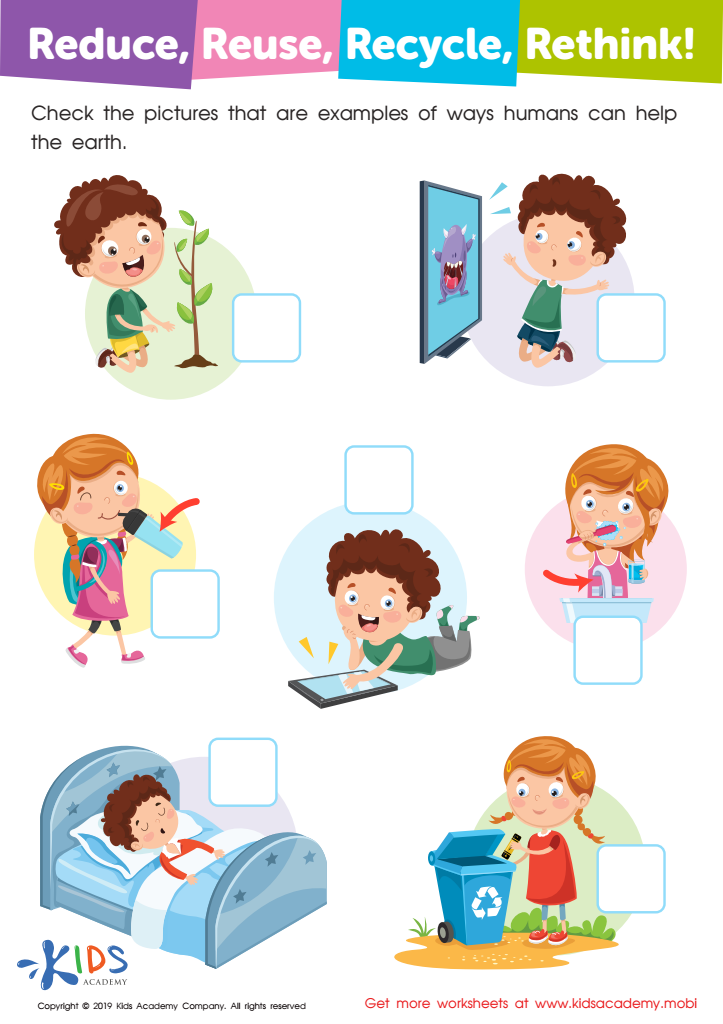
Reduce, Reuse, Recycle, Rethink Worksheet
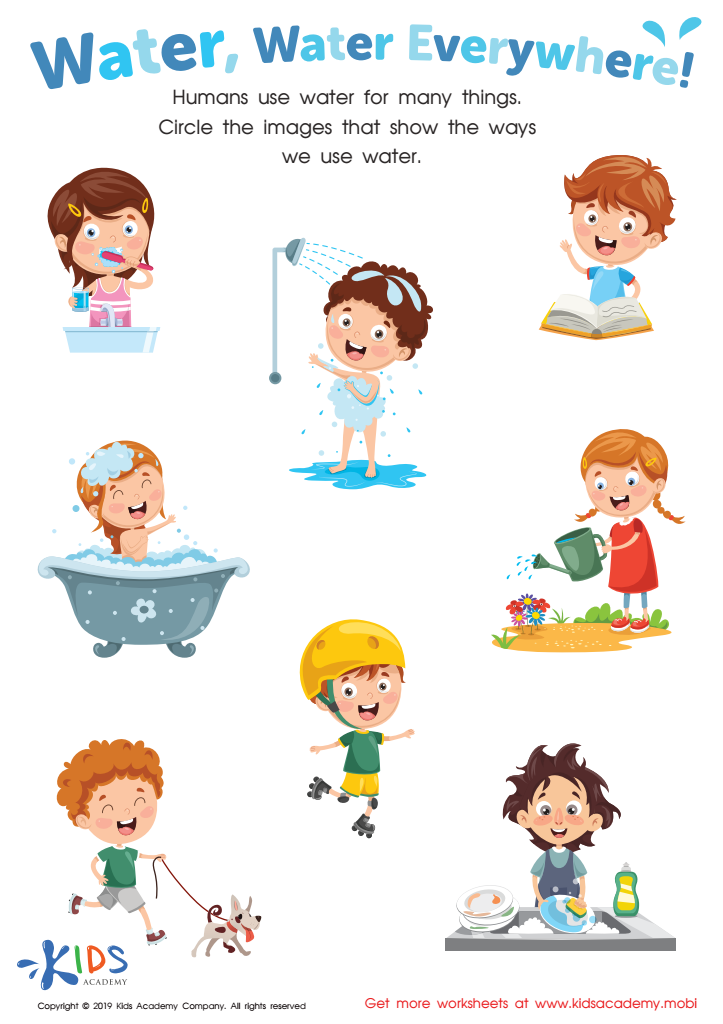
Water, Water Everywhere! Worksheet
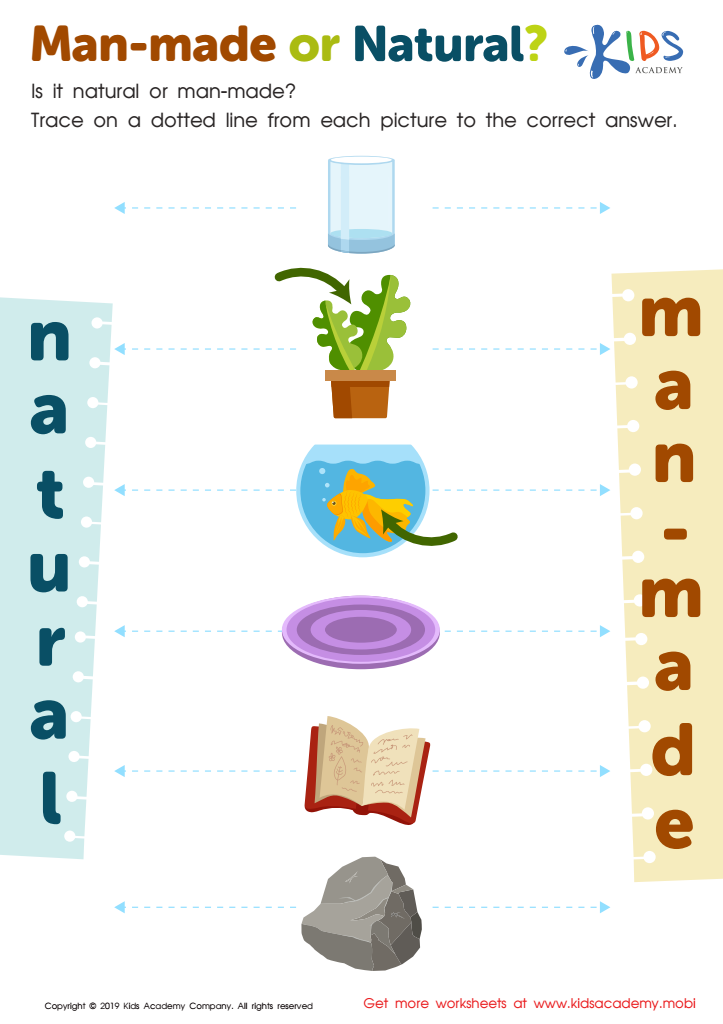
Man-Made or Natural? Worksheet
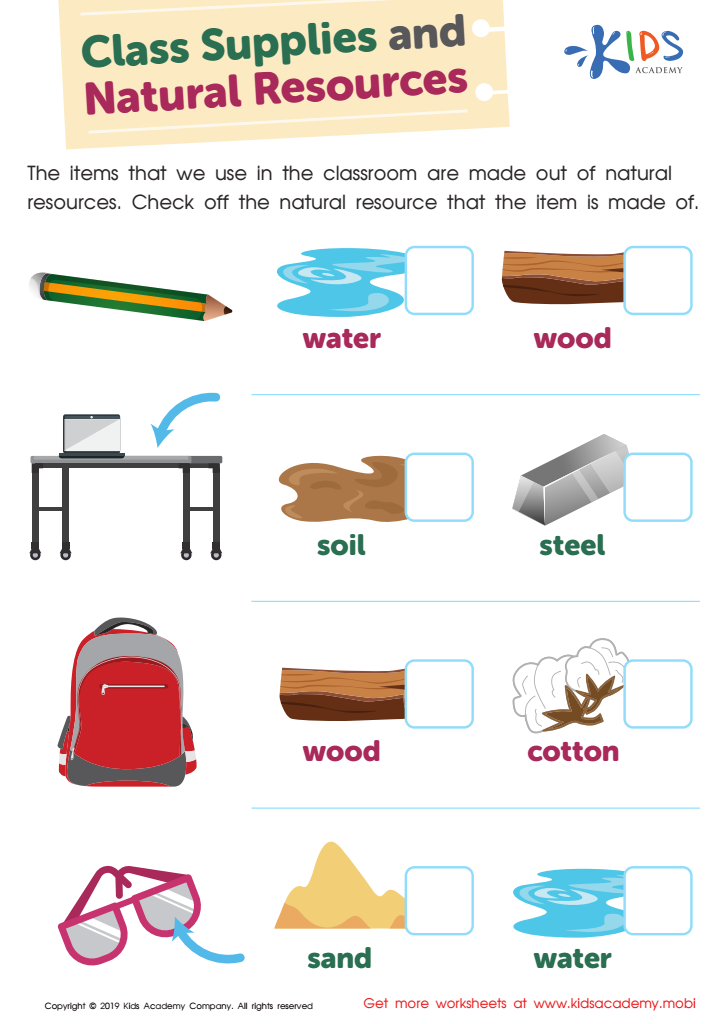
Class Supplies and Natural Resources Worksheet
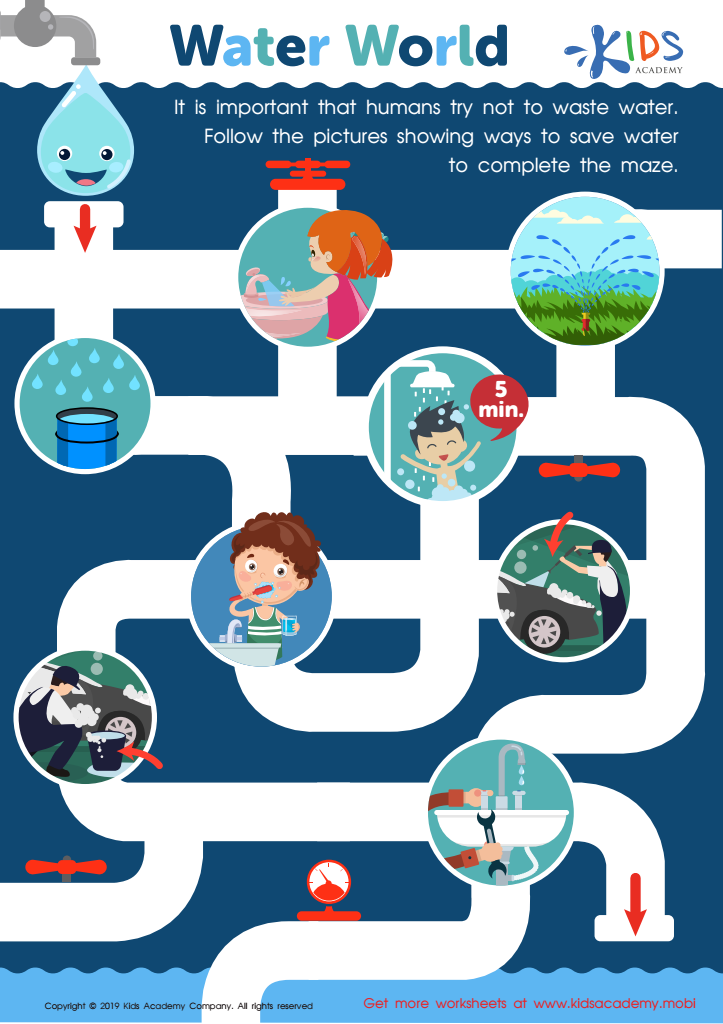
Water World Worksheet
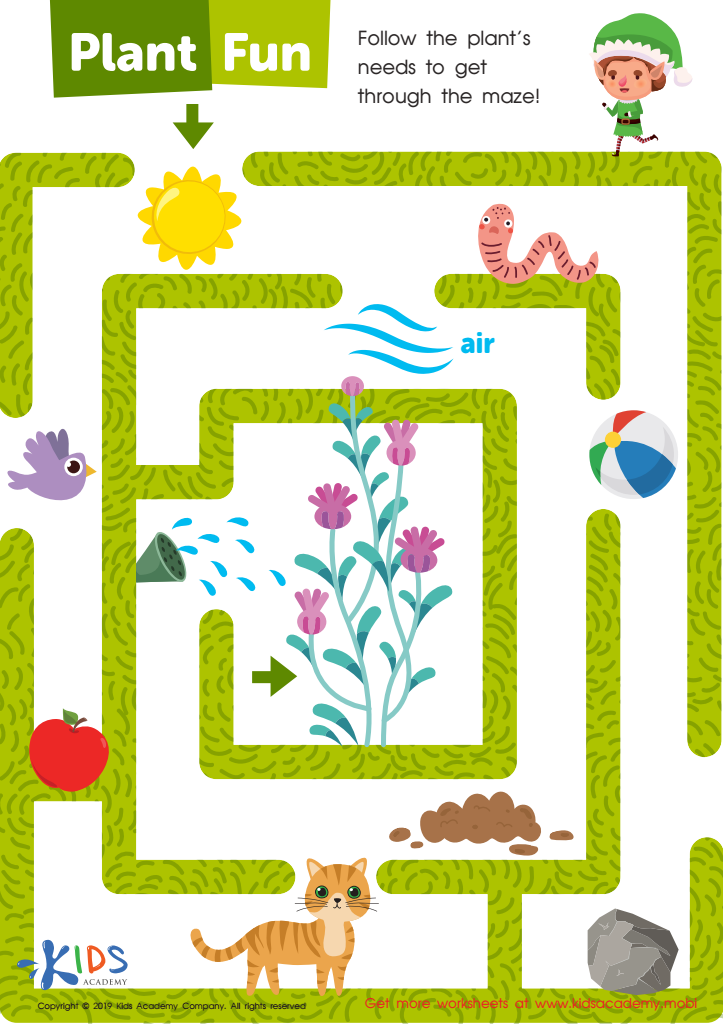
Plant Fun Worksheet
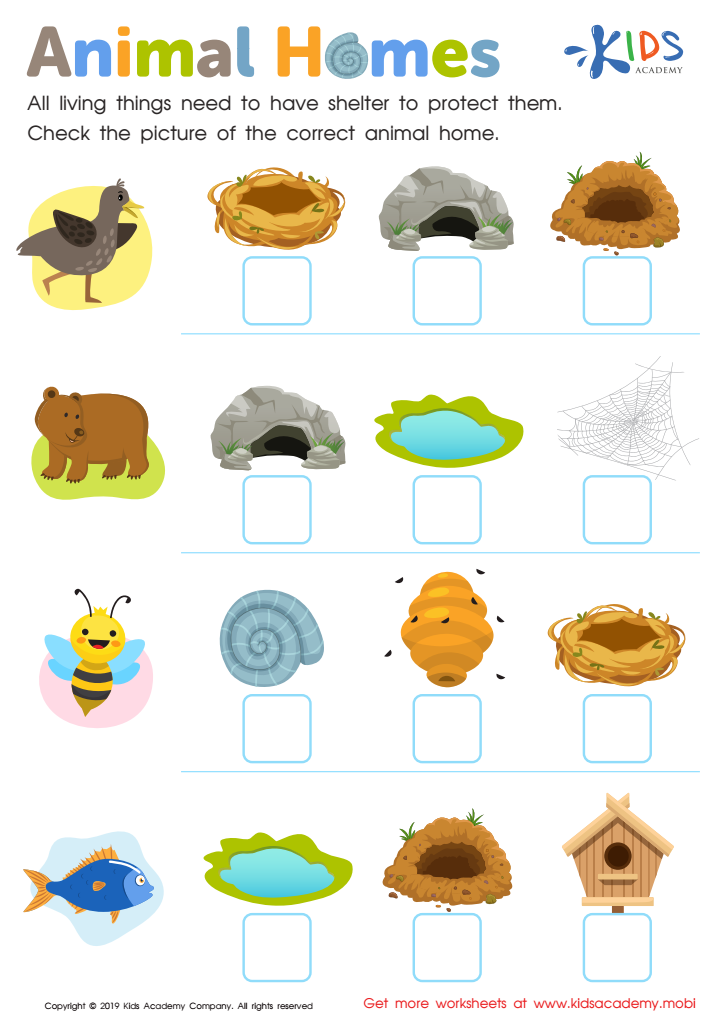
Animal Homes Worksheet
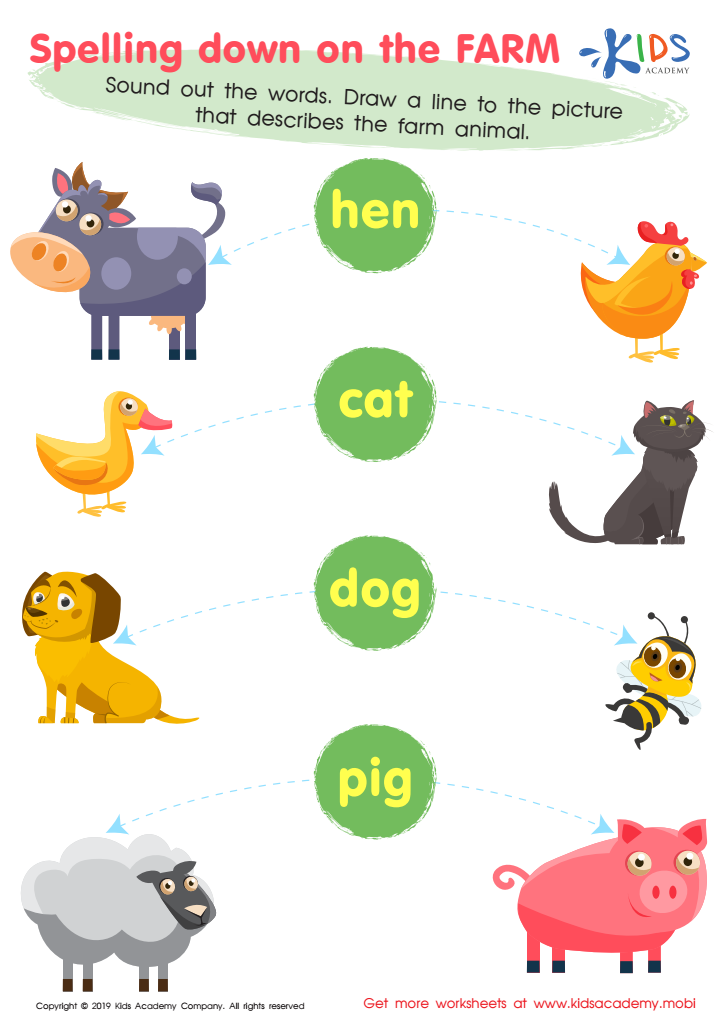
Spelling Down on the Farm Worksheet
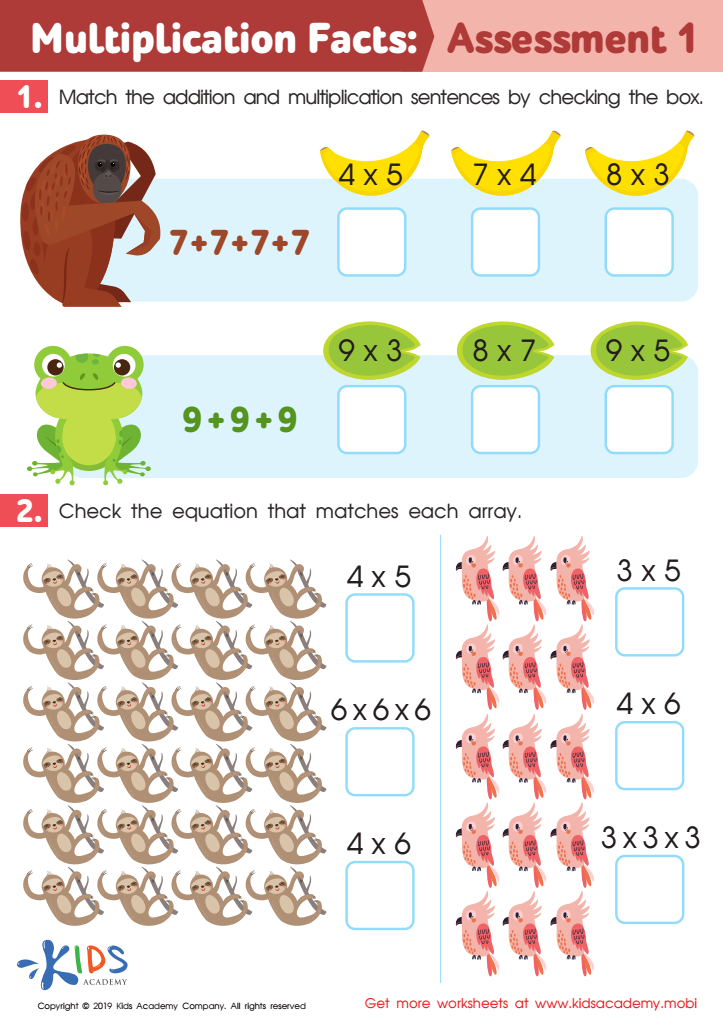
Multiplication Facts: Assessment 1 Worksheet
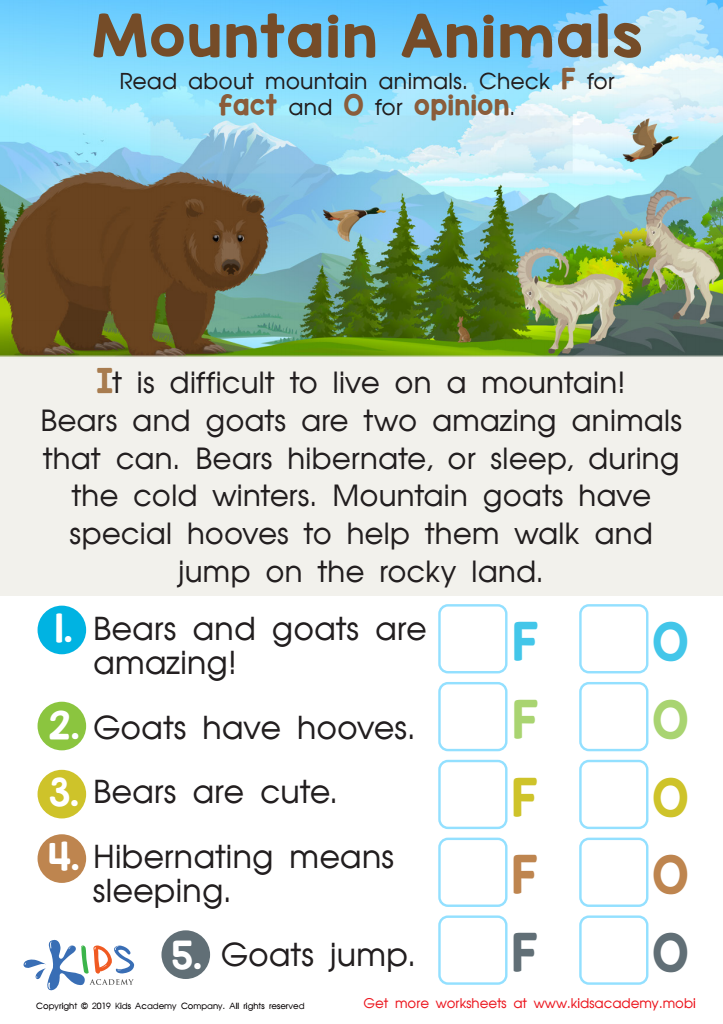
Mountain Animals Worksheet
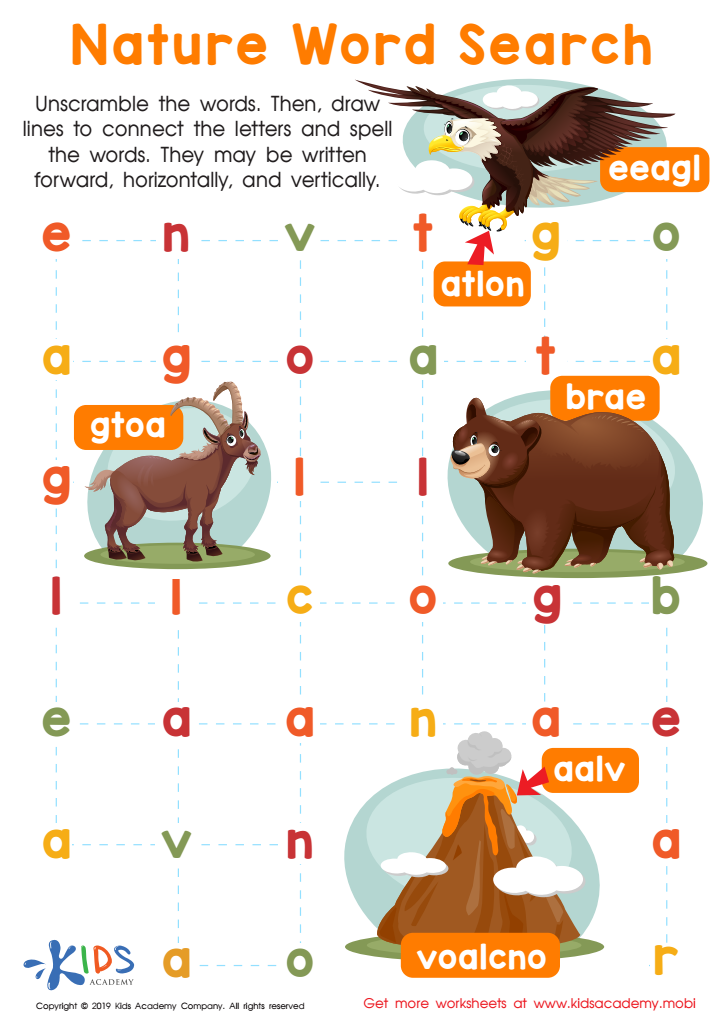
Nature Word Search Worksheet
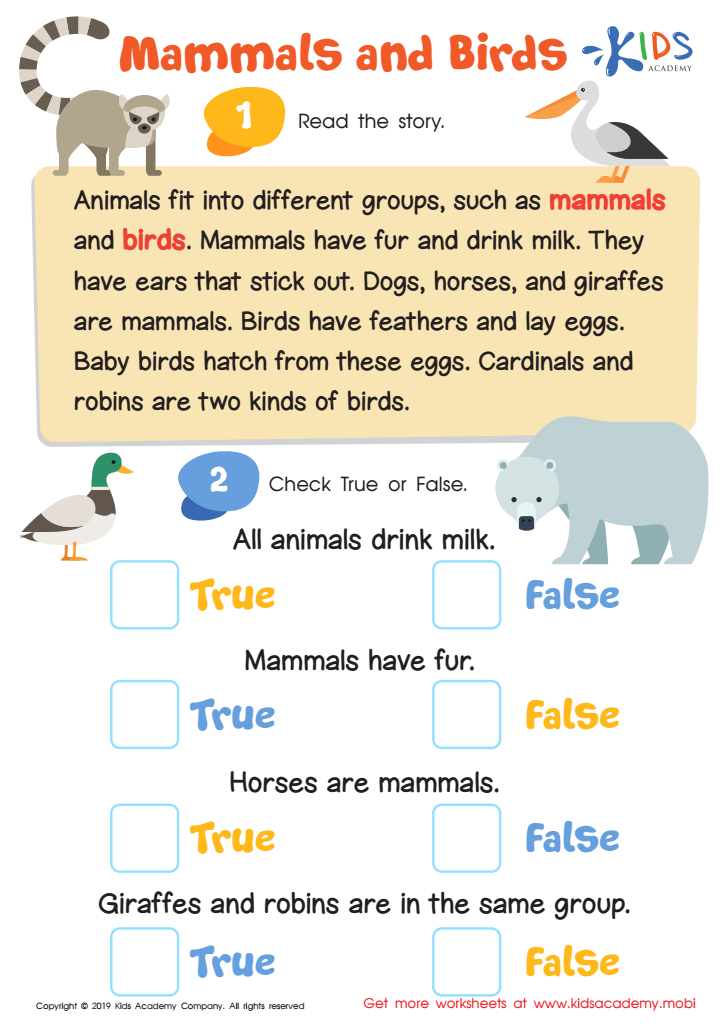
Mammals and Birds Worksheet
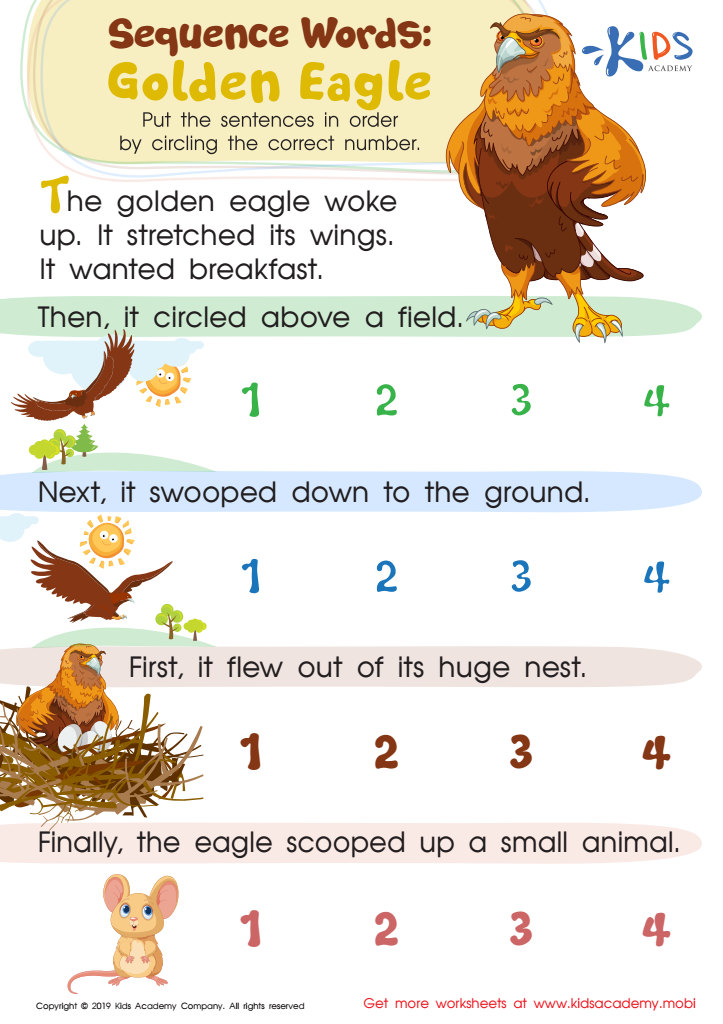
Sequence Word Eagle Worksheet
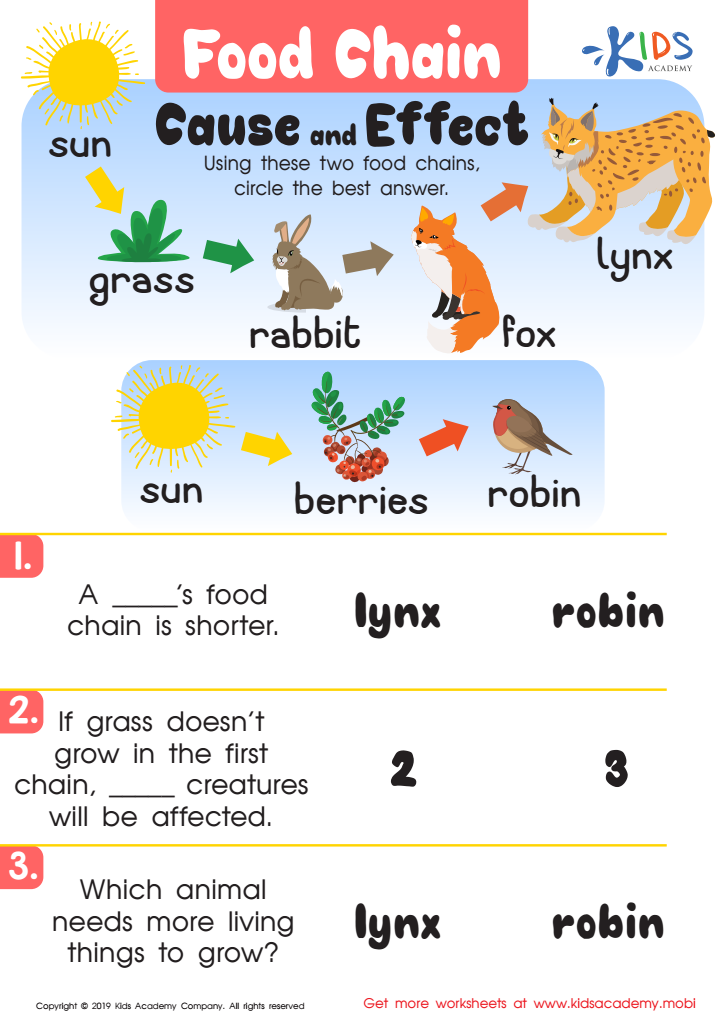
Food Chain Cause Worksheet
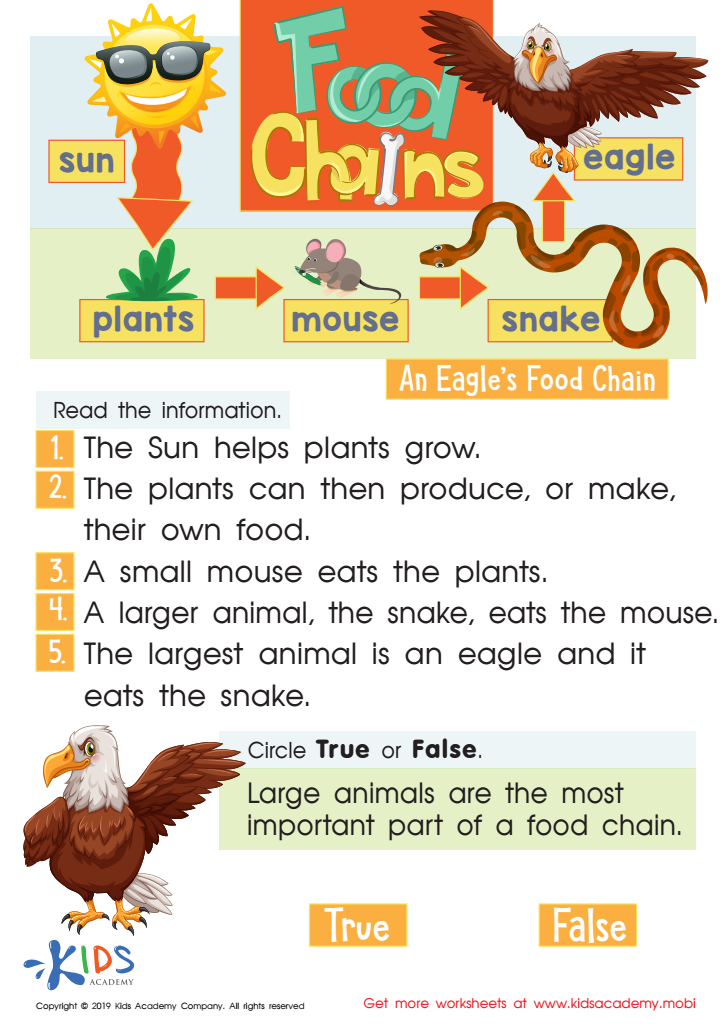
Food Chains Worksheet
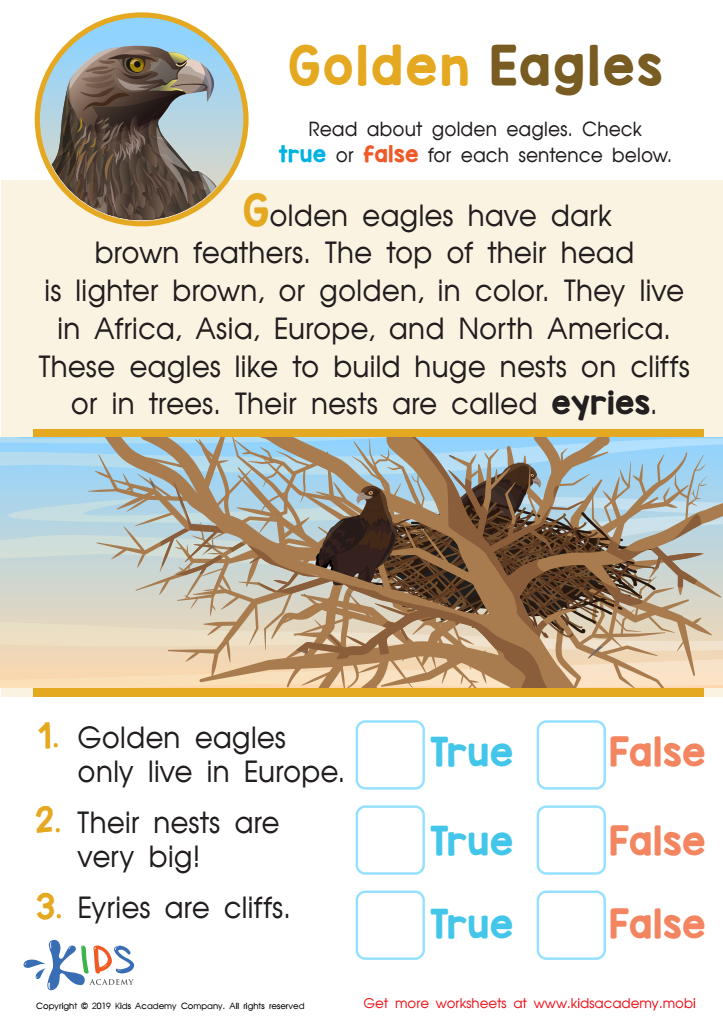
Golden Eagles Worksheet







Parents and teachers should care about teaching young children, aged 3-8, about normal plants and animals because it lays the foundation for a lifelong appreciation and understanding of the natural world. During these formative years, children are naturally curious and eager to explore their surroundings. By introducing them to various plants and animals, adults can foster a sense of wonder and respect for nature.
Knowledge about plants and animals enriches children's cognitive development, broadening their vocabulary and enhancing their observational skills. It also aids in teaching fundamental scientific concepts, such as growth, life cycles, and the interdependence of living organisms. Encouraging engagement with nature can promote physical activity, reduce screen time, and instill a sense of environmental stewardship early on.
Furthermore, understanding and recognizing common plants and animals can boost children's confidence and nurture empathy. As they learn about the roles these organisms play in ecosystems, kids gain a deeper appreciation for biodiversity and the importance of conservation. Early exposure to nature can spark interest in environmental science, paving the way for future educational pursuits and responsible citizenship. By caring about and teaching normal plants and animals, parents and teachers not only enrich children's immediate learning experience but also contribute to their holistic development.