Normal Letter Recognition Worksheets for Ages 3-9
67 filtered results
-
From - To
Help your child master letter recognition with our engaging worksheets designed for kids aged 3-9. From vibrant coloring activities to interactive trace and match exercises, these resources foster foundational reading skills in a fun and interactive way. Each worksheet is tailored to support early learners in identifying, tracing, and writing each letter of the alphabet, promoting confidence in literacy. Incorporate these age-appropriate, stimulating activities into your child's learning routine to encourage progression at their own pace. Visit Kids Academy for expertly crafted, free, and printable letter recognition worksheets to set your young learner on the path to literacy success today.
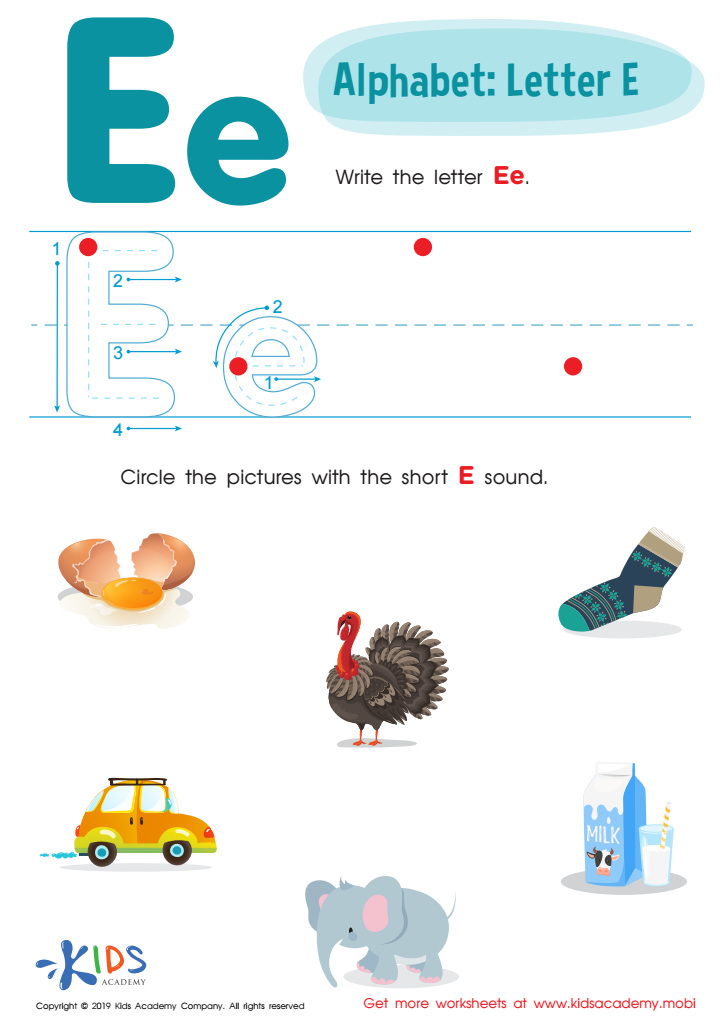
Letter E Tracing Worksheet
 Assign to My Students
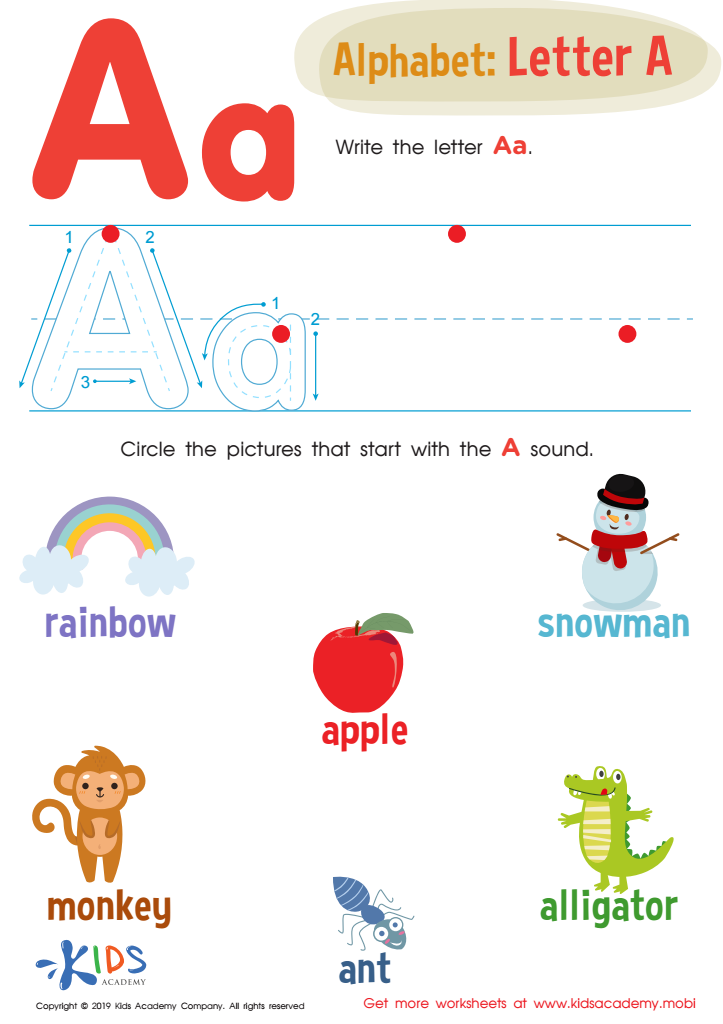
Letter A Tracing Worksheet
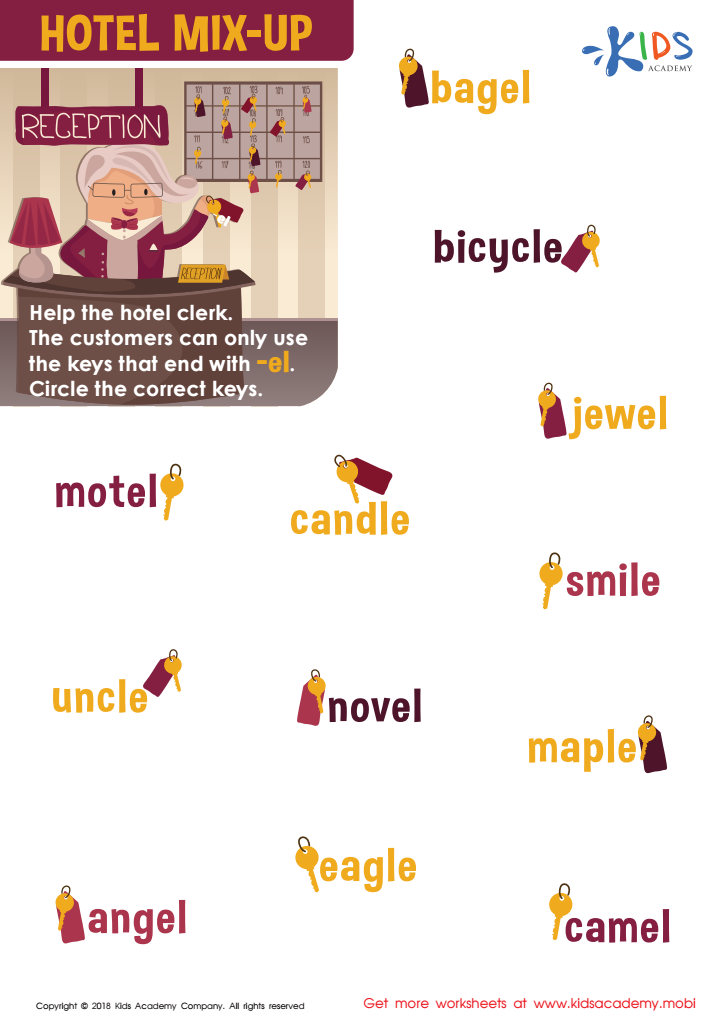
Hotel Mix-up Worksheet
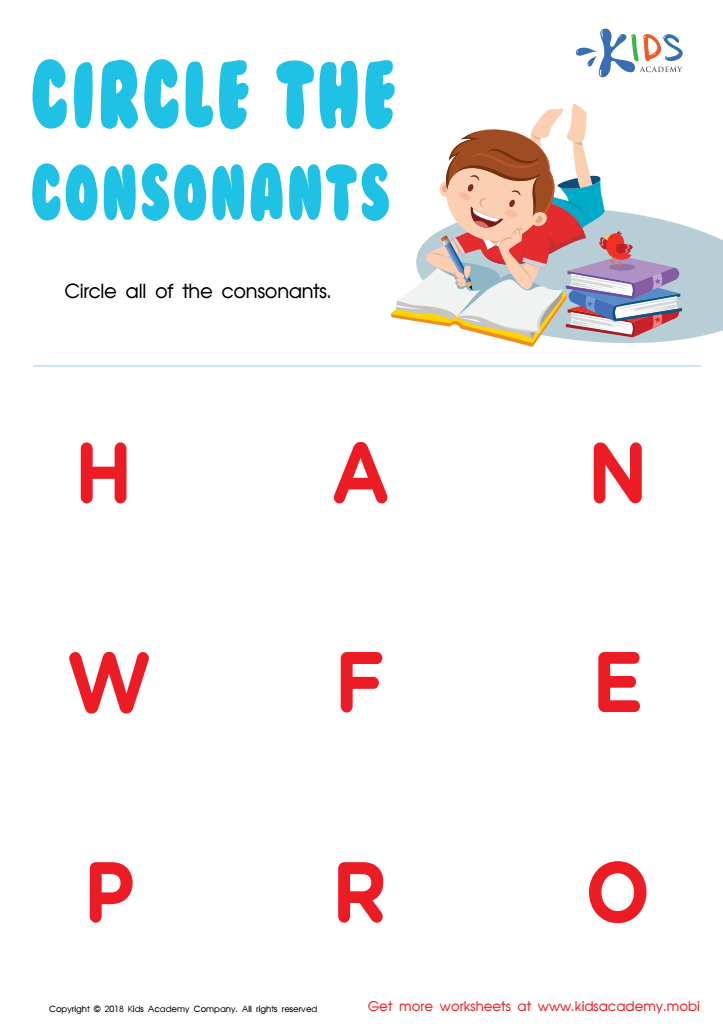
Circle the Consonants Worksheet
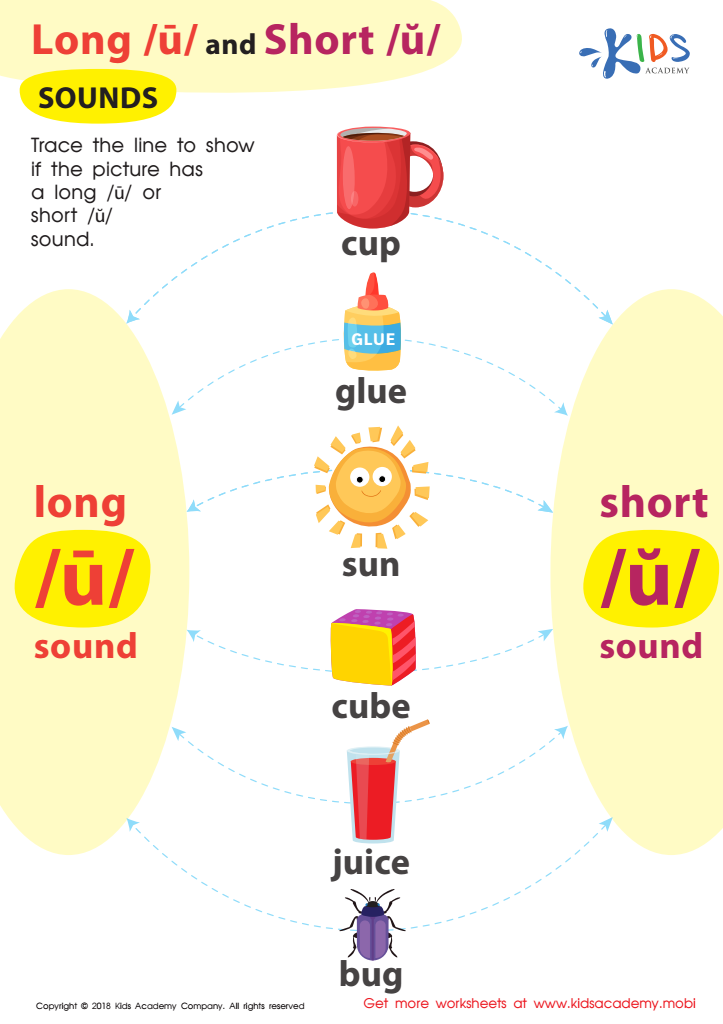
Reading: Long U and Short U Sounds Worksheet
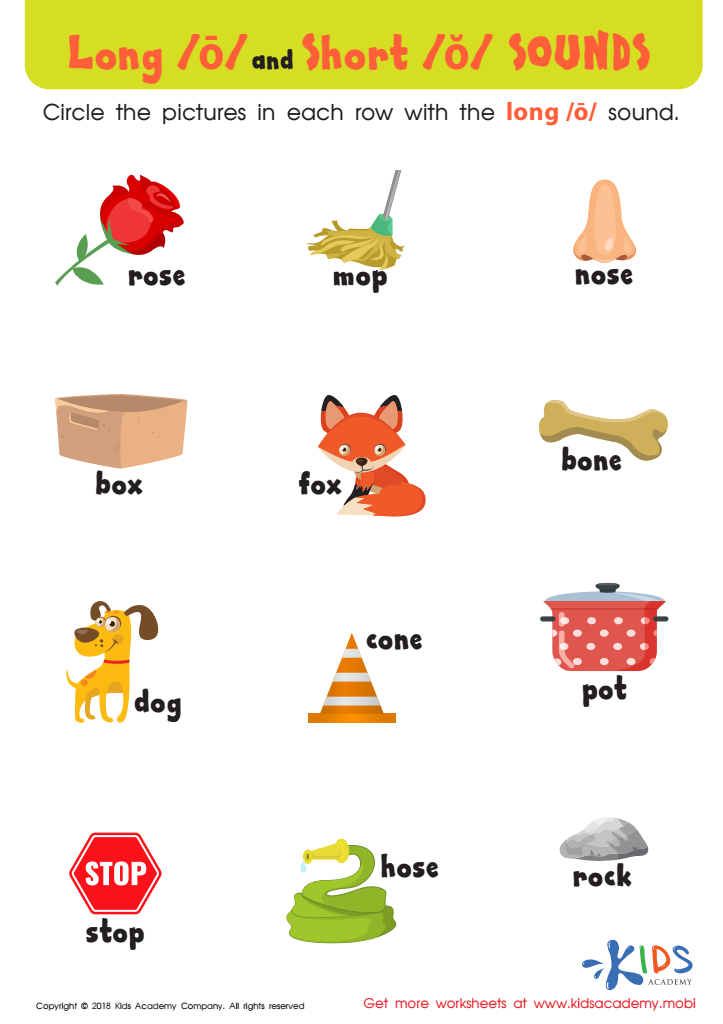
Reading: Long O and Short O Sounds Worksheet
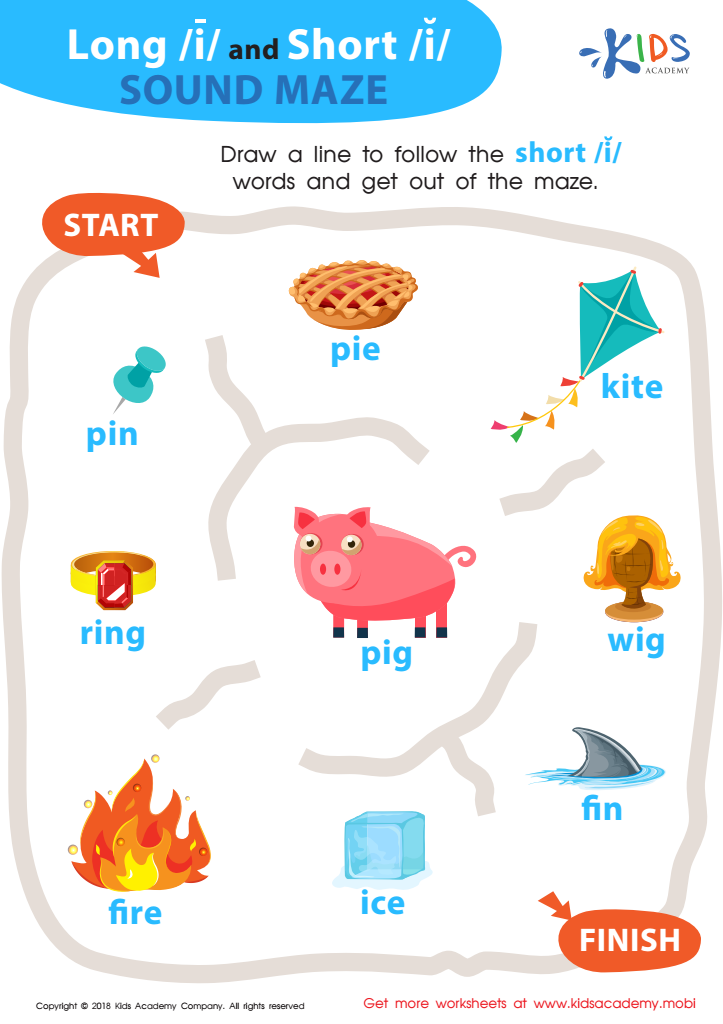
Reading: Long I and Short I Sound Maze Worksheet
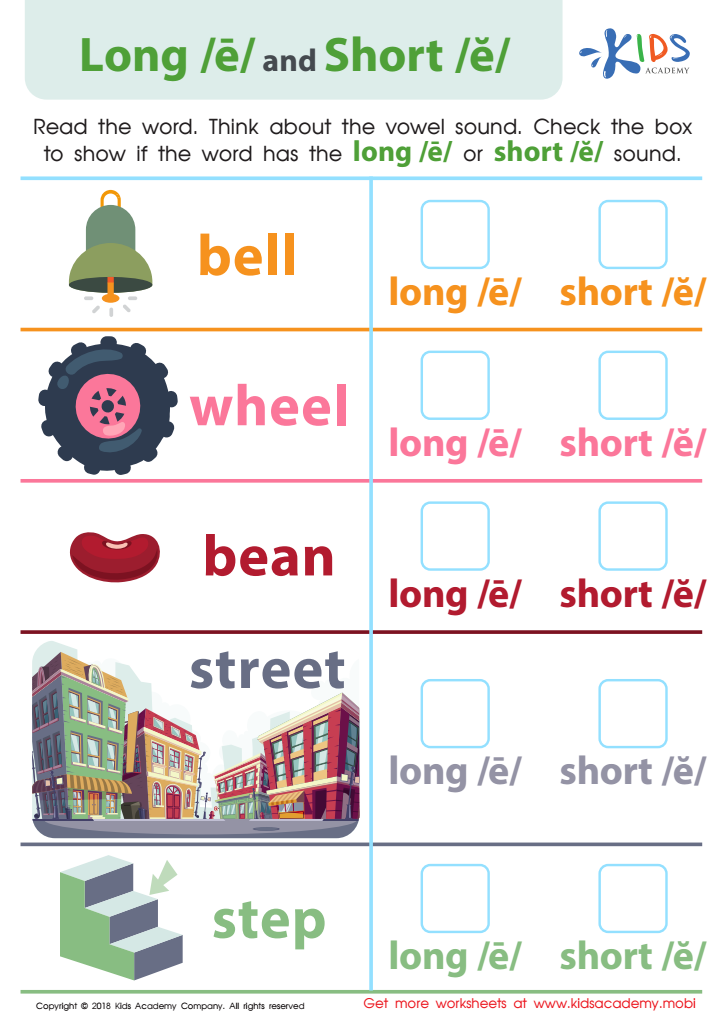
Reading: Long E and Short E Worksheet
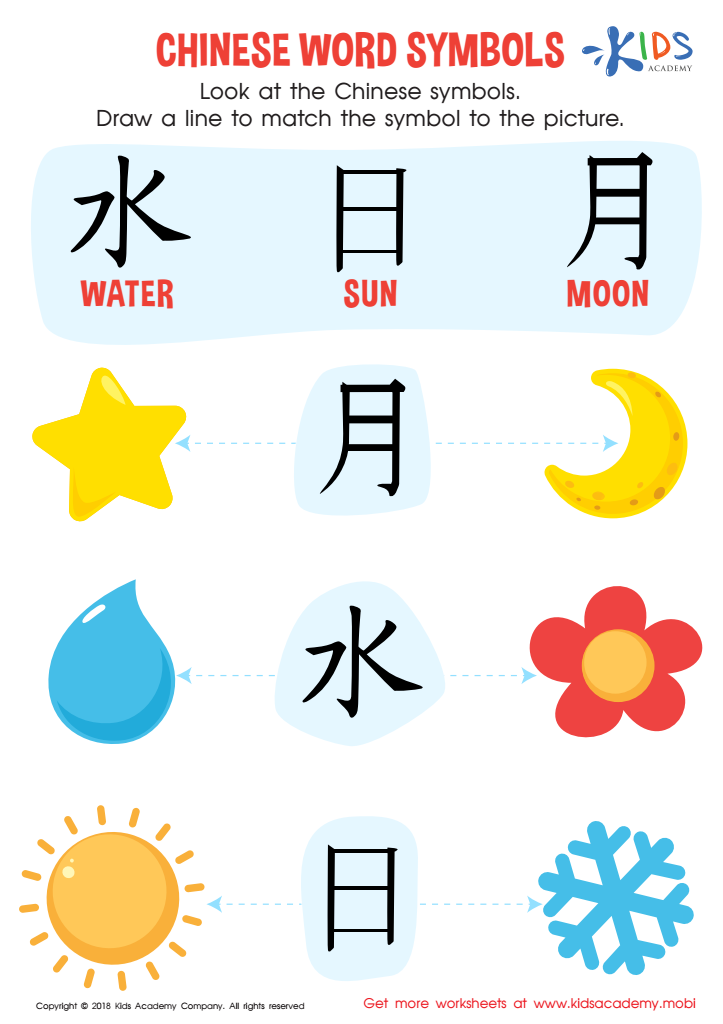
Chinese Word Symbols Worksheet
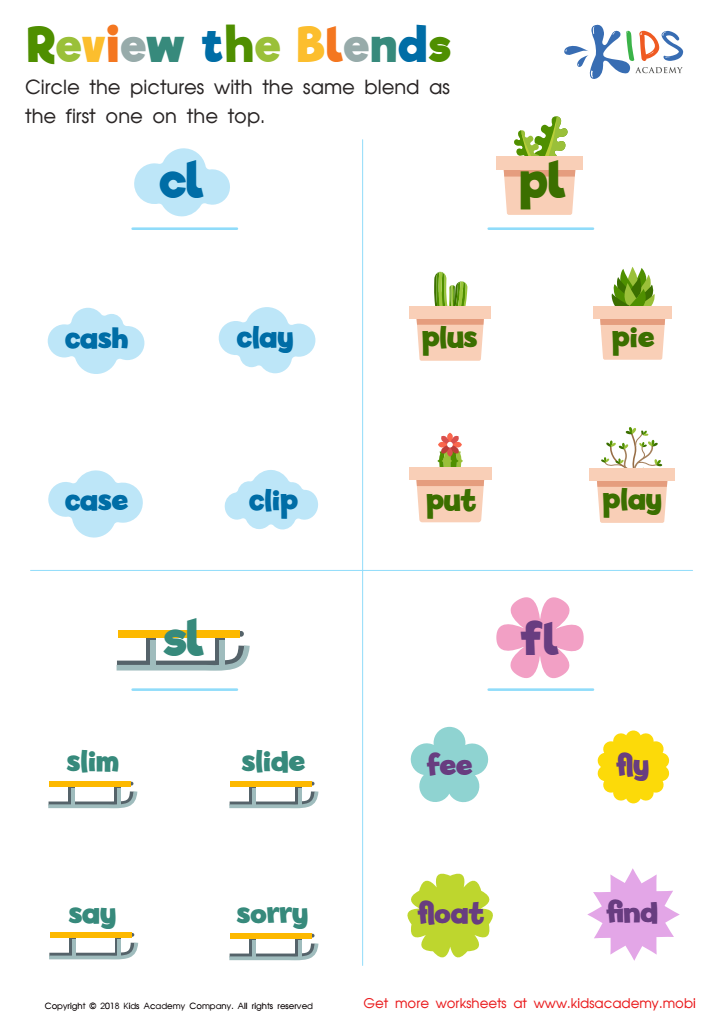
Review the Blends Worksheet
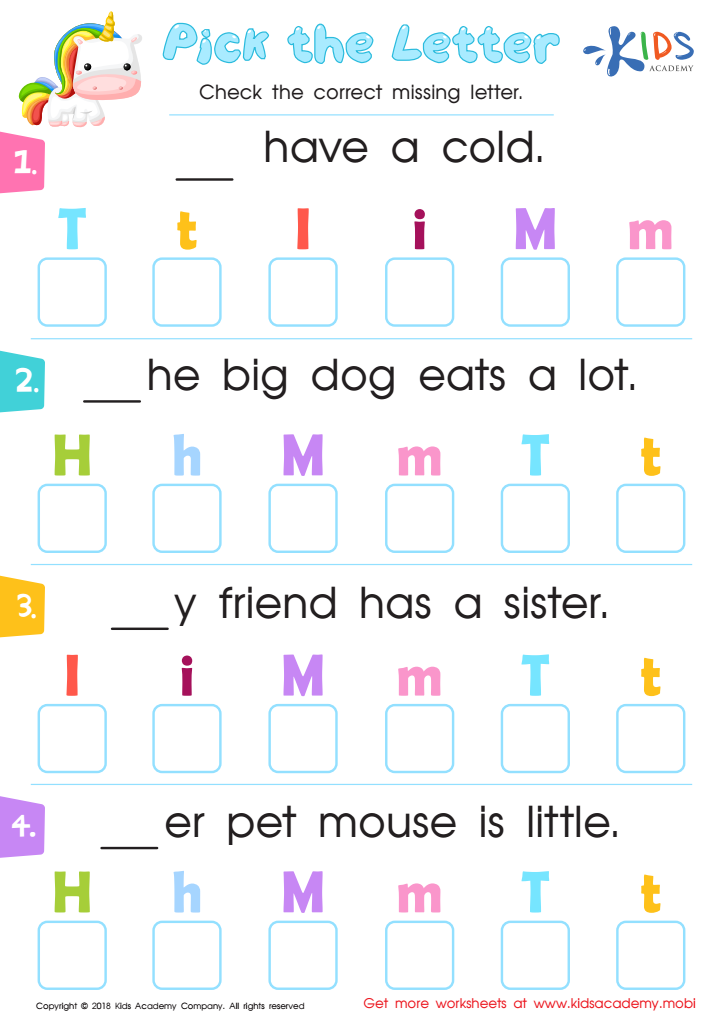
Pick the Letter Worksheet
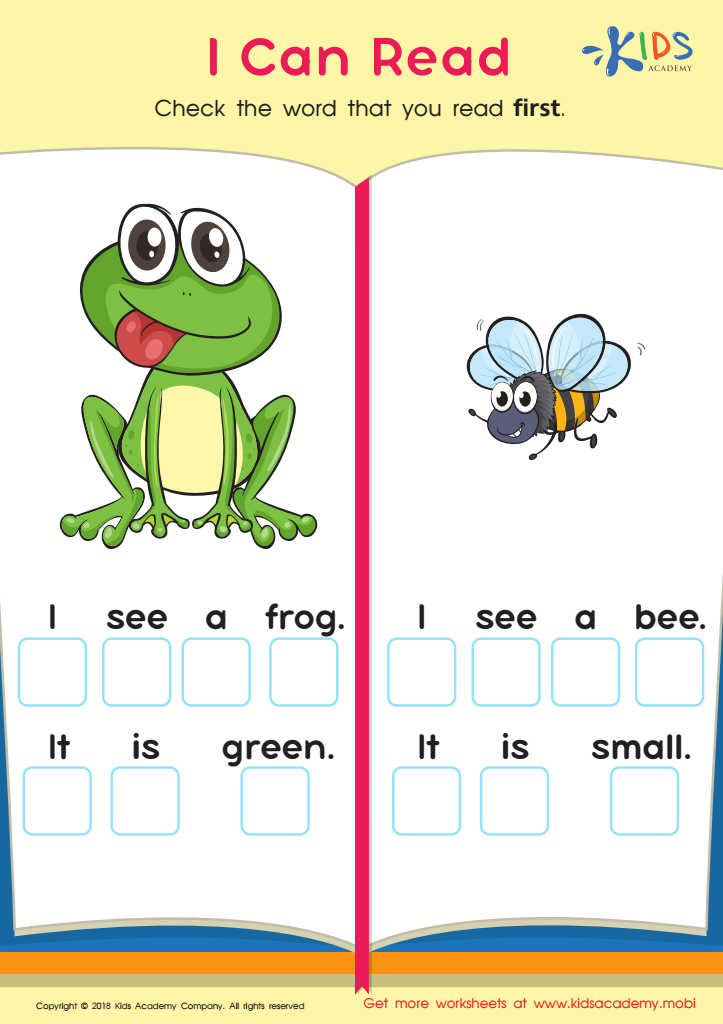
I Can Read Worksheet
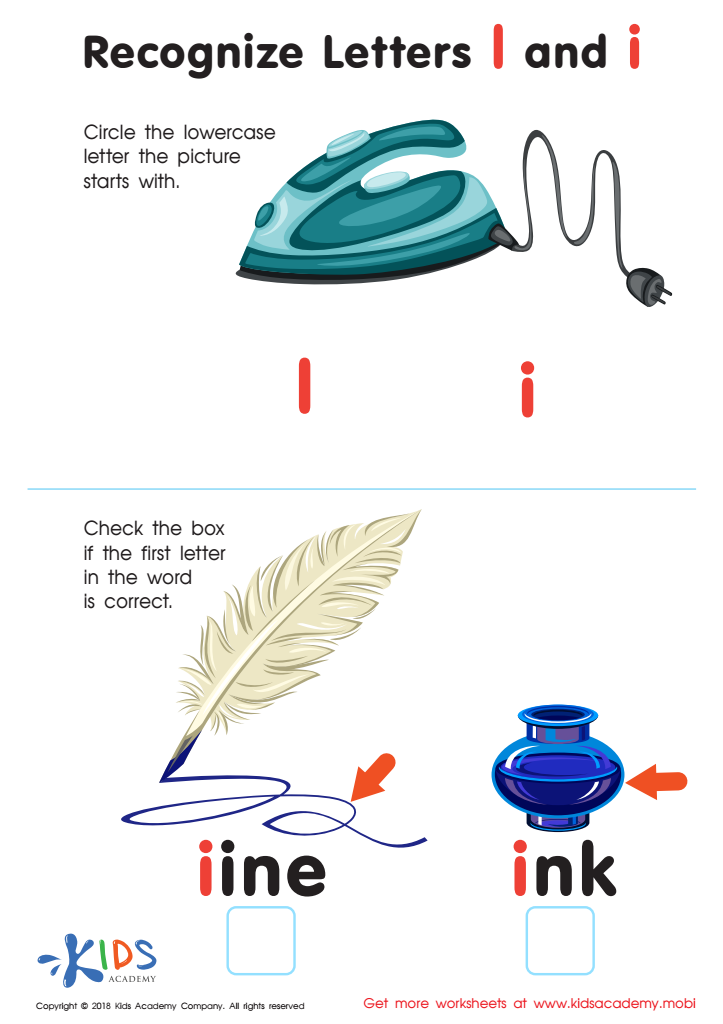
Recognize Letters l and i Worksheet
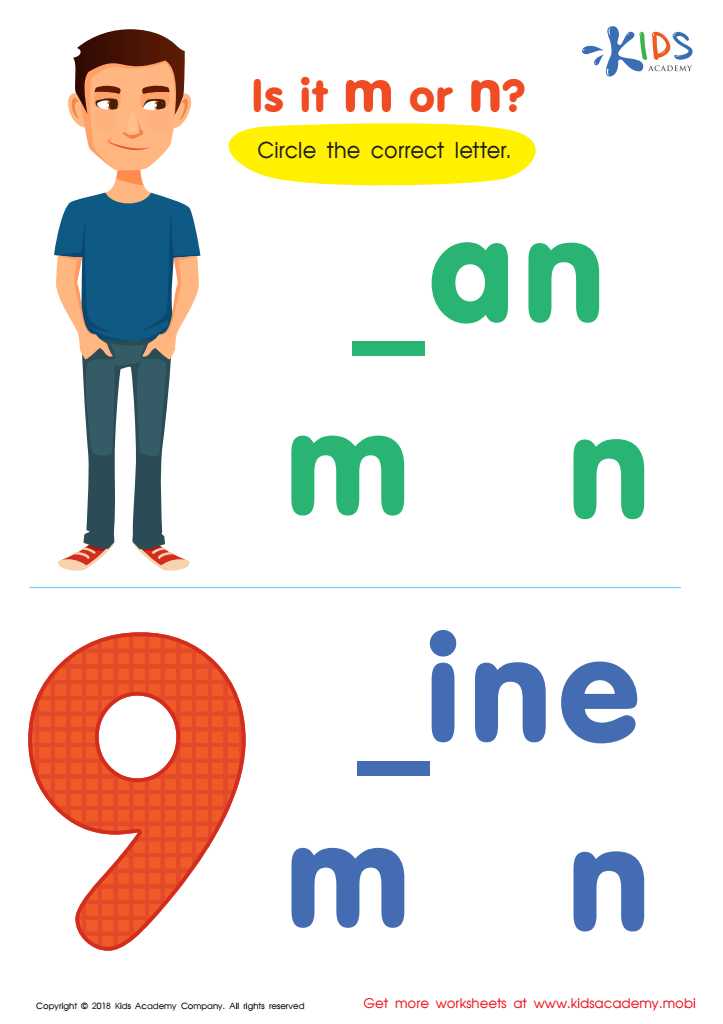
Is It m or n? Worksheet
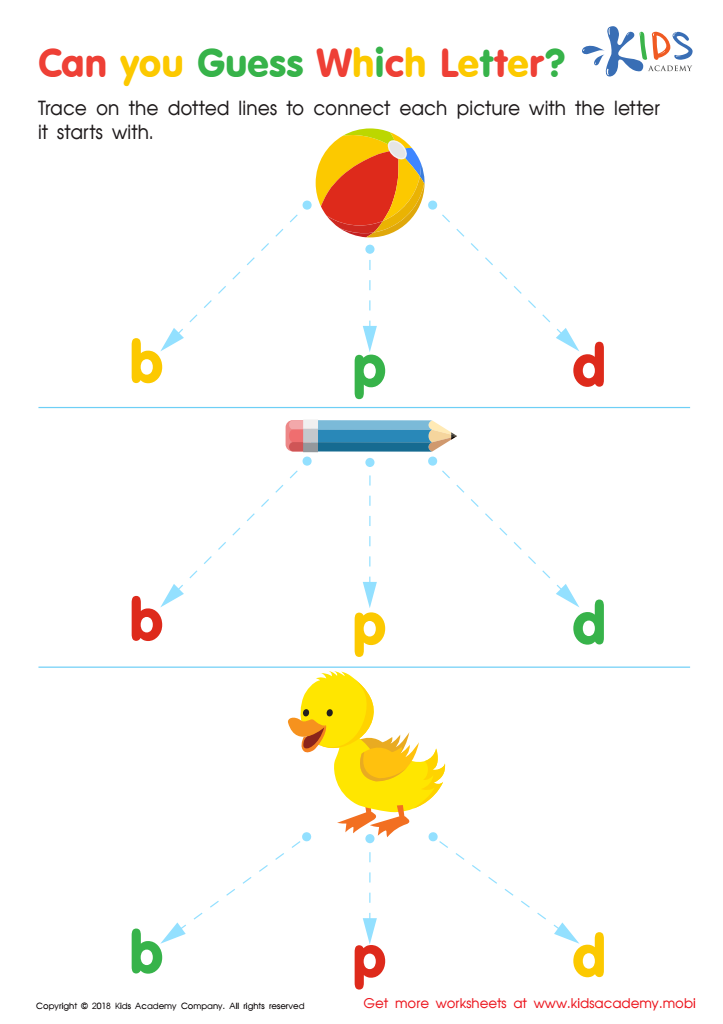
Can you Guess Which Letter? Worksheet
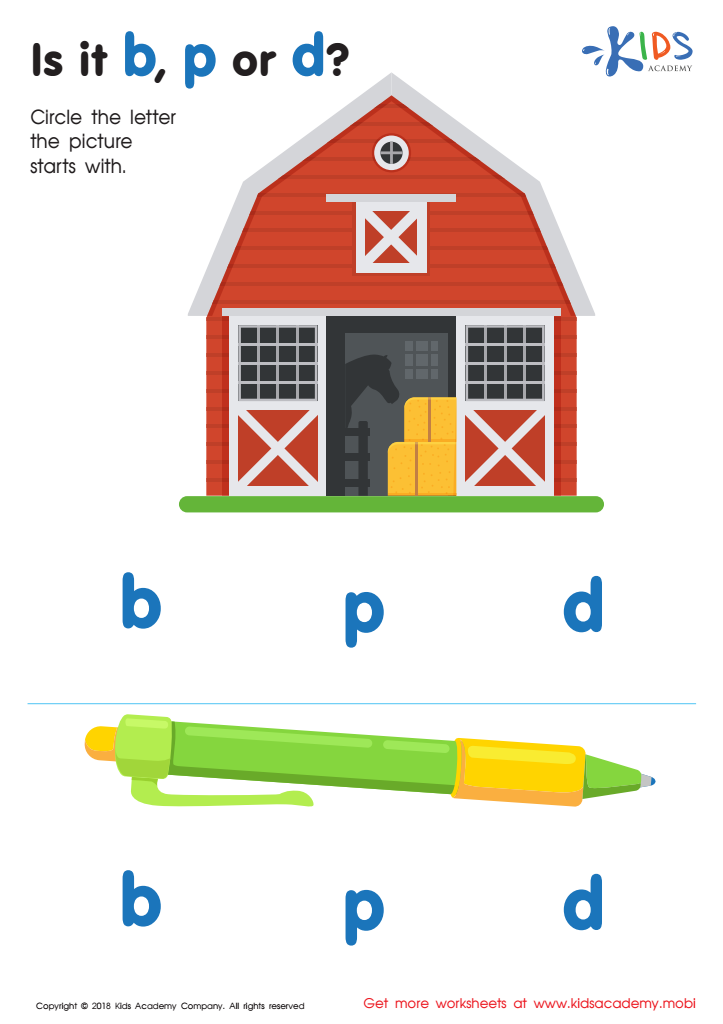
Is it b, p or d? Worksheet
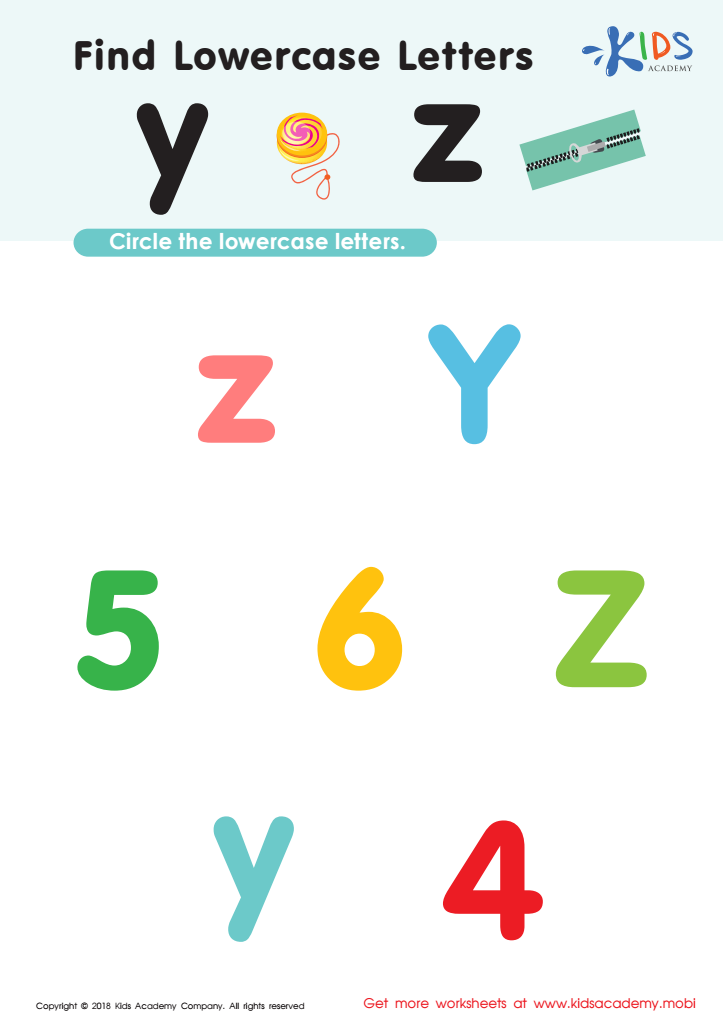
Find Lowercase Letters y z Worksheet
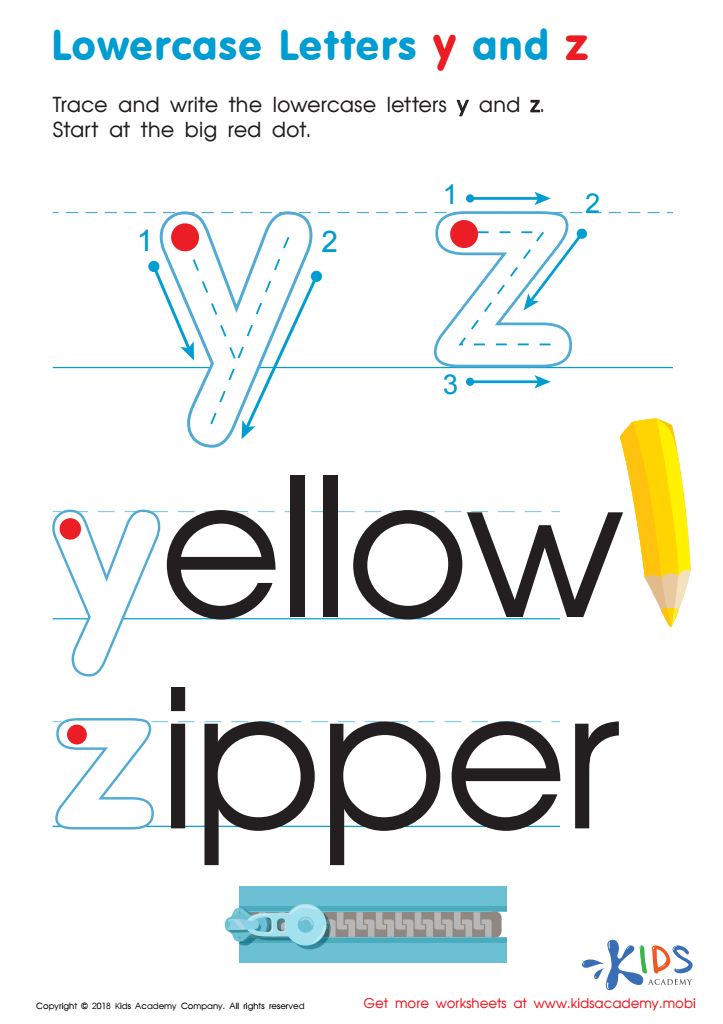
Lowercase Letters y z Worksheet
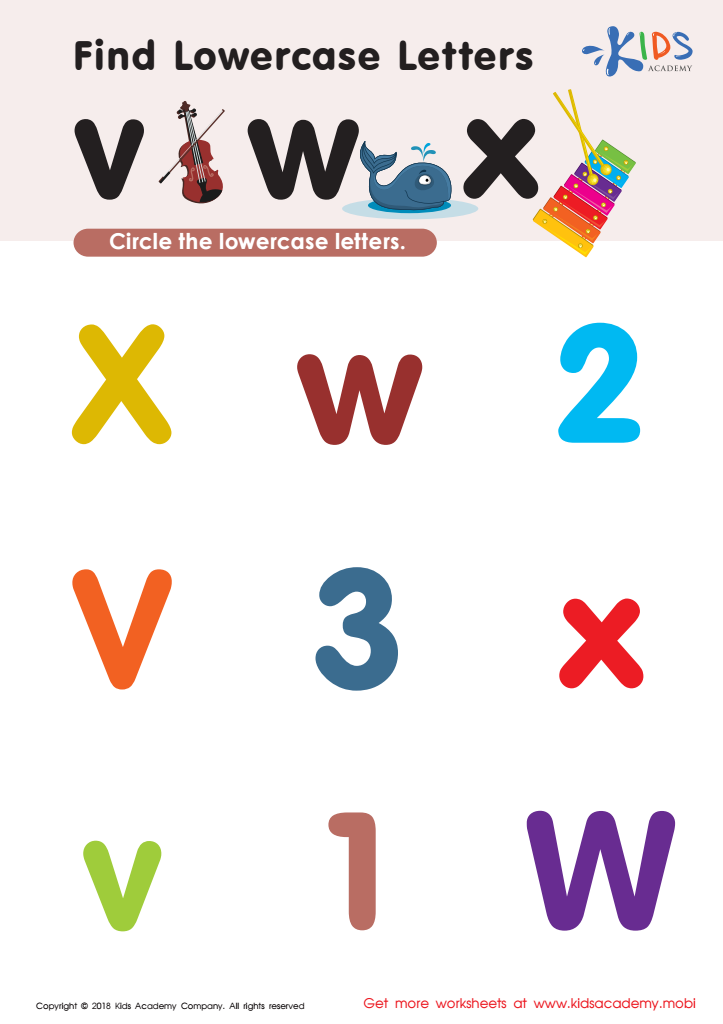
Find Lowercase Letters v w x Worksheet
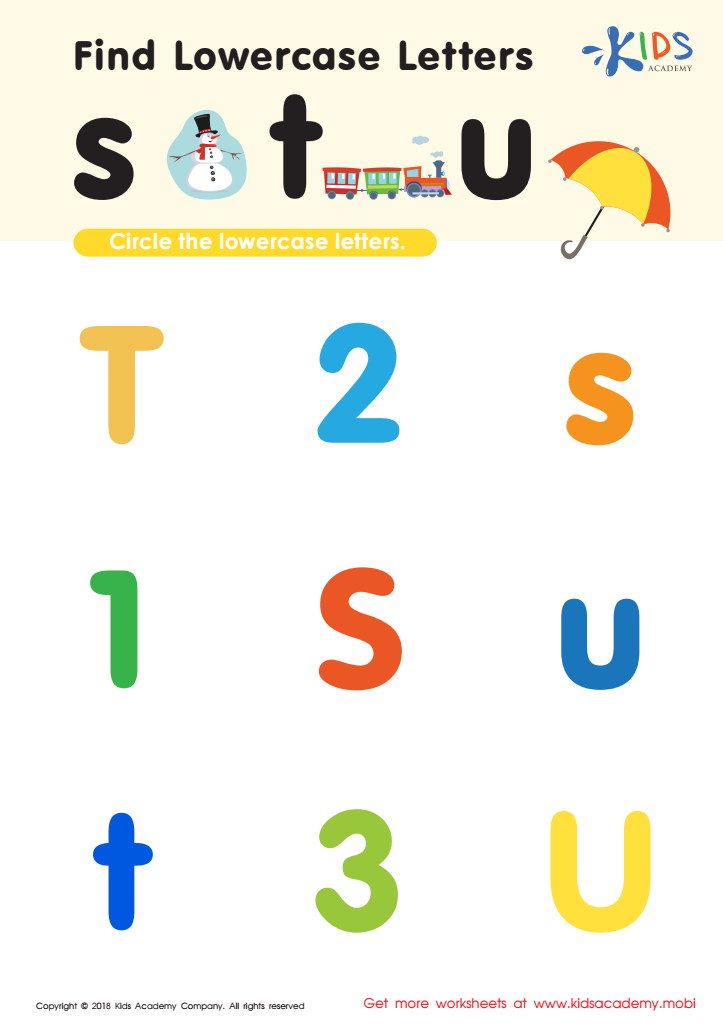
Find lowercase Letters s t u Worksheet
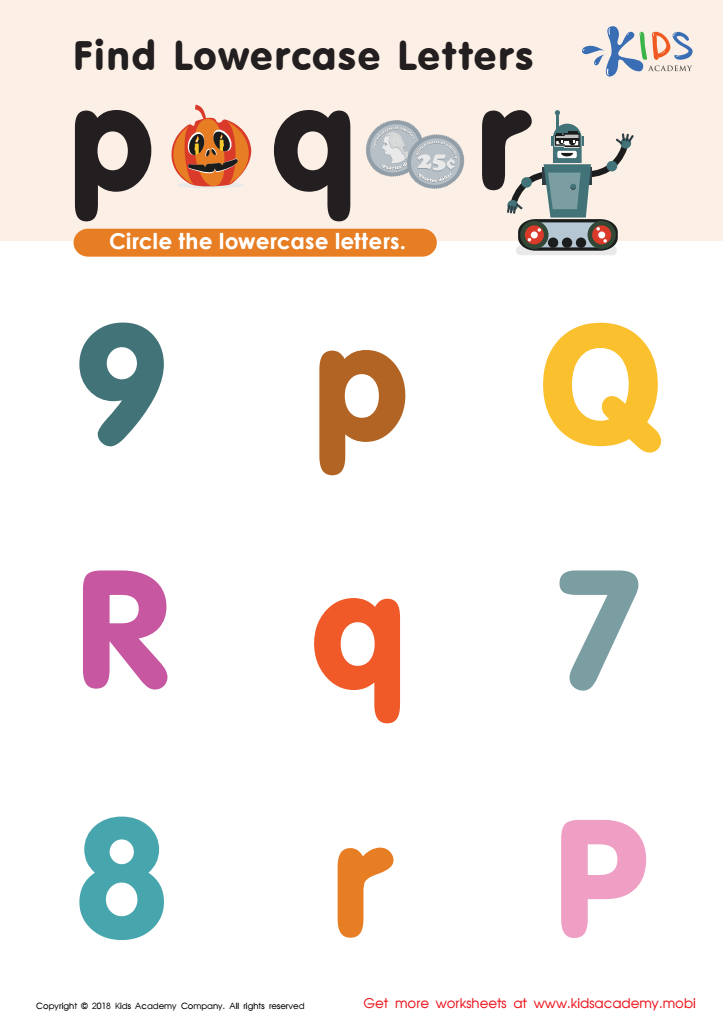
Find lowercase Letters p q r Worksheet
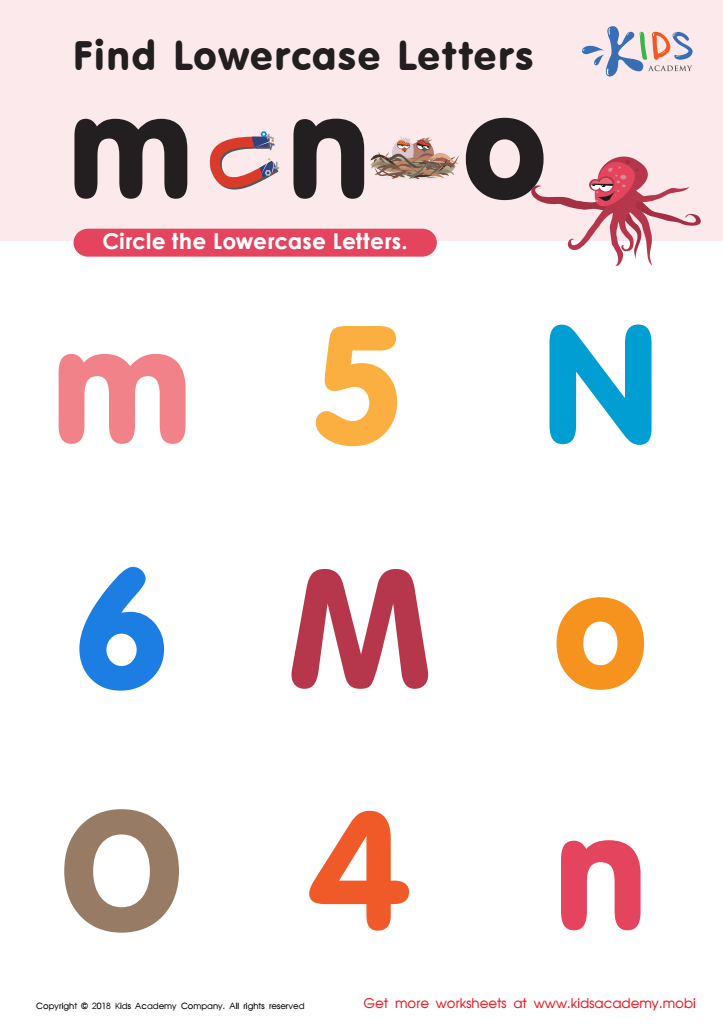
Find Lowercase Letters m n o Worksheet
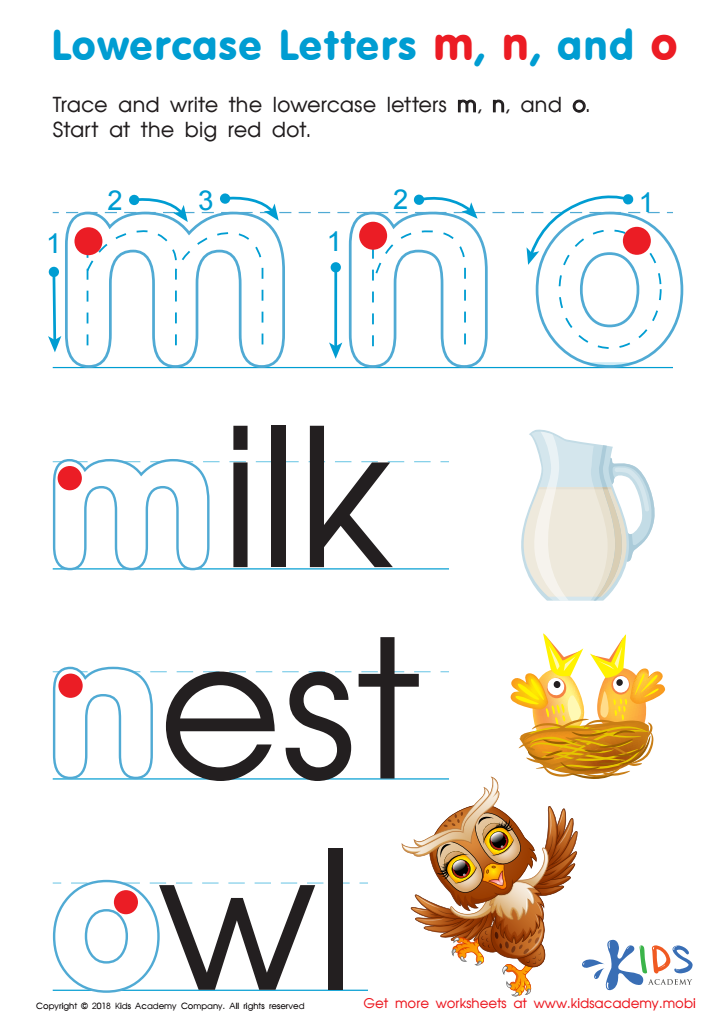
Lowercase Letters m n o Worksheet
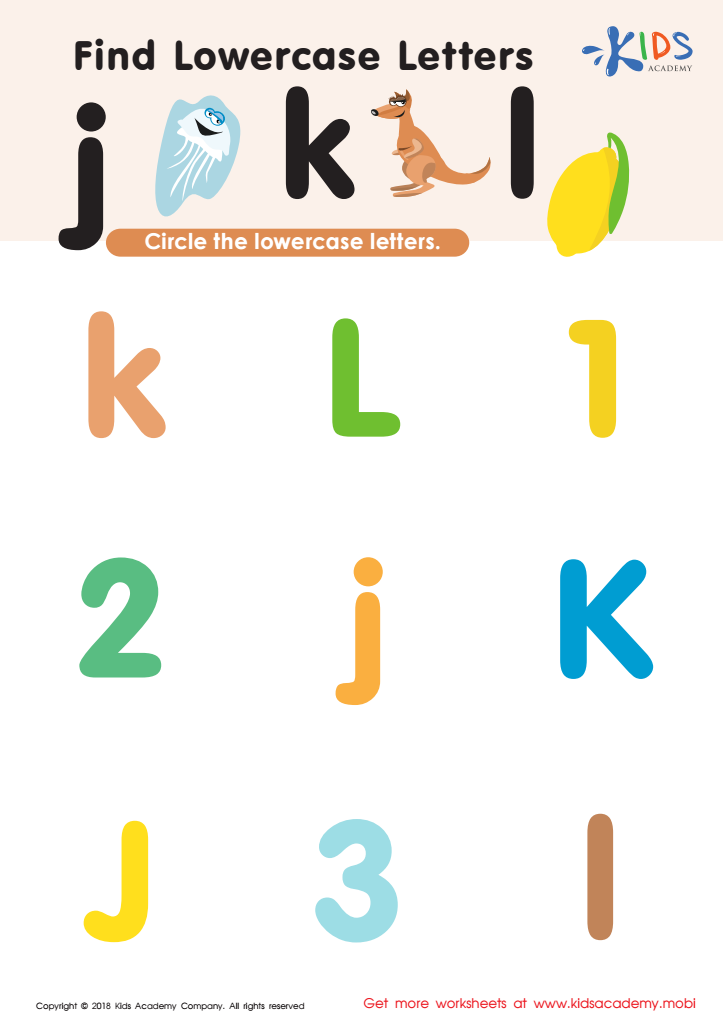
Find Lowercase Letters j k l Worksheet








Normal letter recognition is a foundational skill that profoundly impacts the academic and cognitive development of children aged 3-9. During these crucial years, children transition from recognizing and interpreting symbols to developing literacy skills essential for lifelong learning.
Early letter recognition sets the stage for reading and writing. As children identify letters accurately, they learn to associate them with specific sounds, enabling them to decode words. This phonemic awareness is vital for developing reading fluency. Research shows that children who recognize letters early tend to achieve greater success in reading comprehension and overall academic performance.
For parents and teachers, fostering letter recognition can be seen as akin to providing children with critical building blocks for education. It helps develop cognitive abilities such as memory and patterned thinking. Engaging in activities that promote letter recognition also boosts children’s confidence and enthusiasm for learning, laying a positive foundation for future educational endeavors.
Ignoring or overlooking this developmental milestone may result in delays in literacy acquisition, leading to struggles with reading and writing later on. Therefore, parents and teachers who actively support and nurture letter recognition are not just aiding a specific skill but are also contributing significantly to a child’s holistic educational journey and lifelong success.








