Normal Phonics Worksheets for Ages 3-9 - Page 5
178 filtered results
-
From - To
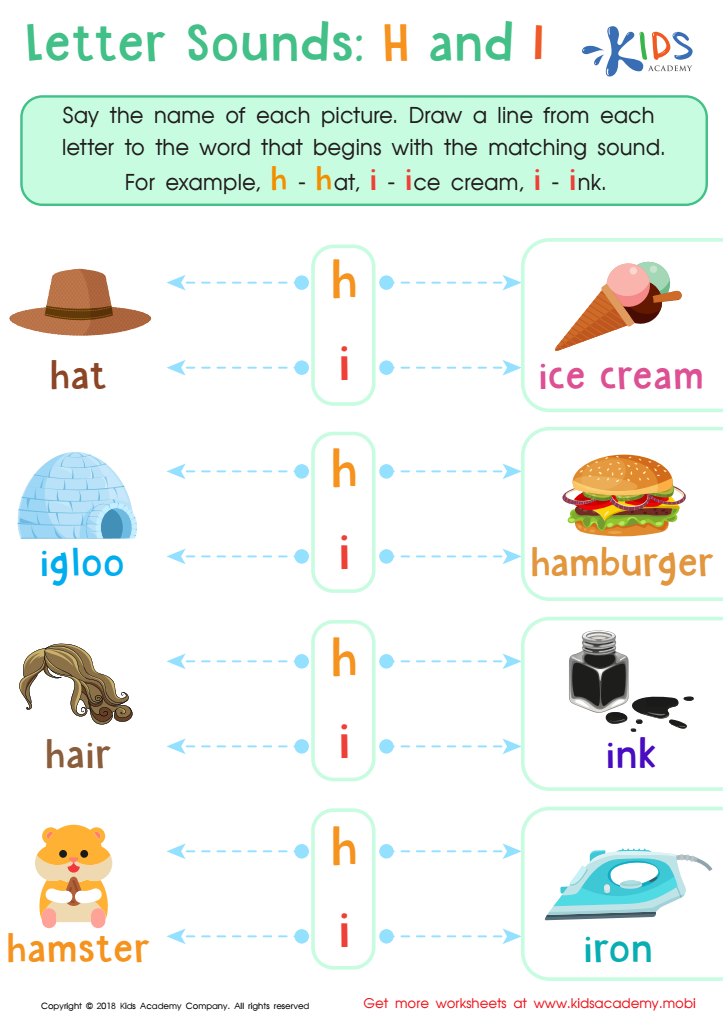
Letter H and I Sounds Worksheet
 Assign to My Students
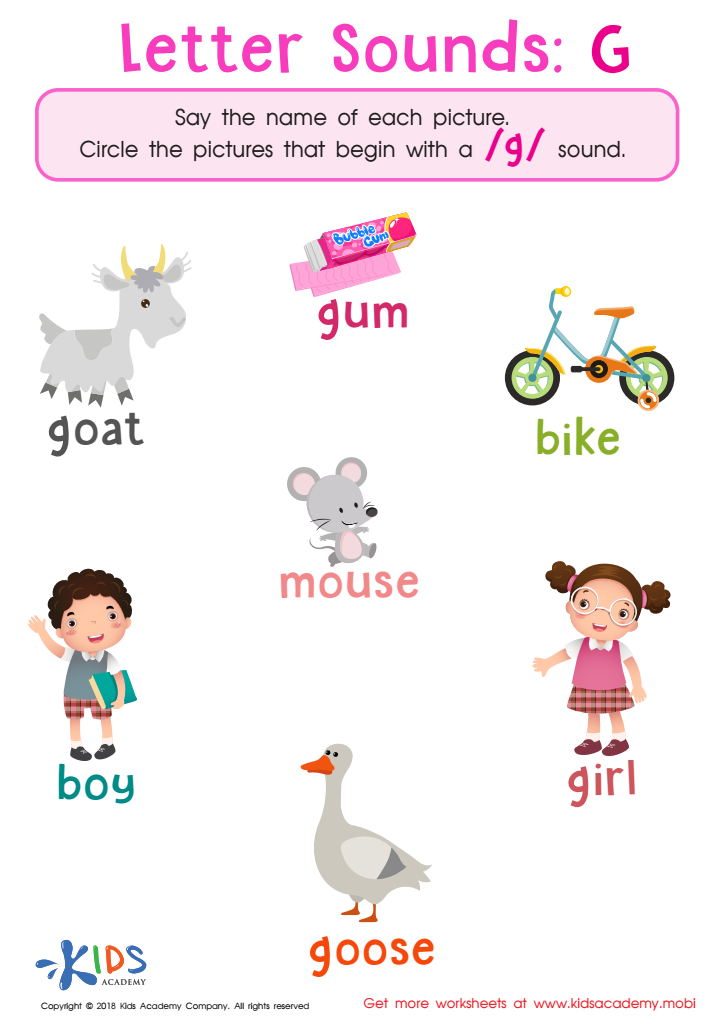
Letter G Sounds Worksheet
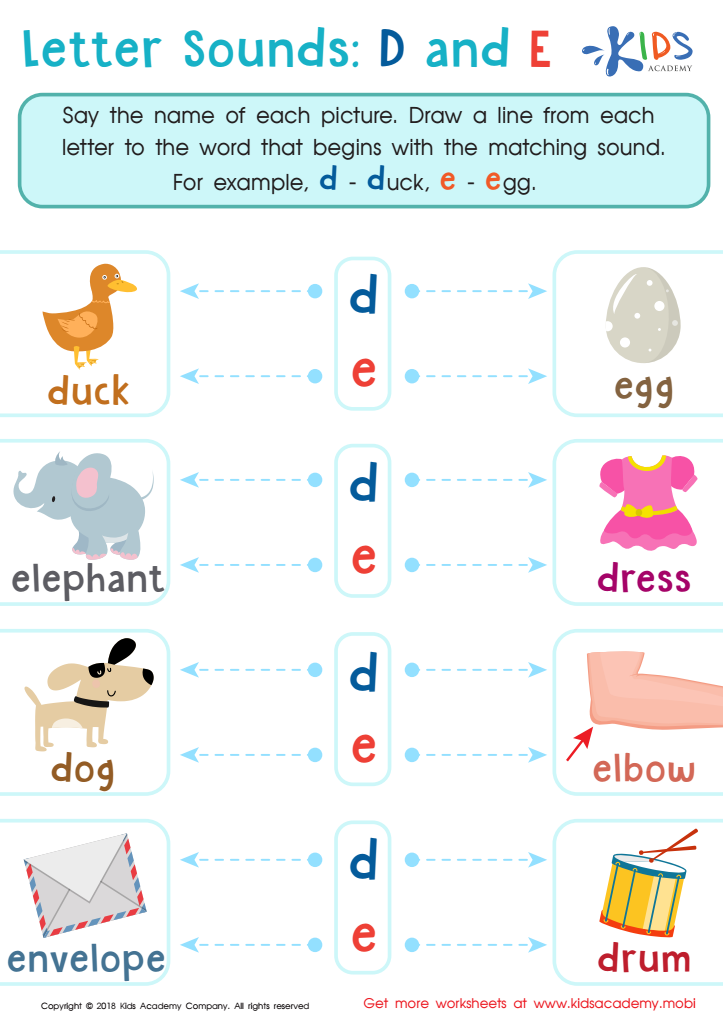
Letter D and E Sounds Worksheet
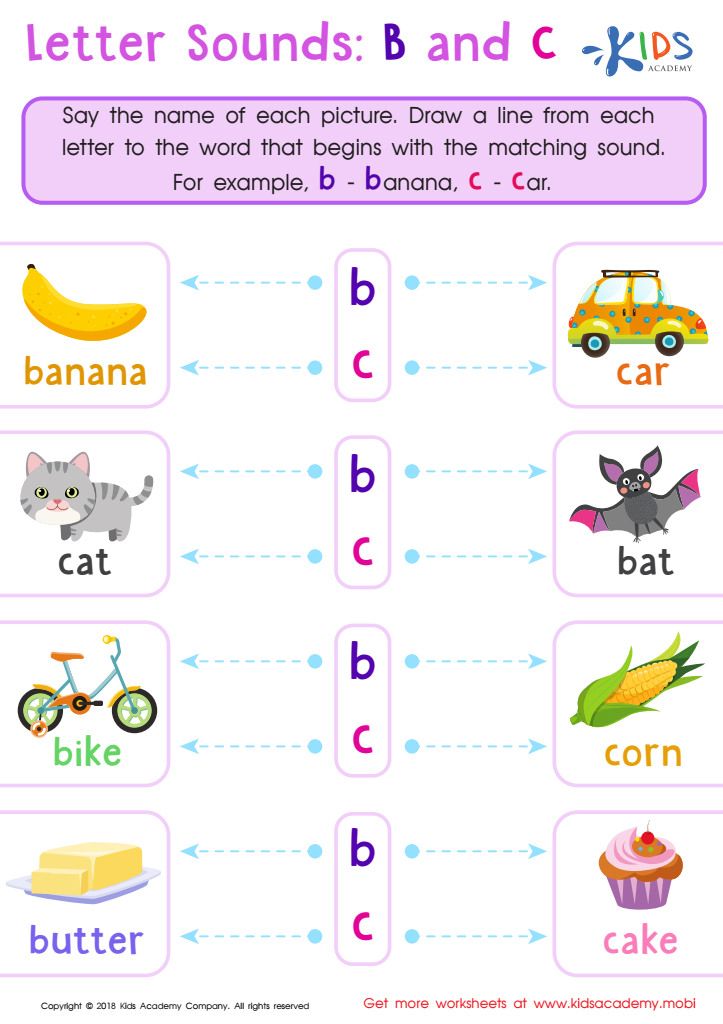
Letter B and C Sounds Worksheet
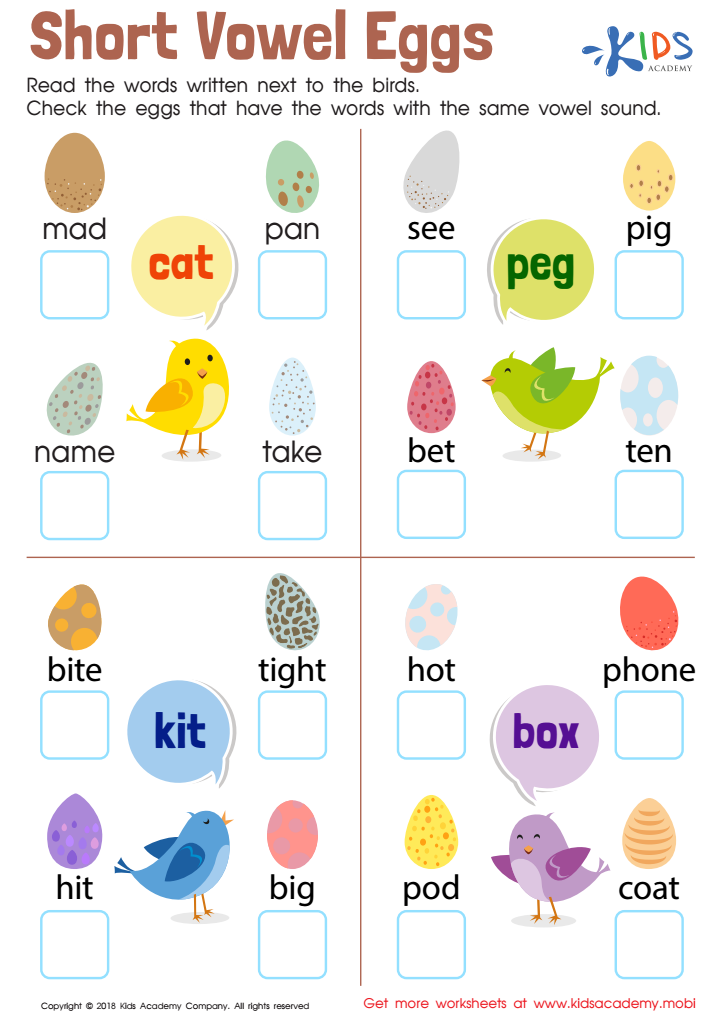
Short Vowel Eggs Worksheet
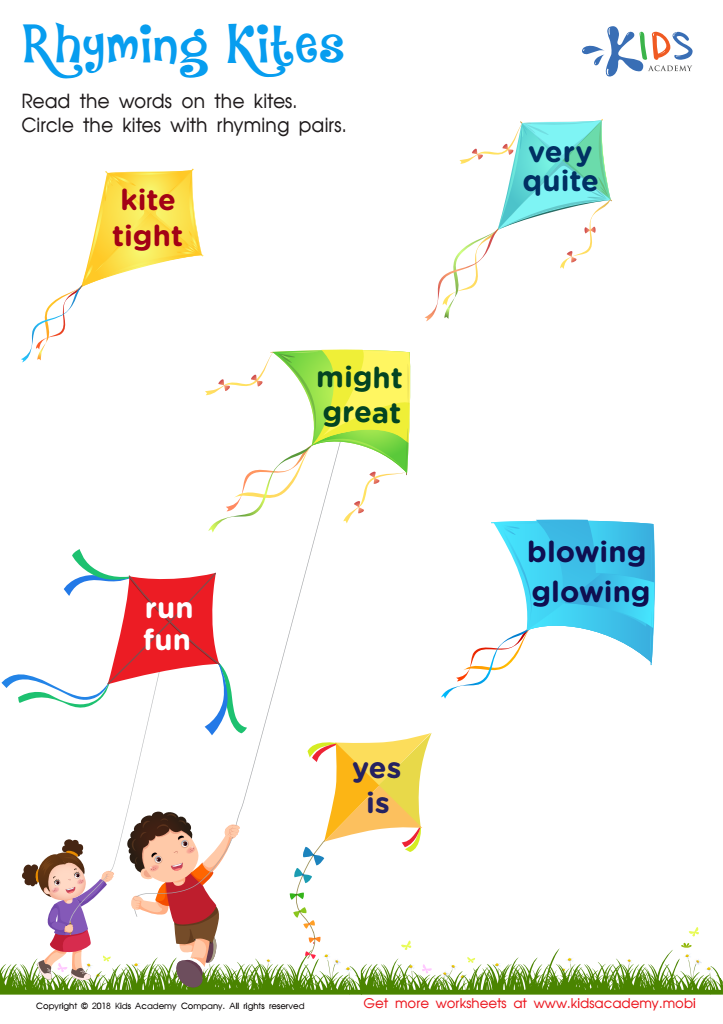
Rhyming Kites Worksheet
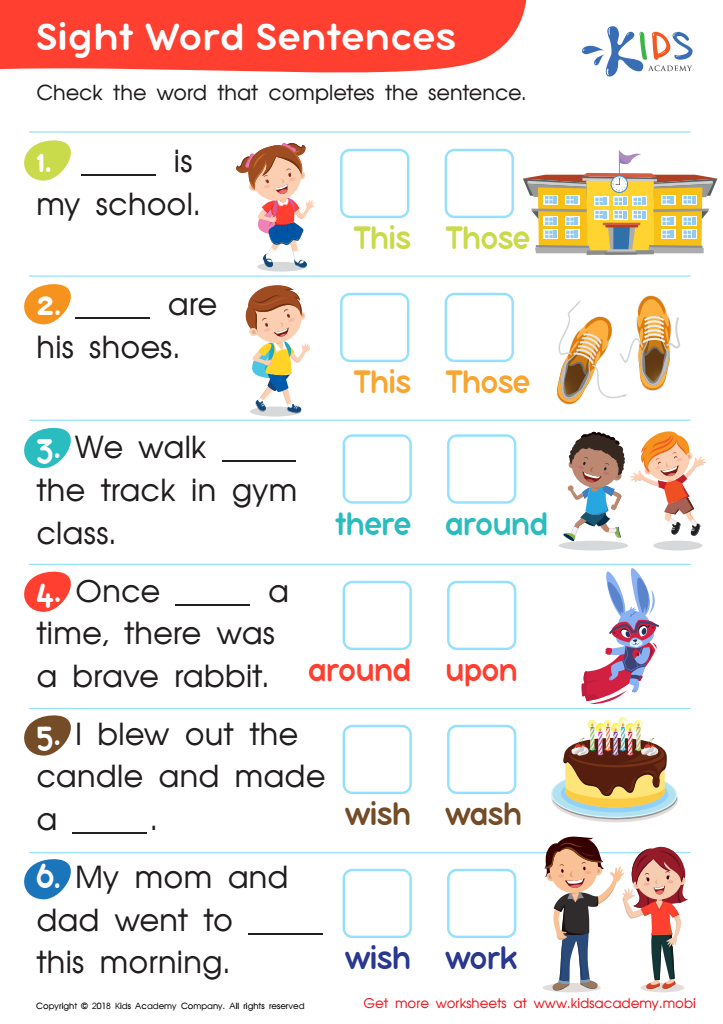
Sight Word Sentences Worksheet
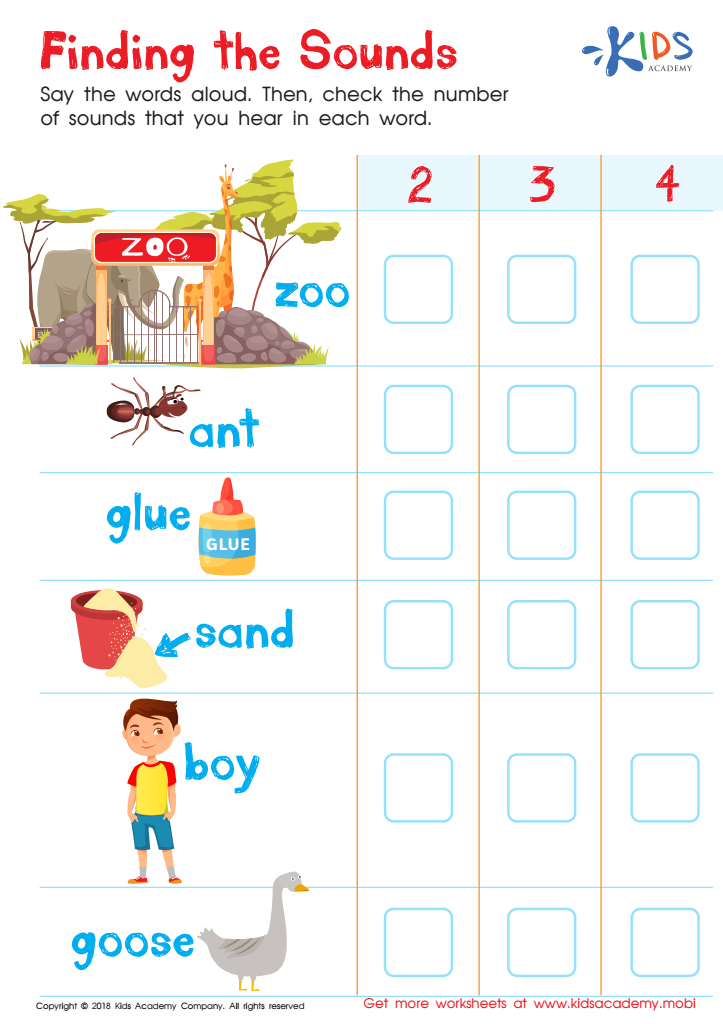
Finding the Sounds Worksheet
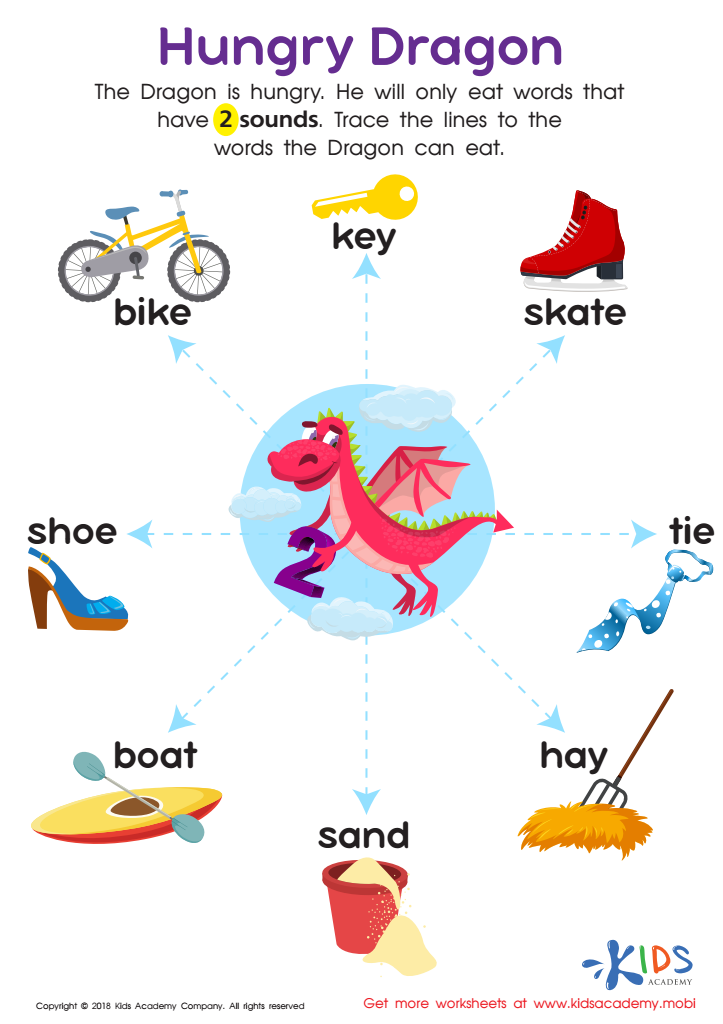
Hungry Dragon Worksheet
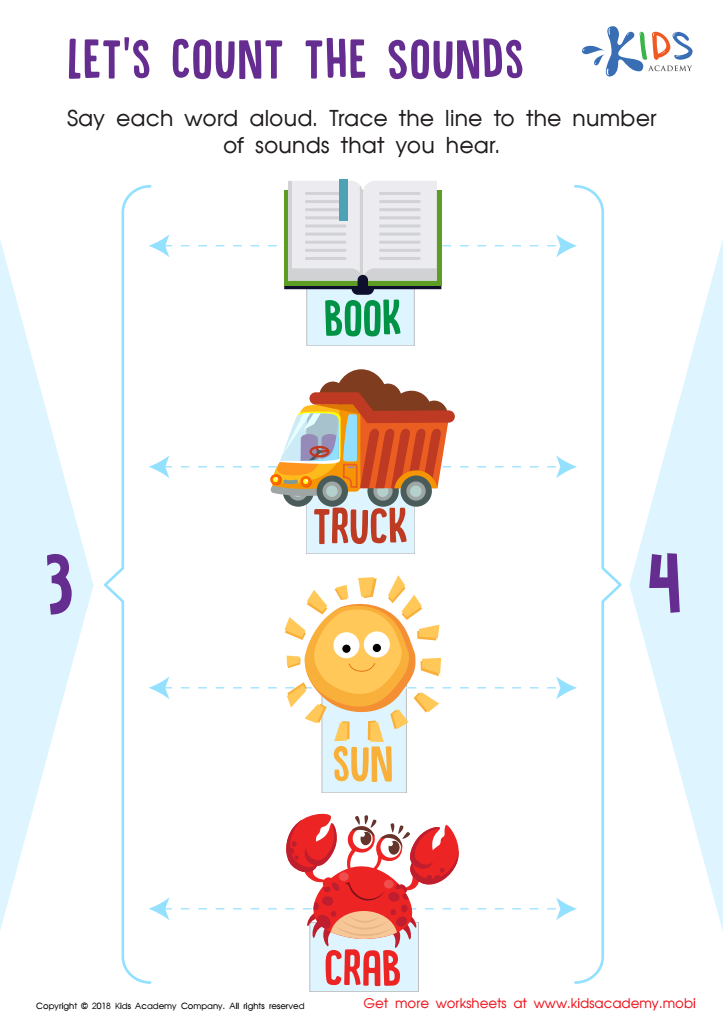
Let's Count the Sounds Worksheet
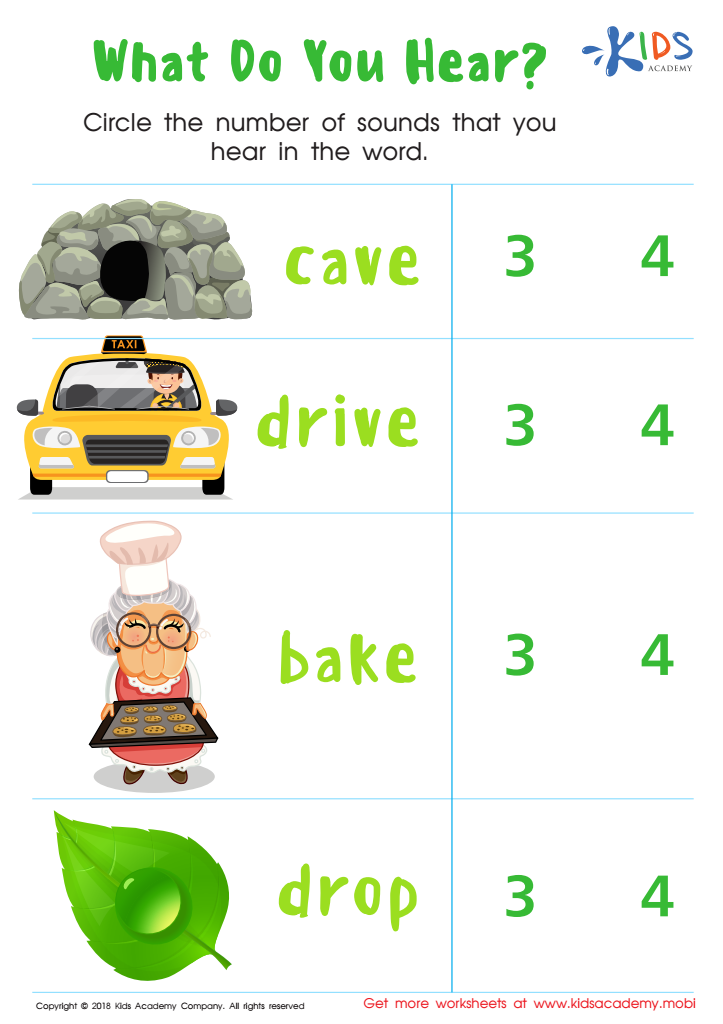
What Do You Hear? Worksheet
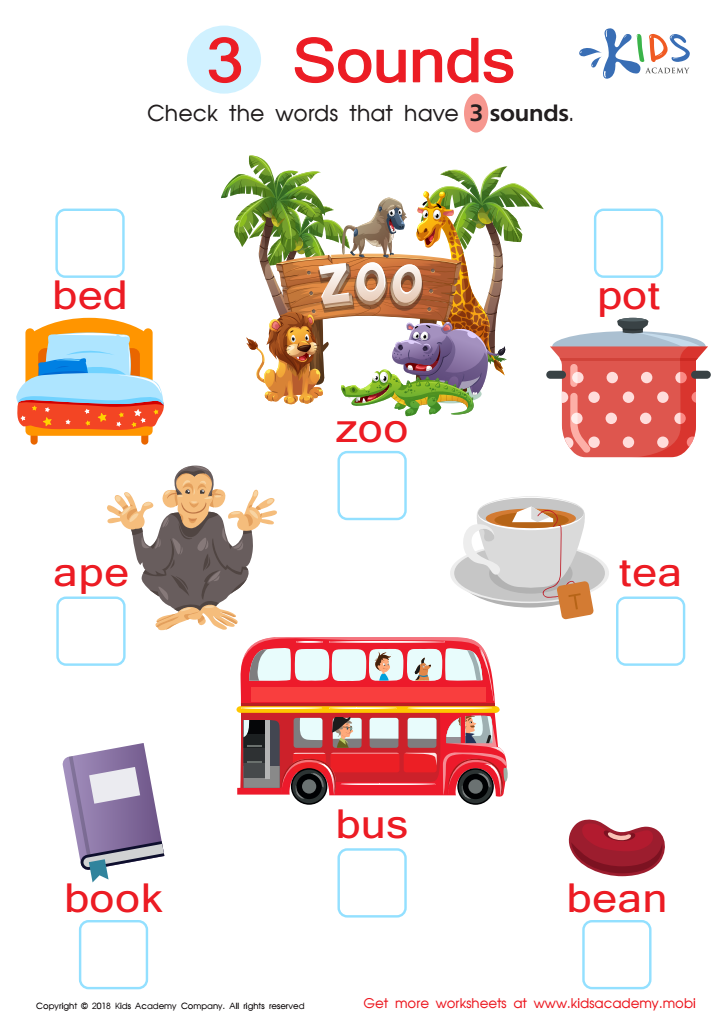
3 Sounds Worksheet
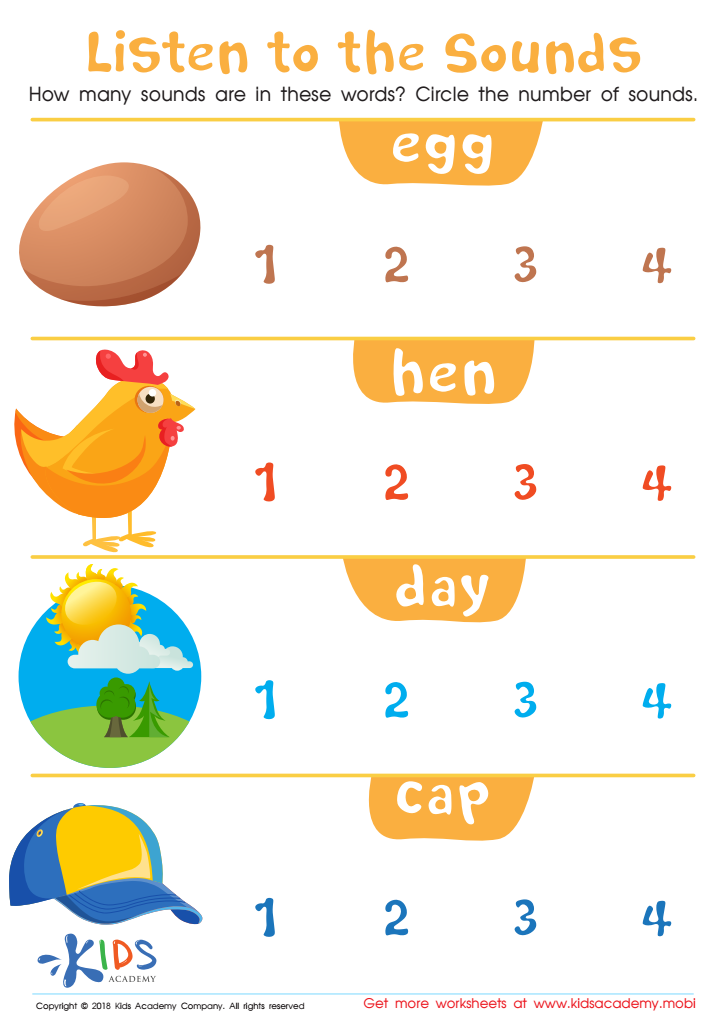
Listen to the Sounds Worksheet
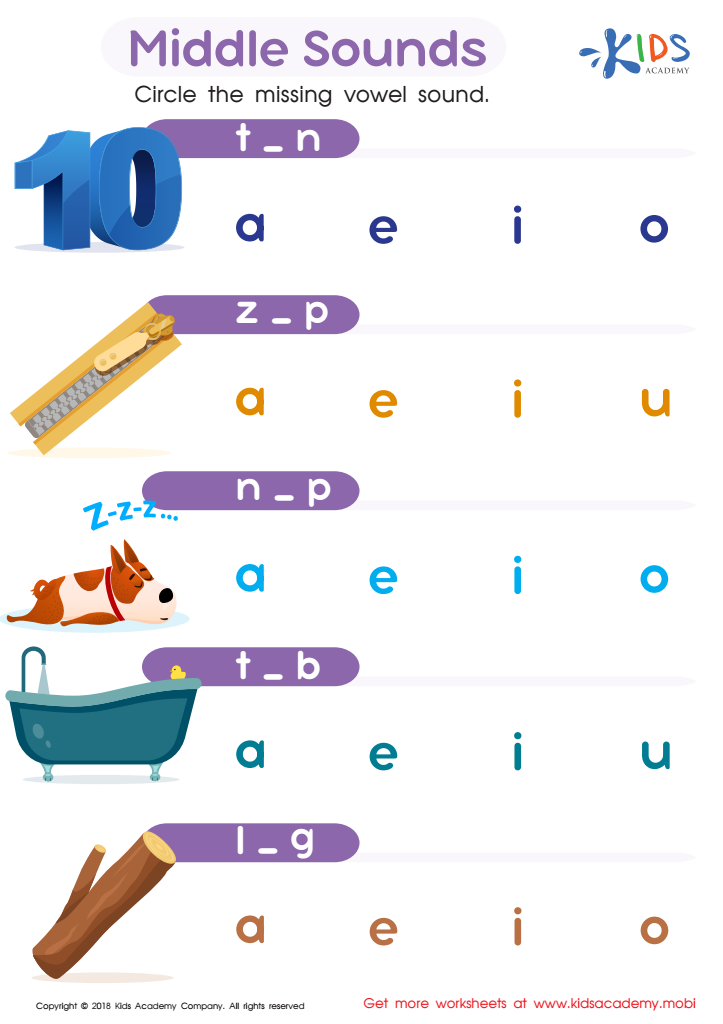
Middle Sounds Worksheet
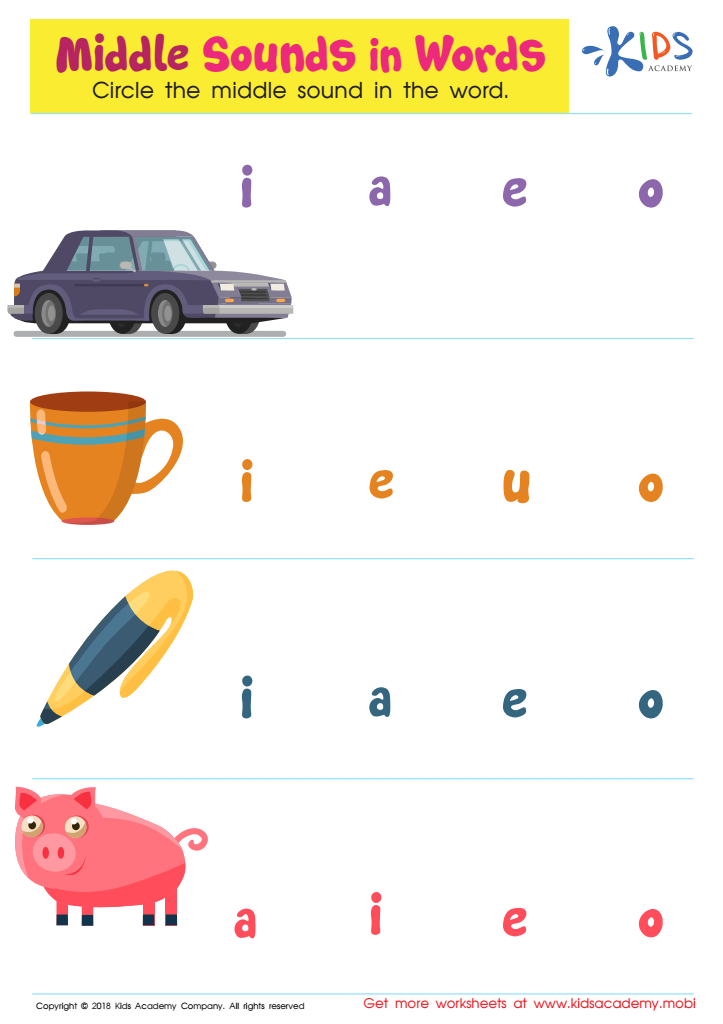
Middle Sounds in Words Worksheet
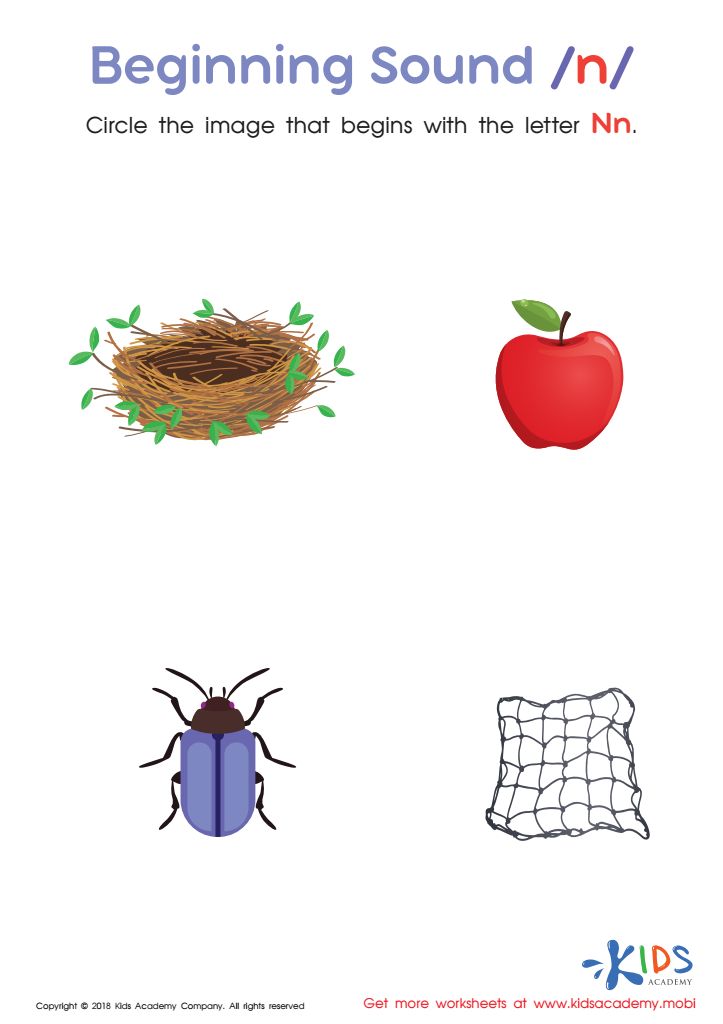
Beginning Sound «n» Worksheet
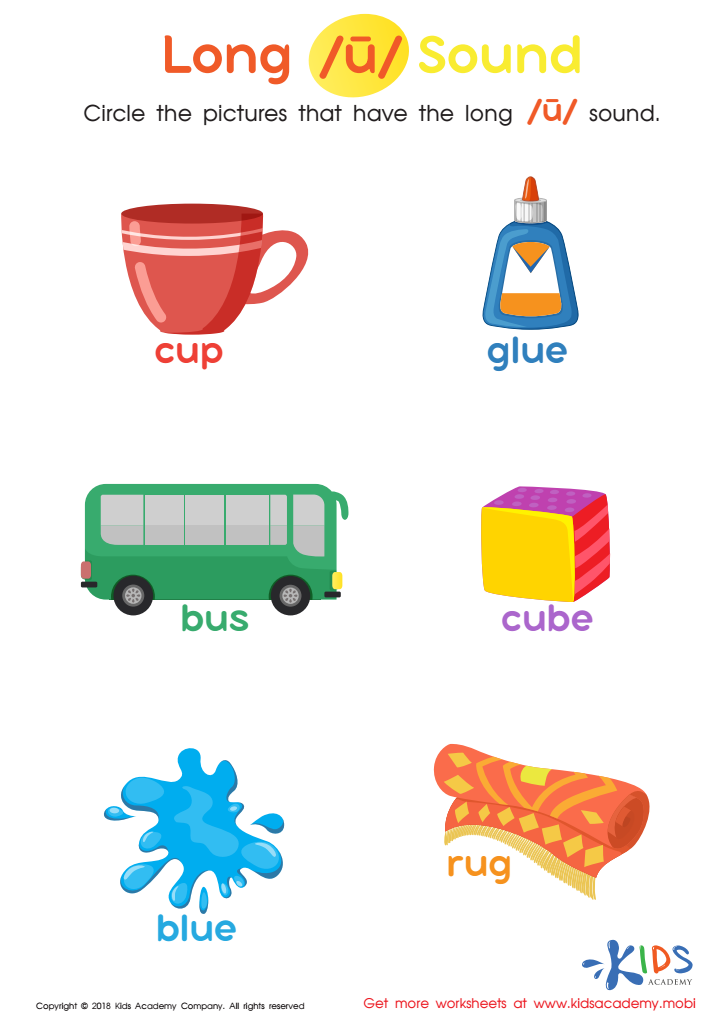
Long «u» Sound Worksheet
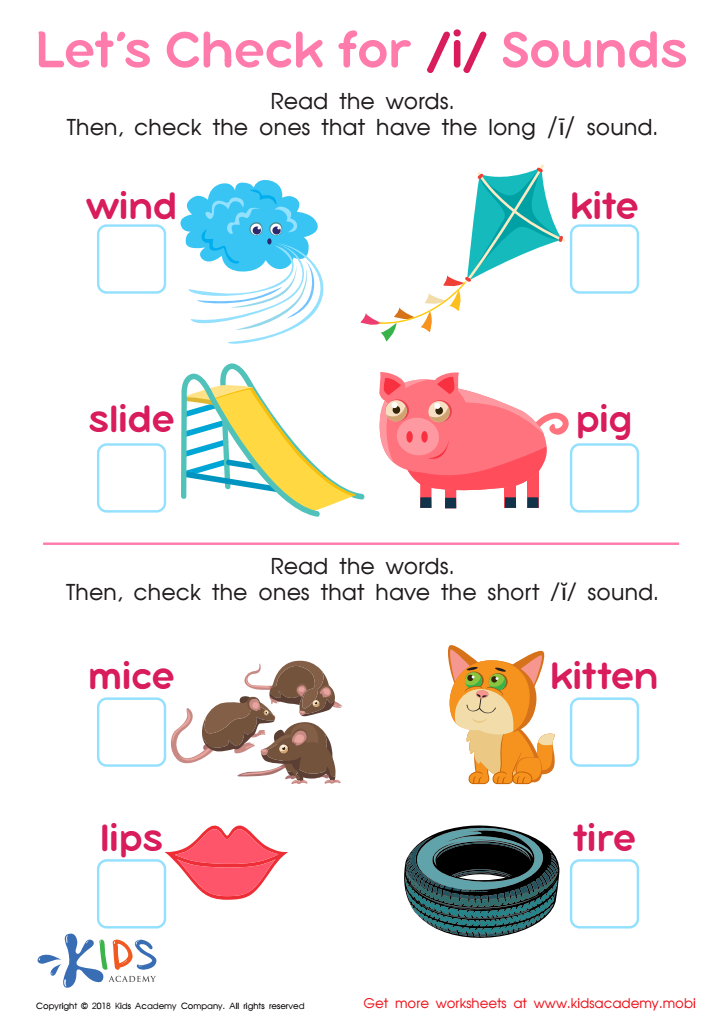
Let's Check for «i» Sounds Worksheet
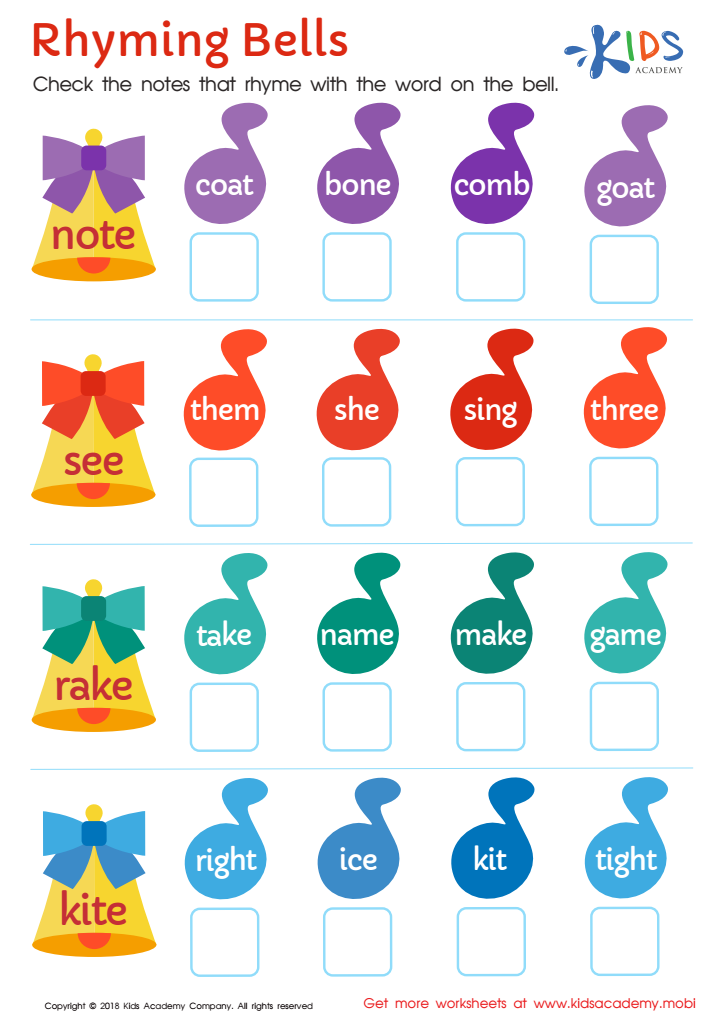
Rhyming Bells Worksheet
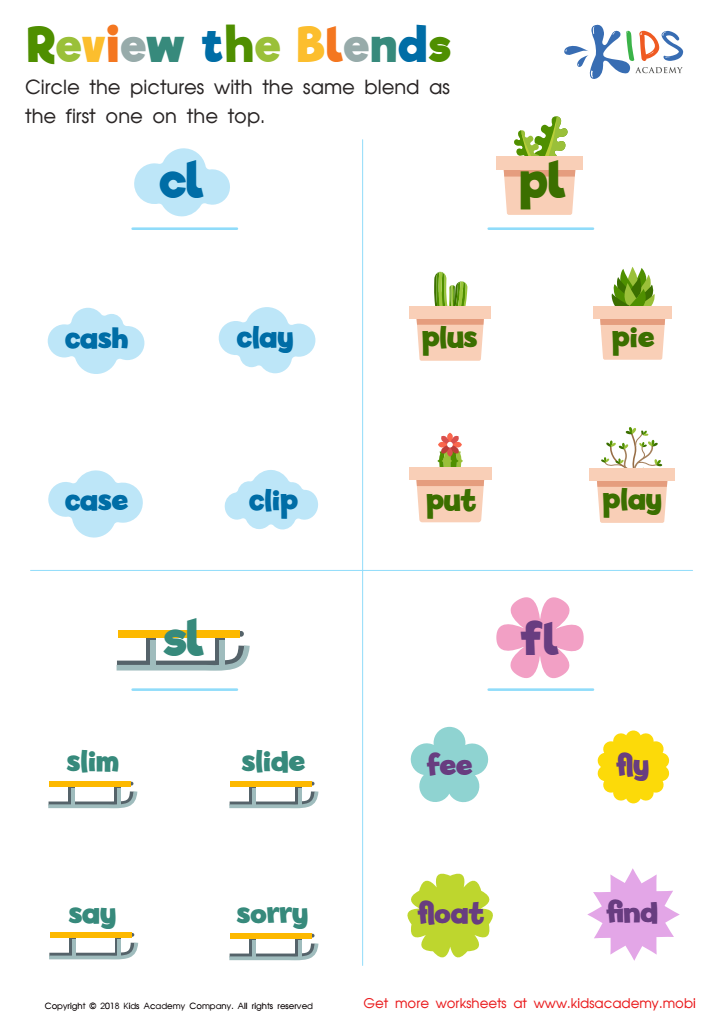
Review the Blends Worksheet
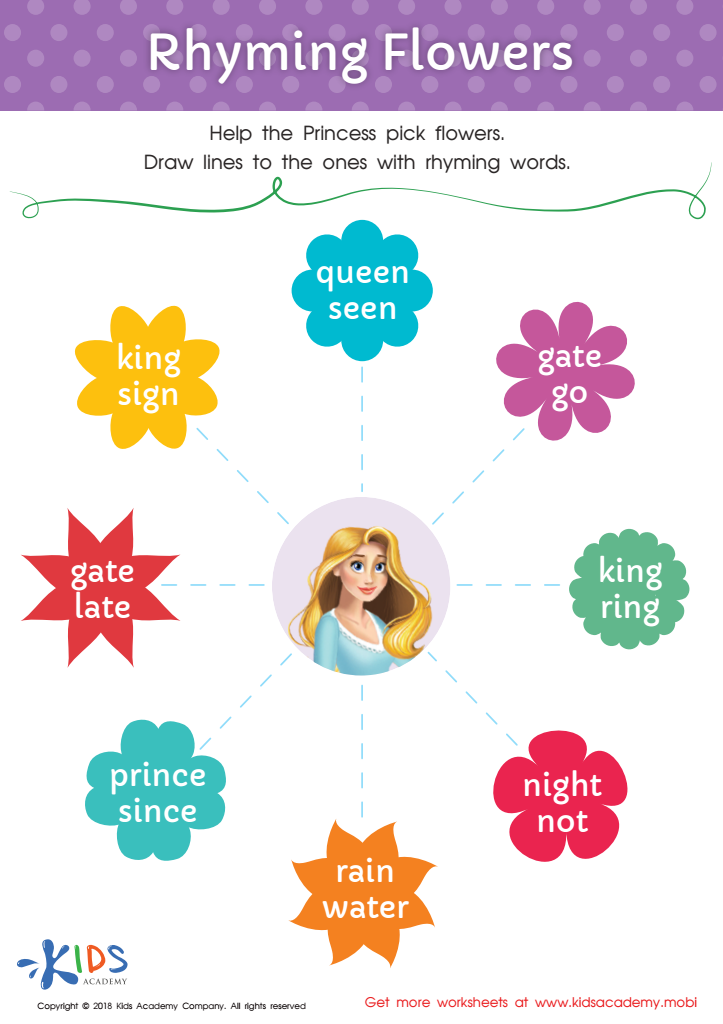
Rhyming Flowers Worksheet
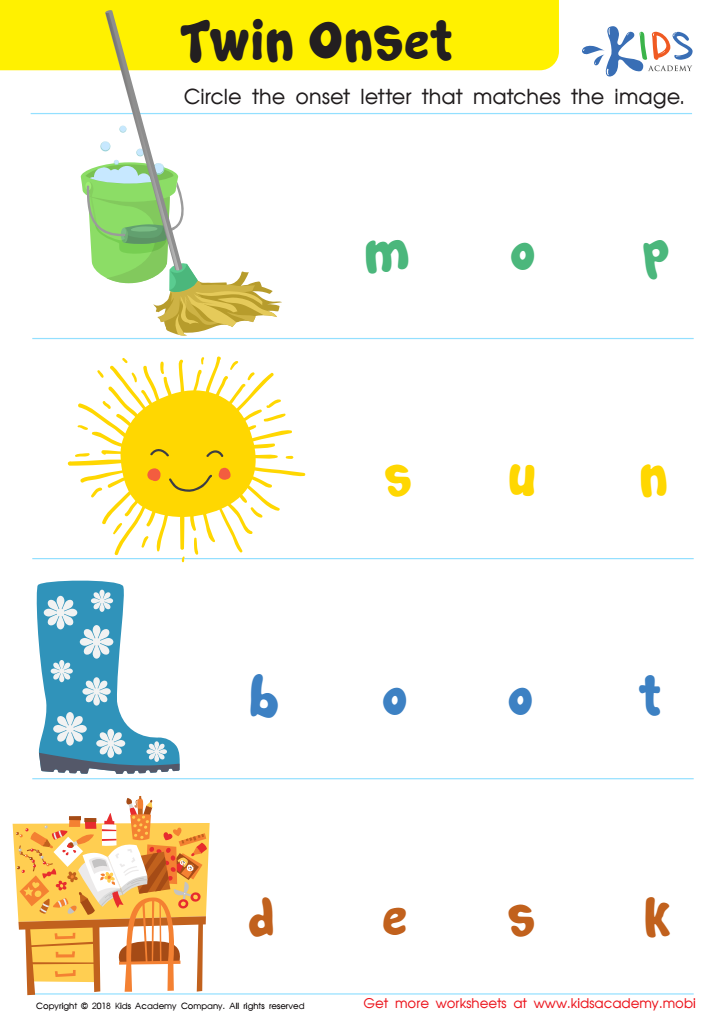
Twin Onset Worksheet
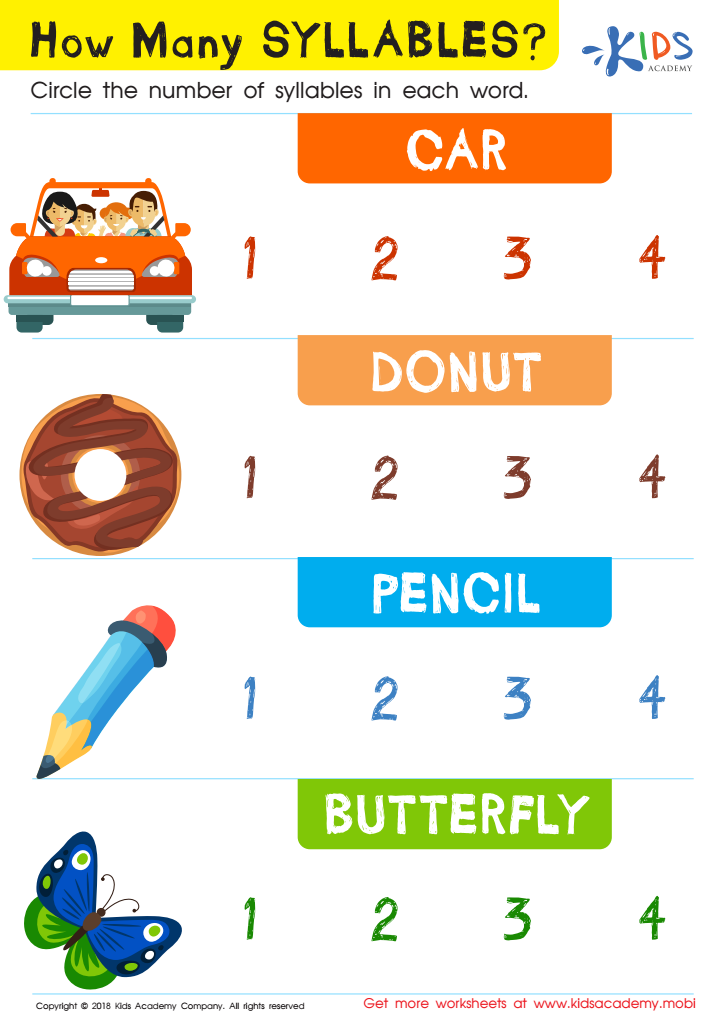
How Many Syllables? Worksheet
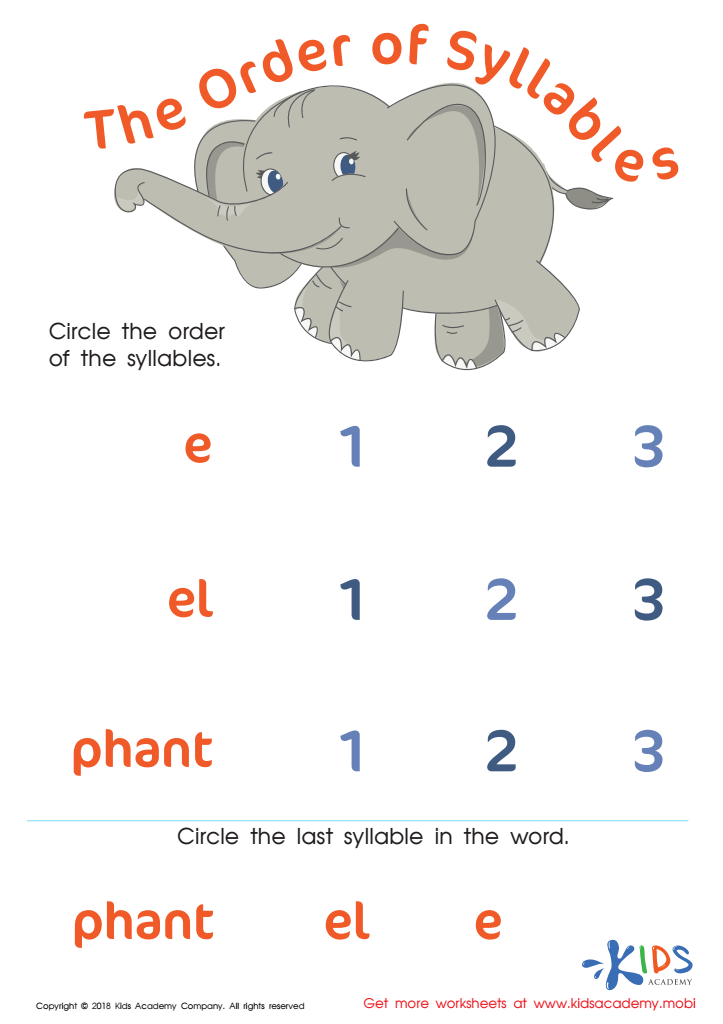
The Order of Syllables Worksheet








Normal Phonics for ages 3-9 is an essential educational tool that lays the foundation for lifelong literacy and academic success. At this formative stage, children develop key language skills that influence their ability to read, write, and comprehend text. Because phonics teaches the relationship between letters and sounds, it equips children with the necessary skills to decode and spell words independently. This early mastery of phonetics fosters confidence in young learners, allowing them to tackle increasingly complex texts as they progress in their education.
Moreover, a strong phonics base improves phonemic awareness, a critical component in identifying sound patterns and word recognition. This foundational skill greatly enhances a child's vocabulary, reading fluency, and overall comprehension. Research consistently shows that children with proficient phonics skills excel more in reading and writing activities, outperforming peers without such a solid grounding.
Importantly, early phonics education helps identify and address potential reading difficulties, such as dyslexia, early on. Intervening at this critical stage ensures that children receive the support they need to navigate these challenges effectively.
In conclusion, integrating normal phonics into early education benefits not only the child's immediate academic performance but also sets a trajectory for future educational achievements and a lifelong love for reading.







