Normal Word Problems Worksheets for Ages 3-9 - Page 2
45 filtered results
-
From - To
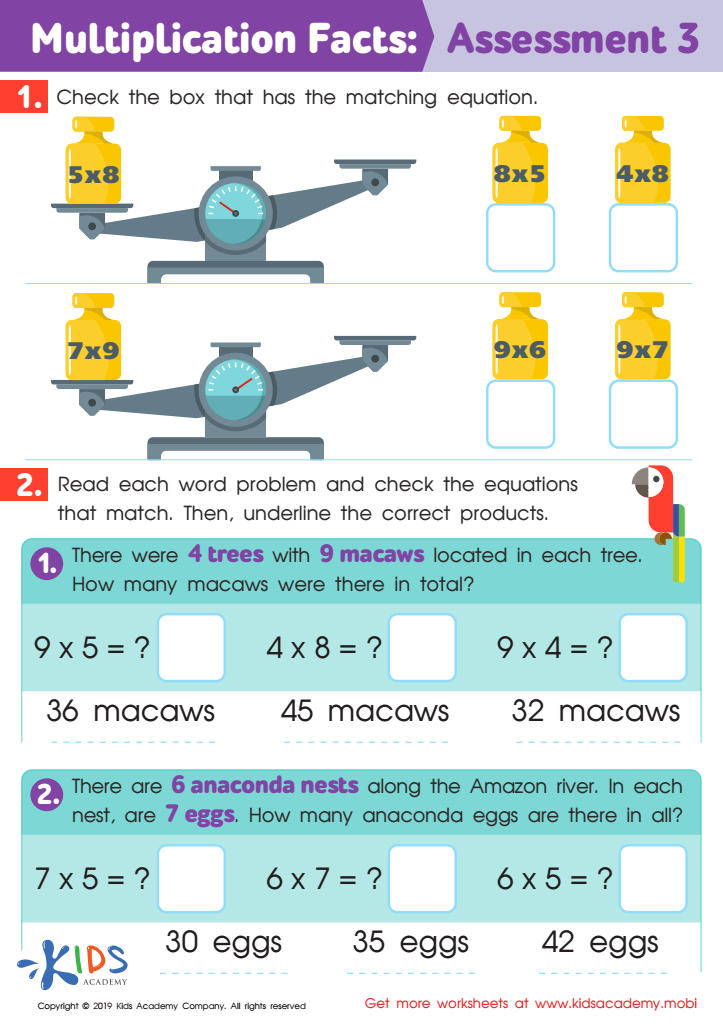
Multiplication Facts: Assessment 3 Worksheet
 Assign to My Students
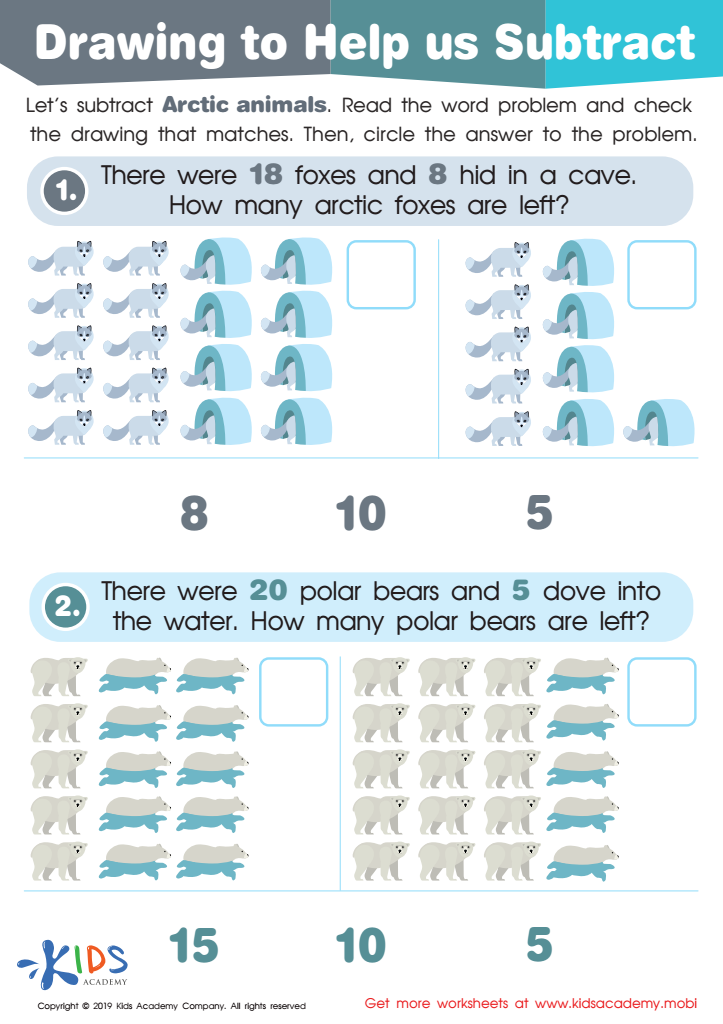
Drawing to Help Us Subtract Worksheet
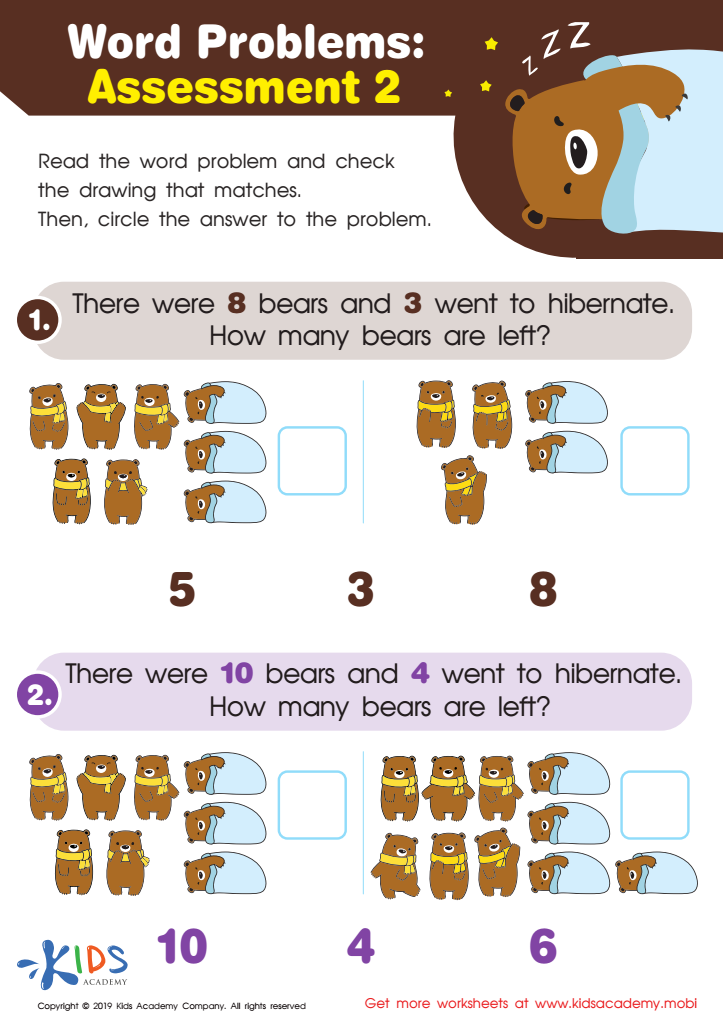
Word Problems: Assessment 2 Worksheet
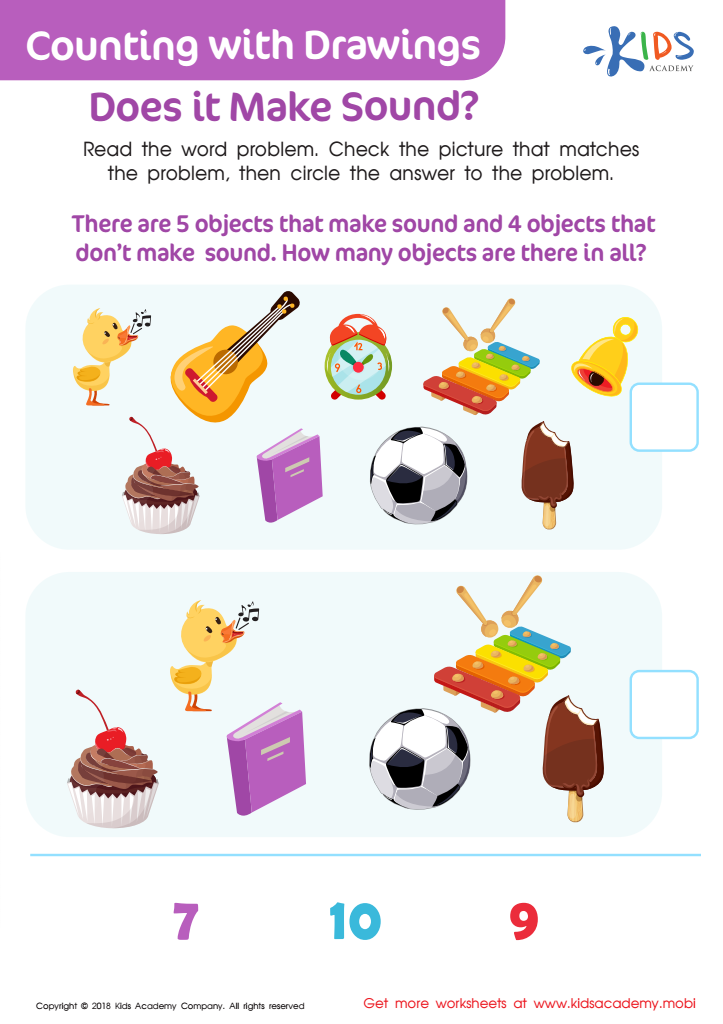
Counting With Drawings. Does It Make Sound? Worksheet
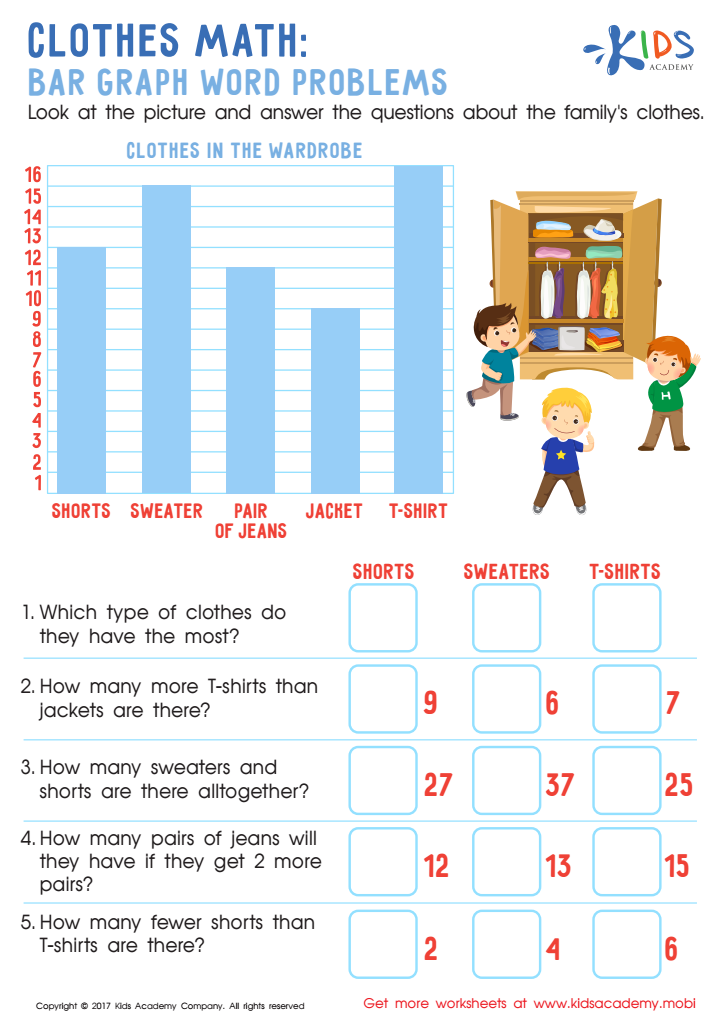
Clothes Math: Bar Graph Word Problems Worksheet
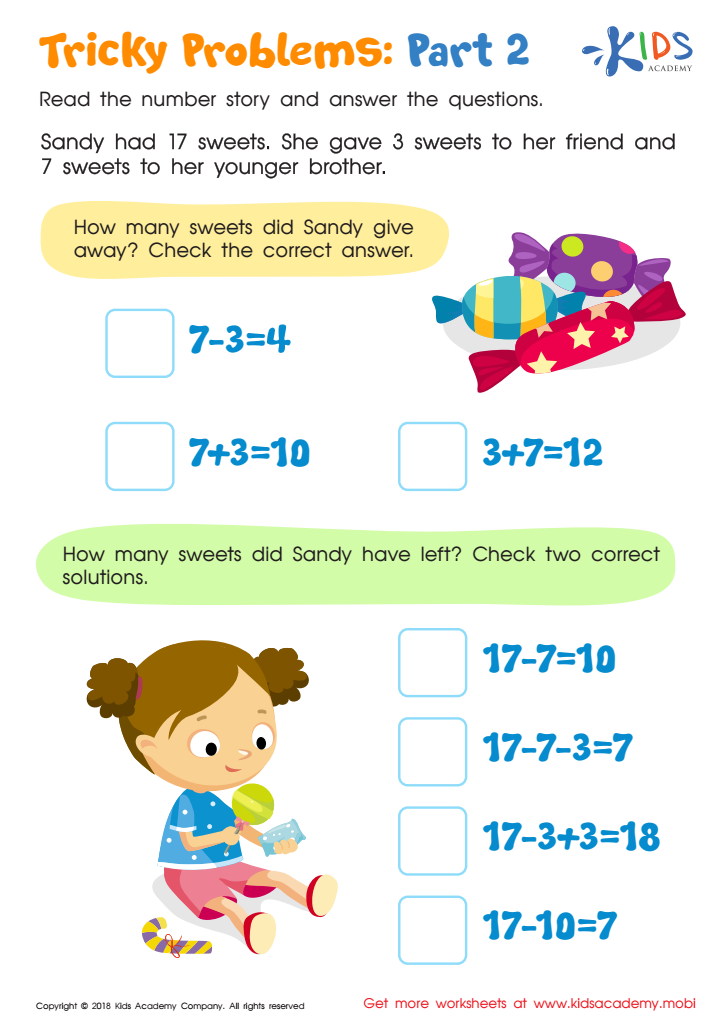
Tricky Problems Worksheet: Part 2
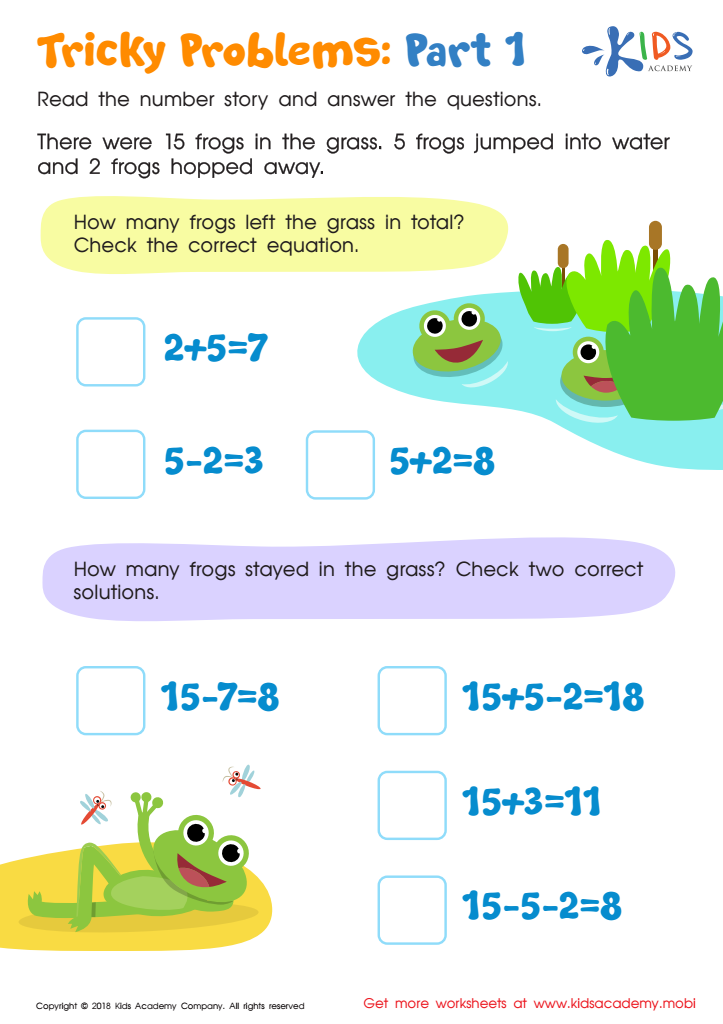
Tricky Problems Worksheet: Part 1
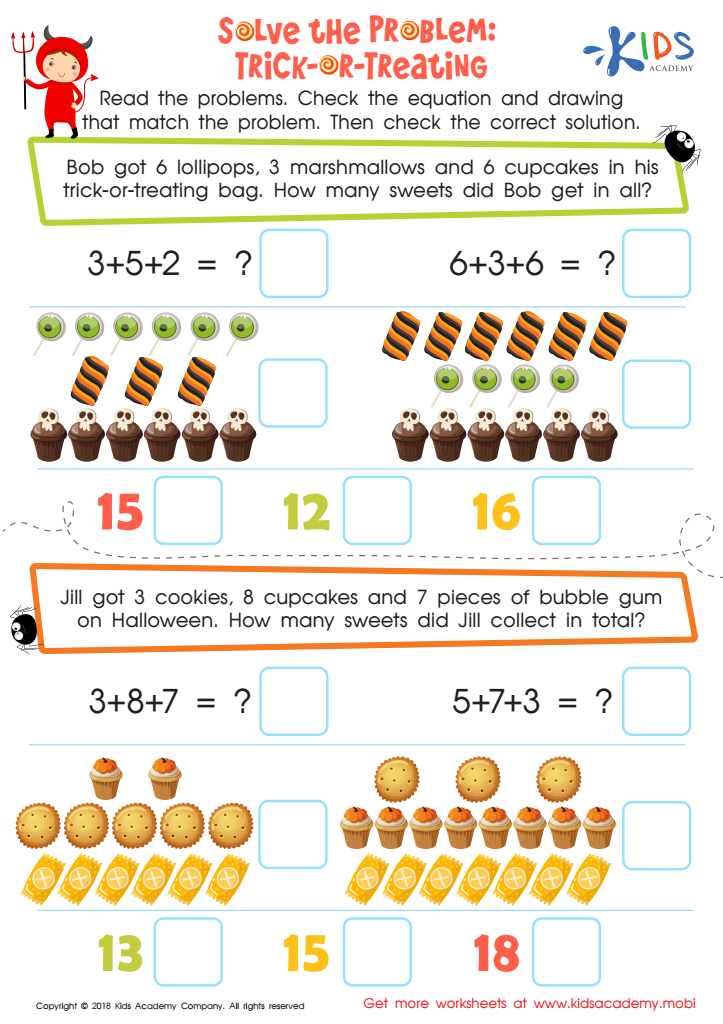
Solve the Problem: Trick–or–treating Worksheet
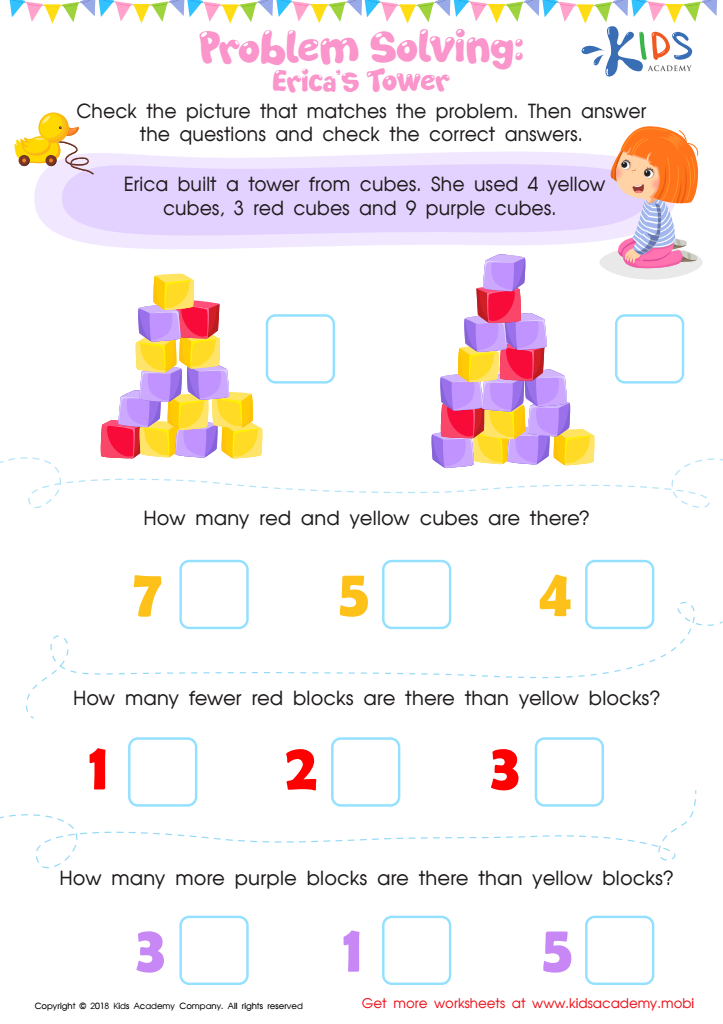
Problem Solving: Erica's Tower Worksheet
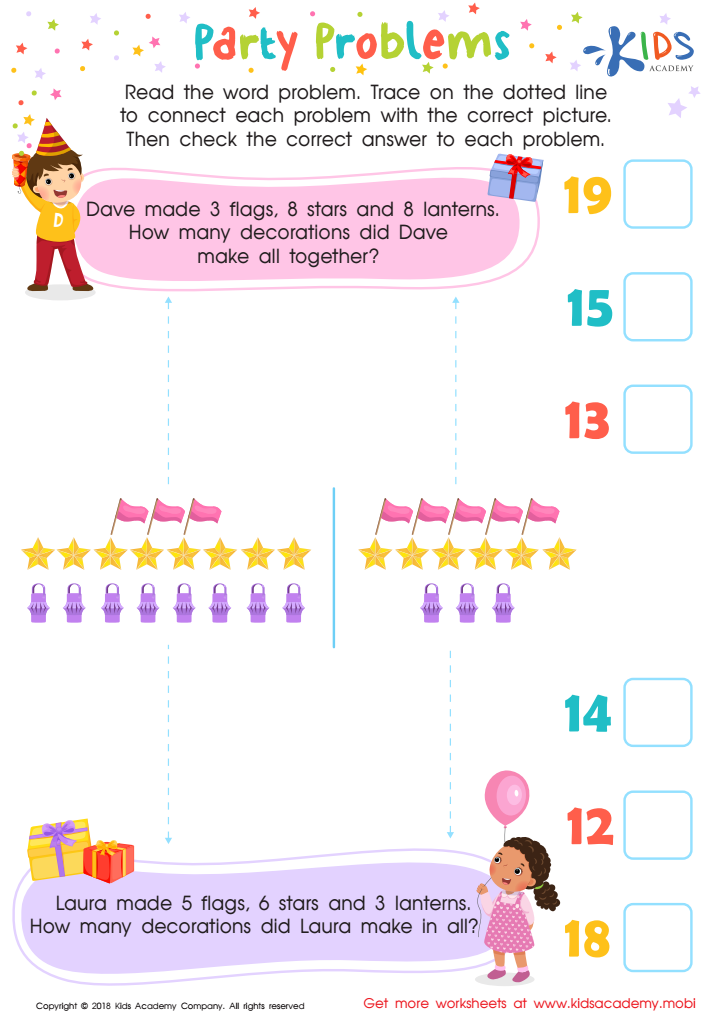
Party Problems Worksheet
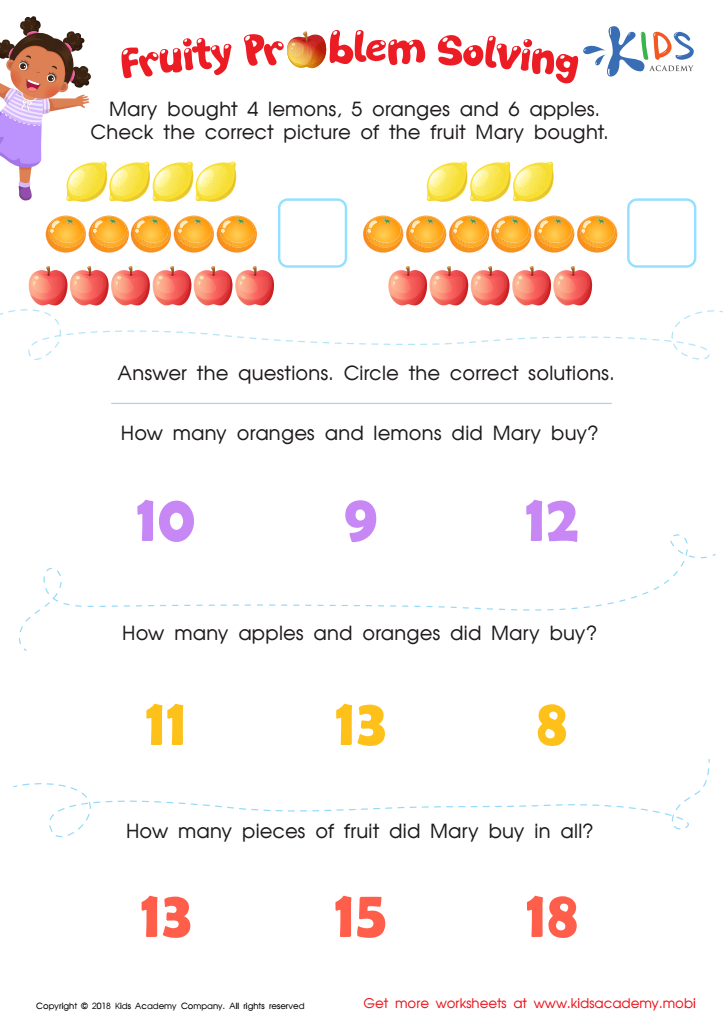
Fruity Problem Solving Worksheet
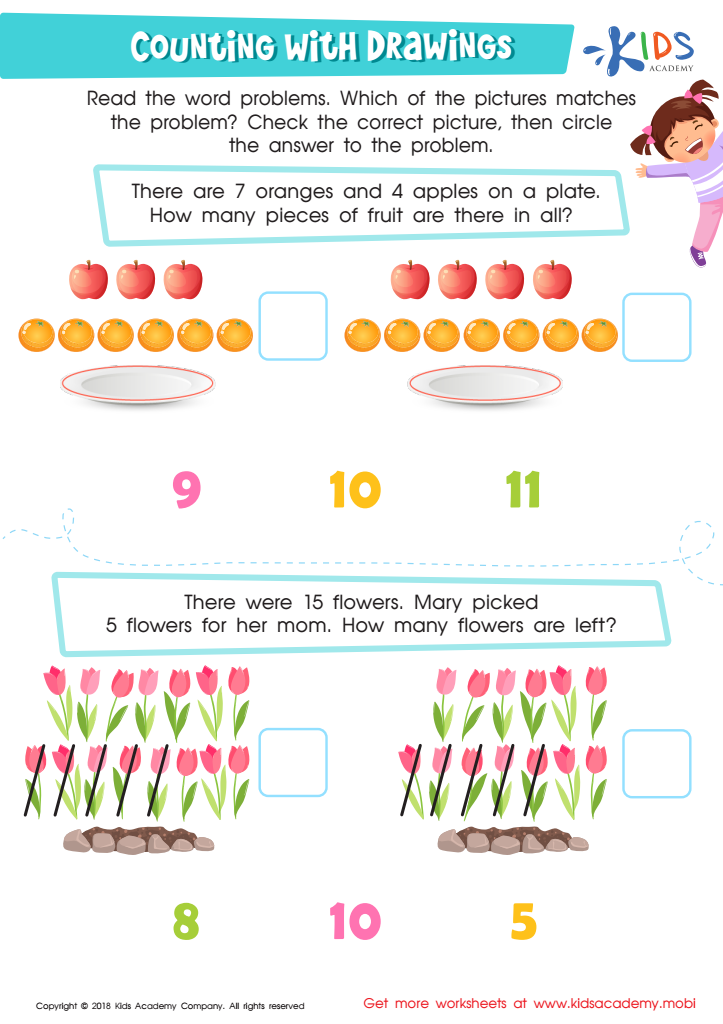
Counting with Drawings: Fruits & Chocolates Worksheet
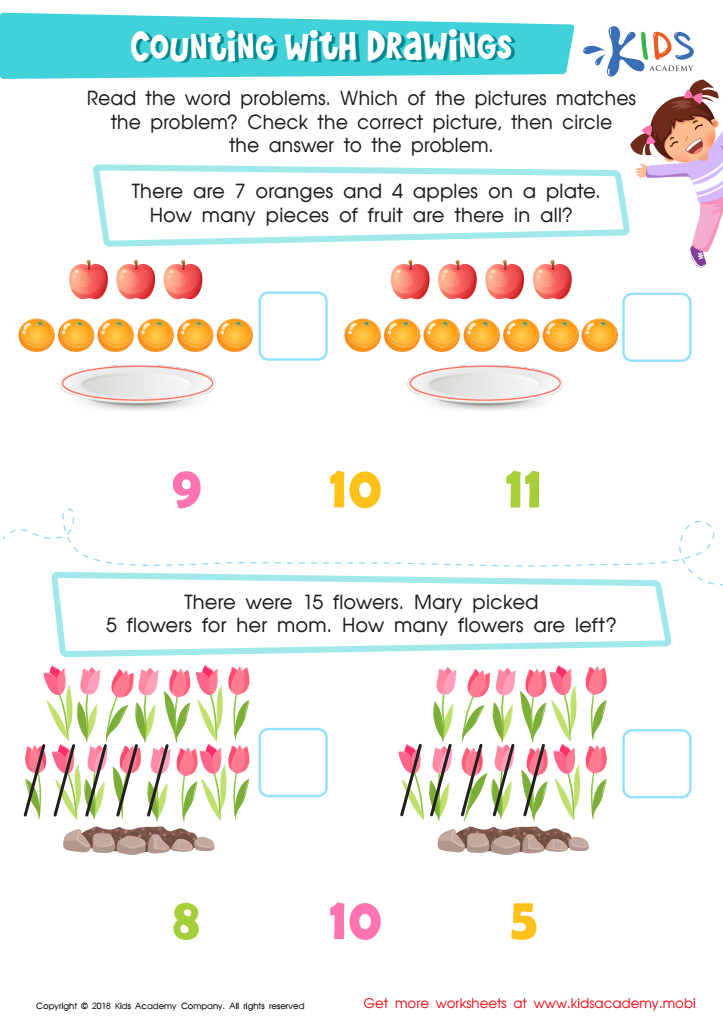
Counting with Drawings:Fruits & Flowers Worksheet
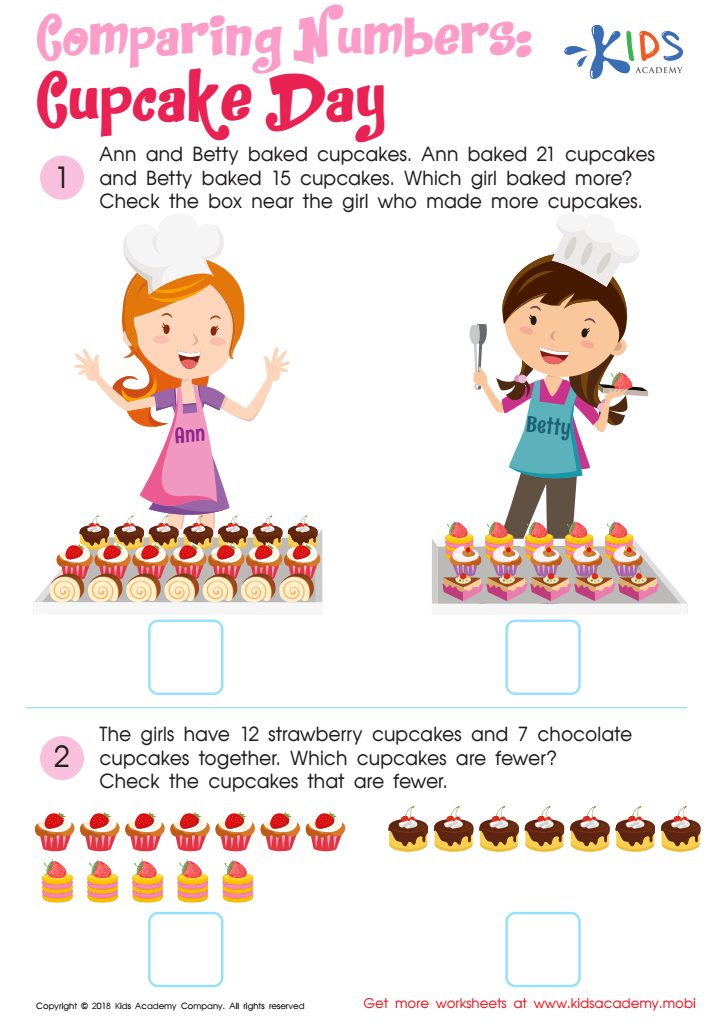
Cupcake Day Worksheet
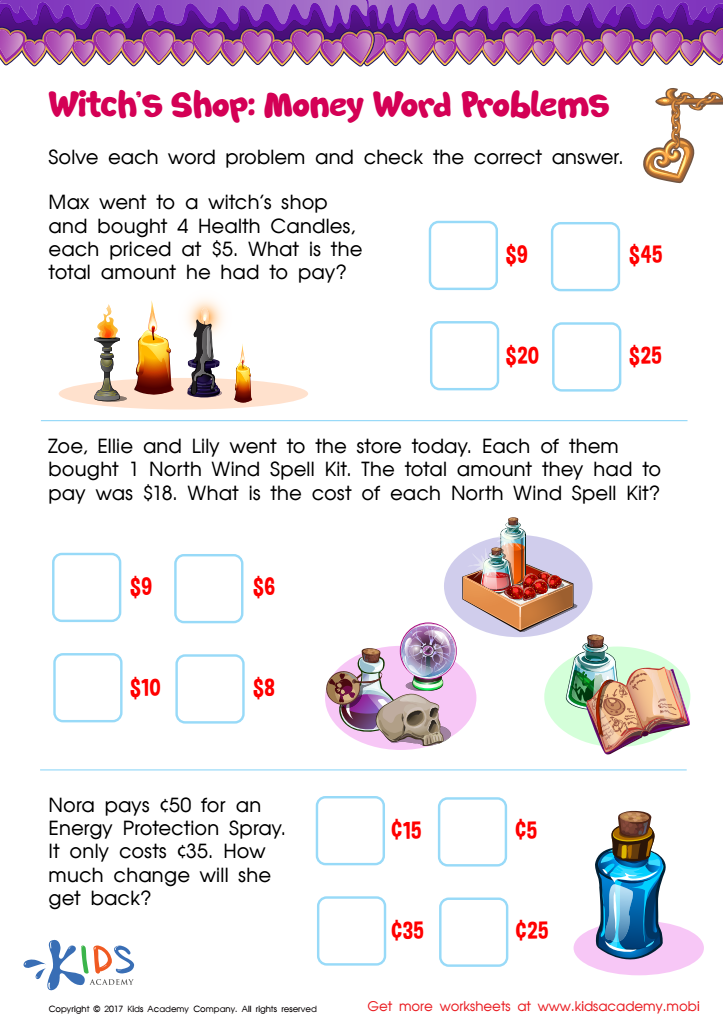
Money Word Problems Printable
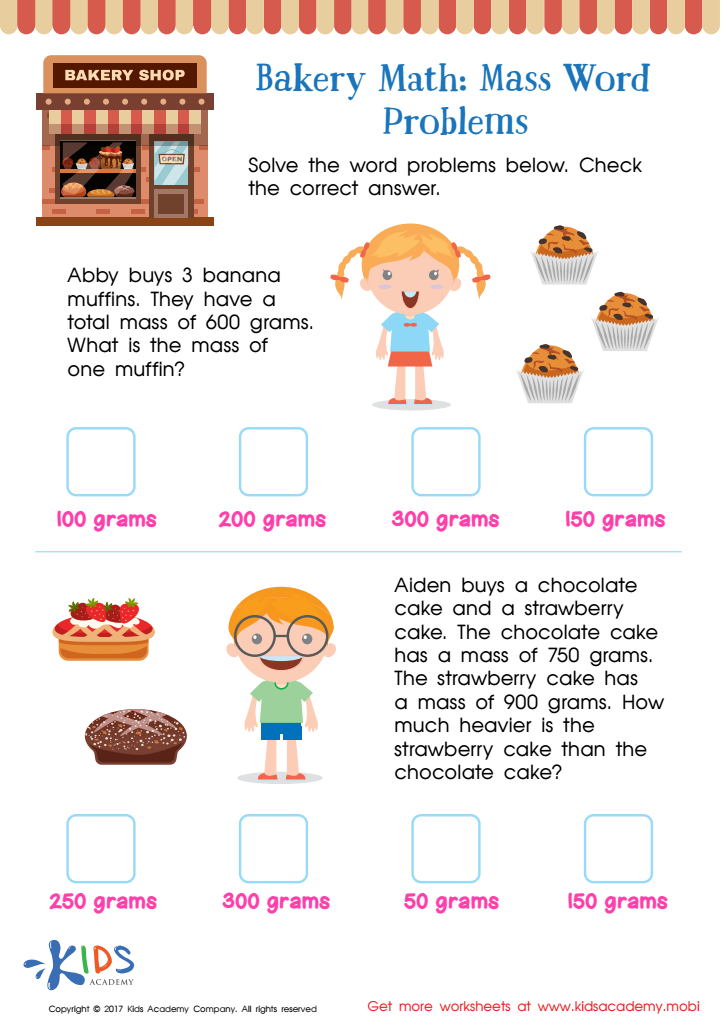
Mass Word Problems Worksheet
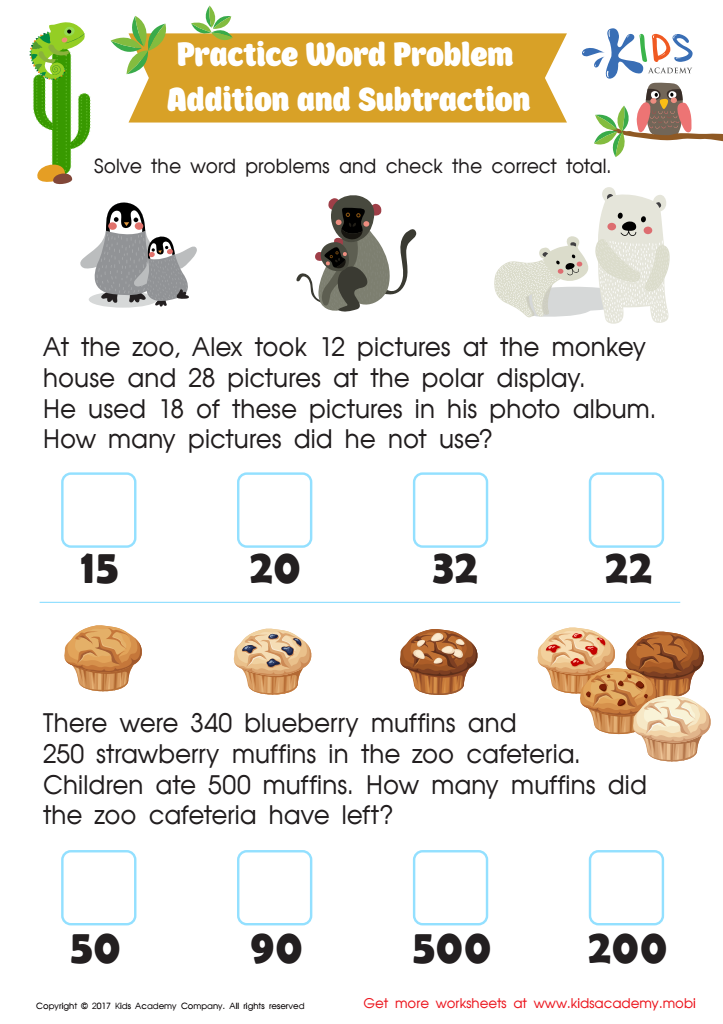
Addition and Subtraction: Word Problems Worksheet
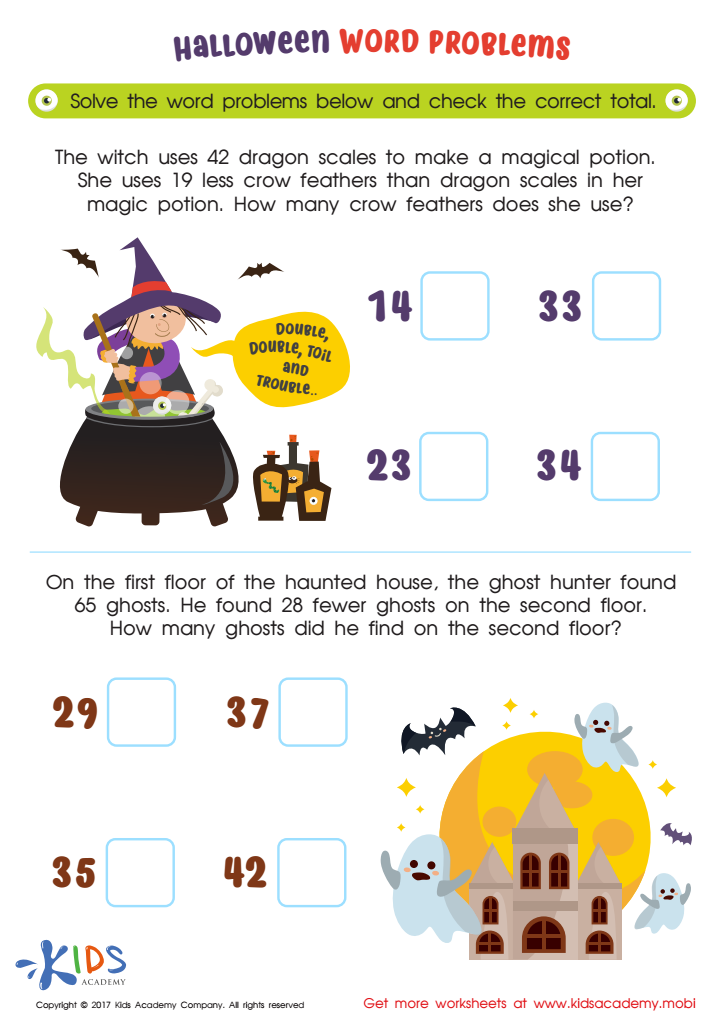
Halloween Word Problems Printable
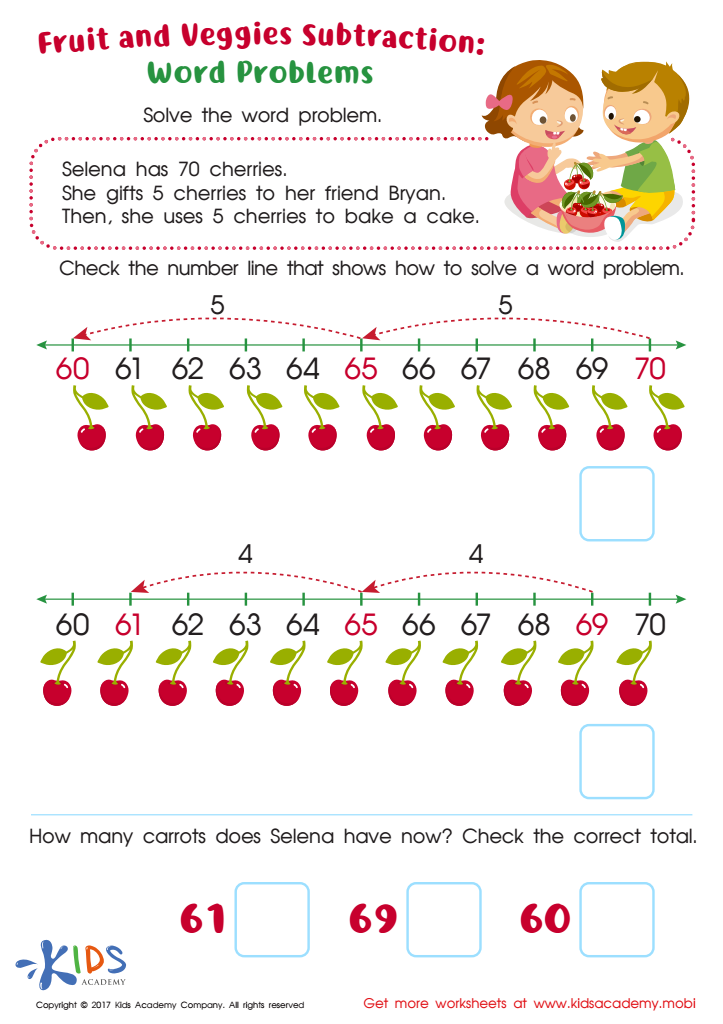
Subtraction Word Problems Free Printable
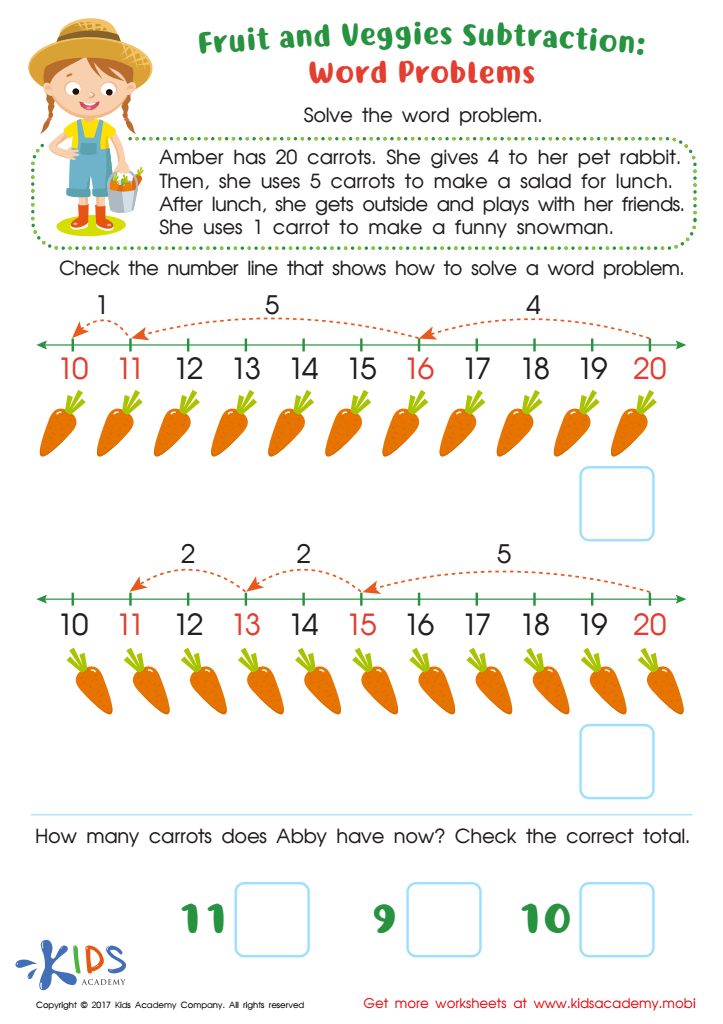
Subtraction Word Problems Printable
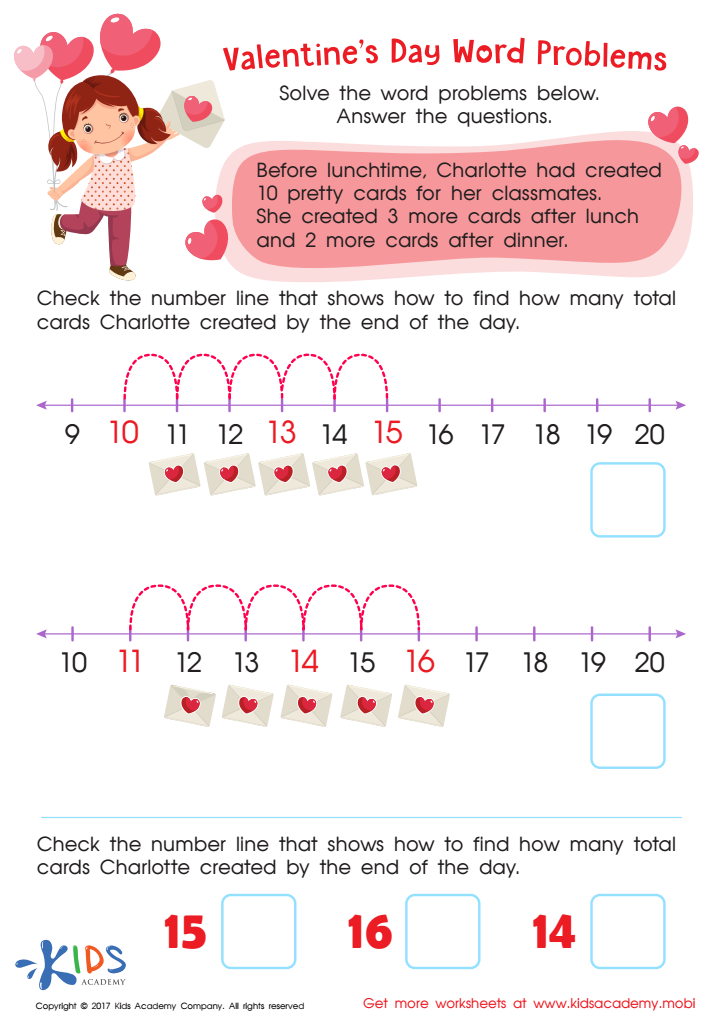
Valentines Day Word Problem Worksheet








Parents and teachers should care about normal word problems for children aged 3-9 because these activities lay a crucial foundation for cognitive and language development. Word problems introduce young minds to the concept of problem-solving by using everyday language and situations they can easily relate to. This makes learning more engaging and meaningful, encouraging a love for mathematics early on.
Developing skills to solve word problems enhances critical thinking and reasoning abilities. For young children, who are naturally curious and always asking "why" and "how," these problems provide a structured way for them to explore answers on their own. They learn to analyze situations, identify key details, and apply logical processes, which are valuable skills not just in mathematics but across all areas of learning and everyday life.
Moreover, normal word problems help in building reading comprehension and vocabulary. Children learn new words in context and understand how to draw meaning from the text. Parents and teachers can guide children through these problems, fostering a supportive learning environment that reinforces patience and persistence—essential traits for lifelong learning.
By integrating word problems into daily lessons, teachers and parents help children develop a well-rounded set of skills that prepares them for future academic challenges and real-world problem-solving.








