Normal Animals Worksheets for Ages 3-9 - Page 2
49 filtered results
-
From - To
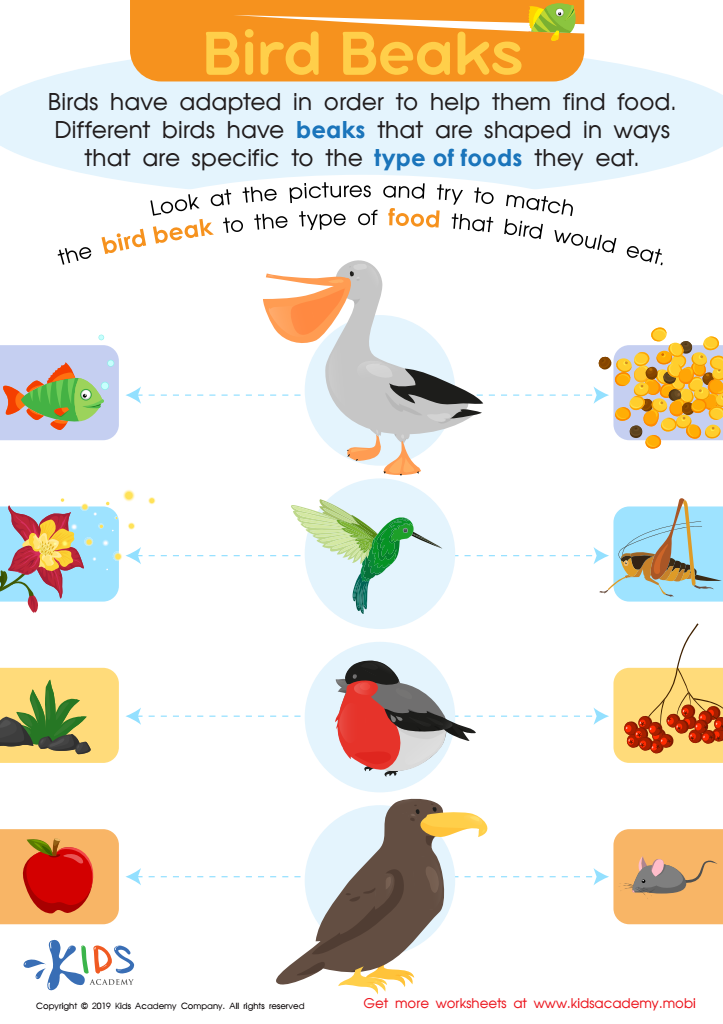
Bird Beaks Worksheet
 Assign to My Students
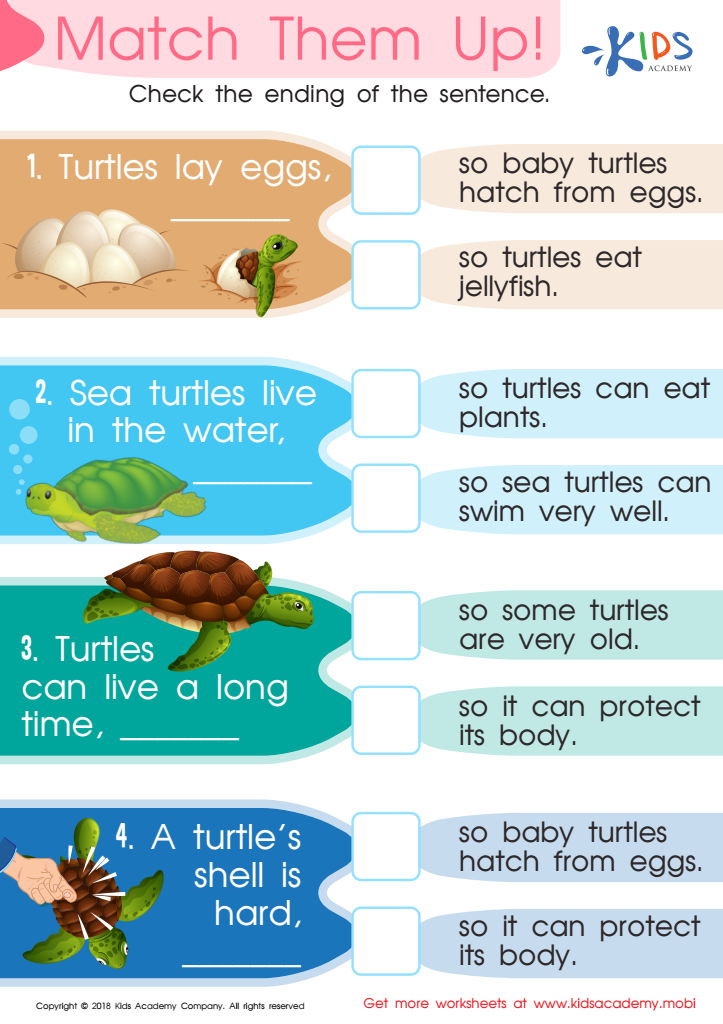
Match Them Up Worksheet
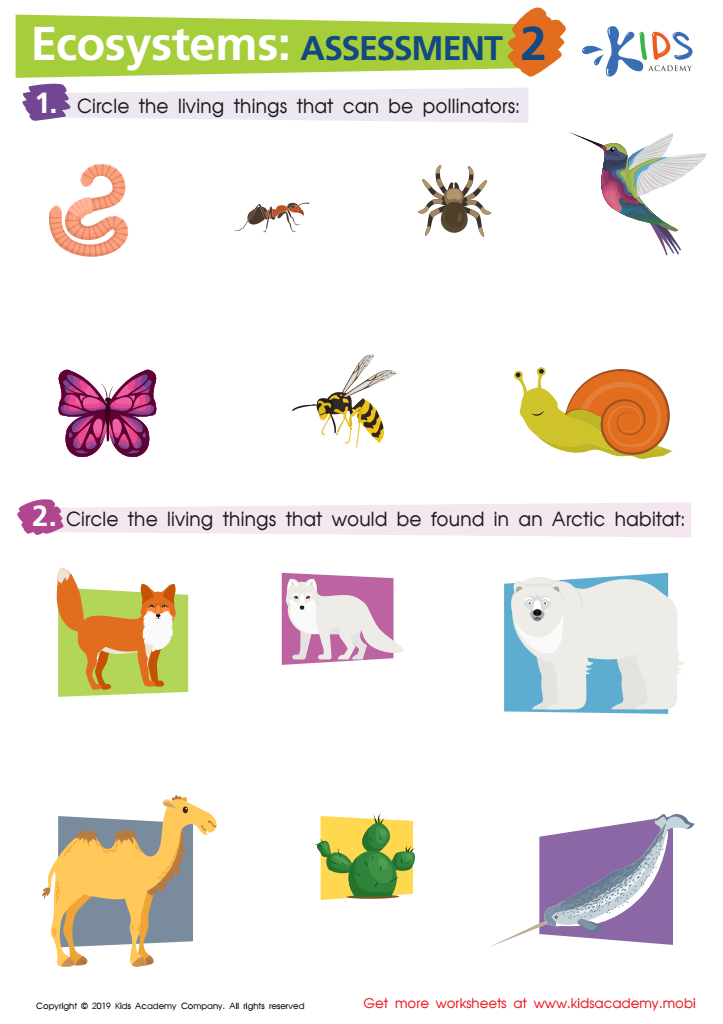
Ecosystems: Assessment 2 Worksheet
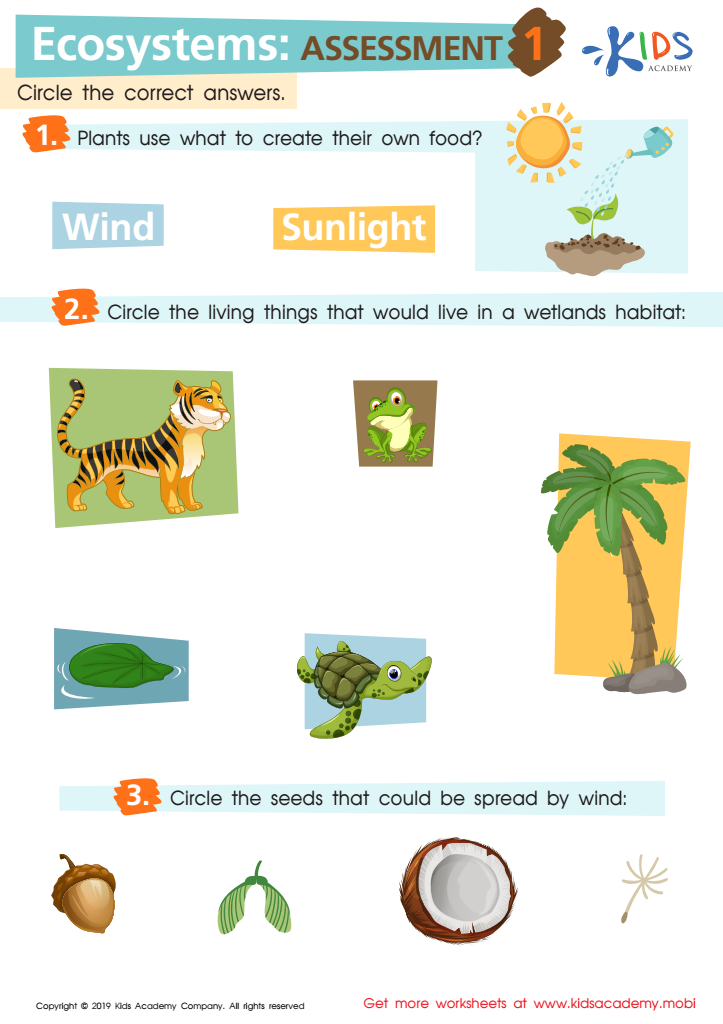
Ecosystems: Assessment 1 Worksheet
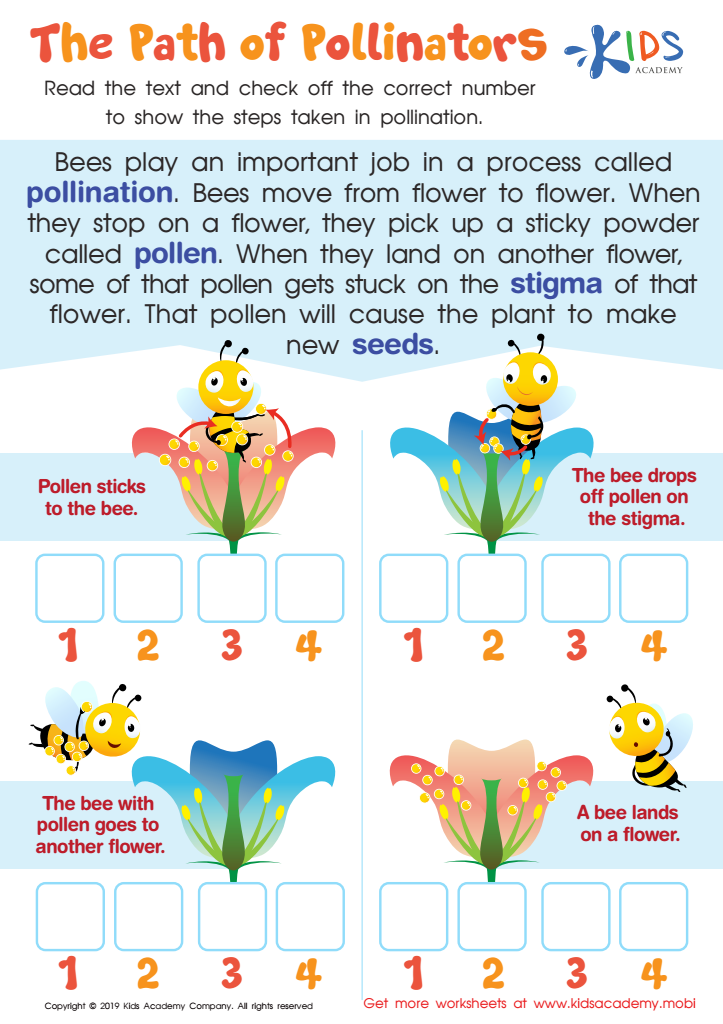
The Path of Pollinators Worksheet
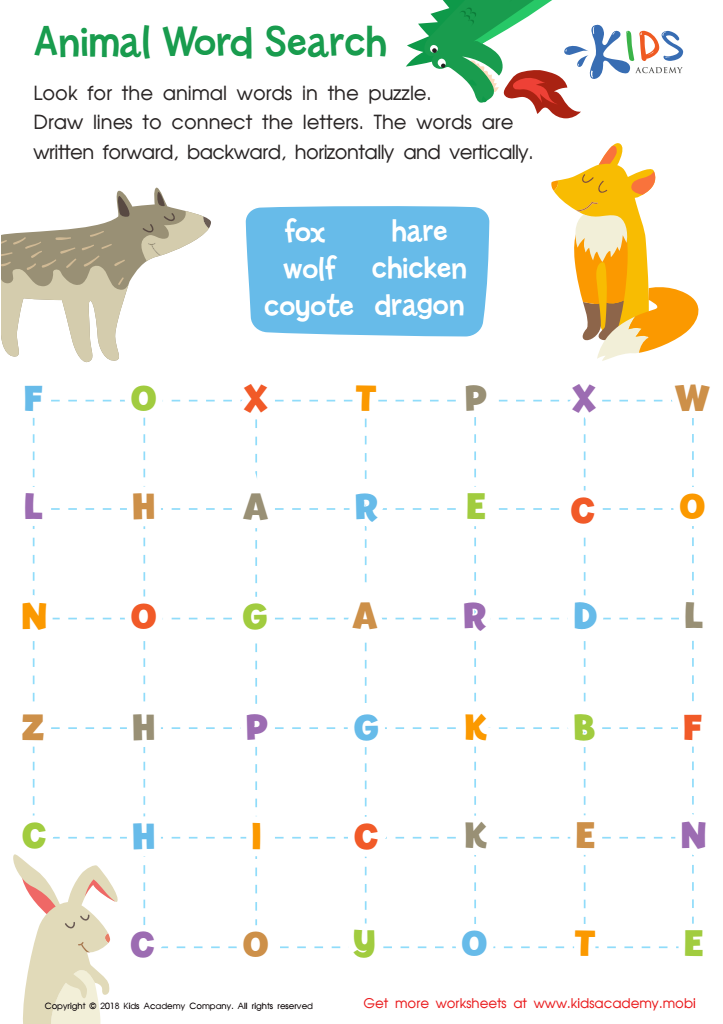
Animal Word Search Worksheet
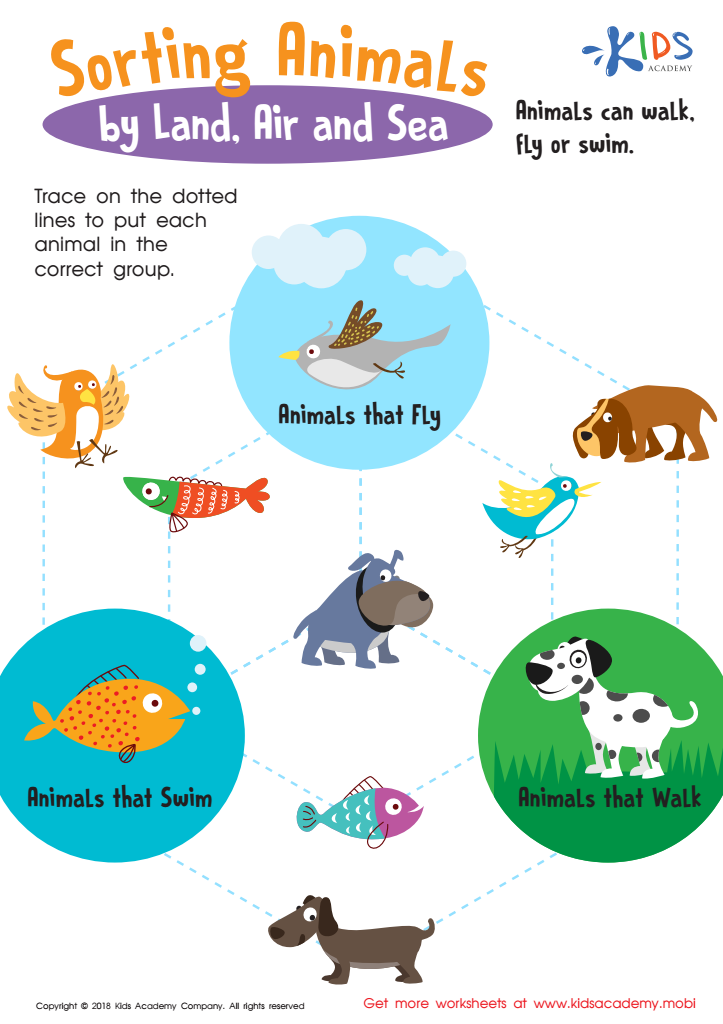
Sorting Animals by Land, Air and Sea Worksheet
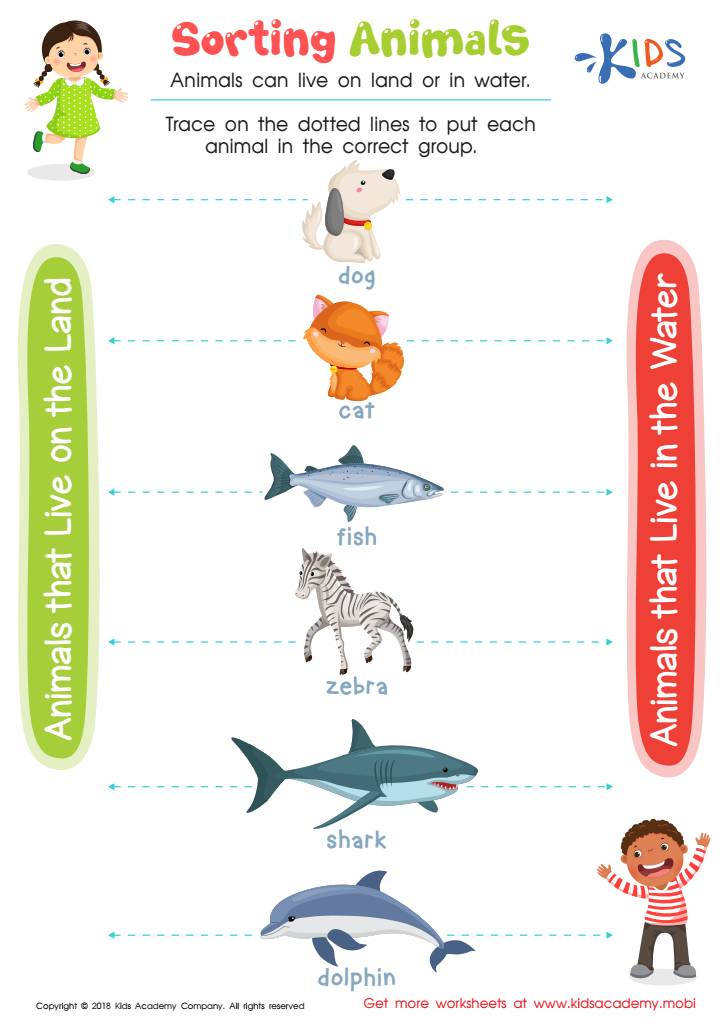
Sorting Animals Worksheet
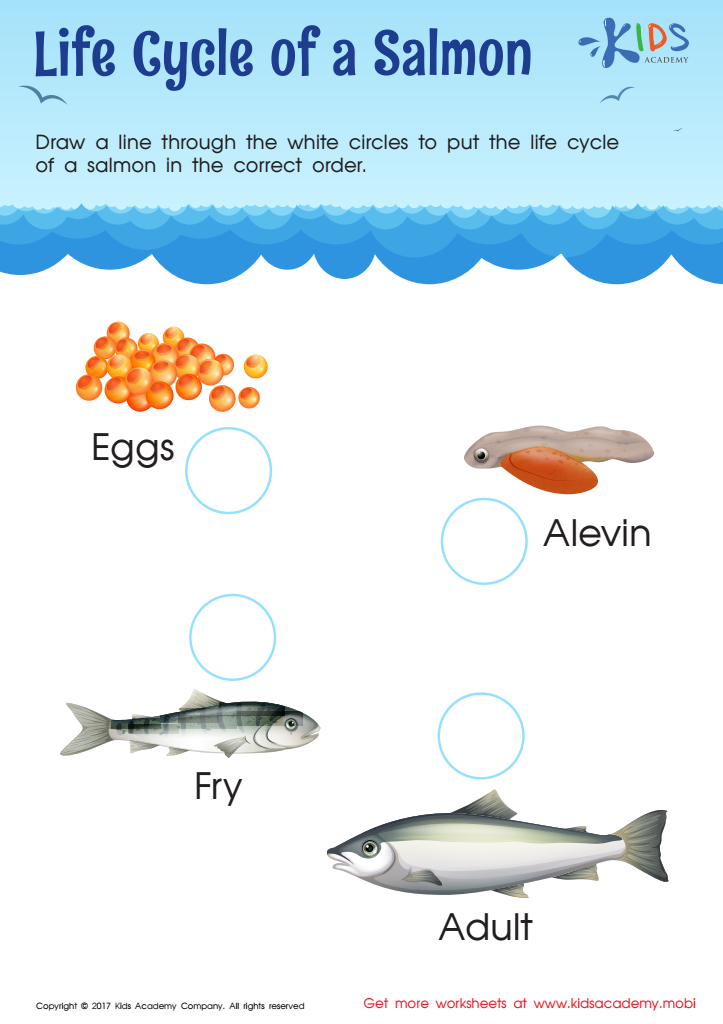
Cycle Of Salmon Worksheet
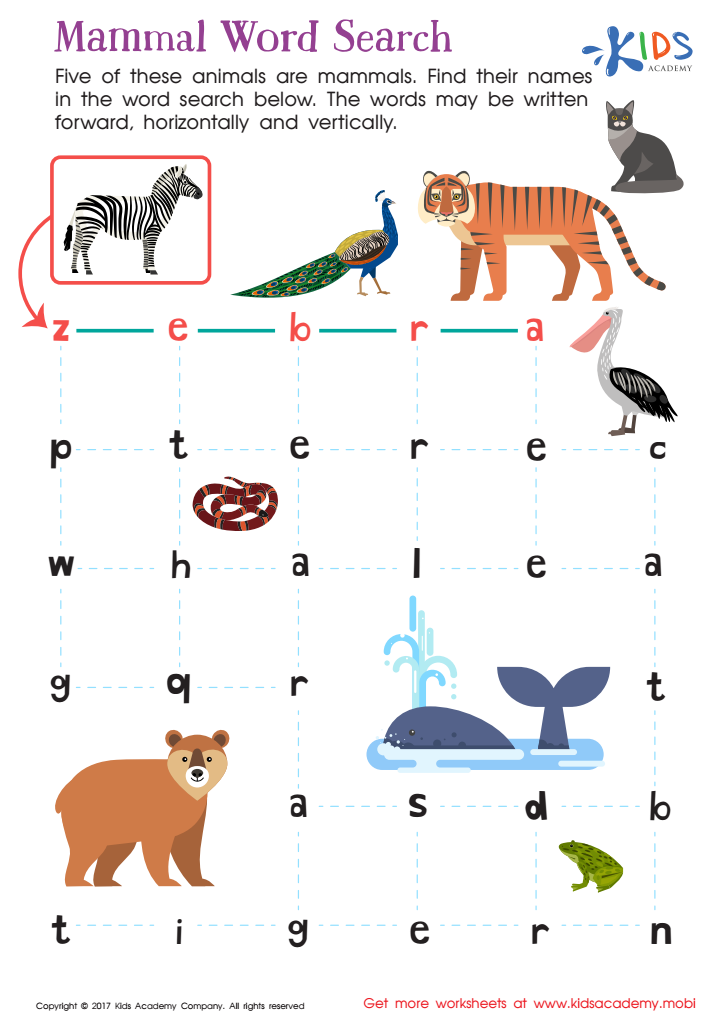
Printable Mammal Word Search
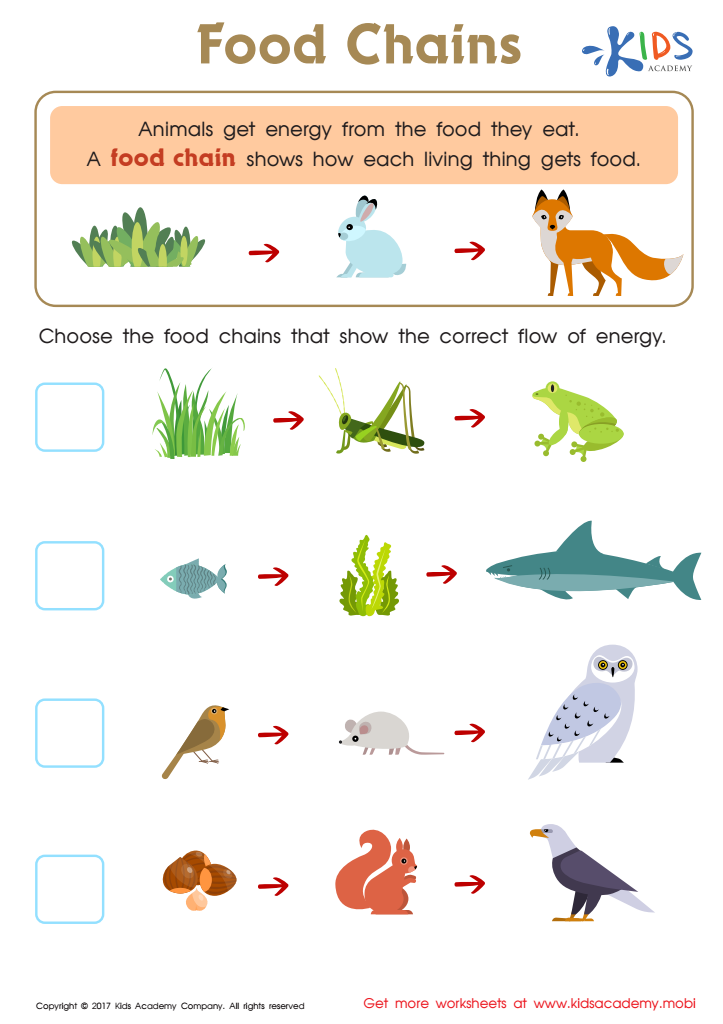
Food Webs and Food Chains Worksheet
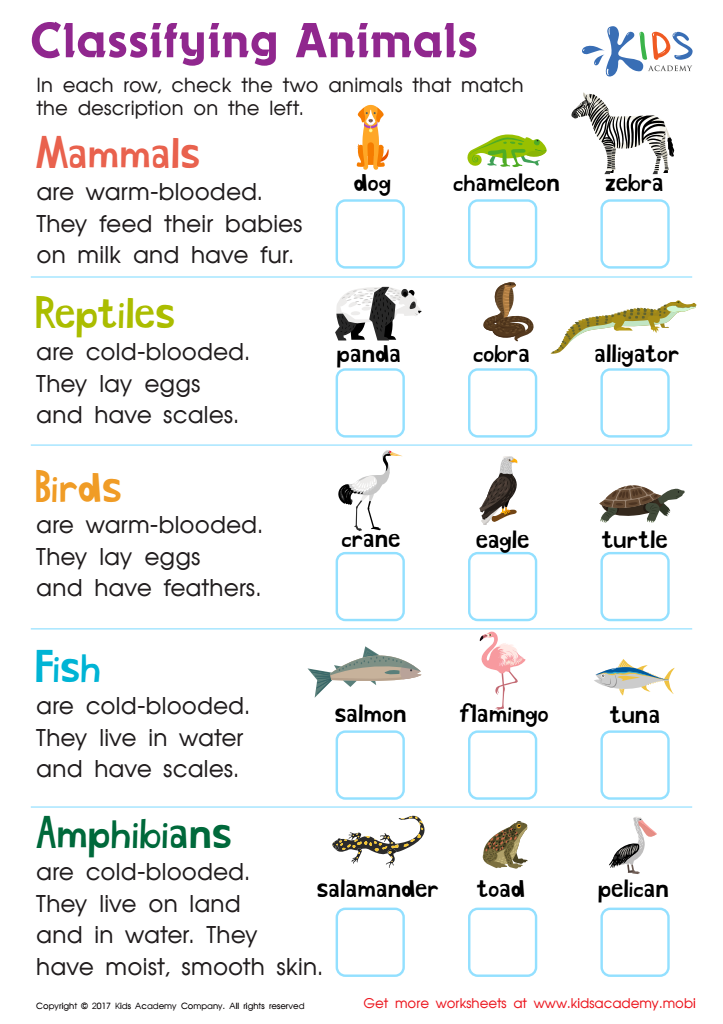
Classifying Animals Worksheet
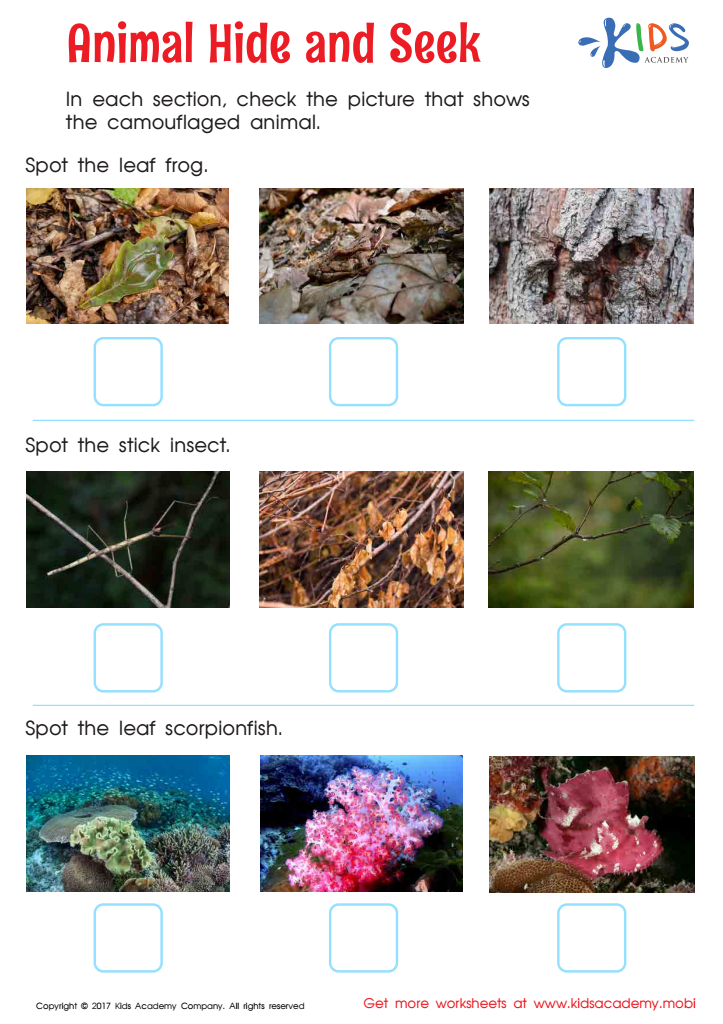
Animal Hide and Seek Worksheet
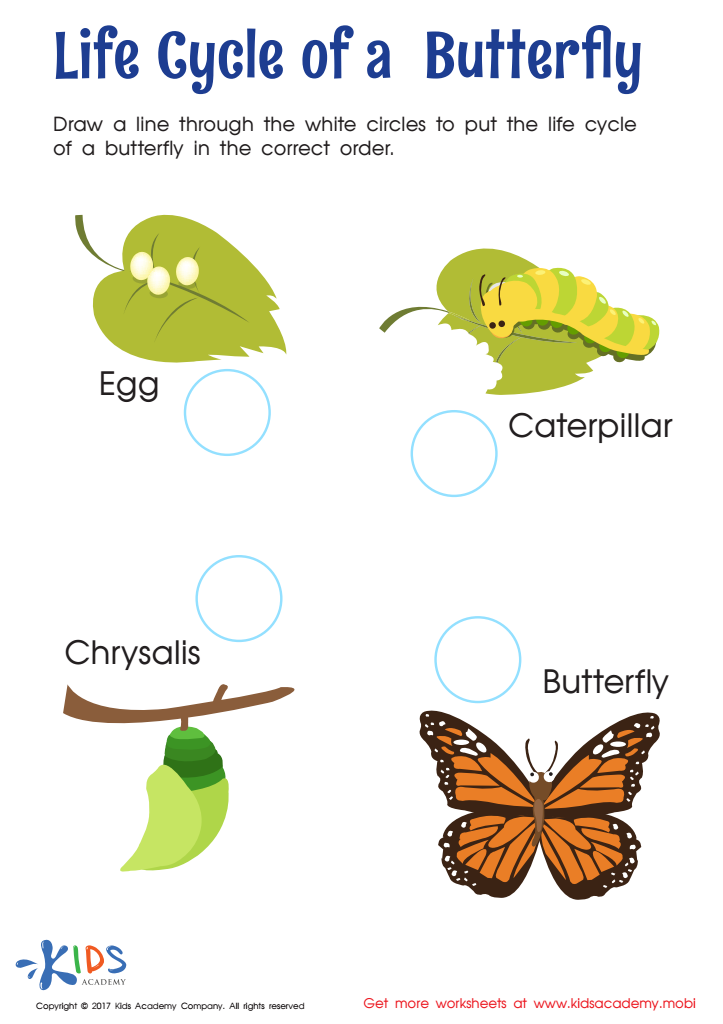
Life Cycle of Butterfly Worksheet
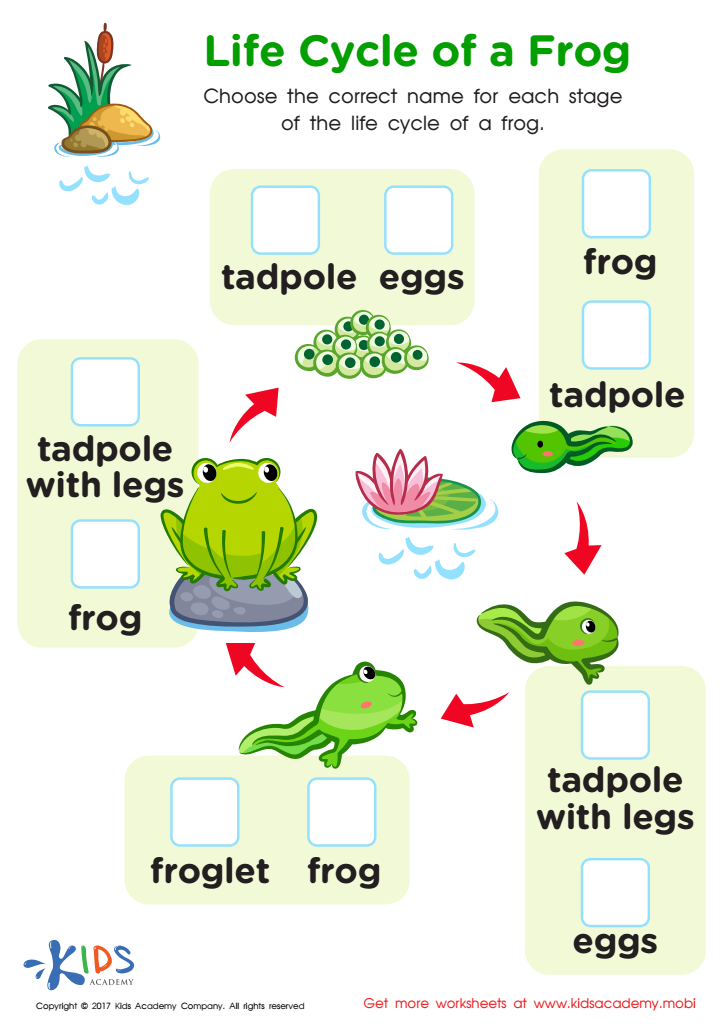
Life Cycle Frog Printable
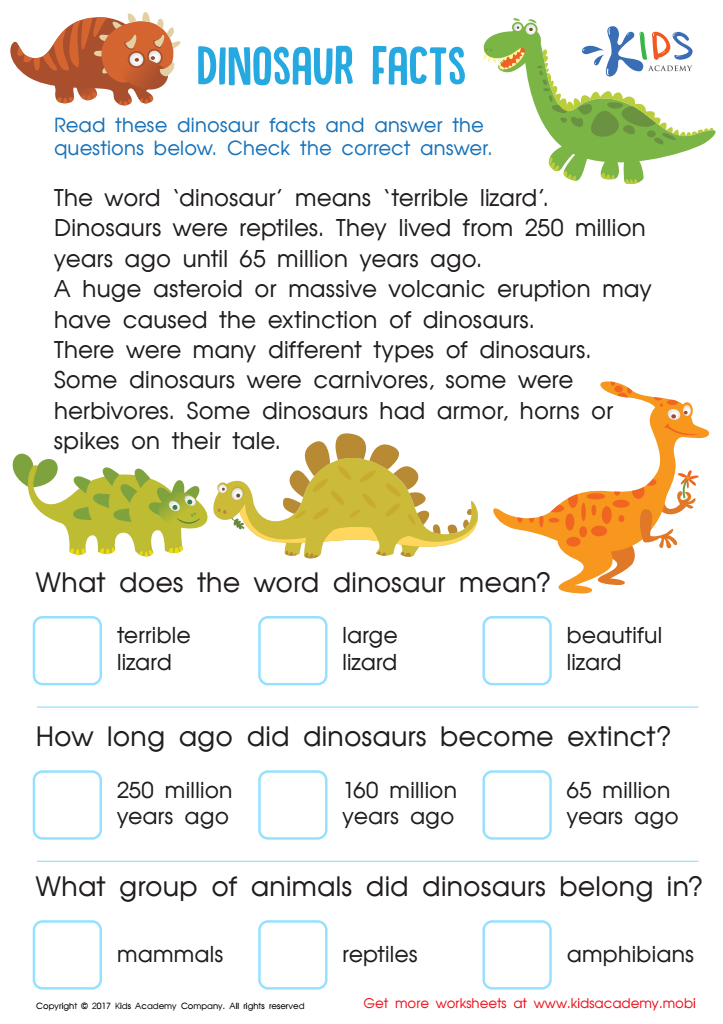
Dinosaur Facts Worksheet
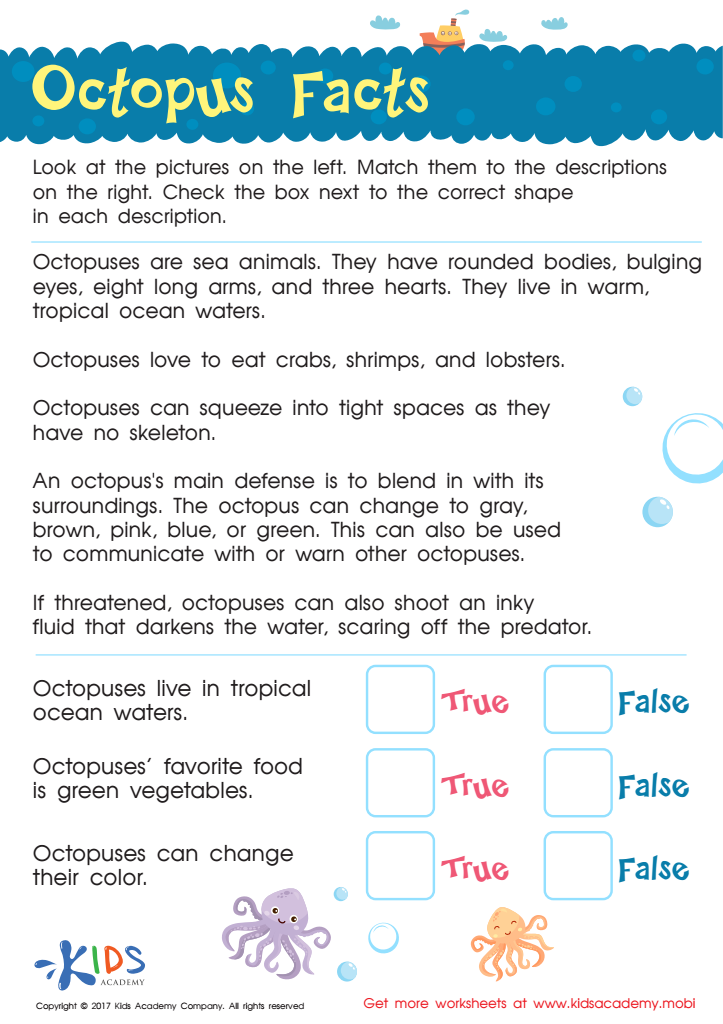
Octopus Facts Worksheet For Kids
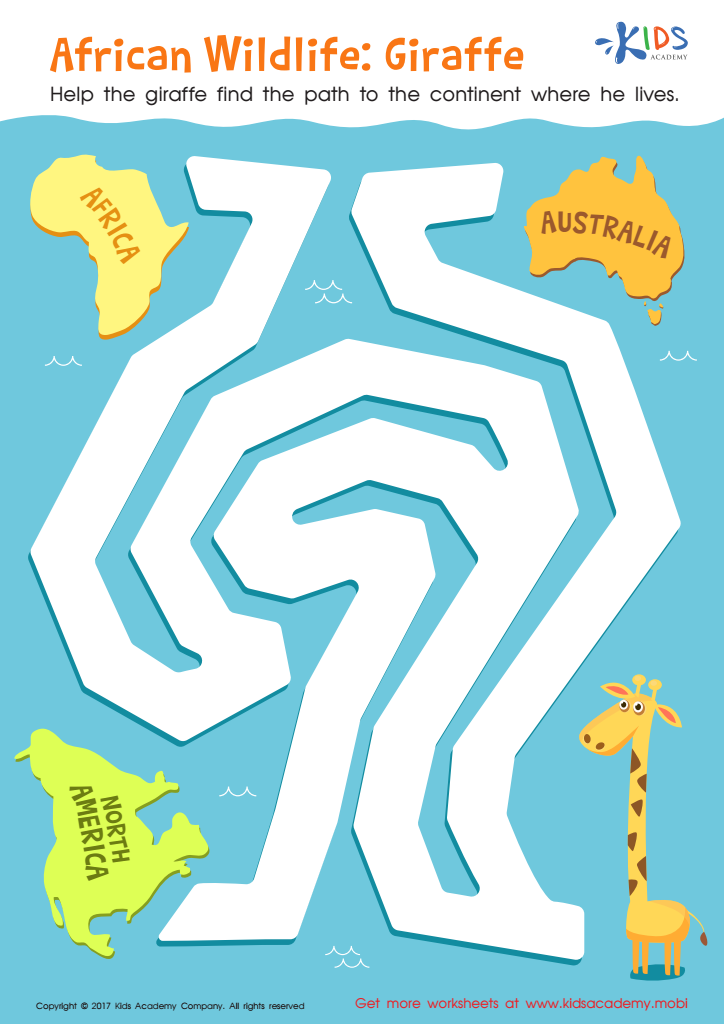
African Wildlife: Giraffe Worksheet
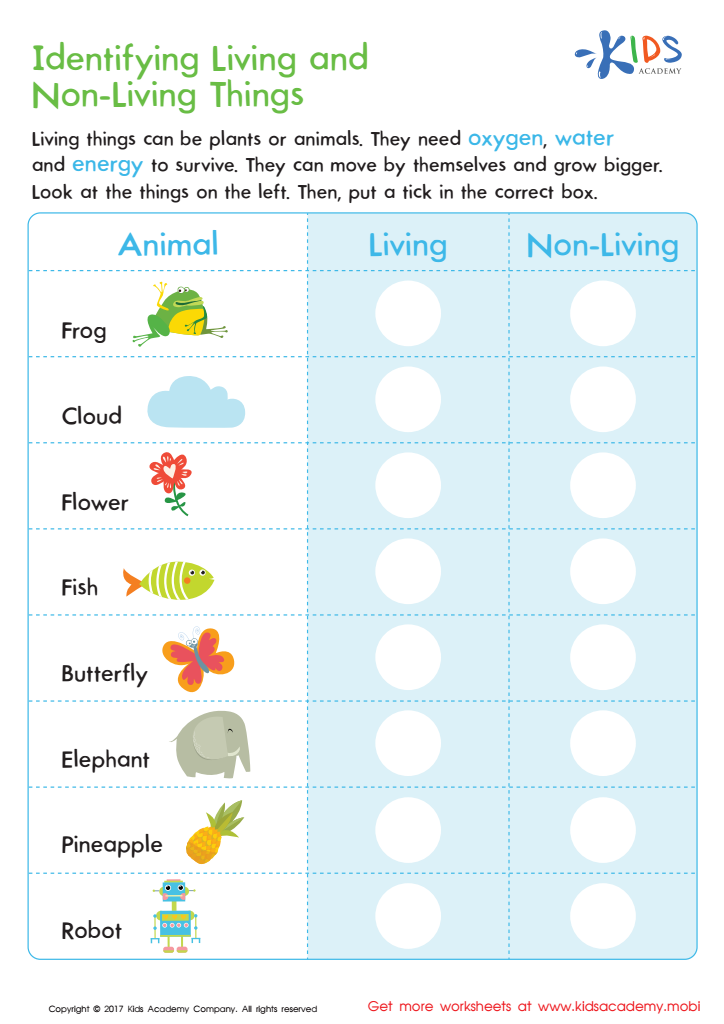
Identifying Living or Non–living Worksheet
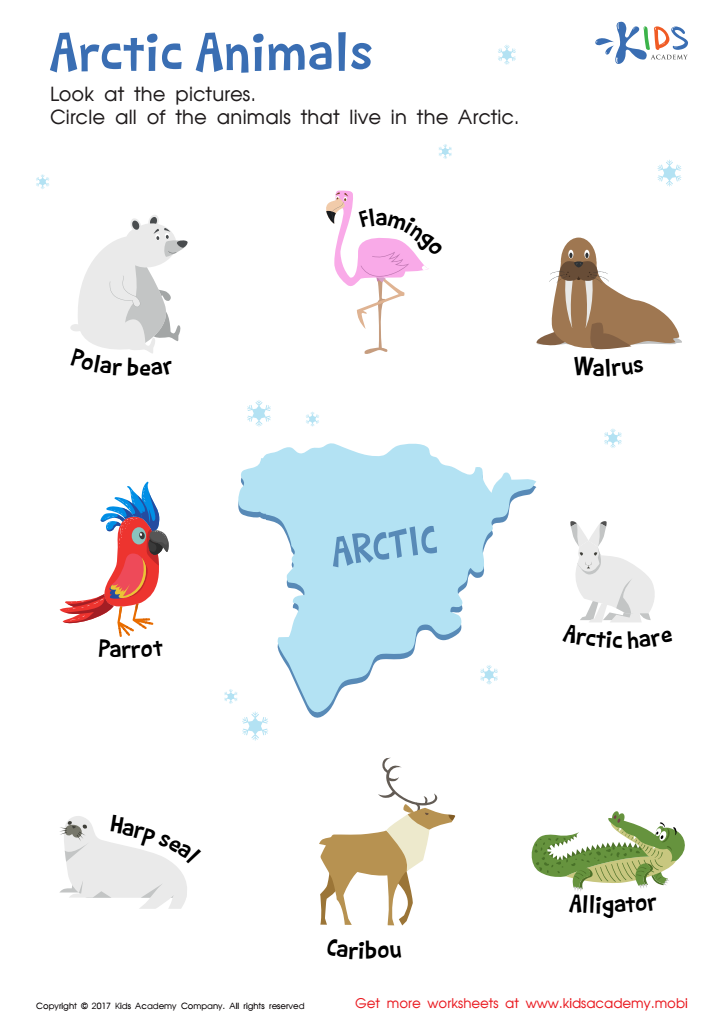
Arctic Animals Worksheet
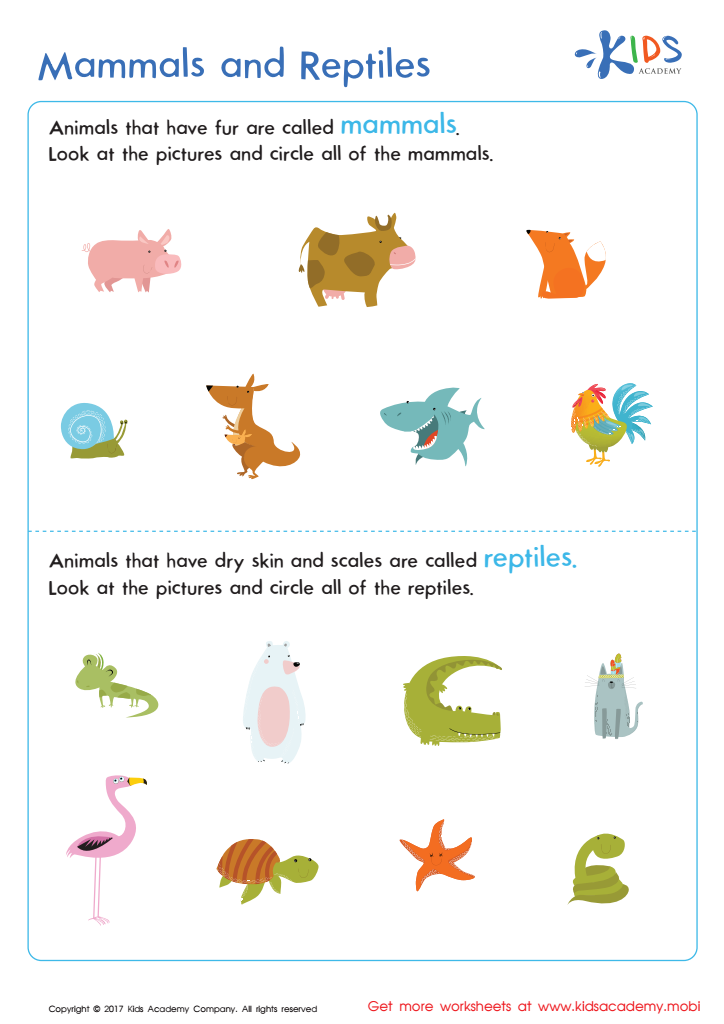
Mammals and Reptiles Worksheet
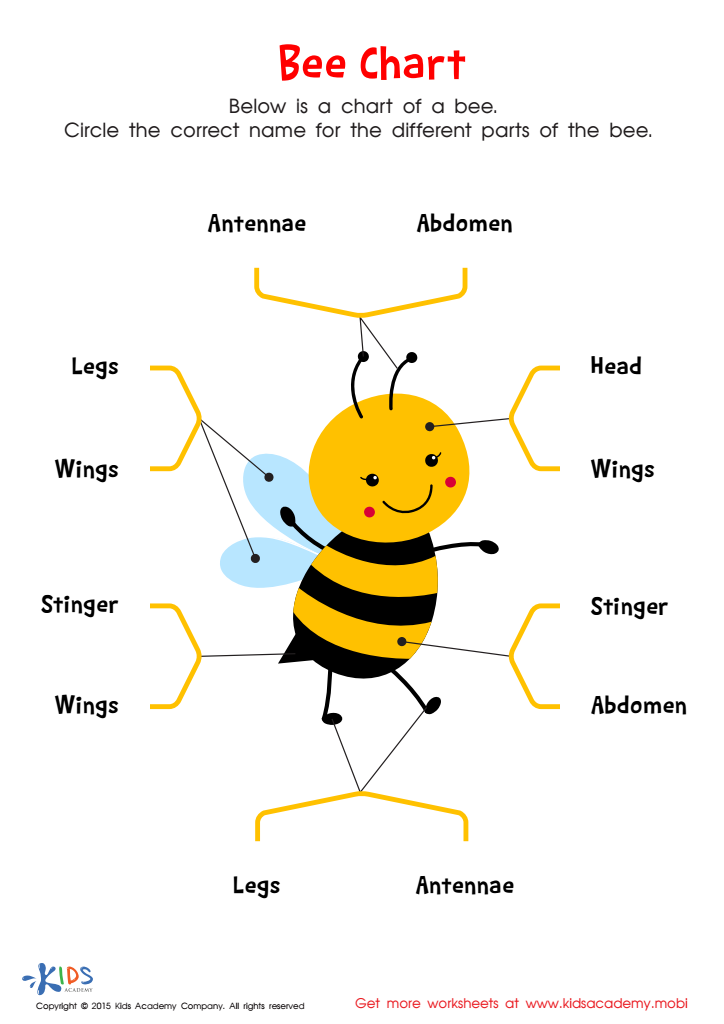
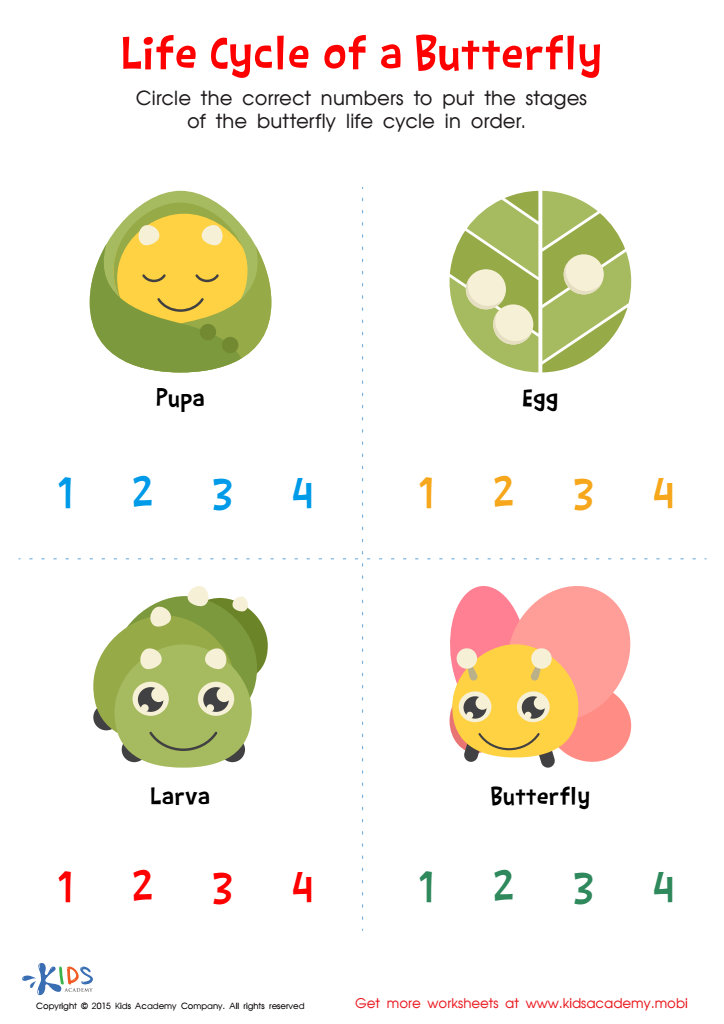
Life Cycle of Butterfly Printable
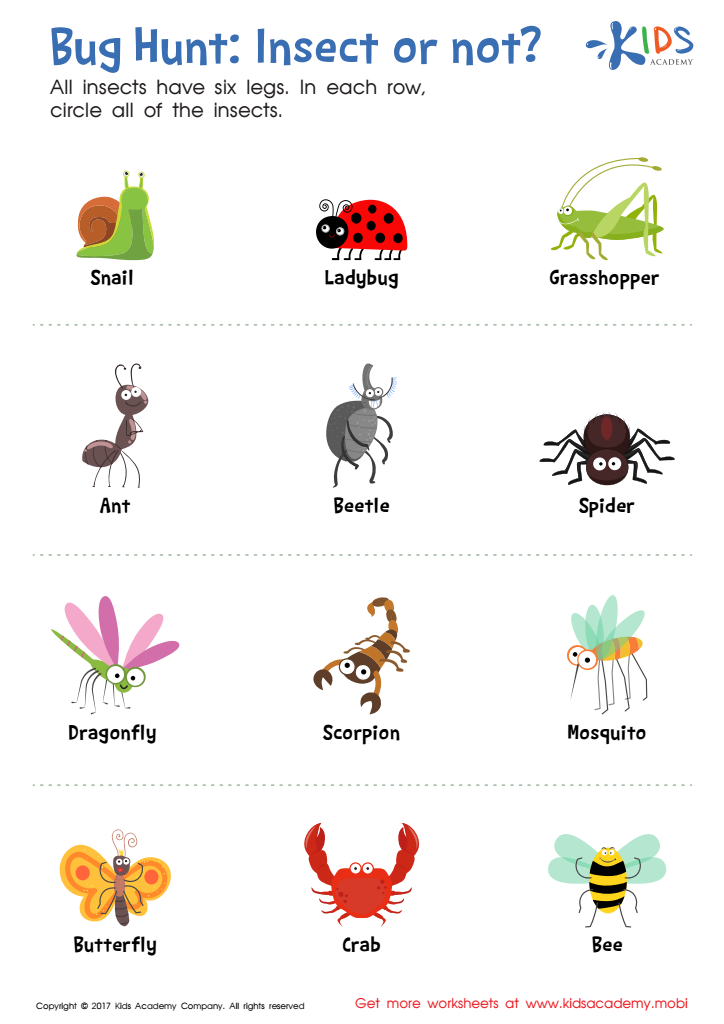


%20(1).jpg)




Parents and teachers should care about "Normal Animals" for ages 3-9 because these resources play a pivotal role in fostering a child's understanding of the natural world. Young children are naturally curious, and presenting them with information about common animals helps them build a strong foundation in science and environmental awareness. Normal animals, such as dogs, cats, birds, and farm animals, resonate with children as they often encounter them in daily life.
Engaging with normal animals promotes language development, as discussions about their characteristics, habitats, and behaviors introduce new vocabulary and concepts. It also encourages observational skills and stimulates critical thinking, as children learn to ask questions and explore their surroundings.
Furthermore, instilling a sense of empathy and responsibility towards animals early on shapes children's attitudes toward living beings and the environment. Learning about normal animals can lead to discussions about ecosystems, conservation, and our responsibility in protecting nature, fostering a sense of stewardship from a young age.
Overall, incorporating normal animals into education helps cultivate well-rounded, responsible individuals who appreciate the interconnectedness of all life, setting the stage for a more compassionate and environmentally conscious future.








