Normal Counting Worksheets for Ages 4-7
17 filtered results
-
From - To
Introducing our "Normal Counting Worksheets for Ages 4-7" by Kids Academy: the perfect resource to help young learners develop early math skills! These engaging, printable worksheets are designed to make counting fun and accessible for children. Each sheet offers a variety of colorful exercises that range from counting objects to identifying numbers, fostering numerical understanding in an interactive way. Ideal for preschool through first grade, our worksheets are crafted to align with educational standards, ensuring your child builds a strong math foundation. Visit our website to download and start your child's mathematical journey today!
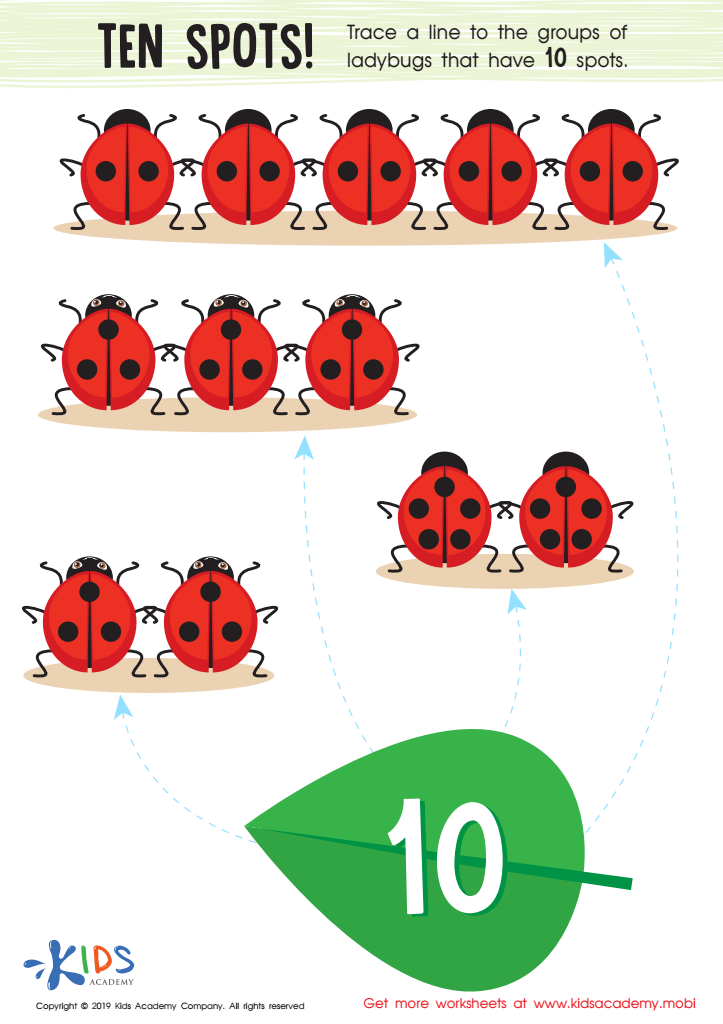
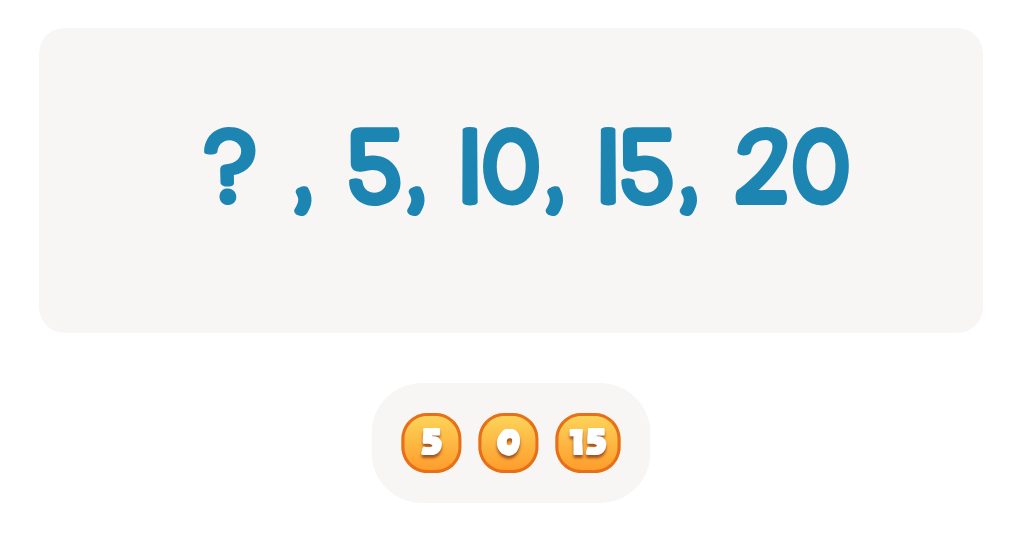
Ten Spots Worksheet
 Assign to My Students


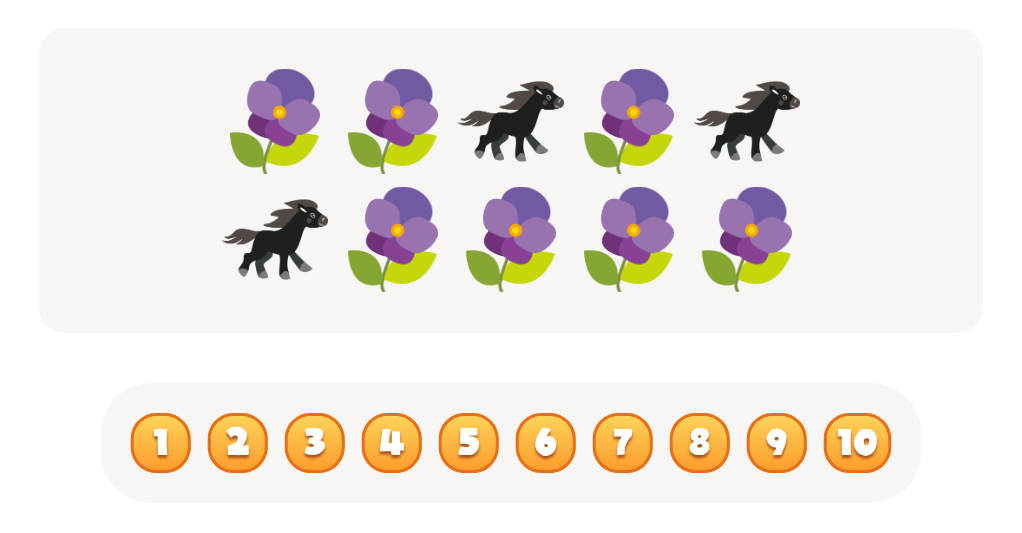
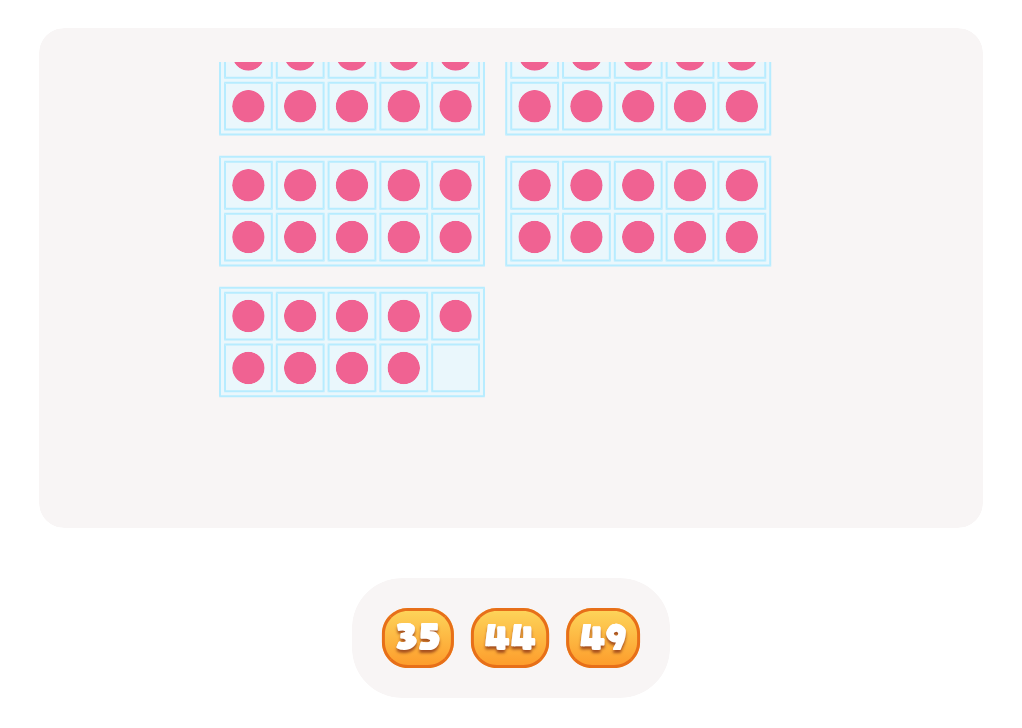

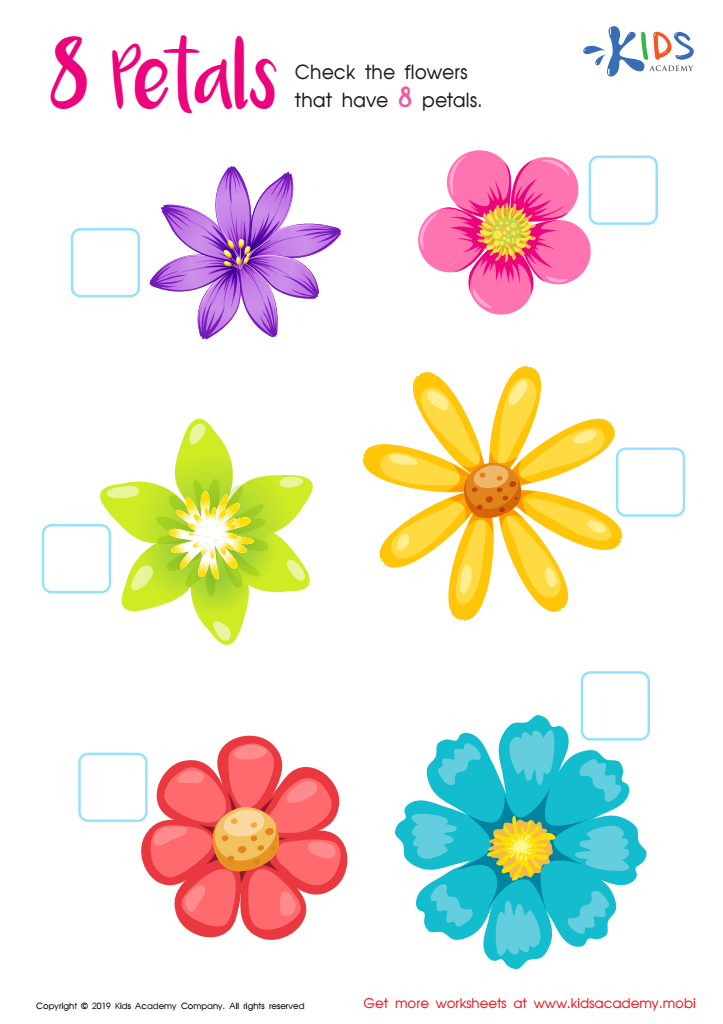
8 Petals Worksheet
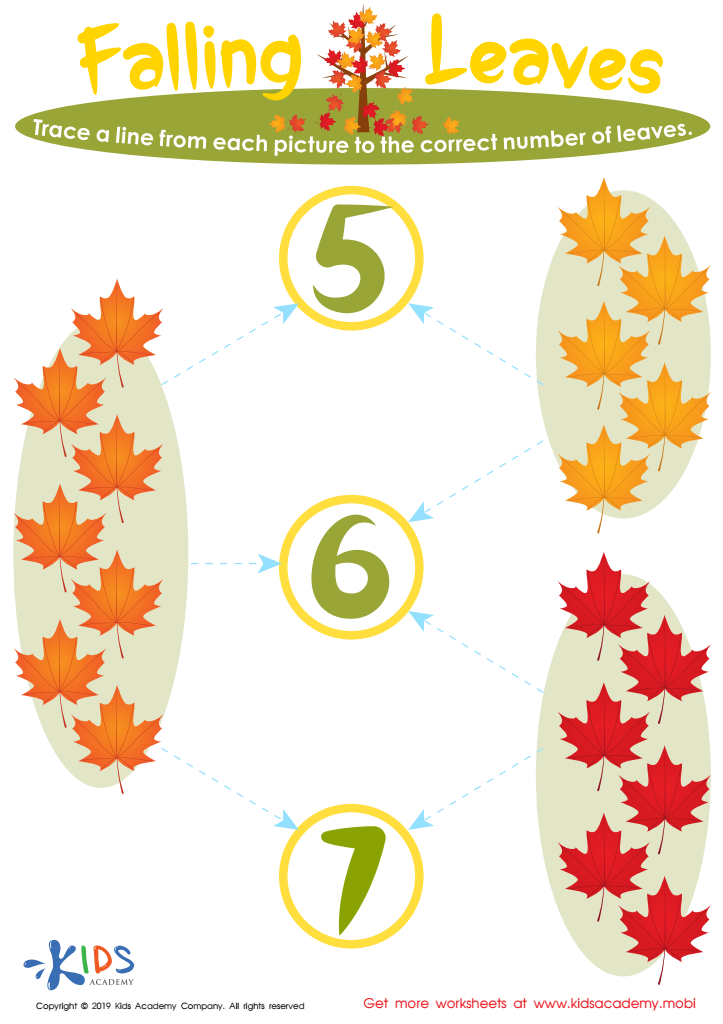
Falling Leaves Worksheet
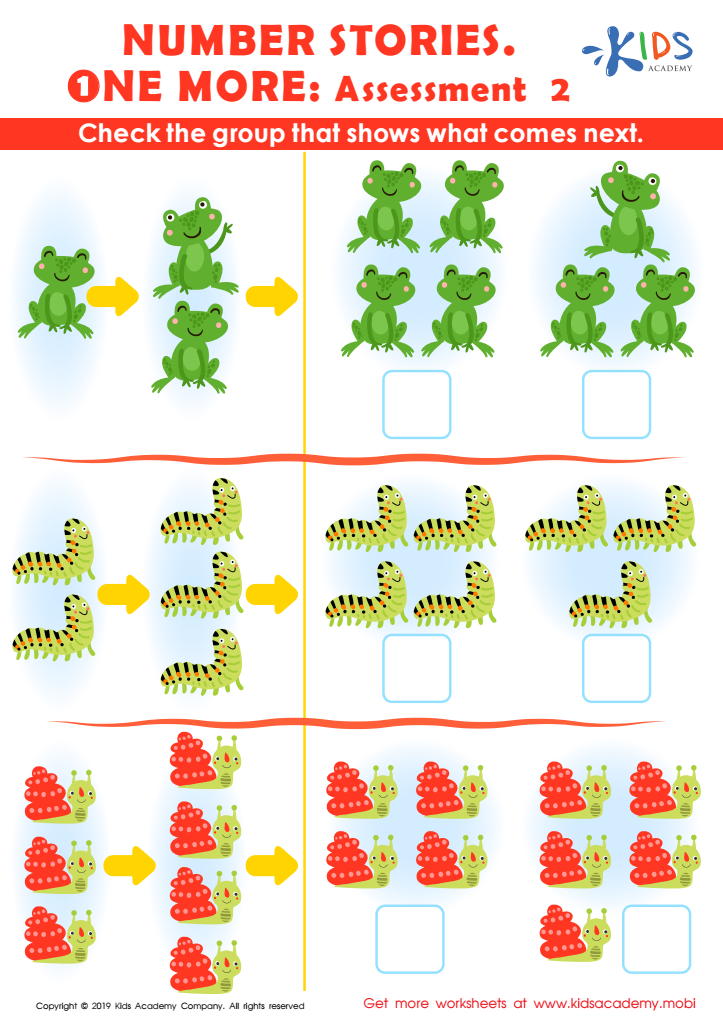
Number Stories One More – Assessment 2 Worksheet
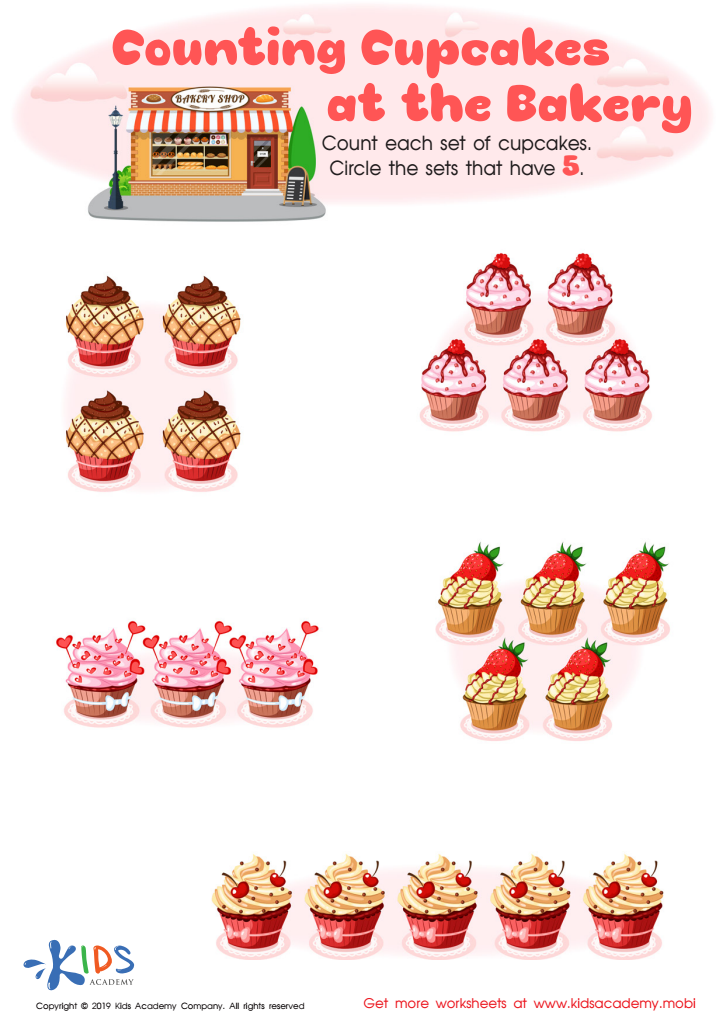
Counting Cupcakes Worksheet
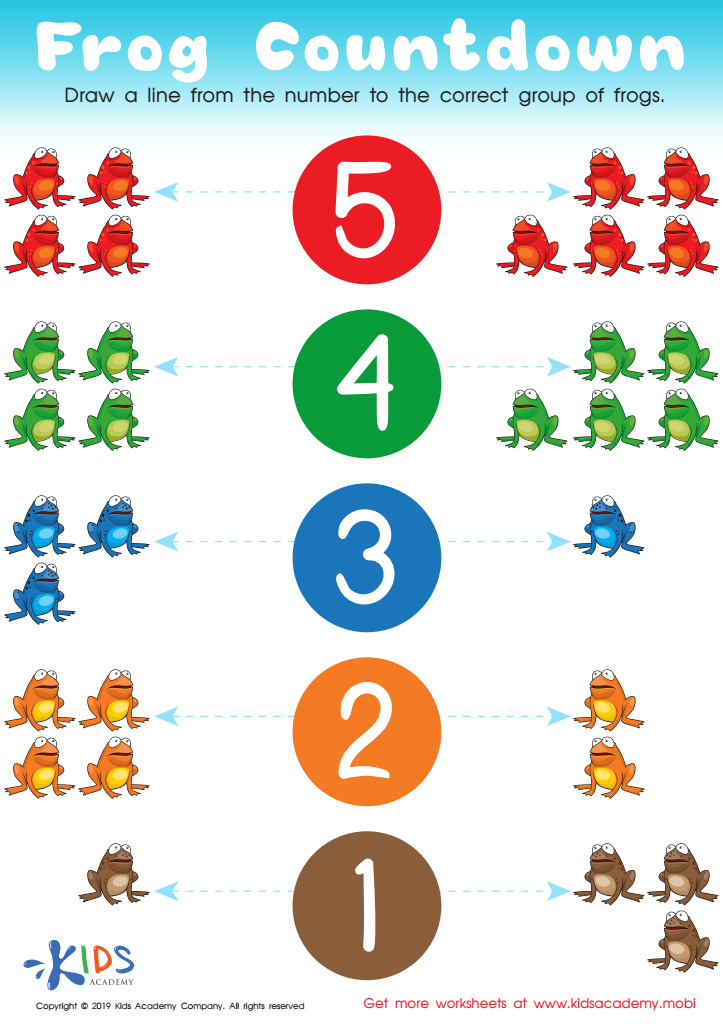
Frog Countdown Worksheet
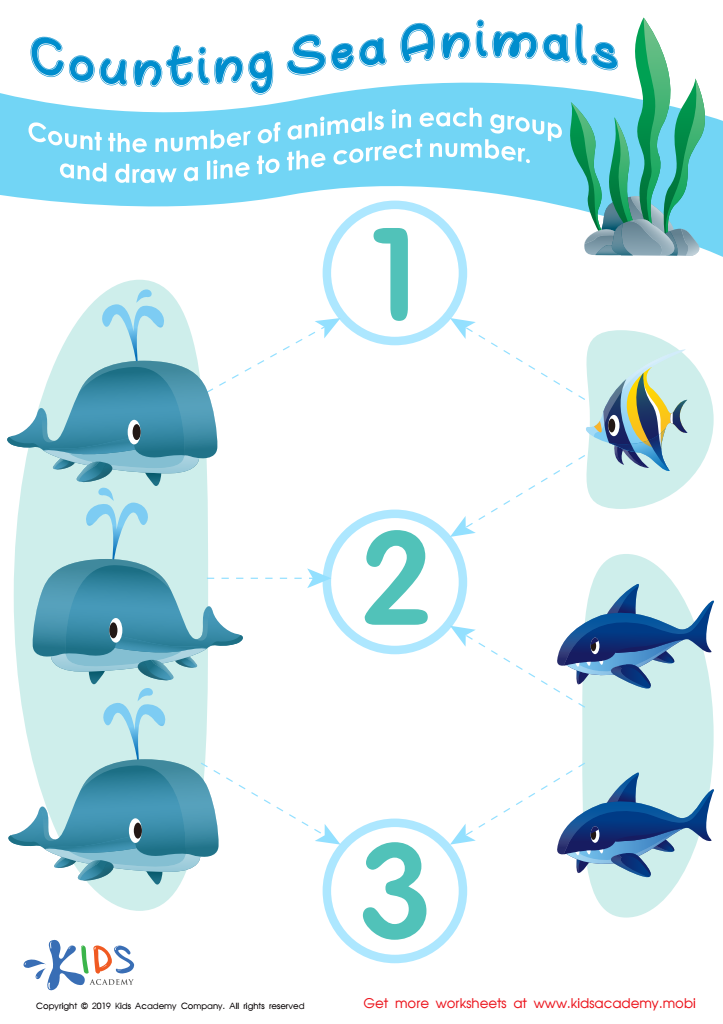
Counting Sea Animals Worksheet
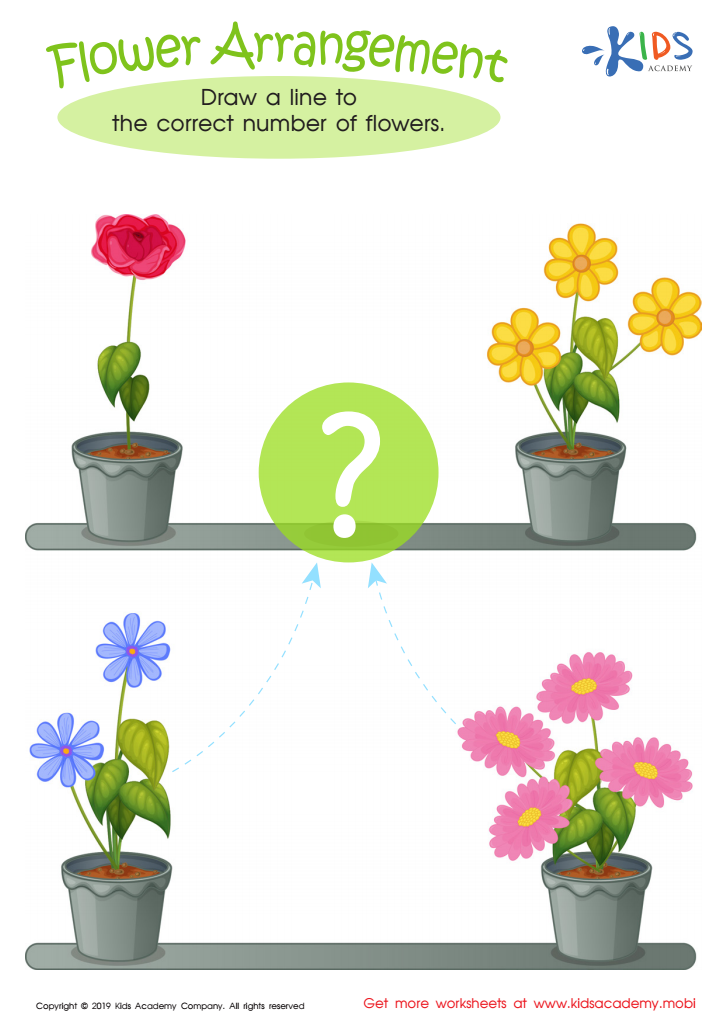
Flower Arrangement Worksheet
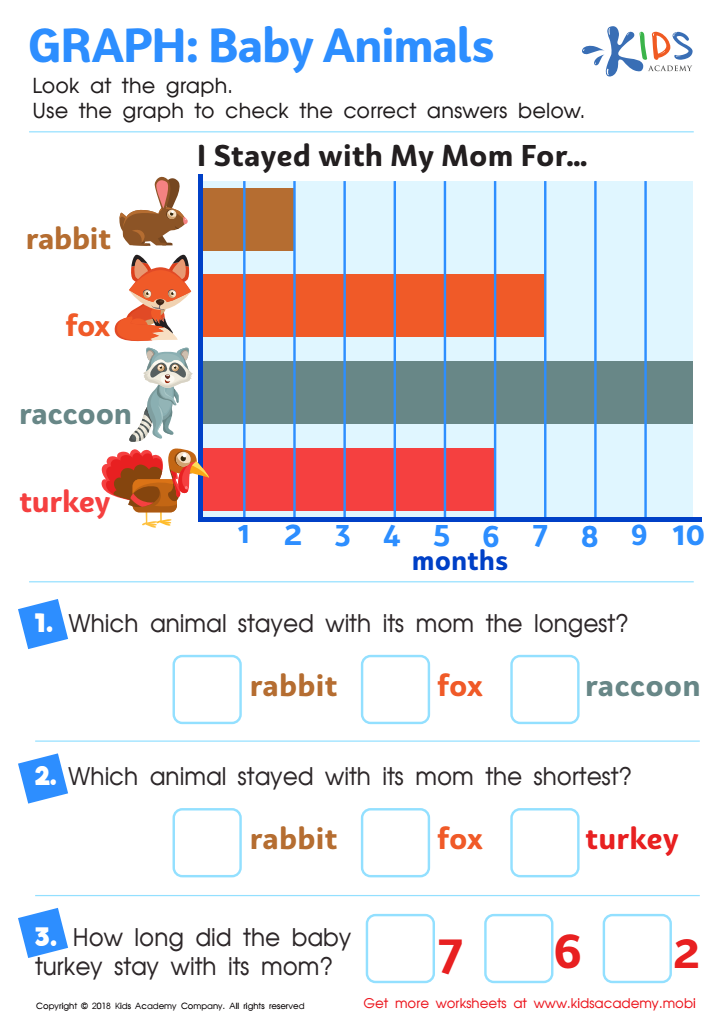
Graph: Baby Animals Worksheet
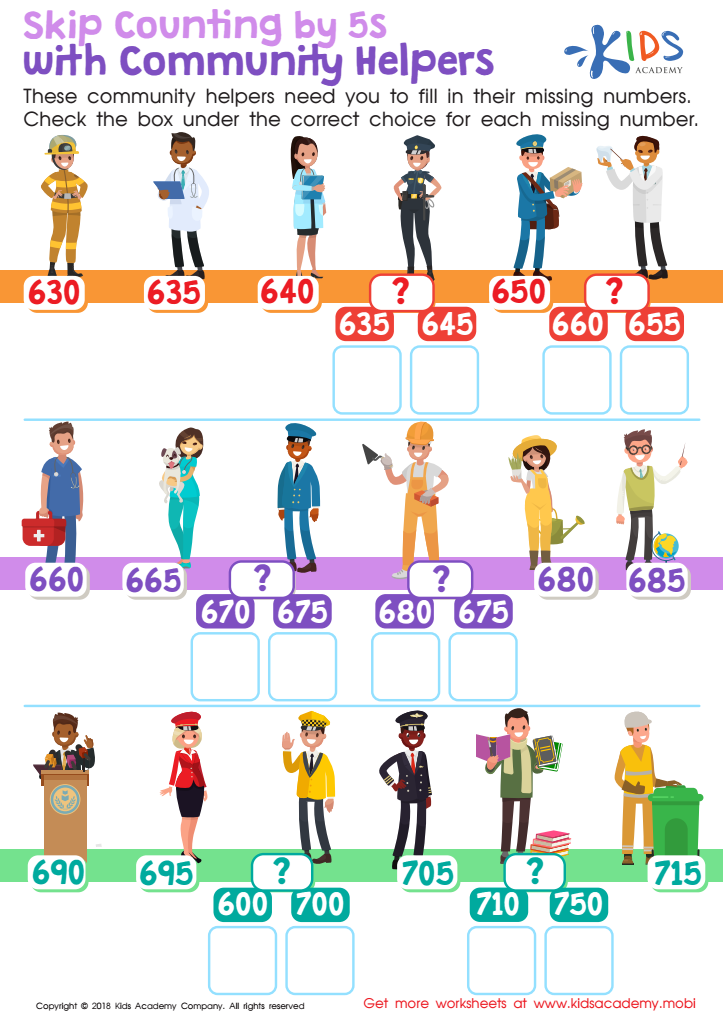
Skip Counting by 5s With Community Helpers Worksheet
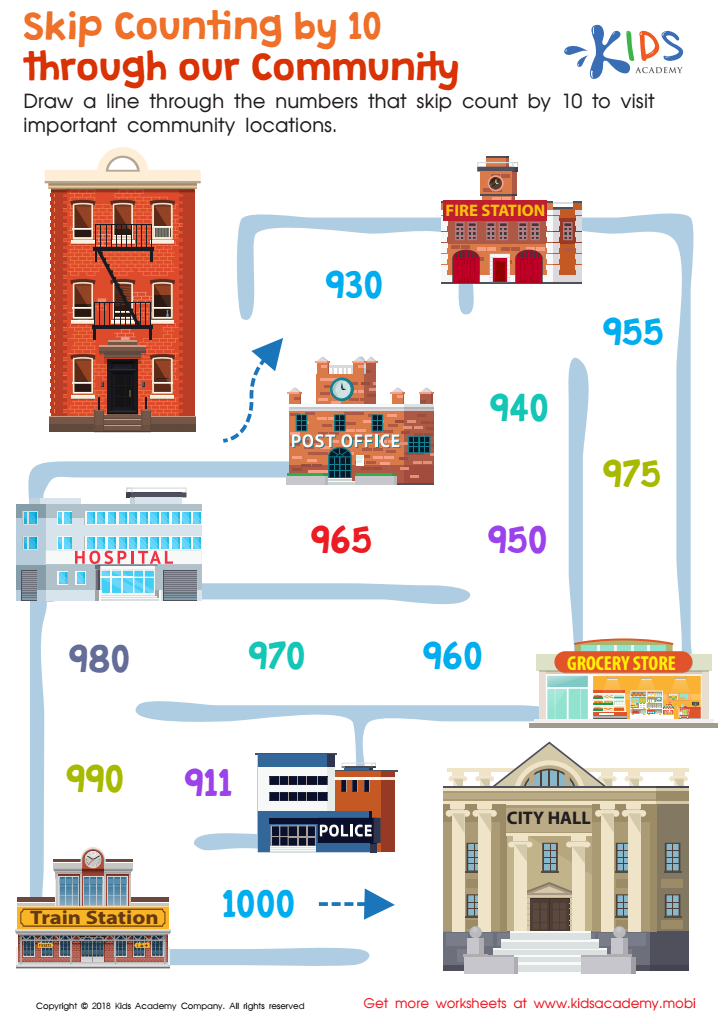
Skip Counting by 10 Through Our Community Worksheet
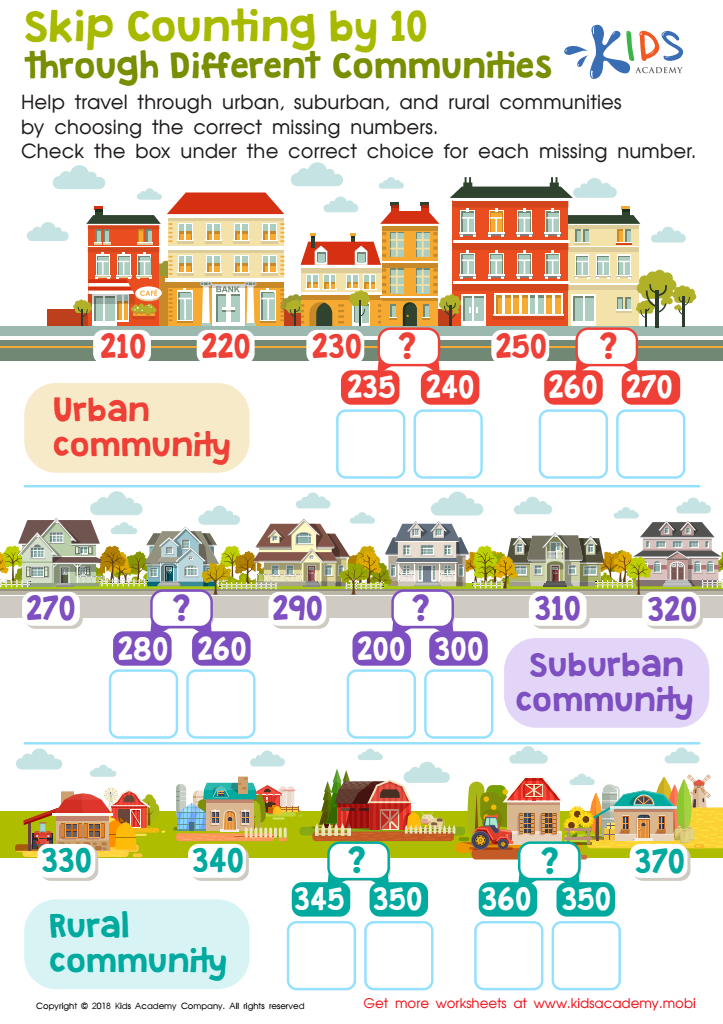
Skip Counting by 10 through Different Communities Worksheet
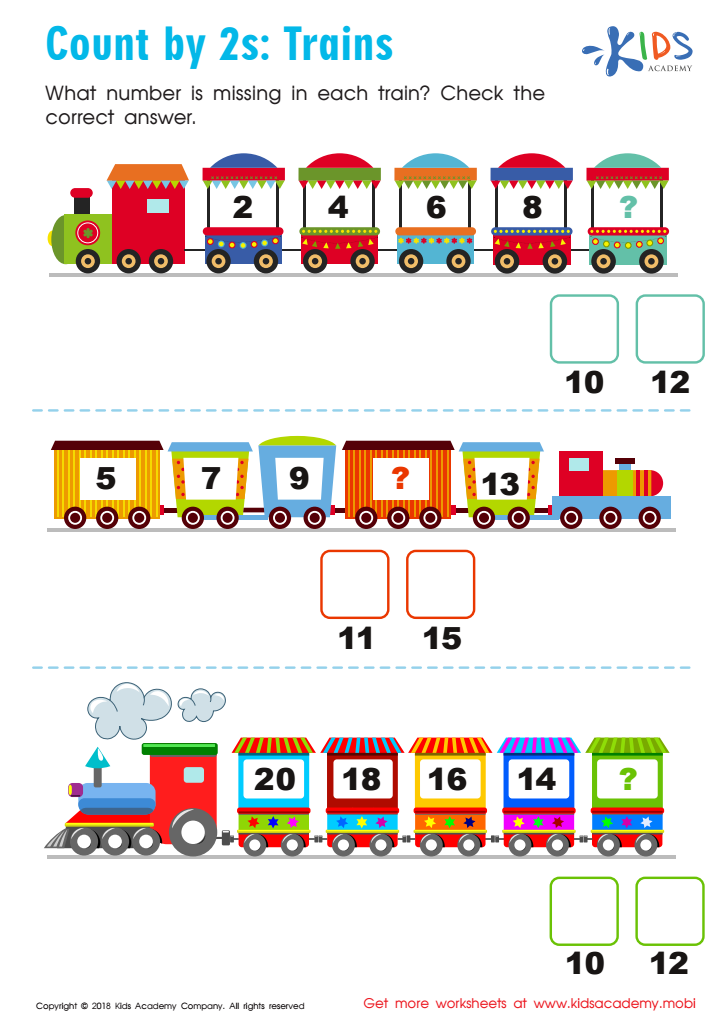
Count by 2's: Trains Worksheet
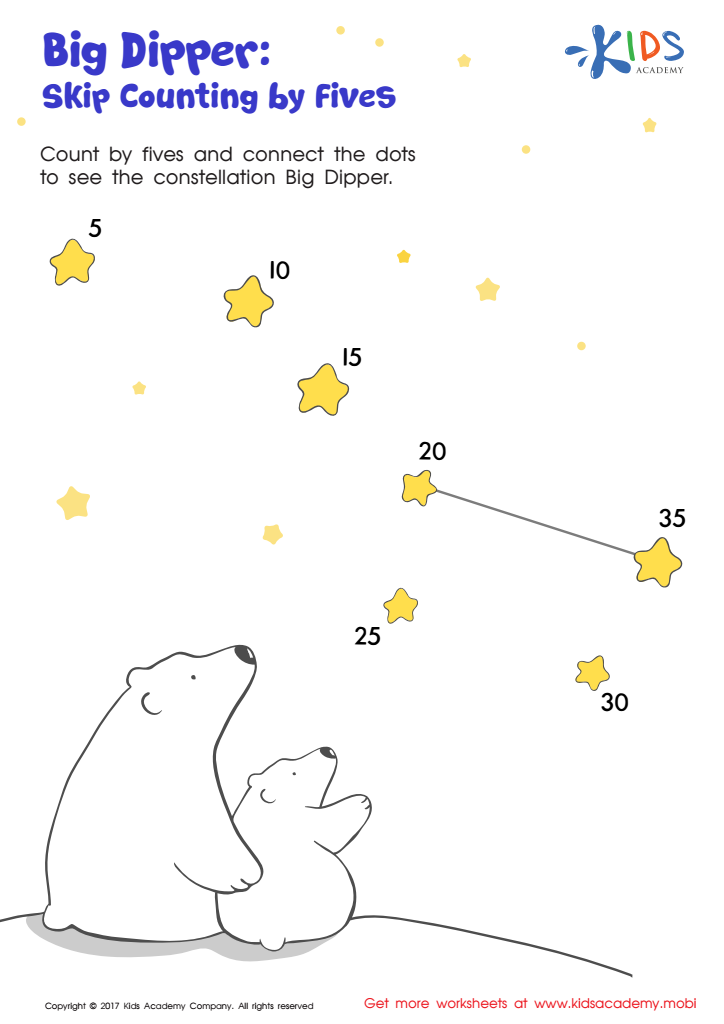
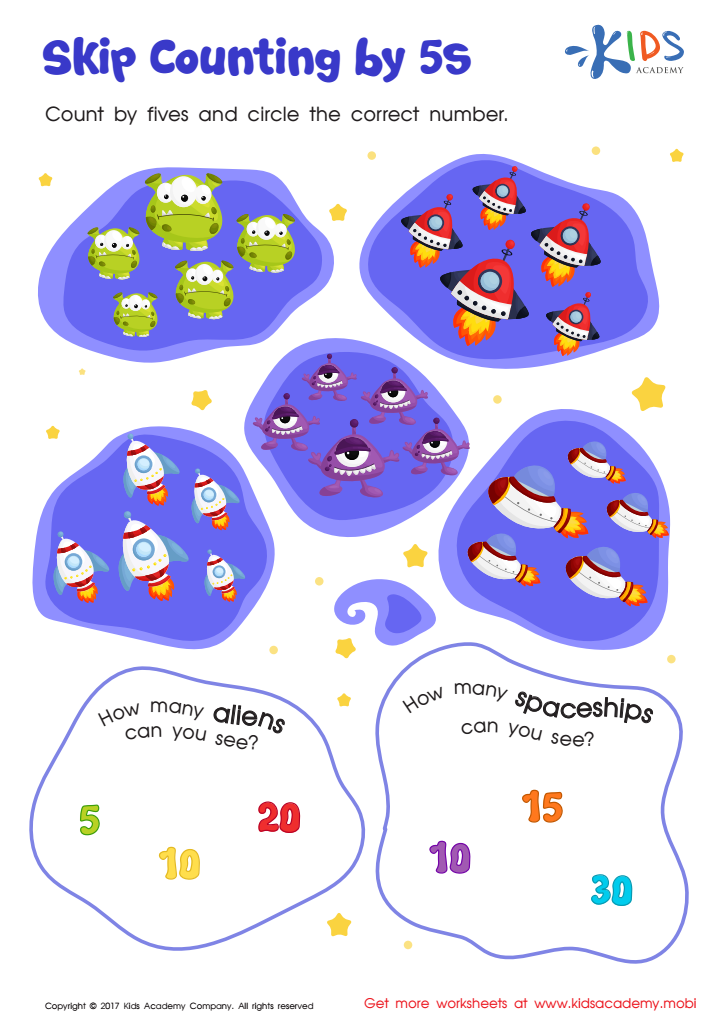
Skip Counting by 5s: Aliens and Spaceships Printable
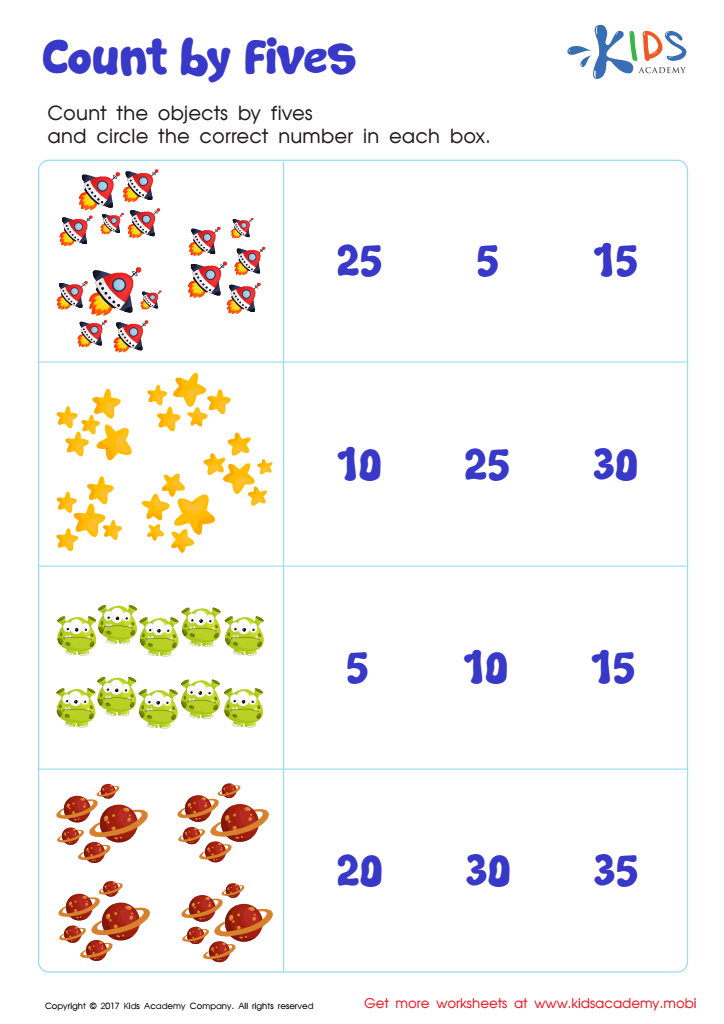
Skip Counting by 5s: Space Math Printable
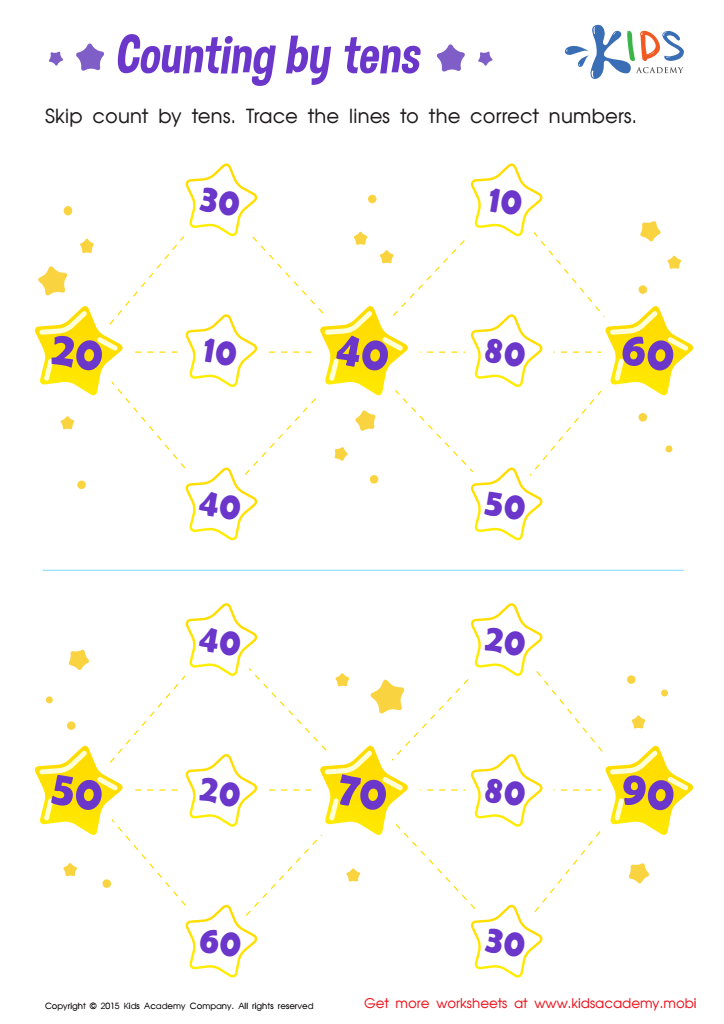
Learn Dozens: Counting by Tens Printable








Normal counting for children ages 4-7 is a fundamental skill that serves as a cornerstone for more advanced mathematical understanding. At this age, children transition from rote counting to developing a sense of number value and quantity. Parents and teachers should care about this skill because it helps build a strong mathematical foundation necessary for future learning.
Firstly, counting helps children understand the concept of one-to-one correspondence, where each object being counted is matched with one and only one number name. This is crucial for accurately assessing quantities and sets. Secondly, learning to count introduces the idea of sequence and order, which are essential for grasping more complex mathematical operations like addition and subtraction.
Furthermore, proficient counting aids in cognitive development related to problem-solving and critical thinking. When children practice counting, they are simultaneously improving their memory and attention span.
Socially, competence in basic counting gives children confidence in a classroom setting, encouraging participation and engagement in group activities related to math. It's also an everyday life skill, playing a part in activities like sharing snacks, keeping score in games, or even engaging in conversations that involve numbers.
In summary, counting from ages 4-7 is vital as it lays the groundwork for higher-level math skills, enhances cognitive abilities, and promotes both social and educational confidence.








