Normal Measurement Worksheets for Ages 4-7 - Page 2
34 filtered results
-
From - To
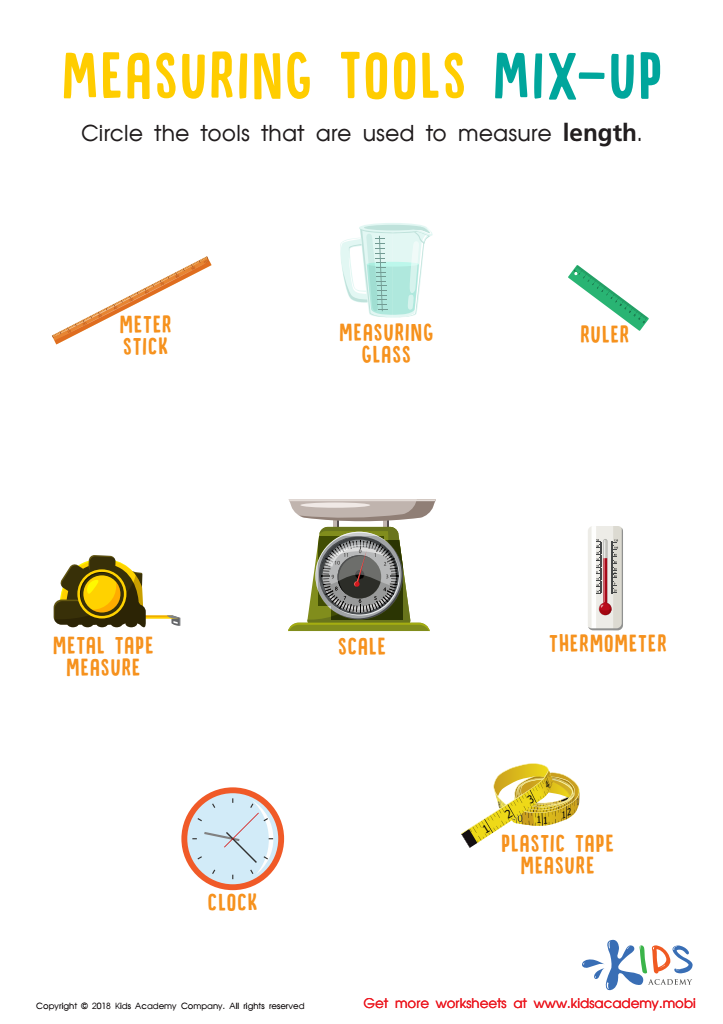
Measuring Tools Mix–up Worksheet
 Assign to My Students
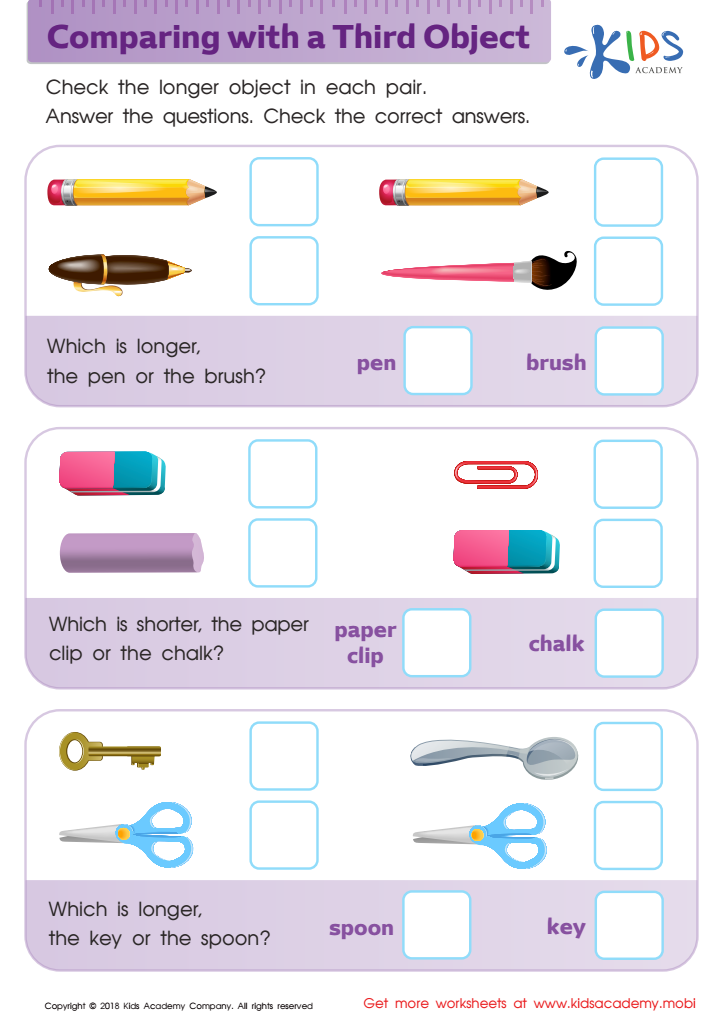
Comparing with a Third Object Worksheet
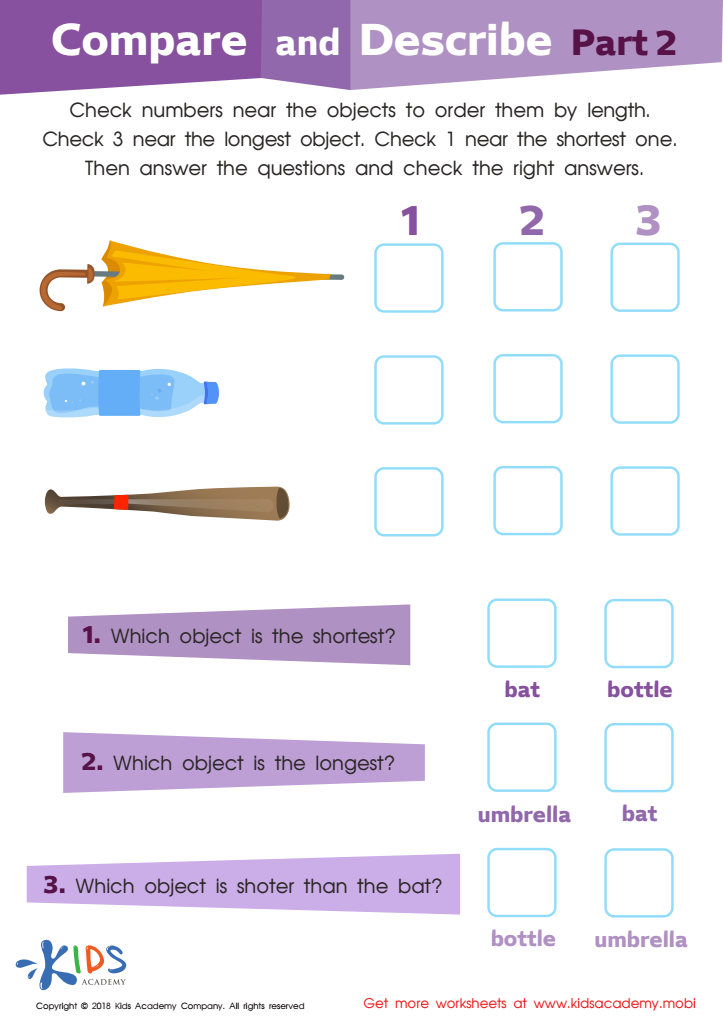
Compare and Describe: Part 2 Worksheet
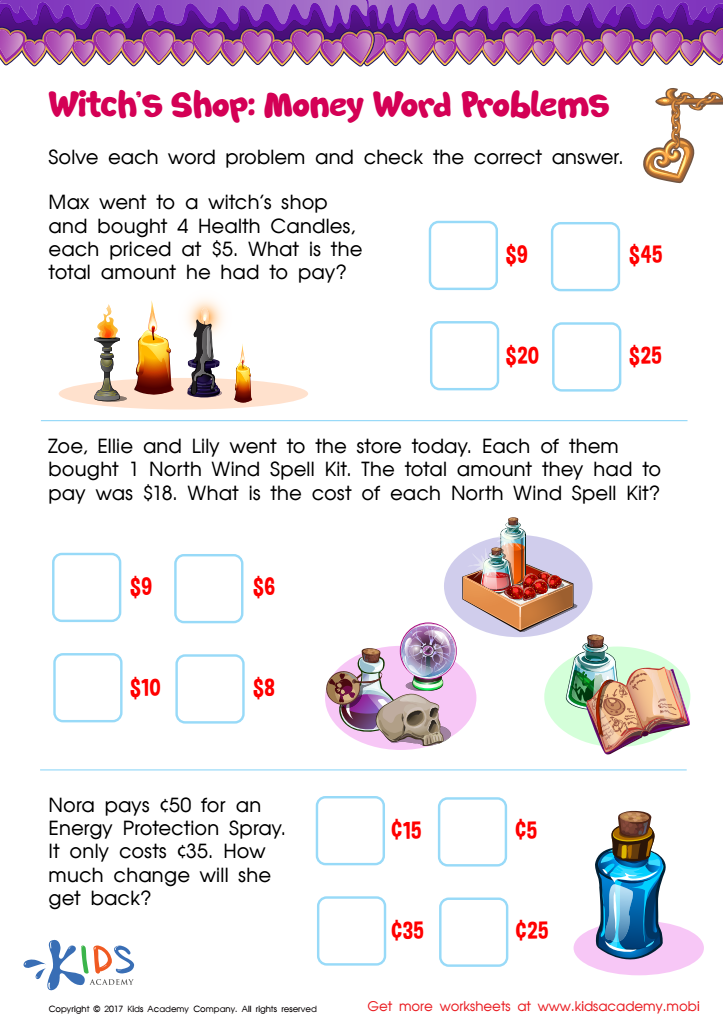
Money Word Problems Printable
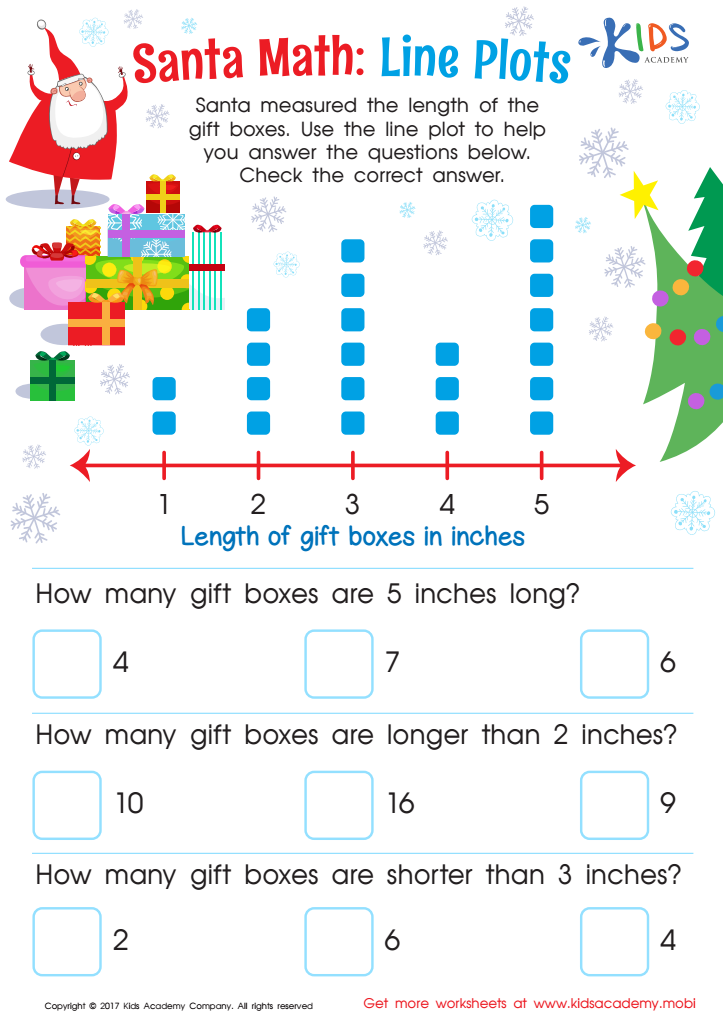
Line Plot Worksheet
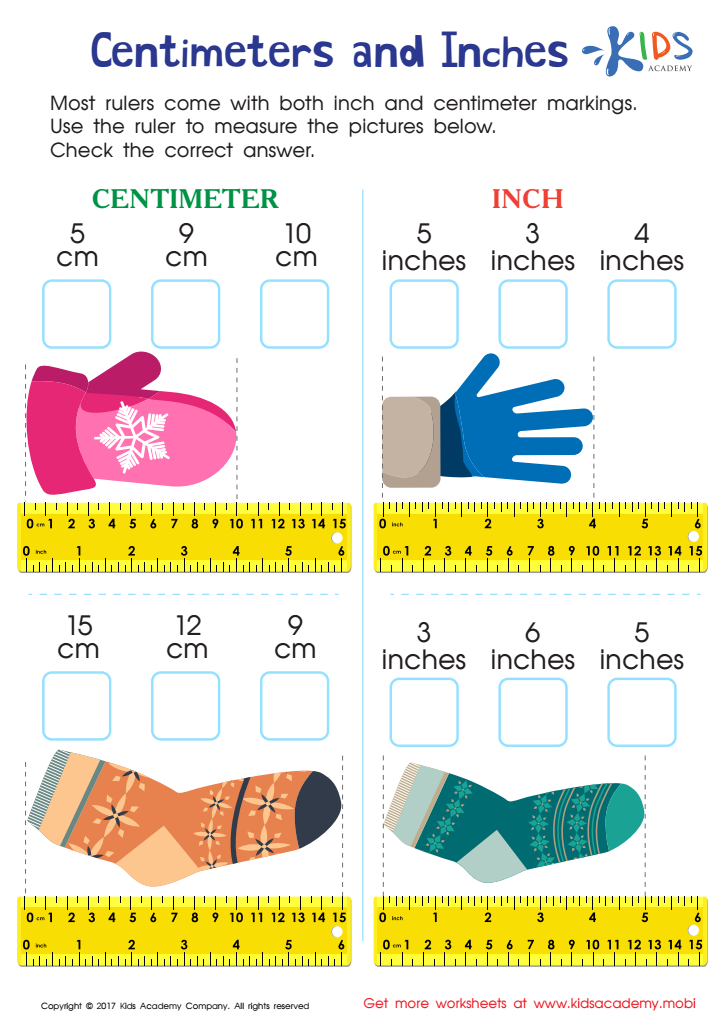
Centimeters and Inches Worksheet
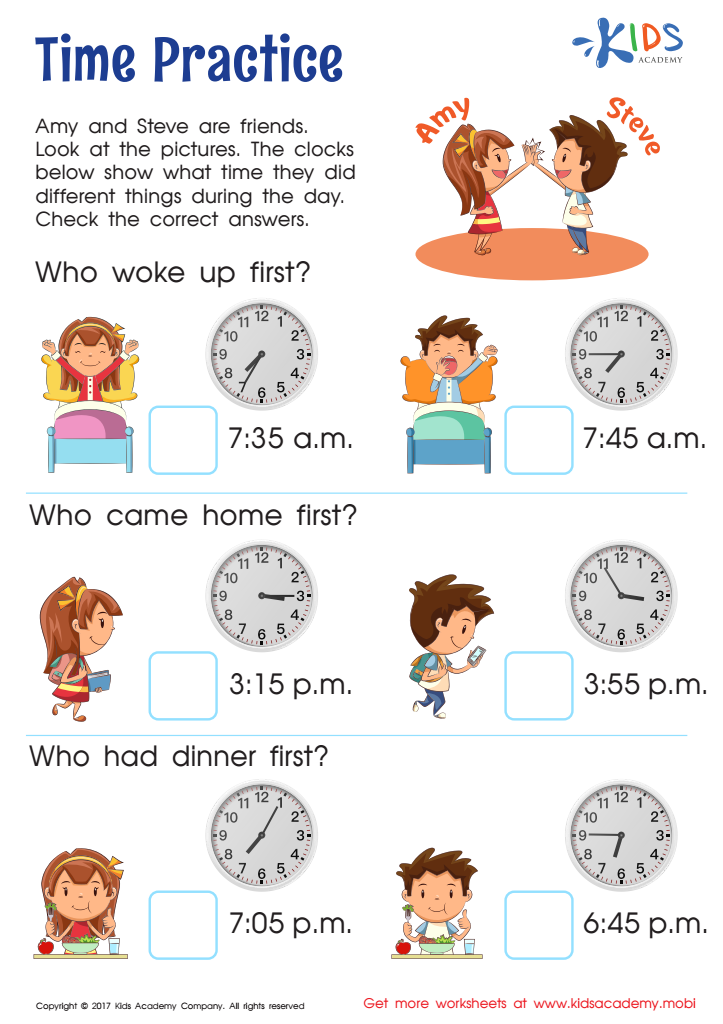
Time Practice Worksheet
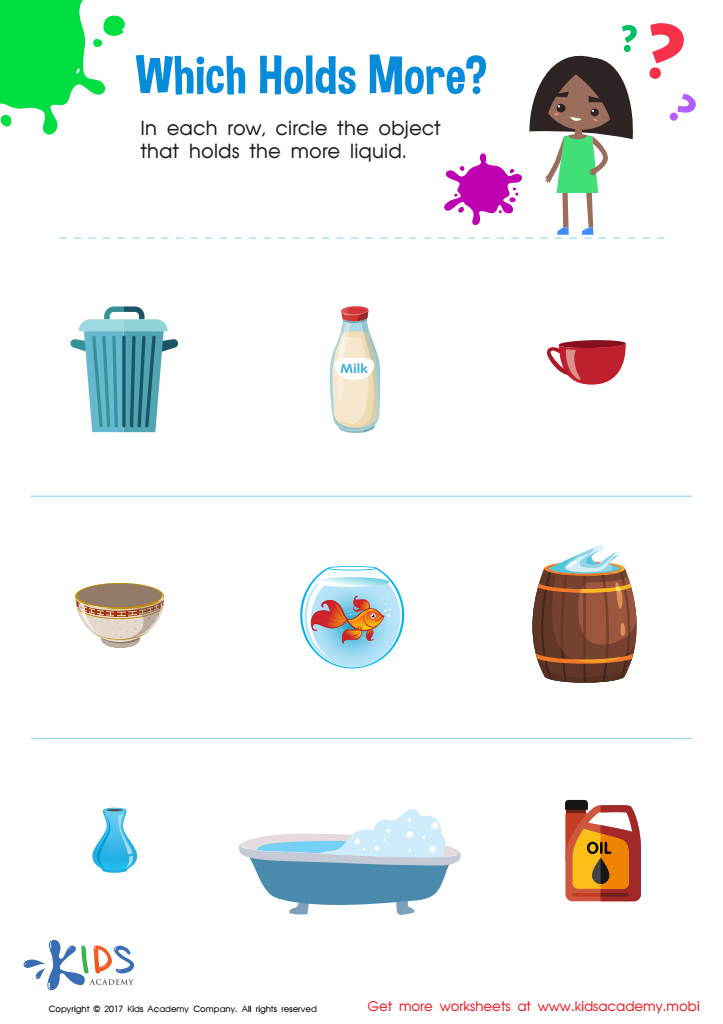
Which Holds More: Capacity Worksheet
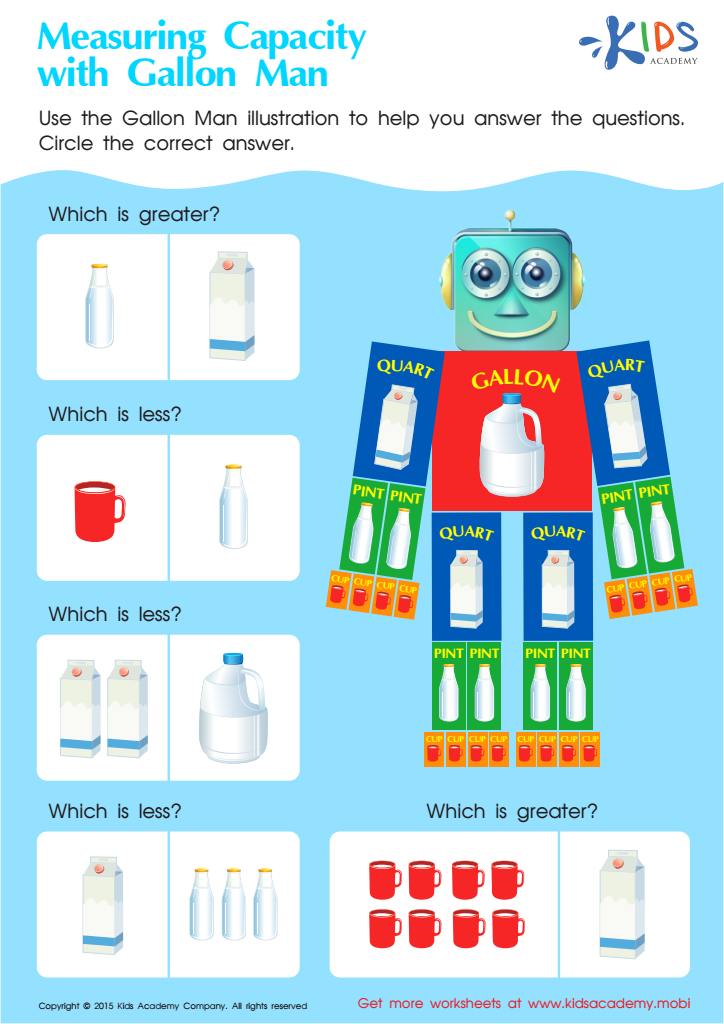
Measurement: Measuring Capacity with Gallon Man Worksheet
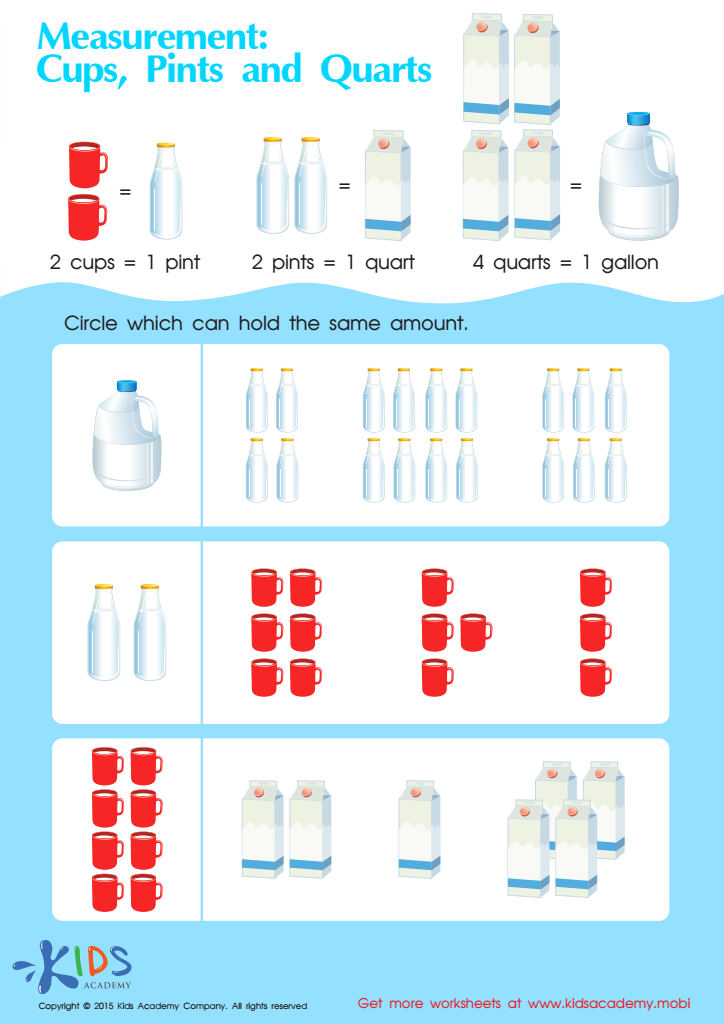
Cups, Pints and Quarts 2 Worksheet








Understanding normal measurement for children aged 4-7 is crucial for both parents and teachers because it directly impacts health, development, and educational readiness. During this age, children experience significant physical growth and development. By tracking normal measurements—like height, weight, and body mass index—parents and teachers can identify any potential health concerns early. Early intervention is often more effective in addressing developmental delays or medical issues.
Moreover, knowledge of normal measurement helps set realistic growth expectations and goals, fostering a positive self-image in children. Children who meet or exceed these benchmarks often display greater confidence and better overall well-being.
In an educational context, understanding measurements aids in curriculum development and classroom inclusivity. Recognizing diverse growth patterns enables teachers to create adaptable lesson plans that cater to individual needs. Additionally, familiarity with measuring tools and concepts can support the development of early math and science skills.
Finally, a partnership between parents and teachers in monitoring growth fosters communication and trust, ensuring a supportive environment that champions the child's health and academic success. Overall, caring about normal measurement is fundamental to nurturing well-rounded, healthy, and confident young learners.








