Normal World Around Us Worksheets for Ages 4-7 - Page 2
69 filtered results
-
From - To
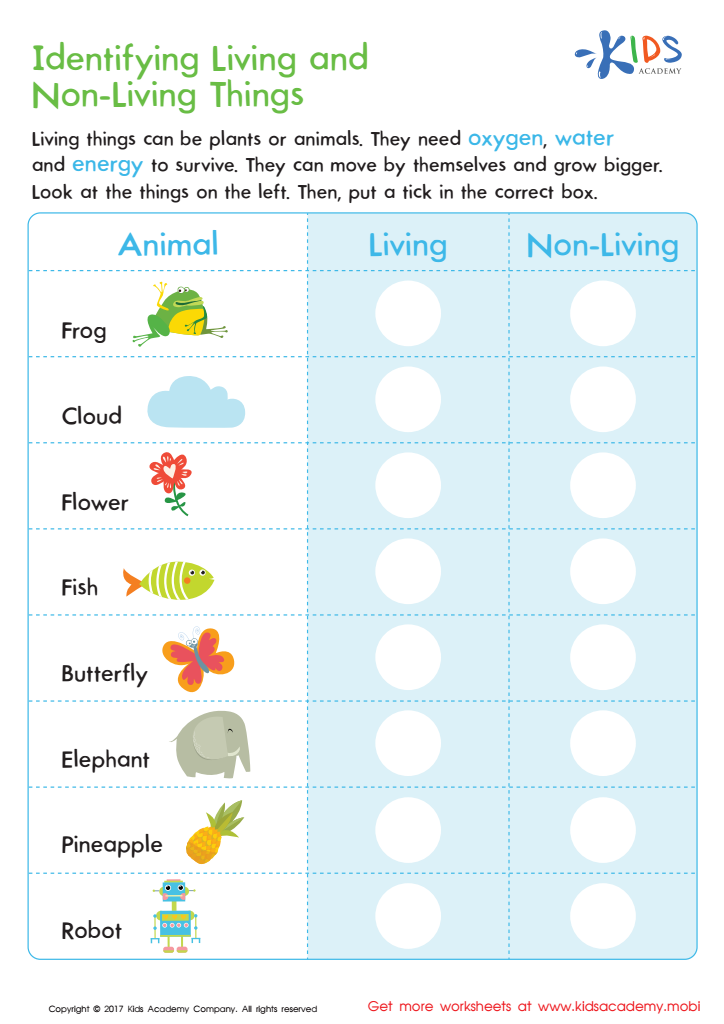
Identifying Living or Non–living Worksheet
 Assign to My Students
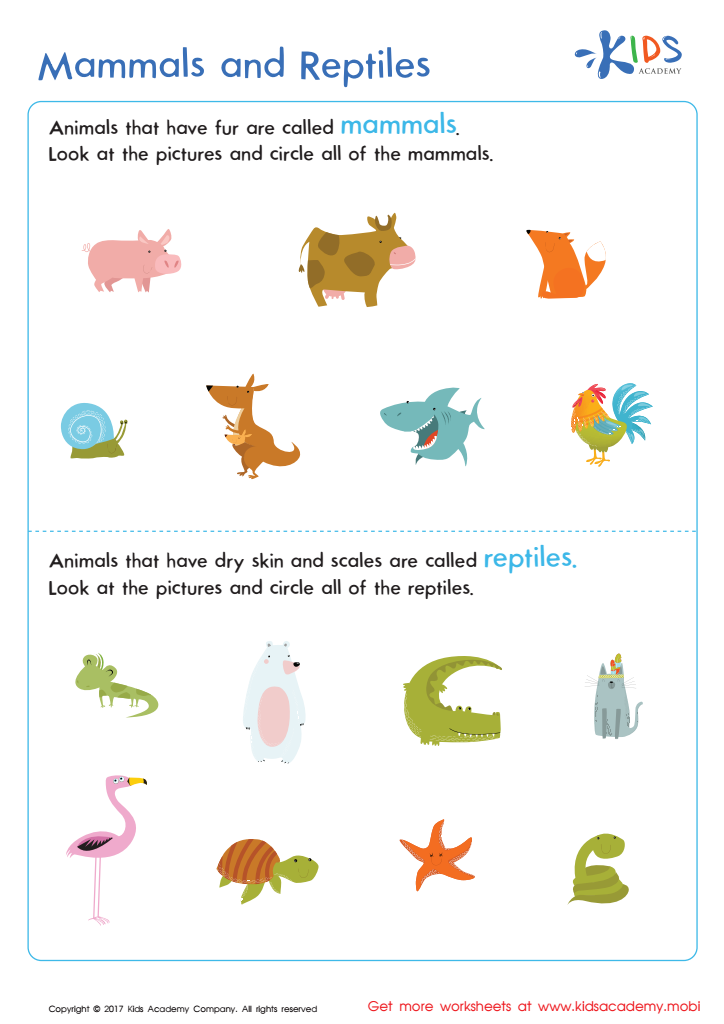
Mammals and Reptiles Worksheet
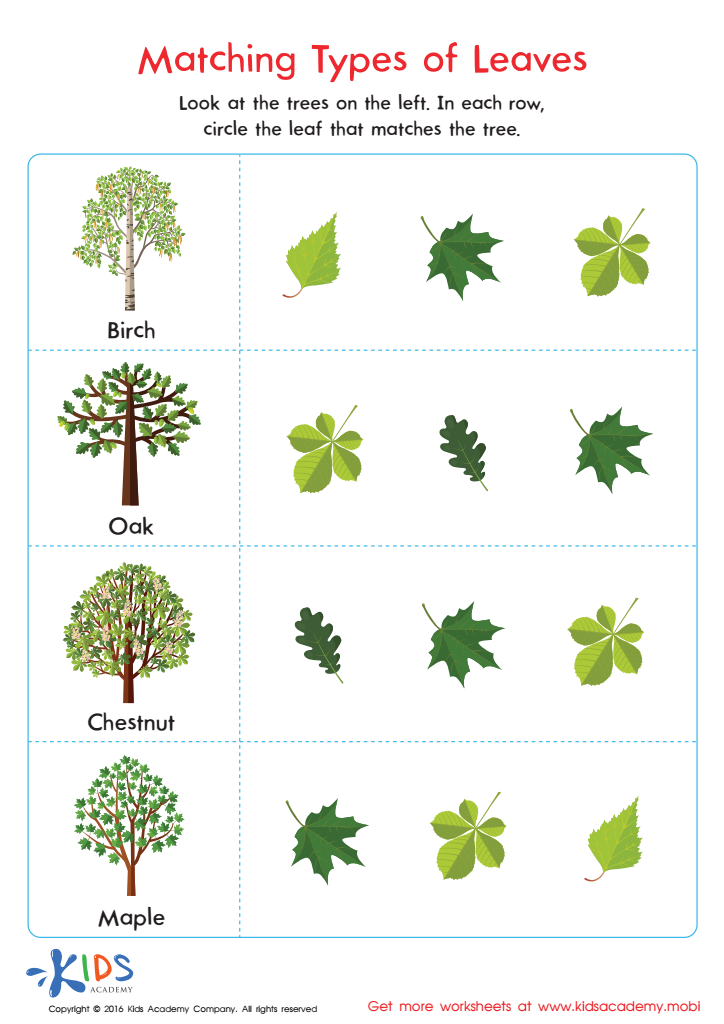
Matching Types of Leaves Printable
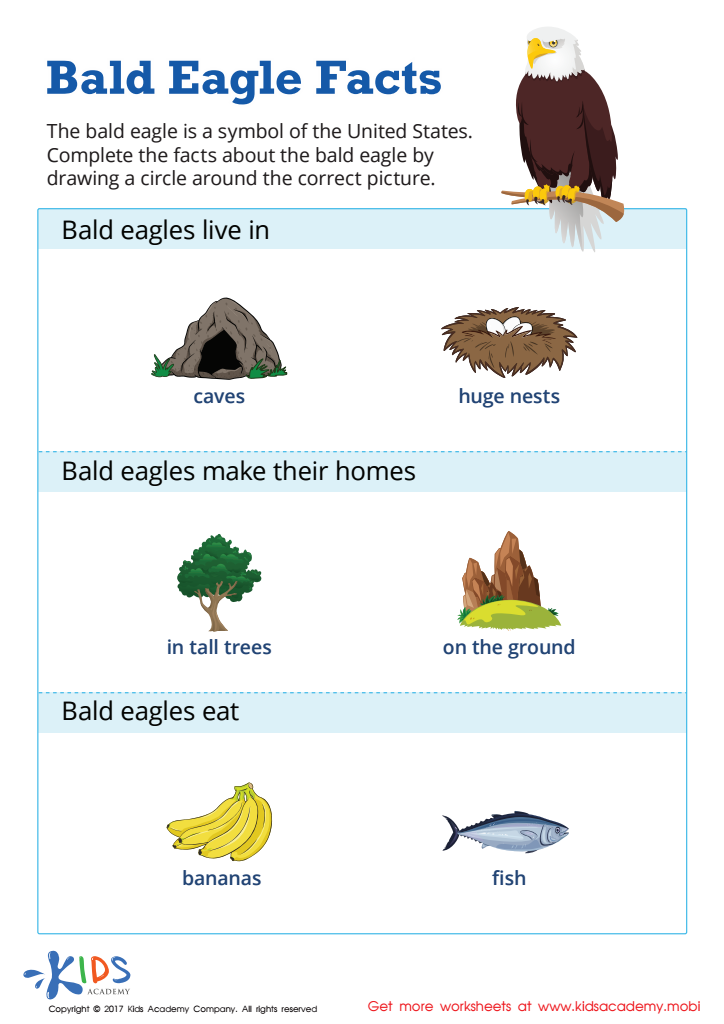
Bald Eagle Facts Worksheet
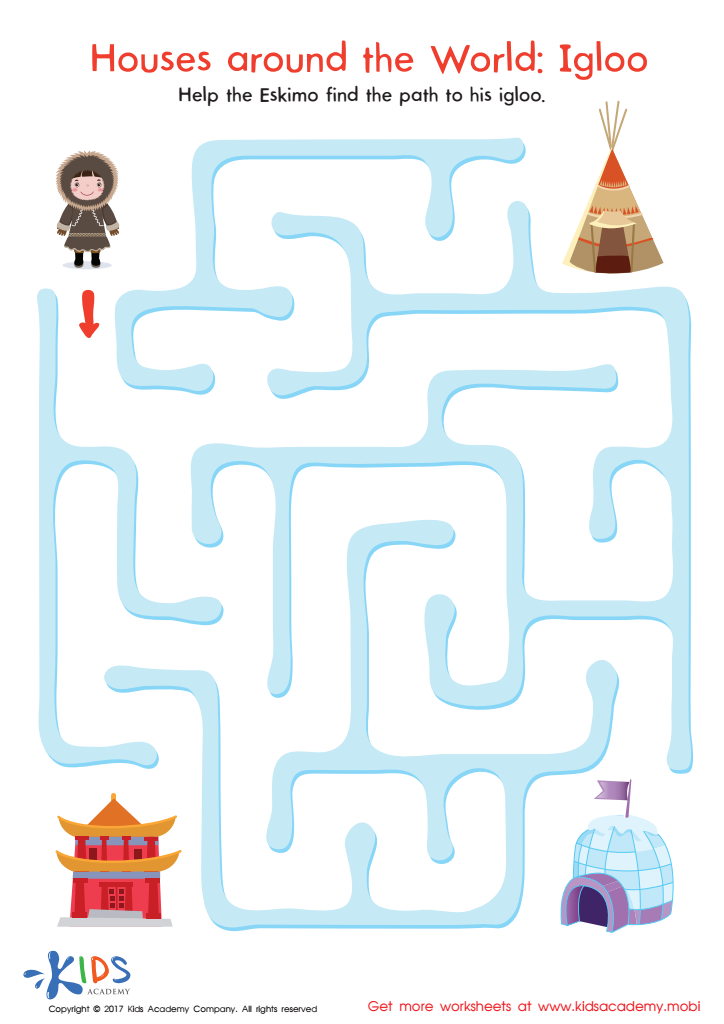
Houses Around the World: Igloo Printable
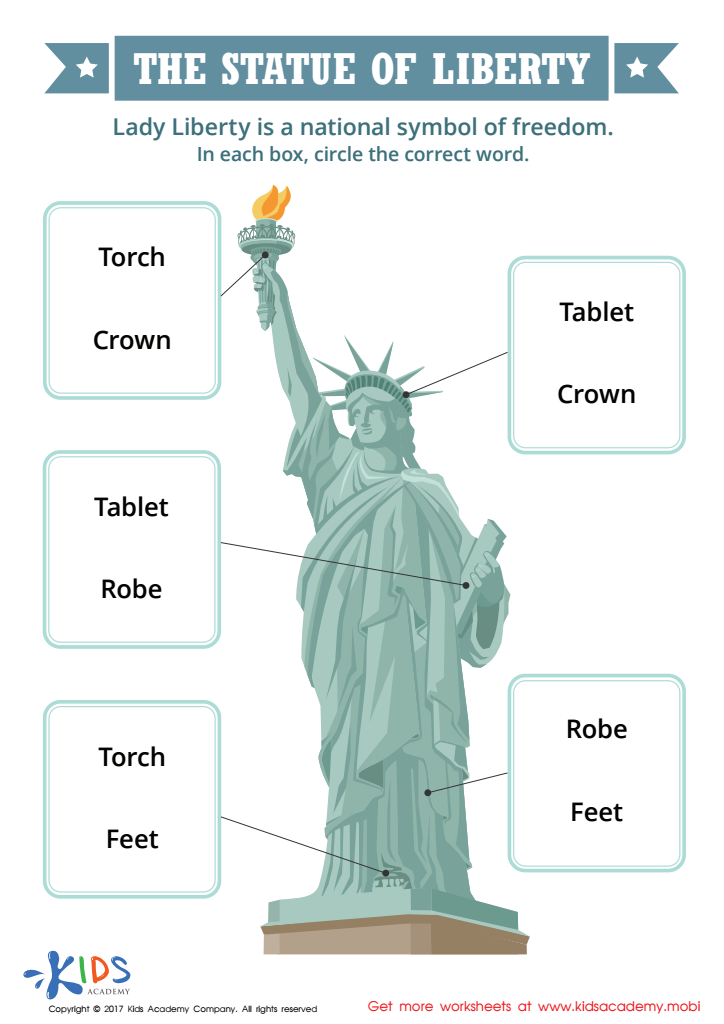
The Statue of Liberty Printable

World Flags Printable
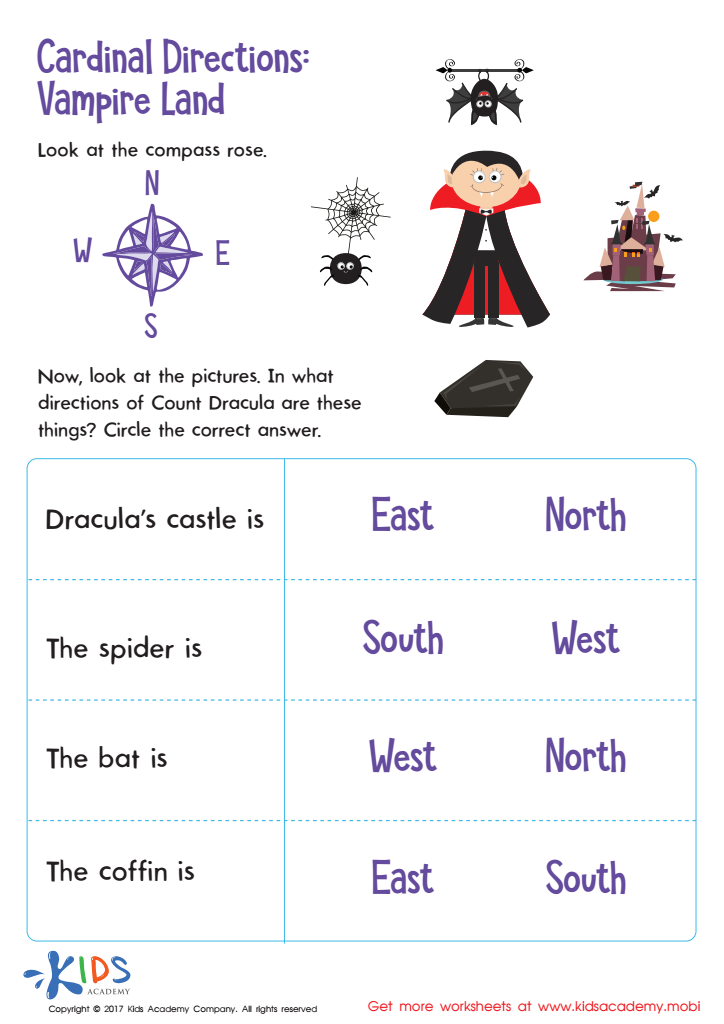
Cardinal Directions Printable
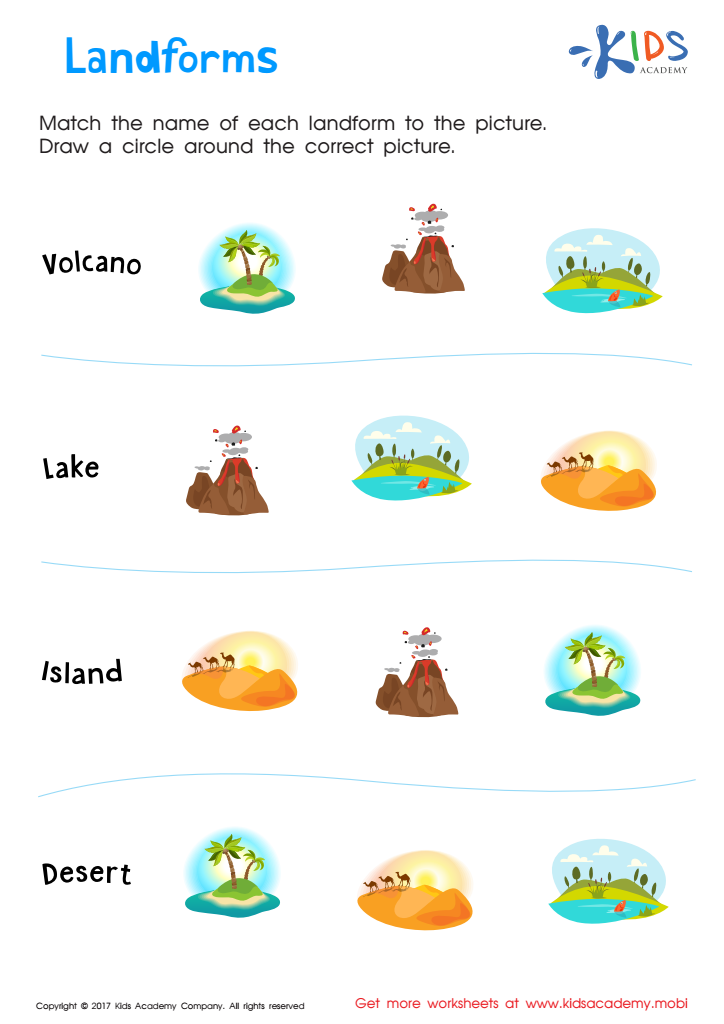
Landforms Printable
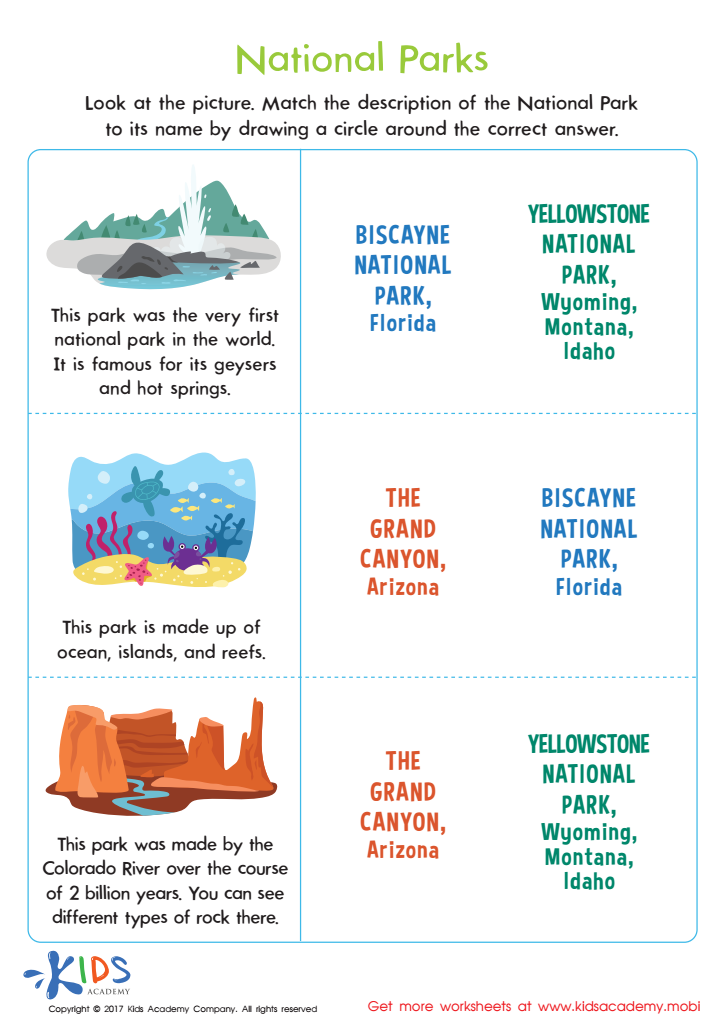
National Parks Printable
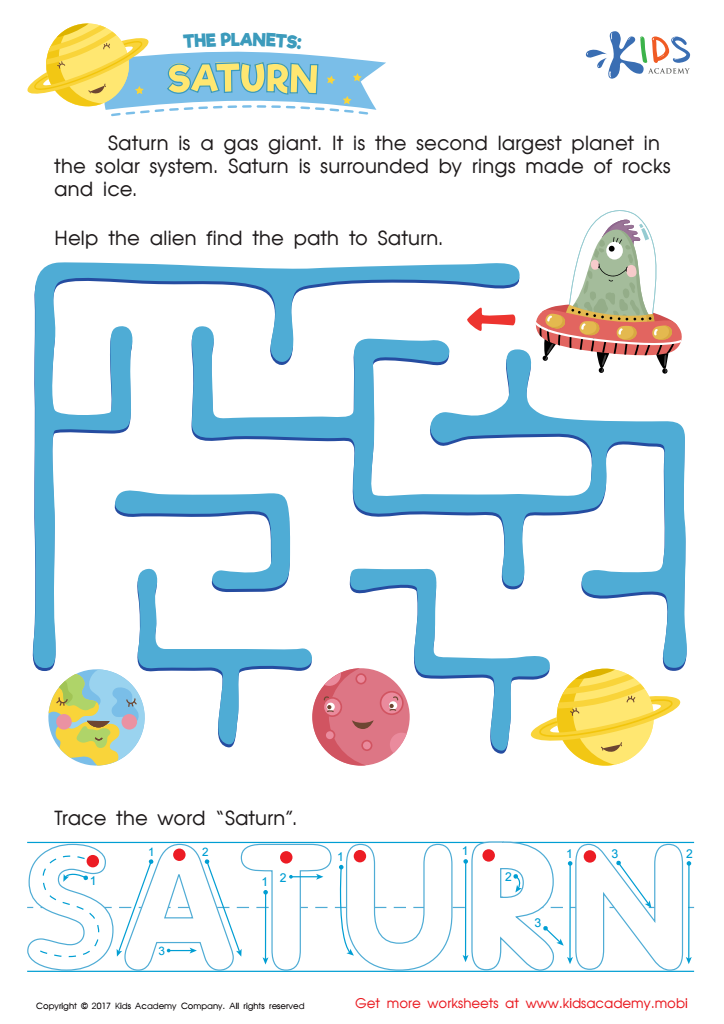
The Planets: Saturn Printable
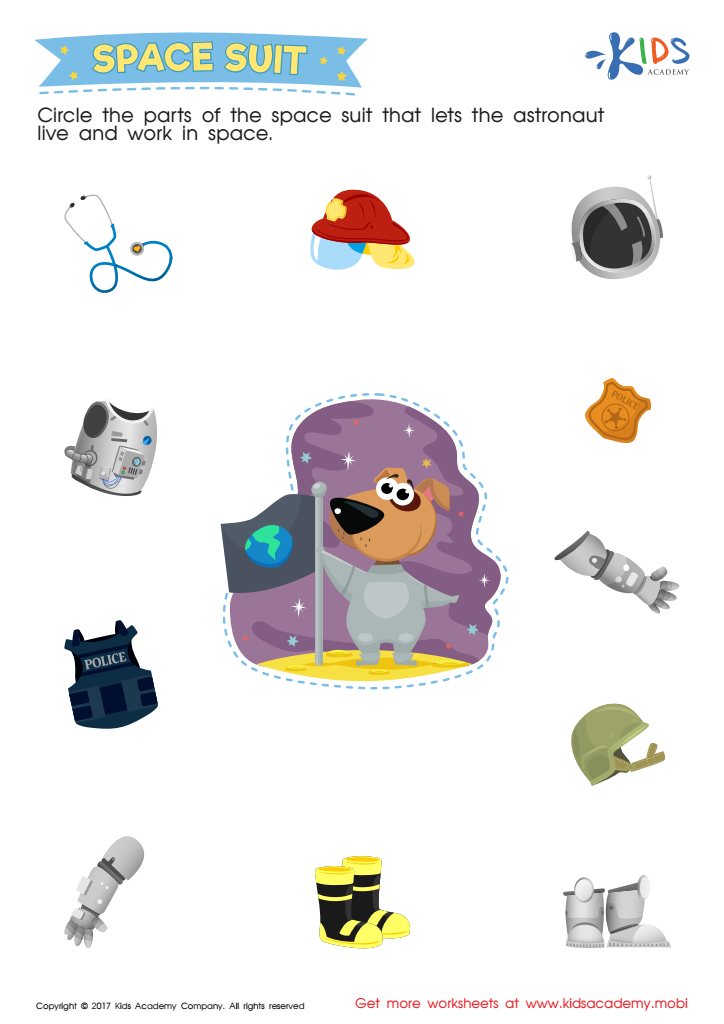
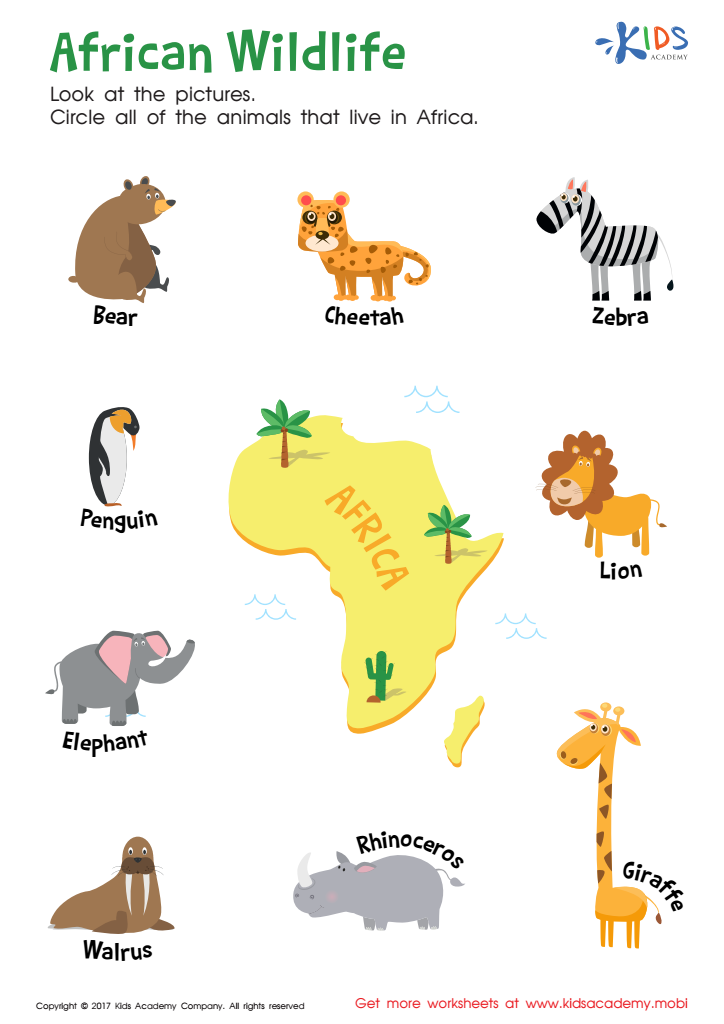
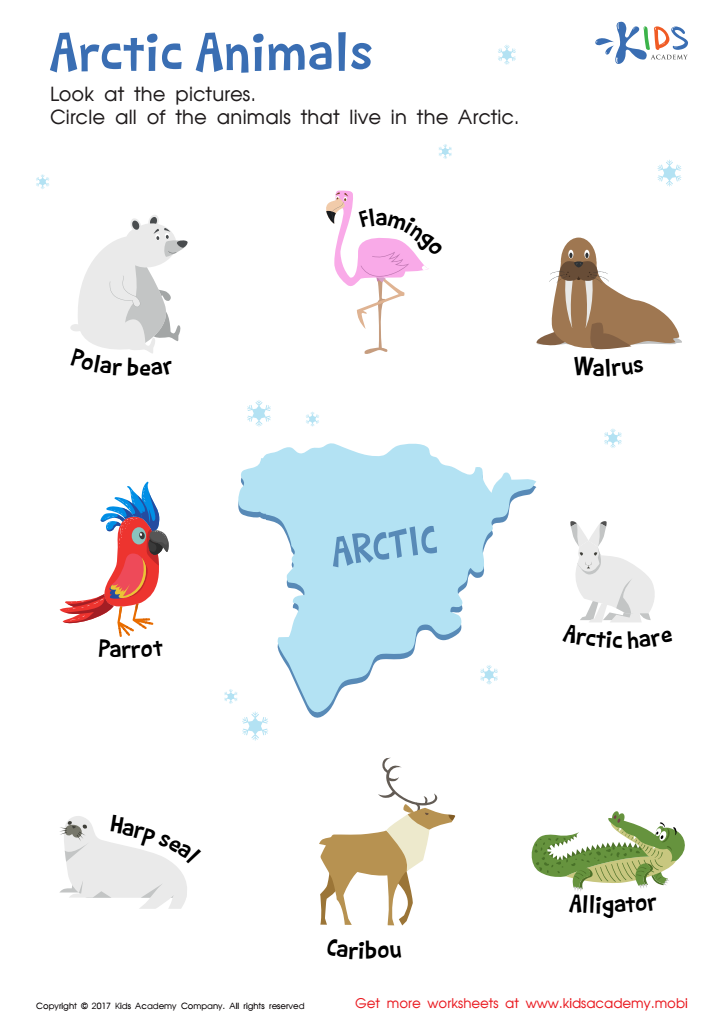
Arctic Animals Worksheet
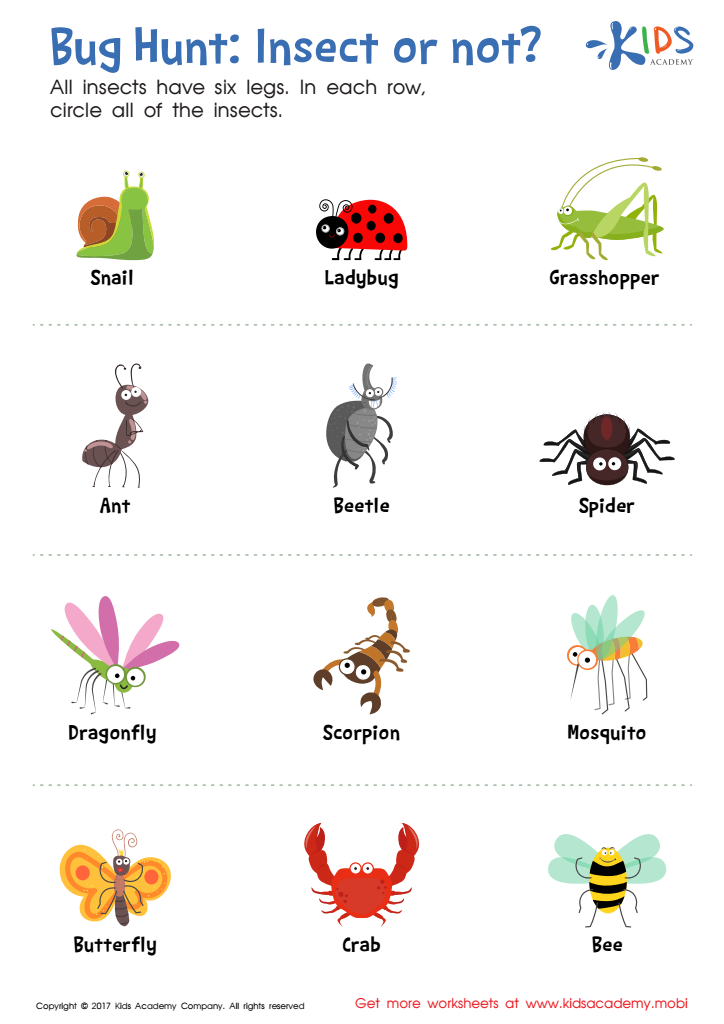
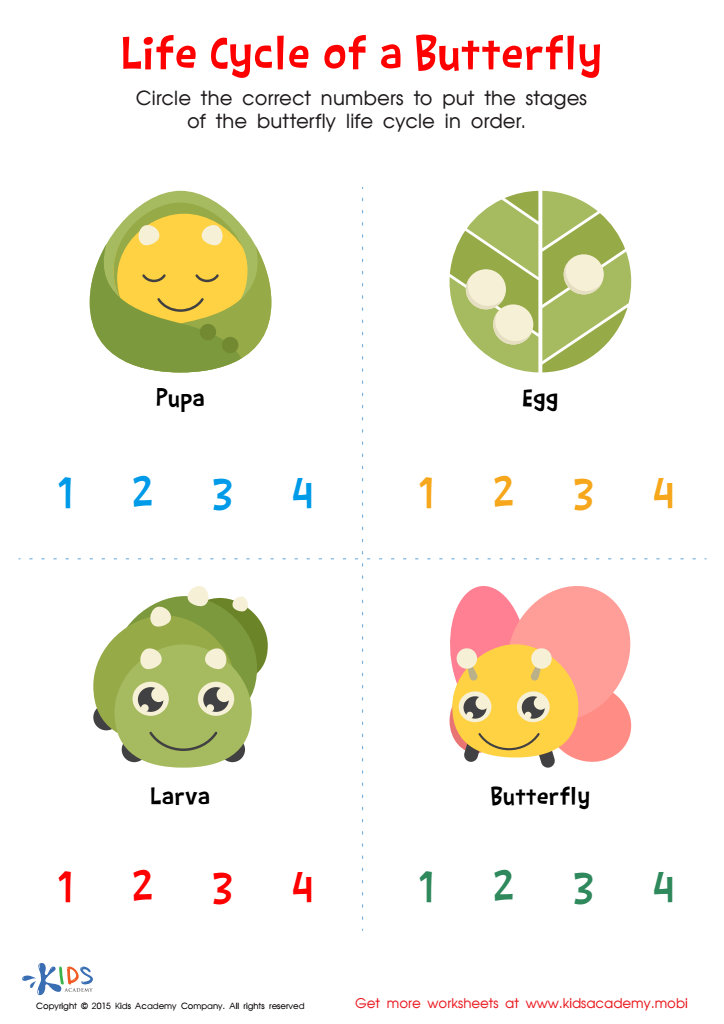
Life Cycle of Butterfly Printable
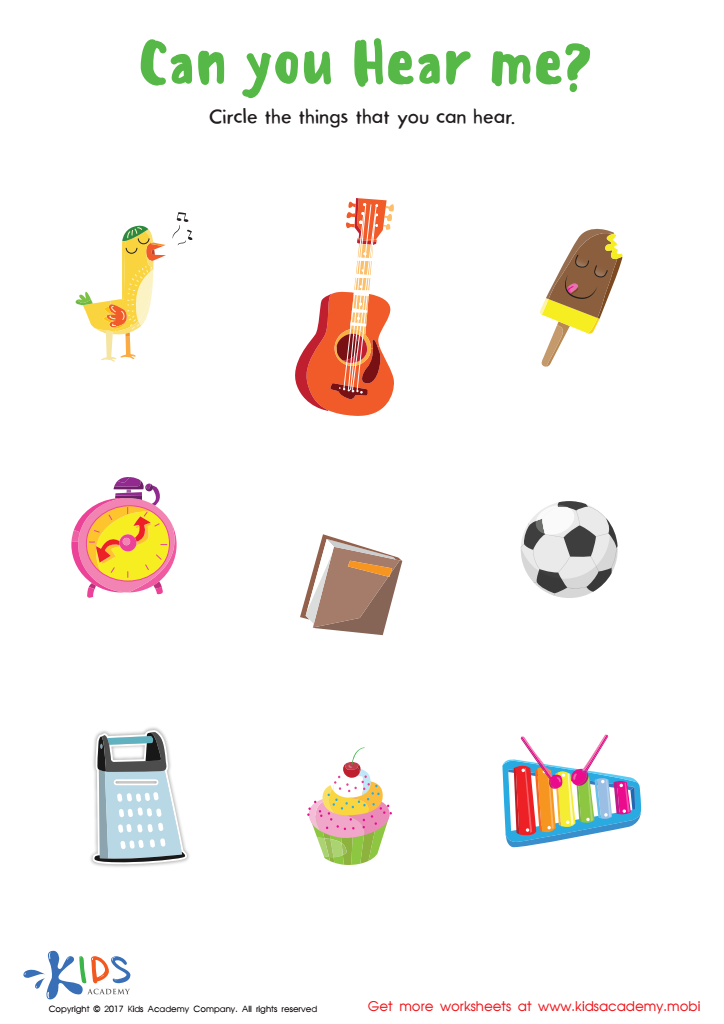
Can You Hear Me Worksheet
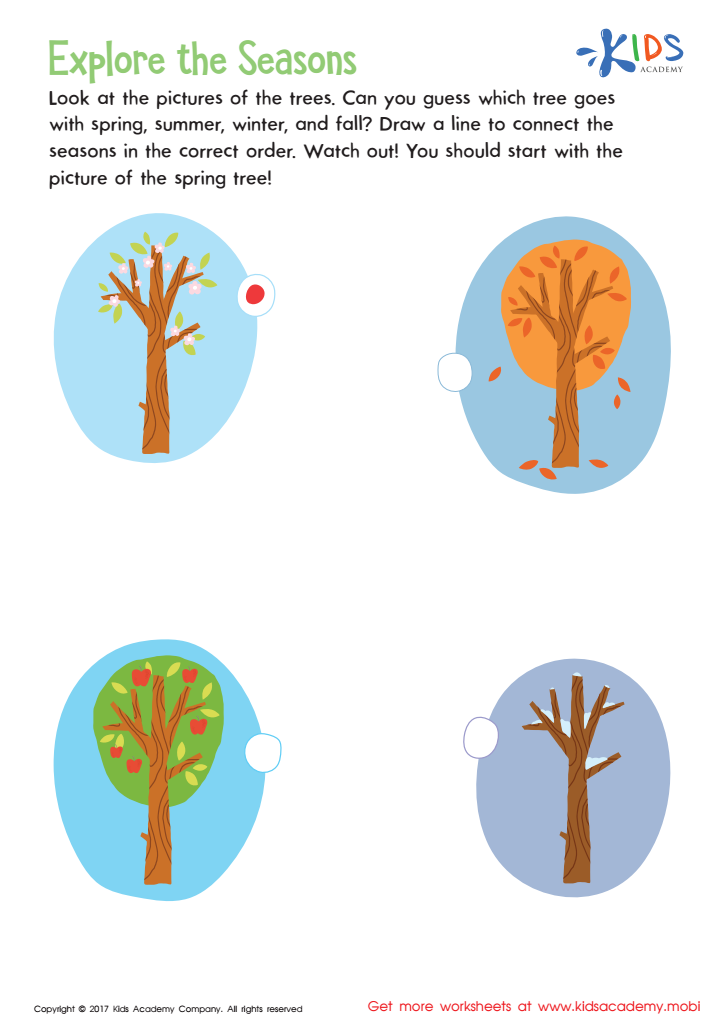
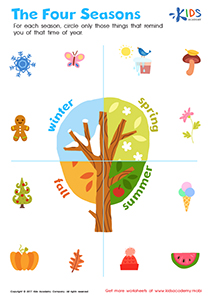
Explore the Seasons Worksheet
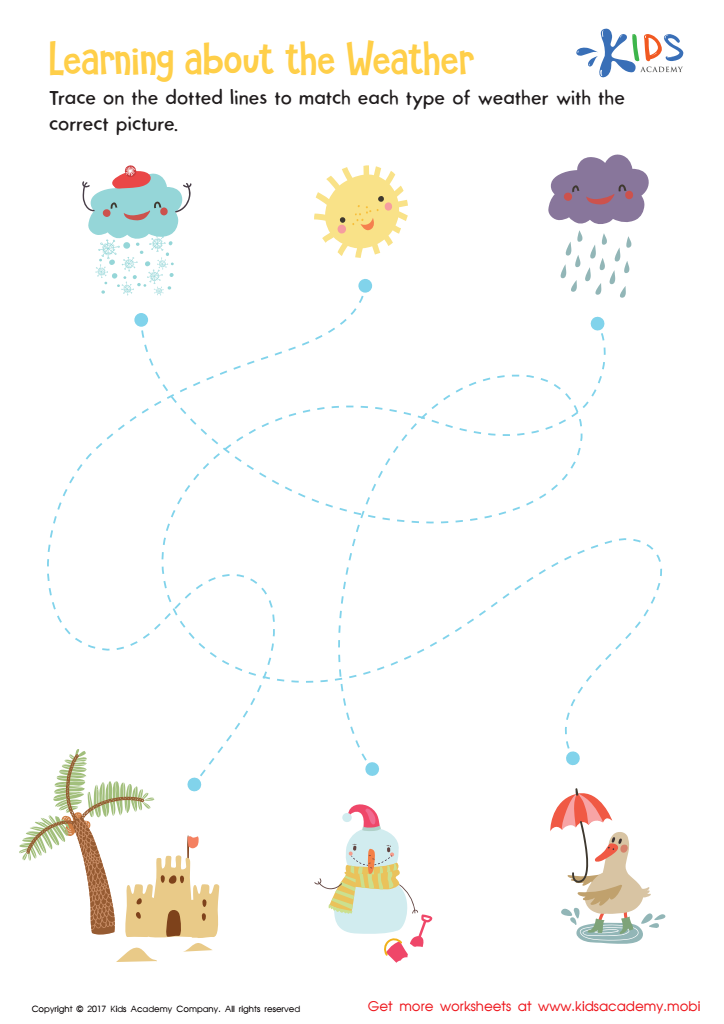
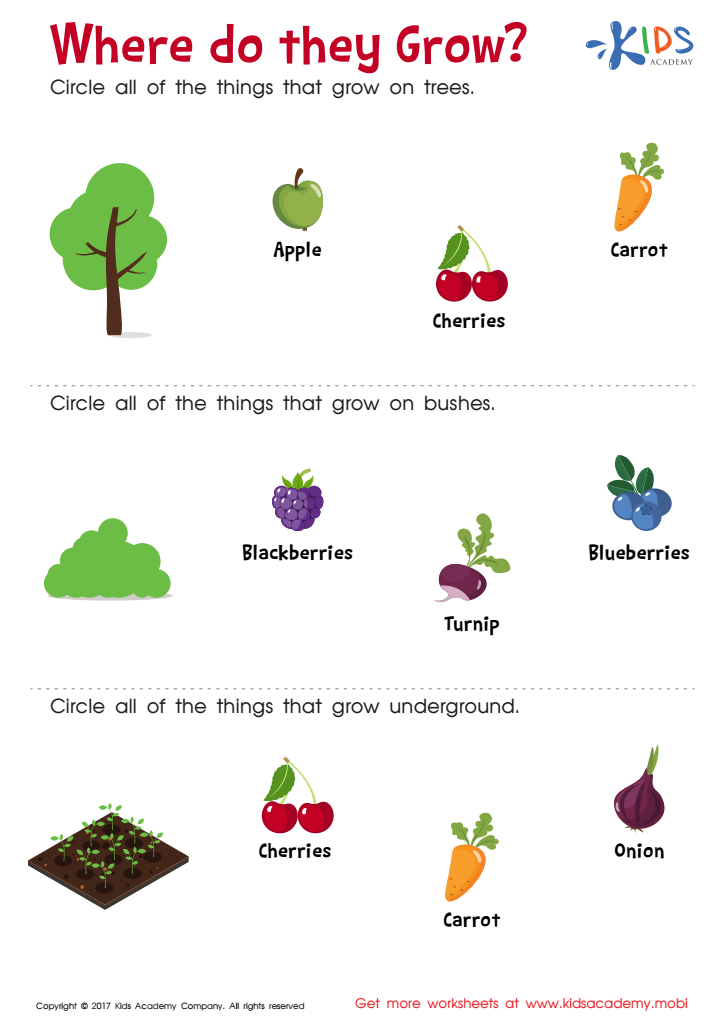
Where Do They Grow Worksheet
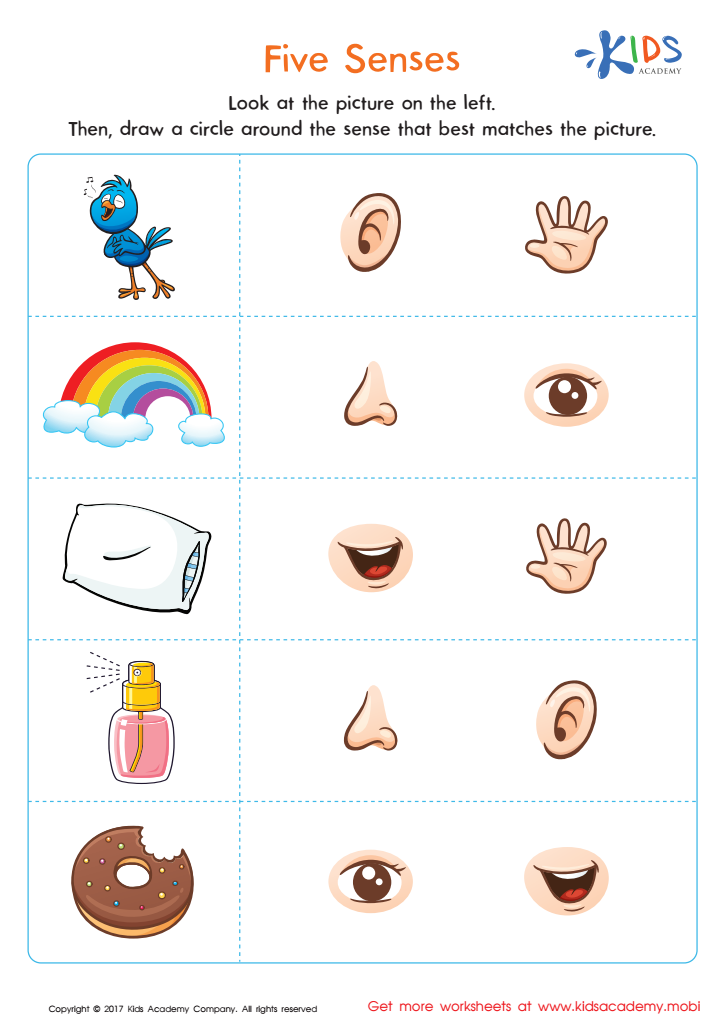
Five Senses Printable
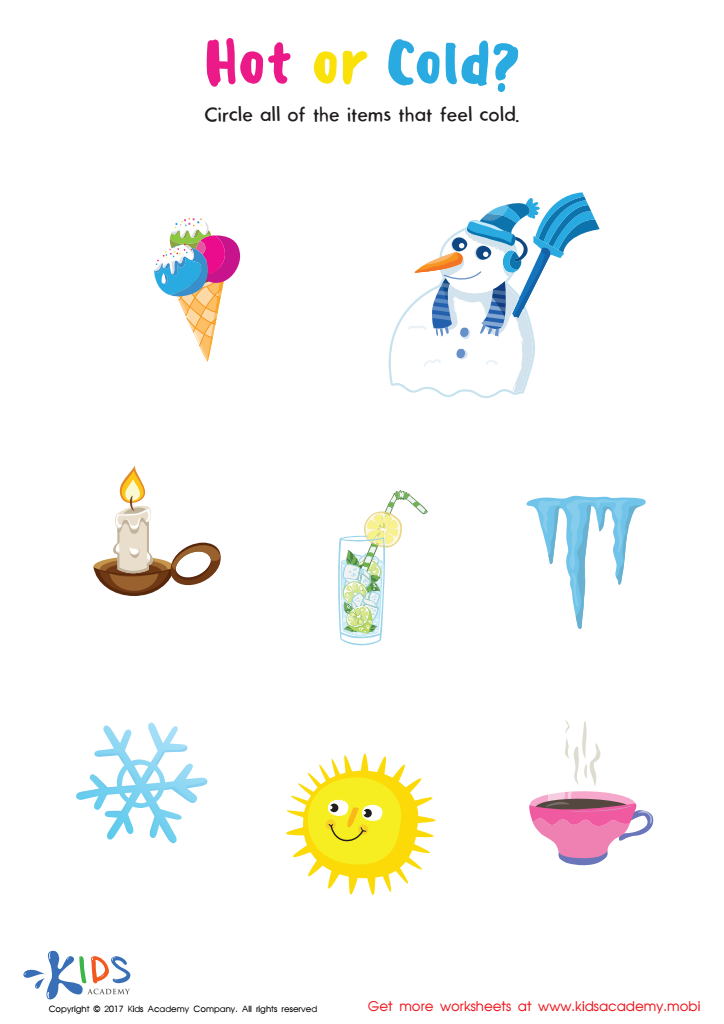
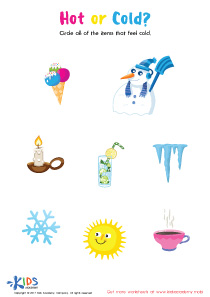
Hot or Cold Printable






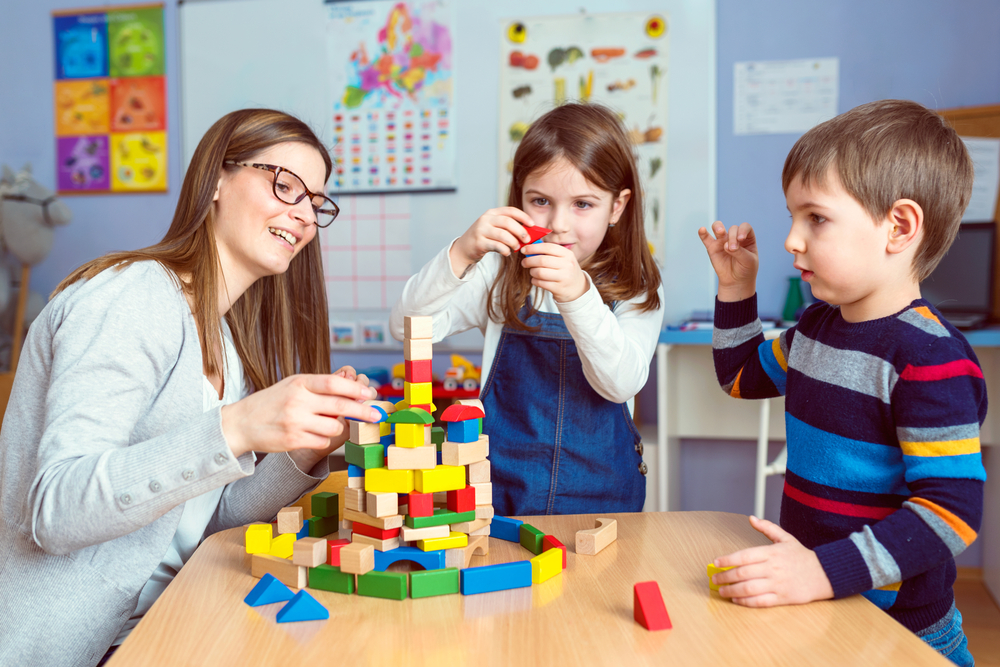

Parents and teachers should deeply care about teaching the "Normal World Around Us" to children aged 4-7 because these formative years are crucial for cognitive and emotional development. Introducing children to the everyday environment helps them understand how the world works, stimulates curiosity, and fosters a sense of connection and belonging. Learning about traffic lights, weather patterns, community helpers, and basic social interactions makes the abstract concepts of society tangible and accessible, laying a foundation for future learning.
Understanding the normal world helps kids develop critical thinking and problem-solving skills. For instance, knowing why rain falls or what a firefighter does in an emergency nurtures inquisitiveness and practical knowledge. It also embeds vital safety awareness, empowering children with confidence and a sense of security—key components for autonomy.
Emphasizing the natural and social worlds enhances language development and communication skills. Discussing objects, actions, and experiences enriches their vocabulary and helps them articulate thoughts and ask questions. Moreover, it promotes empathy and social skills. Learning how different people contribute to society encourages appreciation and respect, which are essential for collaborative play and future interpersonal relationships.
Engaging with the world provides children with a sense of wonder and possibility, fostering a lifelong love of learning and exploration. Therefore, it is imperative for parents and teachers to cultivate an understanding of the normal world in young minds.