Normal Worksheets for Ages 4-8 - Page 6
1638 filtered results
-
From - To
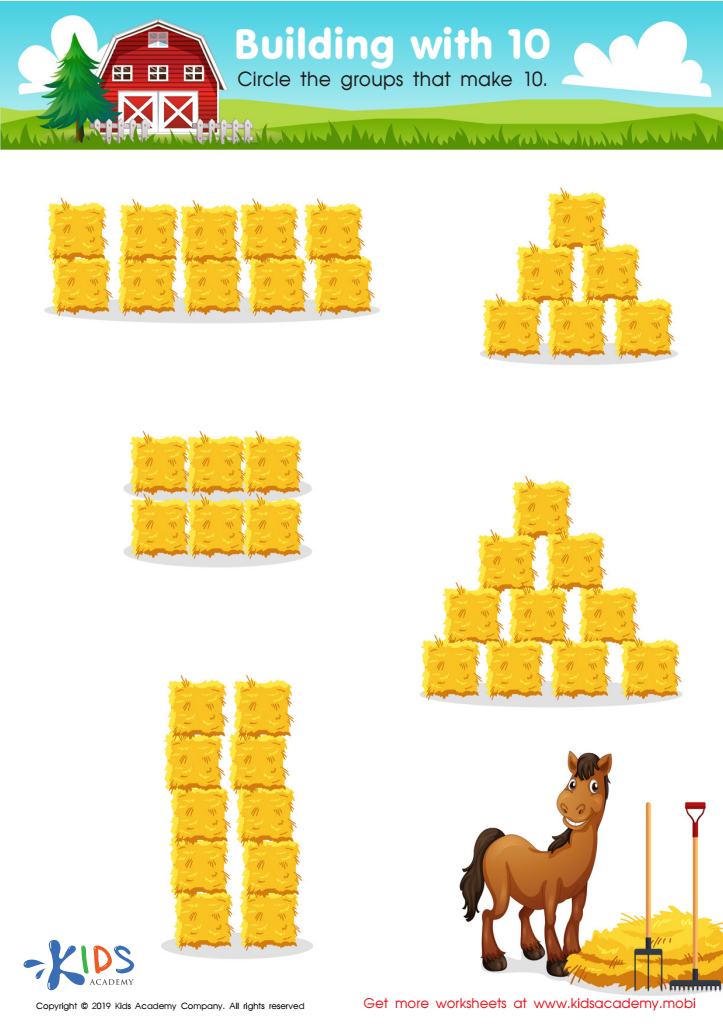
Building with 10 Worksheet
 Assign to My Students
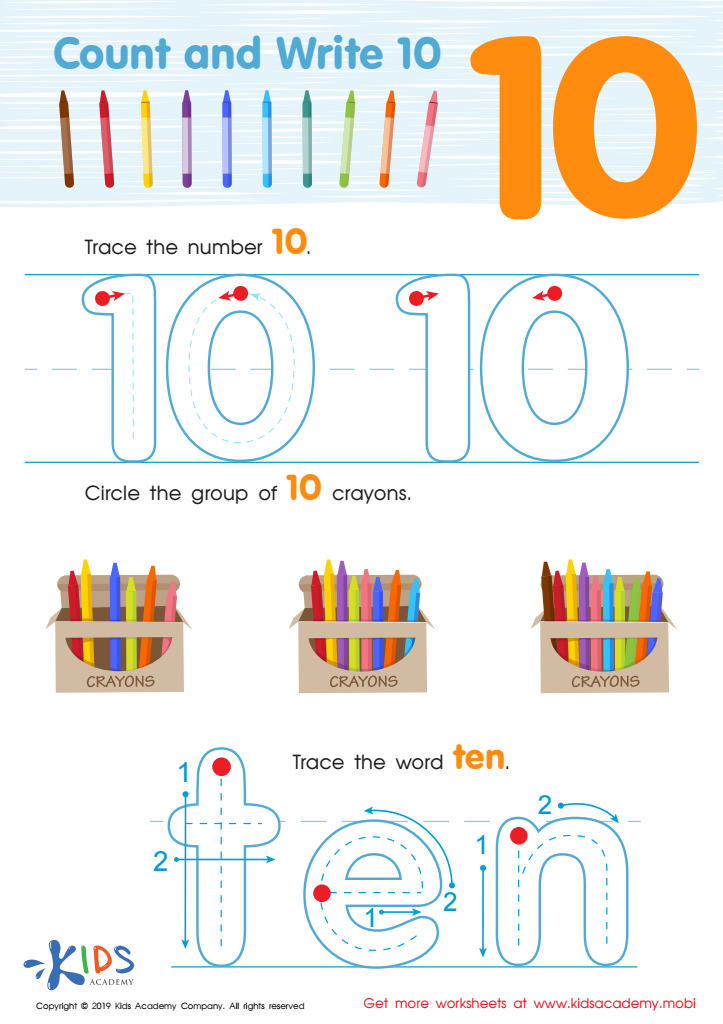
Count and Write 10 Worksheet
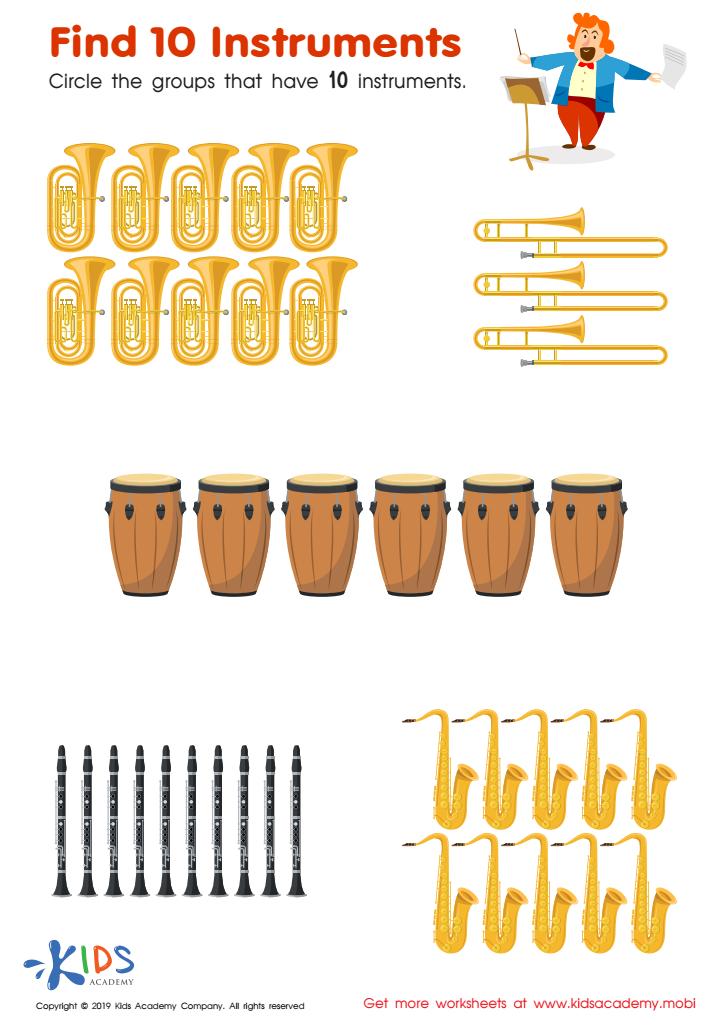
Find 10 Instruments Worksheet
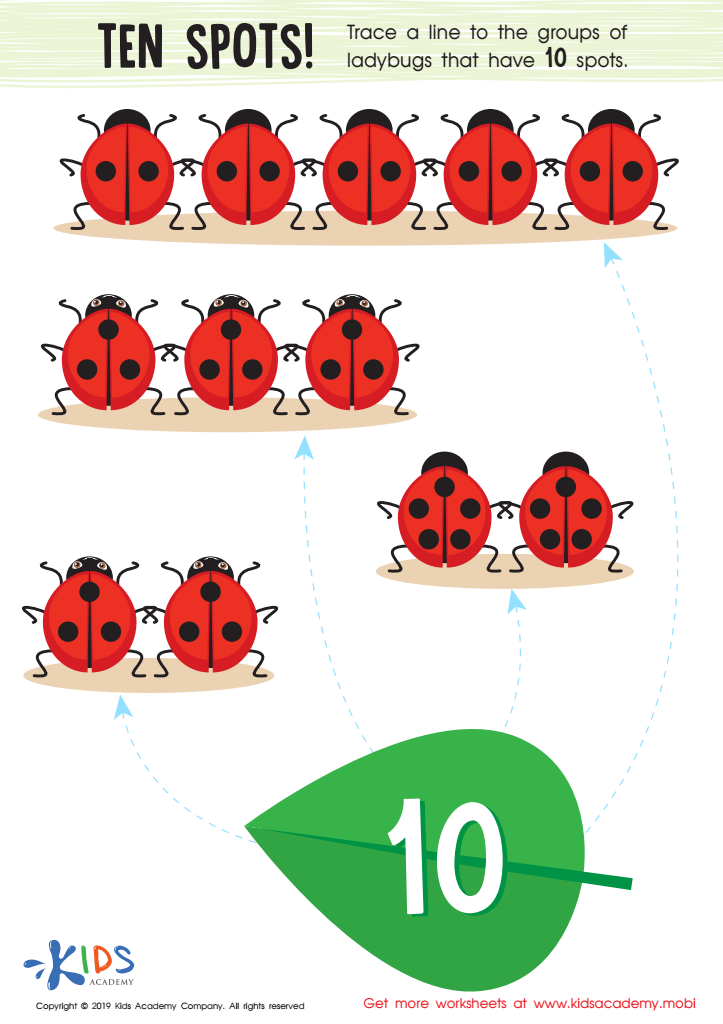
Ten Spots Worksheet
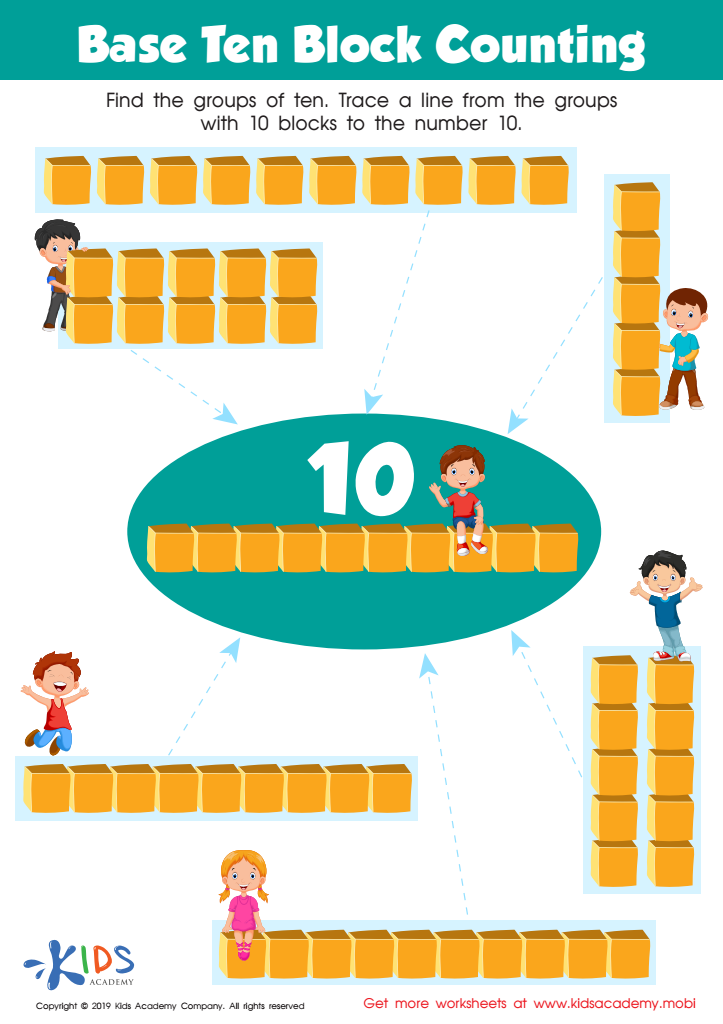
Base Ten Block Counting Worksheet
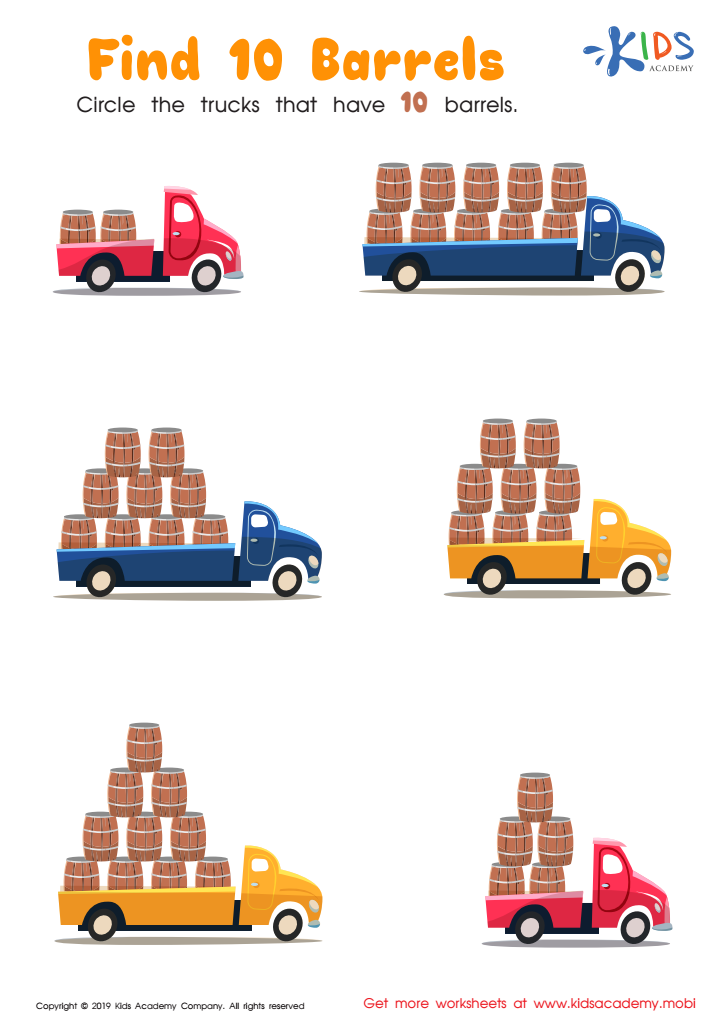
Find 10 Barrels Worksheet
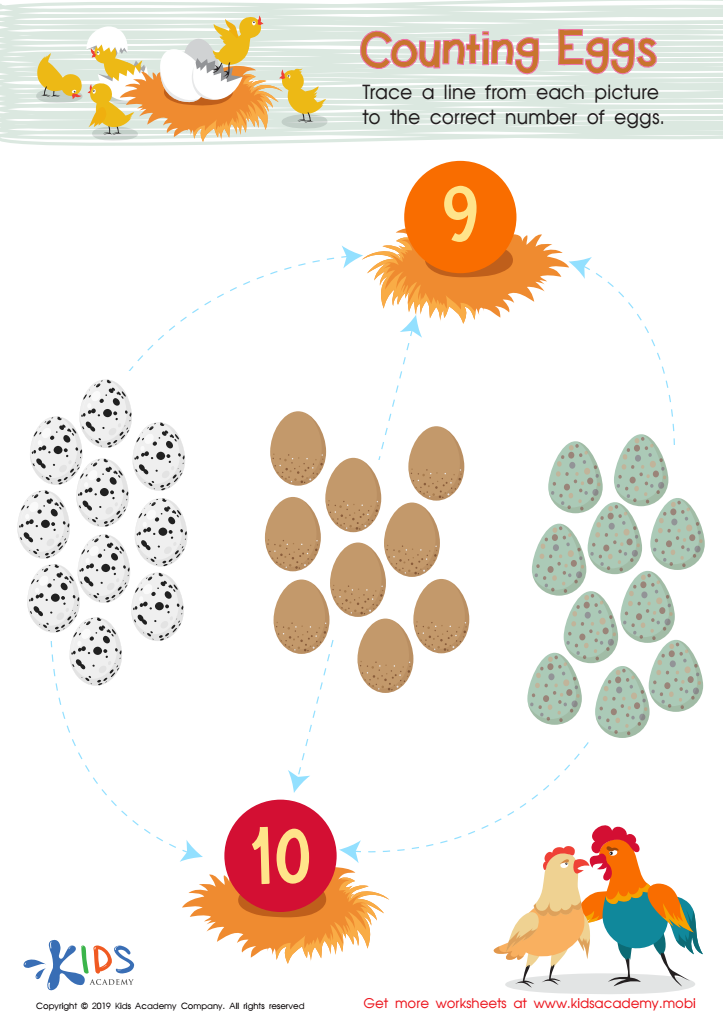
Counting Eggs Worksheet
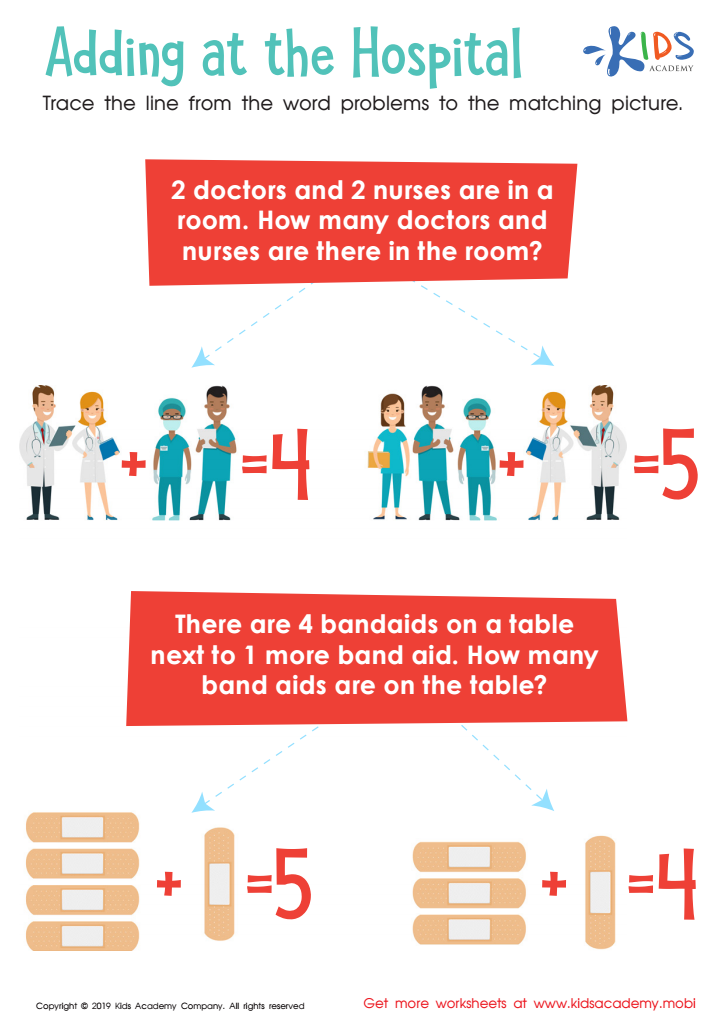
Adding at the Hospital Worksheet
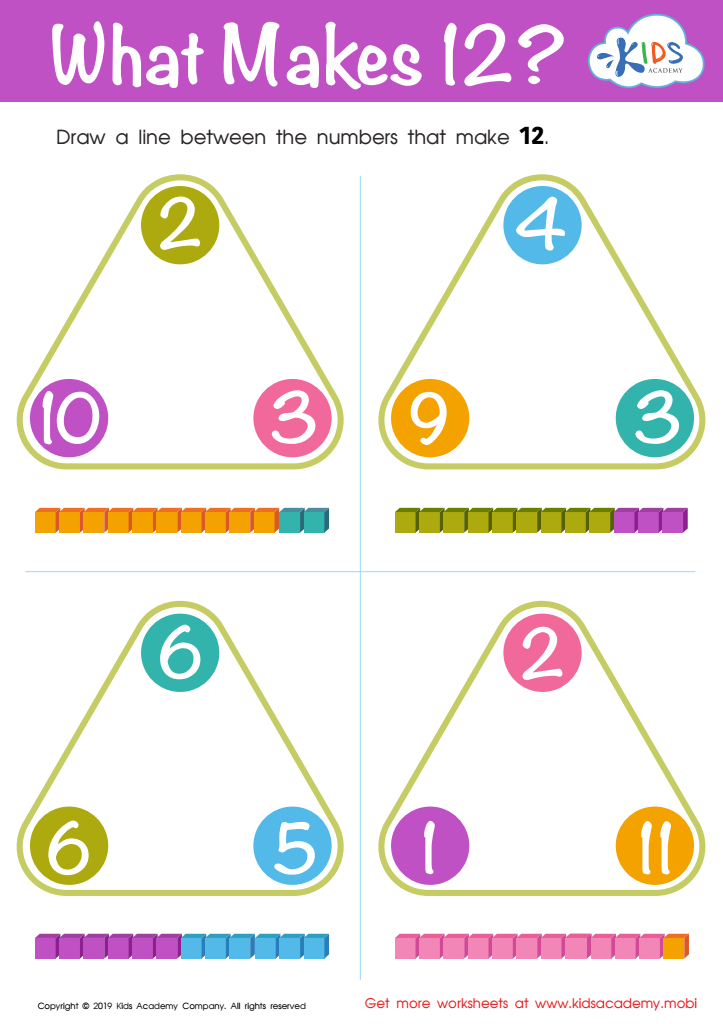
What Makes 12? Worksheet
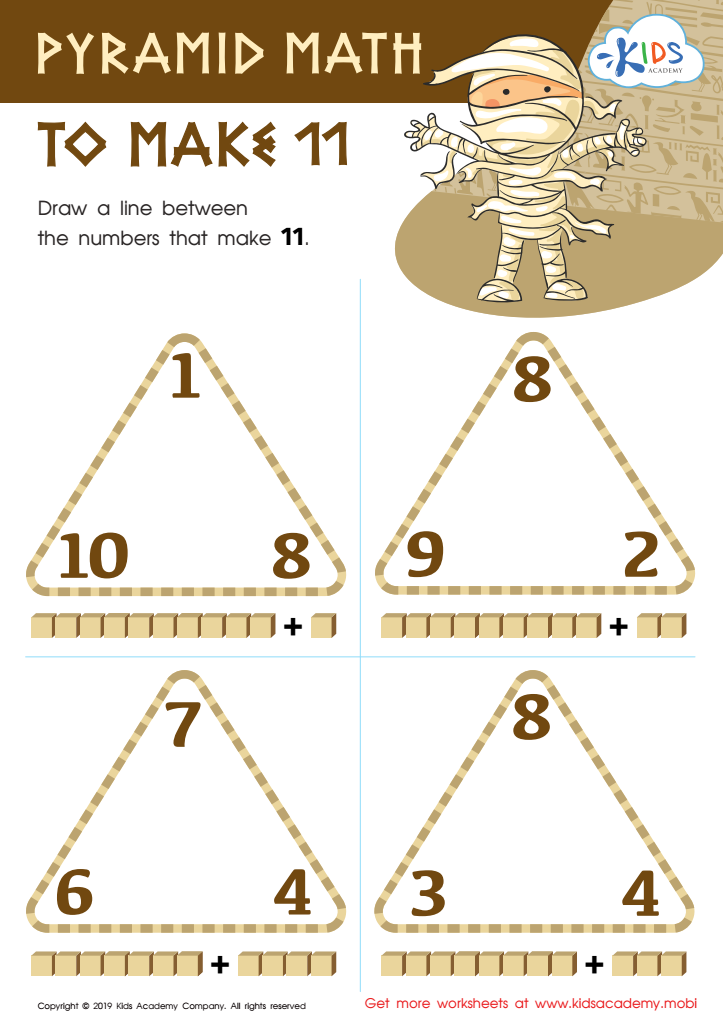
Pyramid Math to Make 11 Worksheet
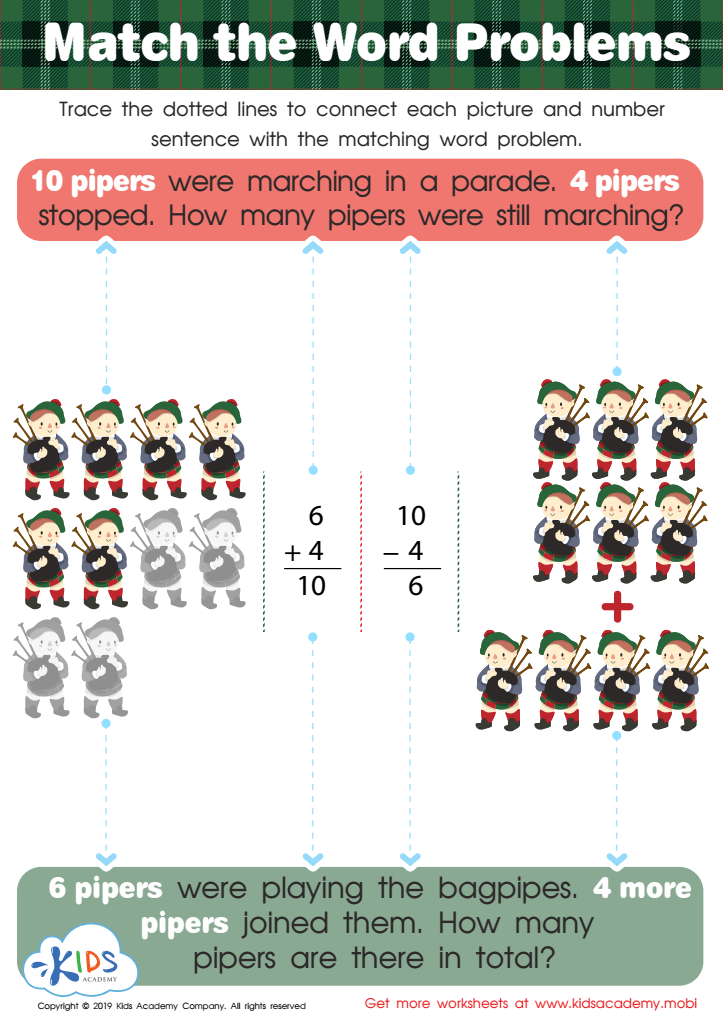
Match the Word Problems Worksheet
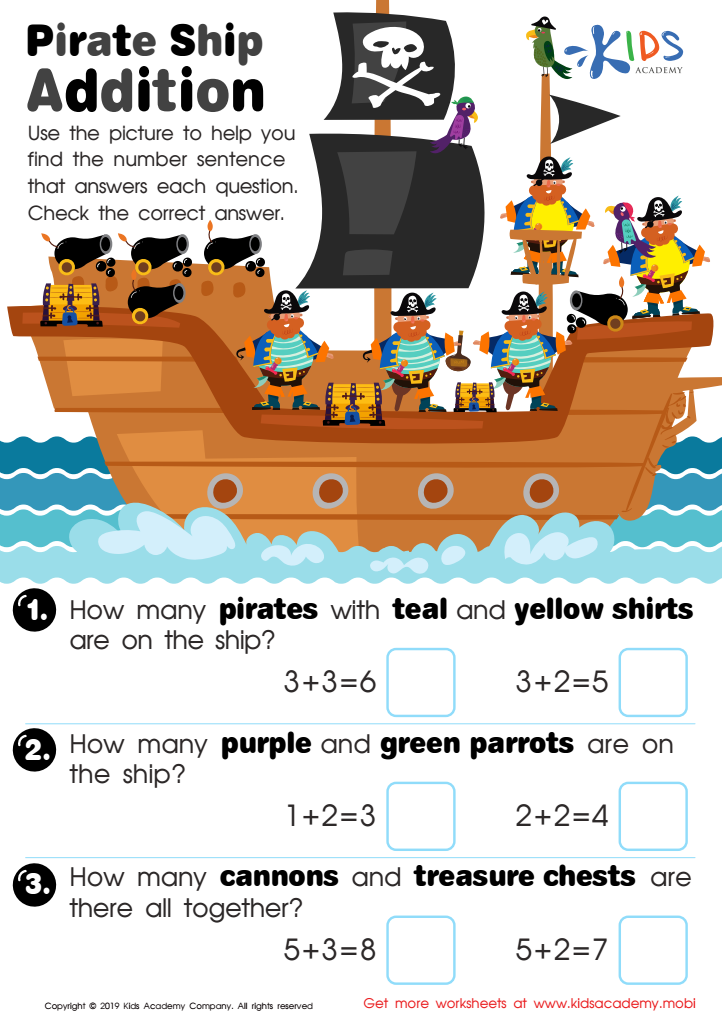
Pirate Ship Addition Worksheet
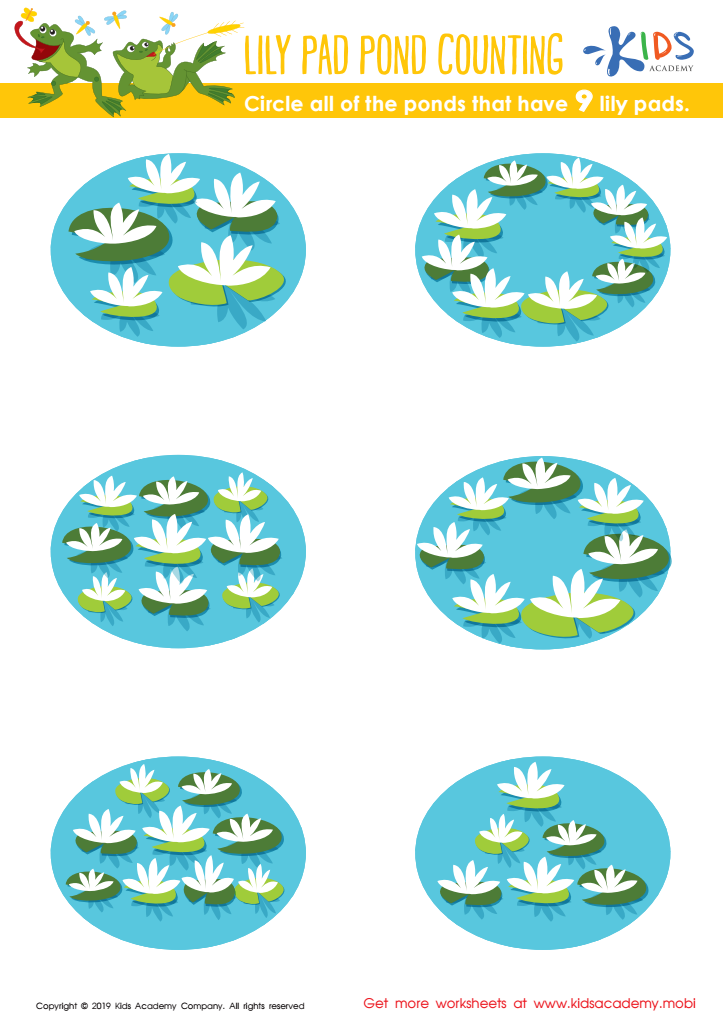
Lily Pad Pond Counting Worksheet
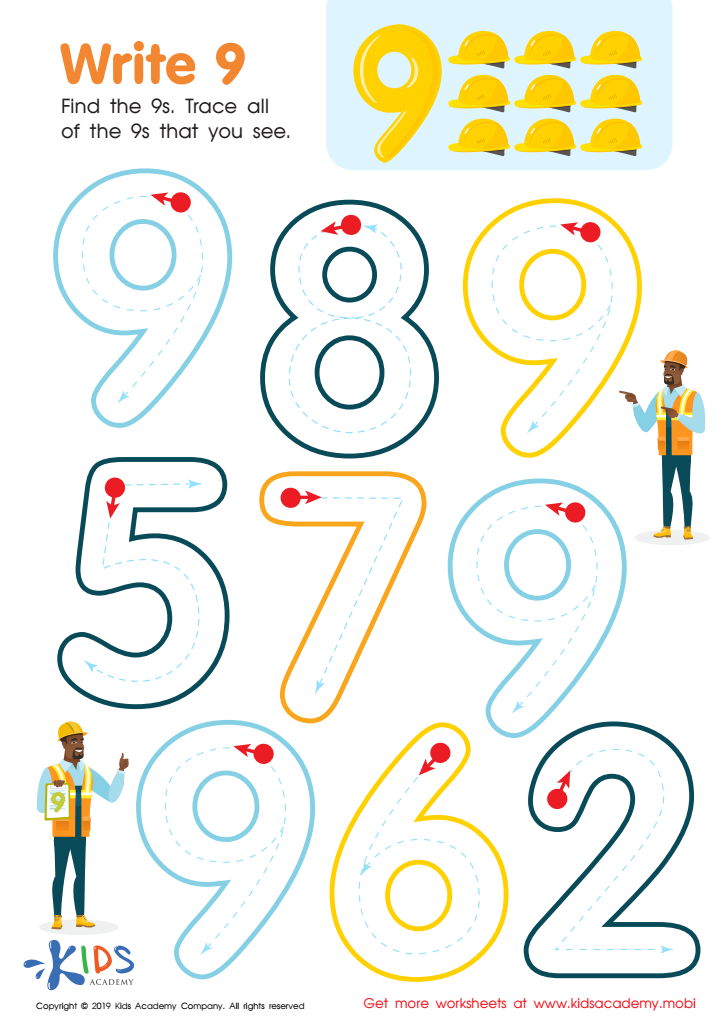
Write 9 Worksheet
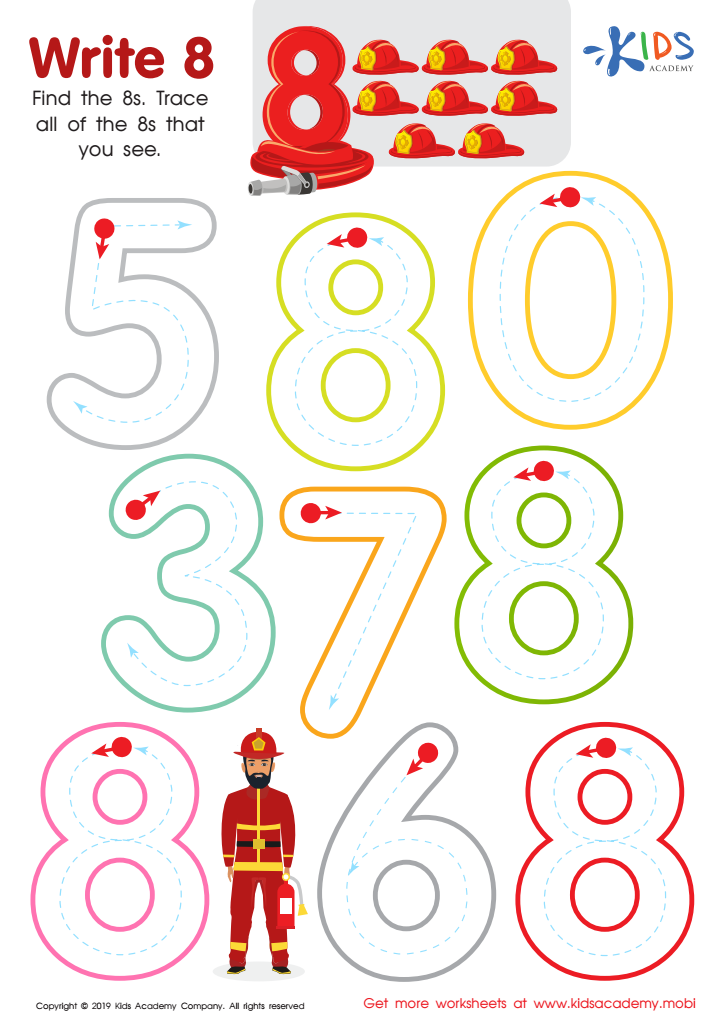
Write 8 Worksheet
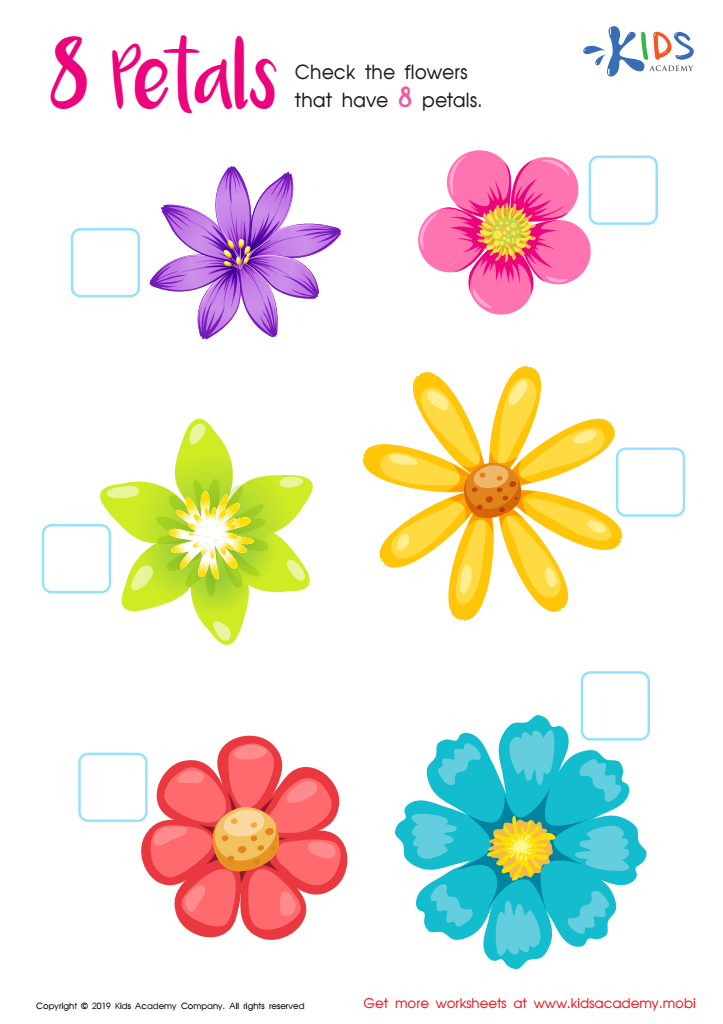
8 Petals Worksheet
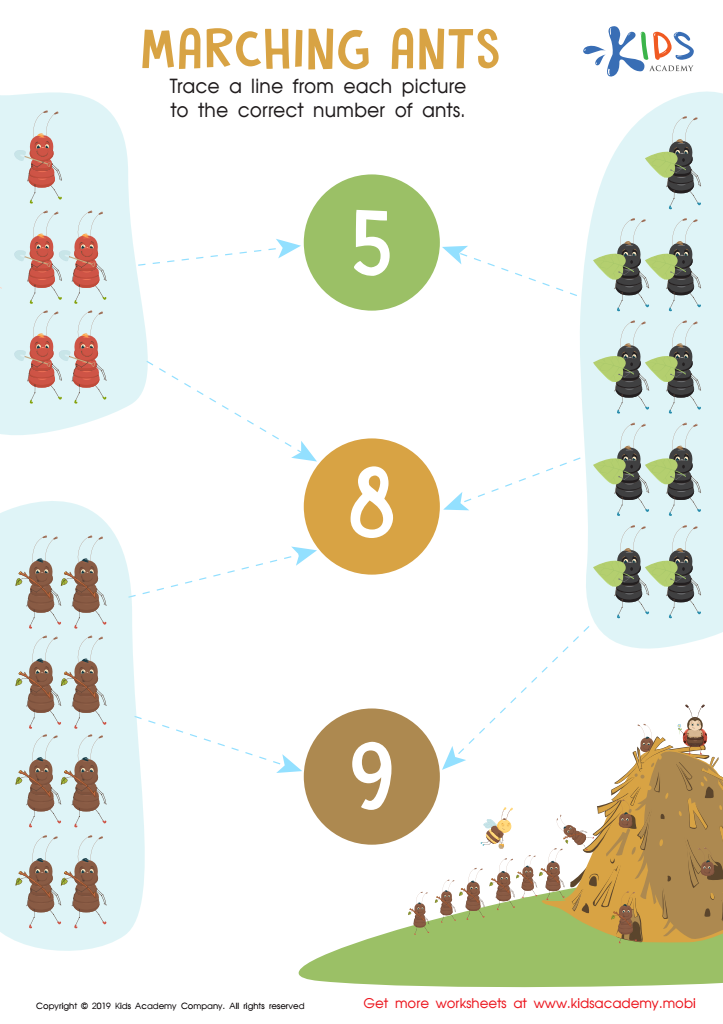
Marching Ants Worksheet
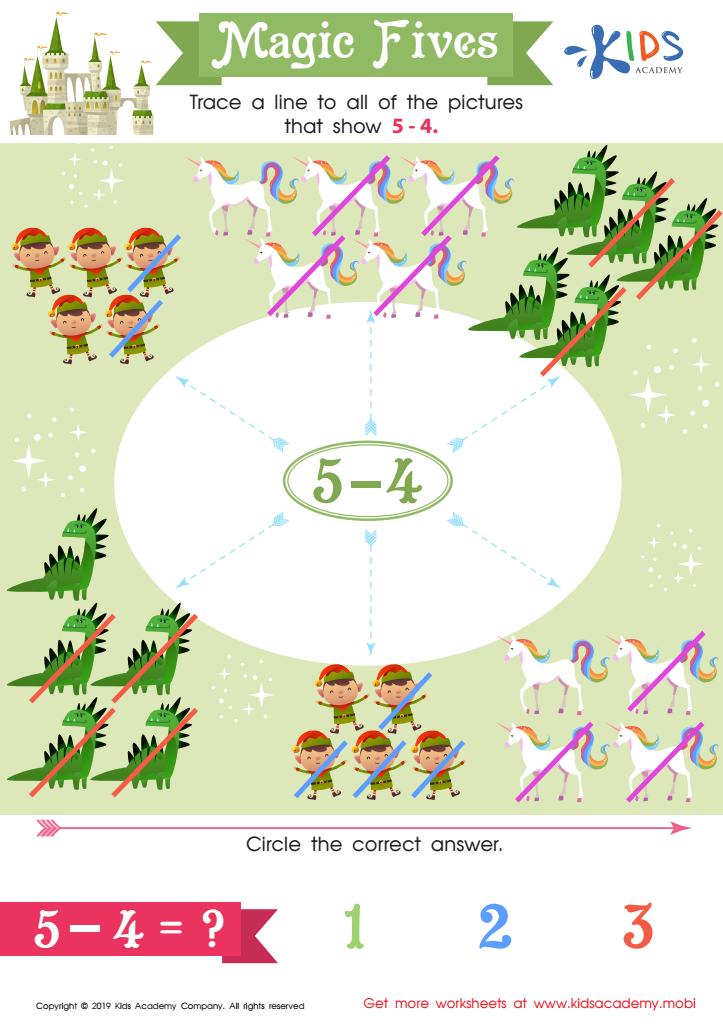
Magic Fives Worksheet
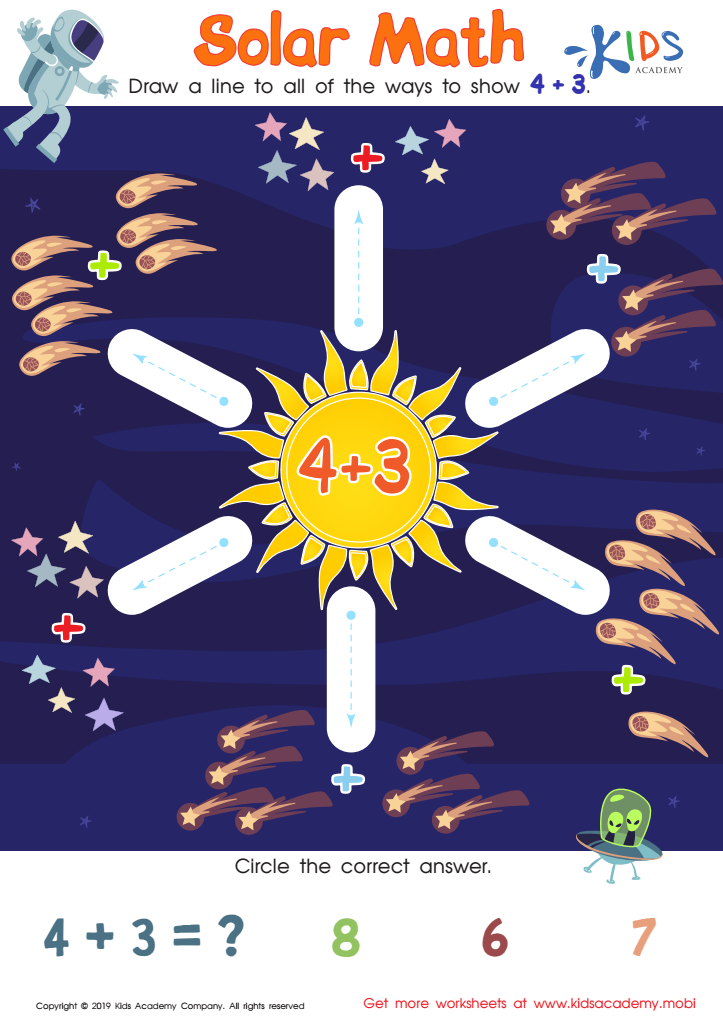
Solar Math Worksheet
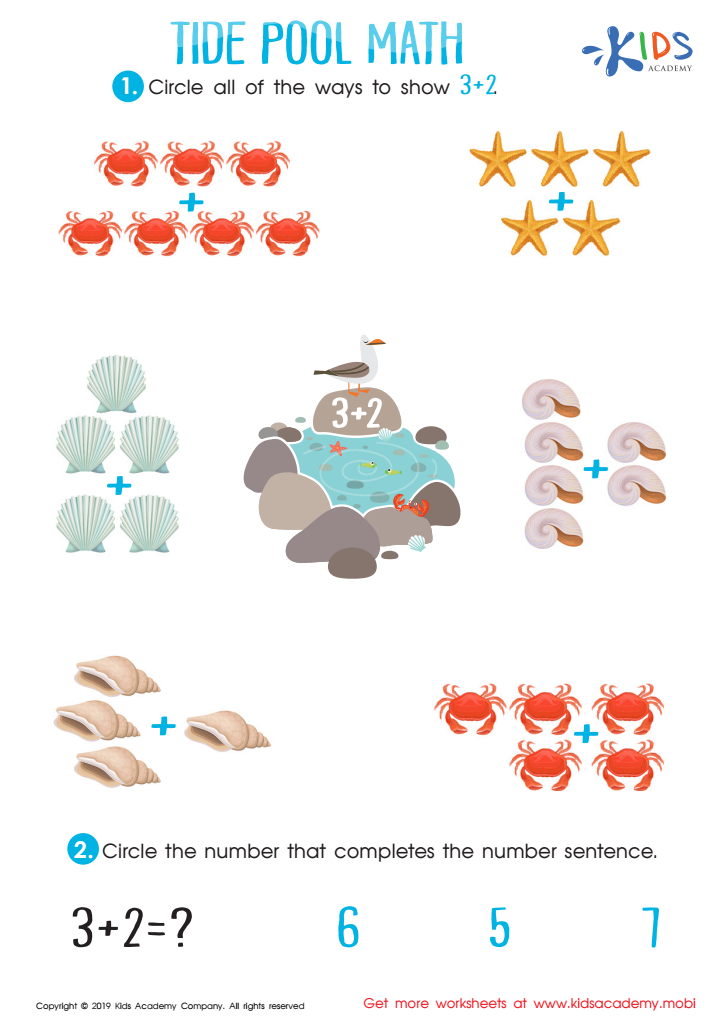
Tide Pool Math Worksheet
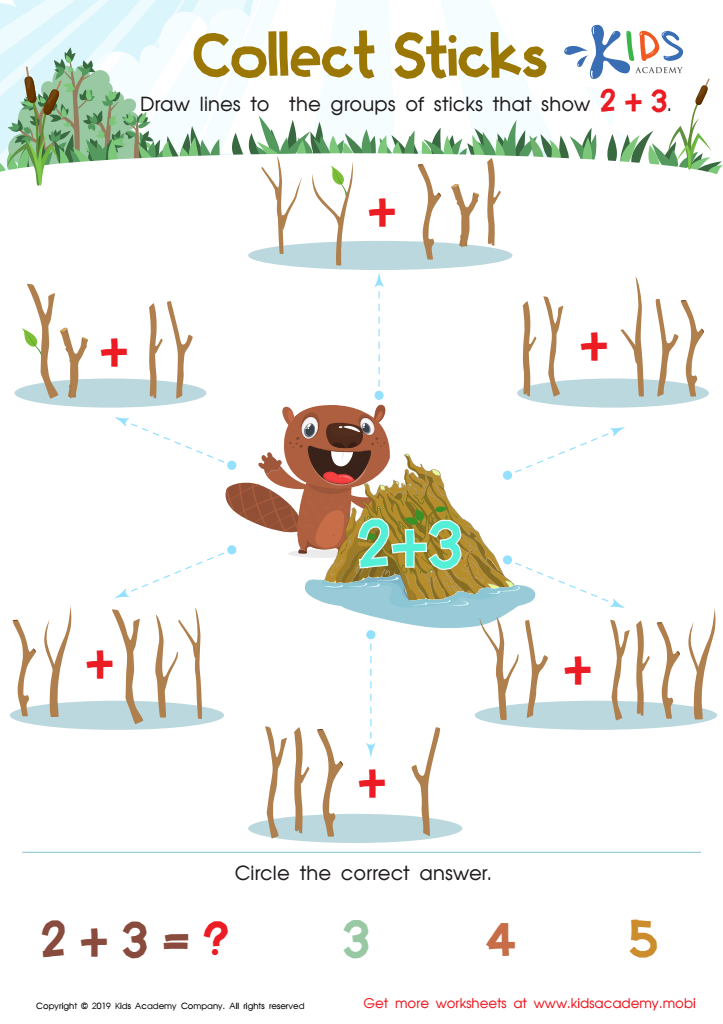
Collect Sticks Worksheet
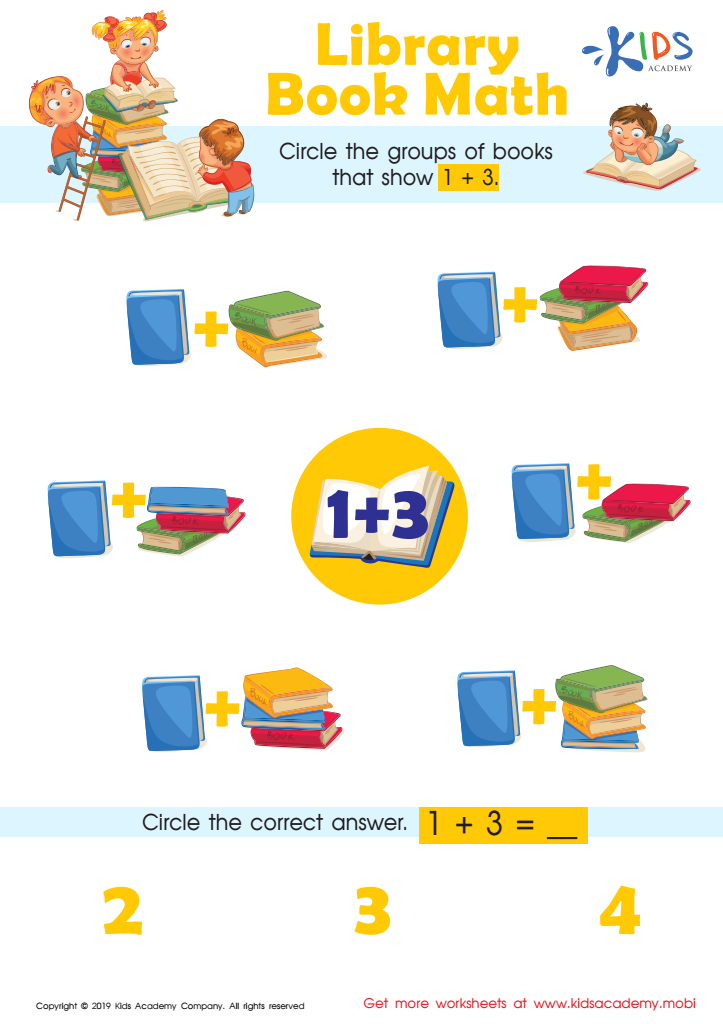
Library Book Math Worksheet
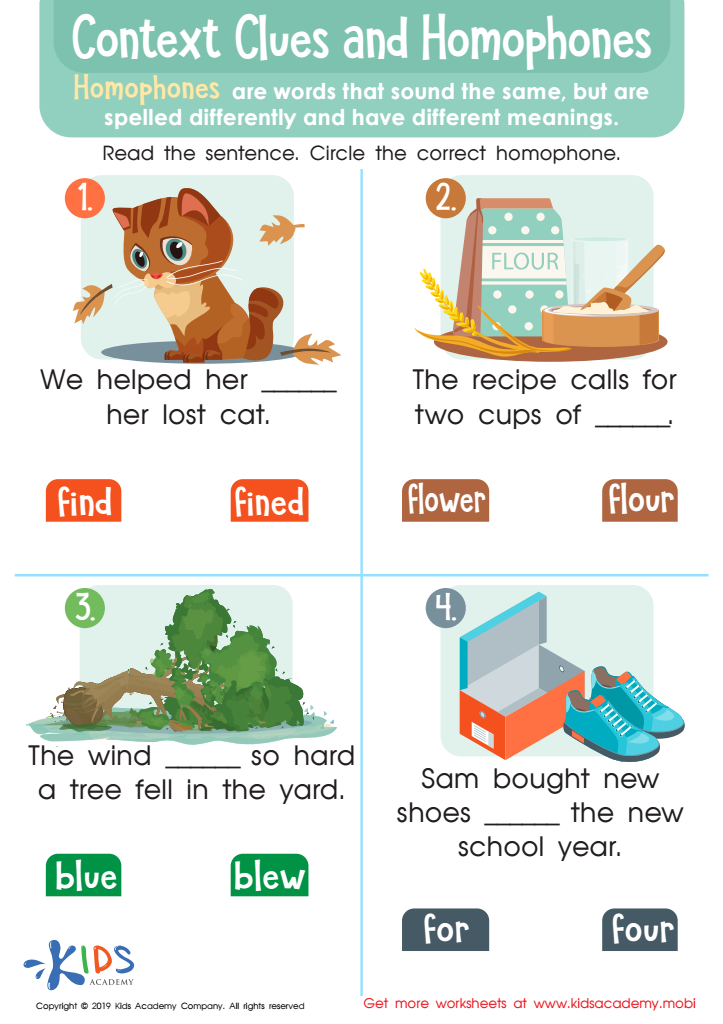
Context Clues and Homophones Worksheet

Author's Purpose Worksheet







Parents and teachers should care about what is considered normal for ages 4-8 because these early years are crucial for a child's development. During this period, children undergo rapid growth in various domains, including physical, cognitive, emotional, and social development. Understanding what is typical for this age range helps caregivers ensure children are meeting key milestones and can recognize when early intervention is needed.
Normal development patterns provide a benchmark to identify areas where a child is excelling or may need additional support. For instance, a child who struggles with language development may benefit from extra reading activities or speech therapy. On the other hand, recognizing advanced abilities can help provide greater challenges to stimulate further growth.
Being aware of developmental norms also helps in creating a nurturing environment that supports a child's individual pace. It helps avoid unrealistic expectations that could lead to frustration for both children and caregivers. In an educational context, teachers can tailor their teaching strategies to cater to the various developmental stages seen in a mixed-age classroom, promoting a more inclusive and effective learning environment.
In essence, caring about normal development for ages 4-8 equips parents and teachers with the knowledge to better support and enrich children's formative years, laying a solid foundation for future growth and success.








