Normal Place Value Worksheets for Ages 4-8 - Page 2
43 filtered results
-
From - To
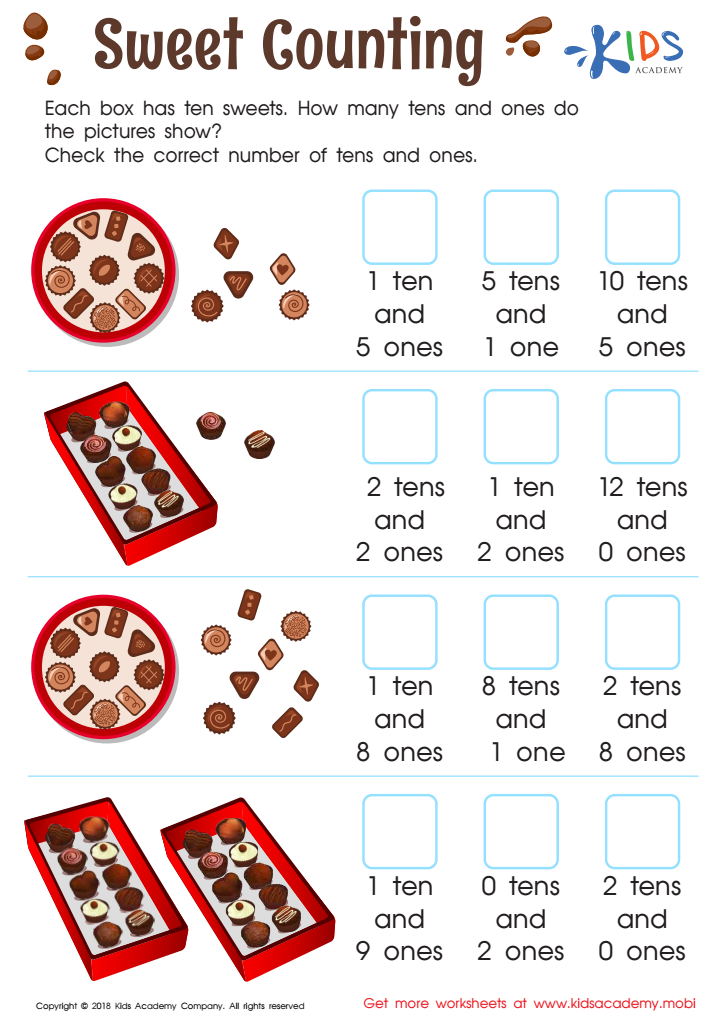
Sweet Counting - Part 2 Worksheet
 Assign to My Students
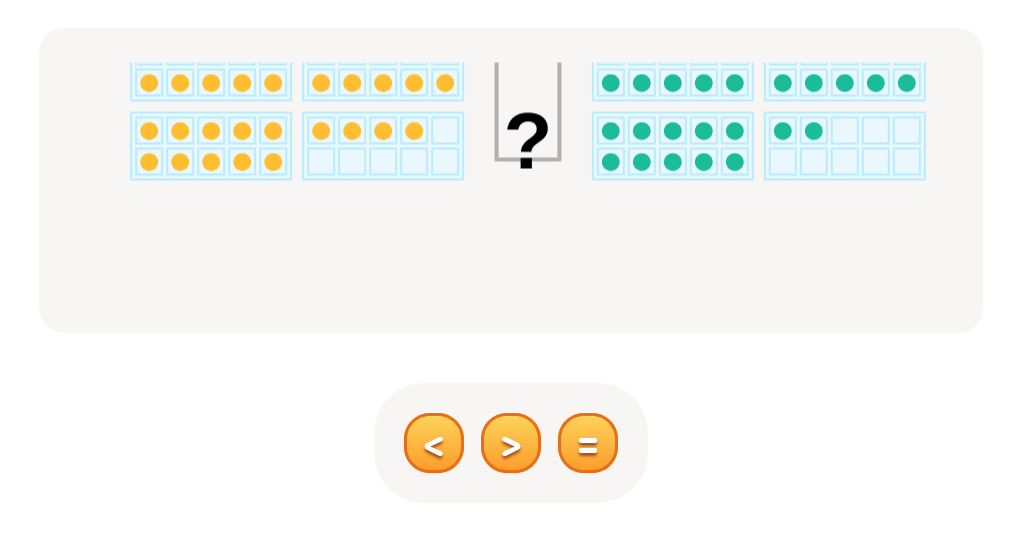

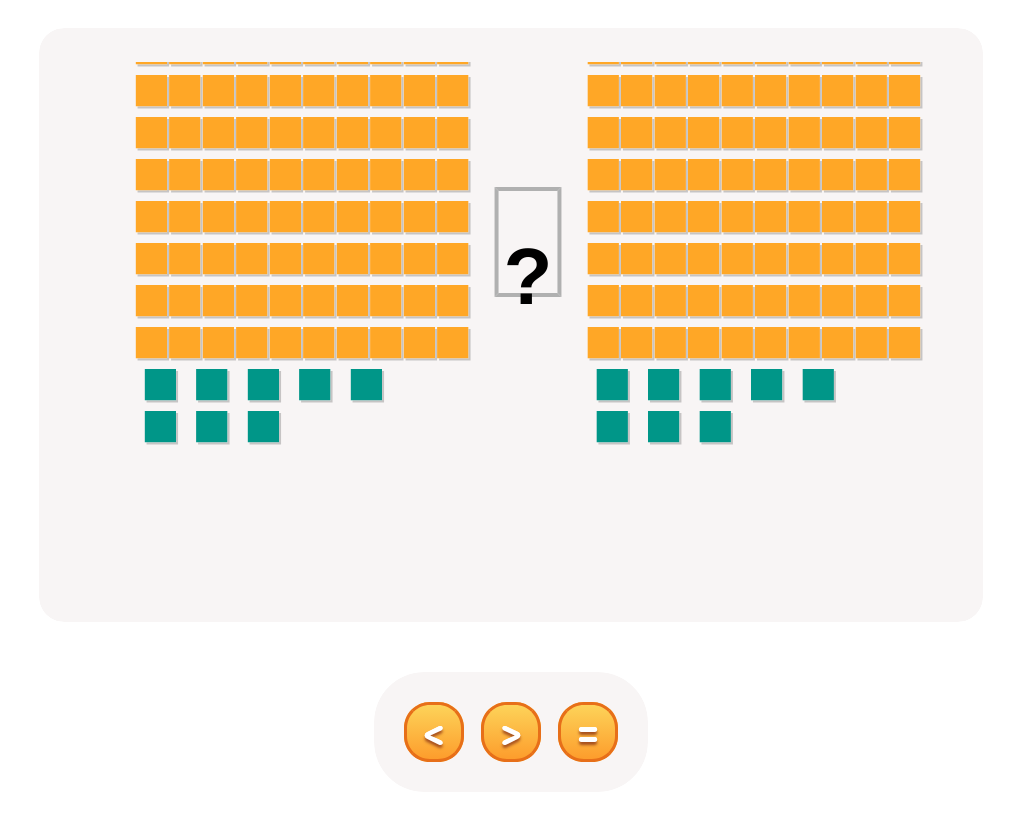
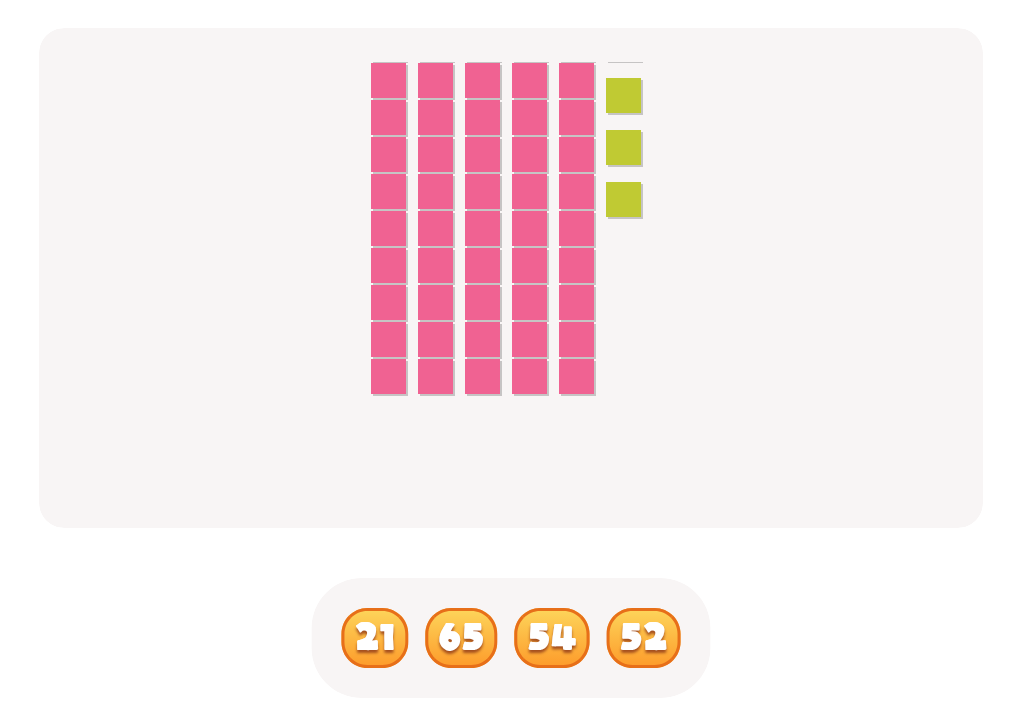
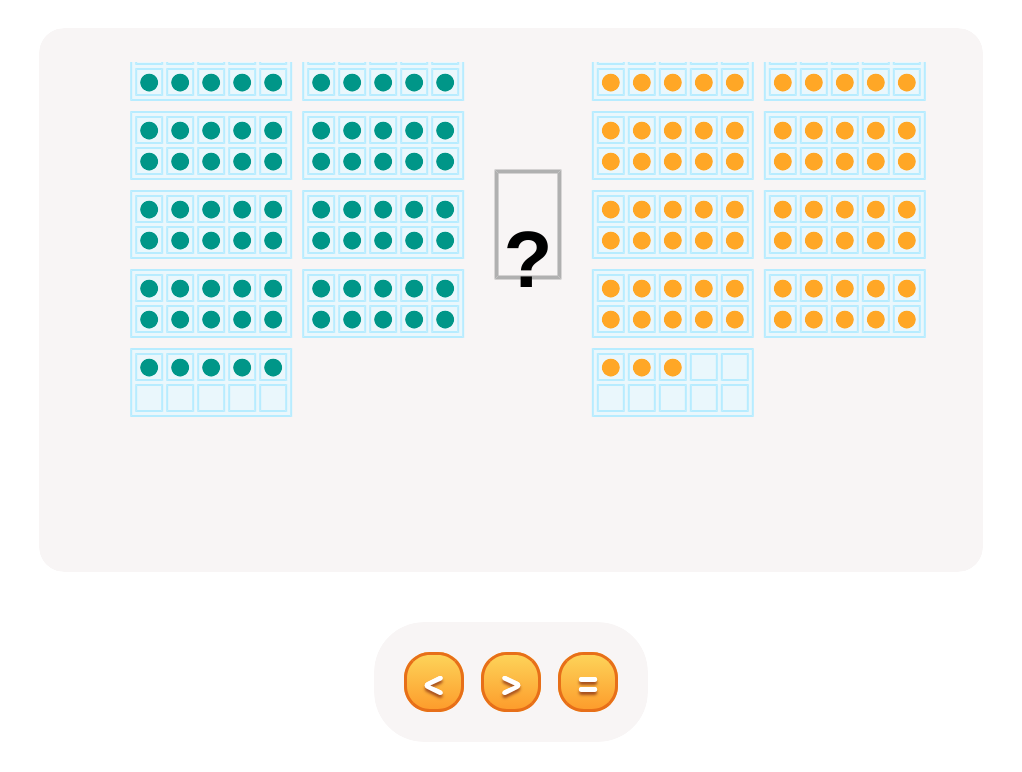
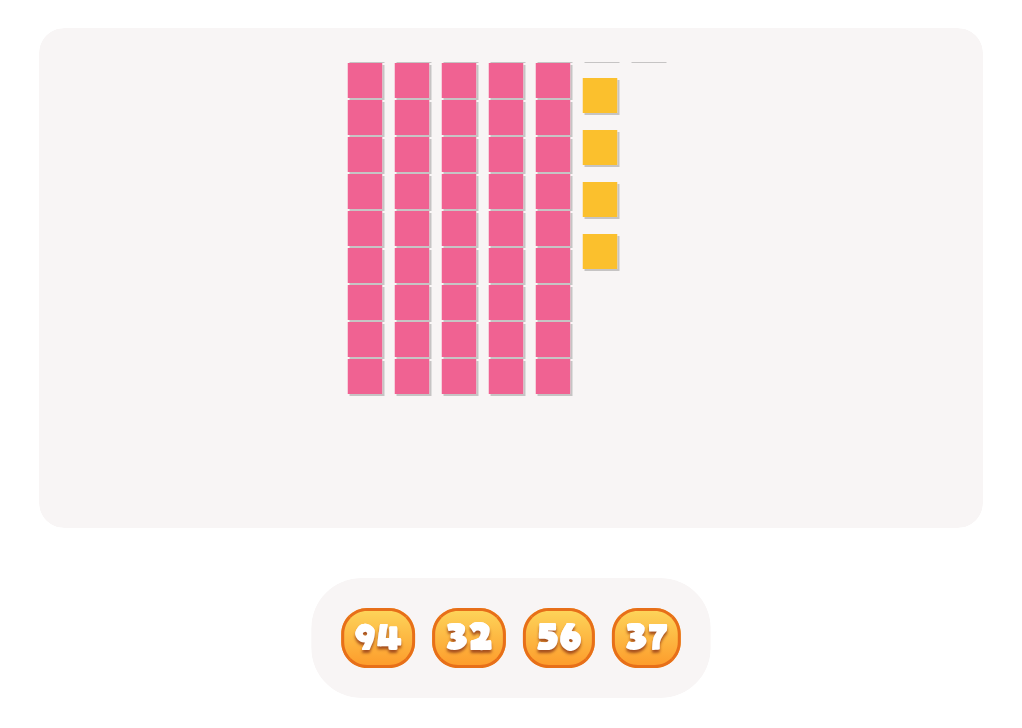
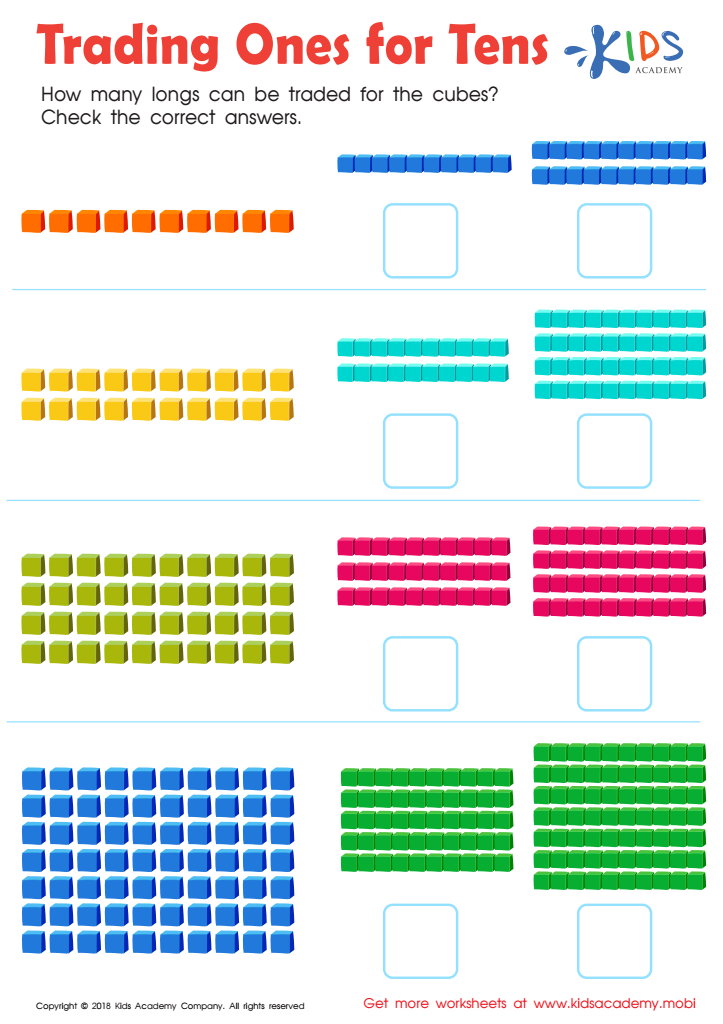
Trading Ones for Tens Worksheet: Part 2
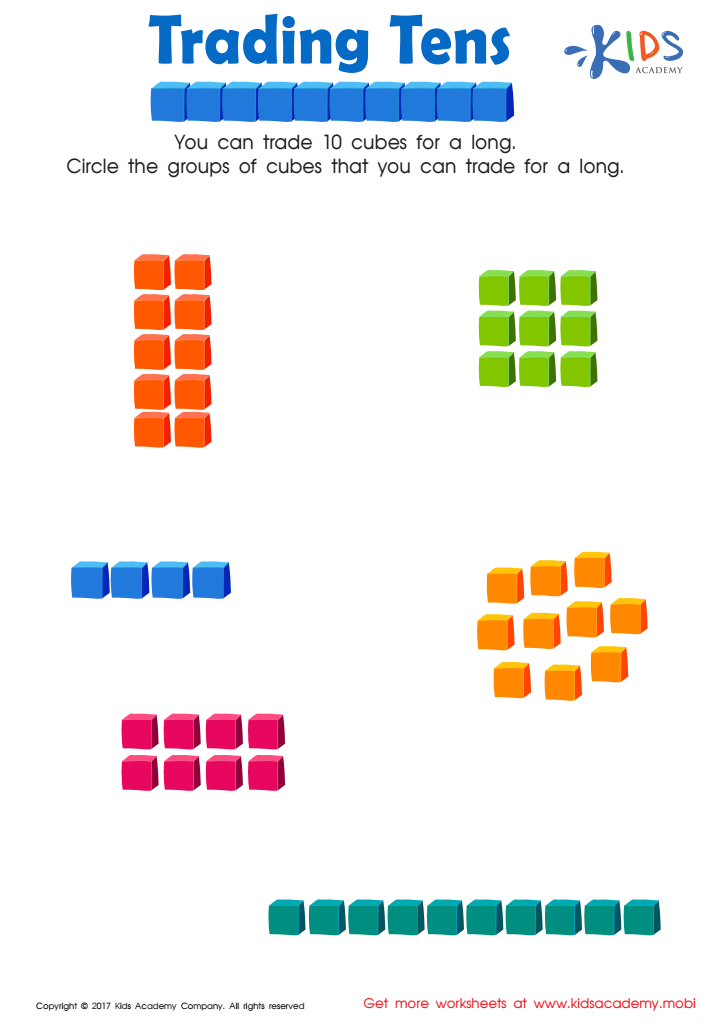
Trading Tens Worksheet
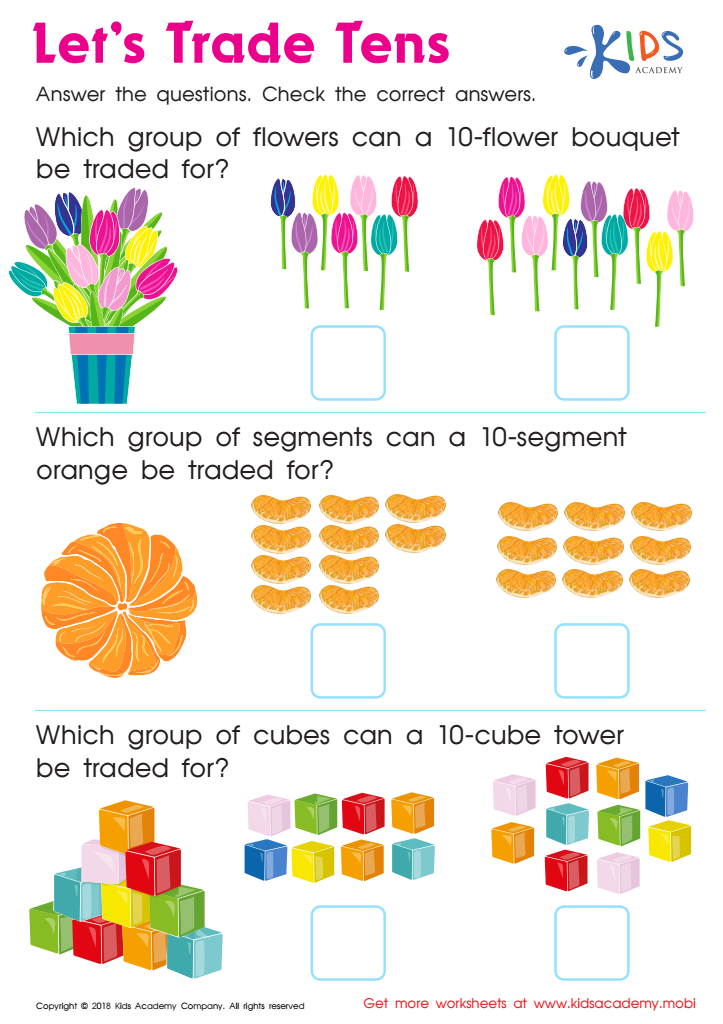
Lets Trade Tens Worksheet
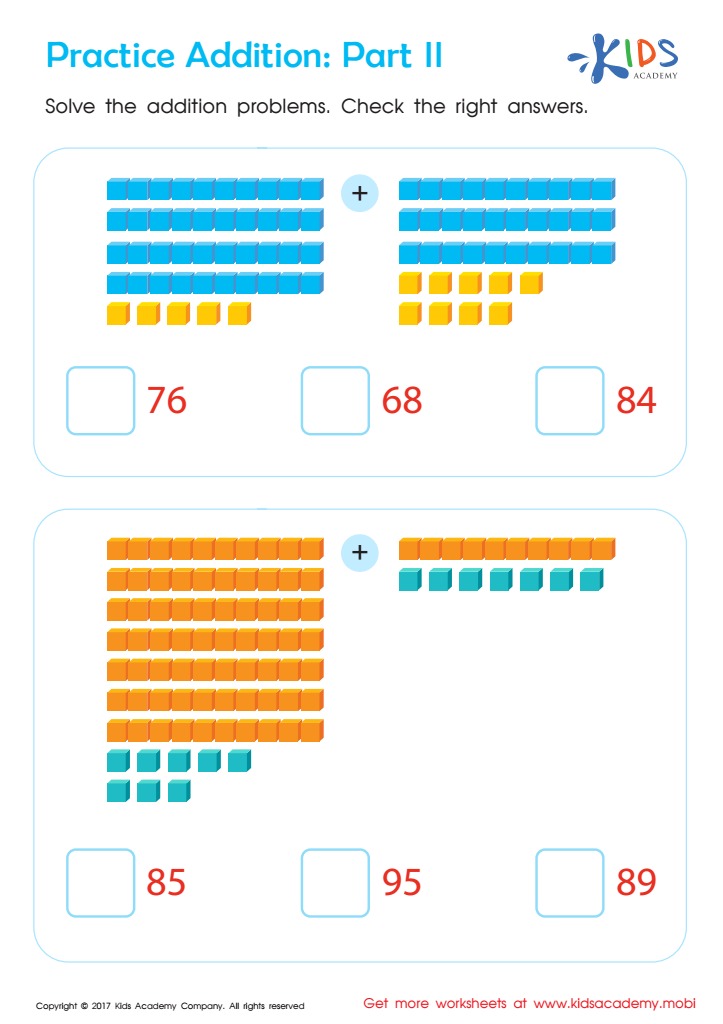
Practice Addition: Part 2 Worksheet
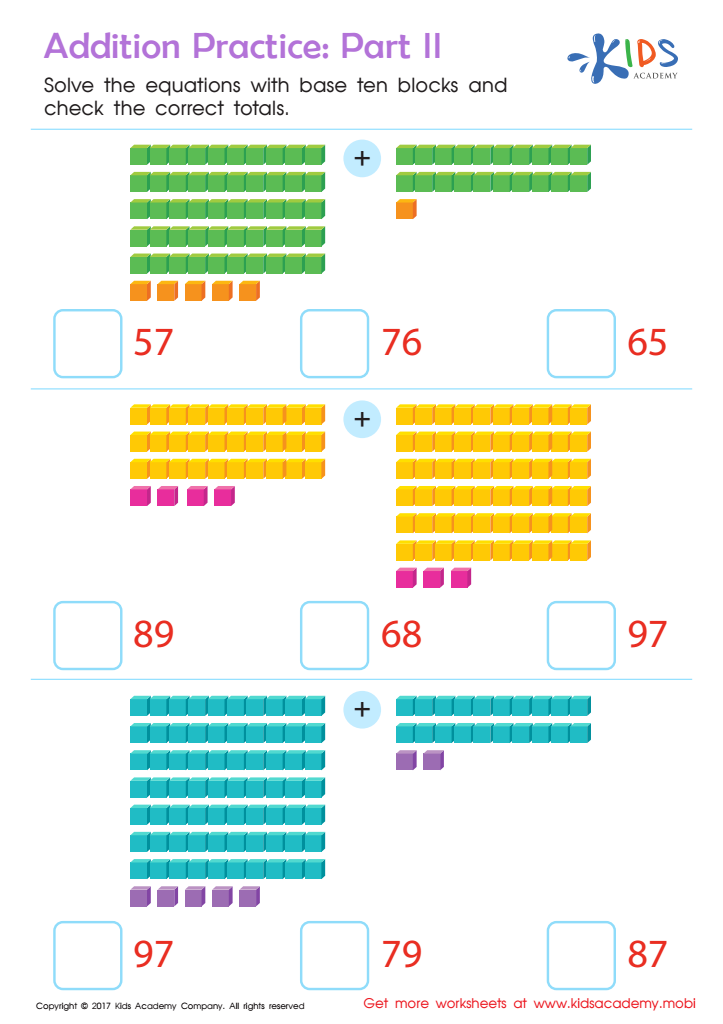
Addition Practice Sheet: Part 2
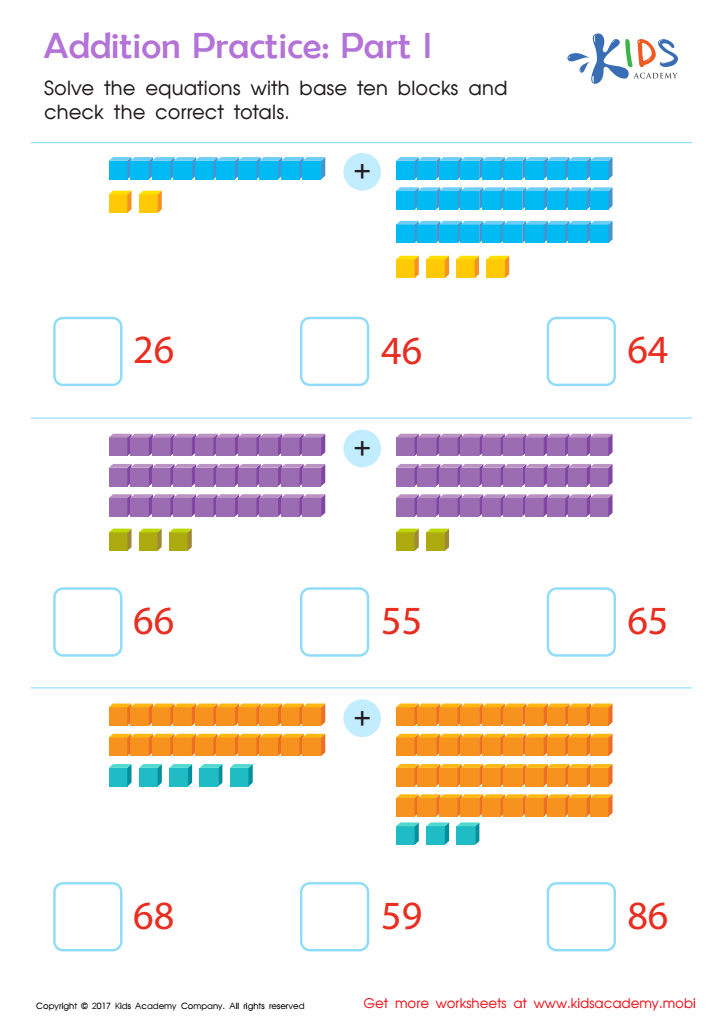
Addition Practice Sheet: Part 1
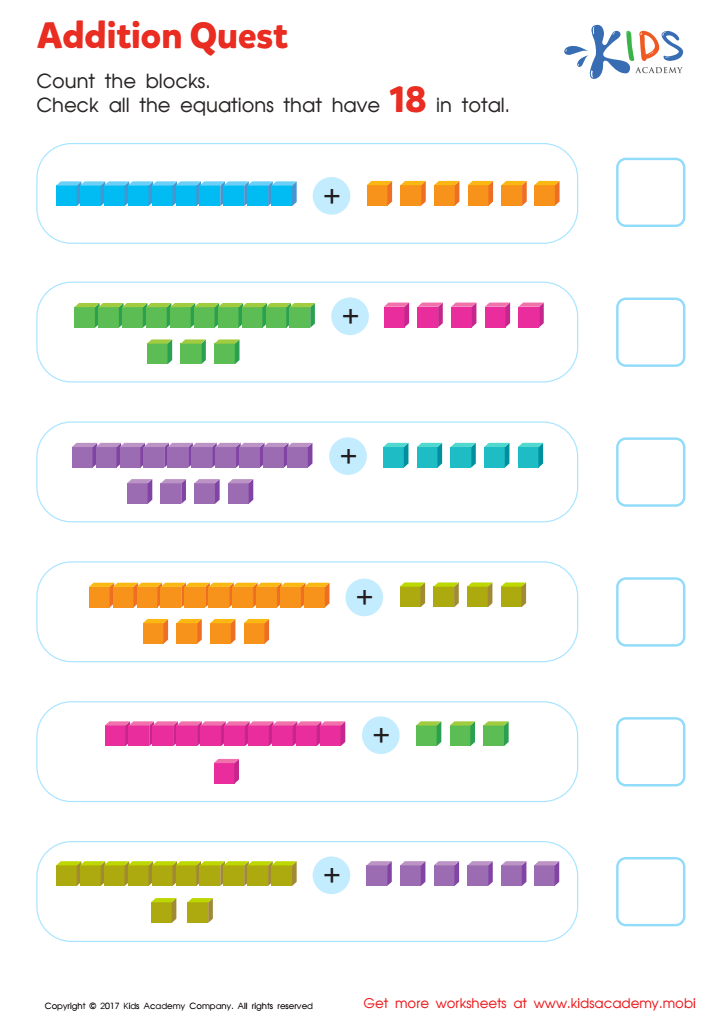
Addition Quest Worksheet: Part 2
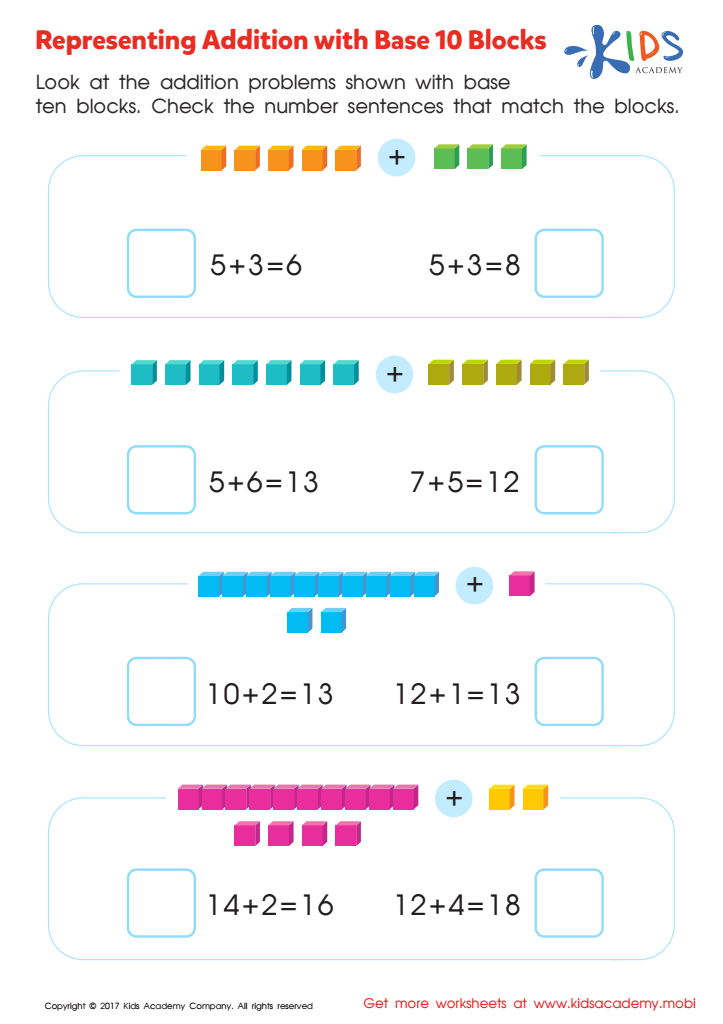
Representing Addition with Base 10 Blocks Worksheet
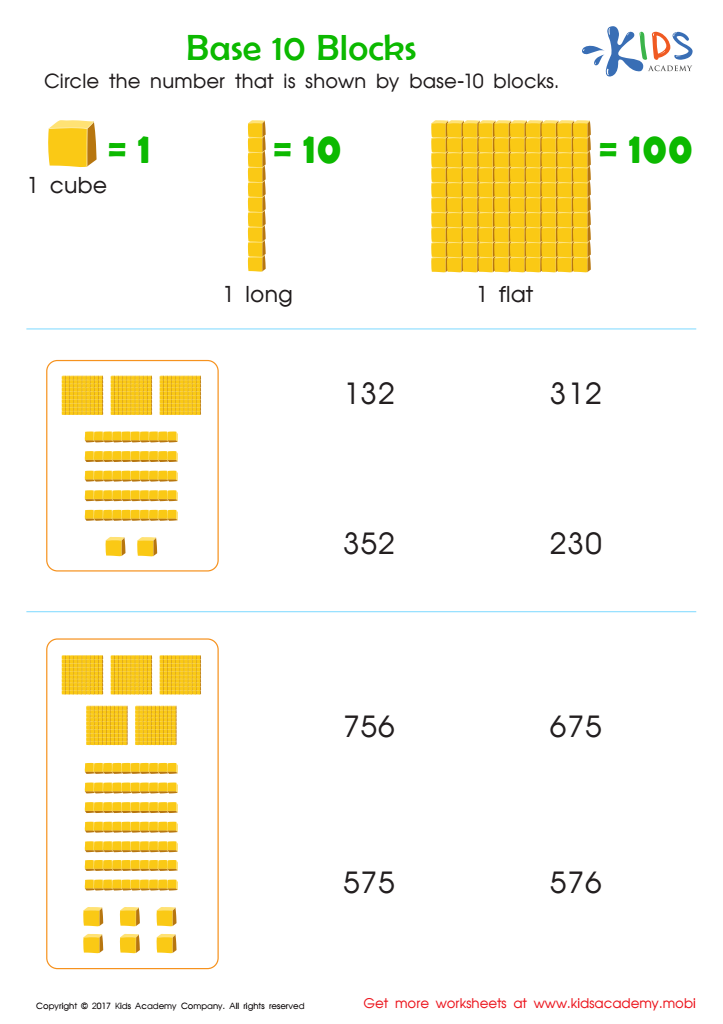
Base Ten Blocks Worksheet
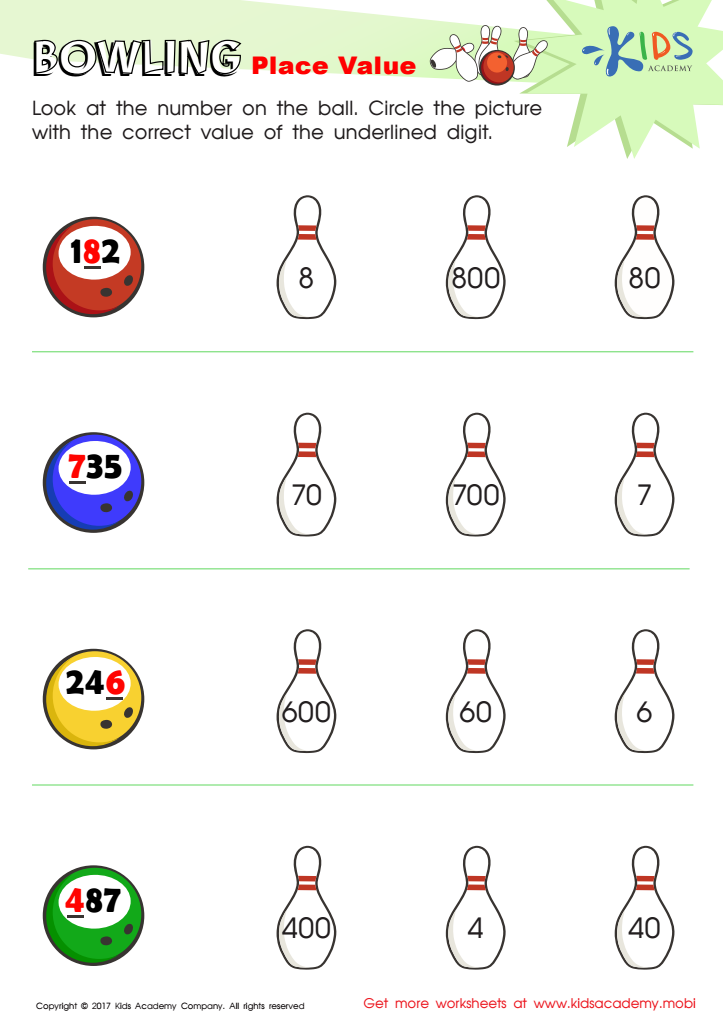
Place Value Worksheet
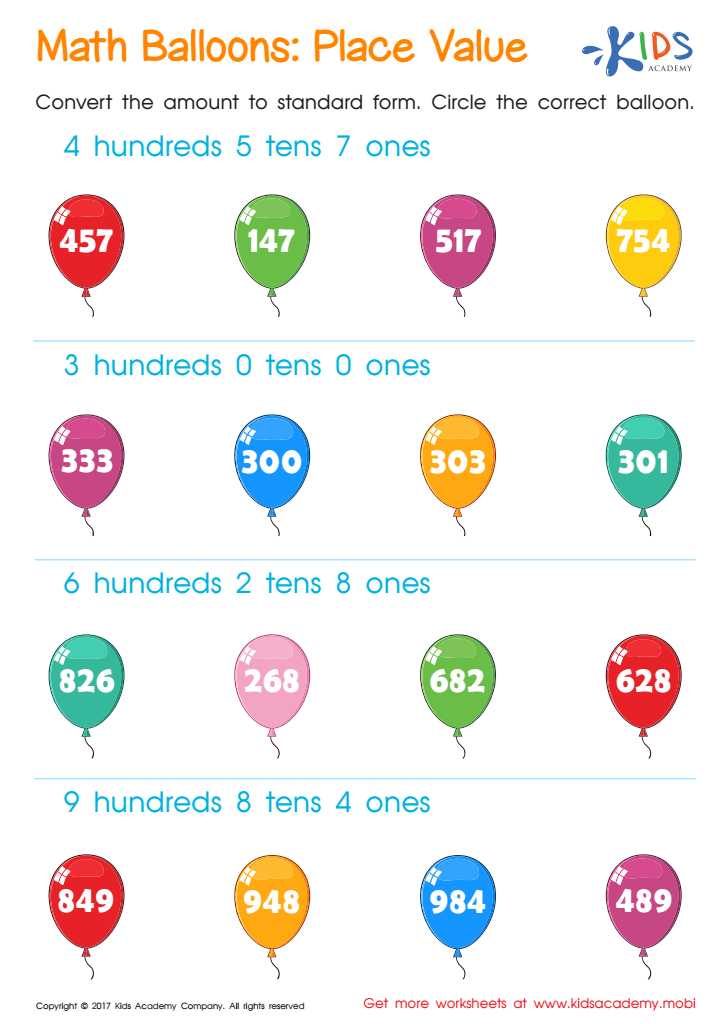
Place Value Printable Worksheet
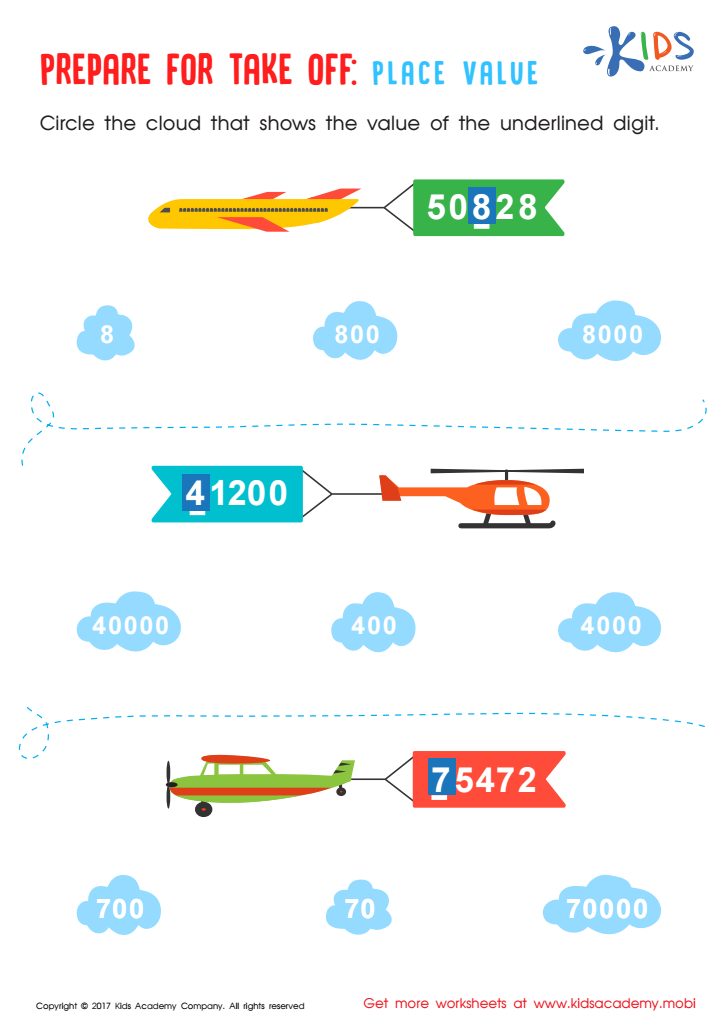
Free Place Value Worksheet for 3rd Grade
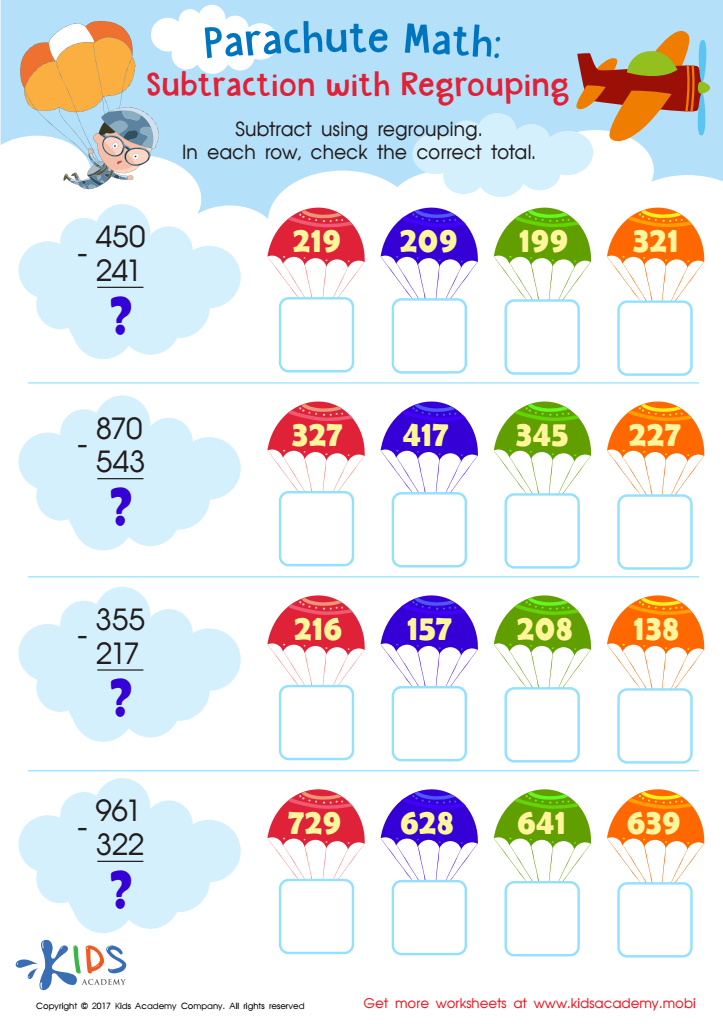
Subtraction with Regrouping for 3rd Grade Worksheet
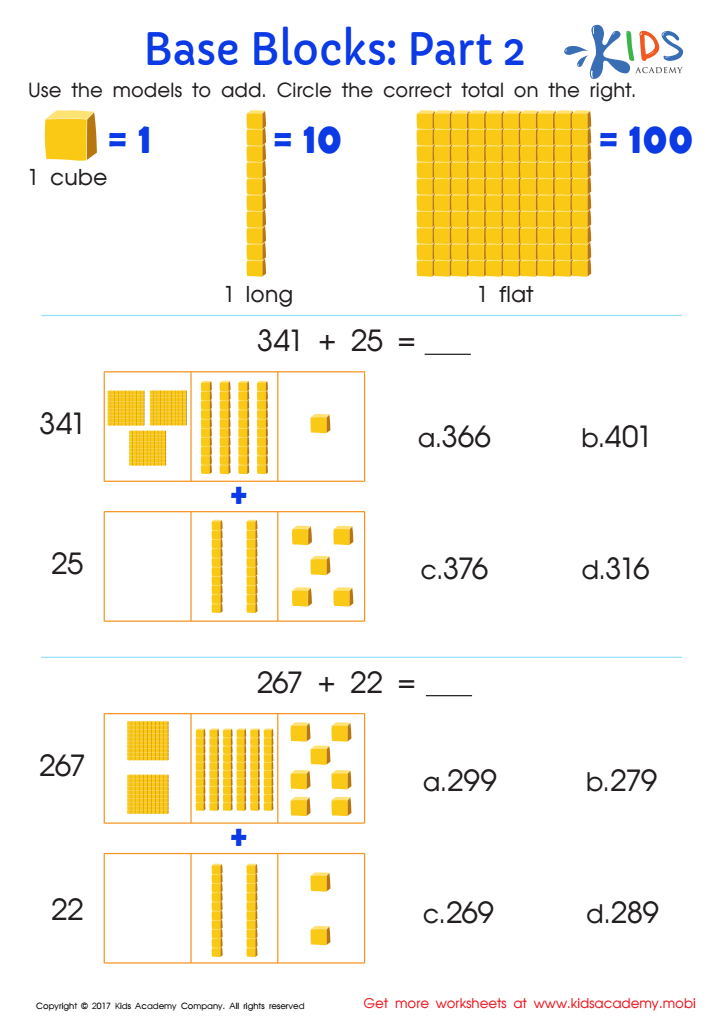
Base Ten Blocks Worksheet: Part 2
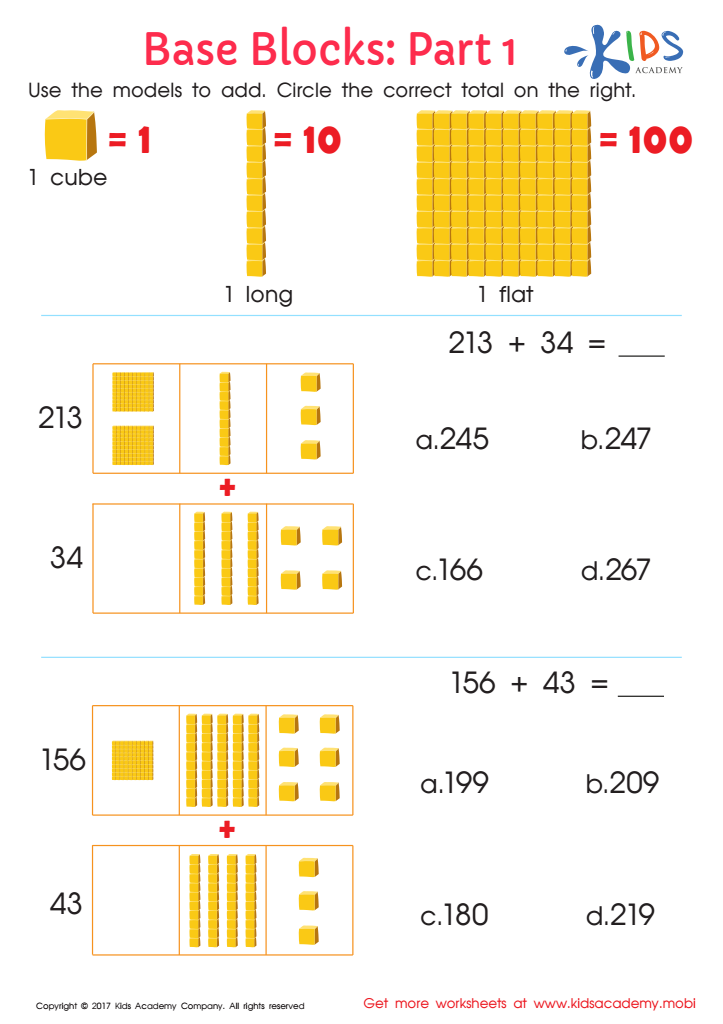
Base Ten Blocks Worksheet: Part 1
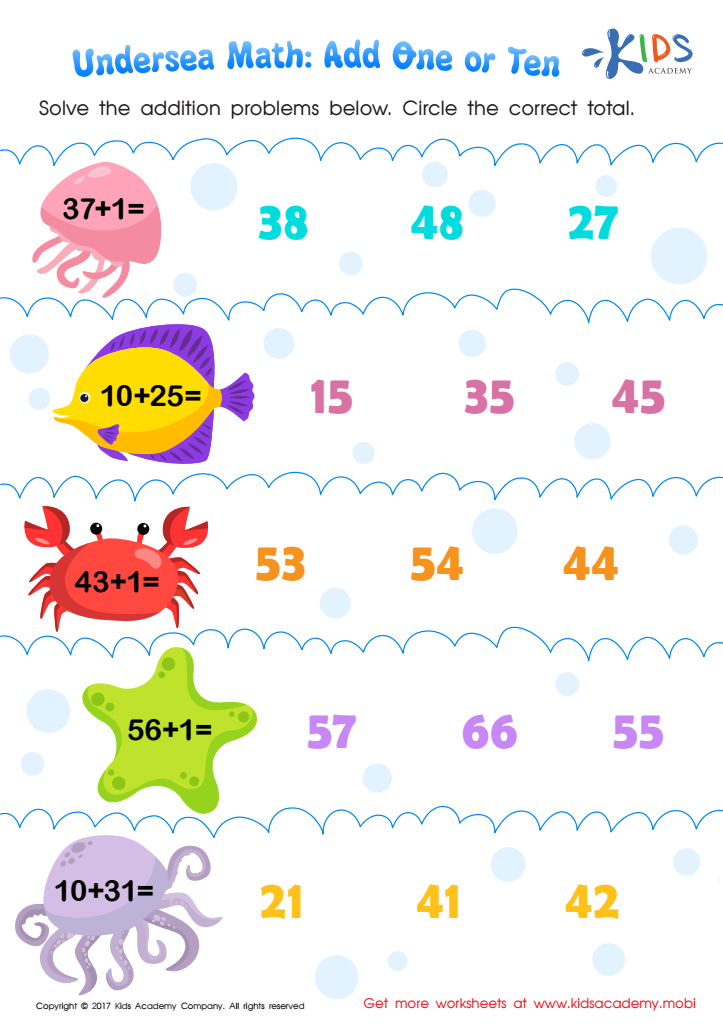
Undersea Math Worksheet
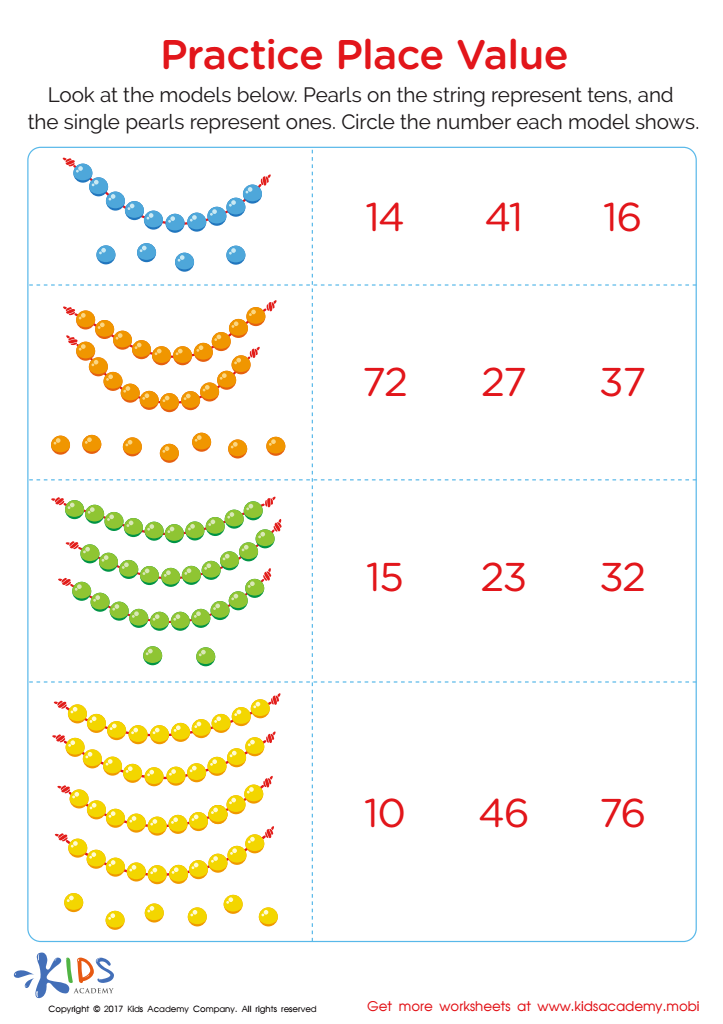
Practice Place Value Printable
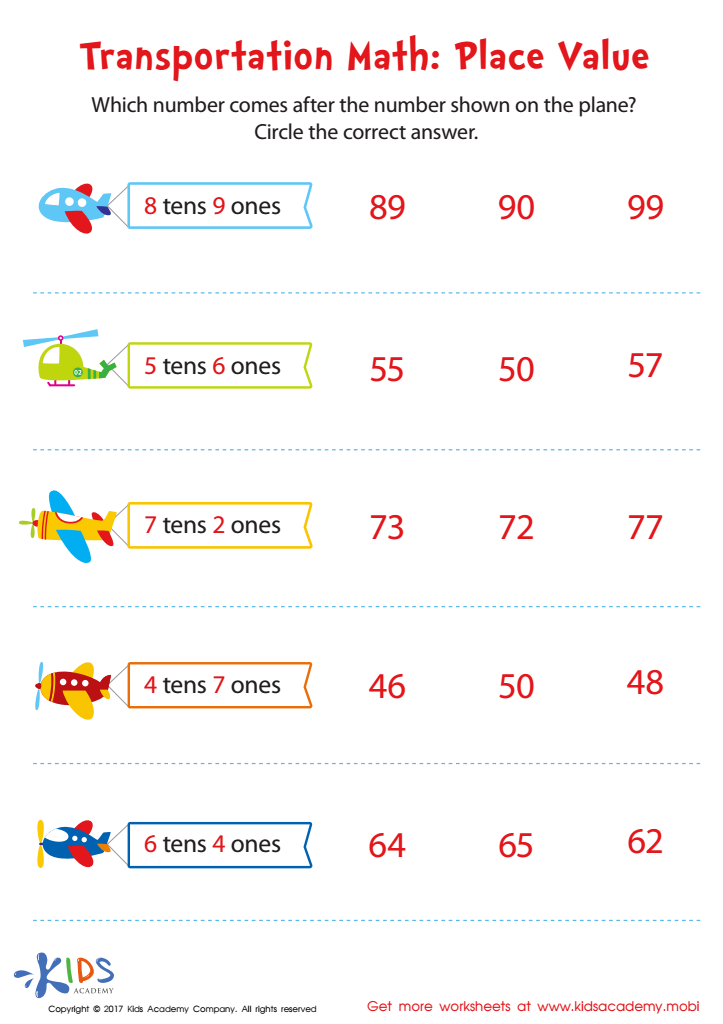
Transportation Math Printable








Parents and teachers should care about normal place value for children aged 4-8 because it forms a foundational element of numeracy, which is critical in young learners' mathematical development. Understanding place value—how the position of a digit affects its value—enables children to grasp more complex mathematical concepts, such as addition, subtraction, and even multiplication and division as they progress.
At this age, children are beginning to explore numbers beyond 10; establishing a solid grasp of place value helps them understand how to compose and decompose numbers, thereby improving their problem-solving skills. It nurtures a sense of number sense and numerical fluency, which are essential for future mathematics.
Moreover, early mastery of place value leads to increased confidence. Children who understand this concept can approach mathematics with a positive attitude, reducing anxiety and fostering a growth mindset. Engaging in fun activities, such as place value games or using manipulatives, can enhance their learning experience. Parents and teachers play a crucial role in making math enjoyable and relevant, ensuring that children view math as an exciting and necessary skill. Ultimately, early exposure to place value lays a strong foundation for lifelong numeracy skills, empowering children in academics and everyday life.