Normal Place Value Worksheets for Ages 4-9 - Page 2
43 filtered results
-
From - To
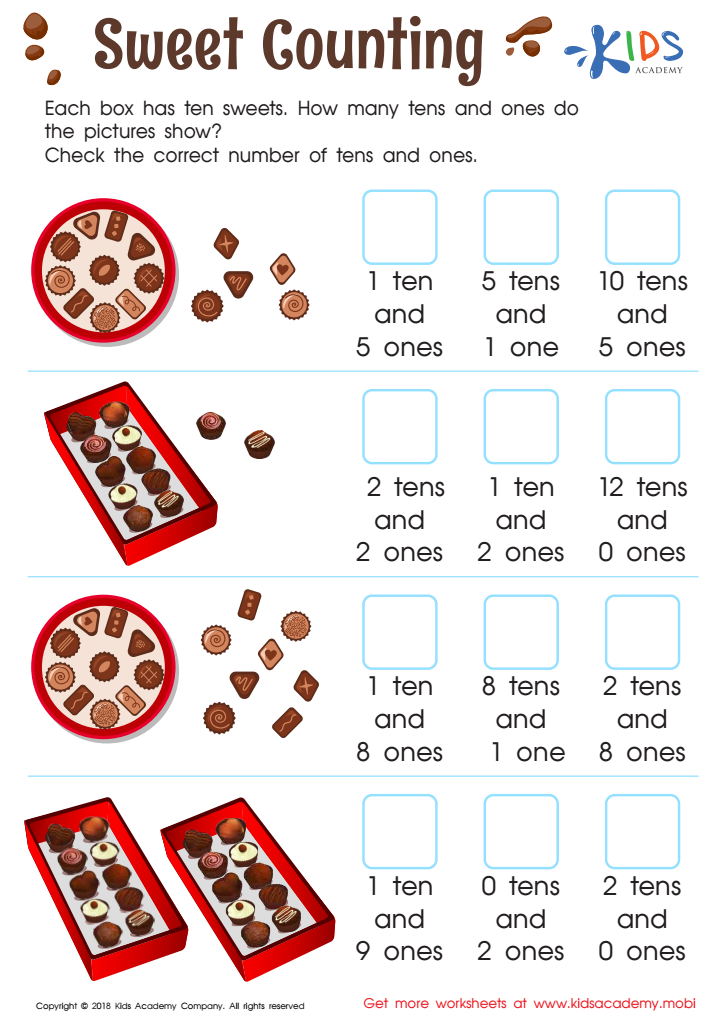
Sweet Counting - Part 2 Worksheet
 Assign to My Students
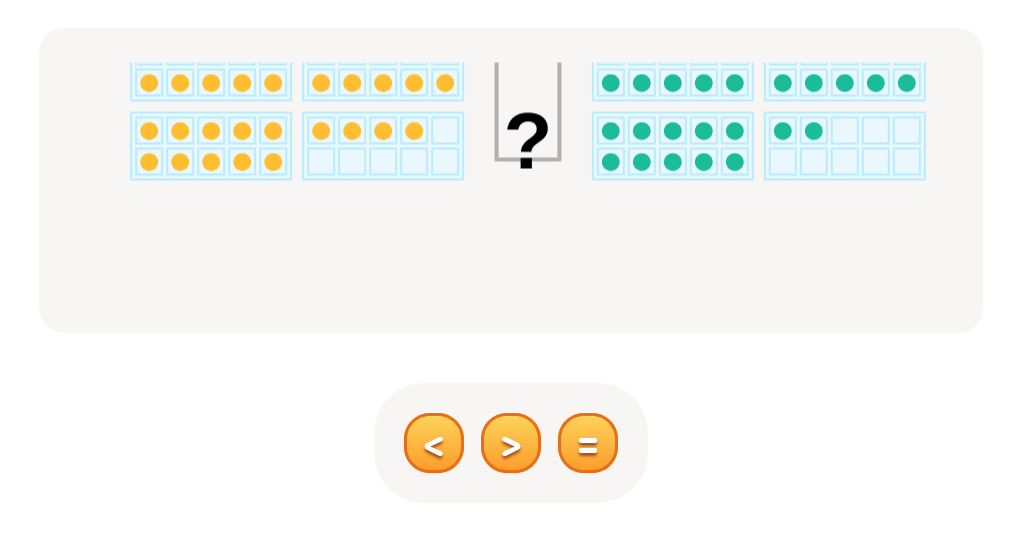

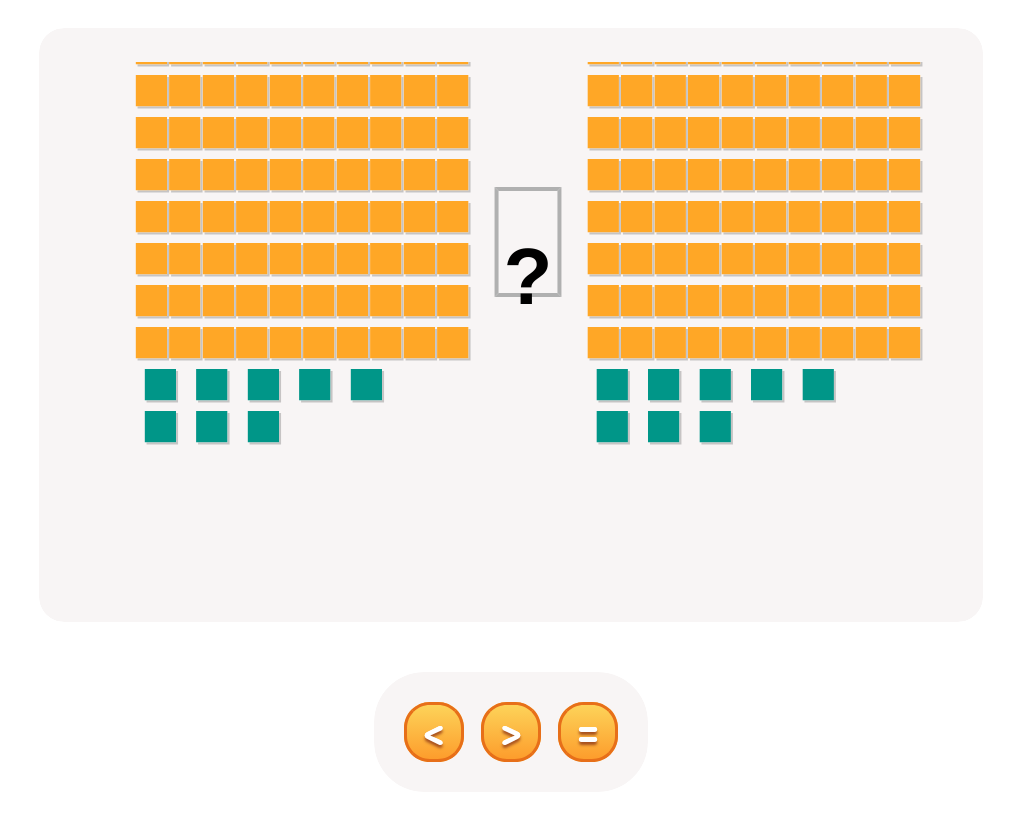
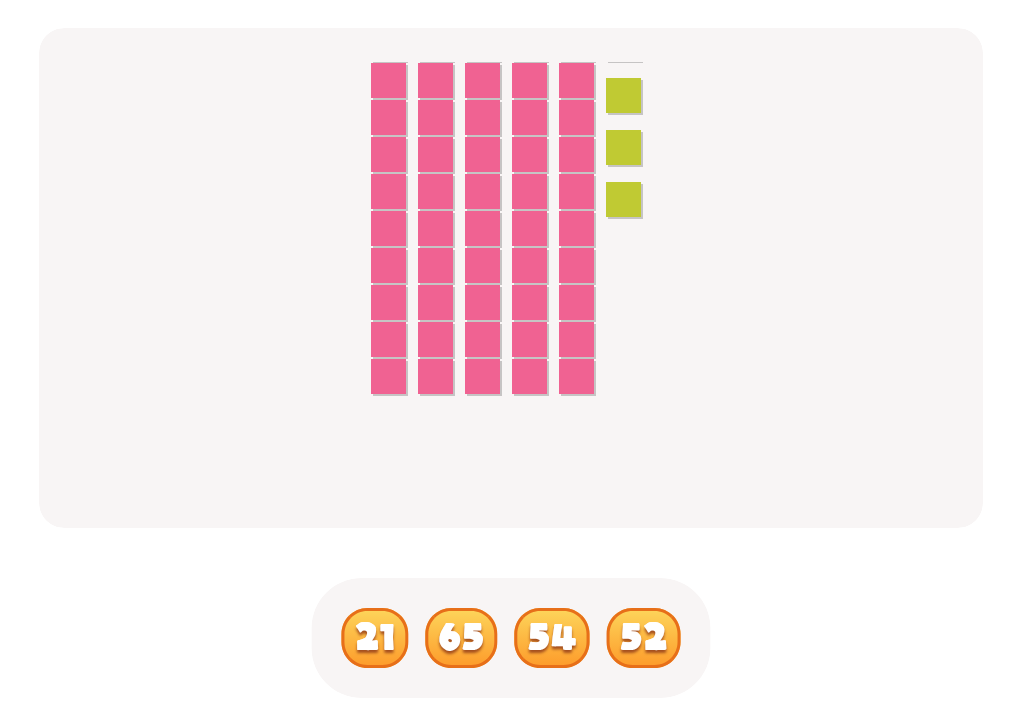
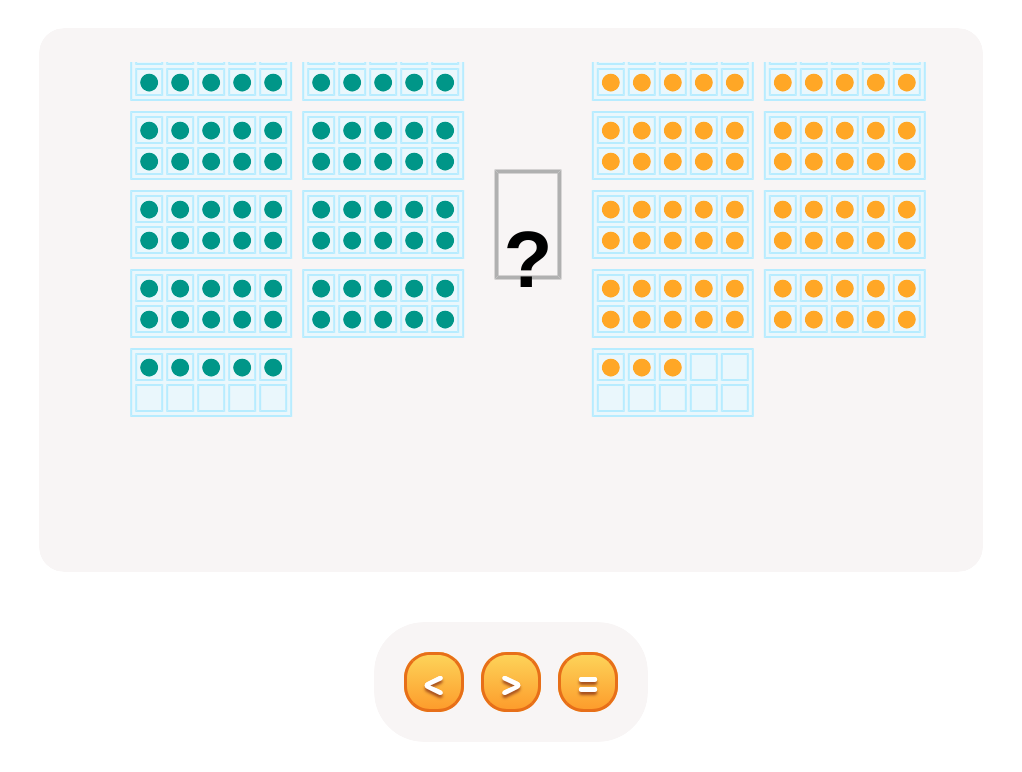
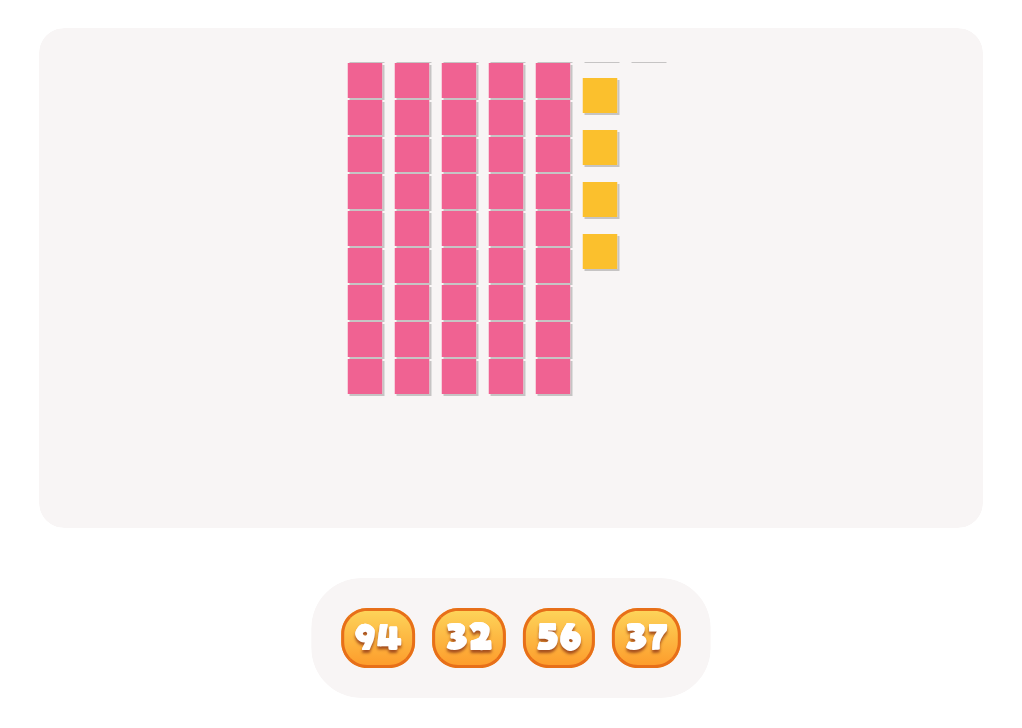
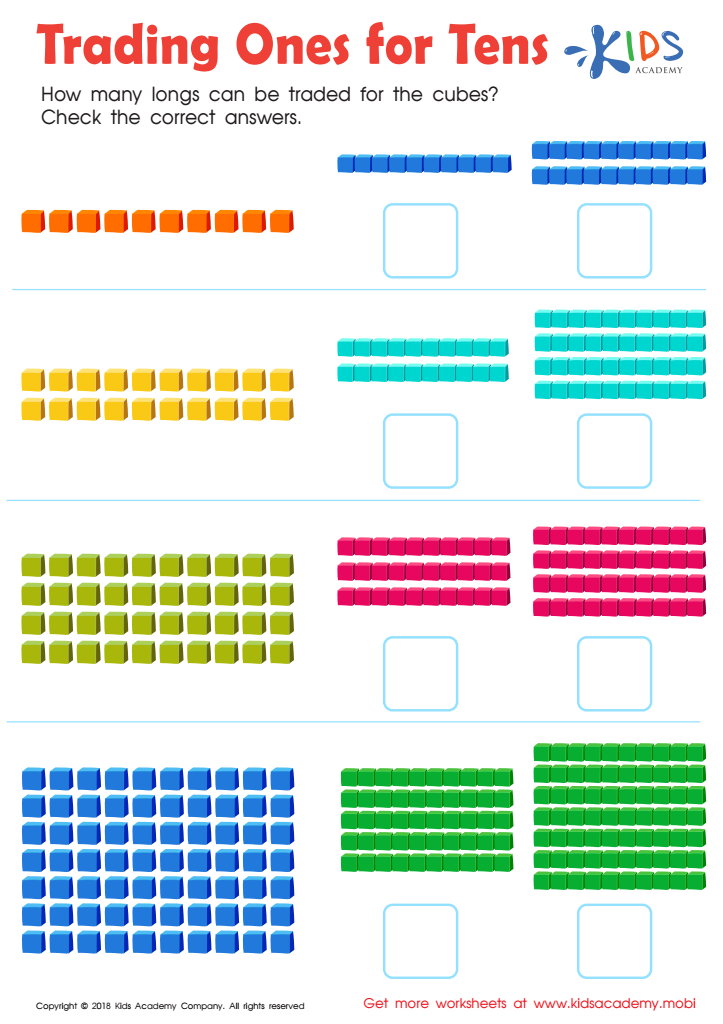
Trading Ones for Tens Worksheet: Part 2
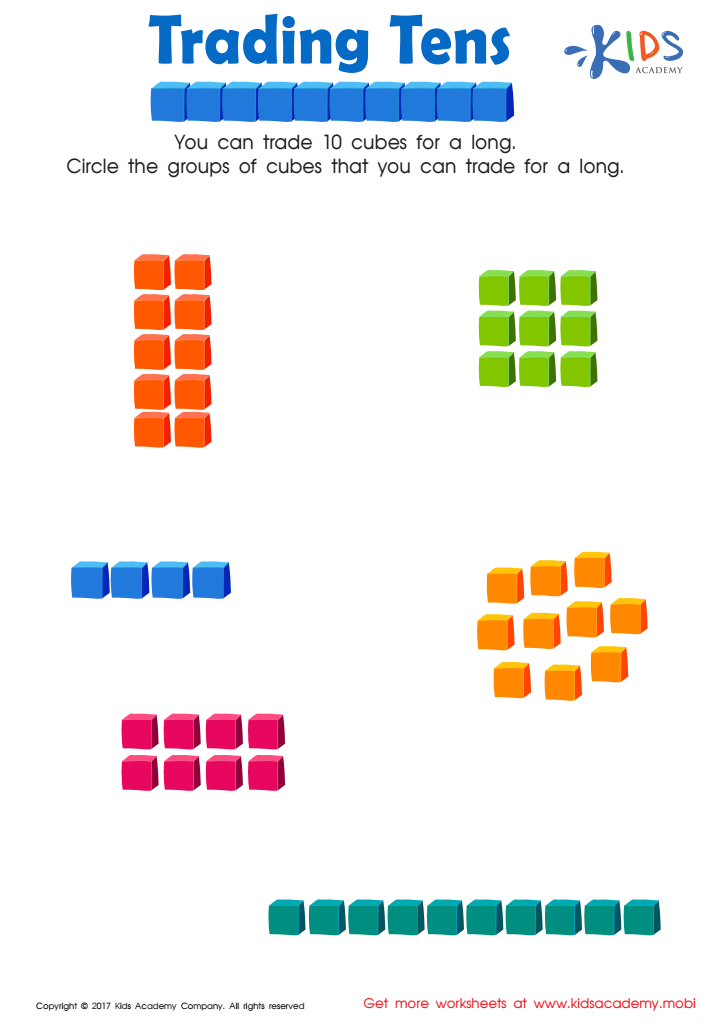
Trading Tens Worksheet
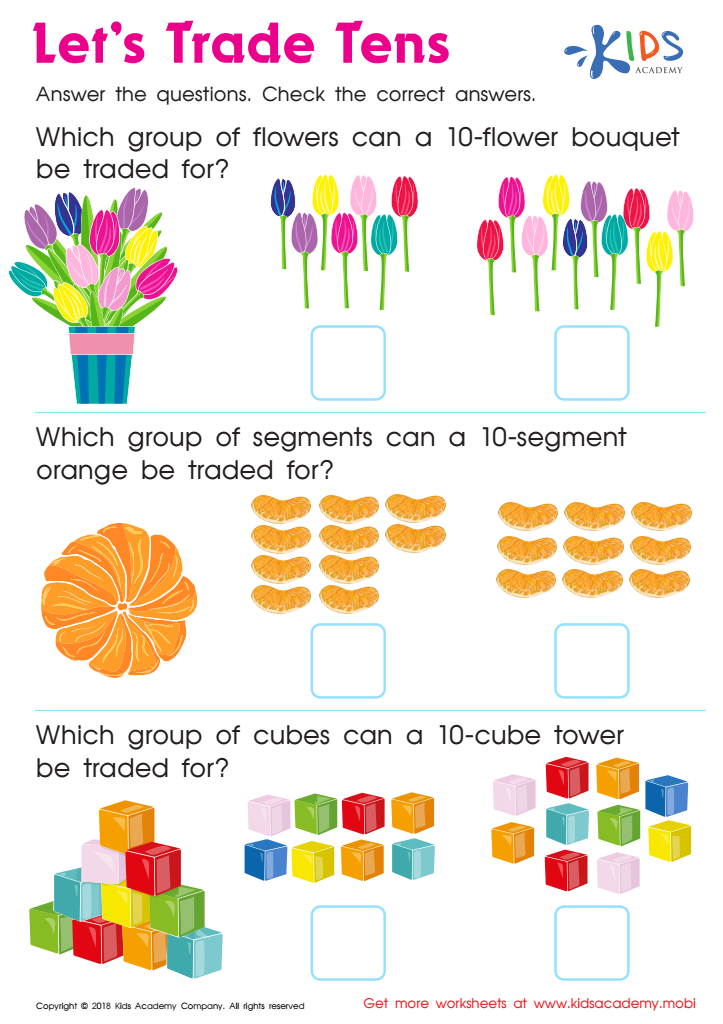
Lets Trade Tens Worksheet
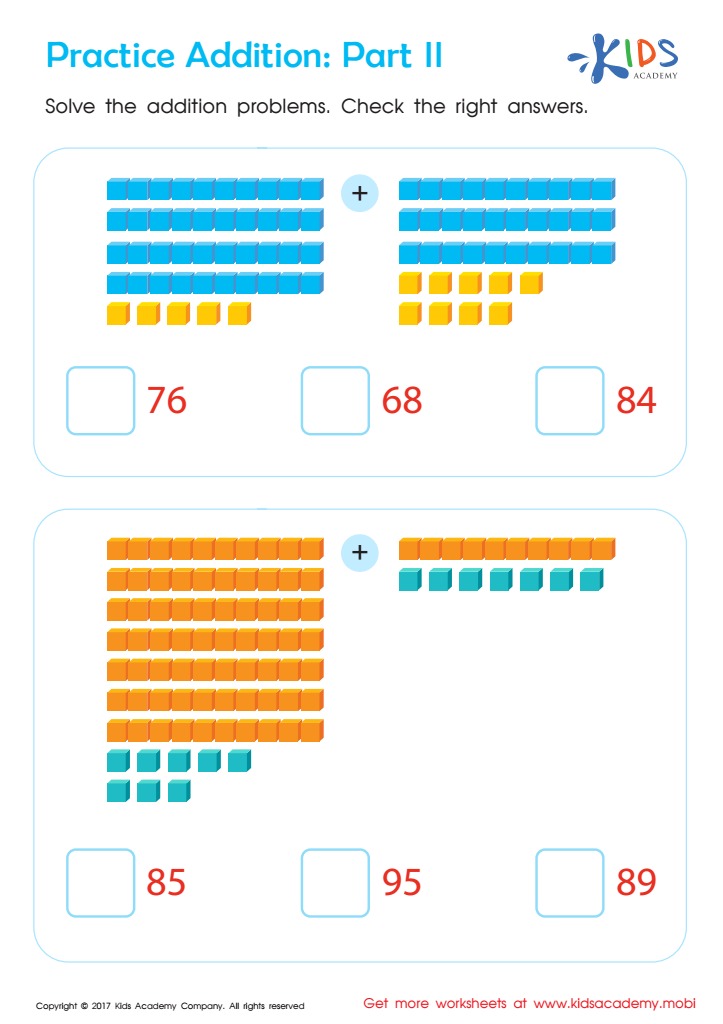
Practice Addition: Part 2 Worksheet
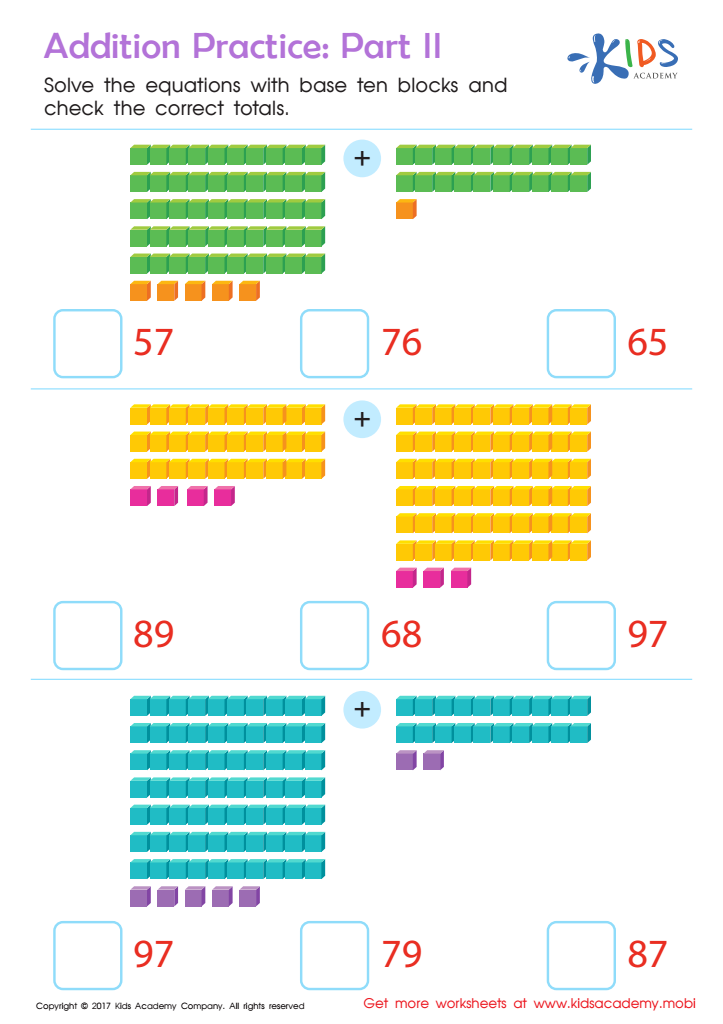
Addition Practice Sheet: Part 2
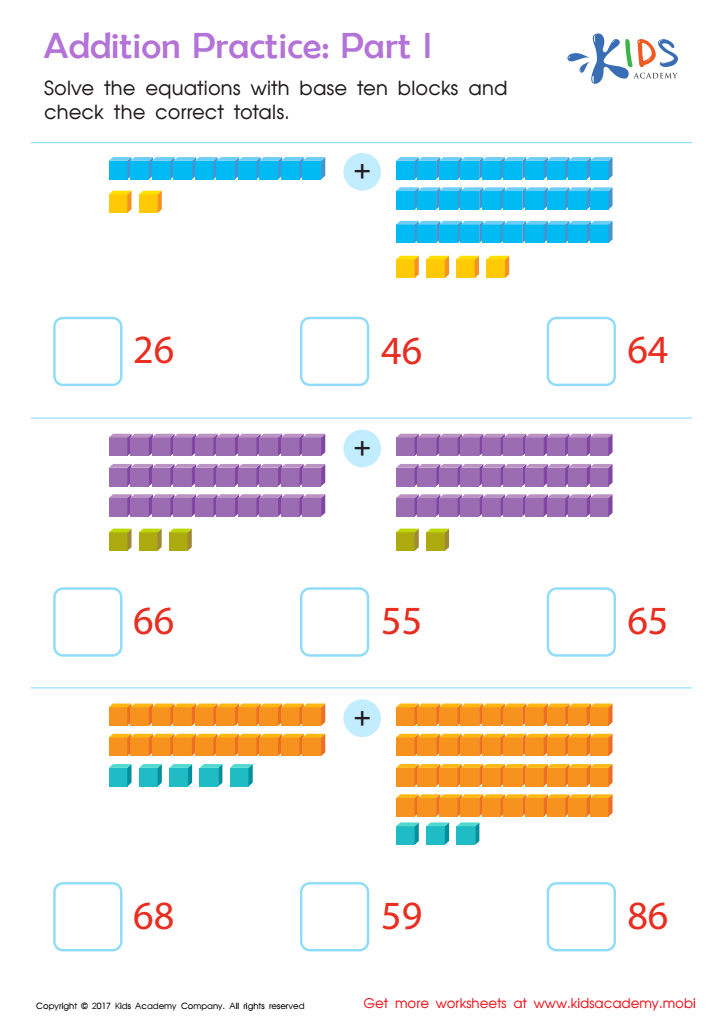
Addition Practice Sheet: Part 1
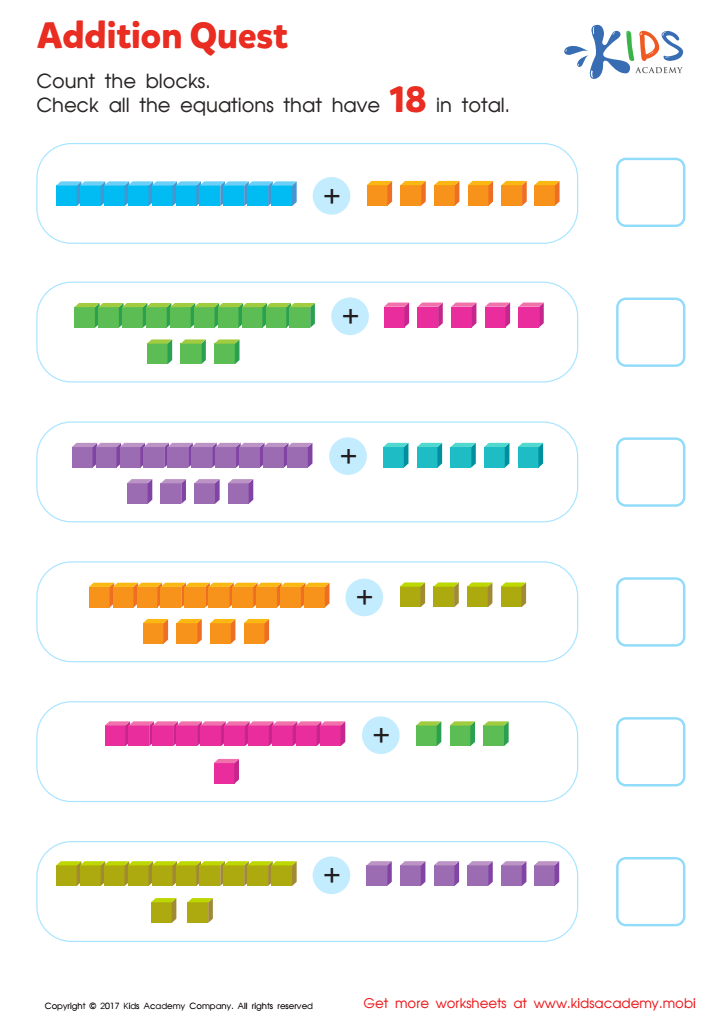
Addition Quest Worksheet: Part 2
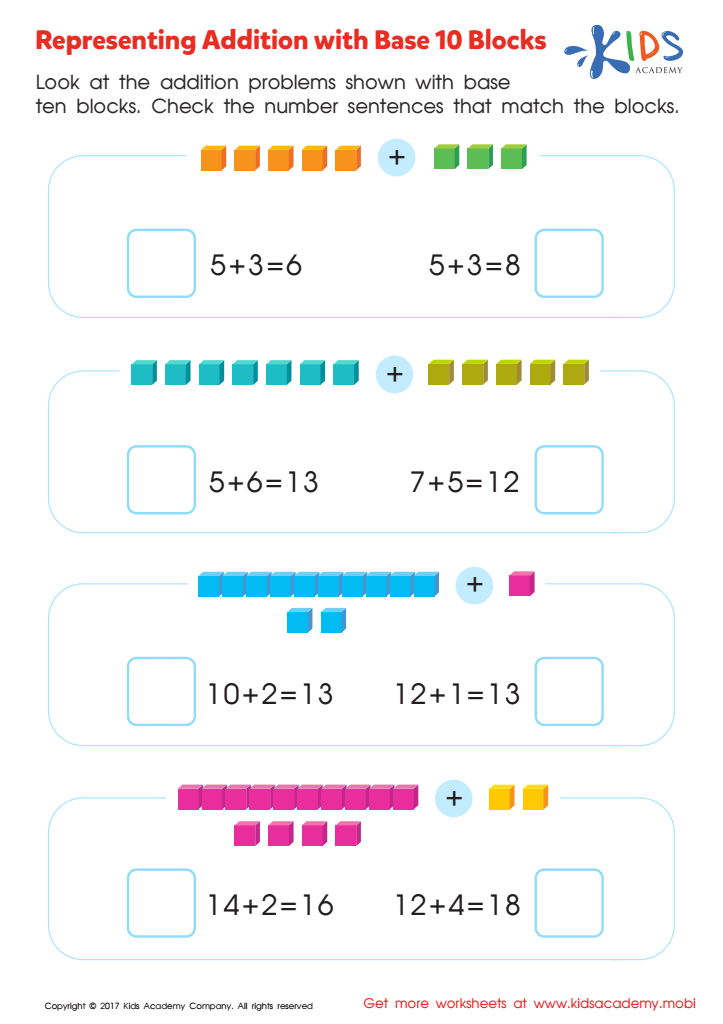
Representing Addition with Base 10 Blocks Worksheet
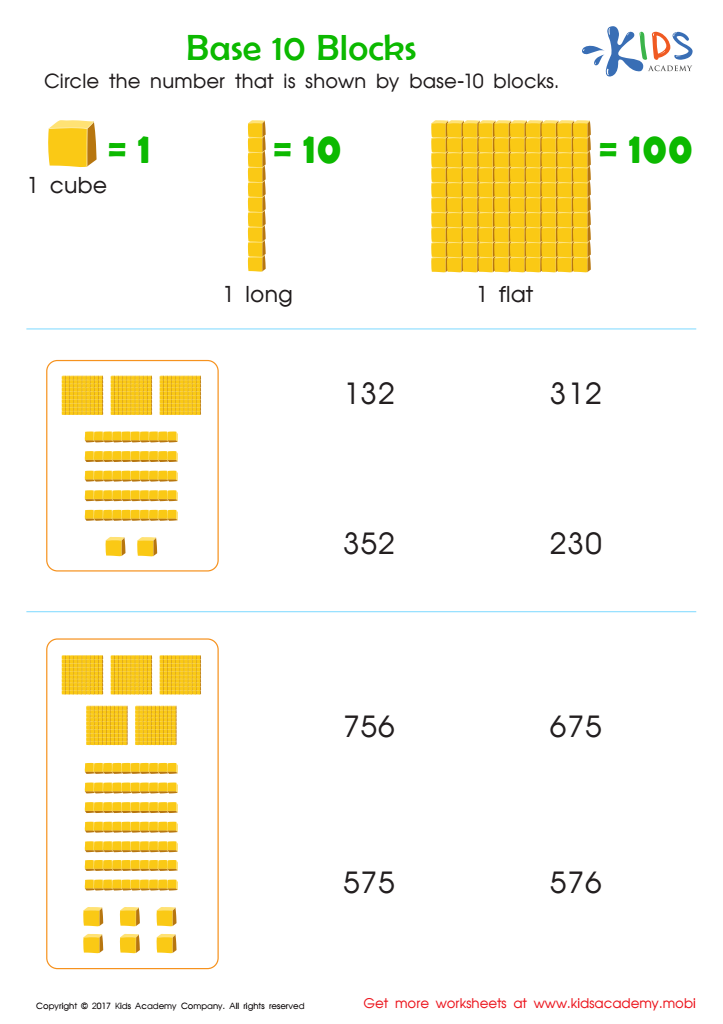
Base Ten Blocks Worksheet
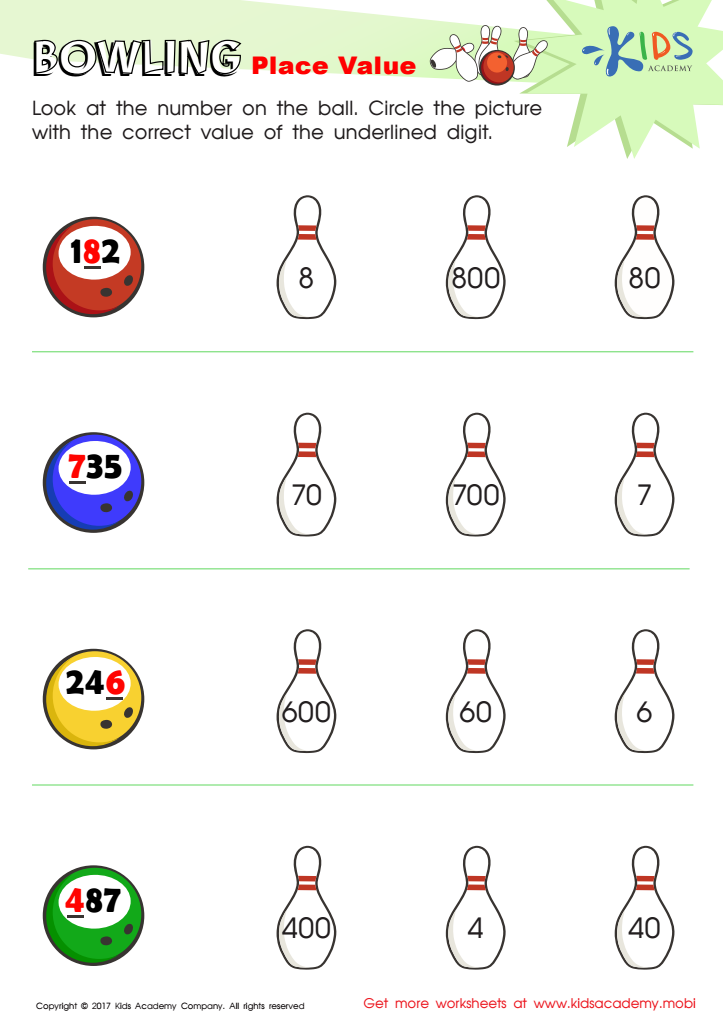
Place Value Worksheet
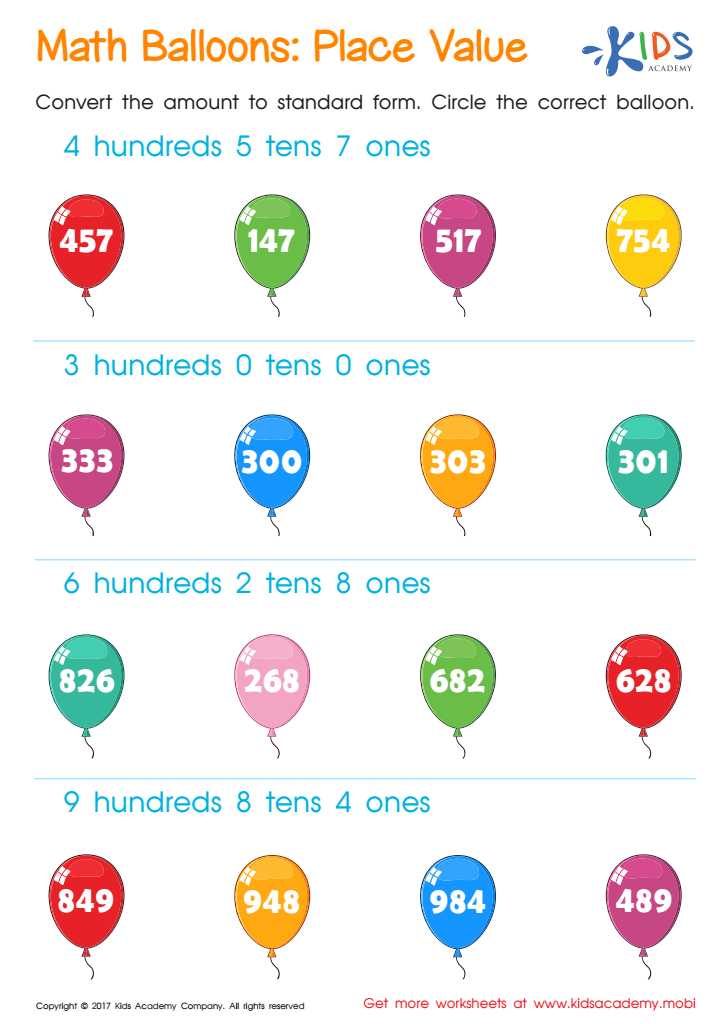
Place Value Printable Worksheet
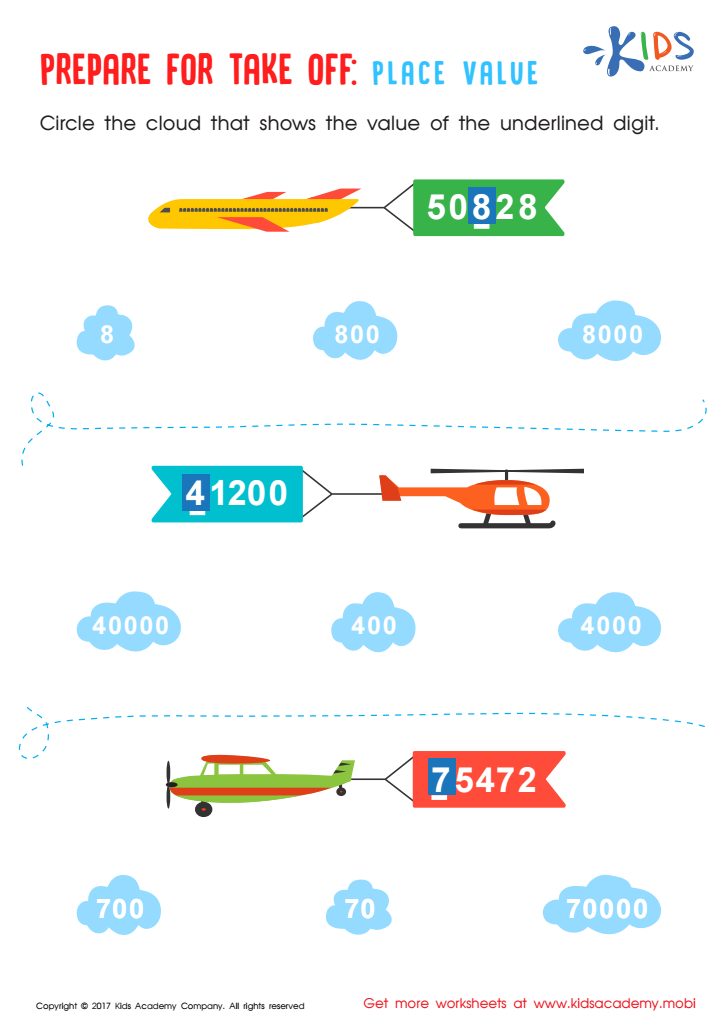
Free Place Value Worksheet for 3rd Grade
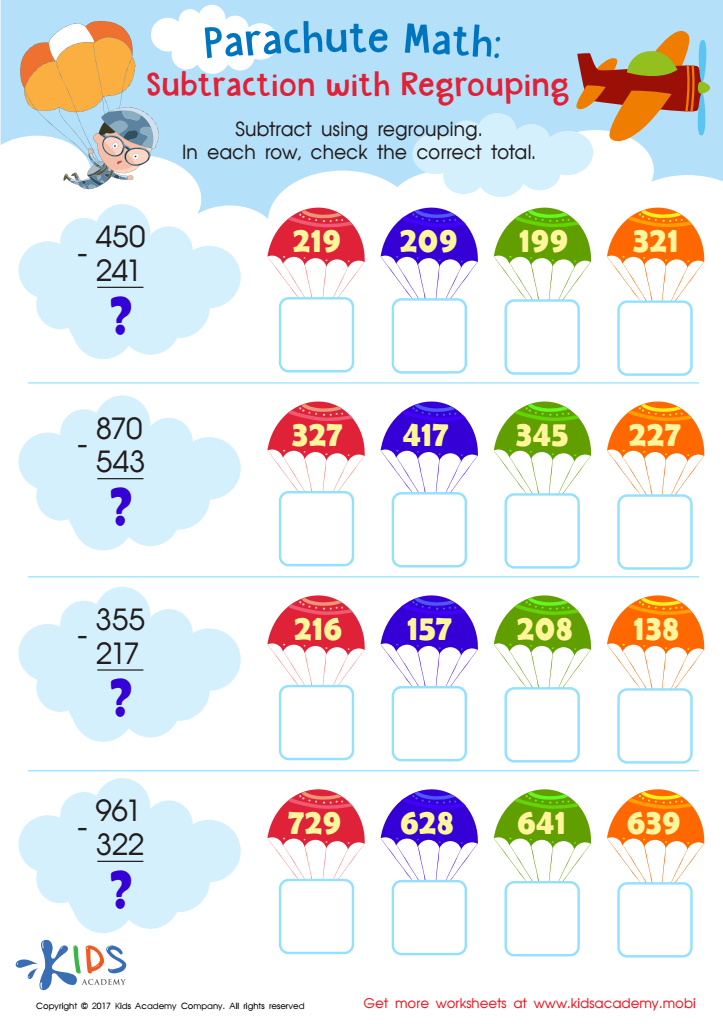
Subtraction with Regrouping for 3rd Grade Worksheet
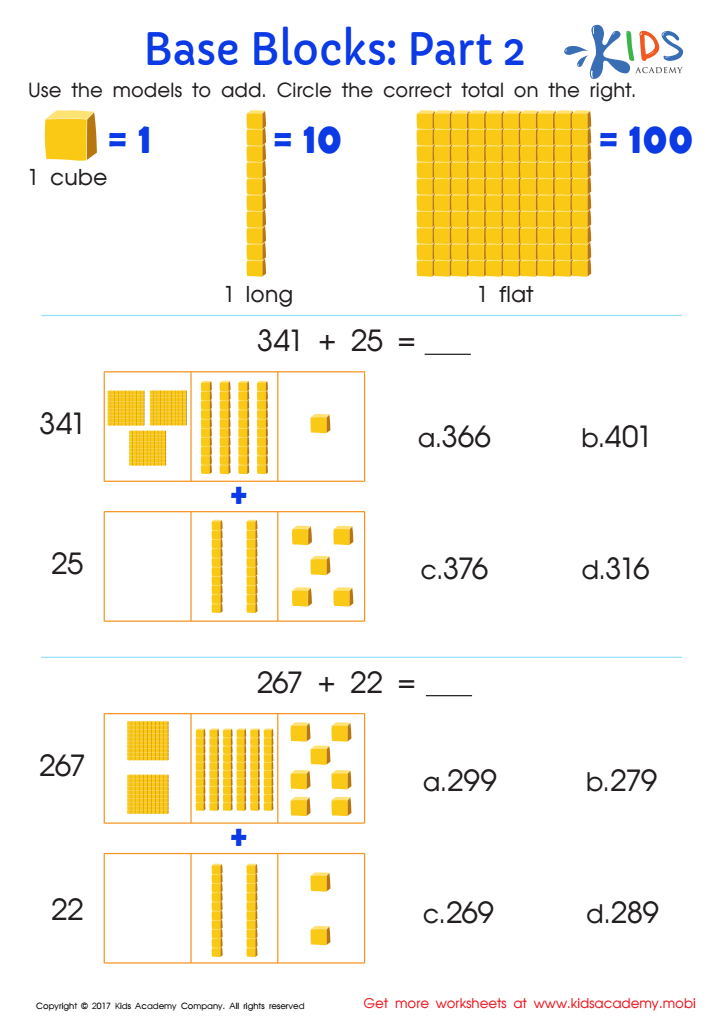
Base Ten Blocks Worksheet: Part 2
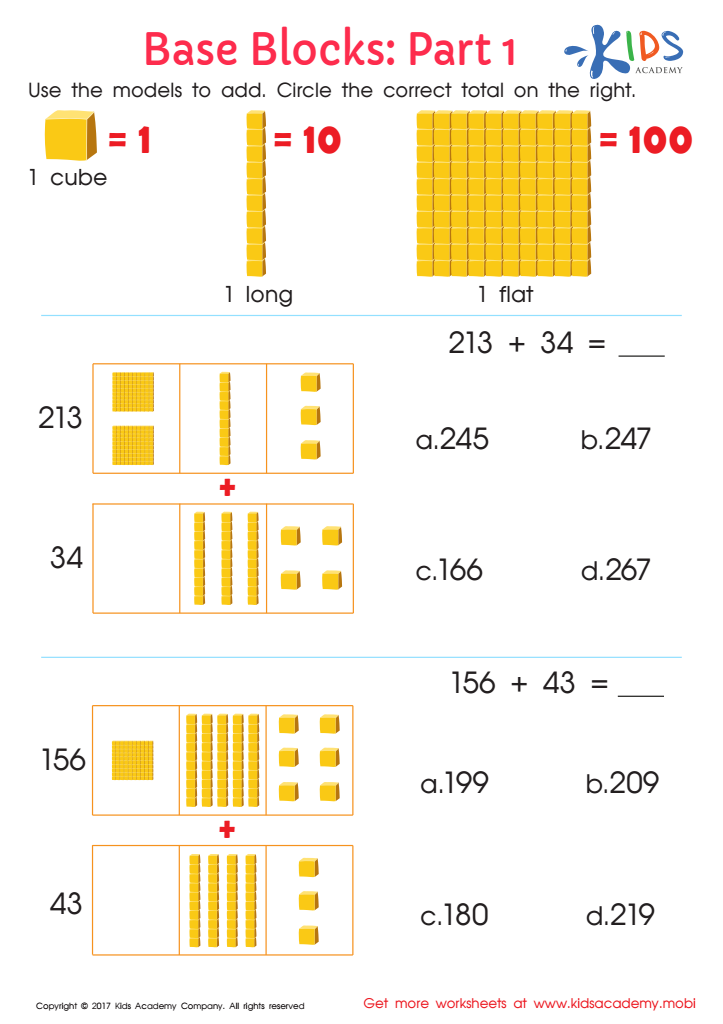
Base Ten Blocks Worksheet: Part 1
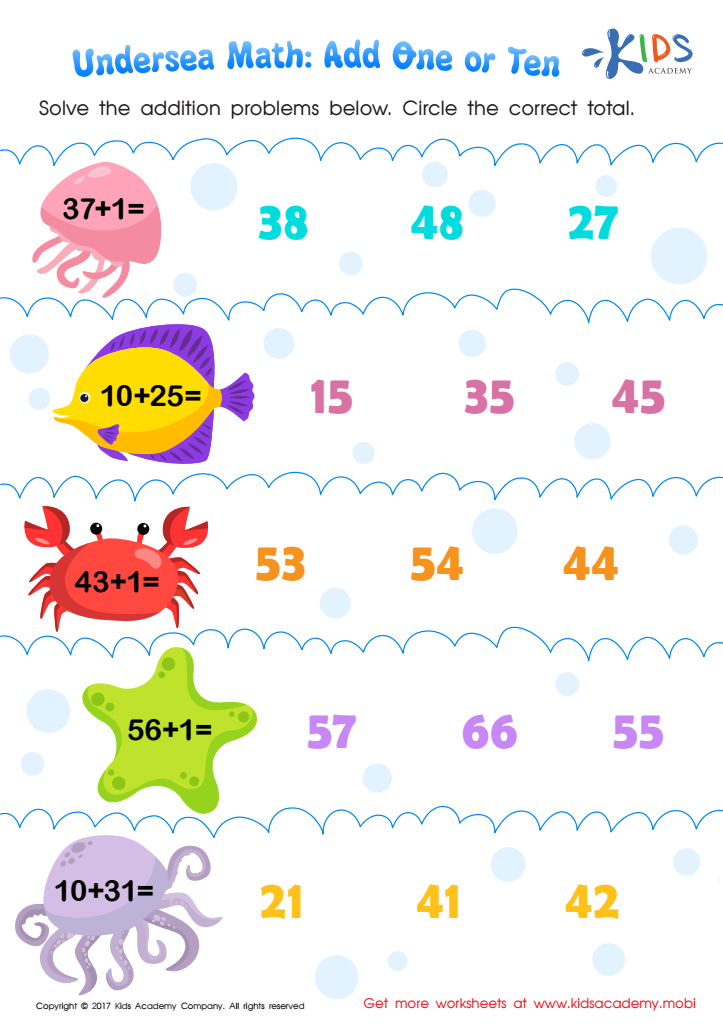
Undersea Math Worksheet
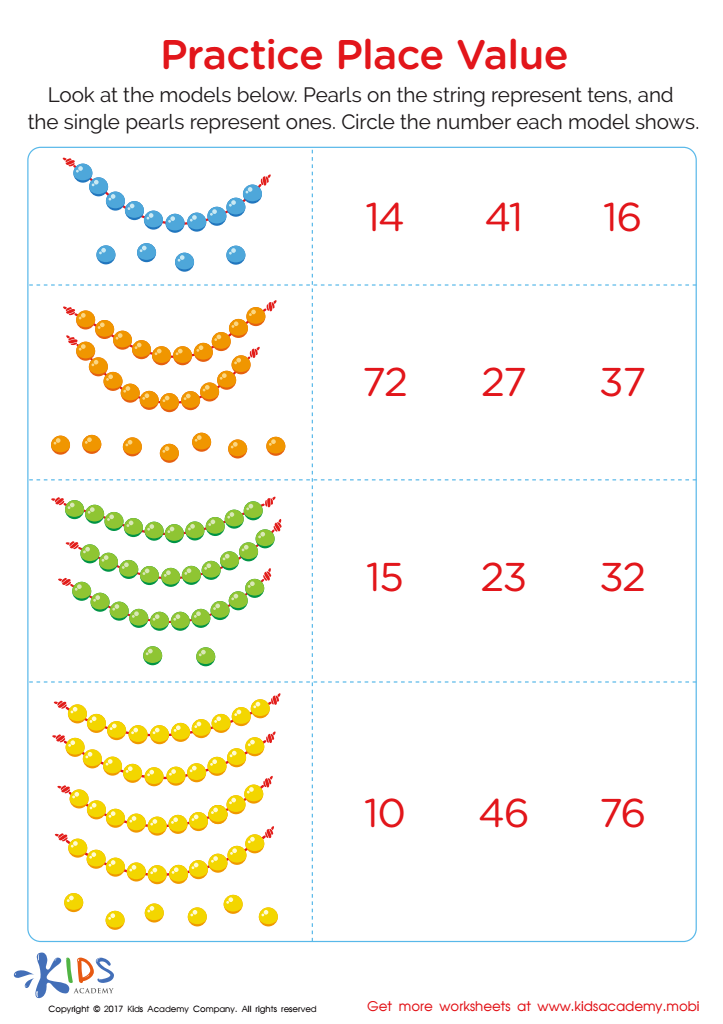
Practice Place Value Printable
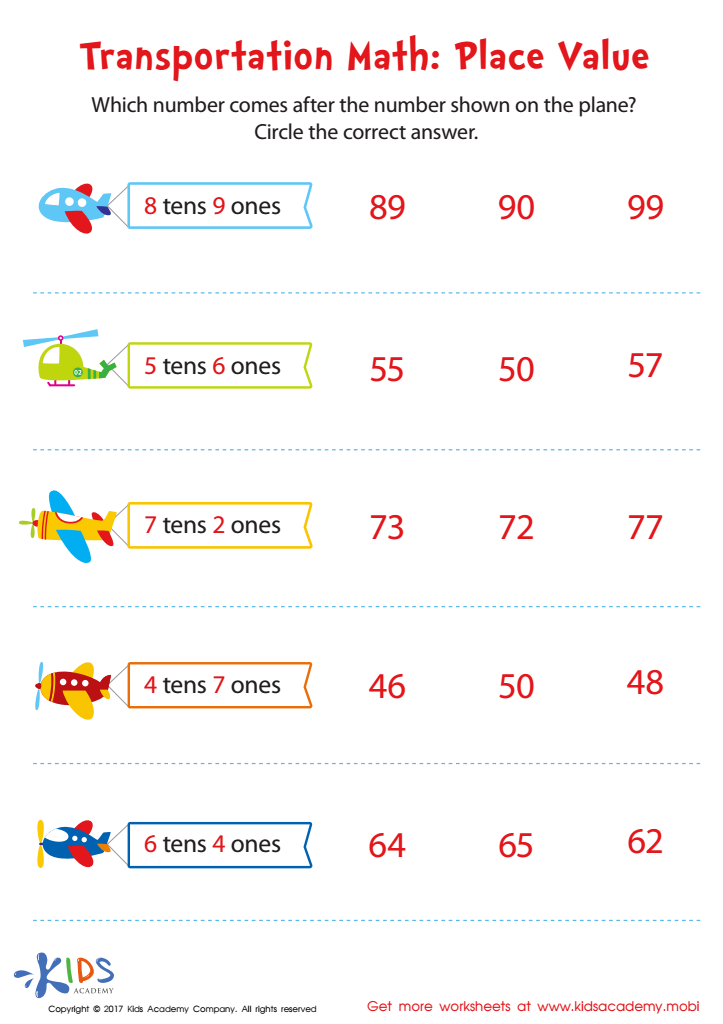
Transportation Math Printable







Understanding normal place value is crucial for children ages 4-9 as it forms the foundation of their mathematical knowledge. At this stage, children are introduced to the basics of numbers and how they function within our numerical system.
Place value helps children comprehend that the position of a digit within a number determines its value. For instance, in the number 243, the '2' denotes two hundreds, the '4' represents forty, and the '3' conveys three units. Recognizing this concept allows students to learn not just how to perform operations like addition and subtraction, but also how to grasp more complex ideas in math as they advance.
Moreover, understanding place value promotes number sense, critical thinking, and problem-solving skills. It enables young learners to compare numbers, understand decimals, and work with larger values confidently.
Parents and teachers should care because this foundational knowledge supports future academic success in mathematics and beyond. By instilling strong place value skills early on, they set children up for a positive learning trajectory, equipping them for higher-level math, finance literacy, and the analytical thinking valued today. This foundational concept draws connections across many areas and disciplines, underscoring its importance in a child's education.