Normal Animals Worksheets for Ages 4-9 - Page 3
49 filtered results
-
From - To
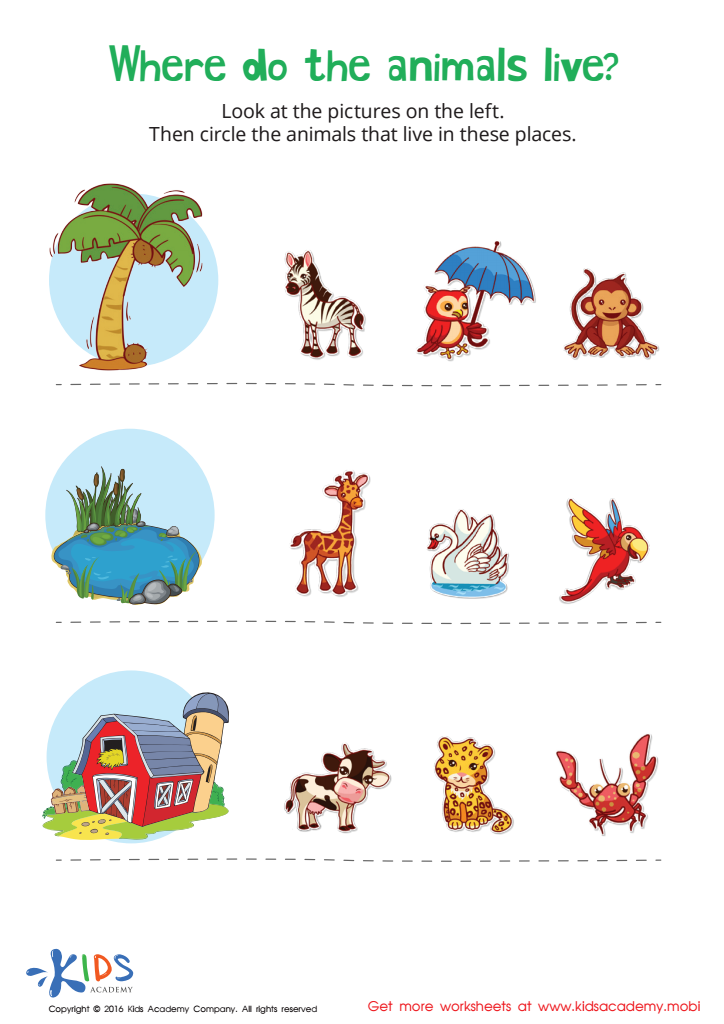
Where Animals Live Worksheet
 Assign to My Students







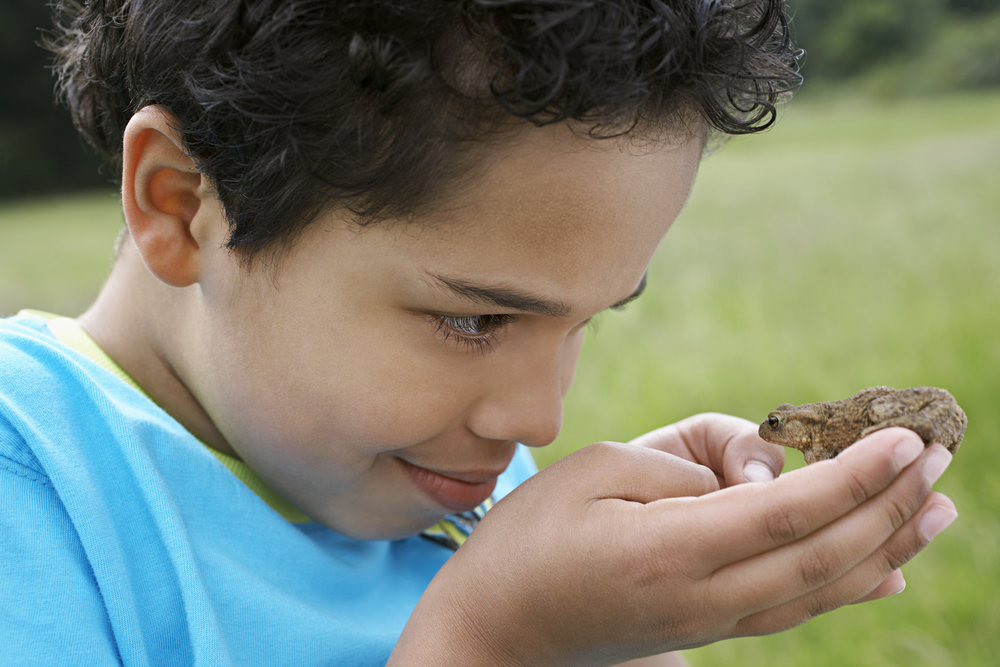
Parents and teachers should care about normal, everyday animals for children aged 4-9 because these creatures provide accessible and engaging learning opportunities crucial for early development. At this age, children are naturally curious, and familiar animals like dogs, cats, birds, and insects provide concrete examples to spark interest and curiosity. Learning about these animals encourages children to develop empathy and understanding for living creatures, fostering a sense of responsibility and care.
Normal animals also play a crucial role in teaching foundational concepts of biology, ecology, and environmental awareness. For instance, observing how ants work together can teach children about teamwork and social structures. Watching birds feed can introduce concepts of adaptation and survival. These experiences form a base of general knowledge that is essential for more advanced learning stages.
Moreover, integrating animals into the curriculum enriches vocabulary and language development. Discussing animals involves descriptive language and new terminology, enhancing children's communication skills. Regular interaction with and knowledge about common animals also helps reduce fears and build a sense of safety and familiarity with the natural world.
Therefore, familiar animals are valuable, relatable resources for educators and parents to encourage cognitive development, instill compassion, and stimulate a lifelong love of learning and nature in young children.








