Normal Short Vowels Worksheets for Ages 5-7
12 filtered results
-
From - To
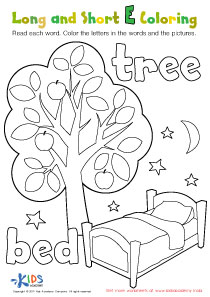
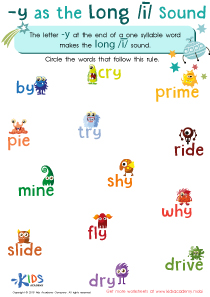
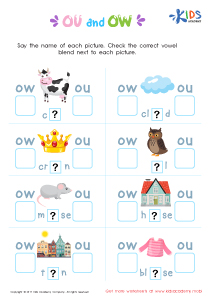
Our "Normal Short Vowels Worksheets for Ages 5-7" are designed to help young learners master the sounds of A, E, I, O, and U. Engaging activities and colorful illustrations make learning fun and effective, improving reading skills while developing phonemic awareness. These worksheets support early literacy by offering various exercises, such as matching, coloring, and writing, tailored for kindergarteners and first graders. Ideal for both classroom and at-home learning, our resources provide a solid foundation in phonics, preparing children for future reading success. Start your child's learning journey today with our expertly crafted short vowel worksheets!
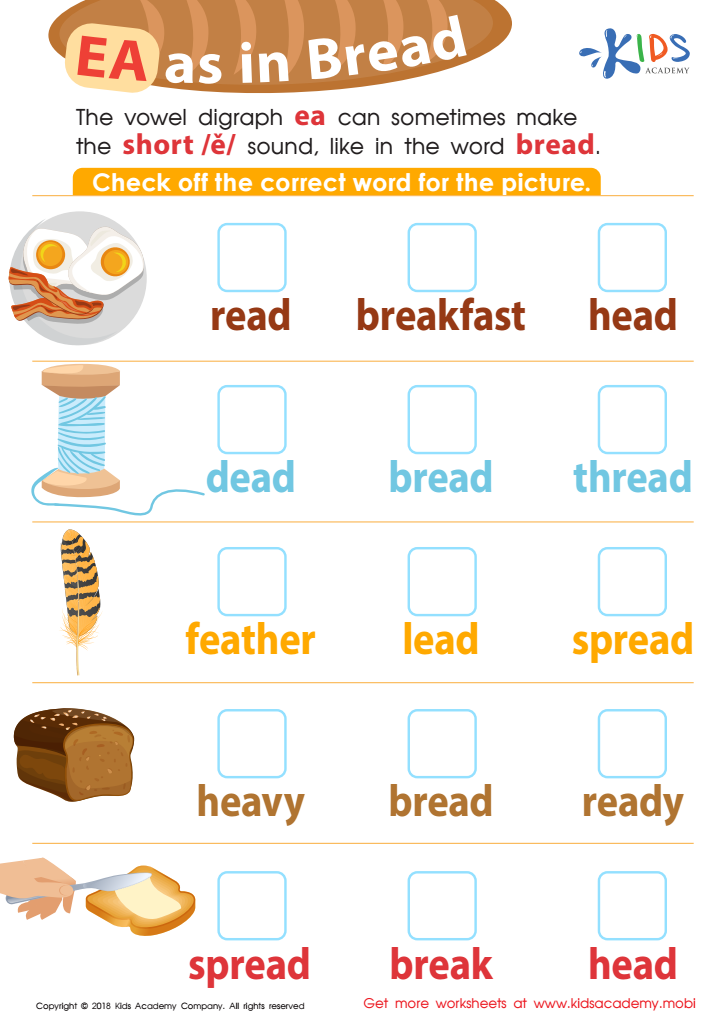
Reading: EA as in Bread Worksheet
 Assign to My Students
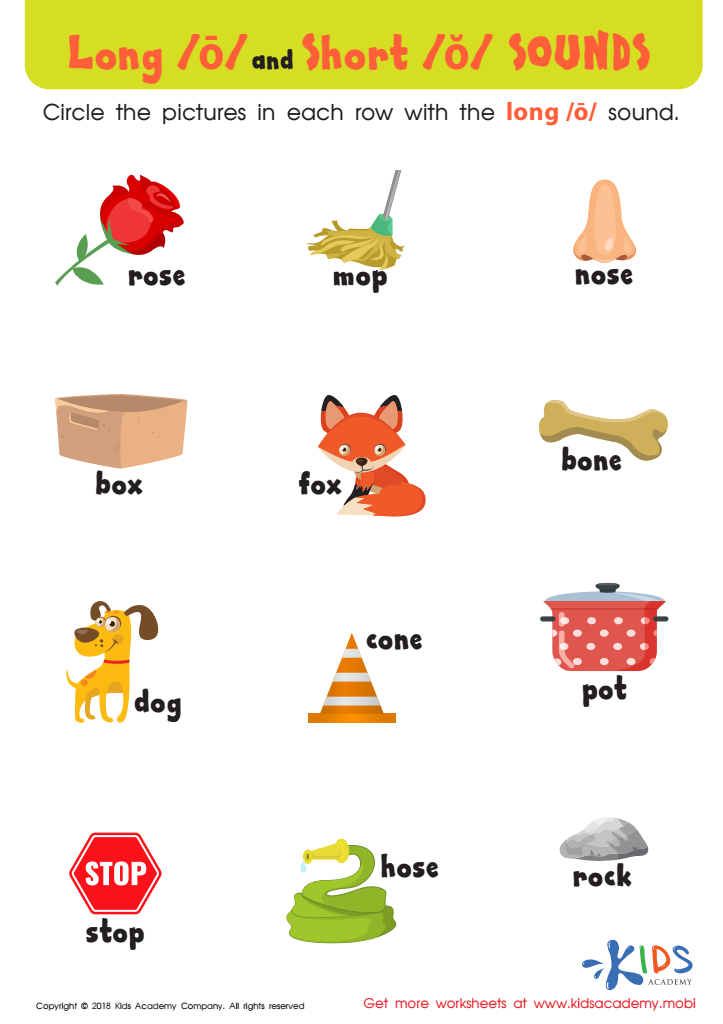
Reading: Long O and Short O Sounds Worksheet
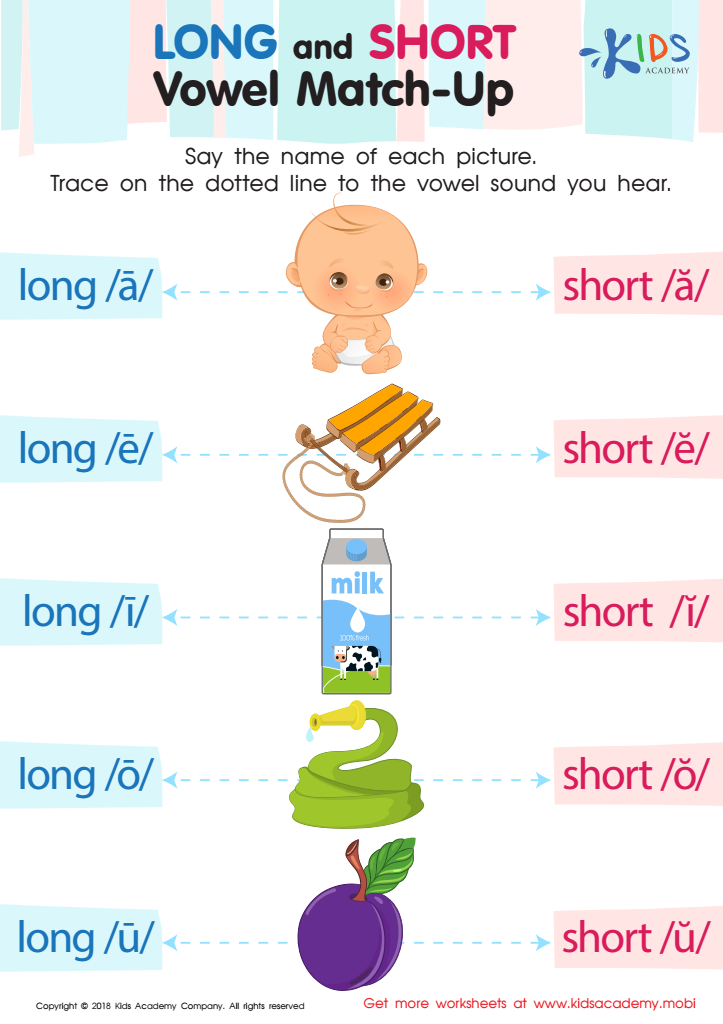
Long and Short Vowel Match up Reading Worksheet
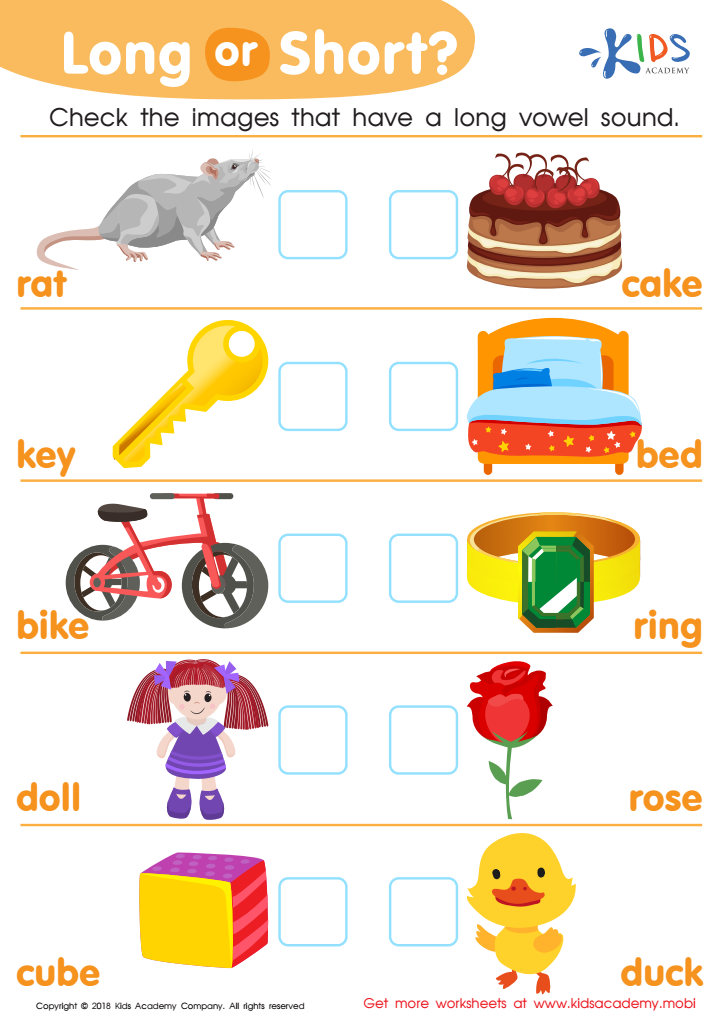
Long or Short Reading Worksheet
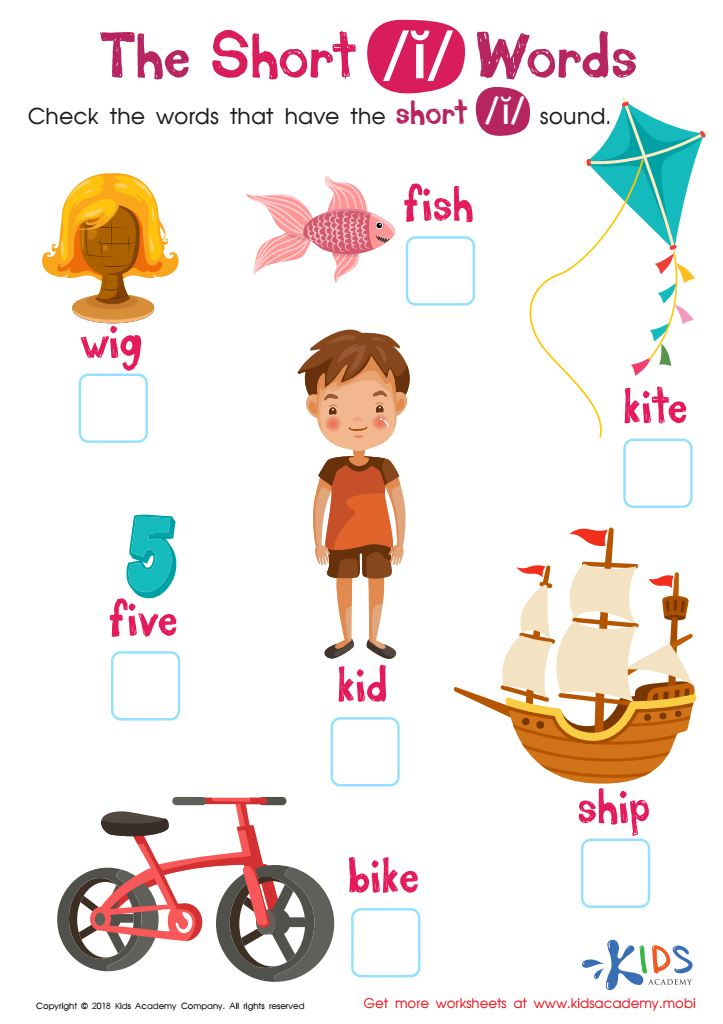
The Short I Words Reading Worksheet
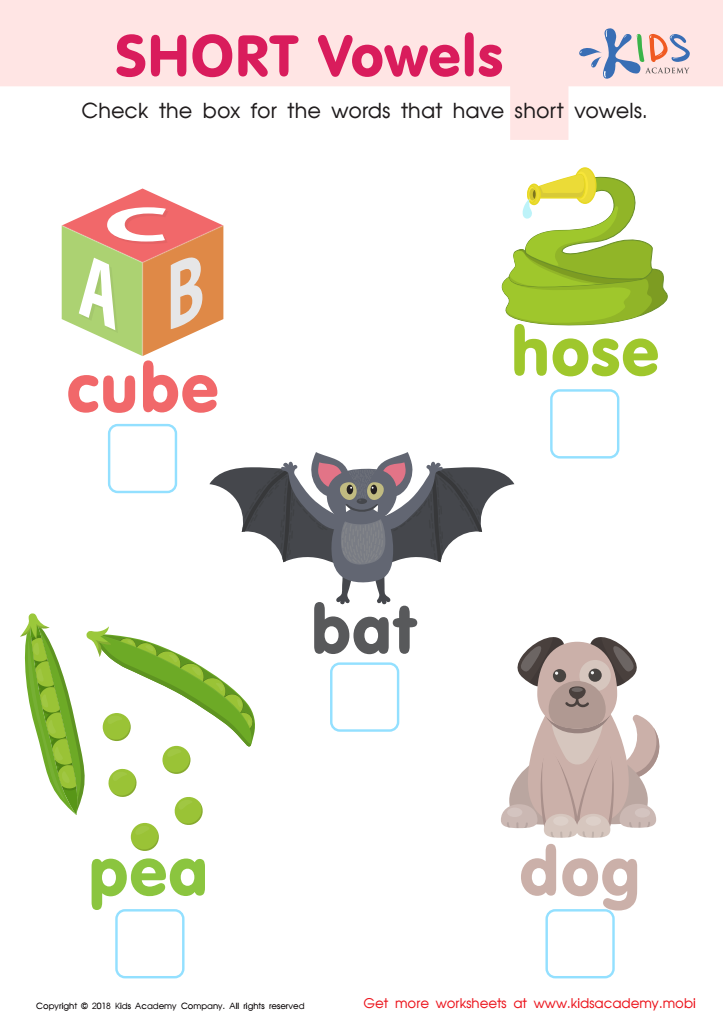
short vowels Worksheet
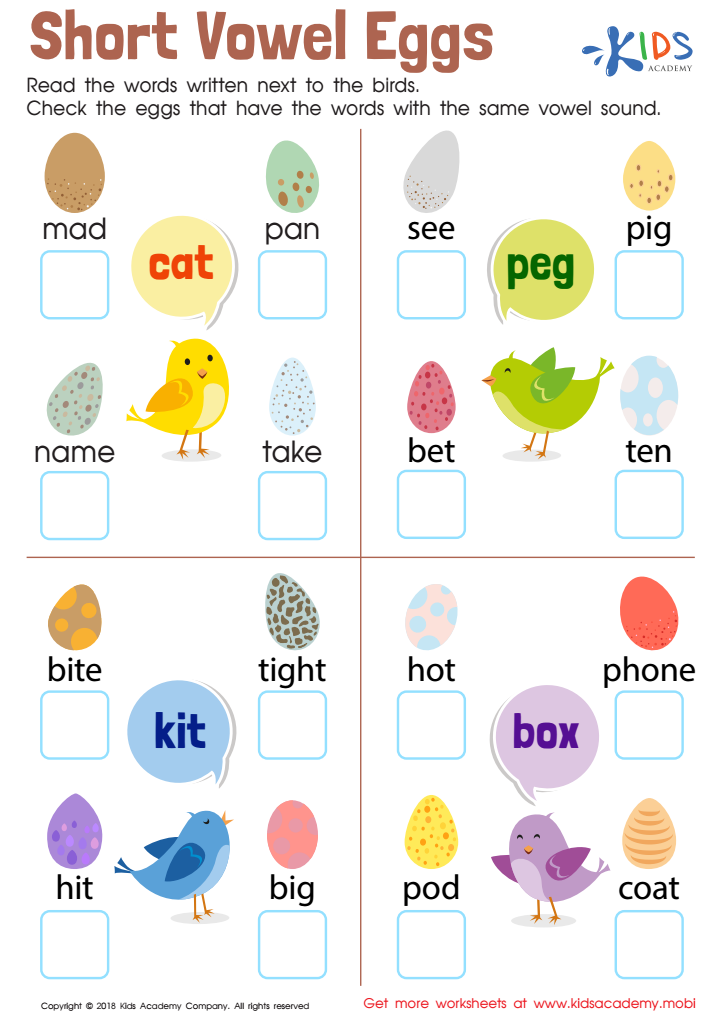
Short Vowel Eggs Worksheet
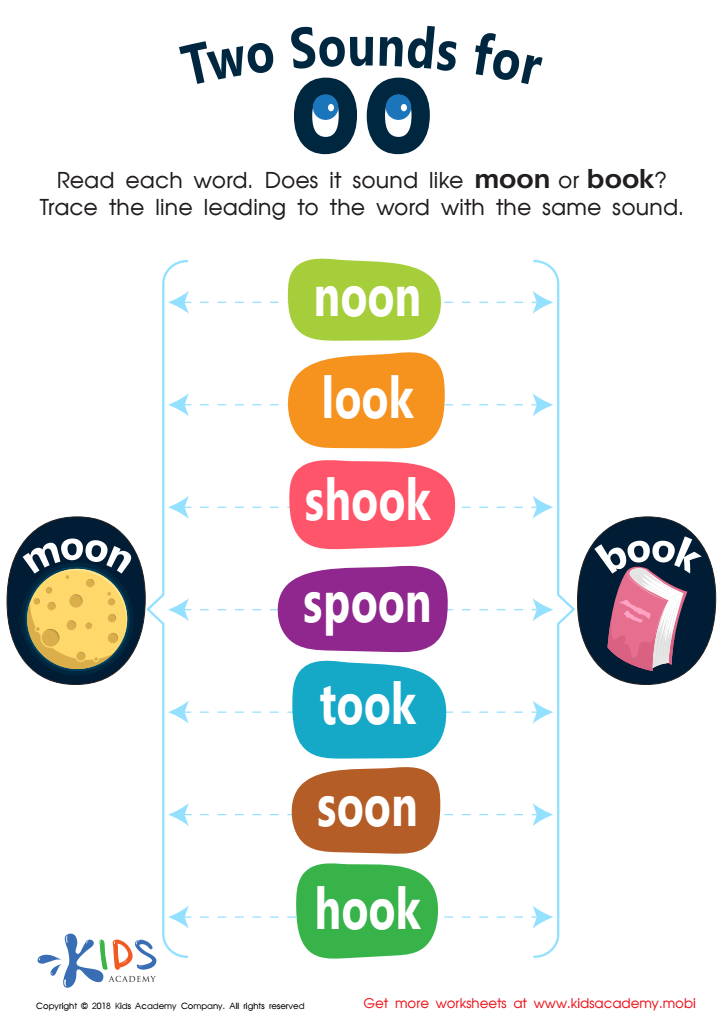
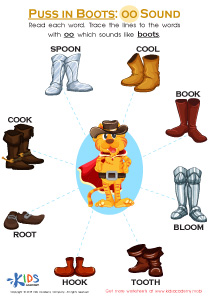
Two Sounds for OO Worksheet
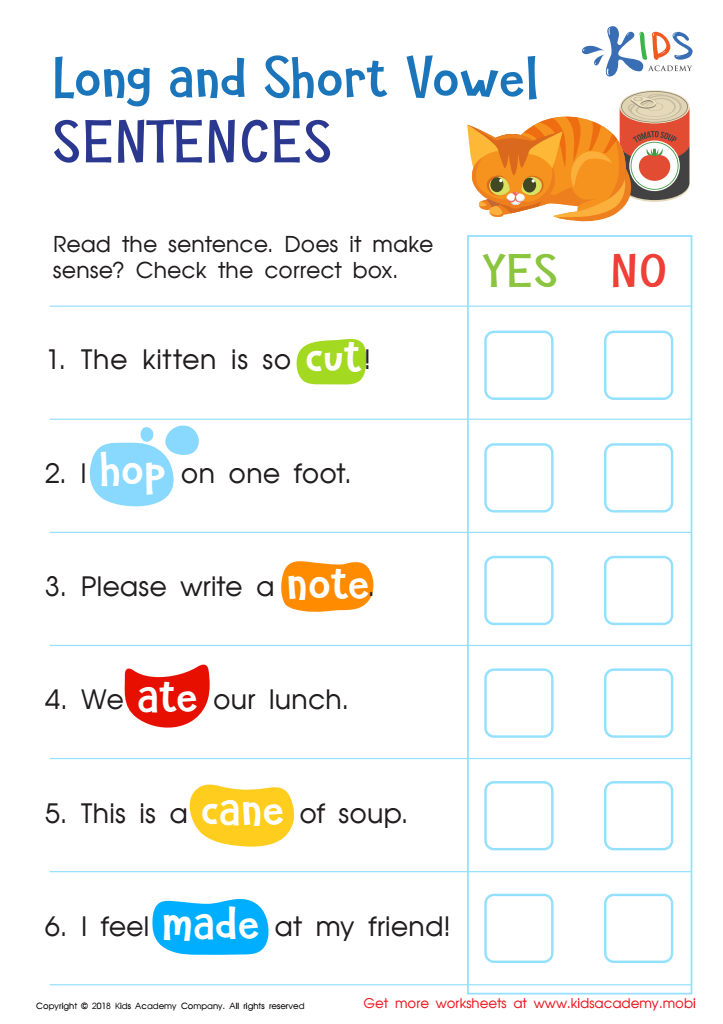
Long and Short Vowel Sentences: Assessment Worksheet
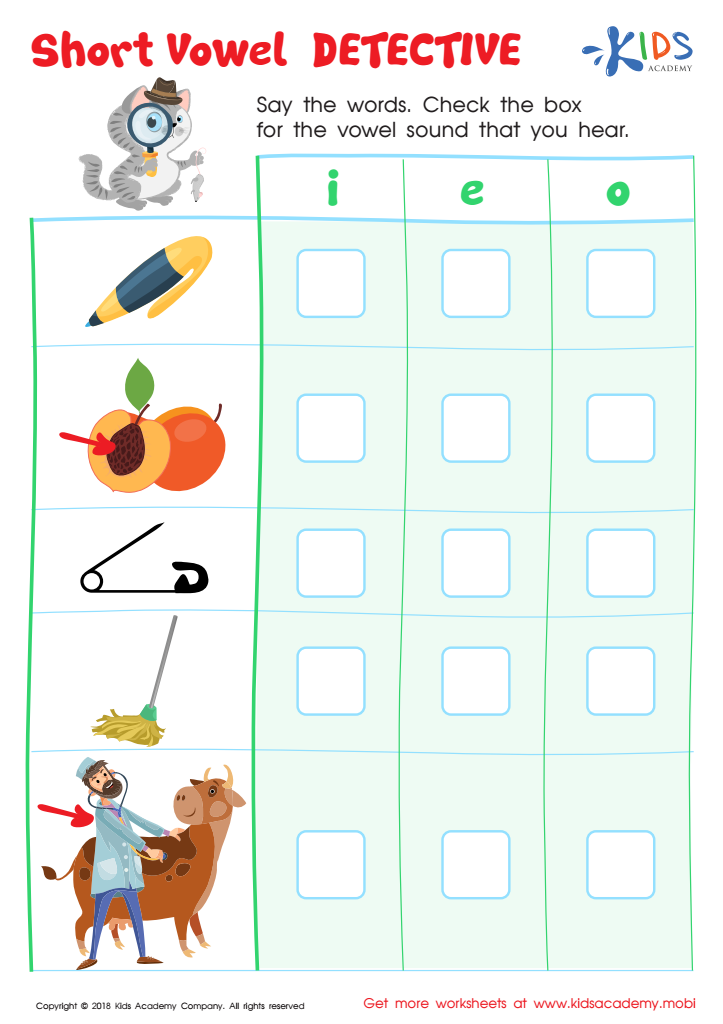
Short Vowel Detective Worksheet
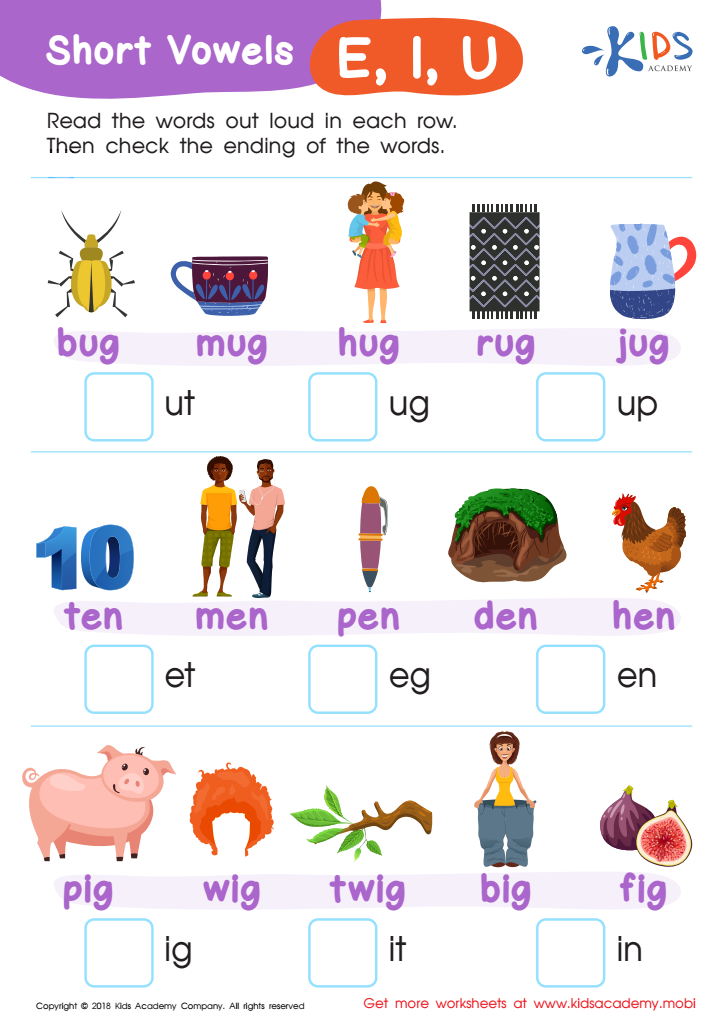
Short Vowels /e/, /i/, and /u/ Worksheet
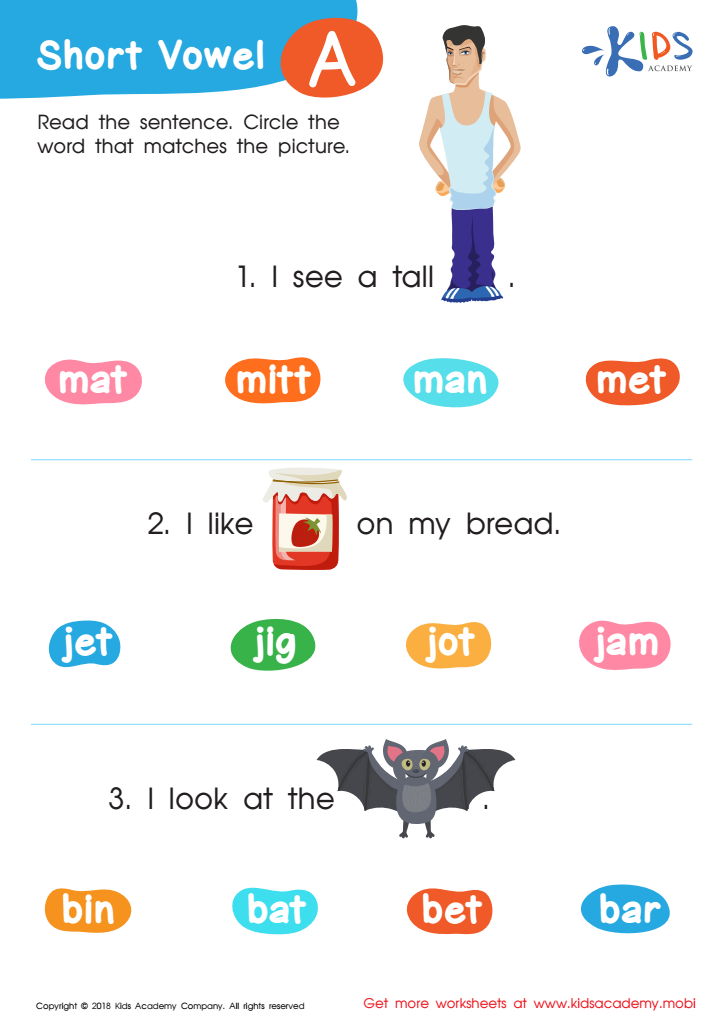
Short Vowel /a/ Worksheet



Parents and teachers should prioritize teaching normal short vowels to ages 5-7 because it sets a crucial foundation for literacy development. At this stage, children are in the early phases of acquiring reading and writing skills, and understanding vowels is central to this process. Short vowels—like the "a" in "cat," the "e" in "bed," and the "i" in "sit"—are among the building blocks of phonics, which is the method used to teach reading by correlating sounds with letters or groups of letters in an alphabetic writing system.
Mastery of short vowels helps children decode unfamiliar words quickly and accurately, enhancing reading fluency. Improved fluency leads to better comprehension since children are not bogged down by struggling with word recognition. Also, a firm grasp of short vowel sounds aids in spelling by enabling children to make accurate predictions about the spelling of unfamiliar words.
Moreover, early success in reading fosters confidence and a positive attitude towards learning, which are vital for long-term academic achievement. For teachers, a clear understanding of vowel sounds allows them to more effectively teach phonics, conduct assessments, and provide targeted interventions when necessary. For parents, reinforcing these skills at home creates a supportive and holistic learning environment. Therefore, investing time and effort into teaching normal short vowels at this age is essential for children’s academic success and literacy.