Filters

83 filtered results

Clear all filters
Favorites
With answer key
Interactive

83 filtered results

Difficulty Level

Grade


Check out this FREE Trial Lesson on Reading Fiction for age 5-7!

Folktales

Favorites
With answer key
Interactive
  • 5-7
  • Interactive
  • Reading Fiction
  • Normal
Sequence: A Day at the Park Worksheet

Sequence: A Day at the Park Worksheet

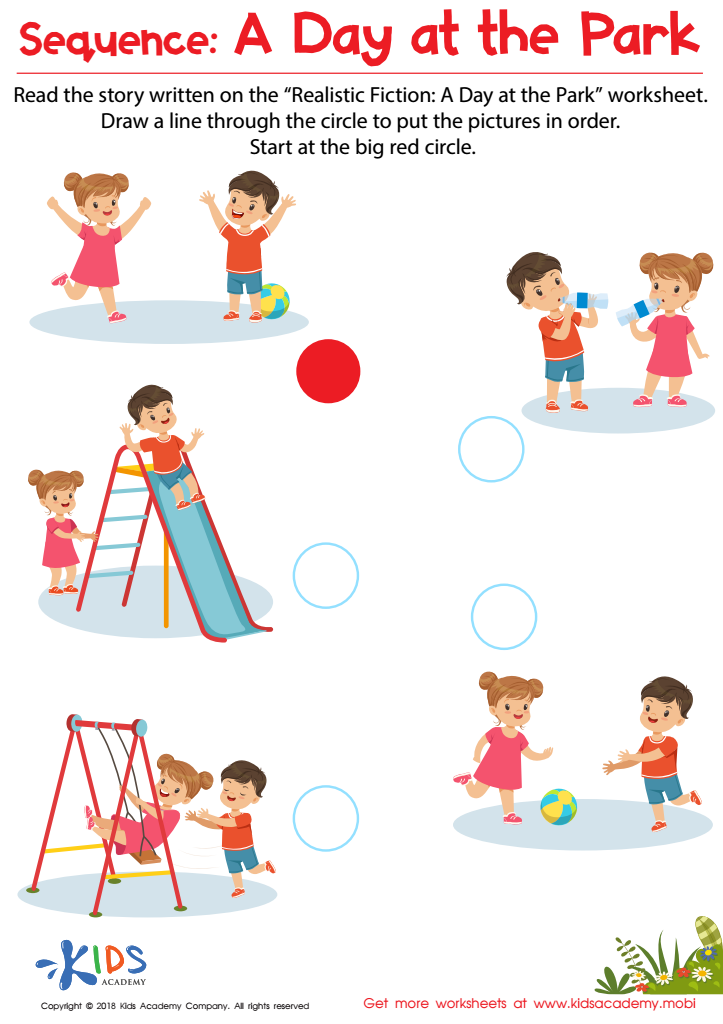
Help your child sequence the events of the story they just read with this activity! Start with the big red circle and draw lines to the other circles next to the images in the correct order. It's a great way to practice their reading skills! Try this downloadable worksheet today!
Sequence: A Day at the Park Worksheet
Worksheet
A Day at the Park Worksheet

A Day at the Park Worksheet

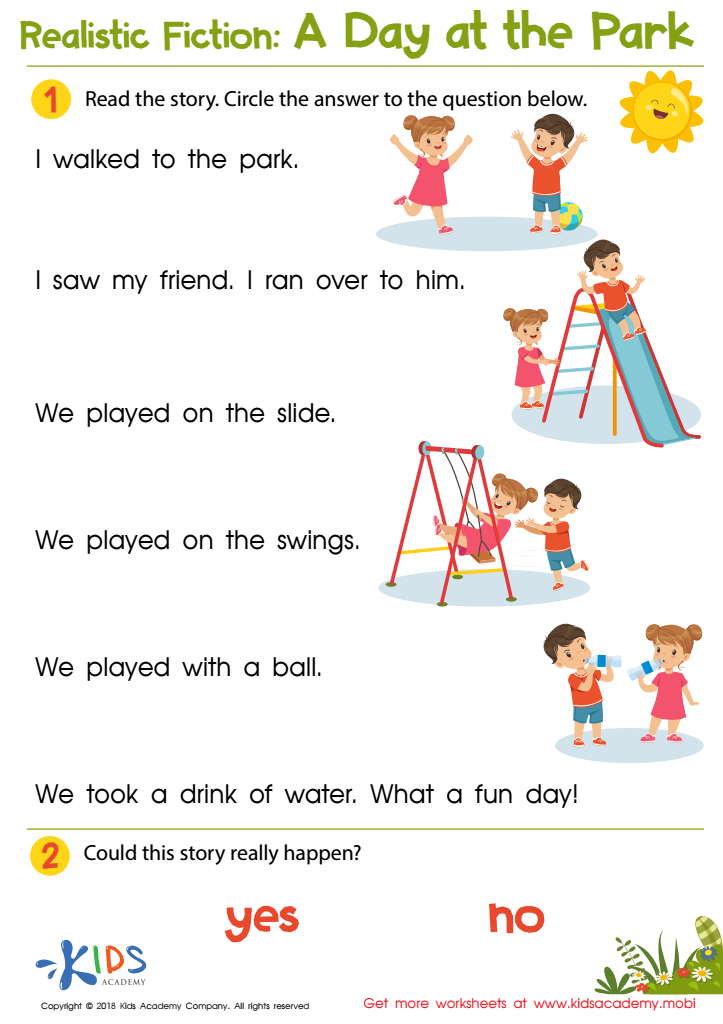
Kids as young as preschool-age can be taught to evaluate stories! Use this fun worksheet about a day at the park. Read each sentence aloud, looking at the pictures. Ask your child if the events in the story could happen in real life - if yes, circle yes, otherwise circle no. When finished, discuss with them the genre, realistic fiction.
A Day at the Park Worksheet
Worksheet
Sequencing: The Tortoise and the Hare Worksheet

Sequencing: The Tortoise and the Hare Worksheet

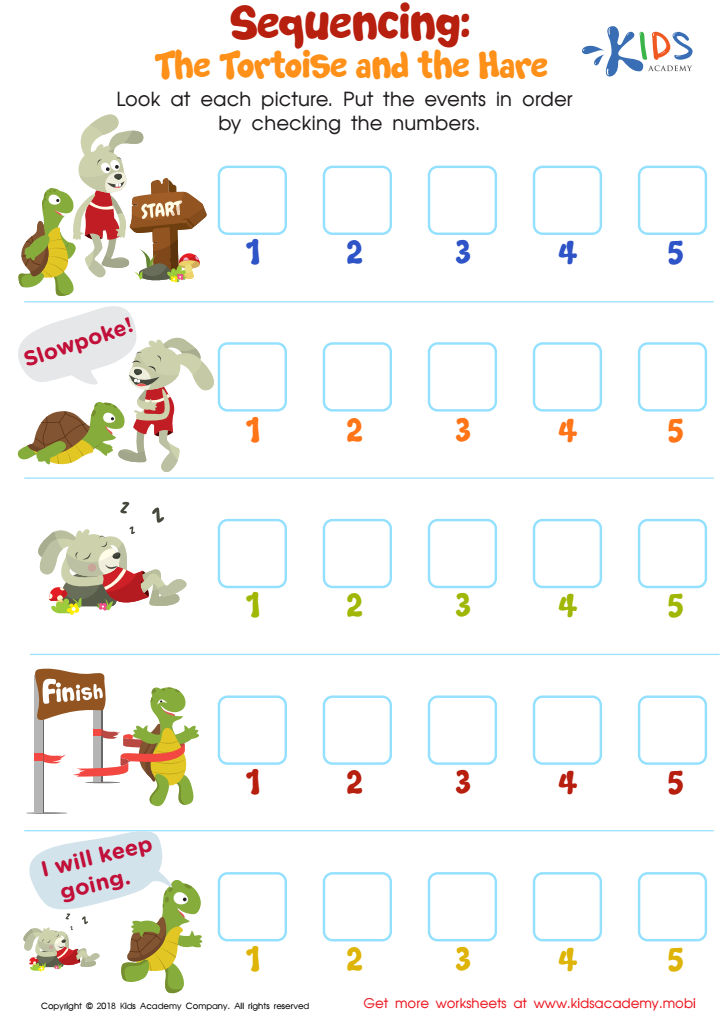
Help your child become an independent reader and critical thinker with a sequencing worksheet from Kids Academy! Have them read the classic tale of the tortoise and the hare and use the accompanying worksheet to check their understanding of the story's sequence of events. Have kids identify the correct order of events by selecting the box next to the correct number for each image!
Sequencing: The Tortoise and the Hare Worksheet
Worksheet
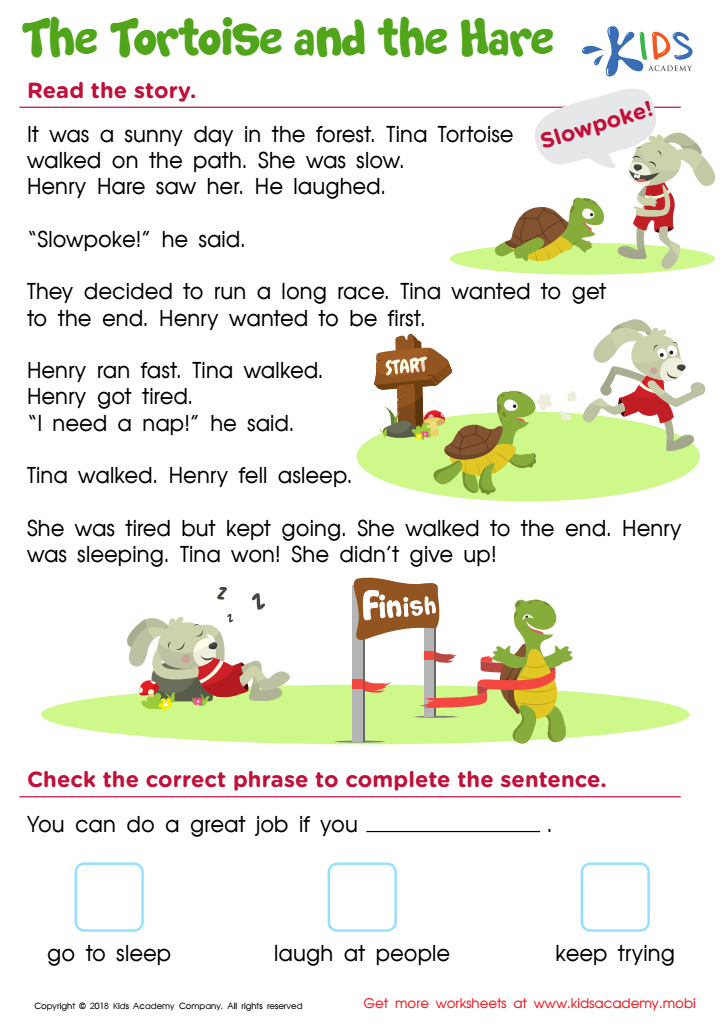
The Tortoise and the Hare Worksheet

The Tortoise and the Hare Worksheet

Help your child uncover the hidden moral in a classic children's tale with this free downloadable worksheet. Joyful illustrations bring the story to life and help young readers visualize the events. With your help, they can answer the question and fill in the blank with the phrase that serves as the story's lesson. Check the box to complete the worksheet!
The Tortoise and the Hare Worksheet
Worksheet
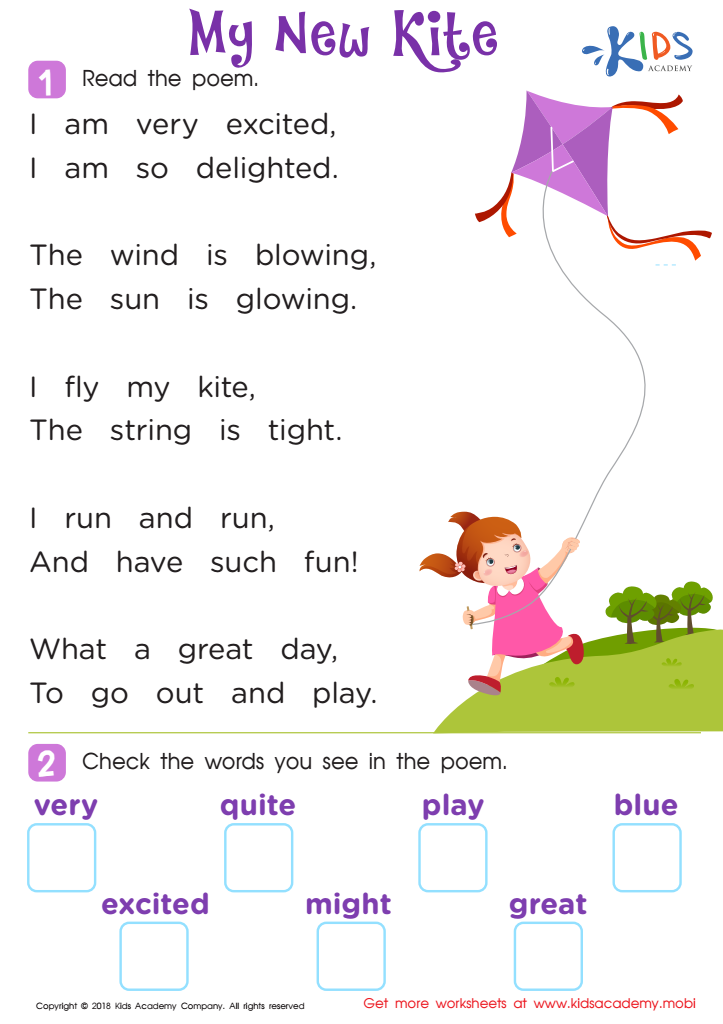
Poem: My New Kite Worksheet

Poem: My New Kite Worksheet

Read a cheerful poem with your child and have them check the boxes next to the words that appear. Then, ask them to identify rhyming words, noting that these won't appear at the bottom of the page. This is a delightful reading activity to help your child remember what they read.
Poem: My New Kite Worksheet
Worksheet
Point of View: The Crow and the Pitcher Worksheet

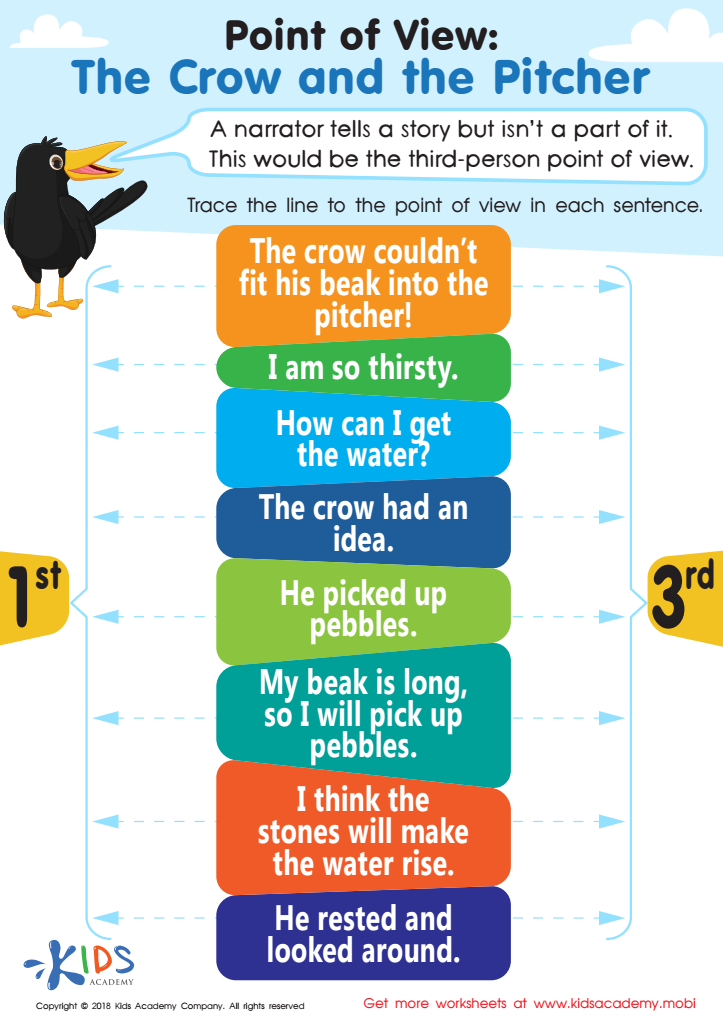
Point of View: The Crow and the Pitcher Worksheet

Help your child learn 1st and 3rd person point of view with our free downloadable worksheet! Using the fable The Crow and the Pitcher, learners read the sentences in each colorful box, then determine which ones are written in 1st or 3rd person. Trace a line from each box to its answer and complete!
Point of View: The Crow and the Pitcher Worksheet
Worksheet
The Crow and the Pitcher Worksheet

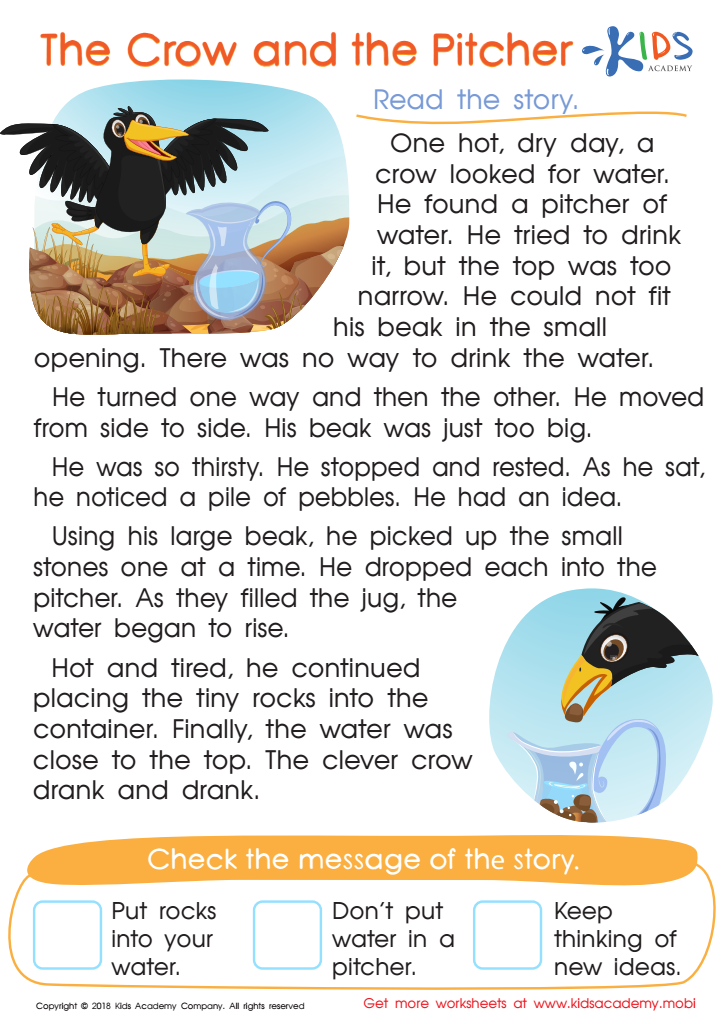
The Crow and the Pitcher Worksheet

Introduce your child to reading comprehension with this fascinating worksheet from Kids Academy! Featuring Aesop's fable of a thirsty crow, your child will enjoy reading and determining the central theme of the passage. This worksheet is a great way to give your child a purpose for reading while helping to build their comprehension skills.
The Crow and the Pitcher Worksheet
Worksheet
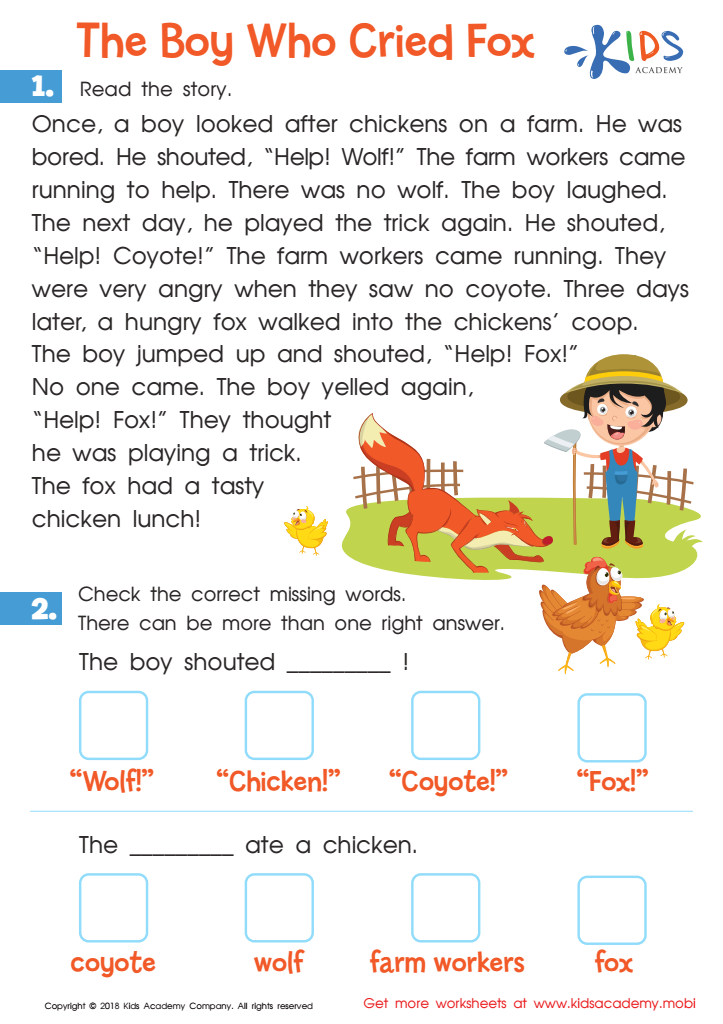
The Boy Who Cried Fox Worksheet

The Boy Who Cried Fox Worksheet

This worksheet encourages students to recall details from a story and answer questions to test their comprehension. Perfect for reading lessons, enrichment, or extra help.
The Boy Who Cried Fox Worksheet
Worksheet
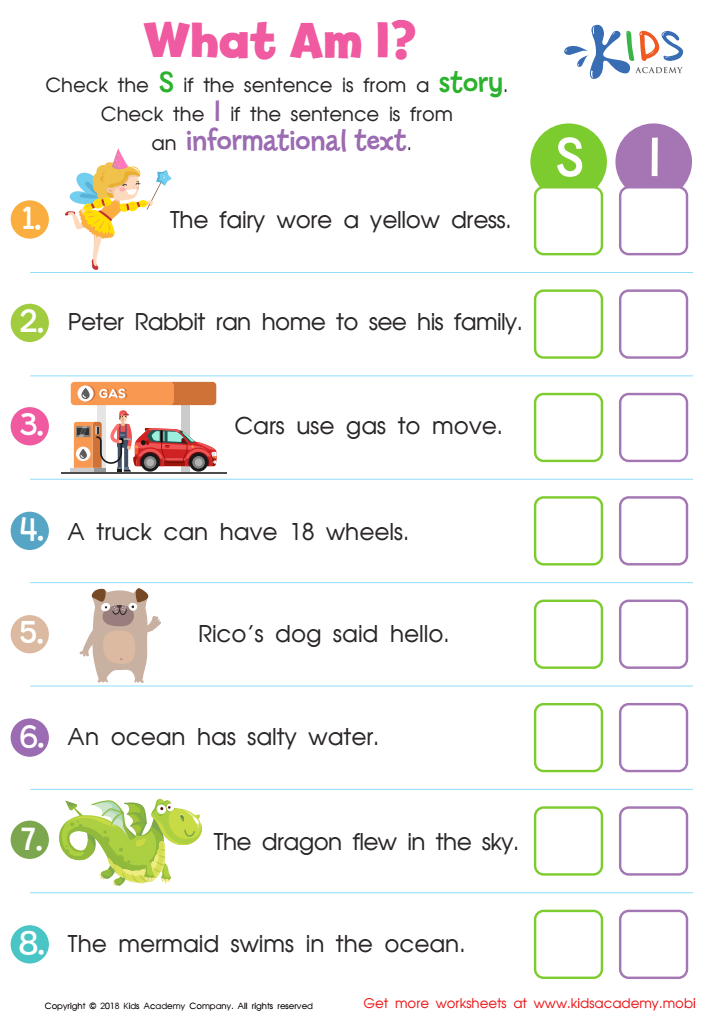
What Am I? Worksheet

What Am I? Worksheet

This worksheet assesses students' ability to differentiate between stories and texts they read for facts. Students learn to distinguish between reading for pleasure and reading for information. It includes statements from both a story and an informational text, and students must decide what type of text it is.
What Am I? Worksheet
Worksheet
Parts of a Story Worksheet

Parts of a Story Worksheet

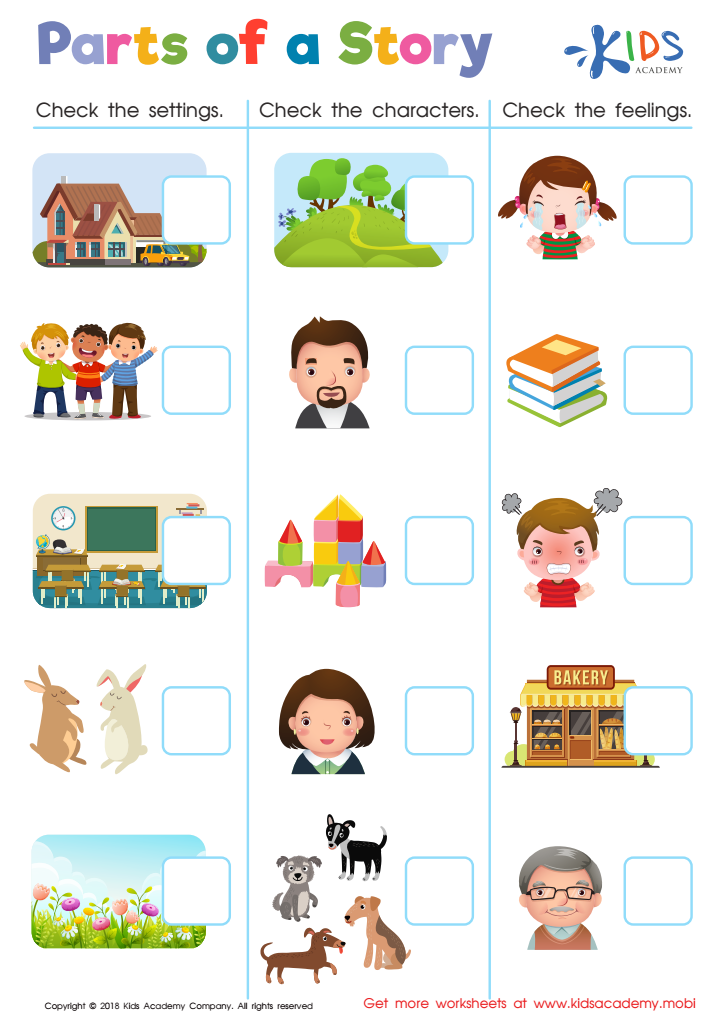
This worksheet is great for emerging readers to identify story elements without needing to read. It features pictures and students decide the right answers. Perfect for aiding understanding of characters, setting, and feelings in a story. Incorporate it into your lessons today!
Parts of a Story Worksheet
Worksheet
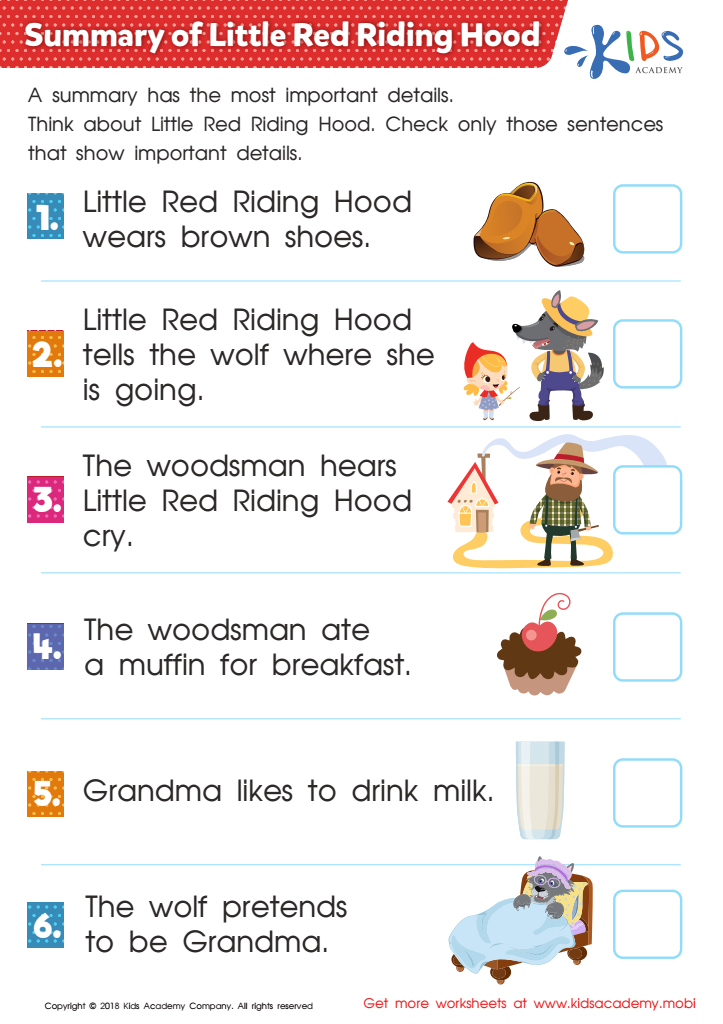
Summary of Little Red Riding Hood Worksheet

Summary of Little Red Riding Hood Worksheet

Young students may find it hard to summarize stories. This worksheet helps them learn to distinguish between important story details and unimportant ones. Practice reading Little Red Riding Hood and pick out only the important details with the help of this downloadable worksheet.
Summary of Little Red Riding Hood Worksheet
Worksheet
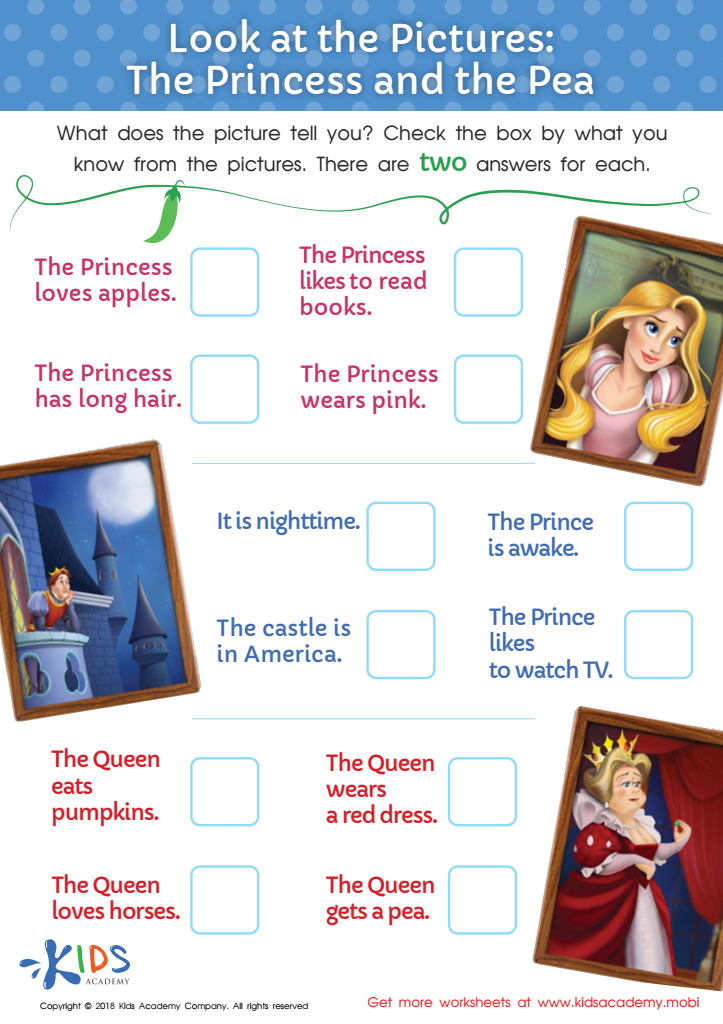
Look at the Pictures: The Princess and the Pea Worksheet

Look at the Pictures: The Princess and the Pea Worksheet

Early readers can benefit from picture clues to understand stories and text. Looking at images helps them learn the meaning of words and comprehend events. Use this worksheet on The Princess and the Pea to let students observe and learn from the pictures. It's a great way to help them comprehend early reading materials.
Look at the Pictures: The Princess and the Pea Worksheet
Worksheet
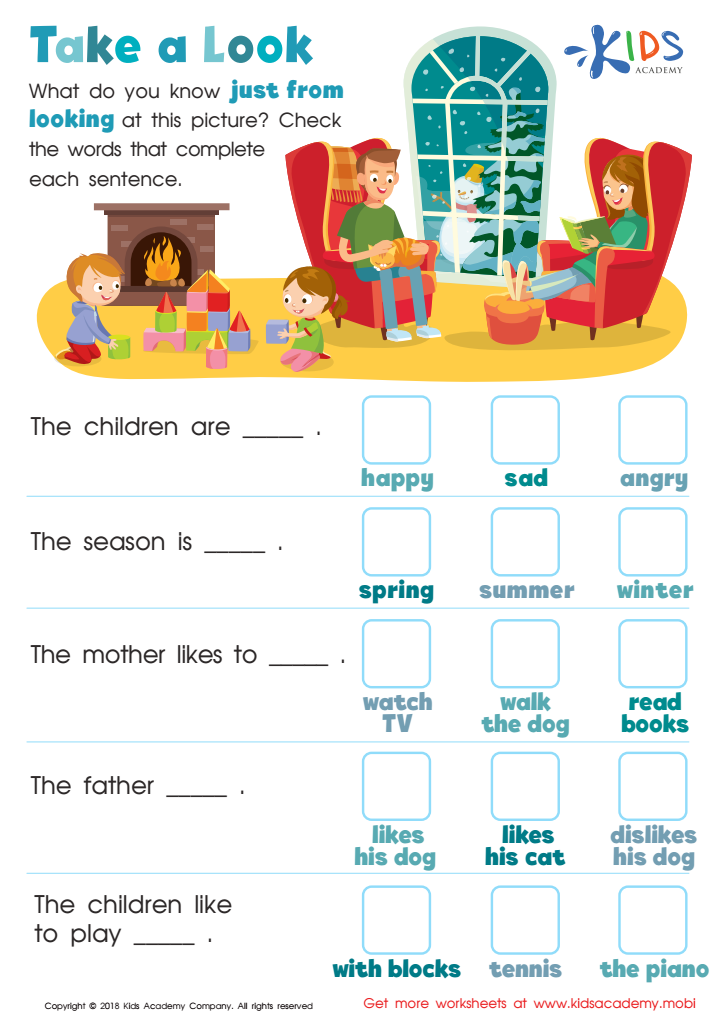
Take a Look - Part 1 Worksheet

Take a Look - Part 1 Worksheet

Young learners gain understanding when using picture clues when reading. Looking at illustrations can help students learn the meaning of key vocabulary when reading fiction or informational text. Ask your students to look at the worksheet and observe what they can learn from the picture. It's a great comprehension strategy for early readers.
Take a Look - Part 1 Worksheet
Worksheet
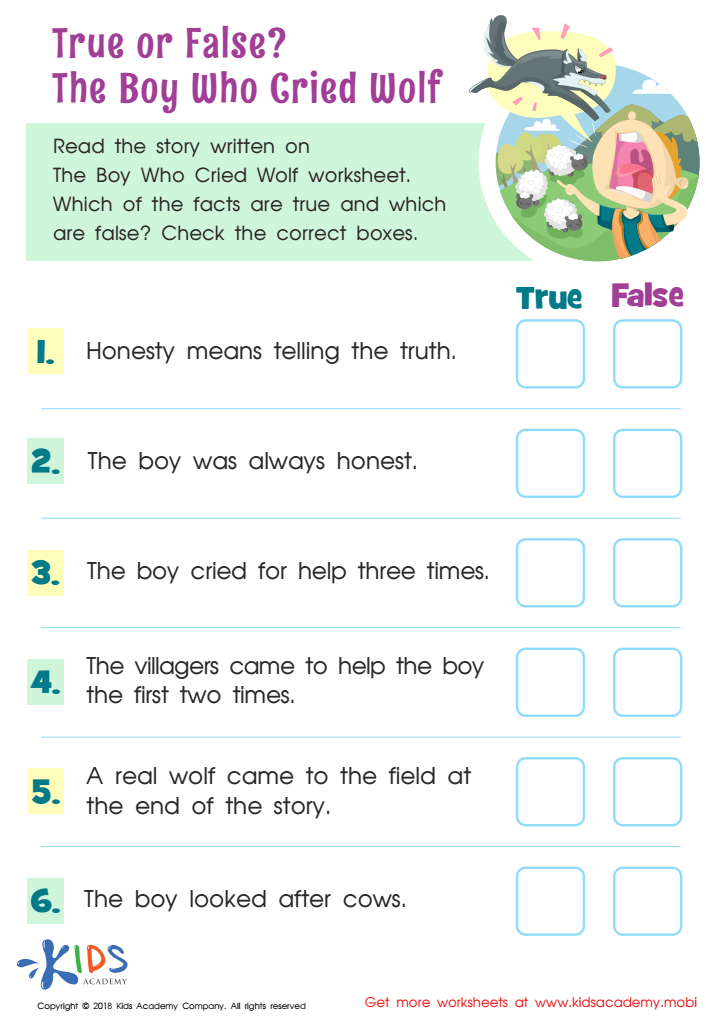
True or False? The Boy Who Cried Wolf Worksheet

True or False? The Boy Who Cried Wolf Worksheet

Test students' understanding of The Boy Who Cried Wolf with this free downloadable worksheet. It contains true/false questions to assess comprehension of key events. Easy to complete, it checks students can recall facts from the story. Try it and see!
True or False? The Boy Who Cried Wolf Worksheet
Worksheet
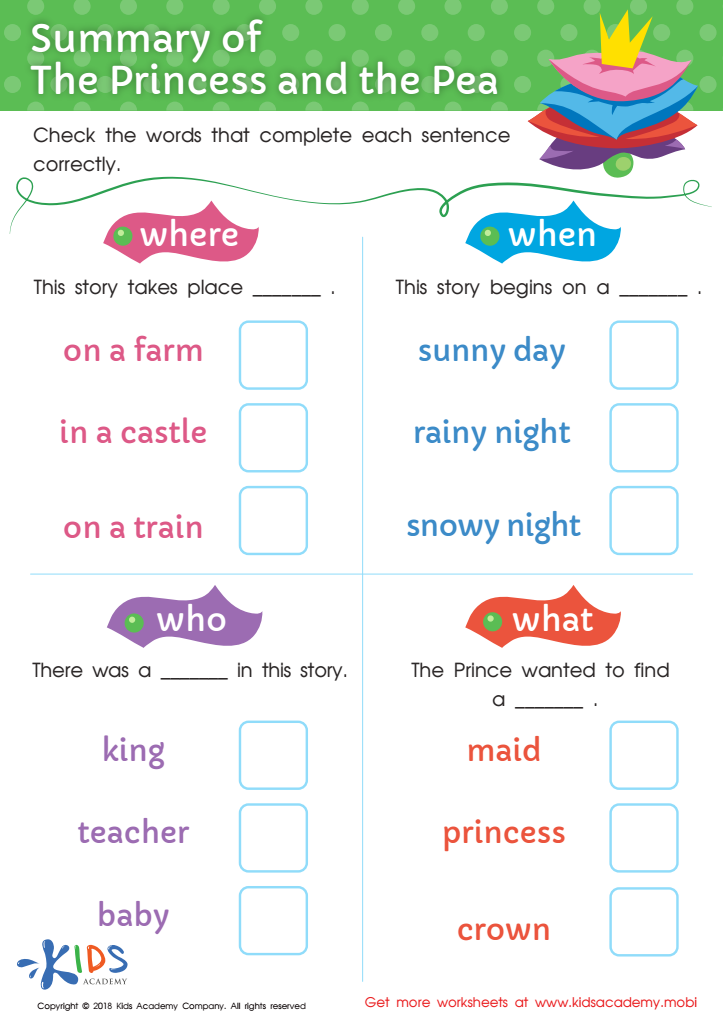
The Summary of the Princess and the Pea Worksheet

The Summary of the Princess and the Pea Worksheet

Test your student’s knowledge of the story The Princess and the Pea with this quick worksheet. With who, what, when and where questions, it's a great way to assess comprehension skills. It's a perfect resource for school or home classrooms. Download it now and start improving comprehension skills!
The Summary of the Princess and the Pea Worksheet
Worksheet
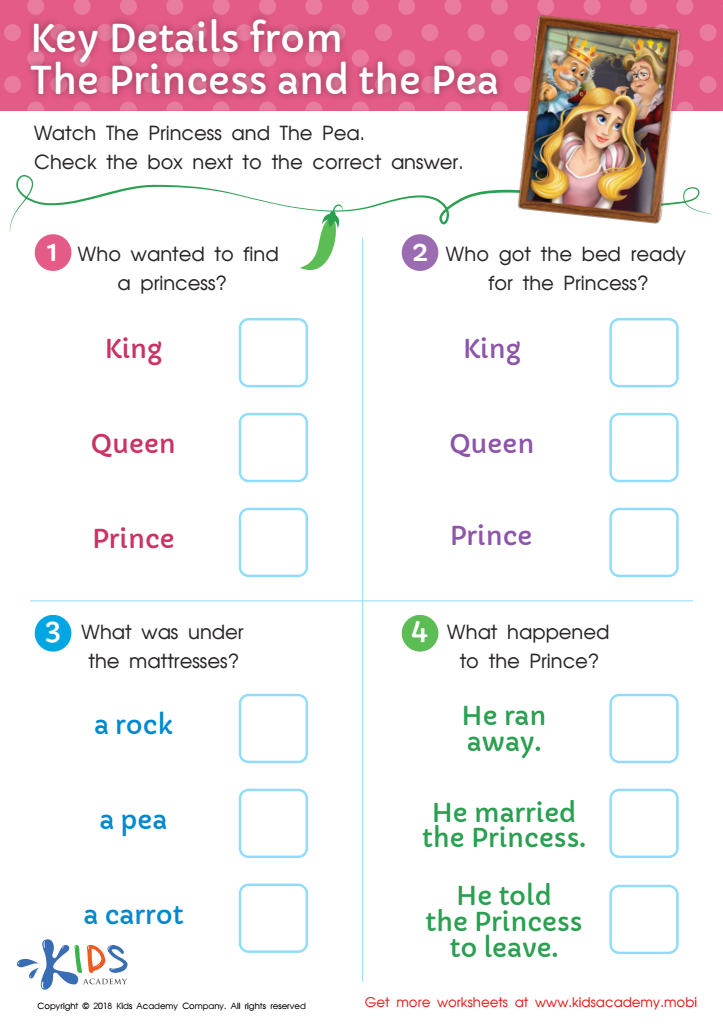
Key Details from the Princess and the Pea Worksheet

Key Details from the Princess and the Pea Worksheet

After reading The Princess and the Pea, ask your students questions to assess their comprehension of the story. Check their knowledge of key details. This printable can be used to help evaluate their understanding. Encouraging the recall of story events helps build important reading skills.
Key Details from the Princess and the Pea Worksheet
Worksheet
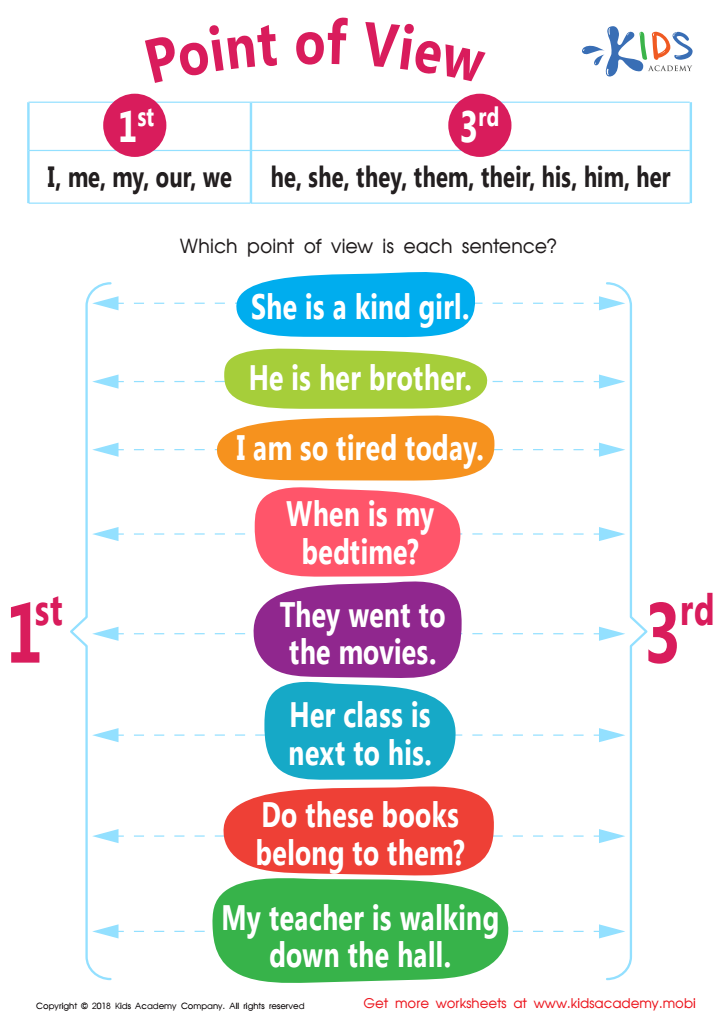
Point of View Worksheet

Point of View Worksheet

This printable worksheet helps kids understand Point of View by providing 1st and 3rd person choices. It's a fun way to practice differentiating between the two viewpoints and improve their reading comprehension. Match the sentences to 1st or 3rd person to strengthen understanding and enjoy the task!
Point of View Worksheet
Worksheet
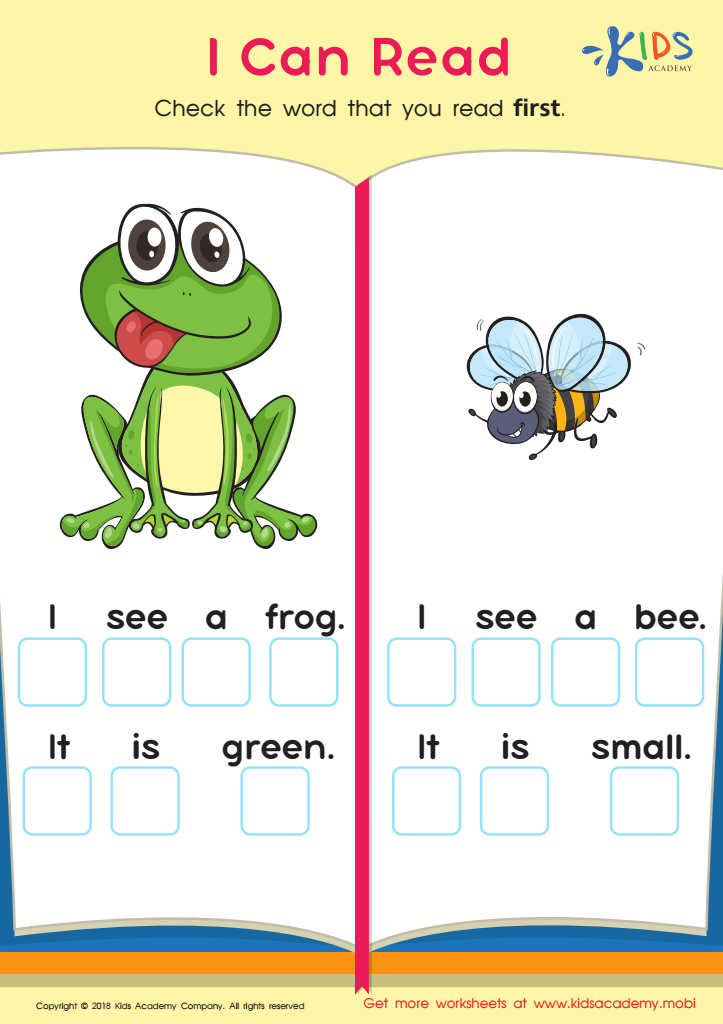
I Can Read Worksheet

I Can Read Worksheet

Test your child's reading skills with this fun worksheet. See how well they know one-letter, two-letter, and five-letter words. Ask your little one to read the sentences and tick the word they identify first. It's a great way to track their progress and help them become more confident readers.
I Can Read Worksheet
Worksheet
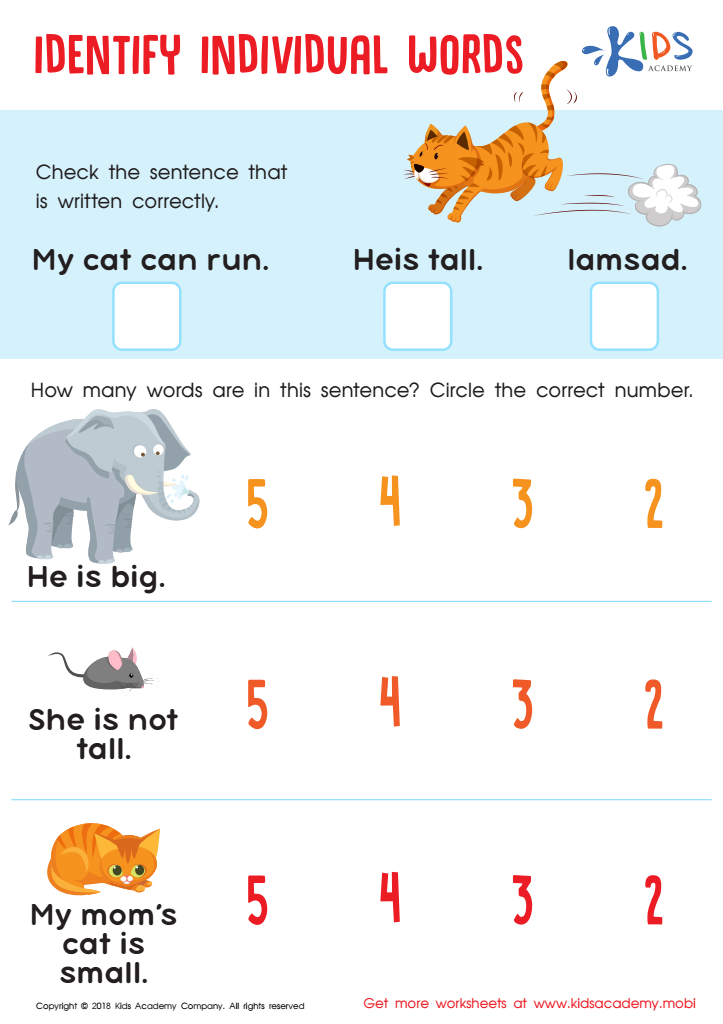
Identify Individual Words Worksheet

Identify Individual Words Worksheet

Does your child have trouble constructing sentences? Check out this worksheet! It will help them identify words that make up sentences and assess how well they can read and answer questions. The first part tests how well they can recognize a written sentence. The second part has them read questions and circle the correct number of words. Give it a try!
Identify Individual Words Worksheet
Worksheet
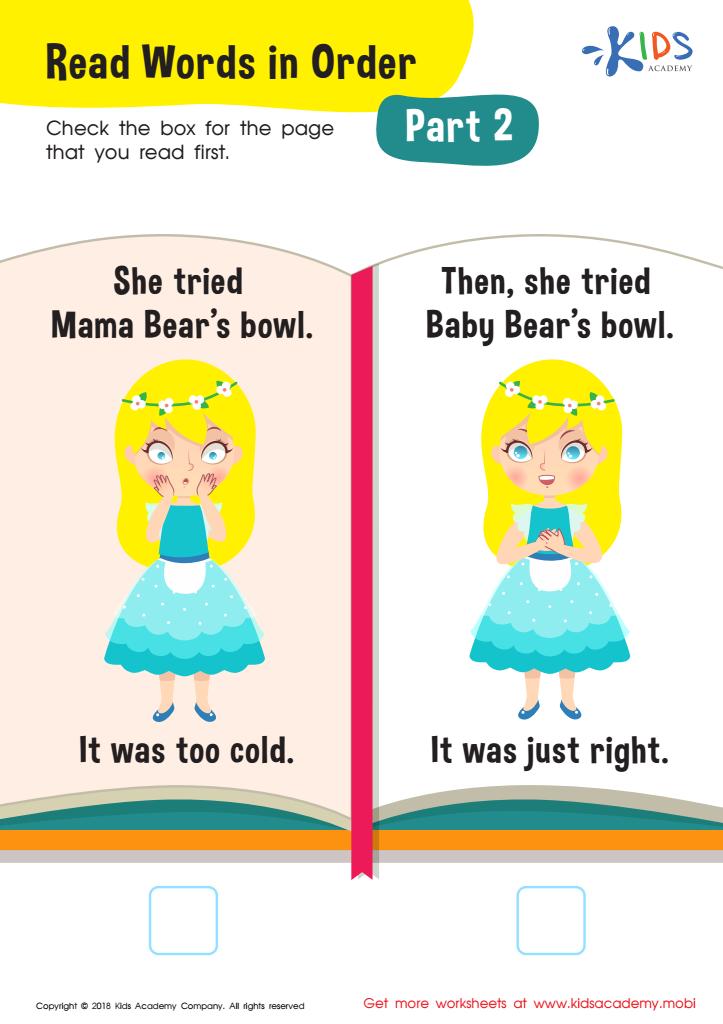
Read Words Order Part 2 Worksheet

Read Words Order Part 2 Worksheet

Help your students make progress with reading by using this easy worksheet. It includes two pictures with short sentences your child should be able to read. Ask them to read these out loud, and if they're struggling, help them. Then, they should check the box that shows the page they'd read first.
Read Words Order Part 2 Worksheet
Worksheet
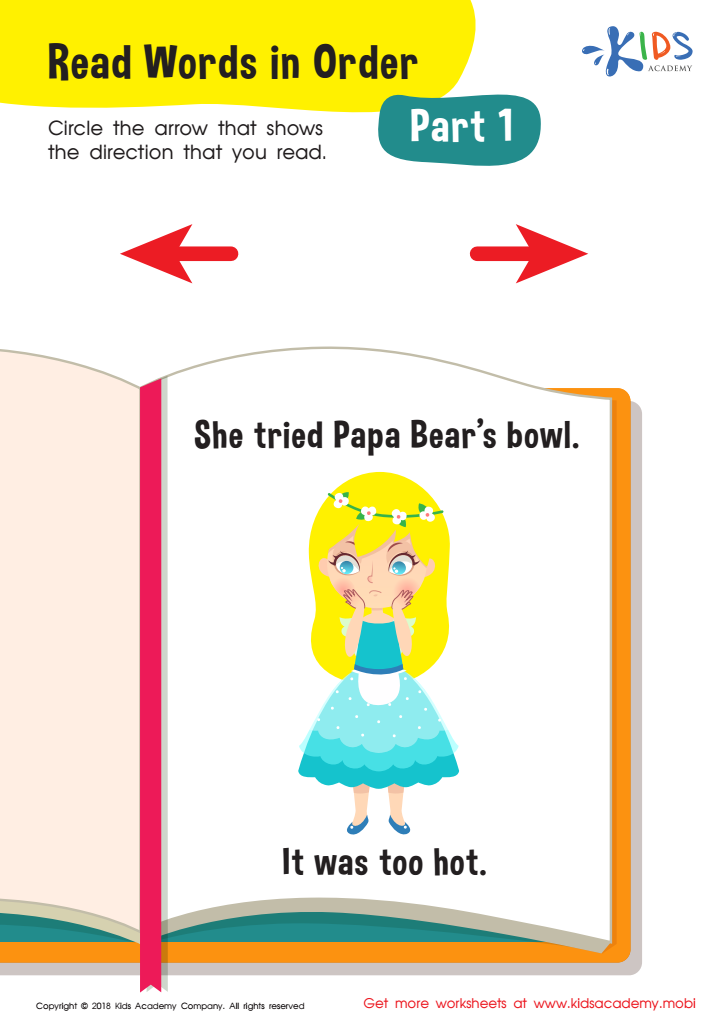
Read Words Order Part 1 Worksheet

Read Words Order Part 1 Worksheet

Is your child just starting out with reading or having trouble? This worksheet is perfect! It'll help them learn the right way to read. Ask them to circle the arrow that shows the right direction to read. With this exercise, your child can overcome some of their reading challenges.
Read Words Order Part 1 Worksheet
Worksheet
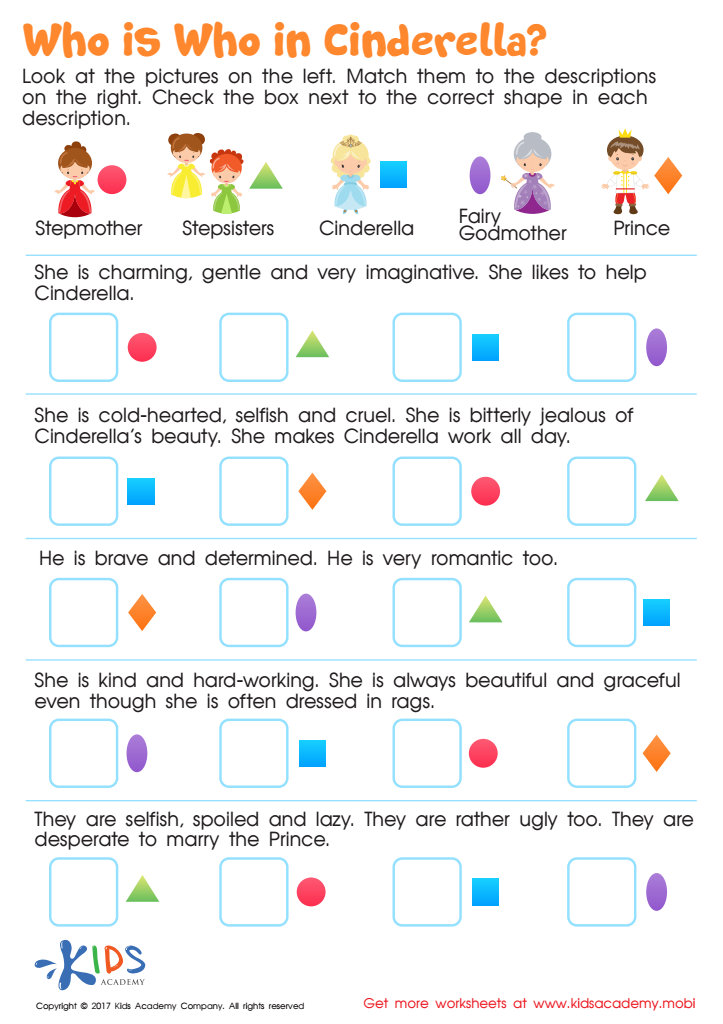
Cinderella comprehension worksheet

Cinderella Comprehension Worksheet
Help your child hone reading comprehension and analysis skills with this fun Cinderella worksheet! They'll practice identifying character traits and building a deeper understanding of the story.
Cinderella Comprehension Worksheet
Worksheet
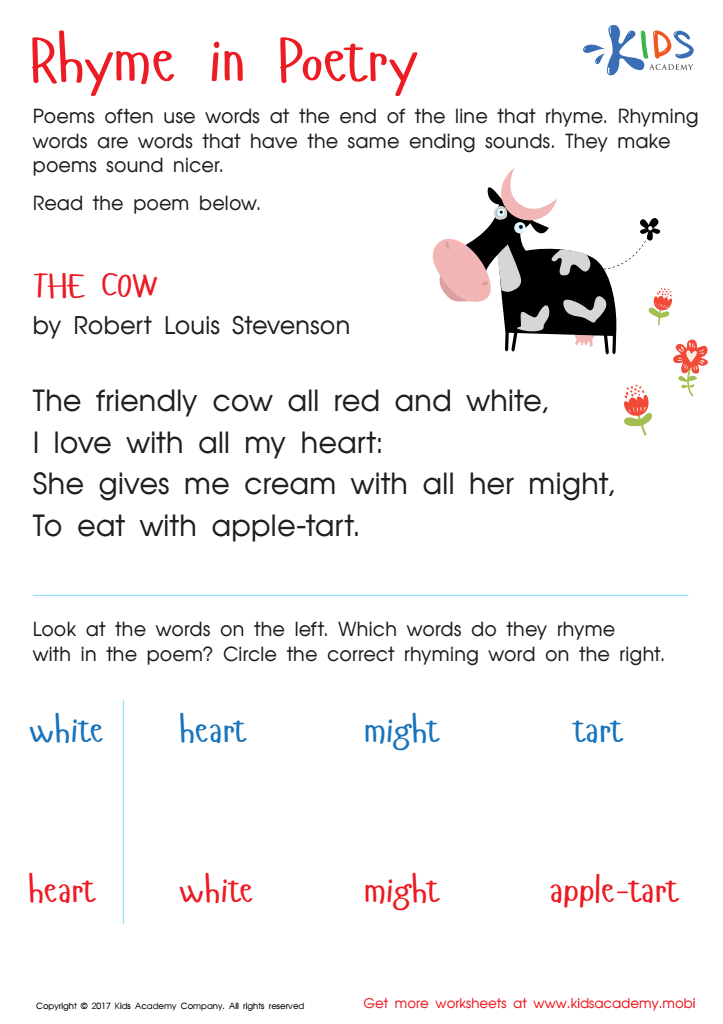
Кhyme in poetry worksheet

Rhyme In Poetry Worksheet

Introduce your child to poetic devices and help build their ear for poetry with Robert Louis Stevenson's adorable poem about a cow! Through this rhyming worksheet, your child will gain an appreciation for poetry and language.
Rhyme In Poetry Worksheet
Worksheet
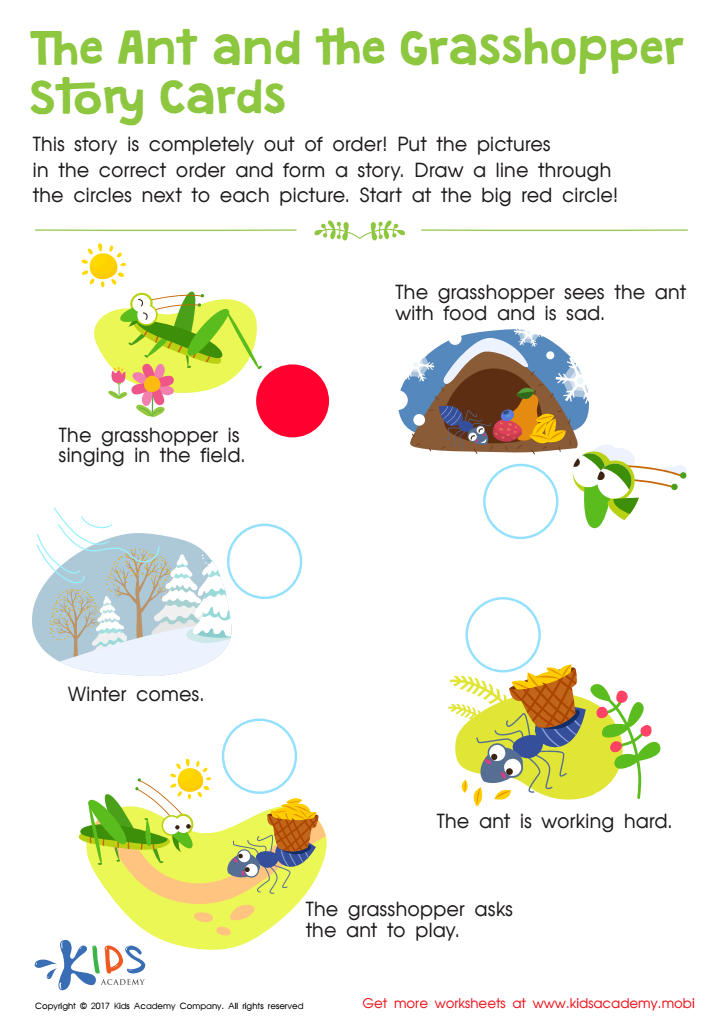
The Ant and the Grasshopper worksheet PDF

The Ant and The Grasshopper Worksheet

This worksheet uses the beloved childhood fable "The Ant and the Grasshopper" to teach your child about plot and order of events. Your child must read the events and put them in the right order. Once completed, review the story with your child to ensure its accuracy.
The Ant and The Grasshopper Worksheet

Worksheet


Parents and teachers should prioritize Normal Reading Fiction for ages 5-7 because it plays a crucial role in early literacy development. At this age, children are developing key language skills, learning vocabulary, and understanding narrative structure. Engaging with fiction encourages imagination and creativity, allowing young readers to explore different perspectives and learn about emotions, cultures, and social situations.

Fiction can also enhance comprehension skills, as it allows children to connect with characters and plots, improving their ability to predict outcomes and make inferences. Moreover, storytelling fosters a love for reading, instilling a lifelong passion for books, which is essential for academic success in later years.

Additionally, reading fiction can provide valuable bonding experiences between parents and children, as shared stories create opportunities for discussion and connection. Through these bonds, children feel supported and encouraged to express their thoughts and feelings.

Lastly, exposure to diverse texts can cultivate empathy and understanding, which are vital social skills. By prioritizing Normal Reading Fiction for young learners, parents and teachers can significantly impact literacy development, foster emotional intelligence, and promote essential critical thinking skills, setting a solid foundation for lifelong learning.