Normal Science Worksheets for Ages 5-7
239 filtered results
-
From - To
Delve into the fascinating world of science with our "Normal Science Worksheets for Ages 5-7"! Designed specifically for young minds, these printable worksheets cover essential scientific concepts including nature, animals, body, space and weather. Each activity aims to spark curiosity, enhance critical thinking, and support early STEM education in a fun and engaging way. With visually appealing images and age-appropriate challenges, these resources help children explore their surroundings while honing observational skills. Ideal for both at-home learning and classroom activities, our worksheets provide endless educational adventures. Start your child’s scientific journey today!
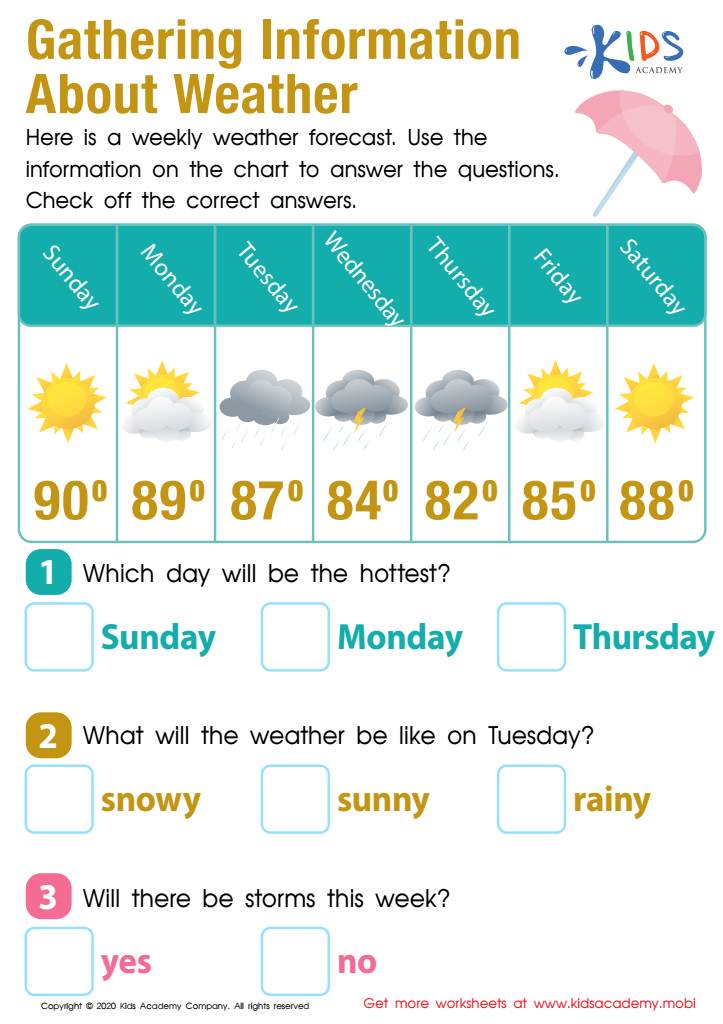
Gathering Information About the Weather Worksheet
 Assign to My Students
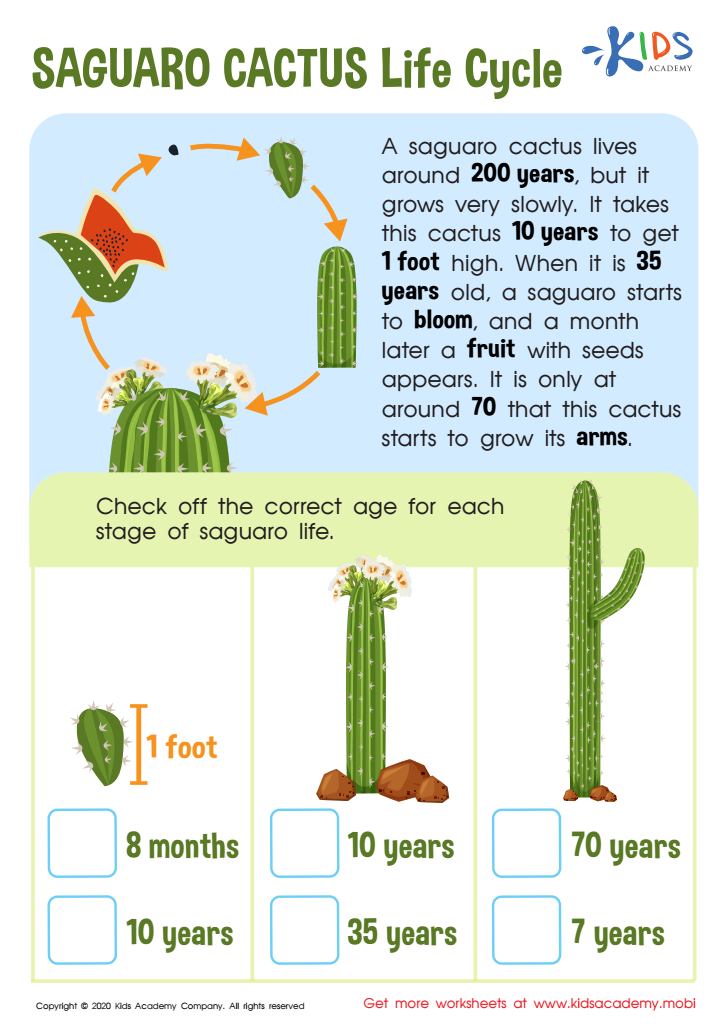
Saguaro Cactus Life Cycle Worksheet
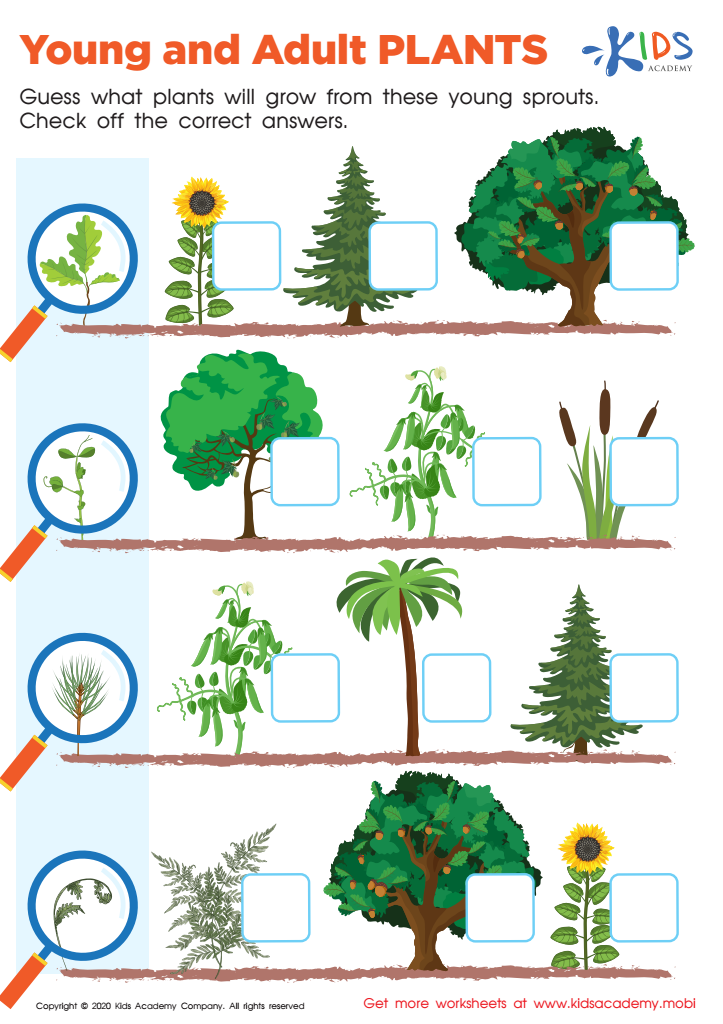
Young and Adult Plants Worksheet
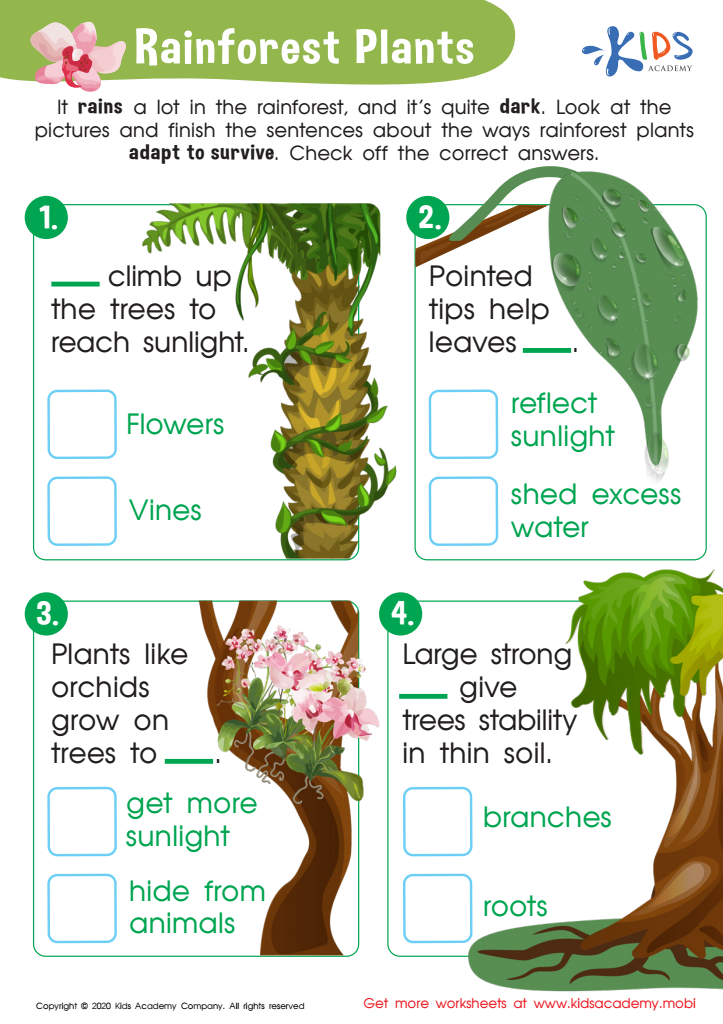
Rainforest Plants Worksheet
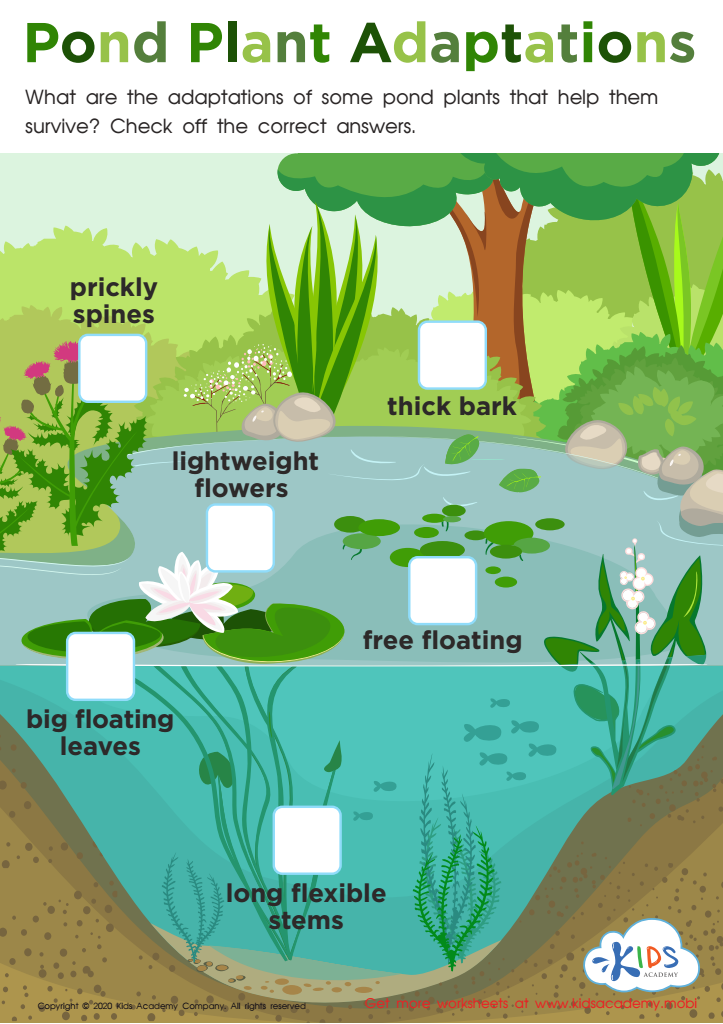
Pond Plant Adaptations
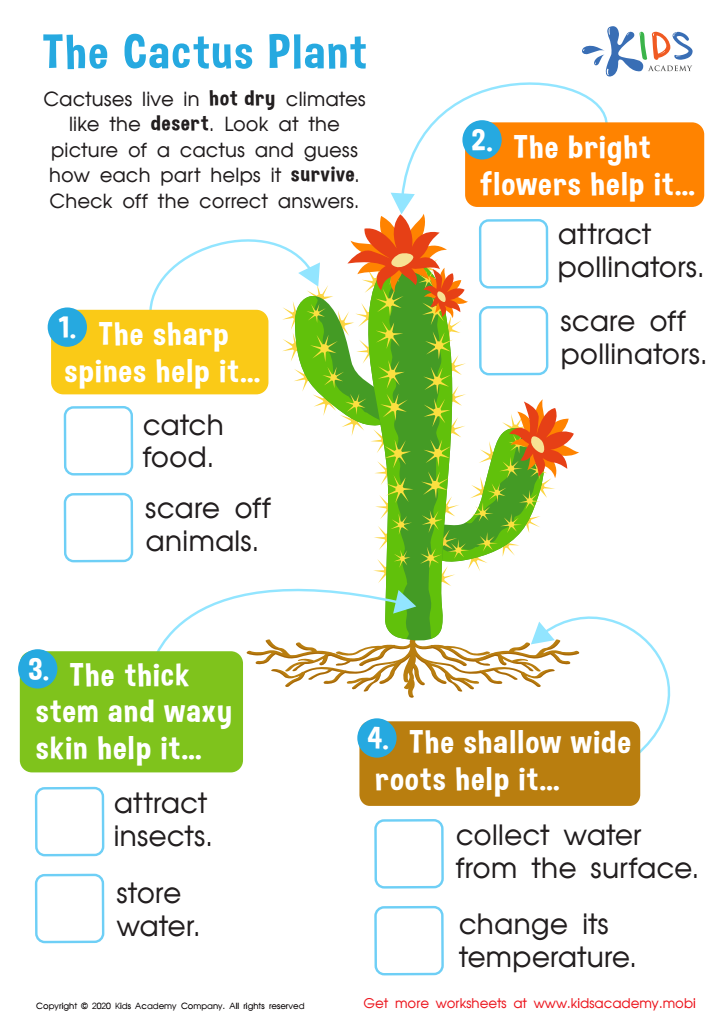
The Cactus Plant Worksheet
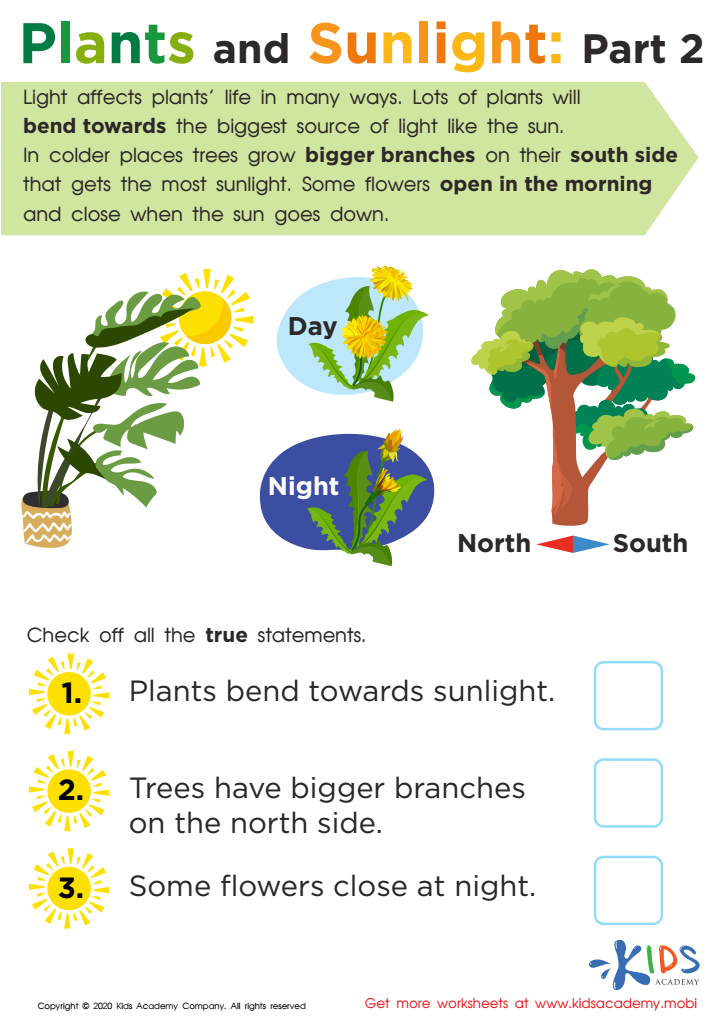
Plants and Sunlight: Part 2 Worksheet
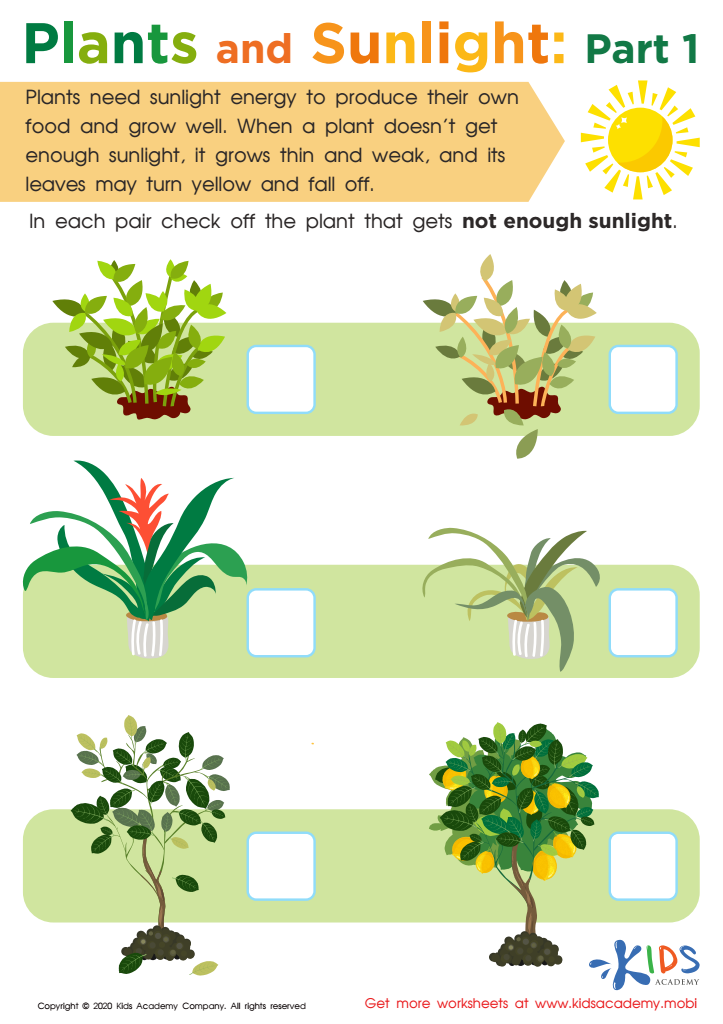
Plants and Sunlight: Part 1 Worksheet
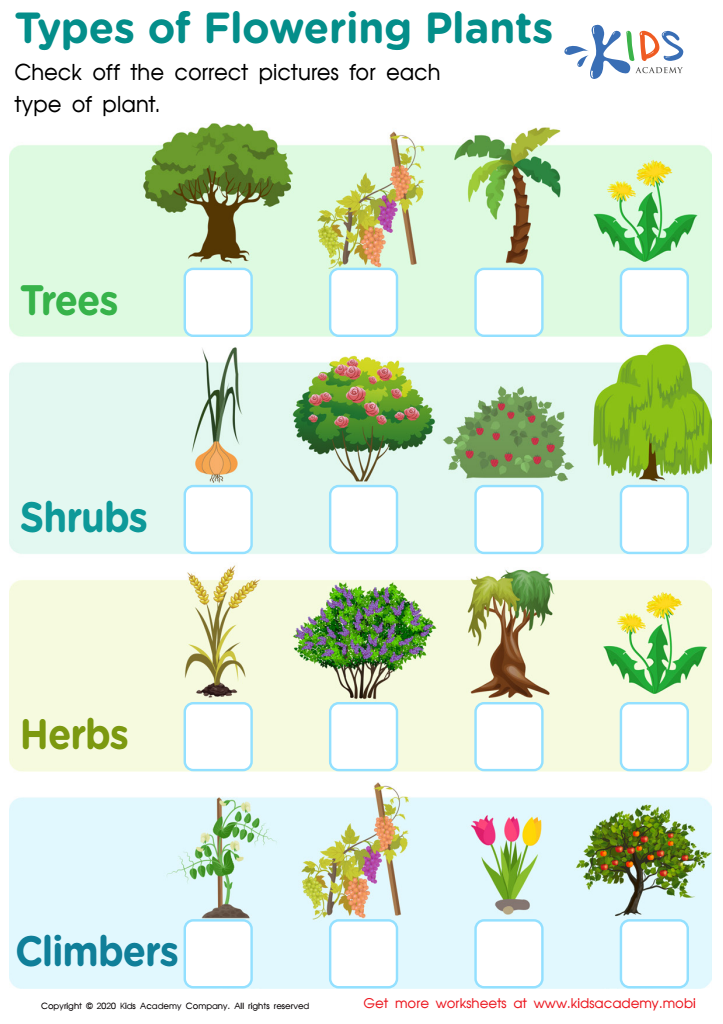
Types of Flowering Plants Worksheet
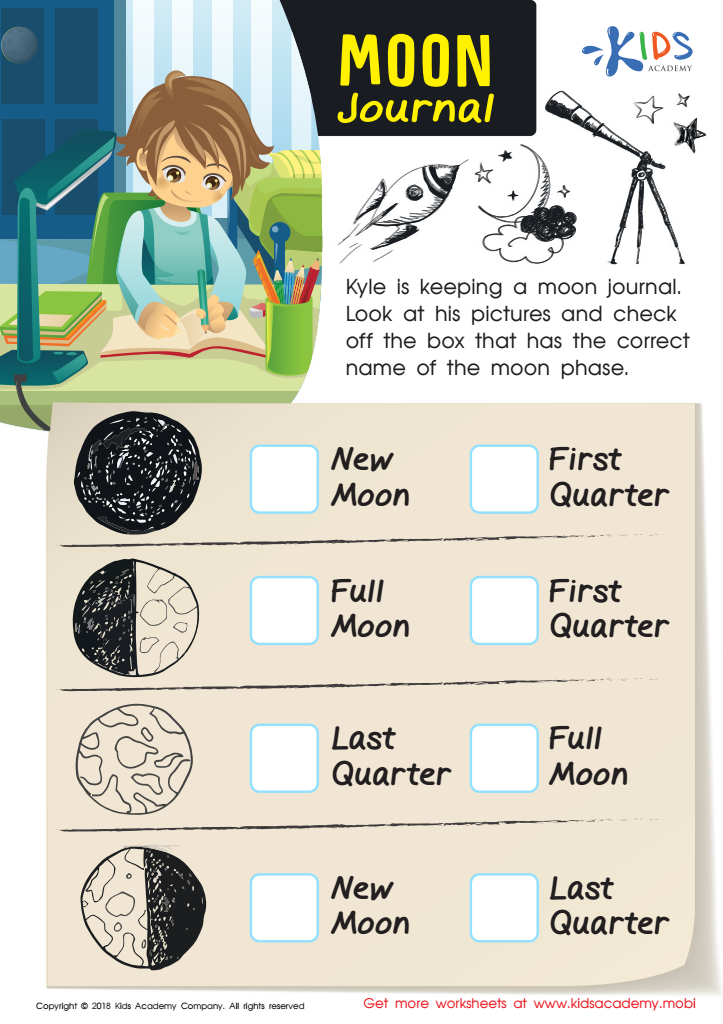
Moon Journal Worksheet
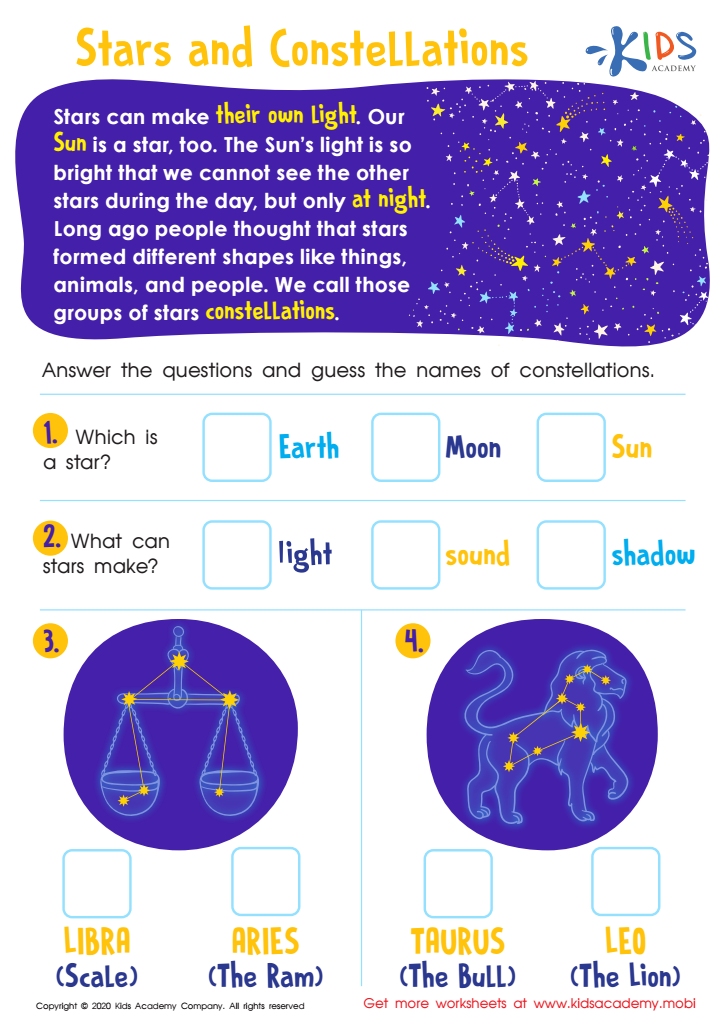
Stars and Constellations Worksheet
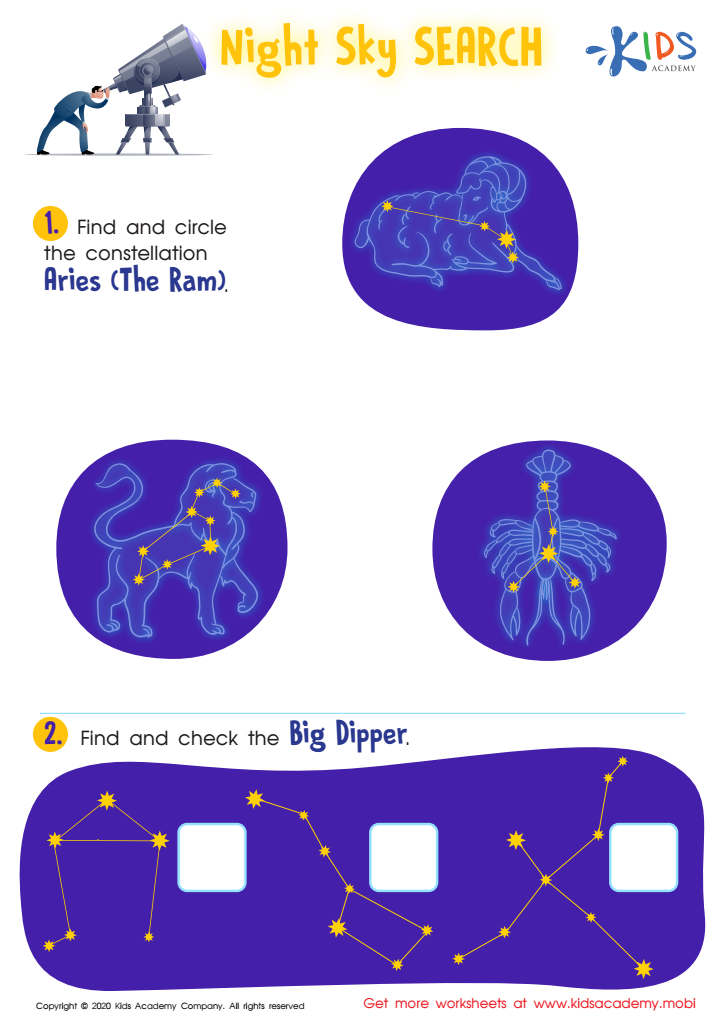
Night Sky Search Worksheet
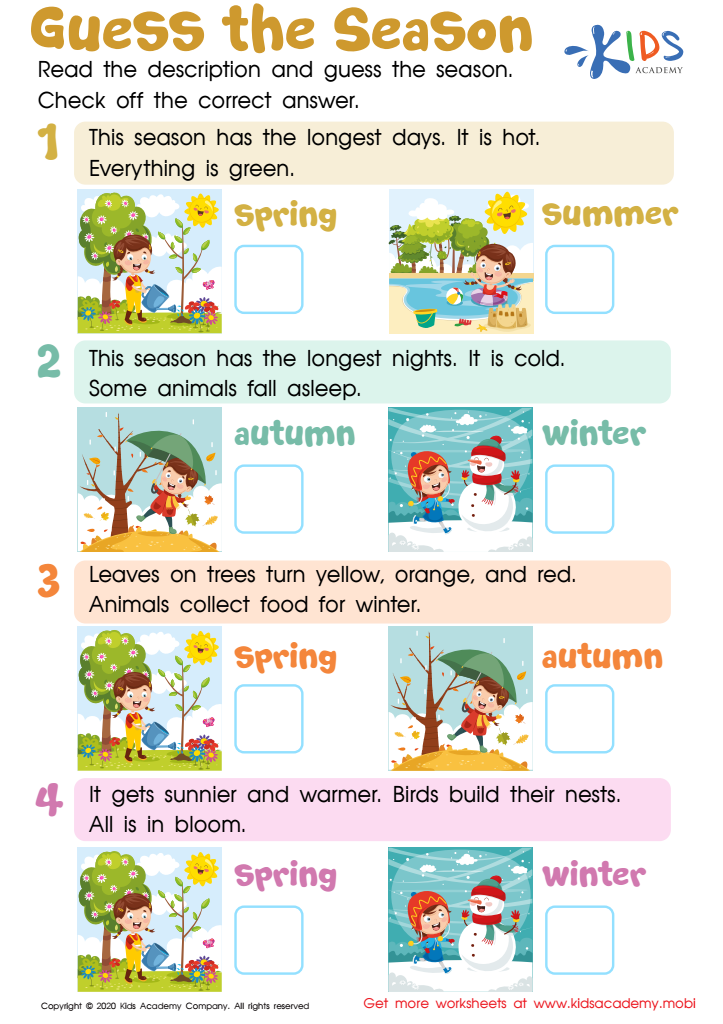
Guess the Season Worksheet
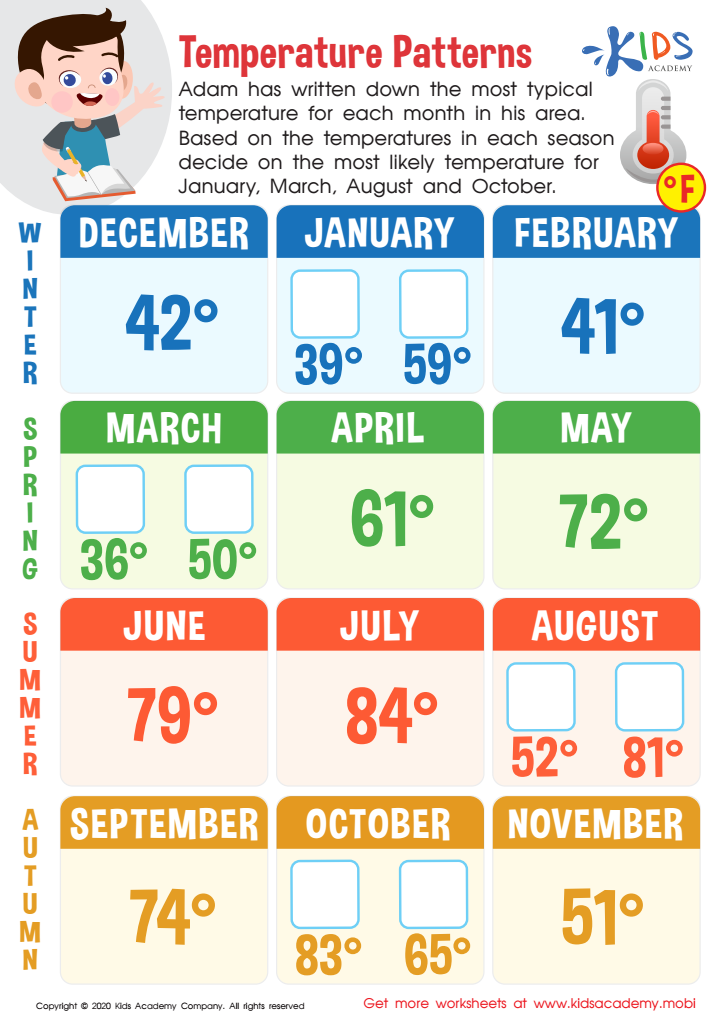
Temperature Patterns Worksheet
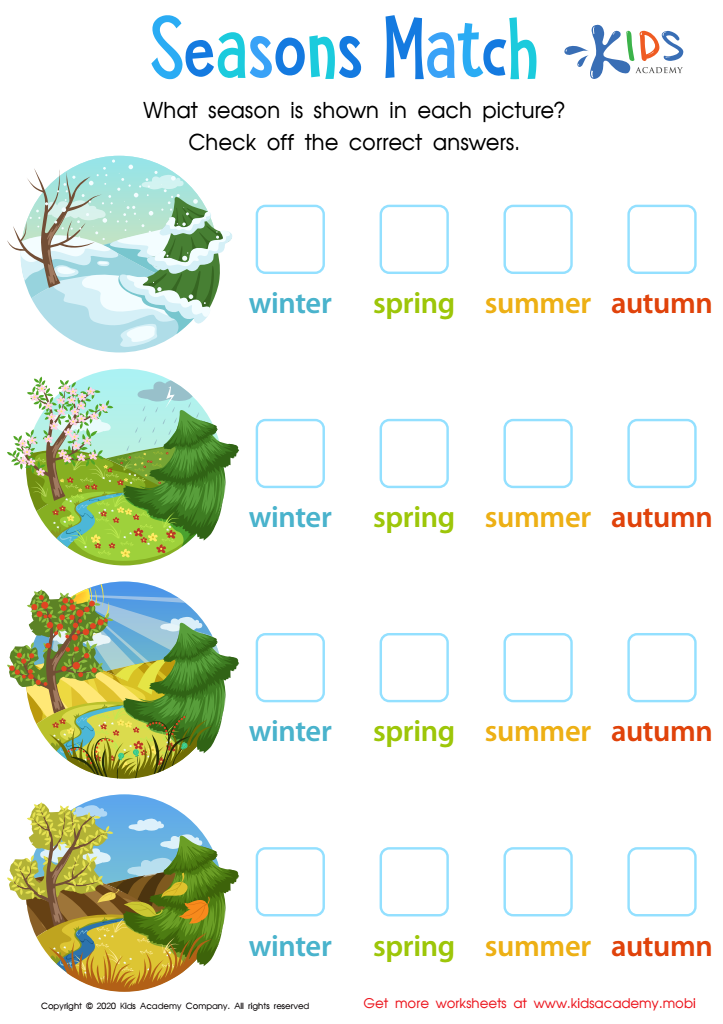
Seasons Match Worksheet
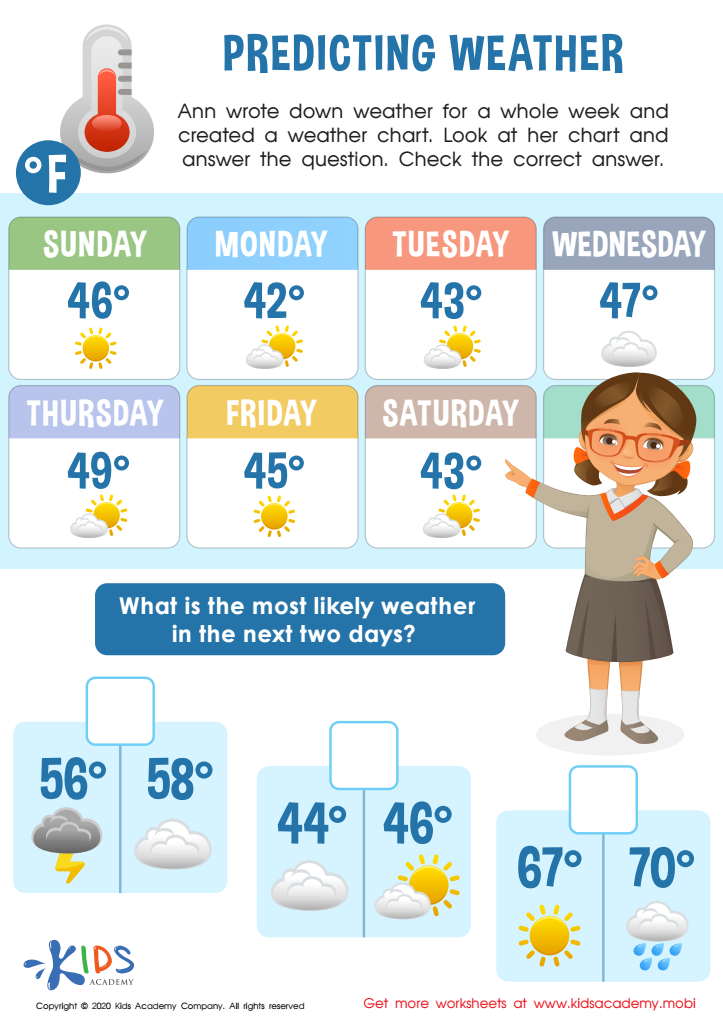
Predicting Weather Worksheet
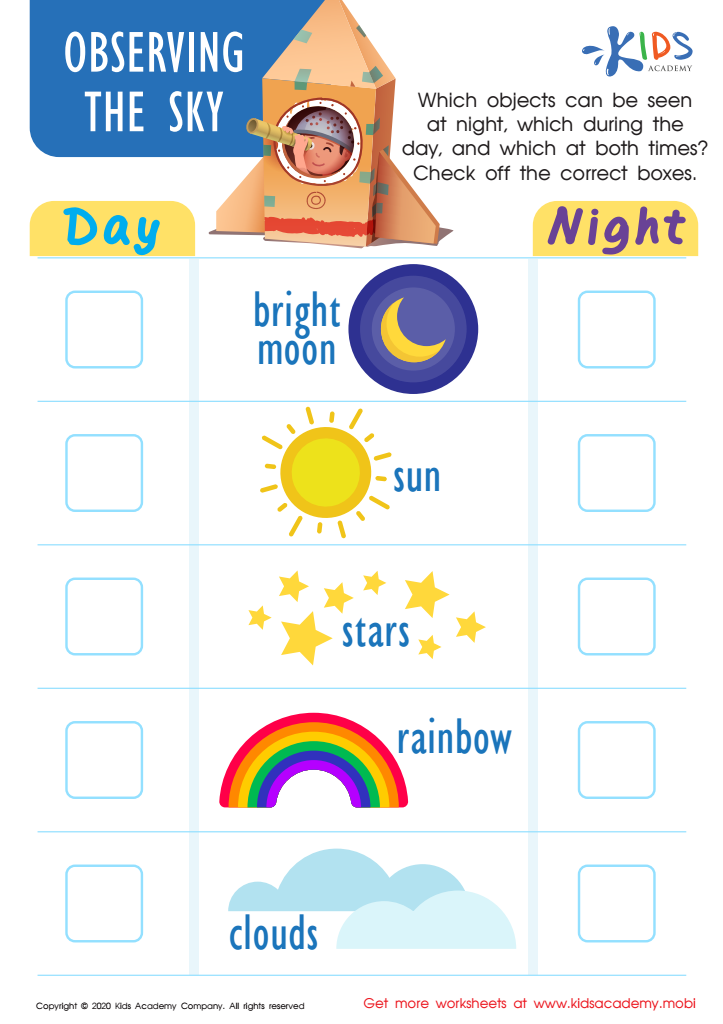
Observing the Sky Worksheet
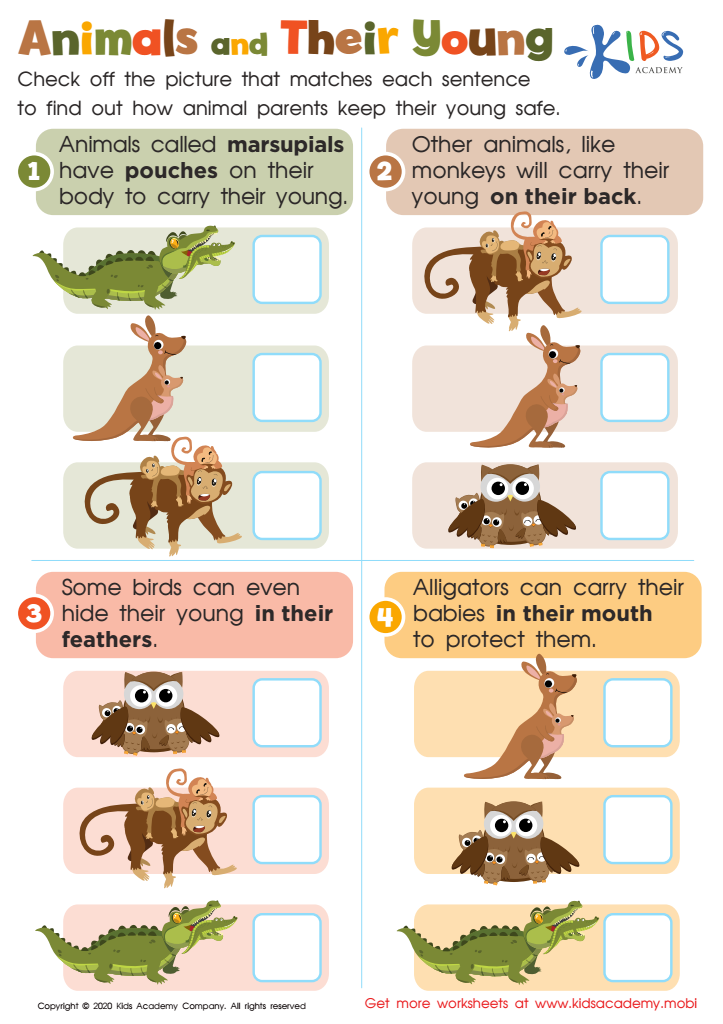
Animals and Their Young Worksheet
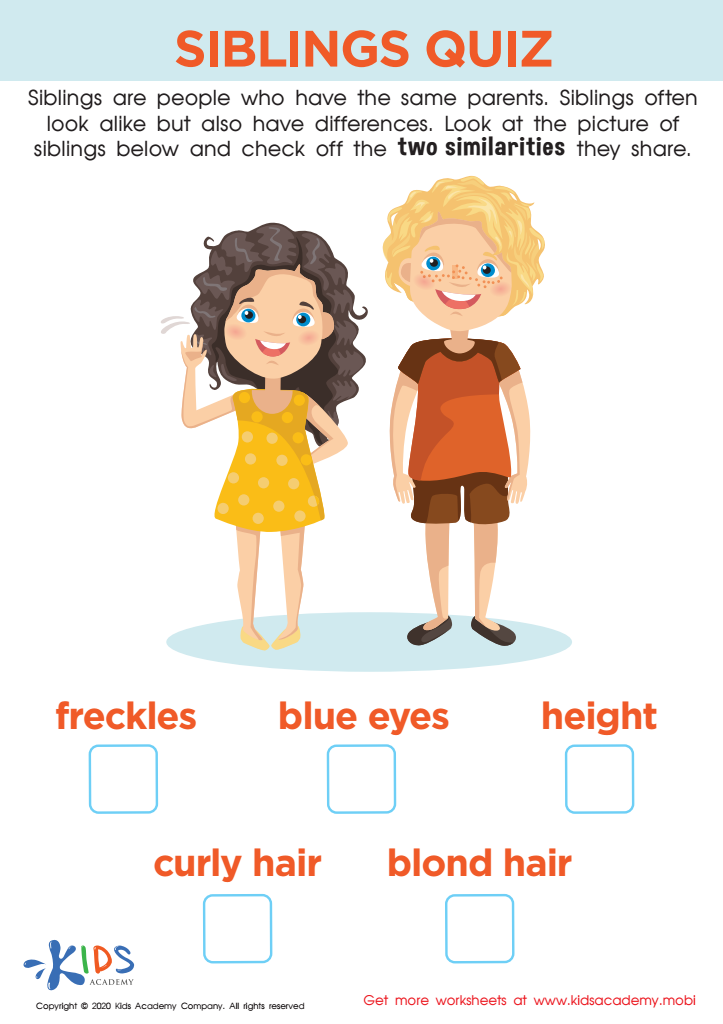
Siblings Quiz Worksheet
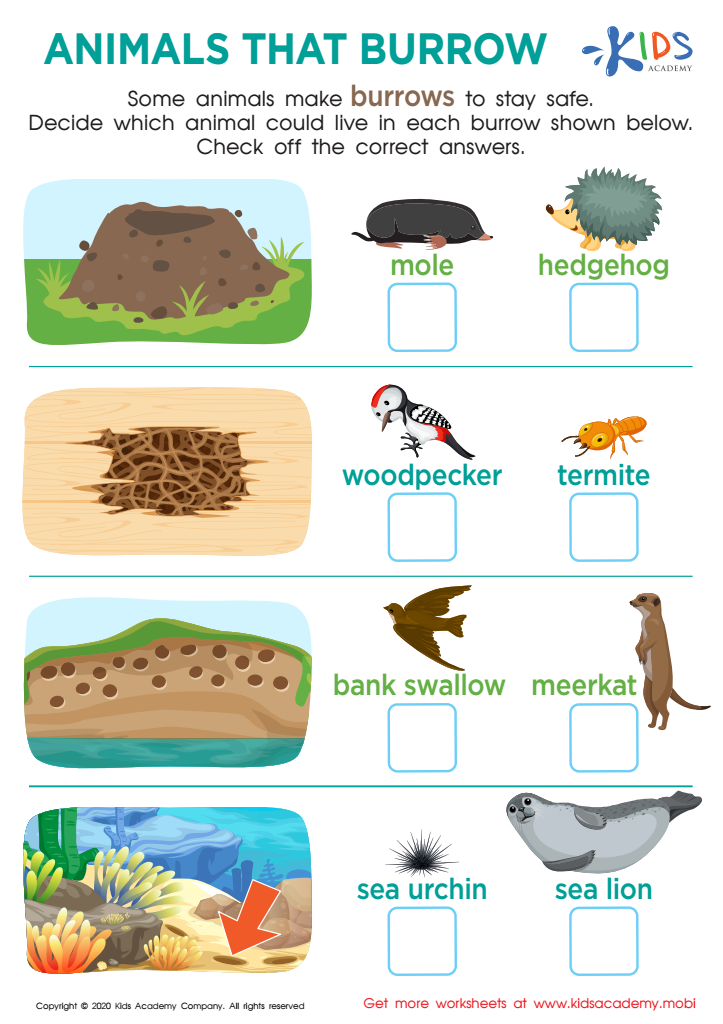
Animals That Burrow Worksheet
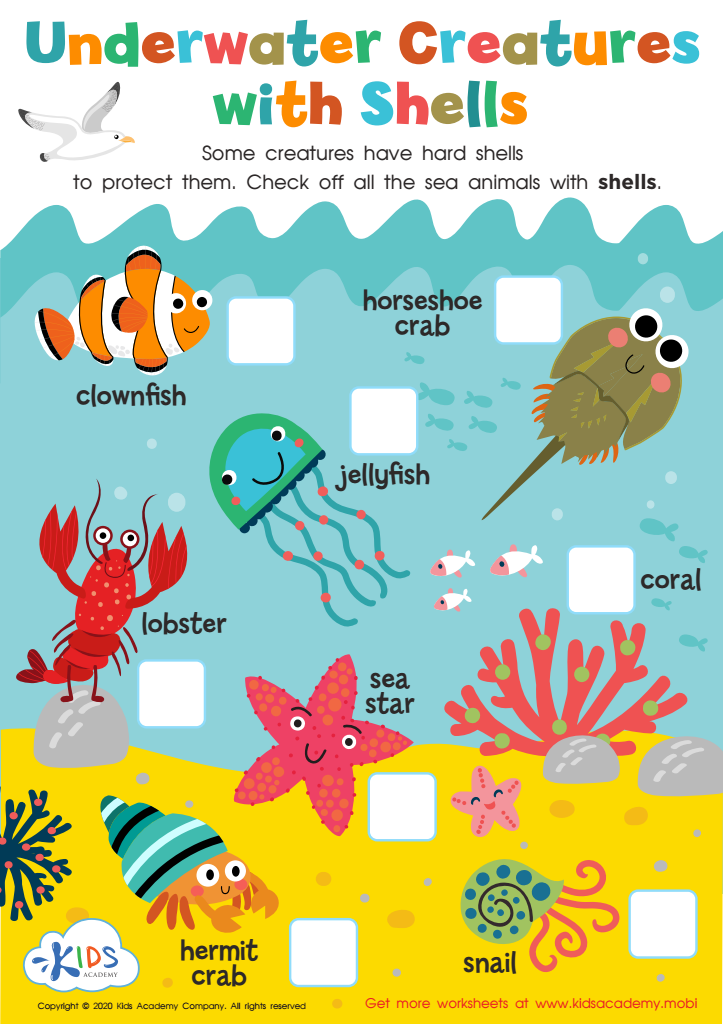
Underwater Creatures with Shells Worksheet
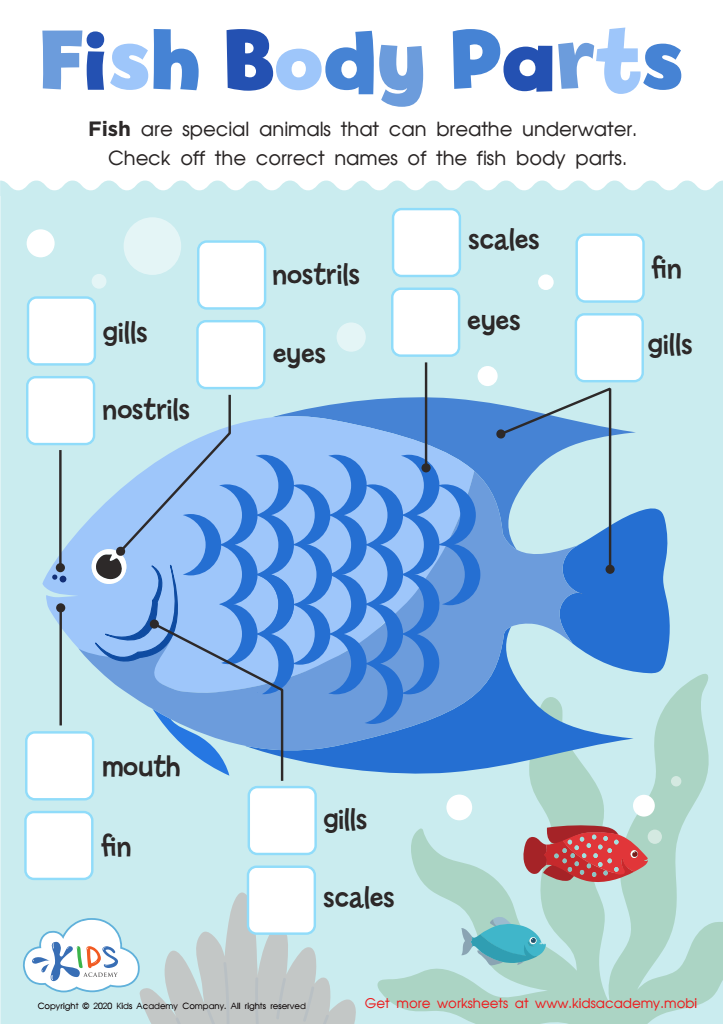
Fish Body Parts Worksheet
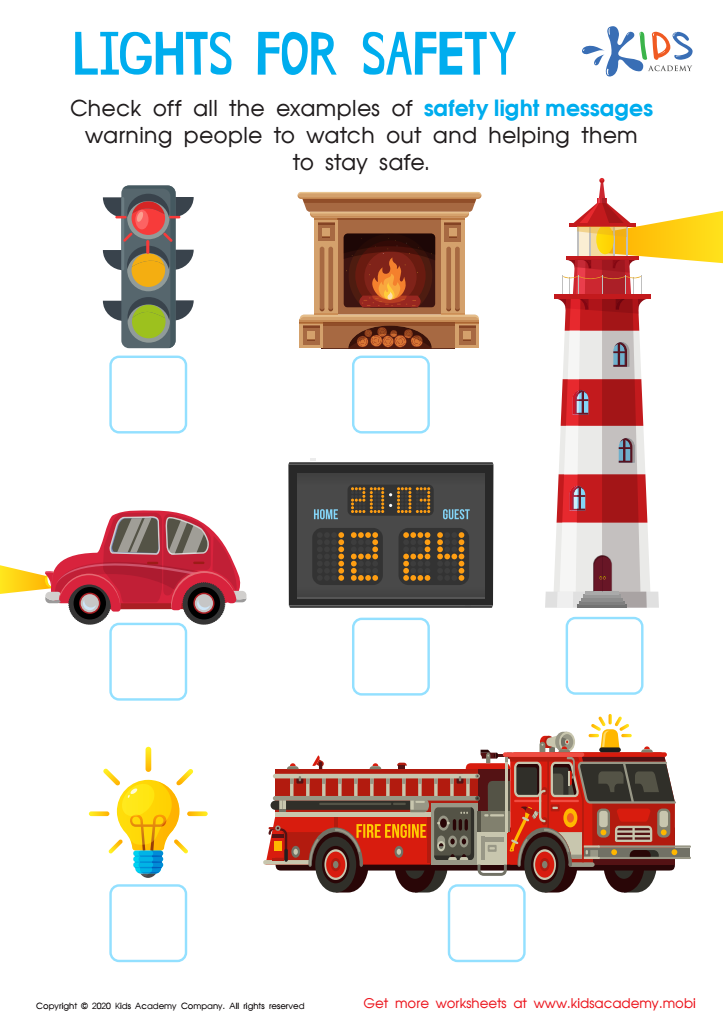
Lights for Safety Worksheet
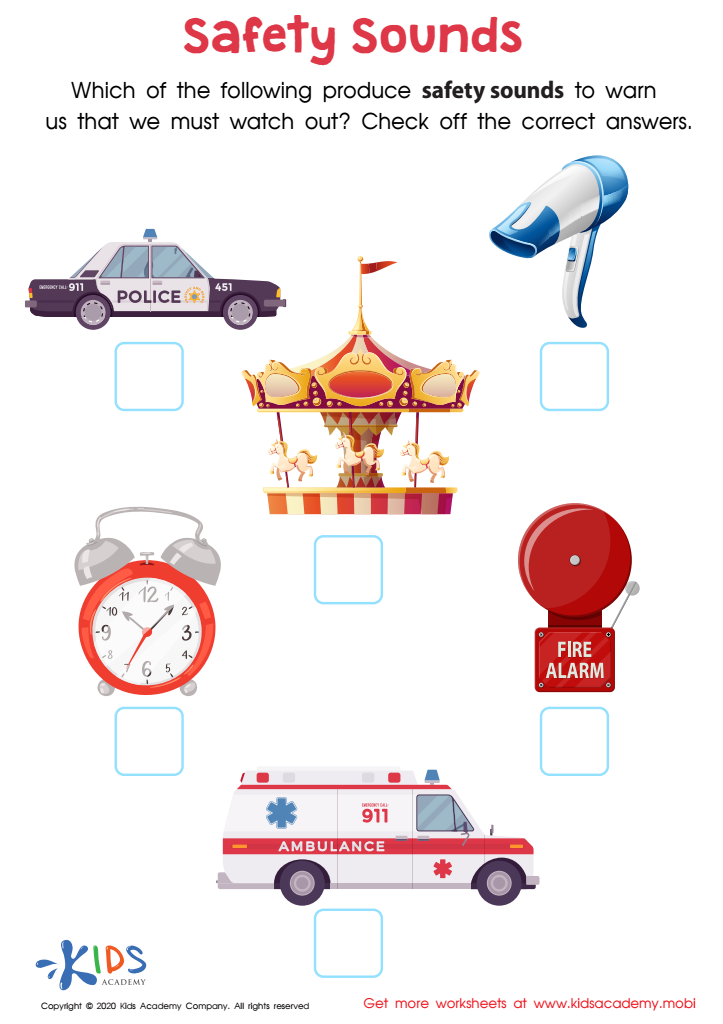
Safety Sounds Worksheet








Parents and teachers should care about normal science for children aged 5-7 because this stage sets the foundation for lifelong learning and curiosity. At this age, children are naturally curious and have an eagerness to explore the world around them. Engaging them in basic science helps nurture this instinct, fostering critical thinking and problem-solving skills early on.
Teaching normal science to young children introduces them to basic scientific concepts and vocabulary, helping them understand everyday phenomena. It enhances their observation skills, asking questions, forming simple hypotheses, and making predictions. Moreover, it encourages them to be hands-on, engaging multiple sensory experiences, which is crucial for younger learners.
Early exposure to science also helps build confidence, showing children that they can explore unknown concepts and find explanations. It opens opportunities for collaborative learning, where children can work in groups, share ideas, and learn to communicate effectively.
For parents and teachers, investing in normal science means preparing children to be inquisitive, knowledgeable, and well-rounded individuals. It helps bridge the gap between everyday experiences and academic learning by making abstract concepts tangible and accessible. Therefore, fostering a love for science at a young age creates a solid groundwork for future education and a positive attitude toward lifelong discovery.







