Normal Math Worksheets for Ages 5-8 - Page 12
545 filtered results
-
From - To
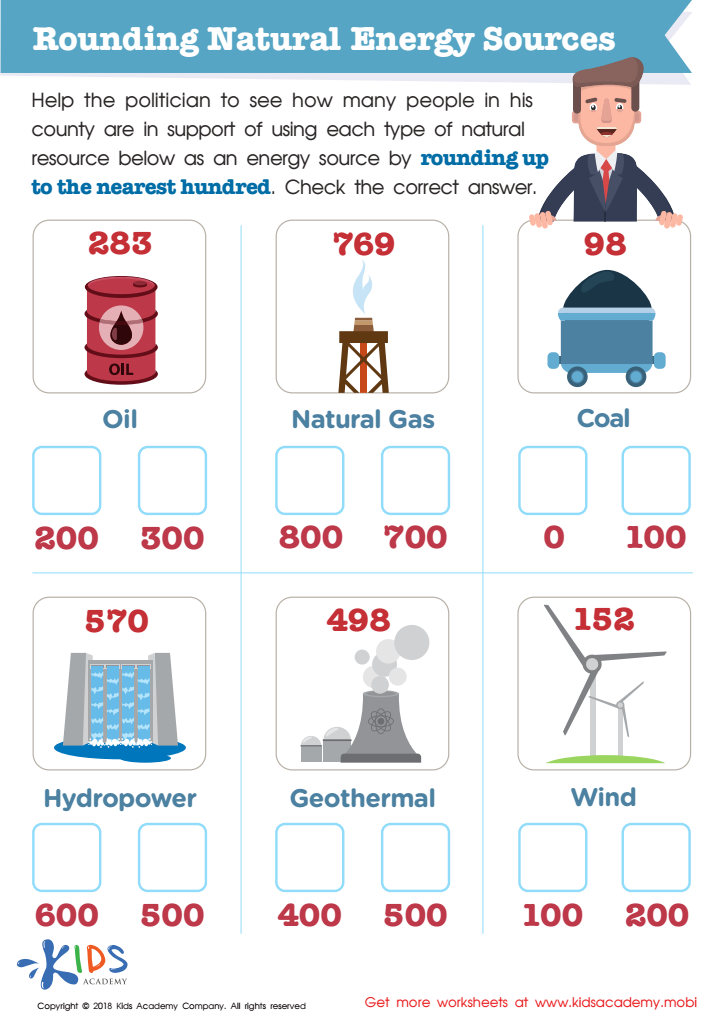
Rounding Natural Energy Sources Worksheet
 Assign to My Students
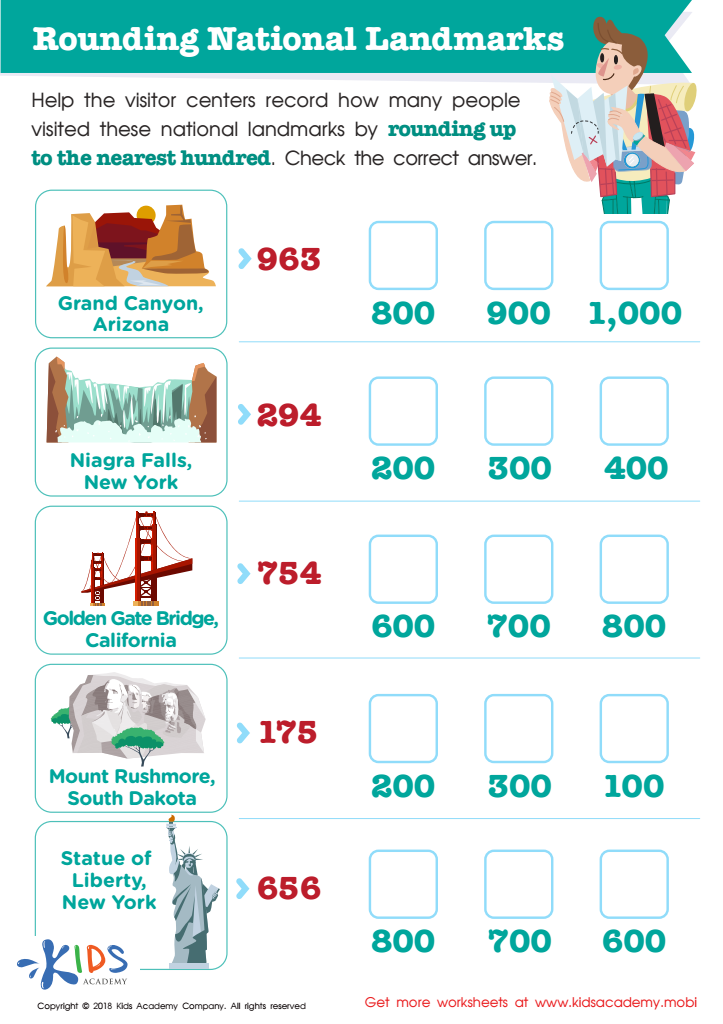
Rounding National Landmarks Worksheet
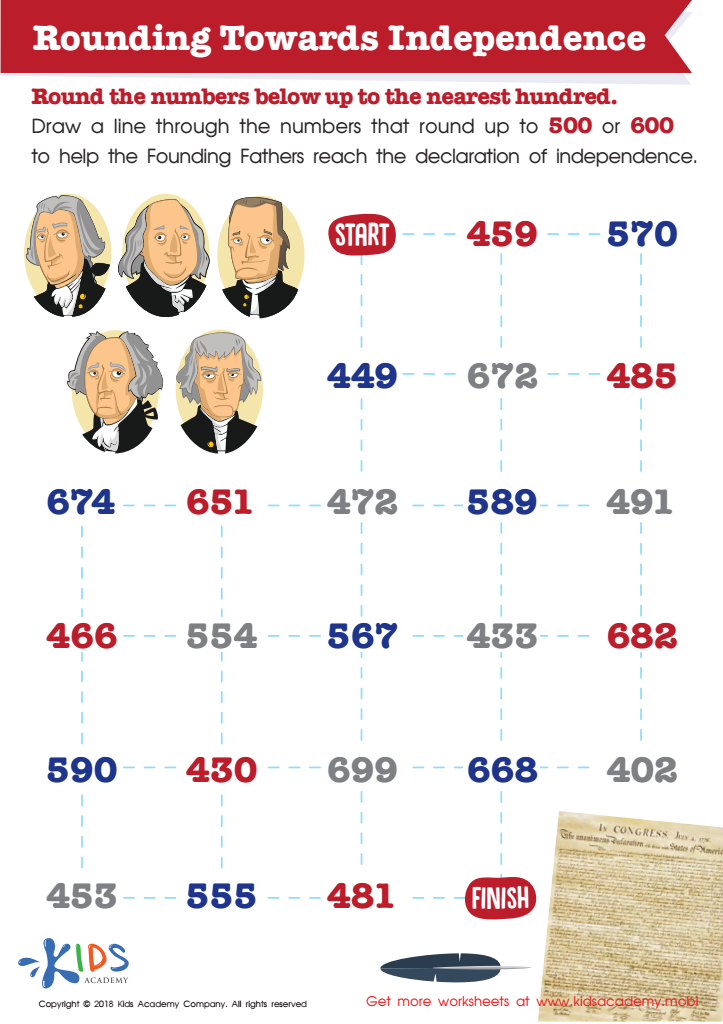
Rounding Towards Independence Worksheet
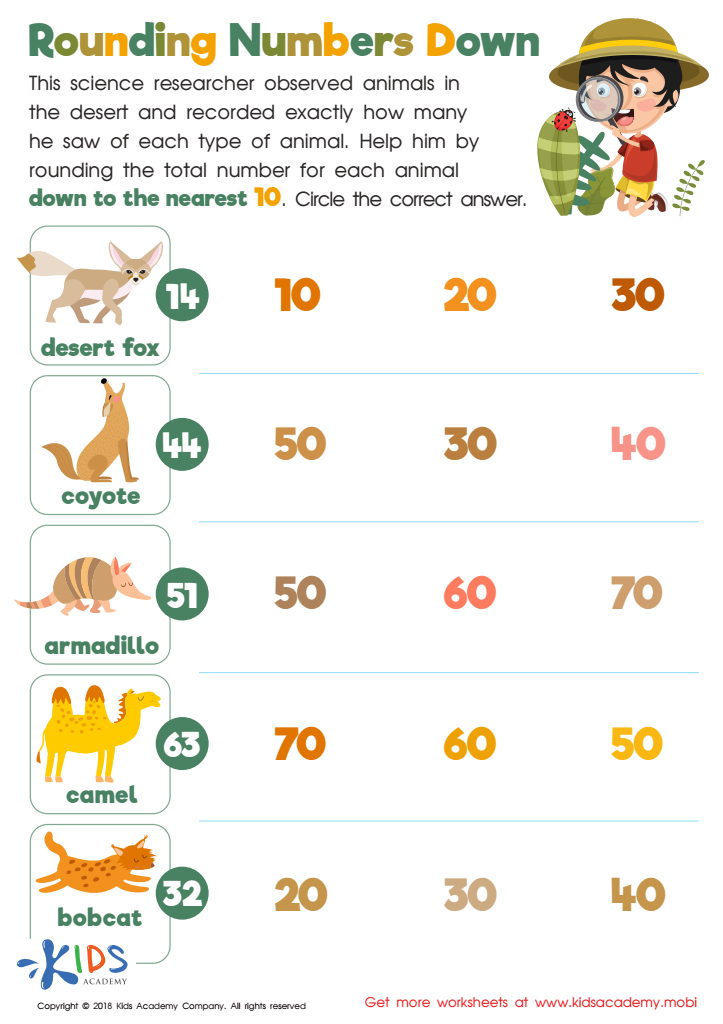
Rounding Numbers Down Worksheet
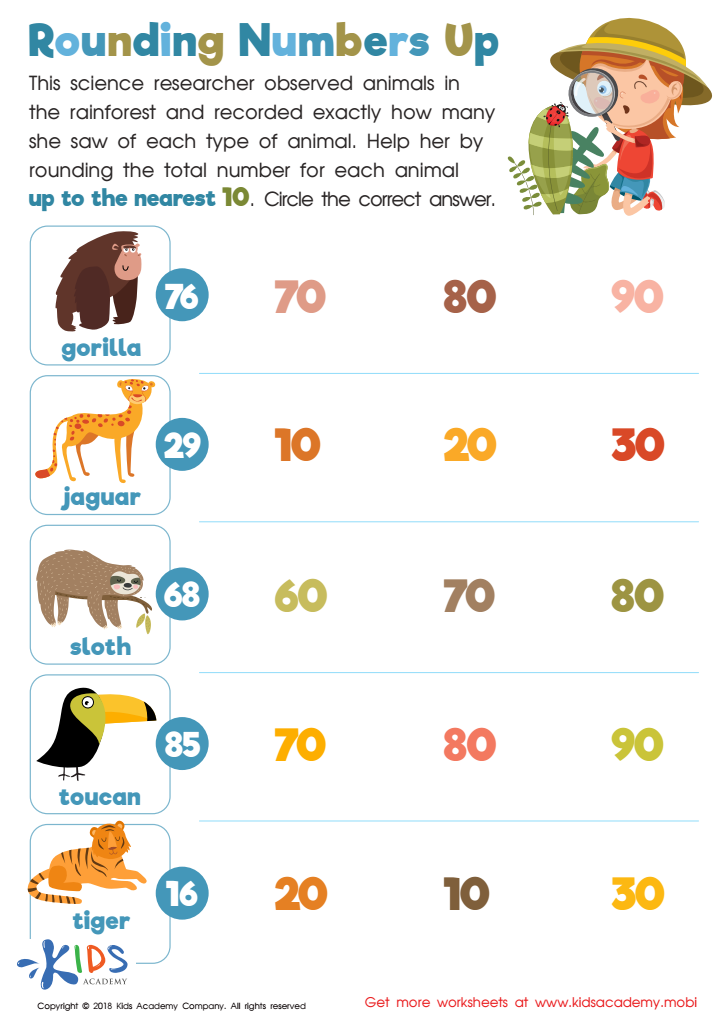
Rounding Numbers Up Worksheet
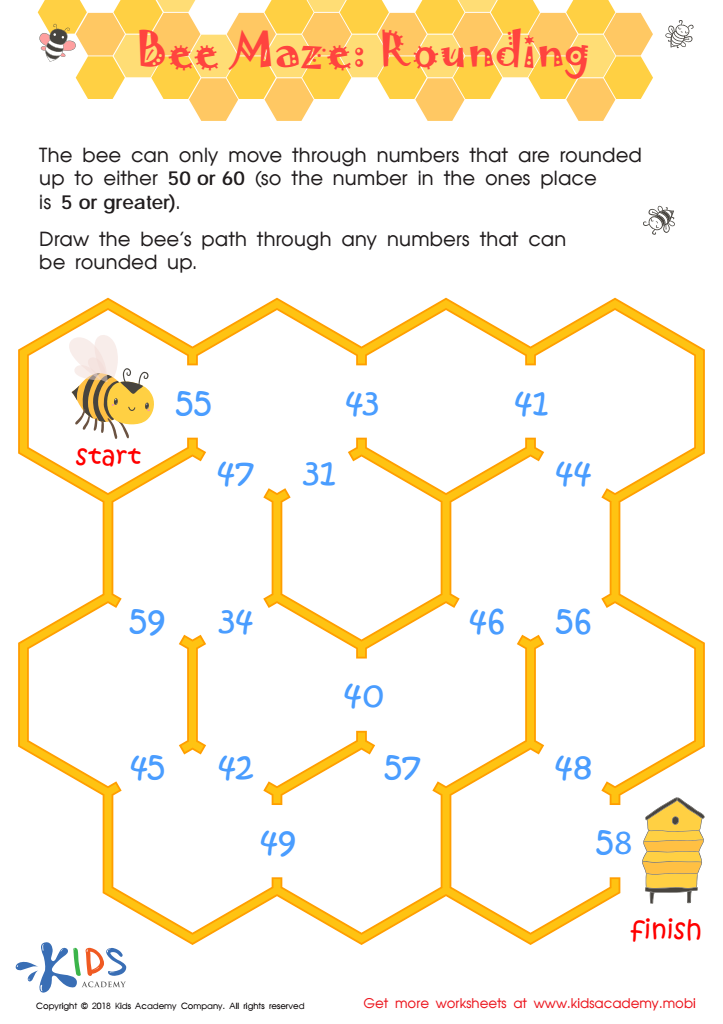
Bee Maze Rounding Worksheet
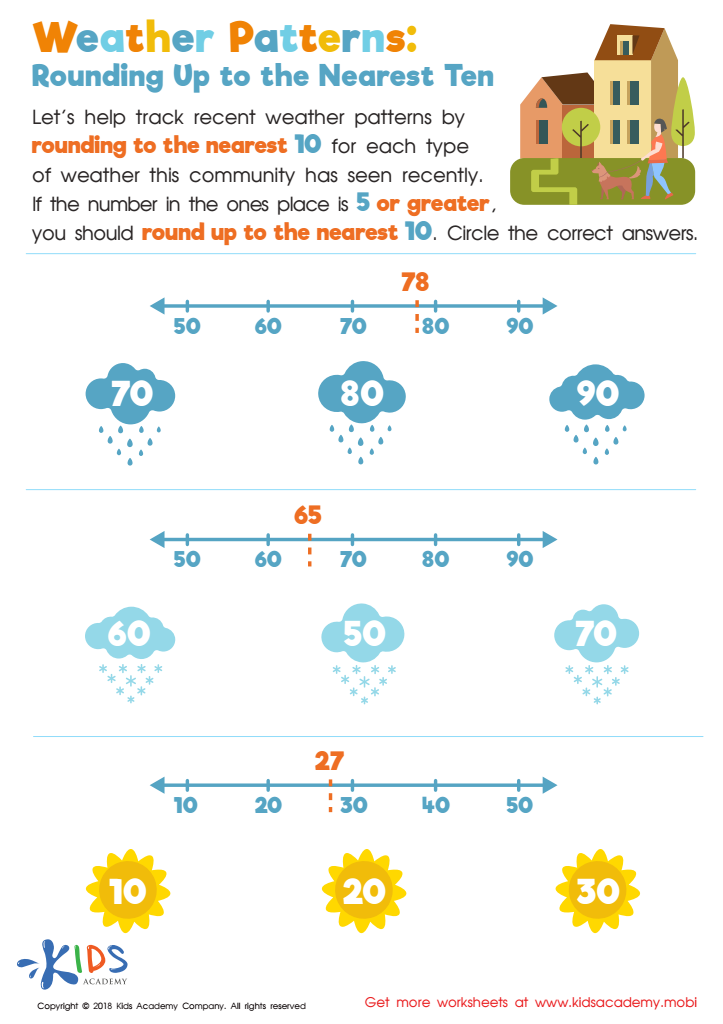
Weather Patterns Worksheet
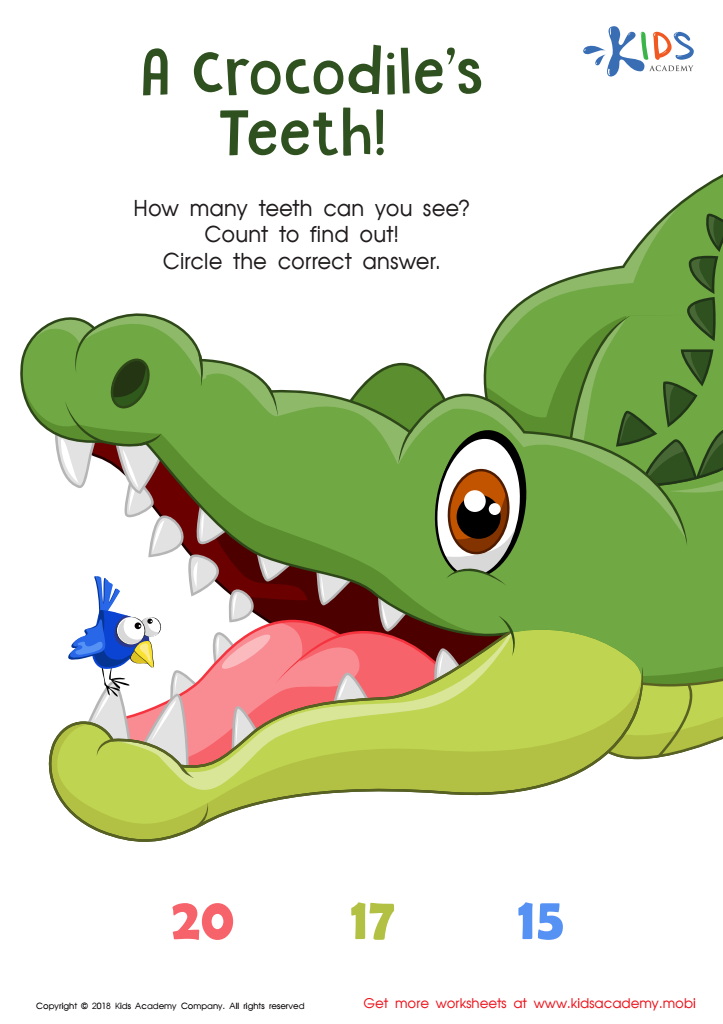
A Crocodile's Teeth Worksheet
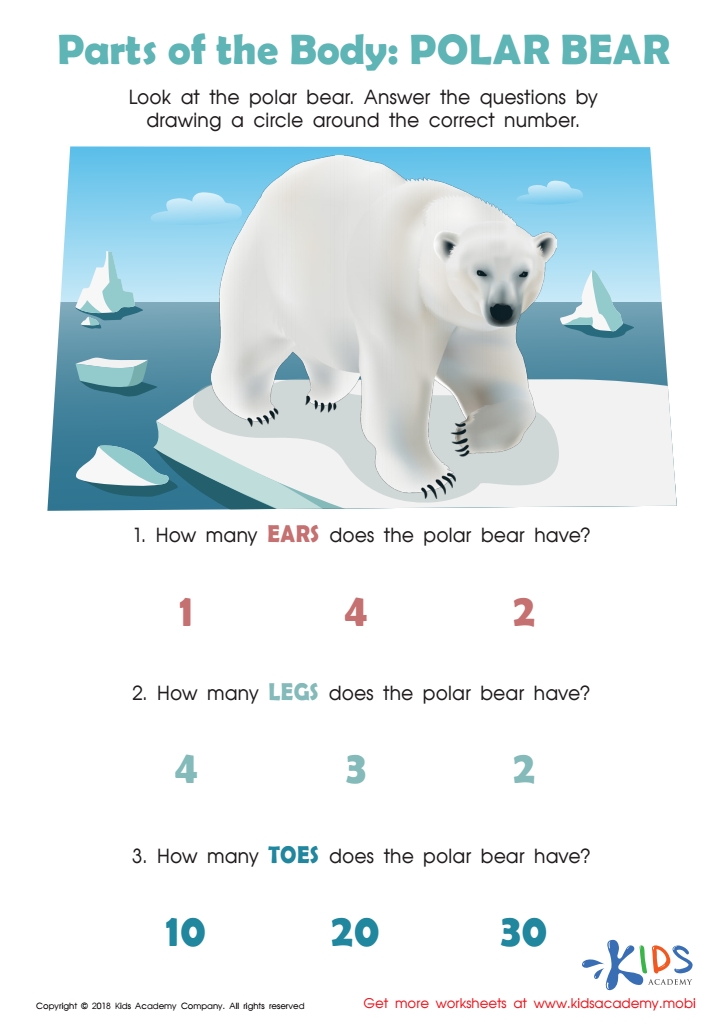
Parts of the Body: Polar Body Worksheet
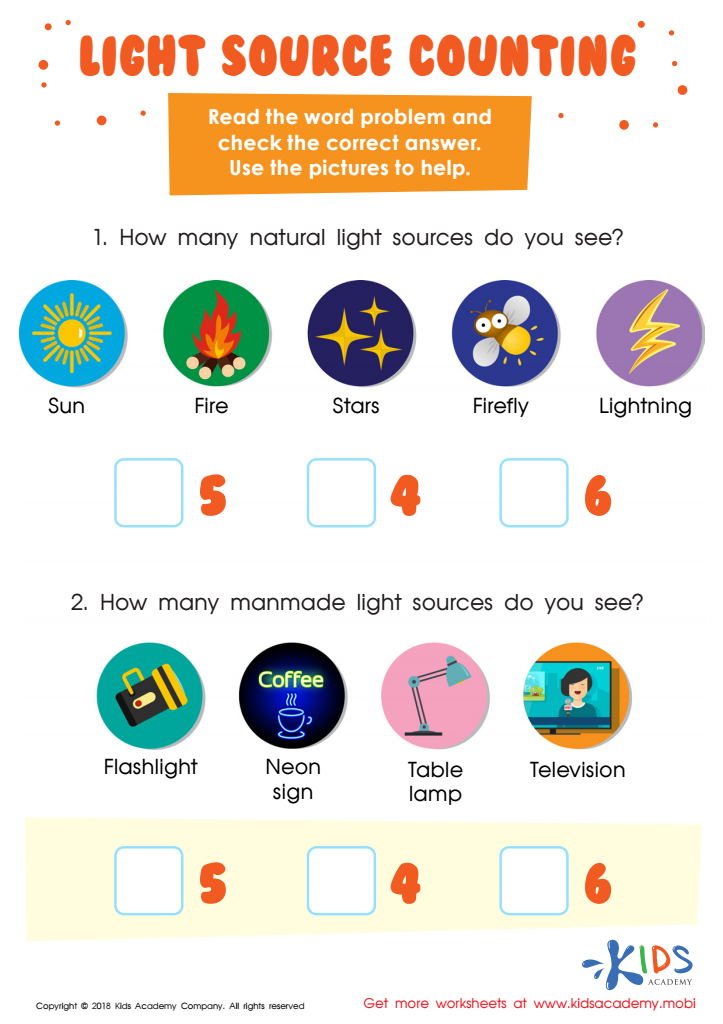
Light Source Counting Worksheet
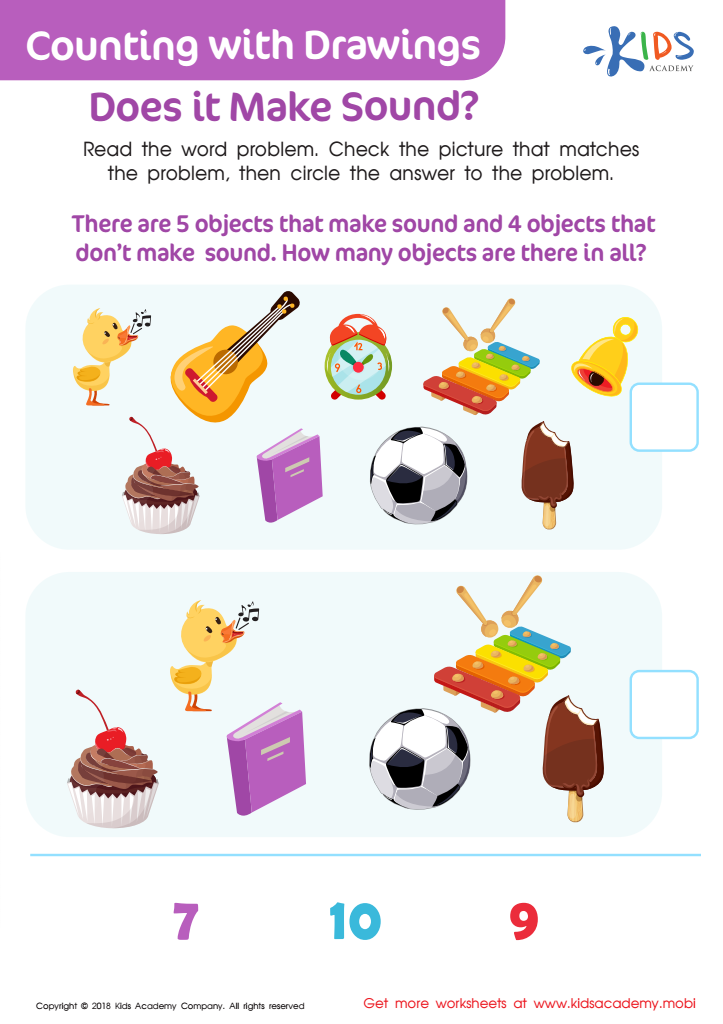
Counting With Drawings. Does It Make Sound? Worksheet
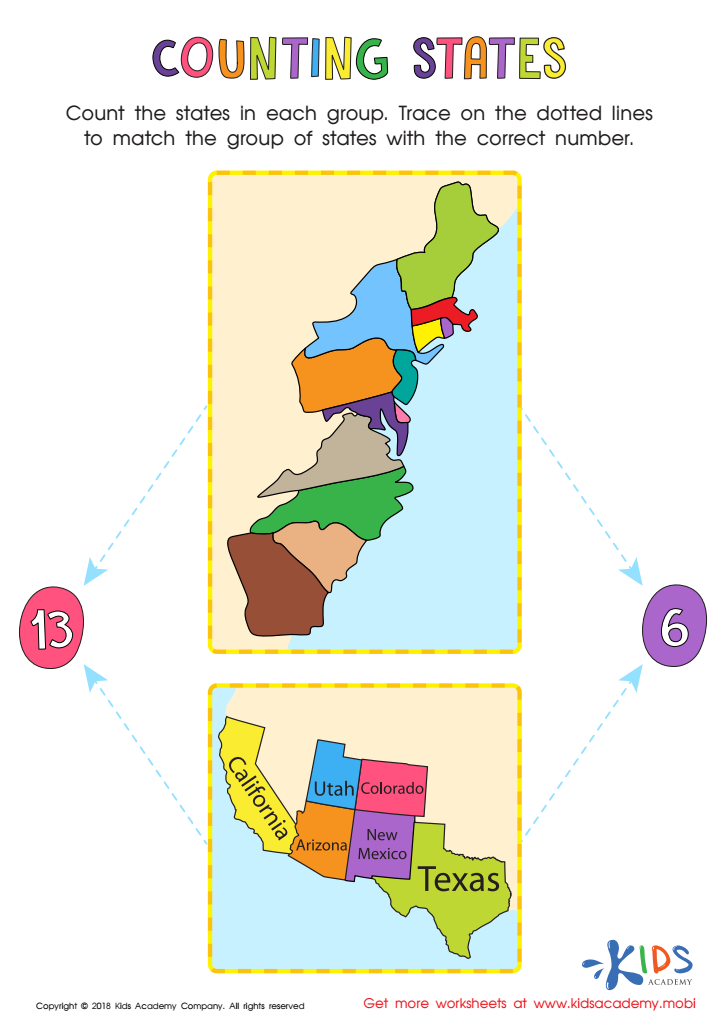
Counting States Worksheet
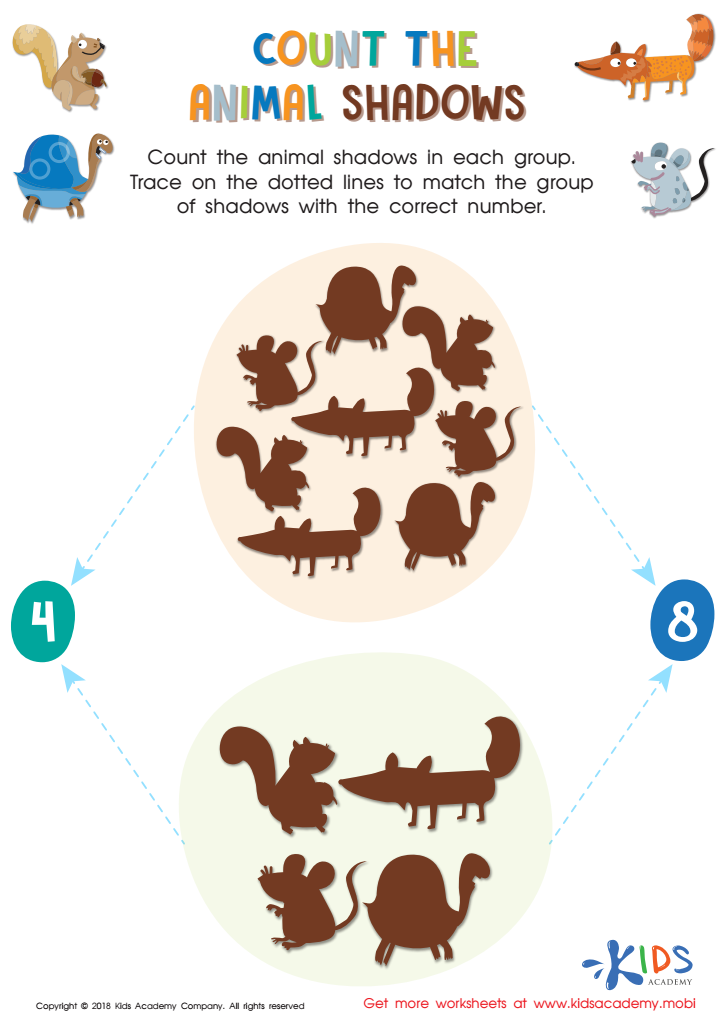
Count the Animal Shadows Worksheet
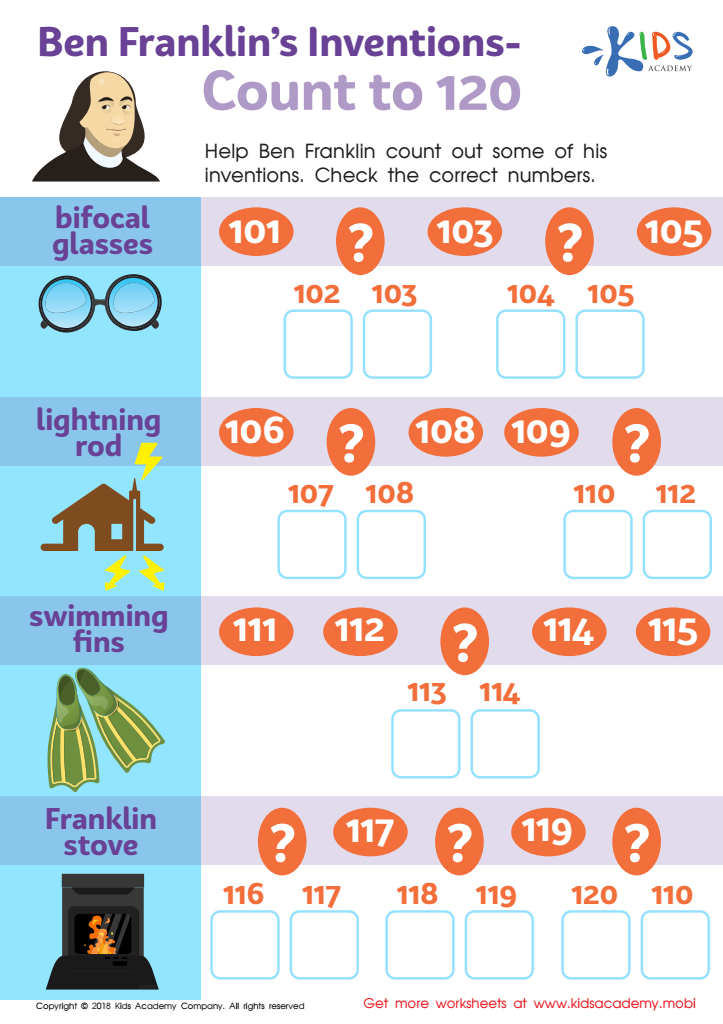
Ben Franklin’s Inventions – Count to 120 Worksheet
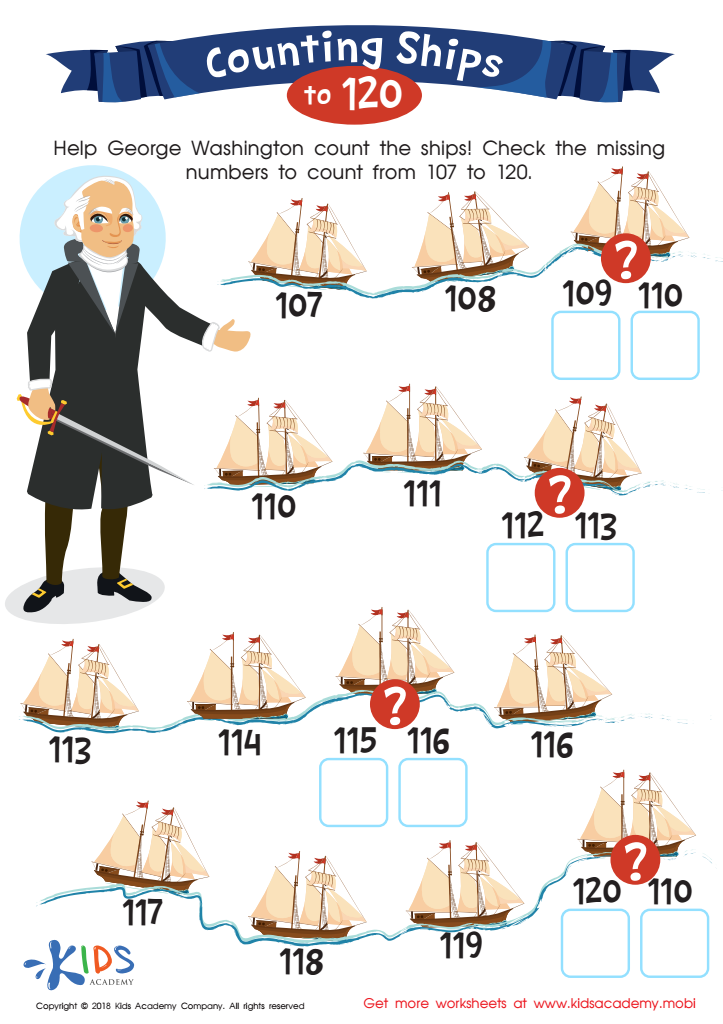
Counting Ships to 120 Worksheet
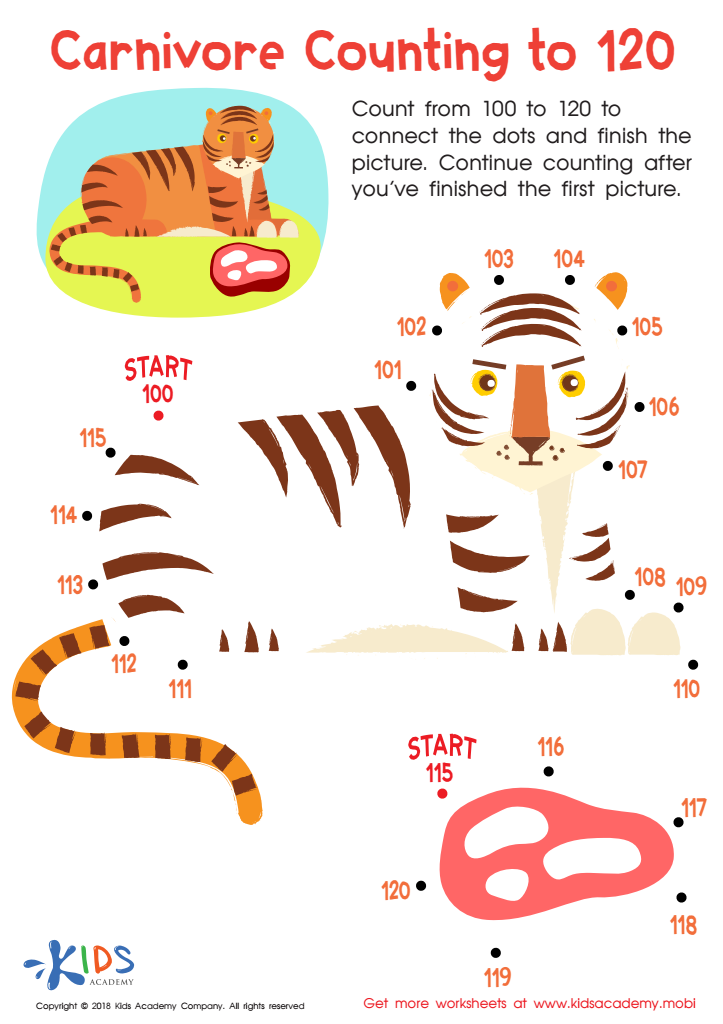
Carnivore Counting to 120 Worksheet
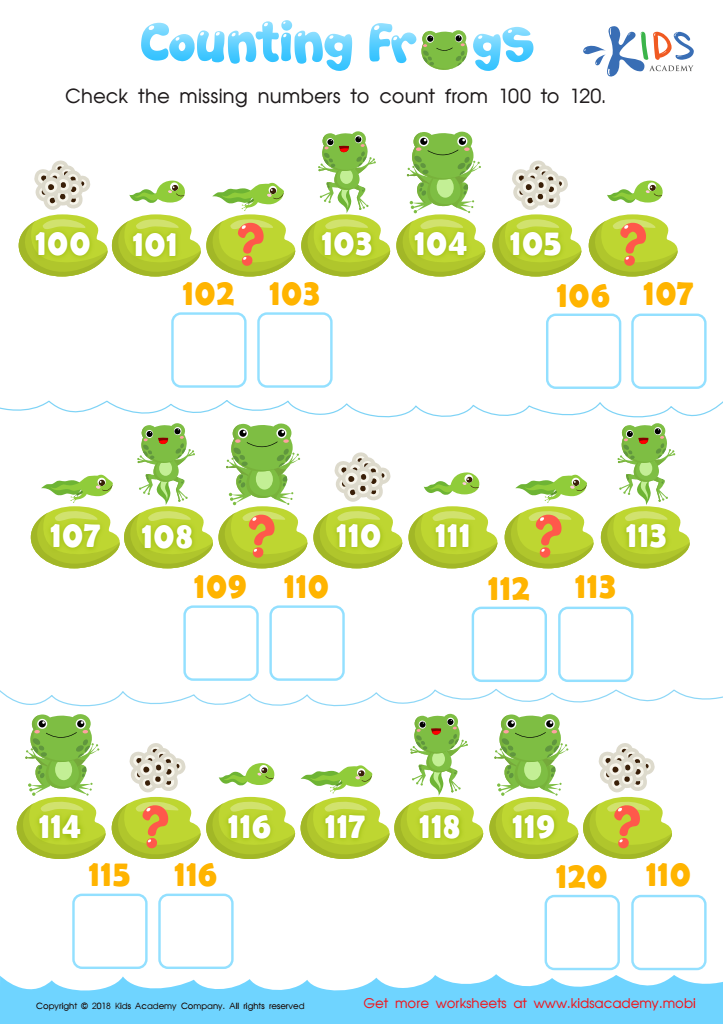
Counting Frogs Worksheet
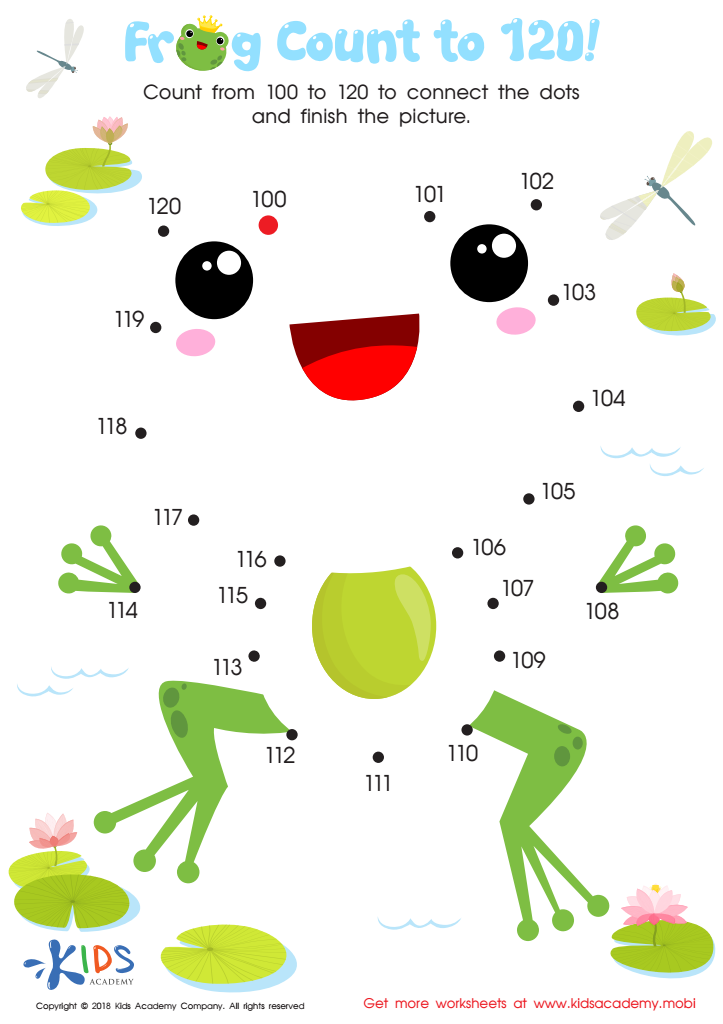
Frog Count to 120 Worksheet
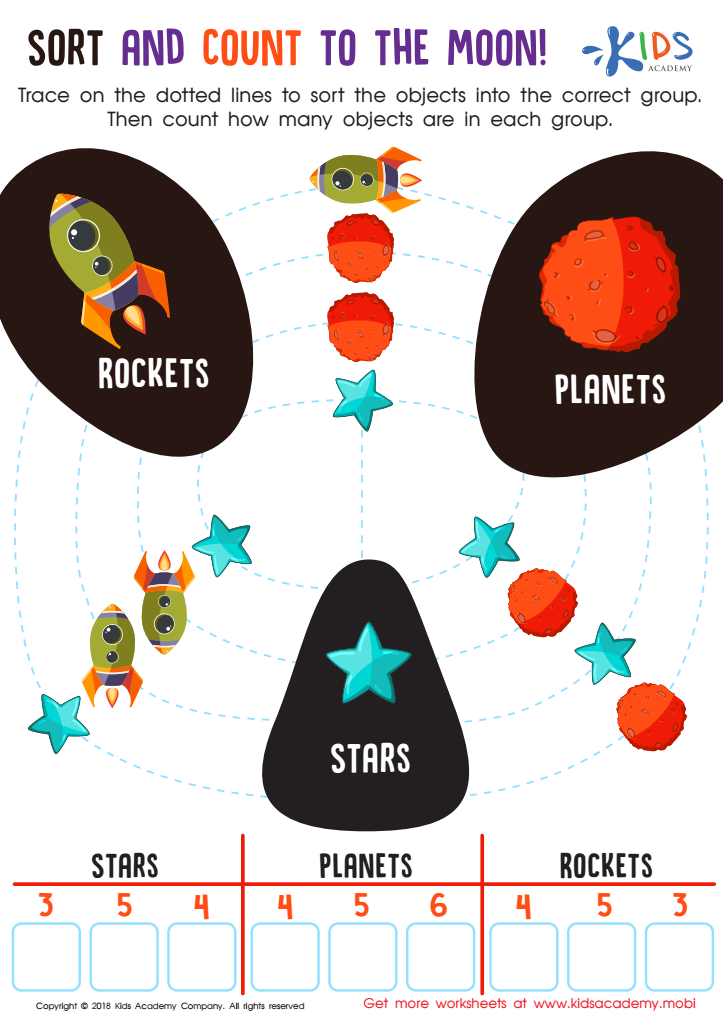
Sort and Count to the Moon Worksheet
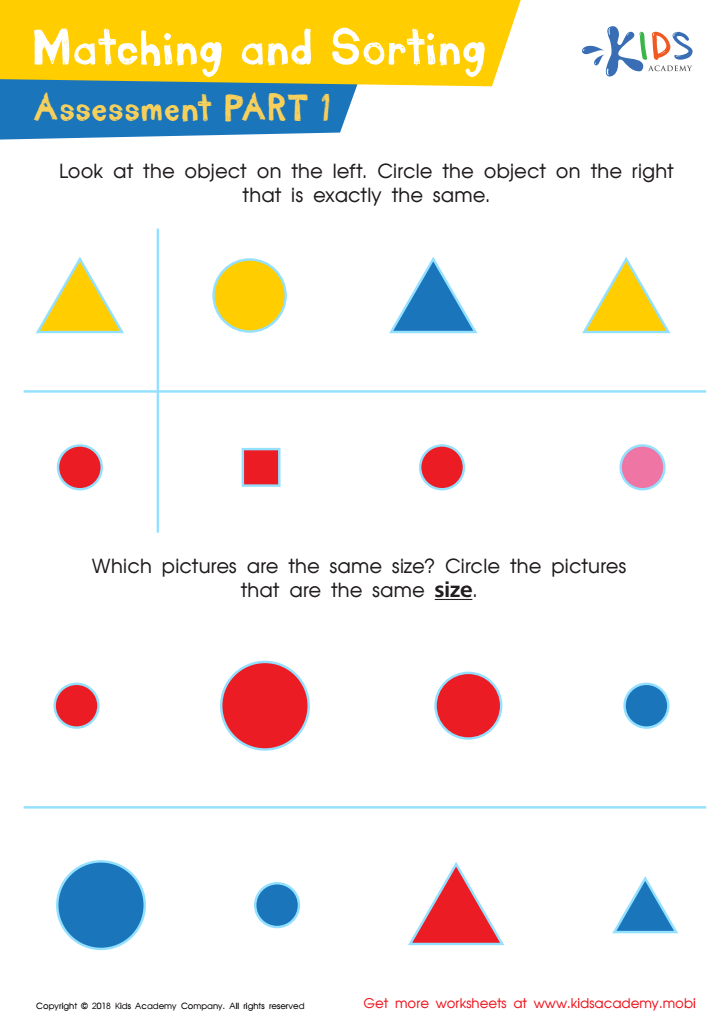
Matching and Sorting for Kindergarten: Assessment 1 Worksheet
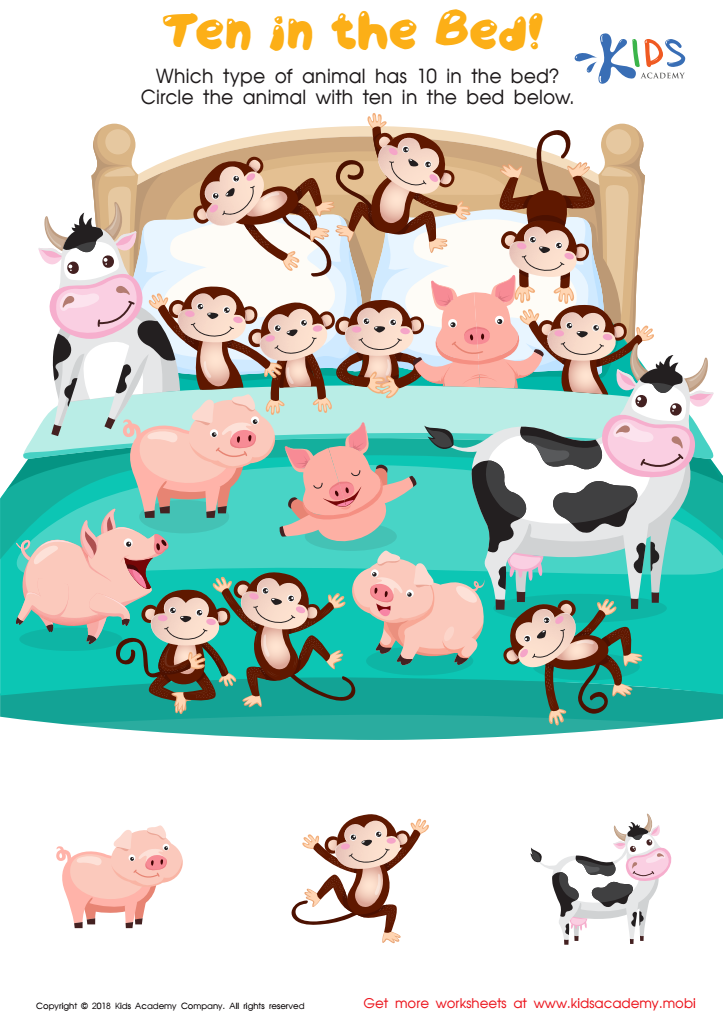
Ten in the Bed Worksheet
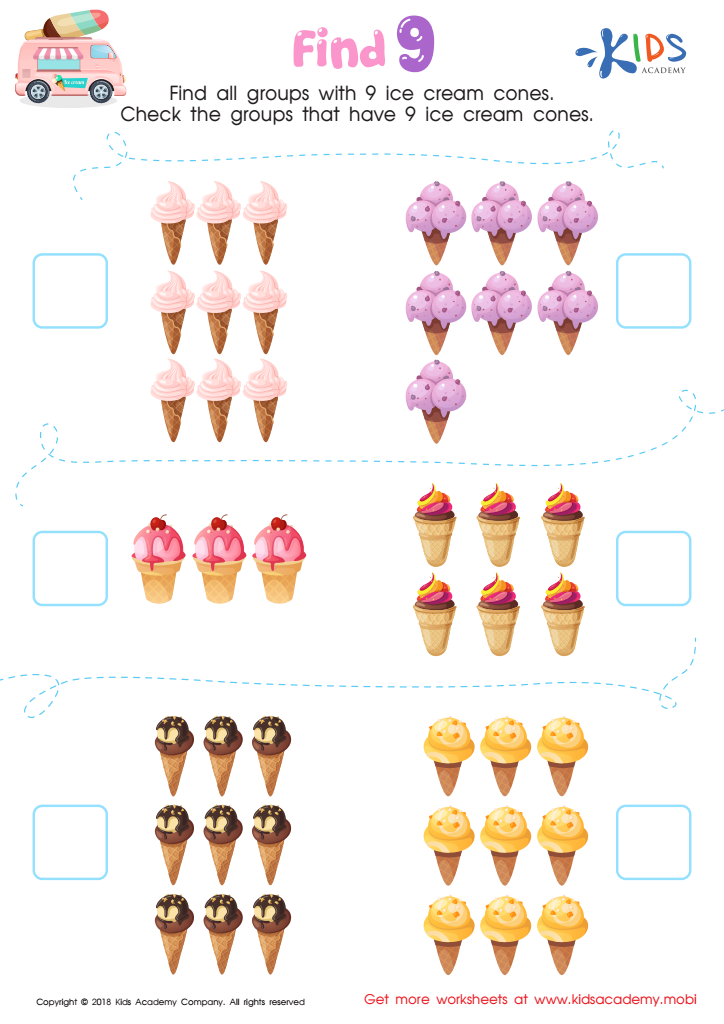
Find 9 Worksheet
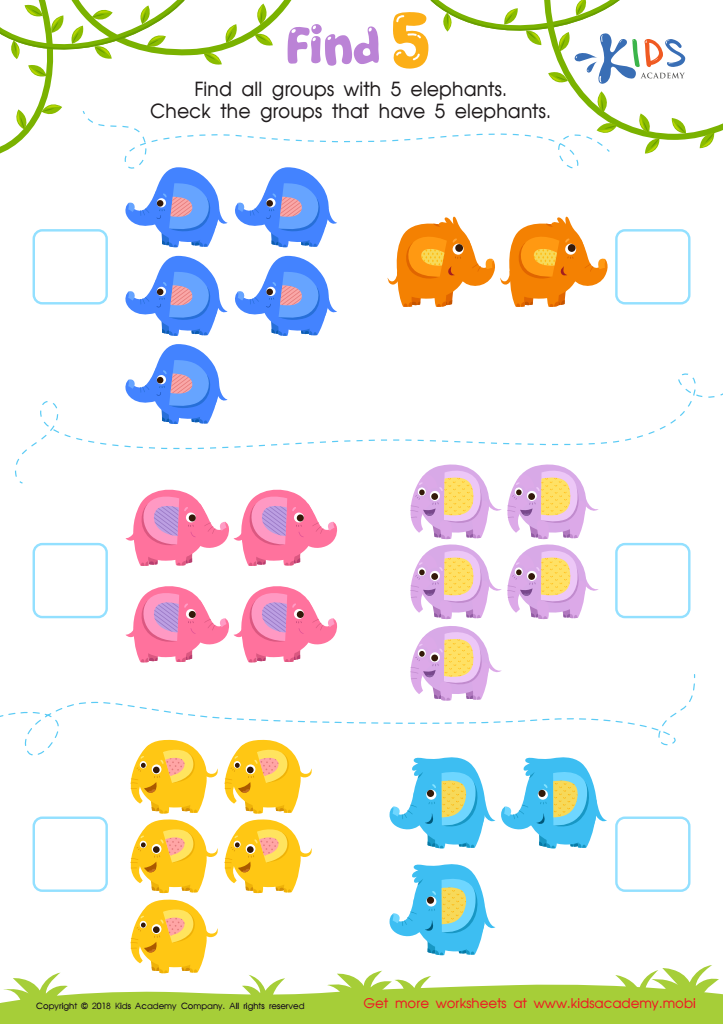
Find 5 Worksheet
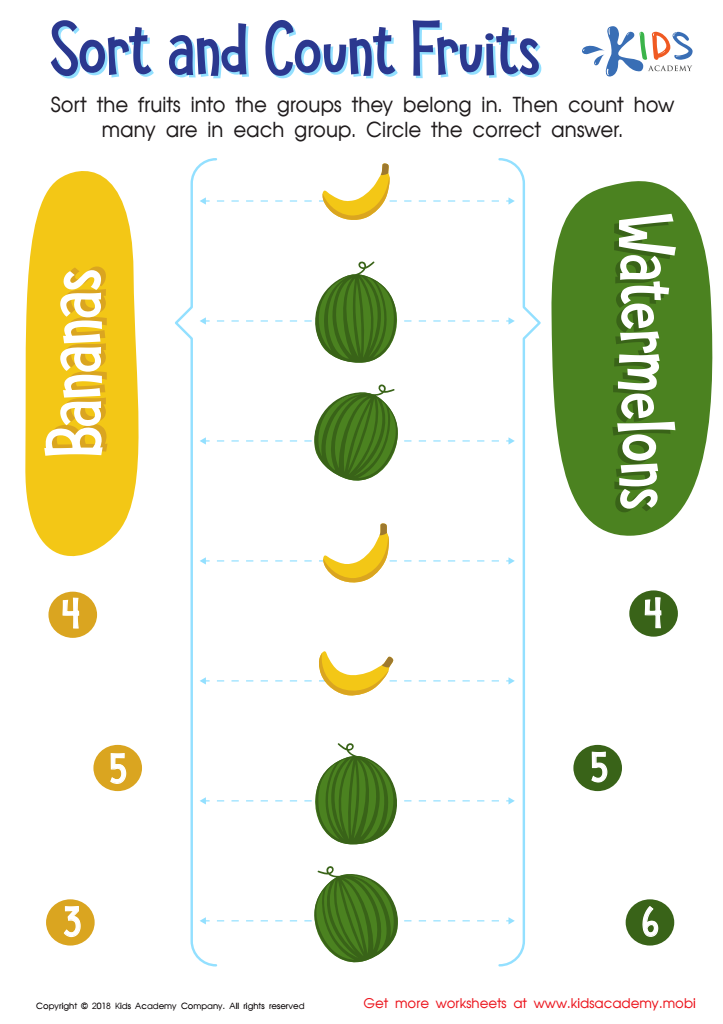
Sort and Count Fruits Worksheet






Parents and teachers should care about Normal Math for ages 5-8 because this developmental stage is crucial for laying the foundations of a child’s mathematical understanding. During these years, children begin to make sense of numbers, patterns, and relationships, which are essential skills for future learning in math and beyond. Normal Math specifically caters to this age group's cognitive abilities and emotional needs, helping to foster a positive attitude towards mathematics.
Engaging children in Normal Math encourages critical thinking, problem-solving, and analytical skills. It uses everyday contexts, making mathematical concepts relatable and fun, thereby promoting active learning. Moreover, this approach helps children develop a growth mindset, allowing them to see challenges as opportunities for learning rather than obstacles.
Again, research shows that early math skills are strong predictors of later academic success, impacting literacy and other subjects. When parents and teachers emphasize Normal Math, they empower children to build confidence and competence in a subject that often becomes intimidating in later grades.
By integrating purposeful math learning in suitable and joyful ways, adults can create a rich learning environment that stimulates curiosity and readiness for more complex math concepts in the future.








