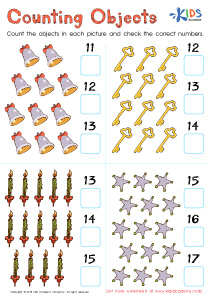
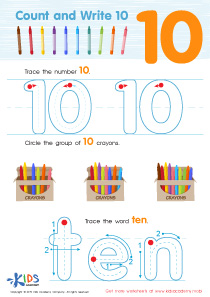
Normal Comparing Numbers Worksheets for Ages 5-8
32 filtered results
-
From - To
Our Normal Comparing Numbers Worksheets for ages 5-8 are designed to make learning fun and engaging for young learners. Each worksheet provides interactive activities that help children practice comparing numbers, enhancing their mathematical skills and number sense. These worksheets offer a variety of exercises, from counting objects to identifying greater or smaller numbers, ensuring comprehensive understanding through repetition and practice. Perfectly tailored to suit the developmental stage of early learners, these resources build a strong foundation while keeping students motivated and excited about math. Dive into our collection and watch your child's confidence in numbers grow!
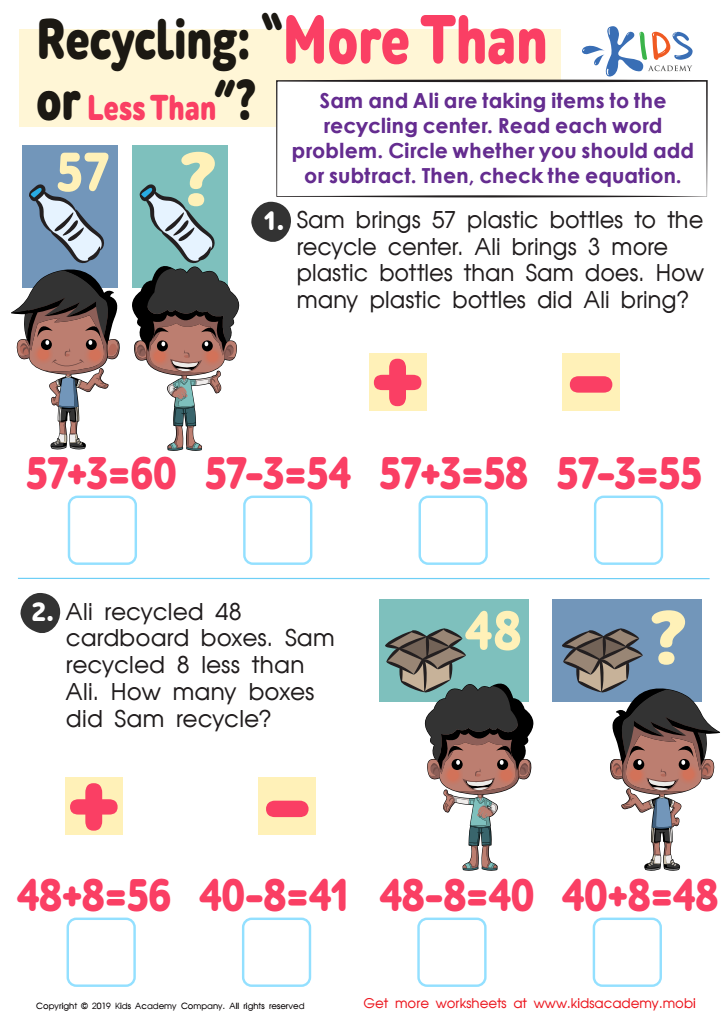
Recycling - More or Less Worksheet
 Assign to My Students
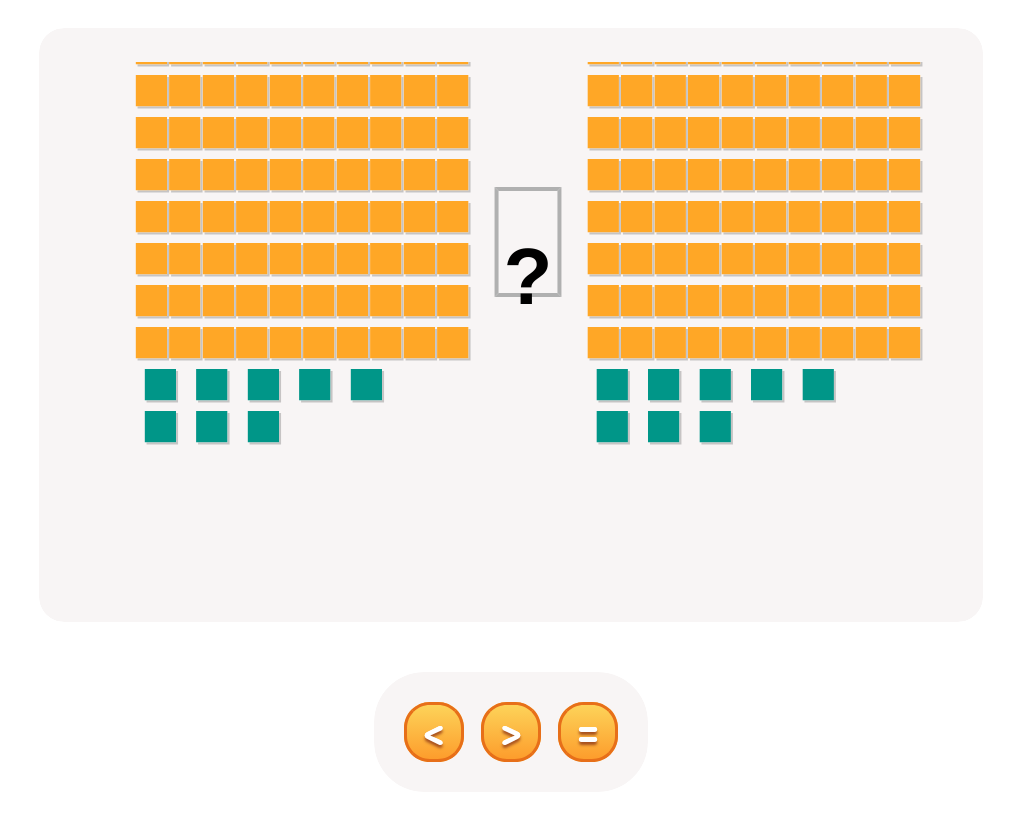

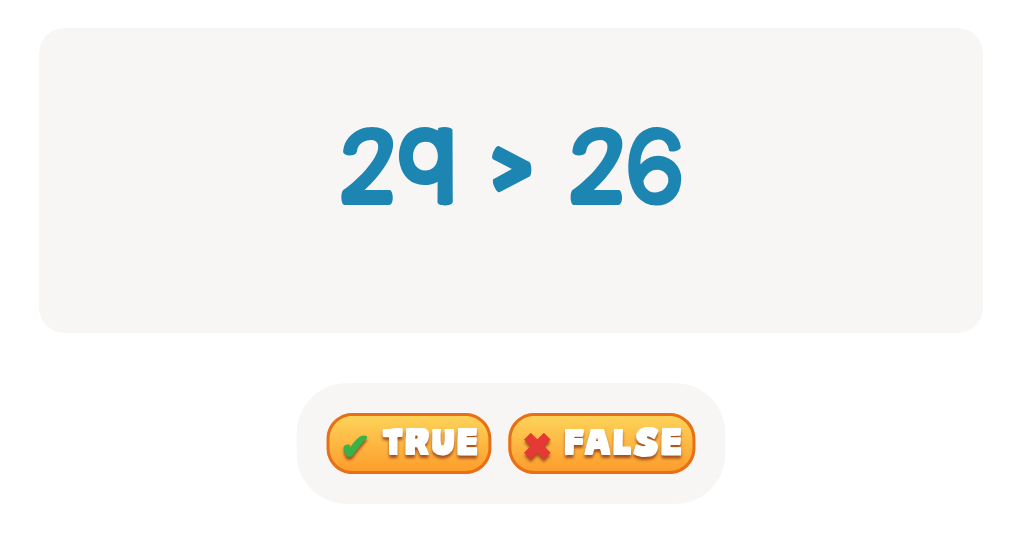
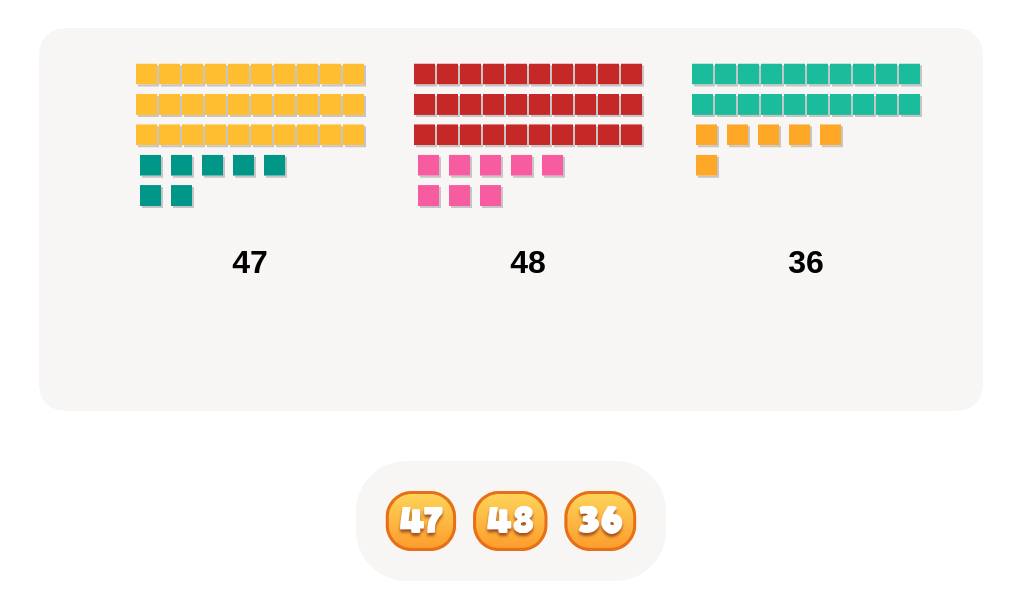
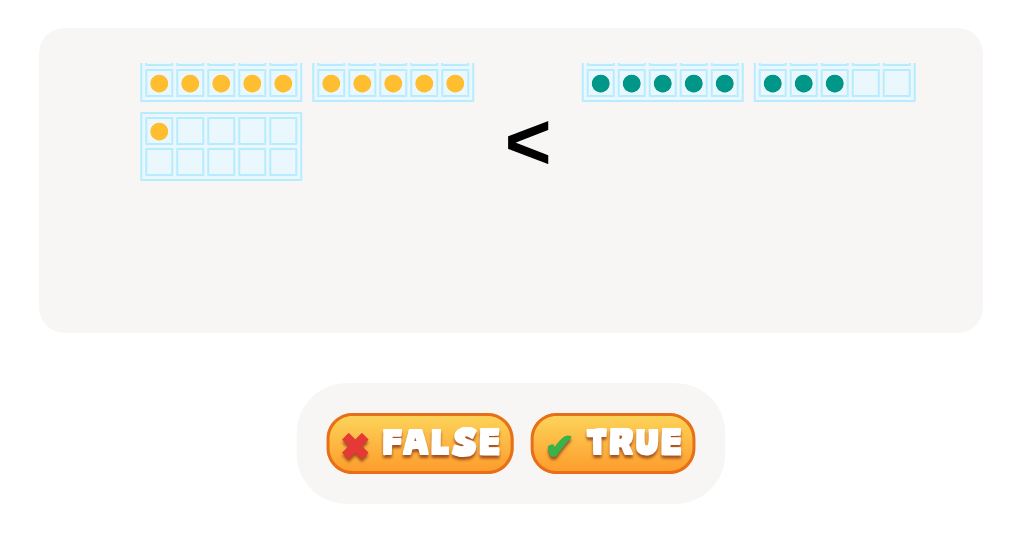
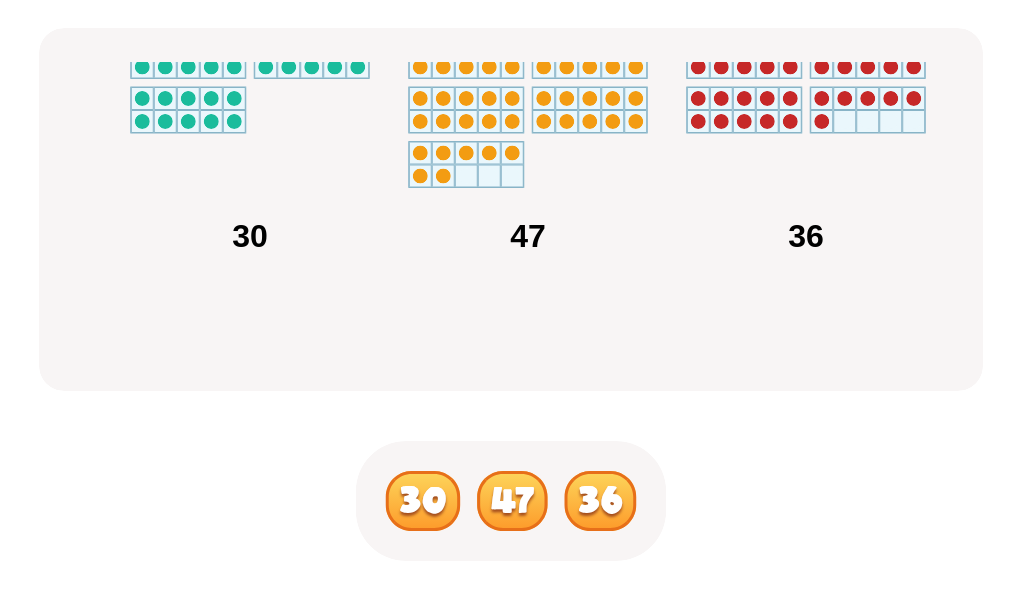
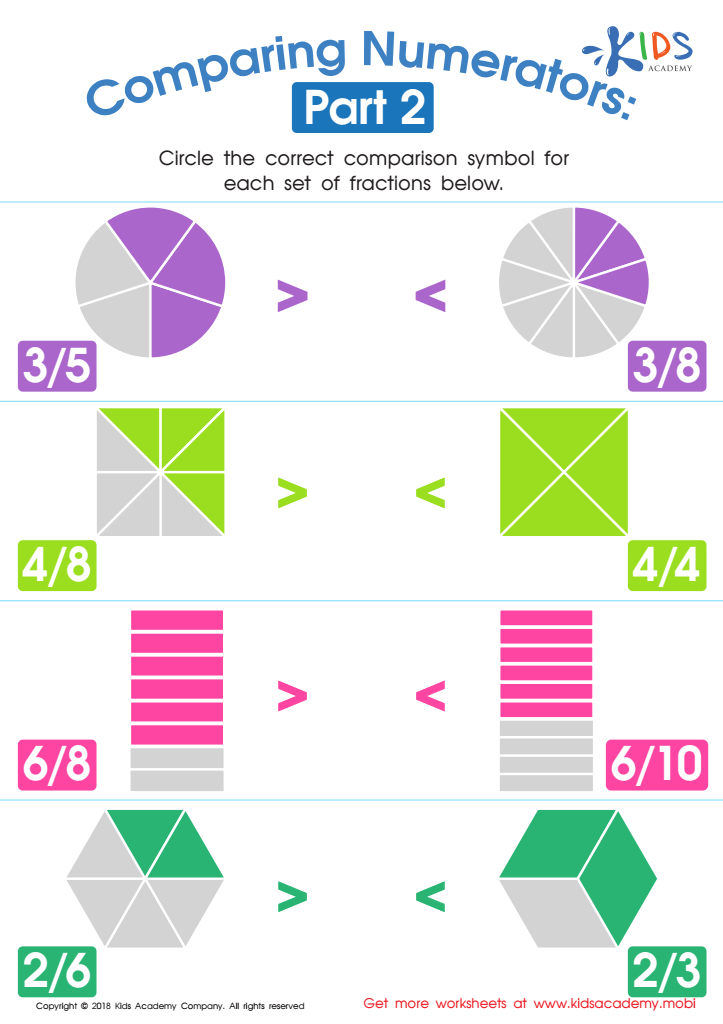
Comparing Numerators Part 2 Worksheet
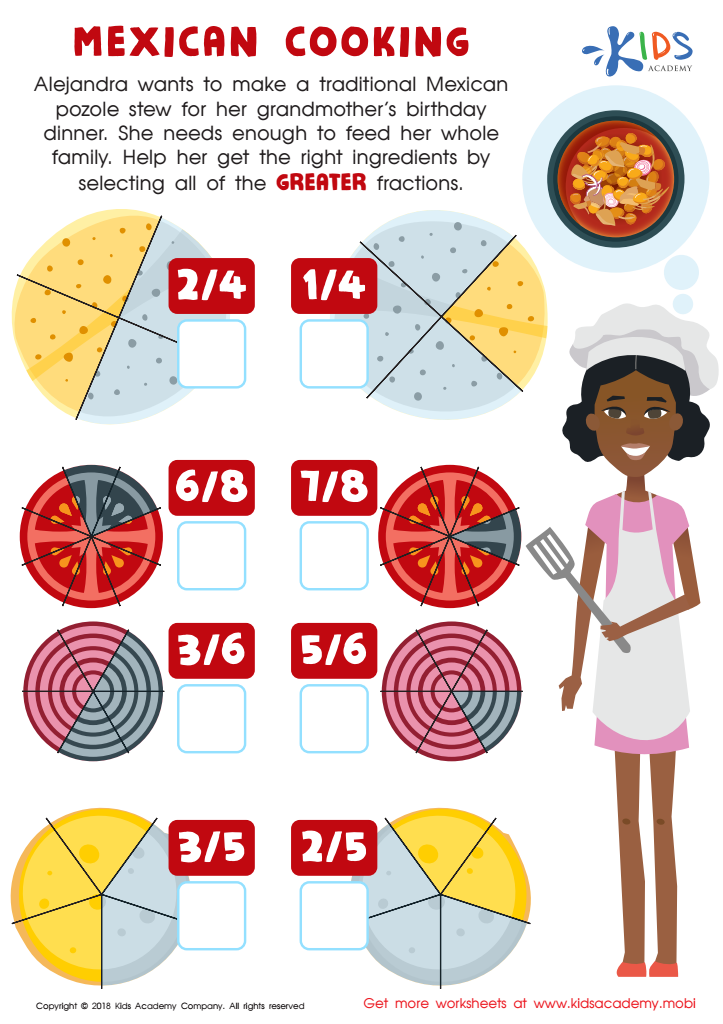
Mexican Cooking Worksheet
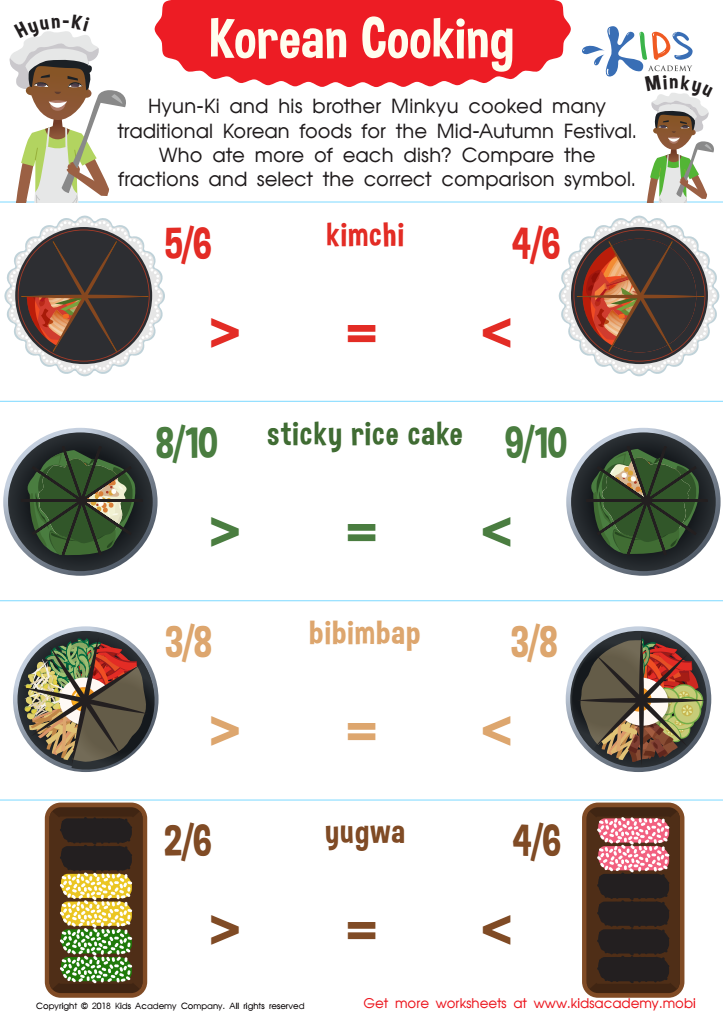
Korean Cooking Worksheet
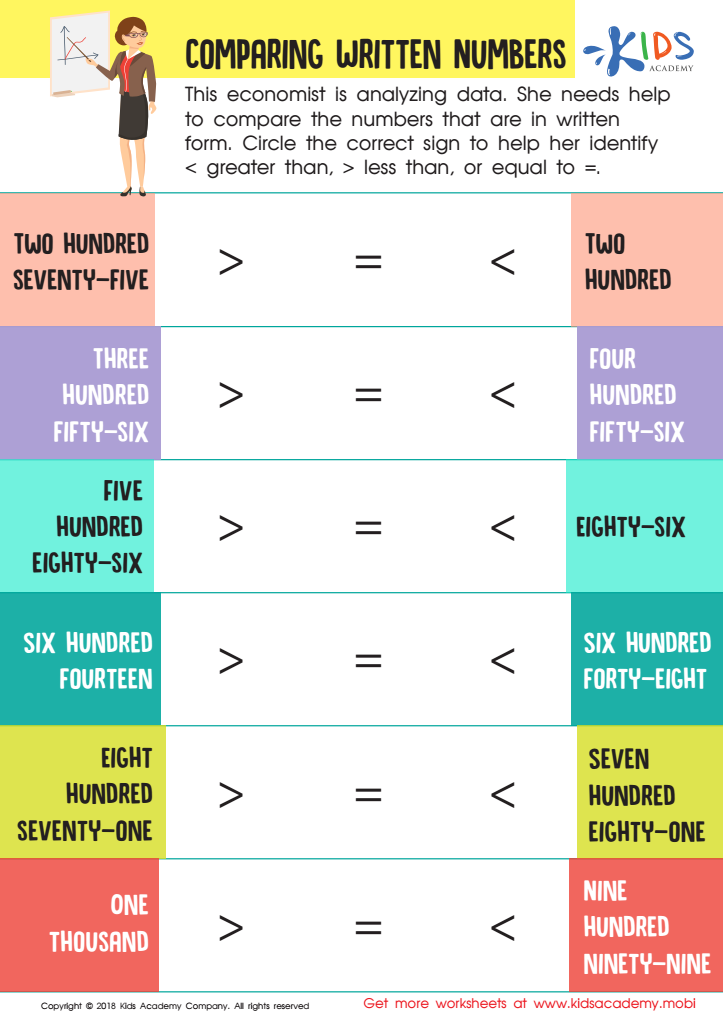
Comparing Written Numbers Worksheet
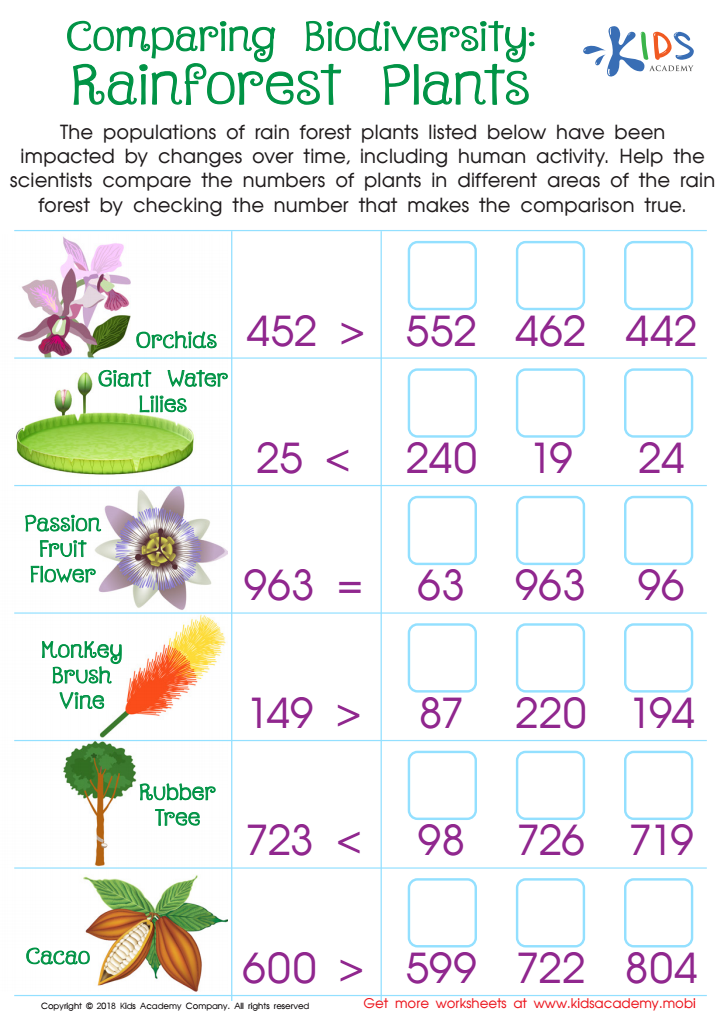
Comparing Biodiversity: Rainforest Plants Worksheet
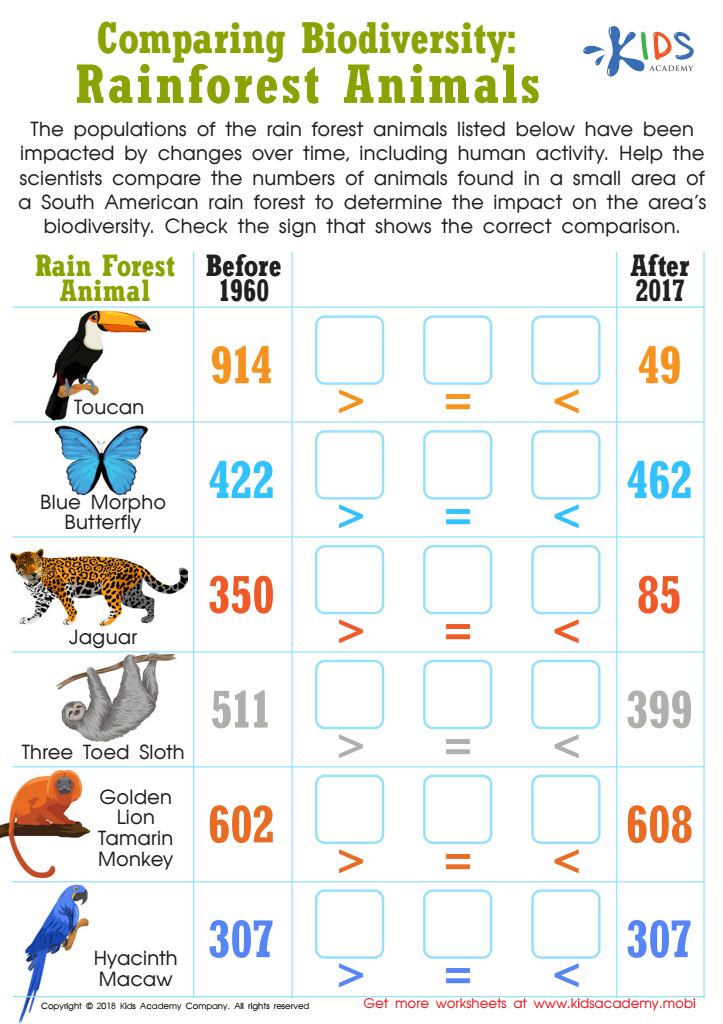
Comparing Biodiversity: Rainforest Animals Worksheet
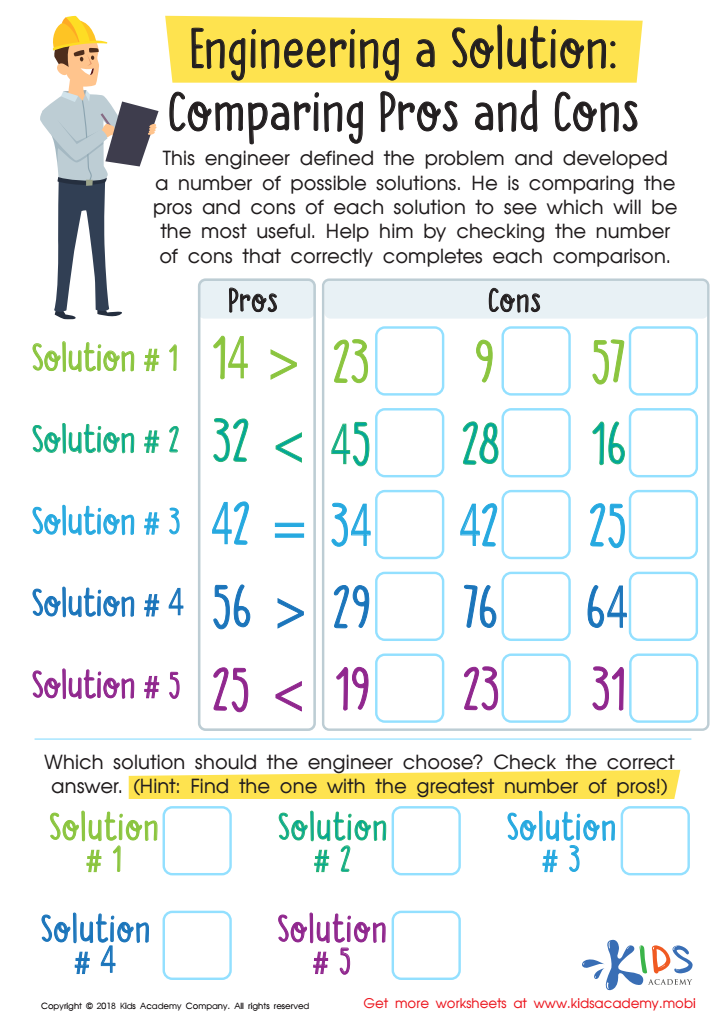
Engineering a Solution: Comparing Pros and Cons Worksheet
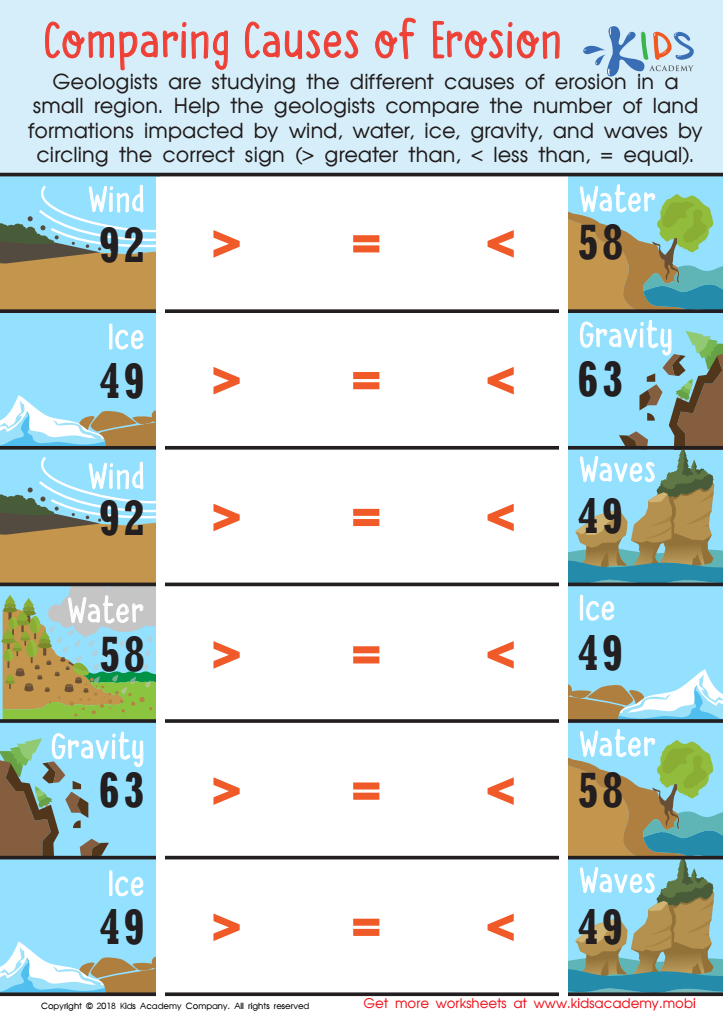
Comparing Causes of Erosion Worksheet
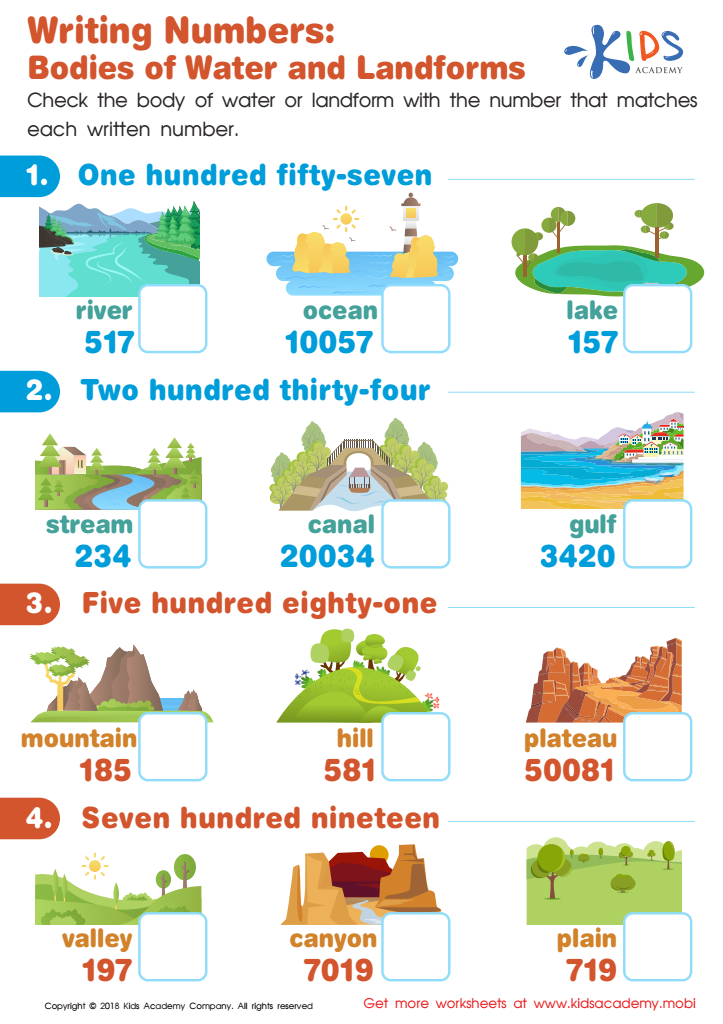
Bodies of Water and Landforms Writing Numbers Worksheet
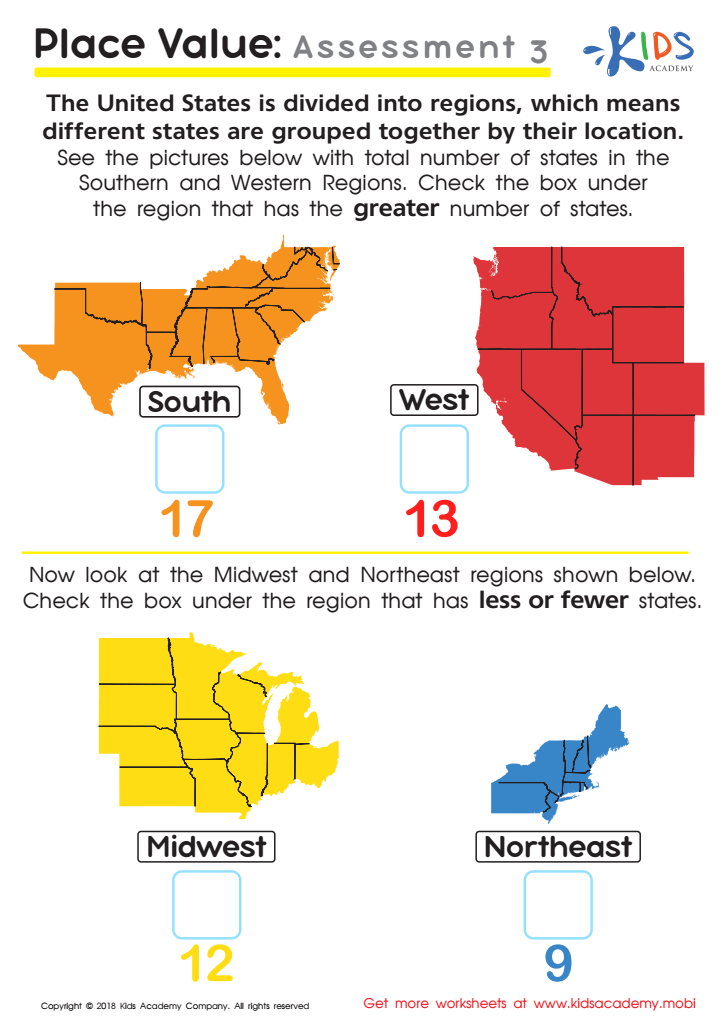
Place Value: Assessment 3 Worksheet
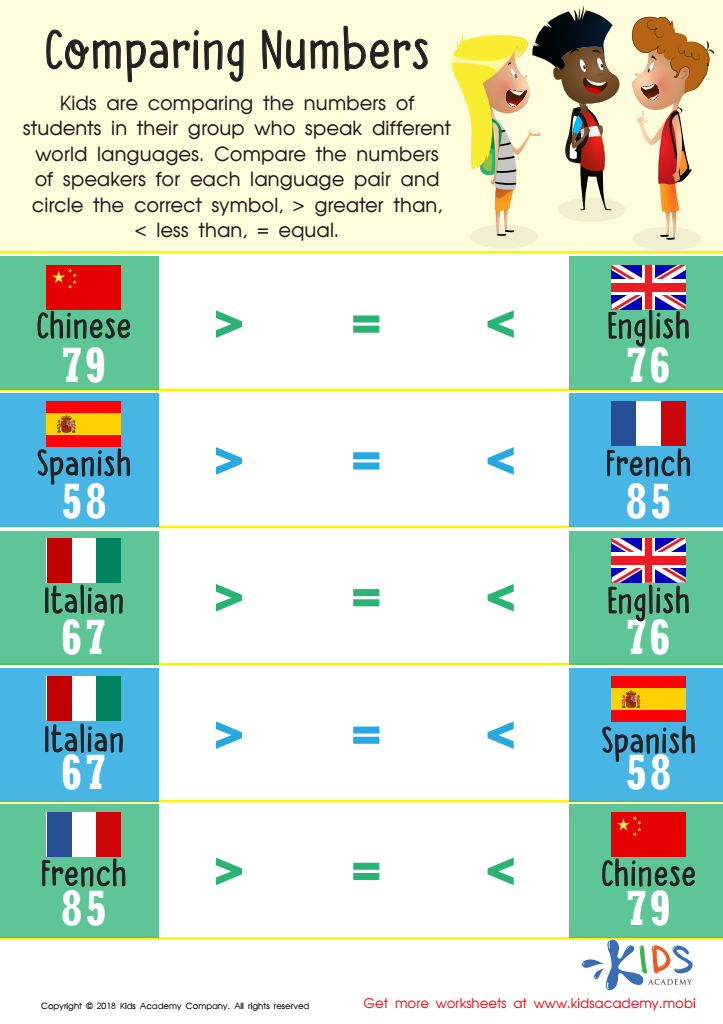
Comparing Numbers Worksheet for 1st Grade
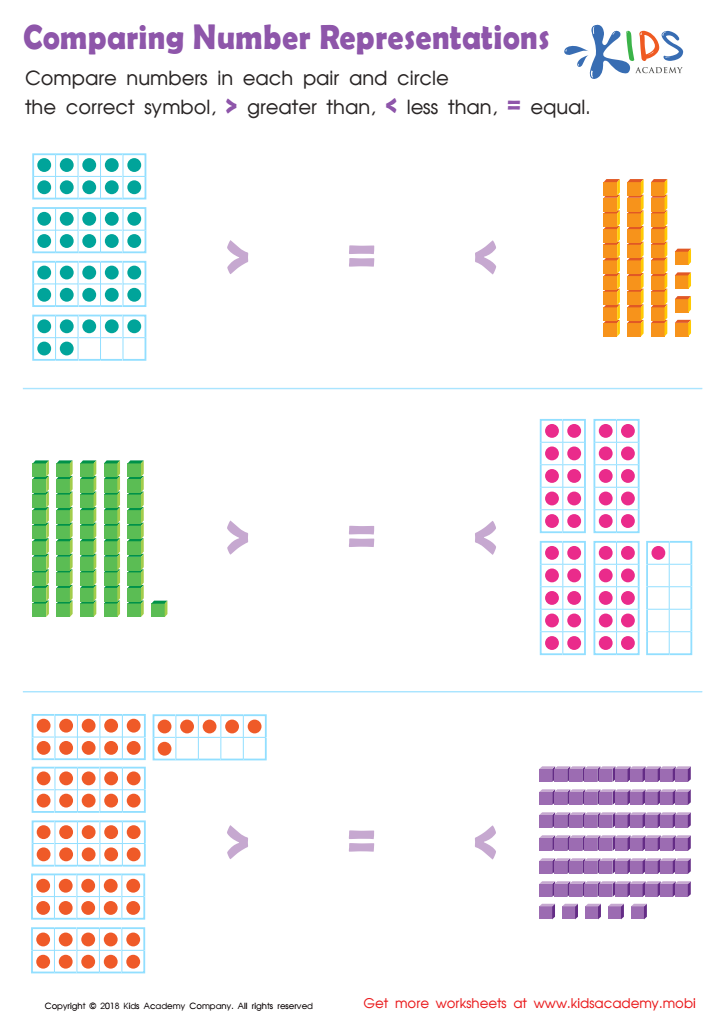
Comparing Number Representations Worksheet
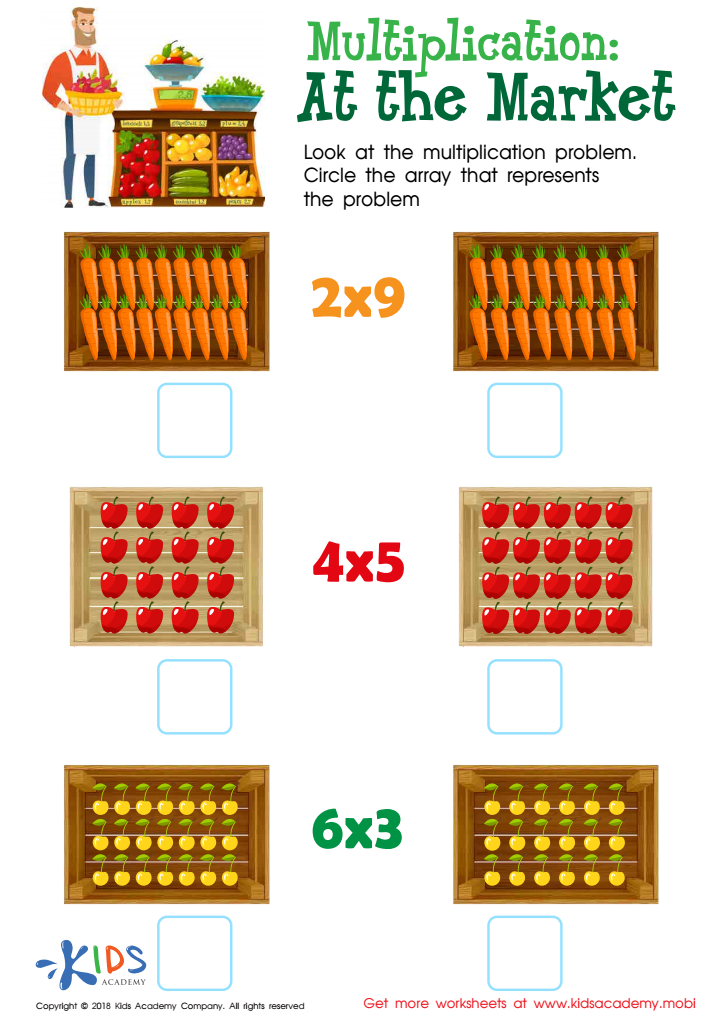
At the Market Worksheet
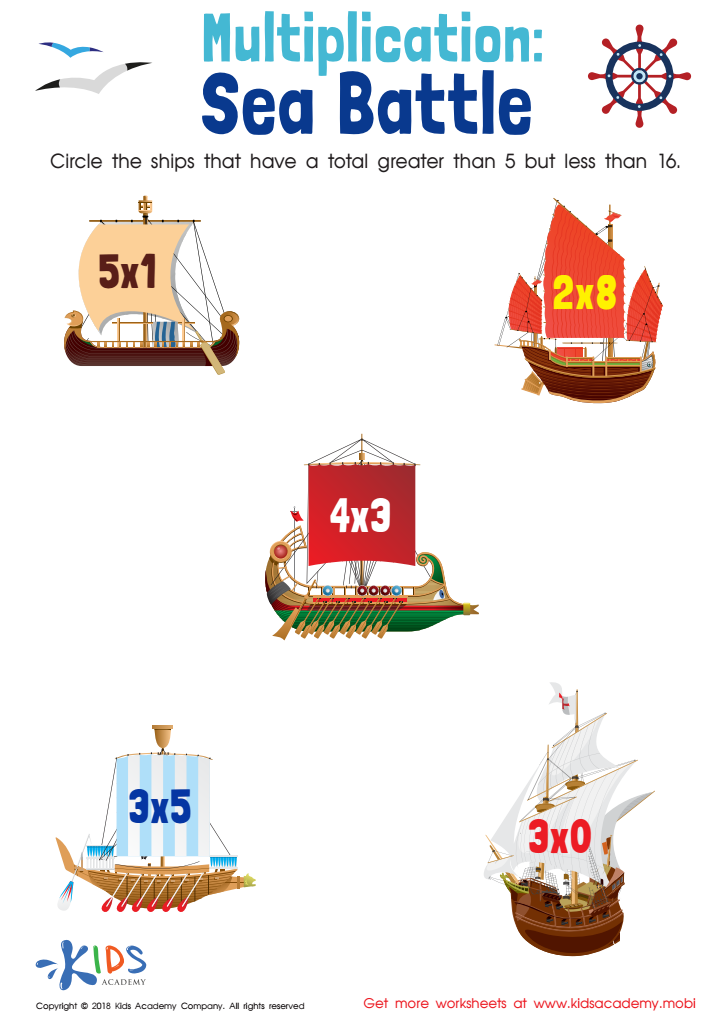
Sea Battle: Multiplication Worksheet
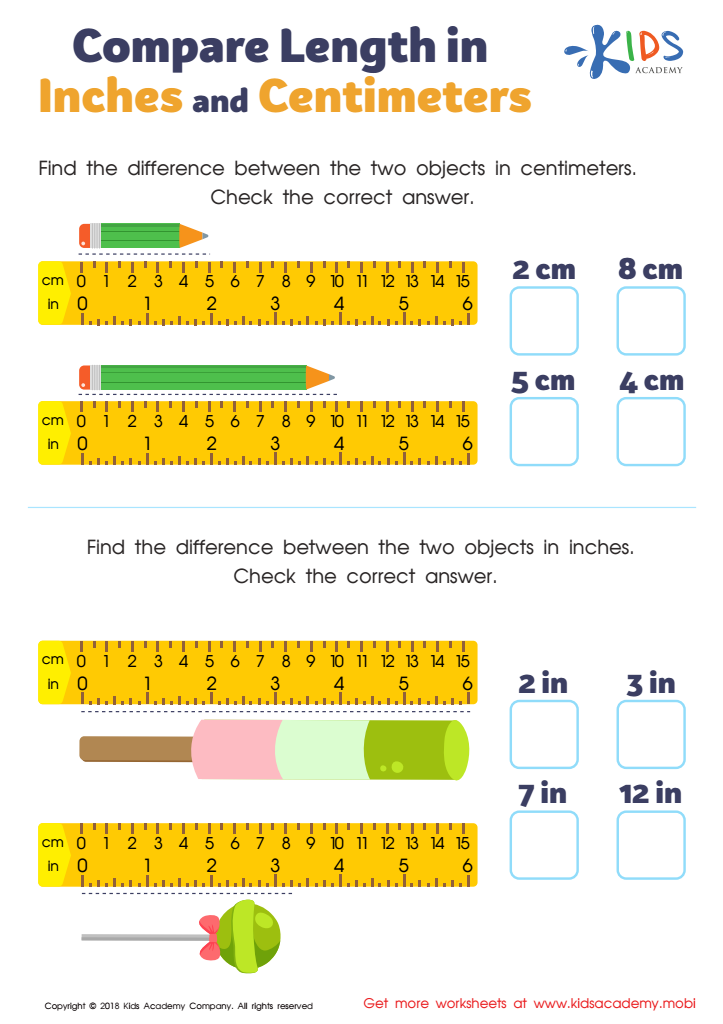
Compare Length in Inches and Centimeters Worksheet
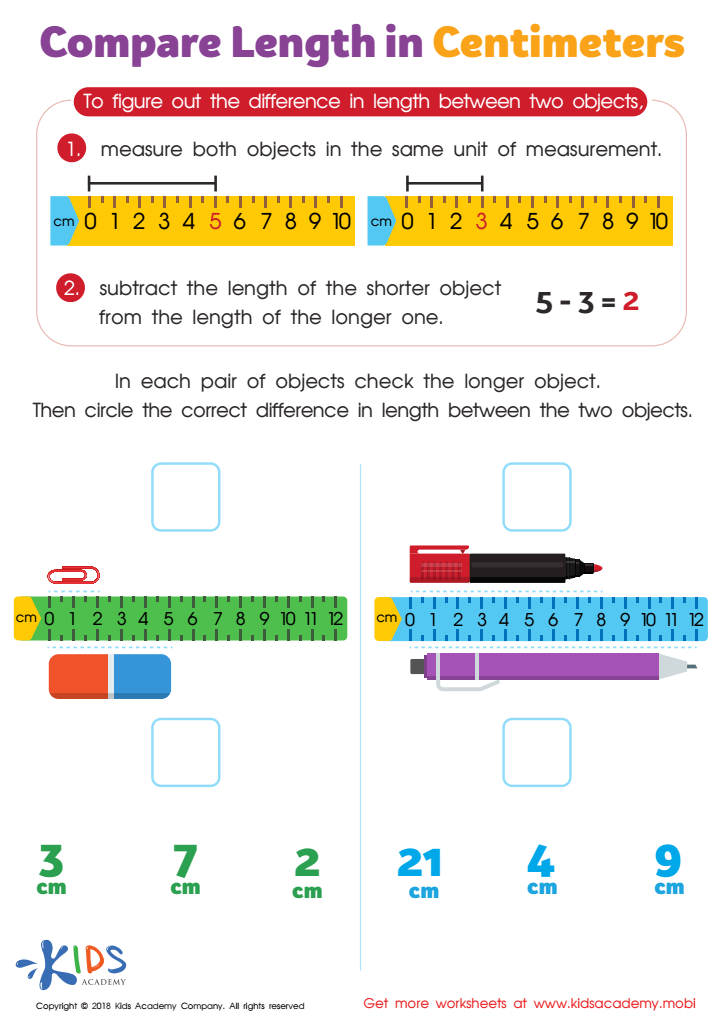
Compare Length in Centimeters Worksheet
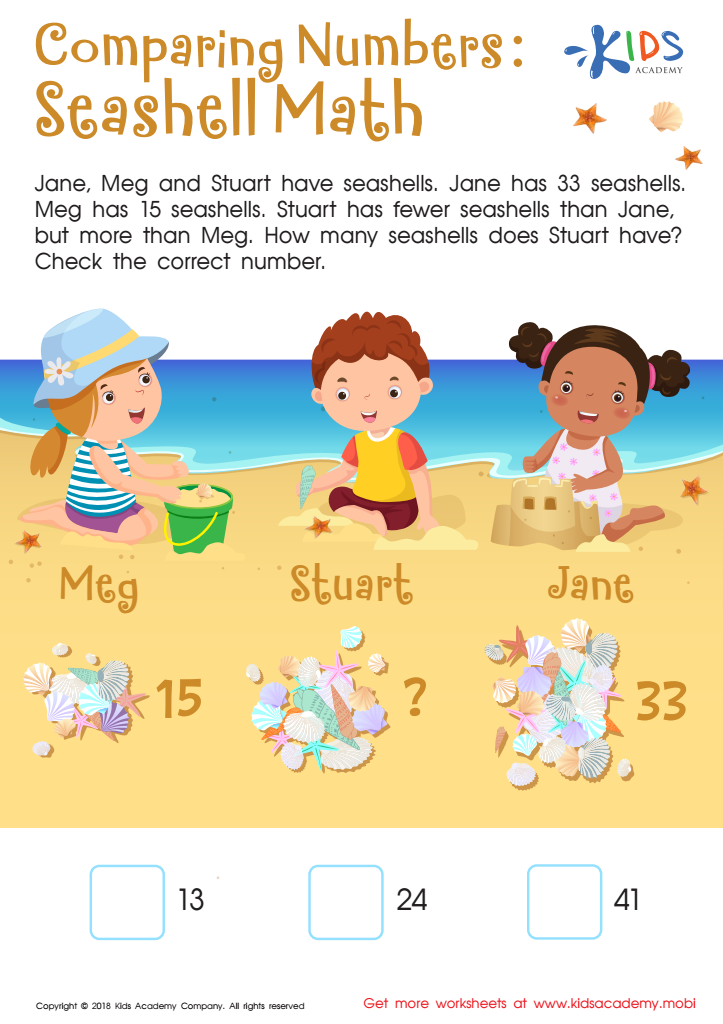
Seashell Collectors Worksheet
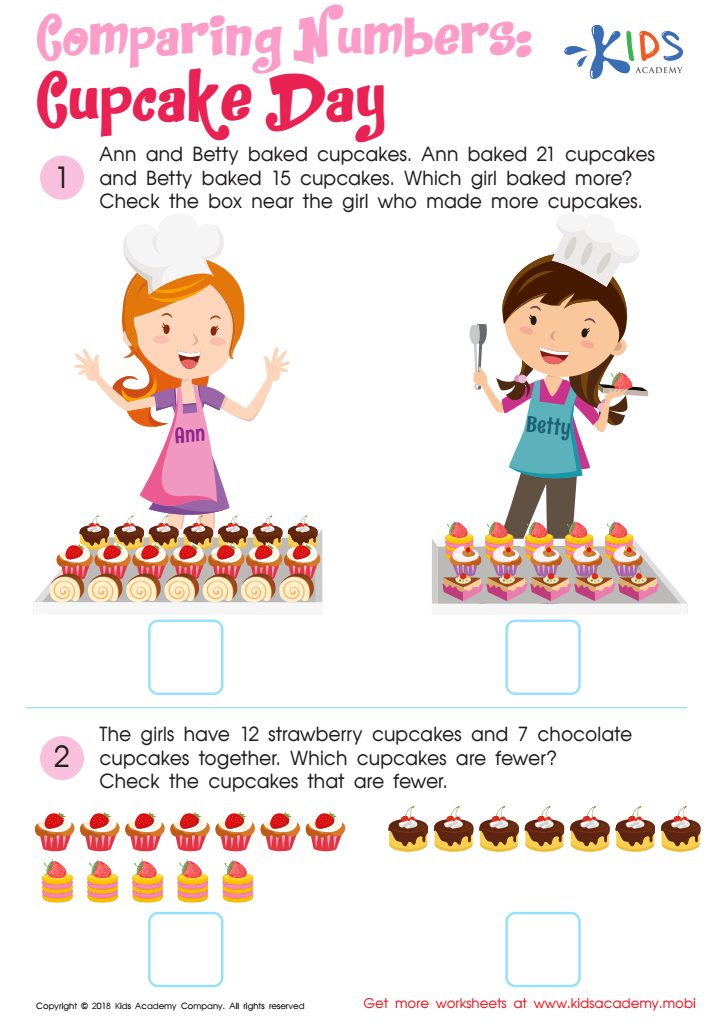
Cupcake Day Worksheet
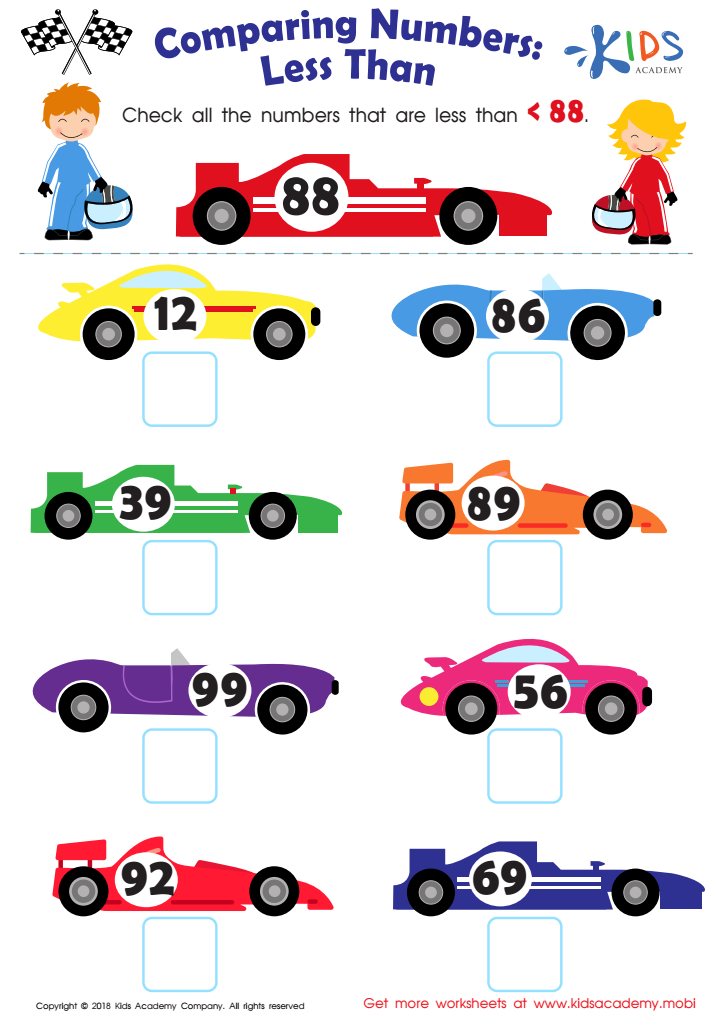
Less Than Worksheet
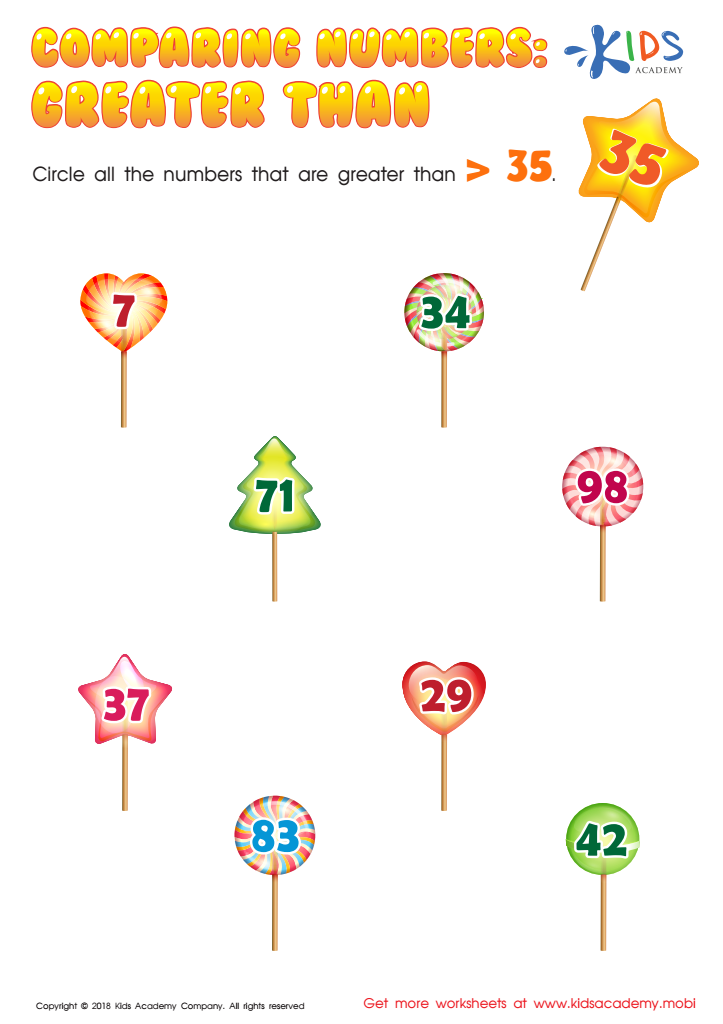
Greater Than Worksheet
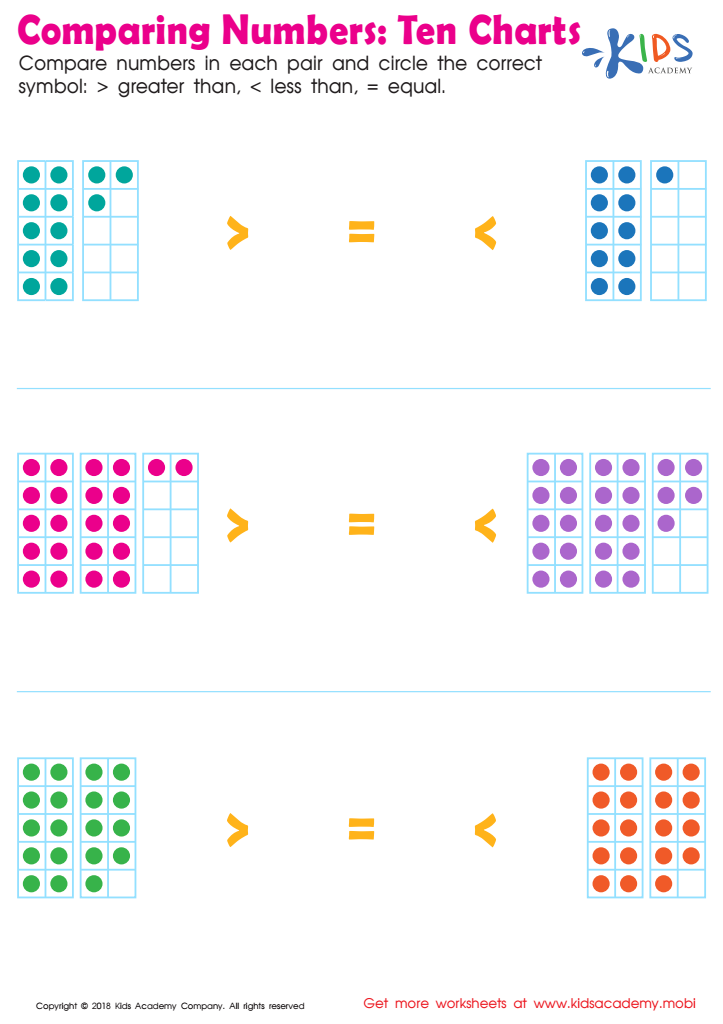
Ten Charts Worksheet
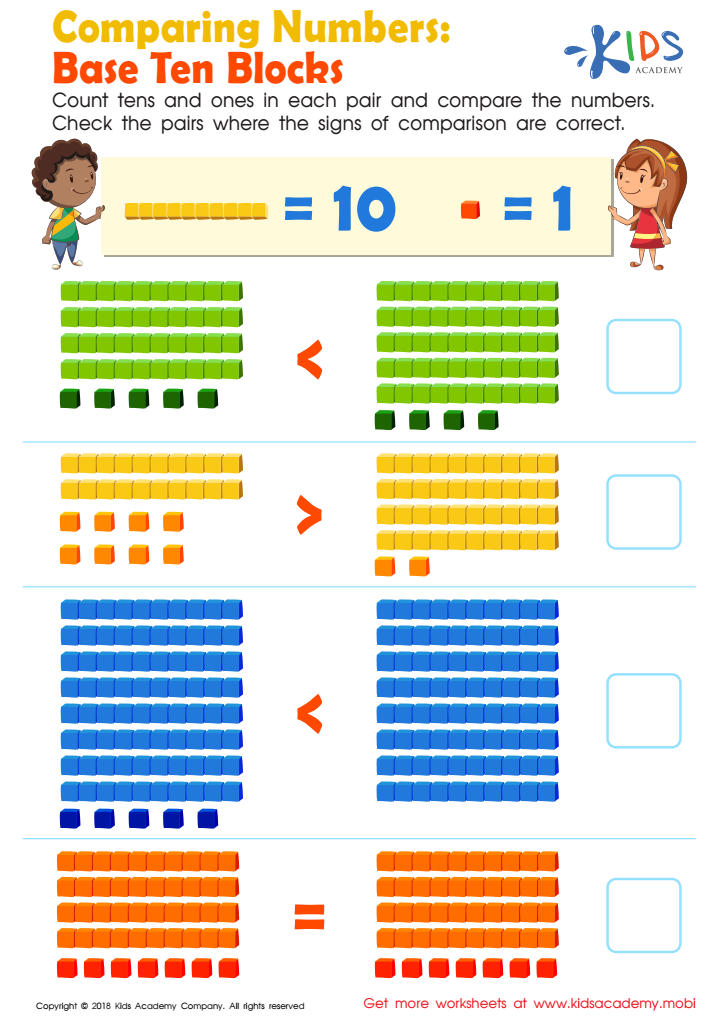
Comparing Numbers: Base Ten Blocks Worksheet
Matching: Classifying Toys by Size Worksheet








Understanding normal comparing numbers is foundational for young children, typically ages 5-8, as it sets the stage for more complex mathematical reasoning and problem-solving skills. When children learn to compare numbers, they develop a sense of number magnitude, understanding which numbers are larger or smaller and by how much. This skill is crucial not only for math but also for everyday tasks like evaluating quantities and making decisions.
For parents and teachers, fostering an environment where comparing numbers is part of regular activities helps children integrate mathematical concepts naturally. It builds their confidence and lays the groundwork for further arithmetic, such as addition and subtraction. Engaging children in comparing numbers through games, discussions, and practical examples (e.g., comparing the number of apples in different baskets) makes learning more concrete and enjoyable.
Additionally, early competency in comparing numbers contributes significantly to a child's readiness for school. By mastering this skill, children will likely perform better in subsequent math lessons, leading to a stronger overall academic performance. Caring about this aspect of math education benefits the child's cognitive development, strengthens critical thinking, and nurtures a lifelong positive attitude towards mathematics and learning in general.