Normal Multiplication Worksheets for Ages 5-8 - Page 2
34 filtered results
-
From - To
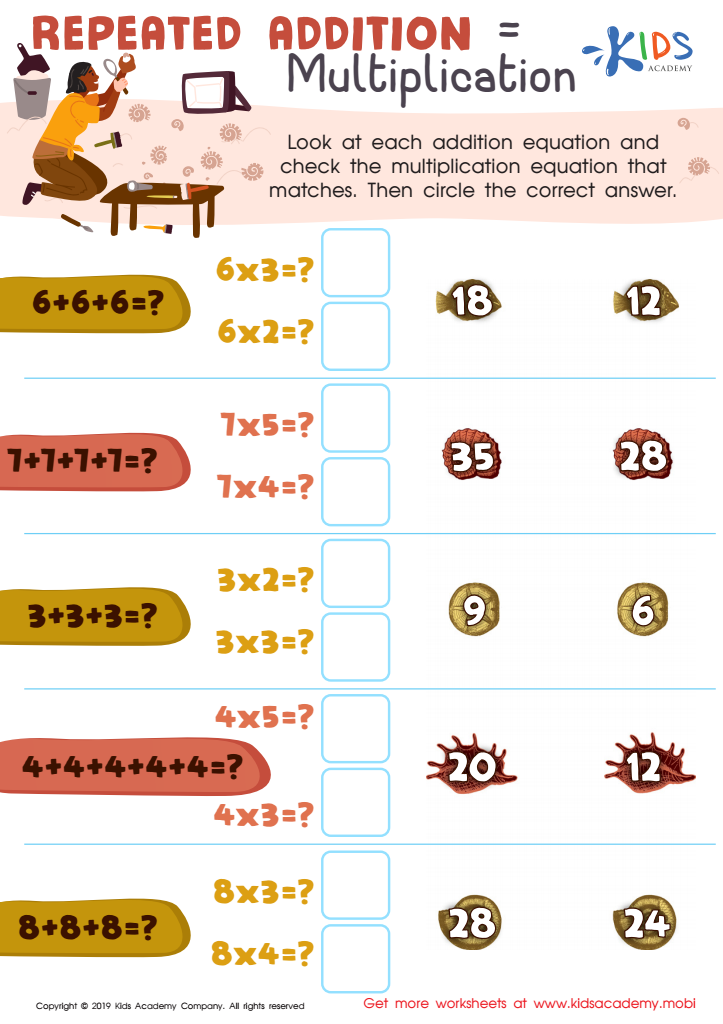
Repeated Addition = Multiplication Worksheet
 Assign to My Students
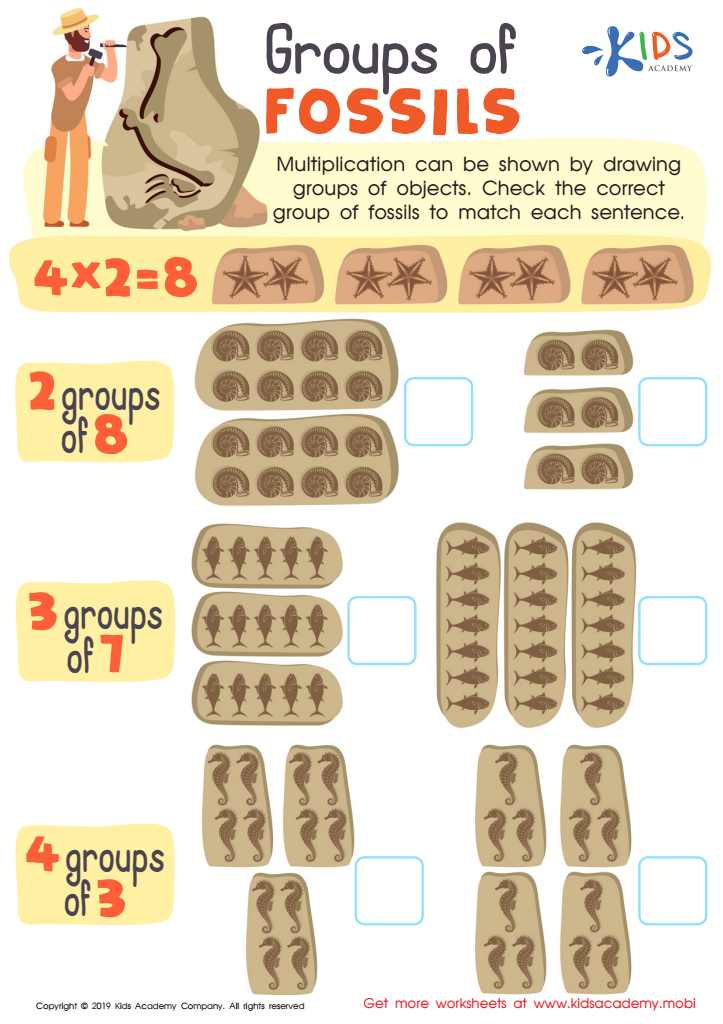
Groups of Fossils Worksheet
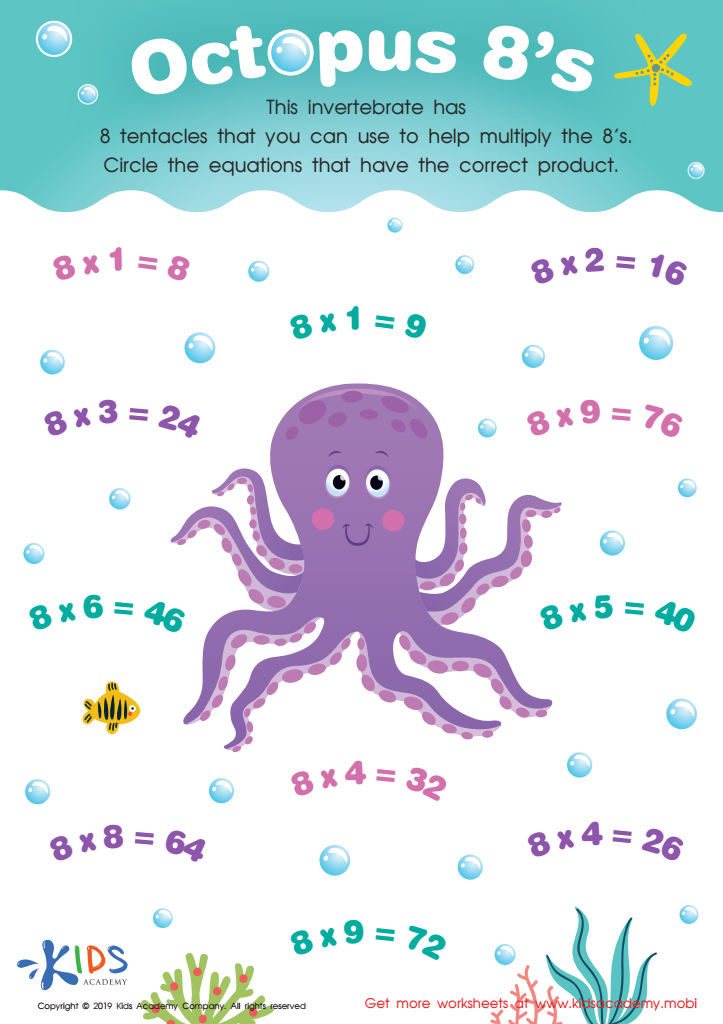
Octopus 8’s Worksheet
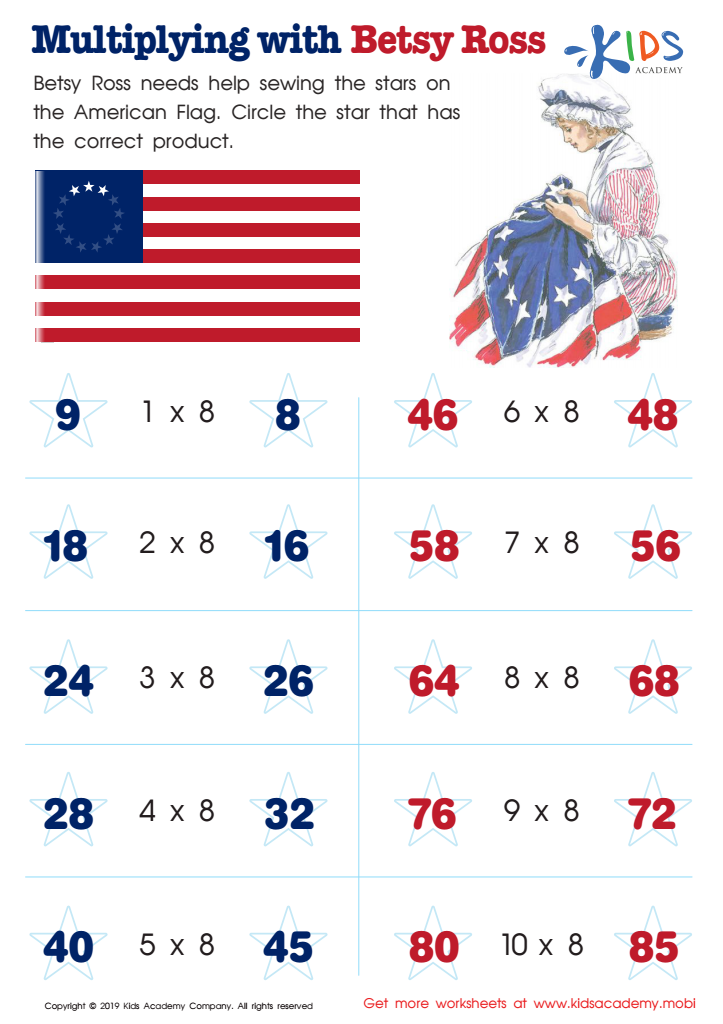
Multiplying with Betsy Ross Worksheet
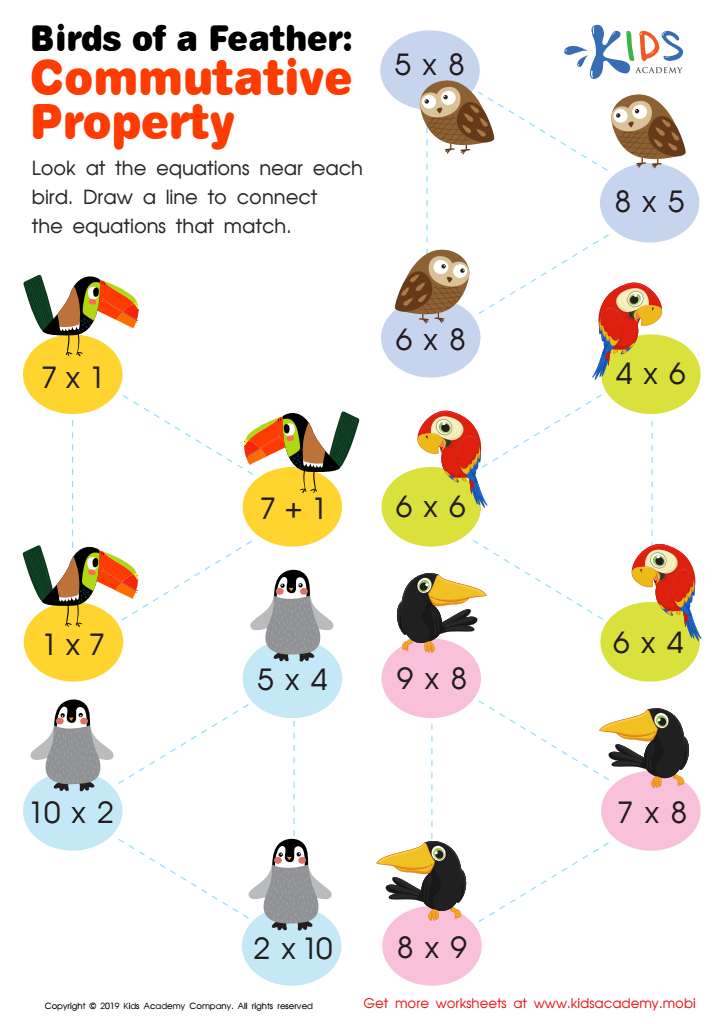
Birds of a Feather: Commutative Property Worksheet
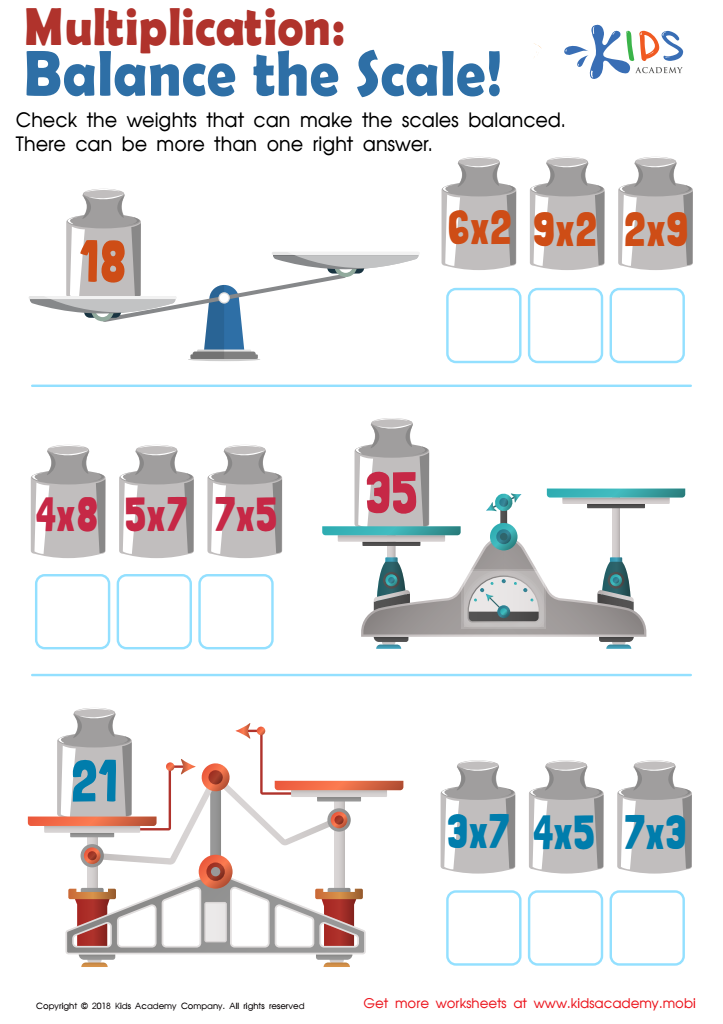
Balance the Scales Multiplication Worksheet
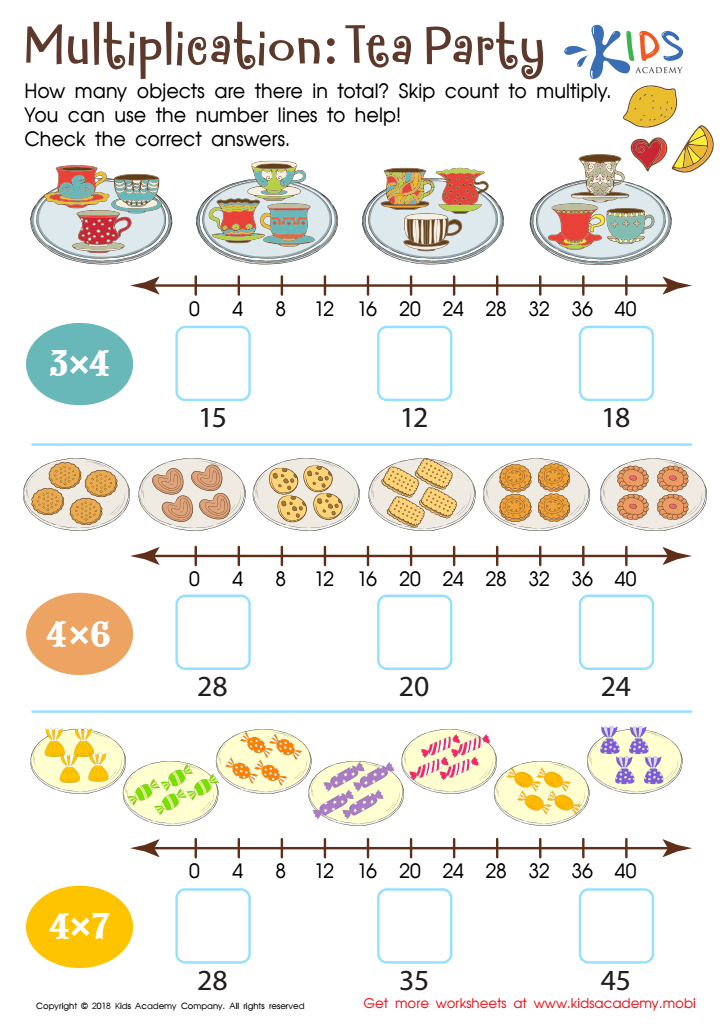
3rd Grade Math Worksheet Multiplication
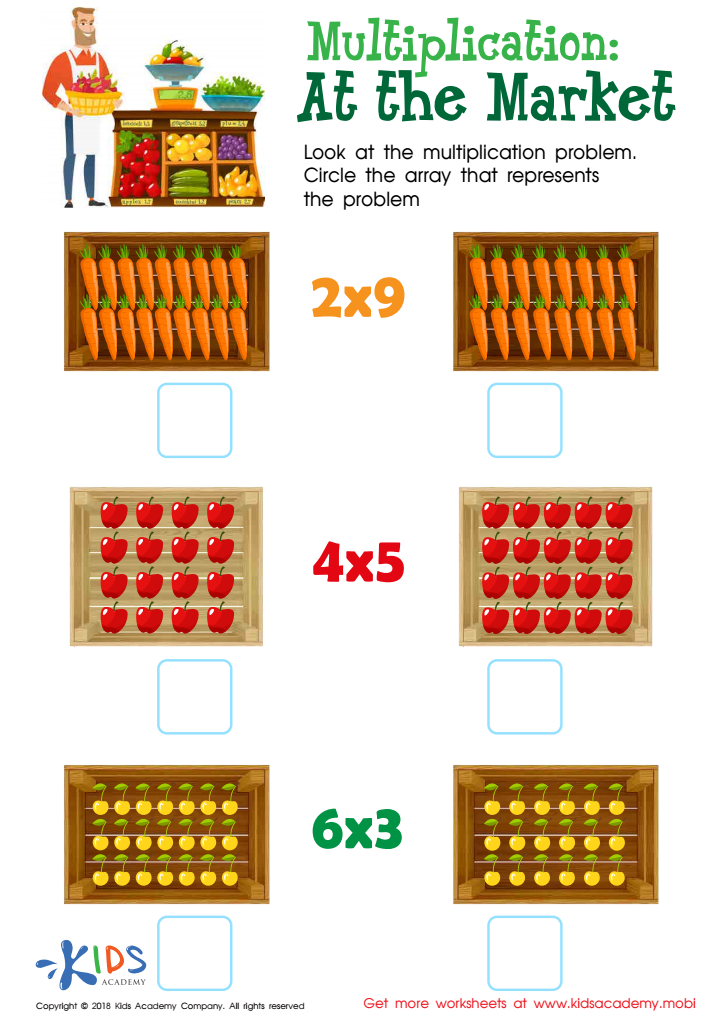
At the Market Worksheet
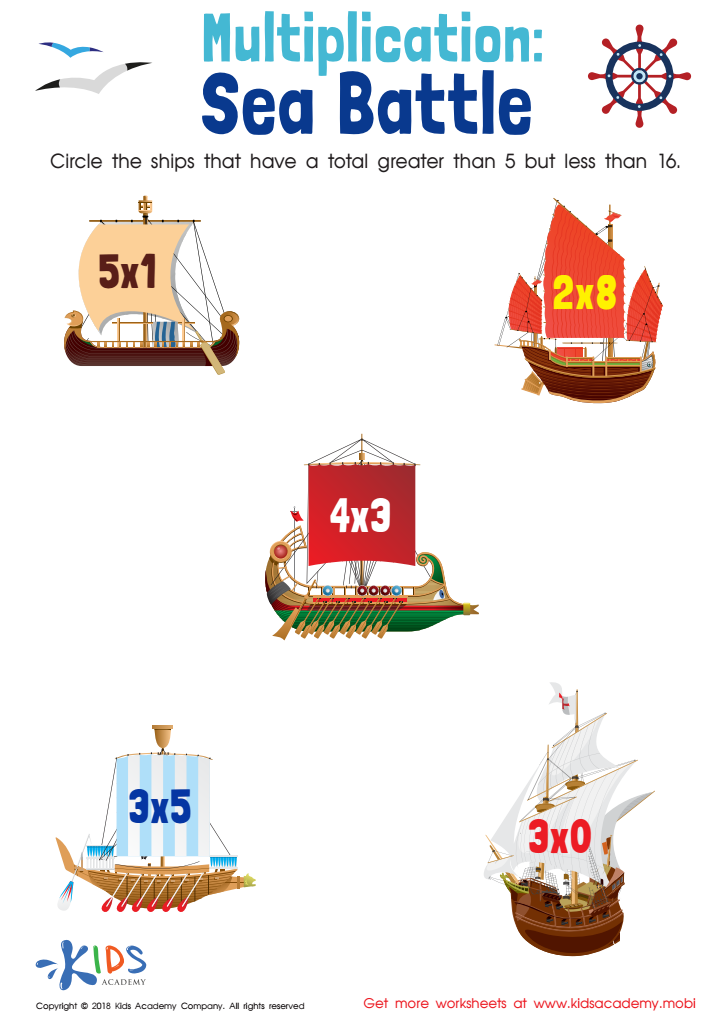
Sea Battle: Multiplication Worksheet
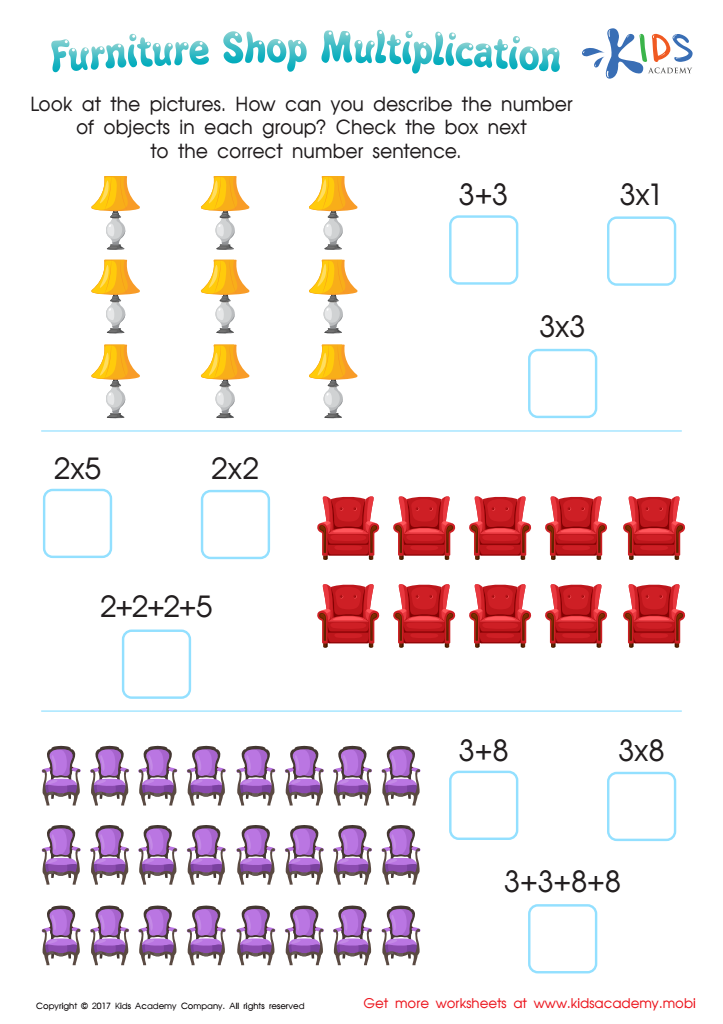
Furniture Shop Worksheet








Normal multiplication is a foundational mathematical concept that every child should grasp, especially between the ages of 5 to 8. Understanding multiplication is not only essential for academic achievement but also crucial for developing logical thinking and problem-solving skills.
At this age, children are beginning to understand grouping, which is the basic idea behind multiplication. By introducing multiplication early, teachers and parents can help children connect addition and repeated counting. This connection fosters a solid mathematical foundation that will be invaluable as they progress to more complex concepts like division, fractions, and algebra.
Moreover, mastering normal multiplication not only enhances a child's computational skills but also boosts their confidence in math. This confidence can shape their overall attitude toward learning, making them more open to engaging with challenging content as they advance in education.
In practical terms, multiplication plays a significant role in everyday life—from calculating prices while shopping to dividing treats among friends. By prioritizing normal multiplication, parents and teachers can empower children to navigate these real-world situations with ease and competence, setting the stage for lifelong mathematical fluency and success.








